
DIY Vertical Garden: Maximize Green Space on Your Balcony
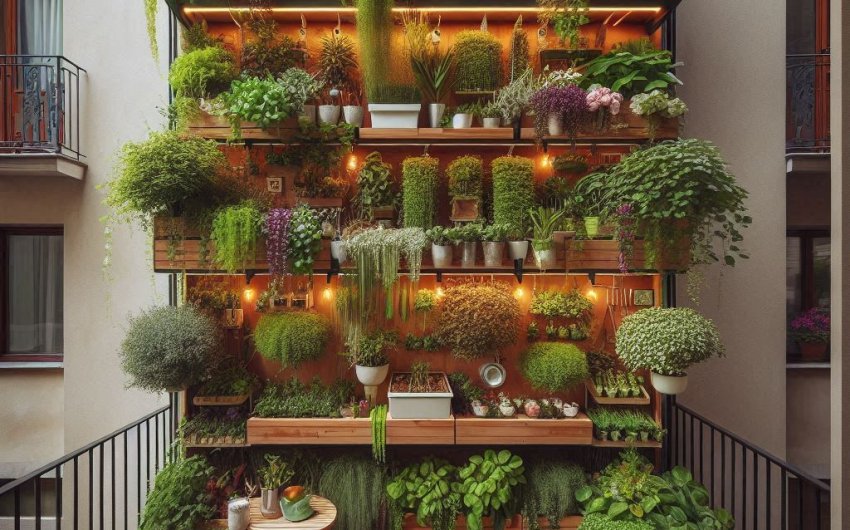
For urban dwellers, a balcony isn't just an extension of living space; it's a precious slice of outdoor freedom, often with limited square footage. While the dream of a sprawling garden might seem out of reach, the reality is that every inch can be maximized for greenery, fresh produce, or vibrant flowers. The secret lies in thinking upwards, not outwards. A DIY vertical garden on your balcony is an ingenious solution, transforming unused wall space into a lush, productive, and beautiful display. It’s an accessible and affordable way to bring nature closer, whether you aspire to grow your own herbs, add a splash of color, or create a refreshing green screen for privacy. This comprehensive guide will inspire you with creative ideas, walk you through step-by-step construction, and provide essential tips to help you build and maintain a thriving elevated garden that makes the most of your compact outdoor oasis.
Why build a DIY vertical garden on your balcony?
Embracing the concept of a vertical garden on your balcony offers a multitude of benefits, particularly for those with limited outdoor real estate. It's a clever way to expand your gardening horizons without sacrificing precious floor space.
What are the main advantages of vertical gardening on a balcony?
The upsides of creating a vertical garden in a compact area are numerous and highly practical:
- Space Maximization: This is the most obvious benefit. Vertical gardens allow you to utilize unused wall space, turning a blank surface into a productive growing area. This is invaluable on small balconies where horizontal space is at a premium.
- Increased Planting Capacity: By growing upwards, you can cultivate significantly more plants in the same footprint than you could with traditional potted plants on the floor.
- Aesthetic Appeal: A well-designed vertical garden is a living work of art. It adds lush greenery, vibrant colors, and interesting textures, instantly transforming a plain balcony into a beautiful and inviting space.
- Improved Air Quality: More plants mean more oxygen production and potentially better air filtration, making your balcony feel fresher.
- Privacy Screen: A dense vertical garden can act as a natural, beautiful screen, offering privacy from neighbors or unsightly views.
- Ergonomics and Accessibility: Plants grown vertically are often at a more comfortable height, reducing the need for bending and kneeling during watering, harvesting, and care. This makes gardening more accessible for people with mobility issues.
- Pest and Disease Management: Elevated plants can be less susceptible to ground-dwelling pests (like slugs and snails) and can improve air circulation, reducing fungal diseases.
- Fresh Produce at Your Fingertips: Grow herbs, leafy greens, or small vegetables right outside your door for easy harvesting while cooking.
Can you grow a lot of plants in a small balcony vertical garden?
Absolutely! The beauty of a DIY vertical garden on your balcony is its ability to pack a surprising number of plants into a seemingly small area. By utilizing multiple tiers, pockets, or shelves, you can transform a single square foot of wall into a mini-farm. For example, a vertical planter with 6-8 pockets can house an entire herb garden, or a tiered shelving unit can hold dozens of small potted plants. The key is to choose compact plant varieties and arrange them efficiently. You'll be amazed at the bounty you can achieve by thinking vertically.
Is a DIY vertical garden project suitable for beginners?
Yes, a DIY vertical garden project on a balcony is definitely suitable for beginners. Many vertical garden ideas are straightforward and require minimal tools or carpentry skills. Options range from simply hanging multiple pots on a trellis to assembling ready-made kits. It's a fantastic entry point into gardening because it's contained, manageable, and offers quick results with fast-growing plants like herbs and leafy greens. The ease of access for watering and harvesting also makes it less daunting than managing a sprawling in-ground garden.
What are popular DIY vertical garden ideas for balconies?
The possibilities for creating a DIY vertical garden on your balcony are endless, ranging from simple hanging systems to more structured builds. Many creative and budget-friendly ideas can transform your space.
How to make a pallet vertical garden?
A pallet vertical garden is a popular and rustic-chic DIY solution for balconies, utilizing repurposed wooden pallets.
- Materials: You'll need a sturdy, untreated wooden pallet (look for "HT" stamped on it, indicating heat-treated, not chemically treated), landscape fabric or thick plastic sheeting, a staple gun, potting mix, and plants.
- Construction:
- Orient the pallet so the open slats are facing upwards.
- Line the inside of the pallet (the "pockets" created by the slats) with landscape fabric or plastic sheeting, creating pouches for soil. Staple the fabric securely to the wood.
- Fill the pouches with potting mix.
- Plant your desired herbs, flowers, or leafy greens.
- Mounting: Lean it against a sturdy wall (ensure it's stable and won't tip over) or secure it to a railing with heavy-duty zip ties or wire.
Can you create a hanging planter wall?
A hanging planter wall is a simple and effective way to achieve a vertical garden on a balcony without much construction.
- Materials: You'll need a sturdy wall, railing, or wire grid panel, and a collection of hanging pots with hooks or S-hooks.
- Construction:
- Mount a wooden slat, metal rod, or wire grid securely to your balcony wall or railing.
- Hang individual pots at varying heights and arrangements using their integrated hooks or S-hooks.
- Benefits: Highly customizable, easy to rearrange, and allows for plant rotation.
What about a tiered vertical planter?
Tiered vertical planters are ready-made or simple DIY kits that create multiple levels of planting, maximizing vertical space.
- Types: These can be freestanding tiered planter stands, or systems where individual pots stack or interlock to form a tower.
- Materials: Available in plastic, metal, wood, or composite materials.
- Benefits: Stable, easy to assemble (many are bolt-free), and provide designated planting pockets at different heights. Excellent for strawberries, herbs, or small flowers.
How to use repurposed plastic bottles for a vertical garden?
Creating a vertical garden from repurposed plastic bottles is an eco-friendly and budget-conscious DIY project.
- Materials: Clean plastic bottles (2-liter soda bottles work well), strong string or wire, a knife or scissors, and a drill or hole punch.
- Construction:
- Cut a rectangular opening on one side of each bottle (leaving the ends intact) to create a planting pocket.
- Punch small drainage holes in the bottom of the cut-out section.
- Punch two holes near the mouth of the bottle and two near the base for hanging.
- Thread string or wire through the holes to create a vertical hanging chain of bottles, one above the other.
- Fill each bottle with potting mix and plants.
- Mounting: Hang the chain of bottles from a sturdy hook or railing.
- Consideration: Water can drip from the top bottle to the bottom, so plan plant placement accordingly (thirstier plants at the bottom).
Can you build a simple freestanding shelving unit for plants?
A simple freestanding shelving unit is a straightforward way to create a vertical garden without permanent wall attachments.
- Materials: A sturdy outdoor shelving unit (metal, wood, or plastic).
- Construction: No special construction needed beyond assembling the unit.
- Usage: Place potted plants on each shelf, utilizing the vertical space. This allows you to easily move plants around for light or maintenance. Look for narrow outdoor shelving units that fit your balcony dimensions.
What are the best plants for a balcony vertical garden?
Choosing the right plants for your balcony vertical garden is crucial. Opt for compact, shallow-rooted varieties that thrive in containers and fit the light conditions of your balcony.
Which herbs are ideal for vertical gardens?
Most herbs are fantastic for vertical gardens due to their compact size and frequent harvesting needs.
- Basil: Needs full sun.
- Mint: Place in its own pot within the vertical garden due to its invasive nature. Thrives in sun to partial shade.
- Chives: Easy to grow, full sun to partial shade.
- Thyme: Drought-tolerant, full sun.
- Oregano: Drought-tolerant, full sun.
- Parsley: Likes consistent moisture, full sun to partial shade.
- Cilantro: Prefers cooler weather, full sun to partial shade.
- Rosemary: Needs full sun and good drainage.
- You can find herb garden seed kits that include many of these varieties.
What leafy greens grow well vertically?
Leafy greens are excellent for quick and continuous harvests in a vertical garden.
- Lettuce (Loose-leaf varieties): 'Black Seeded Simpson', 'Salad Bowl', or 'Buttercrunch' are good choices. Harvest outer leaves regularly for continuous production.
- Spinach: Grows quickly in cooler weather.
- Arugula: Peppery flavor, fast-growing.
- Kale (Dwarf varieties): 'Lacinato' or 'Dwarf Blue Curled' can be harvested for baby leaves.
- Swiss Chard: Adds vibrant color and is very productive.
These usually prefer partial sun or protection from intense afternoon sun to prevent bolting. You can buy leafy green seeds for containers.
Can you grow small vegetables in a vertical garden?
Yes, certain small vegetables can be very productive in a balcony vertical garden.
- Strawberries: Ideal for tiered planters or wall-mounted pockets. Choose everbearing varieties for continuous fruit.
- Radishes: Very fast-growing, shallow roots.
- Bush Beans: Look for compact or bush varieties that don't vine extensively.
- Cherry Tomatoes (Dwarf/Patio varieties): Can be grown in larger pockets of sturdy vertical planters, or in hanging systems.
- Peppers (Dwarf/Compact varieties): Small bell peppers or chili peppers like 'Munchkin' or 'Tiny Elf'.
- Compact Cucumbers: Look for 'Bush Slicer' or 'Patio Snacker' that have a bushy habit or can be trained.
Which flowers add beauty to a vertical garden?
Flowering plants bring color, attract pollinators, and enhance the visual appeal of your vertical garden.
- Petunias/Calibrachoa: Abundant, continuous blooms in various colors, trailing habit.
- Impatiens/New Guinea Impatiens: Bright, cheerful flowers for shadier spots.
- Pansies/Violas: Cool-season color, charming blooms.
- Lobelia: Delicate blue, purple, or white flowers that spill over edges.
- Nasturtiums: Edible flowers with a peppery taste, also act as a trap crop for aphids.
- Trailing Coleus: While not a flower, its vibrant foliage adds incredible color and texture, especially in shadier spots.
Essential care tips for balcony vertical gardens
While a DIY vertical garden on a balcony is space-efficient, it requires specific care to thrive, especially when it comes to watering and light.
How do you water plants in a vertical garden?
Watering a vertical garden is often the biggest challenge due to gravity and shallow soil.
- Frequent Watering: Vertical gardens dry out much faster than traditional pots or garden beds. You might need to water daily, especially in hot, sunny, or windy conditions.
- Top-Down Watering: If your system allows, water from the very top pocket/plant, letting excess water cascade down to the plants below.
- Bottom Watering (for removable pots): If individual pots can be removed, occasionally soak them in a tray of water to ensure thorough saturation.
- Drip Irrigation (Advanced DIY): For larger or more complex vertical gardens, consider a small drip irrigation kit for vertical gardens. This automates watering and ensures even distribution.
- Monitor Moisture: Always check the soil moisture by feeling it. Adjust watering frequency based on how quickly the soil dries out.
What kind of soil is best for vertical gardens?
Use a high-quality, lightweight potting mix for your vertical garden.
- Lightweight: Choose a mix that won't become too heavy when wet, which is important for the structural integrity of your vertical system.
- Good Drainage: Ensure the mix drains well but also retains some moisture.
- Ingredients: Look for mixes that include peat moss or coco coir, perlite or vermiculite for aeration. Never use garden soil.
- Nutrients: Many commercial potting mixes contain slow-release fertilizer, which is a good start. You may need to supplement.
How important is sunlight for vertical garden plants?
Sunlight is crucial, even for a DIY vertical garden on a balcony.
- Assess your balcony's light: Observe how much direct sunlight your balcony receives throughout the day and year. This will determine which plants you can grow successfully.
- Full Sun (6+ hours): Ideal for most herbs, strawberries, dwarf tomatoes, peppers, and sun-loving flowers.
- Partial Sun/Shade (3-6 hours or dappled): Suitable for leafy greens, parsley, cilantro, and shade-tolerant flowers like impatiens or fuchsias.
- Plant placement: Place sun-loving plants at the top of the vertical garden or in the sunniest pockets, and more shade-tolerant plants lower down or in shadier spots. You might need to rotate trays or pots if light is uneven.
Do vertical garden plants need fertilizer?
Yes, plants in a vertical garden in confined spaces with limited soil will need regular fertilization.
- Frequency: Nutrients are quickly used up or leach out with frequent watering. Plan to fertilize every 1-2 weeks during the active growing season (spring and summer).
- Type: Use a balanced liquid fertilizer at half strength, or a liquid organic option like fish emulsion or liquid kelp.
- Always water first: Apply fertilizer to moist soil to prevent root burn.
By embracing these DIY vertical garden ideas for your balcony and applying consistent care, you can transform a compact outdoor area into a lush, productive, and beautiful green retreat, enjoying fresh harvests and vibrant blooms right outside your door.