
Pruning Fruit Trees for Beginners: Your Guide to Big Harvests
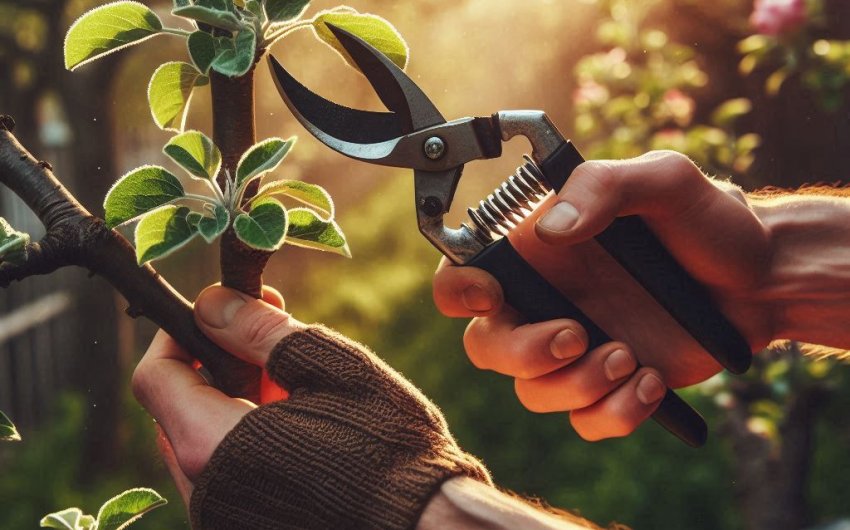
For many aspiring orchardists, the thought of pruning fruit trees can be a daunting one, often leading to hesitation or, worse, improper cuts that can harm the tree's health and future harvests. Yet, this seemingly complex task is one of the most vital steps in cultivating productive, long-lived, and disease-resistant fruit trees. Far from being a mere aesthetic chore, strategic pruning directs the tree's energy, promotes fruit development, maintains a manageable size, and encourages good air circulation, all of which are essential for a bountiful yield of high-quality fruit. While it may seem intimidating at first glance, the basic principles are surprisingly straightforward and easy to learn. This comprehensive guide will demystify the art of pruning fruit trees for beginners, breaking down the why, when, and how into simple, actionable steps that will empower you to confidently shape your trees for years of delicious harvests.
Why is pruning fruit trees important?
Pruning fruit trees is a fundamental practice that goes far beyond just cutting off branches. It's an essential form of plant management that directly impacts the tree's health, vigor, and fruit production.
What are the main goals of pruning fruit trees?
The primary objectives of pruning fruit trees are multifaceted and work together to achieve optimal tree health and productivity:
- Encourage Fruit Production: Proper pruning stimulates the development of fruiting wood (the branches that will bear fruit) and encourages the tree to put energy into fruit, not just excessive vegetative growth. It also helps manage fruit load, preventing biennial bearing (heavy crop one year, little the next).
- Improve Fruit Quality: By opening up the tree's canopy, pruning allows more sunlight to reach the fruit, leading to better color, flavor, and sugar content. It also improves air circulation, which reduces the incidence of fungal diseases.
- Maintain Tree Health and Vigor: Removing dead, diseased, or damaged branches prevents the spread of pathogens and pests. Pruning also helps manage the tree's size and shape, ensuring a strong framework that can support heavy fruit loads without breaking.
- Control Tree Size and Shape: Pruning keeps the tree at a manageable height and spread, making harvesting, pest inspection, and future pruning much easier and safer. It also directs growth into a desirable form, such as an open vase or central leader.
- Promote Air Circulation: An open canopy allows air to flow freely through the tree, which helps dry foliage quickly after rain or dew, significantly reducing fungal diseases like powdery mildew and scab.
- Rejuvenate Older Trees: Strategic pruning can revitalize old, unproductive trees, encouraging new growth and renewed fruit production.
How does pruning affect fruit production?
Pruning directly affects fruit production by directing the tree's energy. When you remove certain branches or shoots, the tree redirects the resources that would have gone into that growth into other areas.
- Stimulating Fruiting Spurs: For many fruit trees (like apples and pears), fruit is borne on short, stubby branches called fruiting spurs. Pruning encourages the development of these spurs.
- Light Penetration: Fruit needs sunlight to develop color and sweetness. Pruning opens the canopy, allowing sunlight to penetrate all parts of the tree, resulting in a more even and high-quality crop.
- Balanced Growth: Pruning maintains a balance between vegetative growth (leaves and branches) and reproductive growth (flowers and fruit). Too much vegetative growth can mean fewer flowers and less fruit.
Can improper pruning harm a fruit tree?
Yes, improper pruning can absolutely harm a fruit tree, potentially leading to reduced harvests, increased disease susceptibility, or even the death of the tree.
- Removing too much wood: "Over-pruning" can severely stress a tree, reducing its ability to photosynthesize and recover, leading to weak growth or decline.
- Making poor cuts: Leaving stubs, cutting into the branch collar, or tearing bark can create open wounds where disease pathogens and pests can enter.
- Pruning at the wrong time: Pruning during the wrong season can lead to excessive new growth (which may not harden off before winter), reduced fruit set, or increased disease susceptibility.
- Not pruning at all: Leads to dense, overgrown trees with poor air circulation, reduced fruit quality, and increased susceptibility to pests and diseases.
When is the best time to prune fruit trees?
The timing of pruning fruit trees is almost as important as the cuts themselves. Different pruning goals are achieved at different times of the year.
What is dormant pruning and why is it important?
Dormant pruning, also known as winter pruning, is performed when the tree is inactive, typically in late winter or early spring (January to March in most temperate climates), before buds begin to swell.
- Why it's important:
- Ease of Visibility: With no leaves, the tree's structure is clear, making it easy to identify problem branches, crossing limbs, and the overall framework.
- Maximizes Growth Response: Pruning during dormancy stimulates vigorous growth when the tree breaks dormancy, directing its energy into the remaining buds. This is ideal for shaping young trees and encouraging new fruiting wood.
- Disease Prevention: Many disease pathogens are less active in cold weather, reducing the risk of infection through fresh cuts.
- Goals: Primarily used for structural pruning (removing dead, diseased, or crossing limbs), shaping the tree, reducing height, and promoting future fruit production. This is the main pruning session for most fruit trees.
When should you do summer pruning on fruit trees?
Summer pruning, also called "green pruning," is performed during the active growing season (late spring through mid-summer, typically June to August).
- Why it's important:
- Reduces Vigor: Unlike dormant pruning, summer pruning helps to slow down excessive vegetative growth, as the tree loses photosynthesizing leaves. This is useful for controlling tree size, especially on vigorous varieties.
- Improves Light Penetration: Removing some leafy growth allows more sunlight to reach developing fruit, enhancing ripening, color, and sweetness.
- Encourages Fruit Bud Formation: By reducing leafy growth, the tree may redirect energy into forming more fruit buds for the following year.
- Goals: Primarily used for maintenance (removing suckers, water sprouts), thinning fruit (if done early enough), directing growth, and improving fruit quality. Avoid heavy summer pruning, as it can stress the tree or expose branches to sunburn.
Should you prune fruit trees in fall?
Generally, avoid pruning fruit trees in the fall.
- Risk of Dieback: Pruning in fall can stimulate new, tender growth that won't have time to harden off before winter freezes, making it susceptible to dieback and cold damage.
- Disease Risk: Open wounds created by fall pruning can be susceptible to fungal and bacterial diseases that are still active in cooler, wetter autumn conditions.
- Exception: The only exception for fall pruning would be to remove dead, diseased, or severely damaged branches immediately to prevent further problems, though even then, it's a risk.
What about pruning fruit trees at planting?
Yes, pruning fruit trees at planting (often called "establishment pruning" or "heading back") is crucial for developing a strong framework.
- Purpose: It helps establish the desired shape (e.g., central leader, open vase) and encourages branching at appropriate heights. It also balances the top growth with the root system, which may have been damaged during digging.
- Method: Typically involves cutting back the main leader and some lateral branches to encourage branching and a strong scaffold structure. Specific cuts depend on the tree type and desired form.
What tools do you need for pruning fruit trees?
Having the right tools for pruning fruit trees is essential for making clean cuts, ensuring tree health, and working safely. Always start with sharp, clean, and well-maintained tools.
What kind of pruning shears are best for beginners?
For most common cuts on fruit trees, especially for beginners, you'll need two main types of pruning shears:
- Hand Pruners (Bypass Pruners): These are your primary tool for cuts up to 3/4 inch thick. Bypass pruners have two blades that slide past each other, like scissors, making clean cuts that heal well. Avoid "anvil" pruners, which crush stems.
- Loppers: For branches from 3/4 inch up to 1.5 or 2 inches thick, loppers provide extra leverage with their long handles. Like hand pruners, choose bypass loppers for clean cuts.
Always keep your blades sharp with a pruning sharpener and clean with rubbing alcohol between uses to prevent disease spread.
When do you need a pruning saw for fruit trees?
A pruning saw is necessary for branches thicker than what loppers can handle, typically anything over 1.5 to 2 inches in diameter.
- Types: Look for a folding pruning saw or a fixed-blade hand saw with aggressive, curved teeth designed for cutting living wood.
- Usage: For larger cuts, use the "three-cut method" to prevent bark tearing (see next section). Always make clean, smooth cuts as close to the branch collar as possible without damaging it.
Are ladders or pole pruners necessary?
For taller fruit trees, ladders or pole pruners might be necessary for safe and effective pruning.
- Ladders: Use a sturdy orchard ladder or a tripod ladder designed for stability on uneven ground. Never use a stepladder for tree pruning. Always ensure the ladder is stable before climbing.
- Pole Pruners: A pole pruner allows you to reach high branches from the ground, often combining a saw blade with a bypass lopper operated by a rope. They are useful for lighter cuts or small branches you can't reach safely.
- Safety First: If you need to make cuts that require reaching far, using a chainsaw, or climbing precariously, it's best to call a certified arborist.
How to make proper pruning cuts?
Making the right pruning cuts is fundamental to good fruit tree care. Improper cuts can create wounds that invite disease or inhibit proper healing.
What is the "three-cut method" for larger branches?
The "three-cut method" is essential for removing larger branches (over 1 inch in diameter) to prevent the branch's weight from tearing the bark as it falls.
- Undercut (First Cut): About 6-12 inches out from the branch collar (the swollen ring of bark at the base of the branch), make a small cut from the underside, going about one-third of the way through the branch. This prevents tearing.
- Top Cut (Second Cut): About an inch or two further out from your undercut (away from the trunk), cut completely through the branch from the top. The branch will fall, leaving a small stub.
- Final Cut (Third Cut): Cut the remaining stub cleanly back to just outside the branch collar. Do not cut into the branch collar, as this is where the tree forms callus tissue to heal the wound.
This method protects the critical healing zone at the base of the branch.
What is the branch collar and why is it important?
The branch collar is the swollen, often wrinkly or ridged area of bark at the base of a branch where it connects to the trunk or a larger limb. It contains specialized cells that are vital for the tree to properly heal (compartmentalize) the wound after a branch is removed.
- Importance: When making your final cut, it is crucial to cut just outside the branch collar, without damaging or removing it. Cutting too close (flush with the trunk) damages these healing cells, leaving a larger wound that the tree struggles to close, increasing the risk of disease and decay. Cutting too far away leaves a "stub," which also struggles to heal and can become a point of entry for pests or disease.
How do you make thinning cuts vs. heading cuts?
Understanding the difference between thinning cuts and heading cuts is key to achieving your pruning goals.
- Thinning Cuts: Involve removing an entire branch back to its point of origin (a main stem, a lateral branch, or the ground).
- Purpose: Opens up the canopy, improves air circulation, reduces overall tree size, encourages light penetration, and removes crossing or diseased branches.
- Effect: Reduces density without stimulating excessive new growth in that immediate area.
- Heading Cuts: Involve cutting back a branch or stem to a lateral bud, side branch, or arbitrarily cutting off the tip of a branch.
- Purpose: Encourages bushy, compact growth and branching near the cut. It can also reduce height.
- Effect: Stimulates vigorous new growth (often multiple shoots) just below the cut. Use sparingly on fruit trees for height control or to encourage branching on young trees, but avoid it on fruiting wood unless specifically desired.
Should you use pruning sealants or wound paints?
No, you should generally not use pruning sealants or wound paints on fruit tree cuts.
- Misconception: These products were once thought to prevent disease and speed healing.
- Reality: Research has shown they actually hinder the tree's natural healing process (called compartmentalization). They can trap moisture and pathogens underneath, creating a perfect breeding ground for decay.
- Best practice: Make clean, proper cuts just outside the branch collar, and the tree will heal itself most effectively.
Basic pruning strategies for different fruit tree types
While the general principles of pruning fruit trees apply to all, specific strategies are best suited for different types of fruit, based on how they bear fruit.
How do you prune young fruit trees for structure?
Pruning young fruit trees (1-3 years old) is primarily about establishing a strong, open framework that will support future fruit loads and allow good light penetration. This is often called "formative pruning."
- Central Leader System: Common for apples, pears, and some cherries. Develops a dominant central trunk with well-spaced horizontal branches.
- At Planting: Head back the central leader (main trunk) and select 3-5 well-spaced lateral branches (scaffold branches) at different heights and angles, cutting them back by 1/3 to 1/2.
- Years 2-3: Continue training the central leader, select new scaffold branches, and remove competing upright growth or narrow crotch angles.
- Open Vase System (Modified Leader): Common for peaches, nectarines, plums, and some apples. Creates a bowl-shaped tree with no central leader, maximizing light penetration to the center.
- At Planting: Head back the central leader to about 2-3 feet from the ground to encourage low branching. Select 3-4 strong, evenly spaced scaffold branches growing at wide angles. Remove others.
- Years 2-3: Continue to develop the vase shape, removing inward-growing branches and maintaining an open center.
What are the considerations for pruning stone fruit (peaches, plums, cherries)?
Stone fruit (peaches, nectarines, plums, cherries, apricots) often bear fruit on new wood (peaches and nectarines mostly on one-year-old wood) or short-lived spurs.
- Open Vase System: They generally thrive with an open vase system to maximize sunlight and air circulation, which helps prevent fungal diseases common in these fruits.
- Peaches/Nectarines: Prune heavily during dormancy, removing up to 50-70% of the previous year's growth. They fruit on wood that grew last year. This aggressive pruning stimulates new fruiting wood and keeps the tree productive and manageable. Also, thin fruit heavily in summer.
- Plums/Cherries: Prune lightly during dormancy. Cherries can be particularly susceptible to fungal cankers if pruned heavily in wet weather, so aim for dry periods. They fruit on older wood (spurs).
- Summer Pruning: Beneficial for all stone fruit to control vigor and improve light.
How do you prune apple and pear trees?
Apple and pear trees are often pruned to a central leader system or a modified central leader, and bear fruit primarily on fruiting spurs that can remain productive for many years.
- Dormant Pruning: Focus on structural pruning: remove dead, diseased, or crossing limbs. Maintain an open structure to allow light penetration. Remove suckers (from the base) and water sprouts (fast-growing vertical shoots).
- Fruiting Spurs: Identify and protect fruiting spurs. Avoid making heading cuts on branches that have a good concentration of spurs.
- Thinning: Thin out branches that are too close together to improve air circulation.
- Summer Pruning: Can be used to manage vigor, particularly on fast-growing varieties, or to improve light to ripening fruit.
What about pruning fig trees?
Fig trees are unique in that they produce fruit on both last year's wood and new growth. They are generally more tolerant of heavy pruning.
- Timing: Prune figs during late winter or early spring dormancy, after the danger of hard frost has passed.
- Goals: Focus on maintaining an open, vase-like structure to encourage air circulation and light. Remove any dead, diseased, or crossing branches.
- Cold Climates: In colder regions where figs die back to the ground, treat them more like a perennial shrub, pruning back hard each spring.
- Warm Climates: In warm climates, you can prune to maintain size and shape, removing about 25% of the canopy each year.
By understanding the distinct needs of each fruit tree type and applying the foundational principles of pruning fruit trees for beginners, you'll soon be confidently shaping your trees, ensuring their long-term health, and celebrating abundant harvests of homegrown, delicious fruit.