
Easy-to-Grow Vegetables for Beginners: Your First Harvest
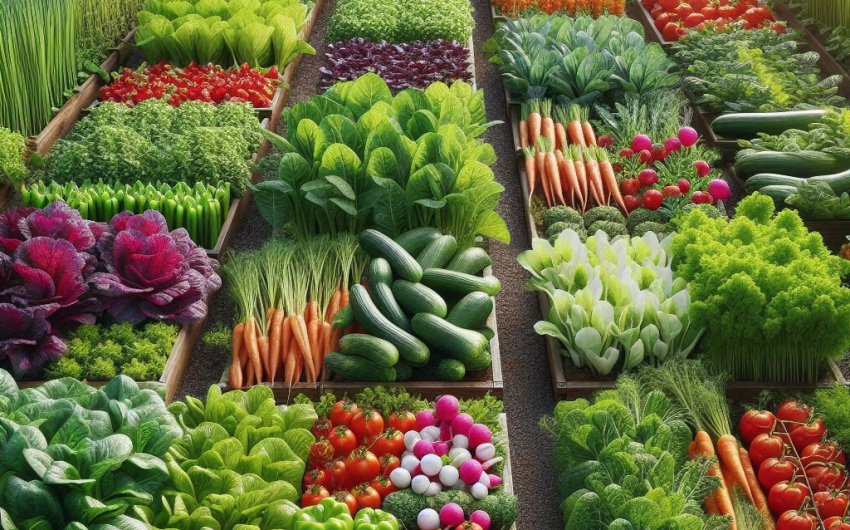
Starting your own vegetable garden is an exciting and rewarding project. Whether you have a spacious backyard or a small balcony, growing your own vegetables can be a simple and fulfilling experience. For beginners, choosing the right vegetables is key to ensuring a successful and bountiful harvest. Some vegetables are easier to grow than others, requiring less maintenance and fewer resources, making them perfect for those just getting started.
In this guide, we will walk you through some of the best easy-to-grow vegetables for beginners, and provide helpful tips for planting, caring for, and harvesting your crops. By following these steps, you’ll be well on your way to enjoying fresh, homegrown veggies in no time.
1. Lettuce: A Quick and Easy Starter Crop
Lettuce is one of the easiest vegetables to grow, making it an excellent choice for beginner gardeners. This fast-growing leafy green can be planted in the ground or in containers, and it’s perfect for those who want quick results. Lettuce is ready to harvest in just 30-40 days, and you can pick leaves as needed, ensuring a continuous supply for your salads.
How to Grow Lettuce:
- Soil: Lettuce prefers loose, well-drained soil rich in organic matter.
- Sunlight: It grows best in cooler weather with partial shade, but it can tolerate full sun.
- Watering: Keep the soil moist, but not soggy, as lettuce has shallow roots.
- Harvesting: Harvest leaves when they are young and tender. You can either cut outer leaves or pull the whole plant.
Check out lettuce seeds priced between $5 and $15 for an easy start to your gardening journey.
2. Radishes: Fast Results for Beginner Gardeners
Radishes are among the fastest-growing vegetables, often ready for harvest in just 3-4 weeks. They’re perfect for beginner gardeners who want quick results and minimal effort. Radishes also grow well in small spaces, making them ideal for container gardening.
How to Grow Radishes:
- Soil: Radishes prefer loose, sandy soil with good drainage.
- Sunlight: Plant in full sun or partial shade.
- Watering: Keep the soil evenly moist to avoid cracking and bitterness in the roots.
- Harvesting: Harvest when the roots are about an inch in diameter. If left too long, radishes can become tough and woody.
Find radish seeds priced between $5 and $10 for a speedy and satisfying harvest.
Advertisement
3. Green Beans: A Beginner-Friendly Crop
Green beans are a great crop for beginners because they’re easy to plant and don’t require much maintenance. You can choose between bush beans (which grow in a compact form) and pole beans (which climb and need a trellis). Green beans are also prolific, meaning you’ll have plenty of beans to harvest throughout the season.
How to Grow Green Beans:
- Soil: Green beans prefer well-drained, slightly acidic soil.
- Sunlight: Full sun is best for green beans.
- Watering: Water regularly, but avoid overwatering. Beans can rot if left in soggy soil.
- Harvesting: Pick beans when they are young and tender, about 4-6 inches long. Frequent harvesting encourages more bean production.
Check out green bean seeds priced between $5 and $20 for an abundant and easy crop.
4. Spinach: A Nutrient-Packed Vegetable
Spinach is another beginner-friendly crop that grows quickly and is packed with nutrients. It’s a cool-weather crop, which means it grows best in spring and fall. Spinach can be grown in the ground or in containers, and it’s ideal for gardeners who want a healthy, versatile vegetable.
How to Grow Spinach:
- Soil: Spinach thrives in well-drained, nutrient-rich soil.
- Sunlight: Spinach prefers partial shade, especially in warm climates.
- Watering: Keep the soil consistently moist, but don’t overwater.
- Harvesting: Start harvesting the outer leaves when they are large enough to eat. Spinach grows back quickly, so you can keep harvesting throughout the season.
Shop spinach seeds priced between $5 and $12 for a healthy addition to your garden.
5. Tomatoes: The Most Popular Vegetable for Beginners
Tomatoes are a favorite among beginner gardeners, and for good reason! While they require a bit more care than some other vegetables, they’re highly rewarding and produce delicious fruits all summer long. Choose between determinate (bush) tomatoes, which grow to a set height, or indeterminate (vine) tomatoes, which need support and produce fruit continuously.
How to Grow Tomatoes:
- Soil: Tomatoes need rich, well-drained soil. Mix in compost to improve soil quality.
- Sunlight: Full sun (at least 6-8 hours a day) is essential for tomatoes.
- Watering: Water deeply but infrequently to encourage strong root growth. Avoid watering the leaves to prevent disease.
- Harvesting: Pick tomatoes when they’re fully colored and slightly soft to the touch.
Find tomato seeds priced between $5 and $20 for a bountiful and flavorful harvest.
6. Zucchini: A Prolific Summer Vegetable
Zucchini is an easy-to-grow vegetable that produces an abundance of fruit throughout the summer. One or two zucchini plants can provide more than enough for a family, making it perfect for beginner gardeners looking to maximize their harvest. Zucchini grows quickly and thrives in warm weather.
How to Grow Zucchini:
- Soil: Zucchini prefers rich, well-drained soil with plenty of organic matter.
- Sunlight: Full sun is necessary for healthy zucchini growth.
- Watering: Water deeply and regularly to keep the soil moist.
- Harvesting: Harvest zucchini when they are 6-8 inches long for the best flavor. Larger zucchinis tend to be tougher and less flavorful.
Check out zucchini seeds priced between $5 and $15 for a fast-growing and productive crop.
7. Carrots: Sweet and Crunchy
Carrots are an excellent vegetable for beginners because they grow well in different soil types and don’t require much attention. They do, however, need loose, sandy soil to grow properly, as hard soil can cause the roots to become misshapen. Carrots are also a fun crop for kids to grow!
How to Grow Carrots:
- Soil: Loose, well-drained, and sandy soil is ideal for carrots.
- Sunlight: Carrots grow best in full sun, but they can tolerate partial shade.
- Watering: Keep the soil moist, especially during germination.
- Harvesting: Carrots are ready to harvest when they’re about 1/2 to 1 inch in diameter. Gently pull them out of the ground, being careful not to break the roots.
Explore carrot seeds priced between $5 and $10 for a crunchy and colorful harvest.
8. Peas: Sweet and Tender
Peas are another easy-to-grow vegetable that’s perfect for beginners. Whether you choose snap peas, snow peas, or shelling peas, these plants thrive in cooler weather and don’t take up much space. Peas can be grown in the ground or in containers, and they’ll reward you with sweet, tender pods in just a few weeks.
How to Grow Peas:
- Soil: Peas prefer well-drained, slightly acidic soil.
- Sunlight: Full sun is best, but peas can also tolerate partial shade.
- Watering: Water regularly to keep the soil evenly moist.
- Harvesting: Harvest peas when the pods are full but still tender. For snap and snow peas, pick when the pods are crisp and juicy.
Find pea seeds priced between $5 and $12 for sweet, homegrown peas.
9. Beets: A Dual-Purpose Vegetable
Beets are a versatile vegetable that can be grown for both their roots and their greens. They’re relatively easy to grow and don’t require much space, making them ideal for beginner gardeners. Beets come in a variety of colors, from the traditional deep red to golden and even striped varieties.
How to Grow Beets:
- Soil: Beets grow best in loose, well-drained soil.
- Sunlight: Full sun is preferred, but beets can tolerate partial shade.
- Watering: Water regularly to keep the soil evenly moist.
- Harvesting: Harvest beet roots when they are about 2-3 inches in diameter. Beet greens can be harvested at any time and used in salads or sautéed.
Shop beet seeds priced between $5 and $15 for a colorful and nutrient-packed crop.
10. Cucumbers: A Refreshing Summer Crop
Cucumbers are fast-growing, easy-to-care-for vegetables that are perfect for beginner gardeners. Whether you grow bush cucumbers in containers or vining cucumbers on a trellis, you’ll enjoy a bountiful harvest of crunchy, refreshing cucumbers throughout the summer.
How to Grow Cucumbers:
- Soil: Cucumbers prefer rich, well-drained soil.
- Sunlight: Full sun is ideal for cucumbers.
- Watering: Keep the soil consistently moist but avoid overwatering, which can lead to rot.
- Harvesting: Harvest cucumbers when they’re about 6-8 inches long. Regular harvesting encourages more production.
Check out cucumber seeds priced between $5 and $12 for a crisp and refreshing crop.
11. Swiss Chard: A Colorful and Nutritious Vegetable
Swiss chard is a beautiful and nutritious leafy green that’s easy to grow and perfect for beginner gardeners. Its colorful stems—ranging from red to yellow to orange—make it a stunning addition to any garden. Swiss chard is hardy and can tolerate both hot and cool weather, making it a versatile crop.
How to Grow Swiss Chard:
- Soil: Swiss chard grows best in rich, well-drained soil.
- Sunlight: Full sun is ideal, but it can also tolerate partial shade.
- Watering: Keep the soil evenly moist, but don’t overwater.
- Harvesting: Harvest leaves when they’re about 6-8 inches long. You can pick outer leaves as needed, allowing the plant to continue producing.
Explore Swiss chard seeds priced between $5 and $15 for a colorful and easy-to-grow vegetable.
12. Kale: A Cold-Hardy Superfood
Kale is a cold-hardy, nutrient-dense vegetable that’s easy to grow and perfect for beginner gardeners. It thrives in cooler weather, making it an ideal crop for spring and fall gardens. Kale is also highly versatile, and you can use it in salads, smoothies, soups, and more.
How to Grow Kale:
- Soil: Kale prefers well-drained, fertile soil.
- Sunlight: Full sun is best, but kale can also grow in partial shade.
- Watering: Keep the soil consistently moist but not waterlogged.
- Harvesting: Start harvesting kale leaves when they are about the size of your hand. Younger leaves are more tender and flavorful.
Find kale seeds priced between $5 and $10 for a healthy and versatile crop.
By choosing these easy-to-grow vegetables, you can ensure a successful and satisfying gardening experience, even as a beginner. With just a little care and attention, you’ll soon be enjoying your first harvest of fresh, homegrown produce right from your garden!