
Eco-Friendly Garden Pest Deterrents: Natural Solutions
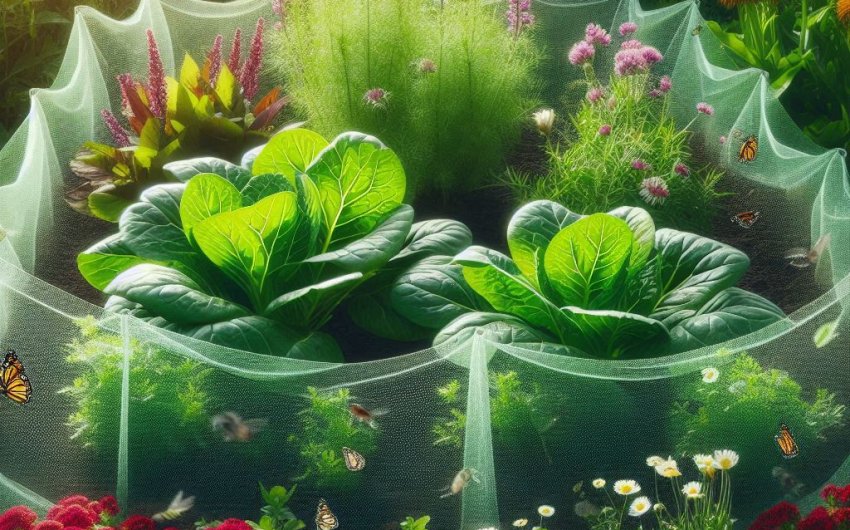
Tired of battling garden pests with harsh chemicals? Discovering effective eco-friendly garden pest deterrents can transform your gardening approach, allowing you to cultivate healthy plants while protecting beneficial insects and the environment. This guide will walk you through a variety of natural and sustainable methods to keep unwanted visitors at bay, ensuring your garden thrives without harmful residues.
Why Choose Eco-Friendly Garden Pest Deterrents?
Opting for eco-friendly garden pest deterrents is a decision that benefits your garden, your health, and the planet. While chemical pesticides might offer a quick fix, their long-term consequences often outweigh the immediate convenience. Understanding these implications is the first step towards a more sustainable and harmonious gardening practice.
1. Protection of Beneficial Insects
Chemical pesticides are often indiscriminate. They don't just kill the "bad" pests; they also wipe out the "good guys"—the beneficial insects that are natural predators of pests. Ladybugs, lacewings, parasitic wasps, and hoverflies are tireless workers in your garden, preying on aphids, caterpillars, and other destructive insects. When you use broad-spectrum chemicals, you eliminate these natural allies, creating a vacuum that often leads to an even worse pest problem later as the pests return (and often develop resistance) without their predators. Eco-friendly garden pest deterrents focus on preserving and encouraging these helpful insects, turning them into your garden's natural defense force.
2. Safeguarding Human and Pet Health
Chemical pesticides can pose significant health risks. Exposure can occur through direct contact, inhalation, or by consuming contaminated produce. These chemicals can irritate skin, eyes, or respiratory systems, and some have been linked to more serious long-term health issues. When you choose eco-friendly garden pest deterrents, you eliminate these risks, ensuring that your garden is a safe space for your family, children, and pets to play, and that the food you harvest is clean and safe to eat. This peace of mind is invaluable.
3. Environmental Protection
The impact of chemical pesticides extends far beyond your garden fence.
- Water Contamination: Rain and irrigation can wash pesticides into waterways, contaminating rivers, lakes, and oceans. This harms aquatic life and can enter drinking water supplies.
- Soil Degradation: Pesticides can disrupt the delicate balance of microorganisms in the soil, which are essential for nutrient cycling, soil structure, and plant health. Healthy soil is the foundation of a resilient garden.
- Harm to Wildlife: Chemical residues can drift into neighboring areas, affecting birds, bees, and other wildlife that feed on plants or consume contaminated insects. Bees, in particular, are vital pollinators, and their decline is a serious ecological concern. Eco-friendly garden pest deterrents help protect these crucial parts of our ecosystem.
4. Building a Resilient Ecosystem
By choosing natural methods, you move away from a reactive "kill everything" approach to a proactive "build a healthy ecosystem" mindset. Eco-friendly garden pest deterrents promote:
- Plant Health: Healthy plants are naturally more resistant to pests. Organic methods improve soil health, leading to stronger plants.
- Biodiversity: Encouraging a diverse range of plants and insects creates a balanced environment where pest populations are naturally regulated by their predators.
- Long-Term Solutions: While chemicals offer a temporary solution, natural methods build a sustainable defense system that reduces pest problems over time, leading to less work for you in the long run.
In essence, embracing eco-friendly garden pest deterrents is about cultivating a thriving, harmonious garden that supports life, rather than harming it. It's an investment in the health of your garden, your family, and the broader environment.
What are Cultural Practices for Eco-Friendly Pest Deterrence?
Cultural practices are your first line of defense in eco-friendly garden pest deterrents. These are proactive steps that focus on creating an environment where your plants thrive and pests are less likely to become a problem. By maintaining a healthy garden, you empower your plants to resist infestations naturally.
1. Choose the Right Plants for the Right Place
- Adaptability: Select plants that are well-suited to your local climate, soil conditions, and light availability. A stressed plant is a weak plant, and weak plants are magnets for pests. For instance, if you have a shady spot, plant shade-loving varieties rather than forcing sun-lovers there.
- Disease-Resistant Varieties: When purchasing seeds or starts, look for varieties that are specifically labeled as disease-resistant or pest-resistant. Breeders have developed many options that naturally fend off common ailments.
- Native Plants: Incorporating native plants can be beneficial. They are already adapted to your local climate and soil, making them generally more robust and less susceptible to common pests in your region. They also provide natural food and habitat for local beneficial insects.
2. Promote Healthy Soil
Healthy soil is the foundation of a healthy garden, and thus, a strong component of eco-friendly garden pest deterrents.
- Organic Matter: Regularly amend your soil with ample amounts of organic compost or well-rotted manure. This improves soil structure, aeration, drainage, and water retention, while providing a slow release of nutrients.
- Balanced Nutrients: Healthy soil provides balanced nutrition, leading to strong, vigorous plants that can naturally fend off many pest attacks. Over-fertilizing, especially with too much nitrogen, can lead to lush, tender growth that is particularly attractive to sap-sucking pests like aphids.
3. Proper Watering
- Deep and Infrequent: Water deeply and less frequently to encourage deep root growth. Shallow, frequent watering leads to shallow roots and stressed plants.
- Avoid Wet Foliage: Whenever possible, water the base of the plant rather than overhead, especially in the evening. Wet foliage, especially overnight, can encourage fungal diseases, which can weaken plants and make them more susceptible to other issues. A drip irrigation system is excellent for this.
4. Good Air Circulation
- Adequate Spacing: Give plants enough space to grow to their mature size. Overcrowding reduces airflow, creating humid, stagnant conditions that are ideal for fungal diseases and some pests.
- Pruning: Regularly prune out dead, diseased, or overcrowded branches and leaves to improve air circulation within the plant canopy.
5. Crop Rotation
- Break Pest Cycles: Rotate your vegetable crops each season. If you grow tomatoes in the same spot year after year, pests and diseases specific to tomatoes will build up in the soil. By moving plants of the same family to different locations in your garden each year, you disrupt the life cycles of many soil-borne pests and diseases, which is a powerful eco-friendly garden pest deterrent.
6. Garden Sanitation / Cleanliness
- Remove Debris: Promptly remove fallen leaves, dead plant material, and diseased plants from your garden. This eliminates hiding places for pests and breeding grounds for diseases.
- Weed Control: Keep weeds under control. Weeds can compete with your cultivated plants for resources, weakening them, and can also harbor pests or diseases that then spread to your garden plants.
- Clean Tools: Clean and sanitize your gardening tools regularly, especially after working with diseased plants, to prevent spreading pathogens.
By consistently implementing these foundational cultural practices, you create a vibrant and resilient garden ecosystem that naturally resists pests, making your reliance on other eco-friendly garden pest deterrents minimal.
How Can Companion Planting Be Used as an Eco-Friendly Pest Deterrent?
Companion planting is a fascinating and highly effective eco-friendly garden pest deterrent. This method involves strategically planting different species near each other to create a mutually beneficial relationship, often enhancing growth and, crucially, deterring pests without the need for chemicals. It's about designing a diverse ecosystem where plants work together.
Principles of Companion Planting for Pest Control:
- Repellents: Some plants release chemicals (volatile organic compounds) that repel specific pests. These chemicals can confuse pests, mask the scent of desirable plants, or simply be unpleasant to them.
- Attractants: Certain plants attract beneficial insects (predators or parasites of pests), drawing them into your garden where they can feed on the problem pests.
- Trap Cropping: Planting a sacrificial crop that pests prefer more than your main crop, luring them away from your valuable plants.
- Physical Barriers/Distraction: Some plants can act as physical barriers or simply distract pests from their preferred targets.
Effective Companion Plants as Pest Deterrents:
A. Strong-Scented Repellents:
- Marigolds (Tagetes spp.): Particularly French Marigolds (Tagetes patula), are renowned for deterring nematodes (microscopic worms that attack plant roots) and various other pests like whiteflies and aphids. Plant them liberally throughout your vegetable garden. You can find a large packet of French marigold seeds.
- Nasturtiums: These vibrant flowers are excellent at deterring squash bugs and cucumber beetles from cucurbits. They can also act as a trap crop for aphids, drawing them away from other plants (see below). A packet of nasturtium seeds can offer colorful defense.
- Herbs (Rosemary, Thyme, Mint, Basil, Sage): Many aromatic herbs naturally repel a range of common garden pests due to their strong scents.
- Rosemary: Deters carrot rust flies, slugs, and some beetles.
- Thyme: Deters cabbage worms and whiteflies.
- Mint: Repels aphids, flea beetles, and some ants. (Caution: Mint can be highly invasive; plant it in a separate container nestled within the garden bed to prevent it from taking over).
- Basil: Deters tomato hornworms and flies, often planted near tomatoes.
- Sage: Deters cabbage moths and carrot rust flies. Plant these herbs strategically around your vegetable beds. You can buy herb plant starts for quick results.
- Garlic and Onions (Alliums): Their strong sulfurous compounds deter a wide range of pests, including aphids, slugs, cabbage loopers, and carrot rust flies. Plant them around carrots, roses, and fruit trees.
B. Attractants for Beneficial Insects (Insectary Plants):
These plants serve as nectar and pollen sources or provide habitat for beneficial insects.
- Dill, Fennel, Cilantro (Umbelliferae family): When allowed to flower, these produce tiny umbel-shaped flowers that are highly attractive to beneficial predatory wasps, ladybugs, and hoverflies, which prey on aphids and other soft-bodied pests.
- Yarrow: A hardy perennial with flat-topped flower clusters that are excellent landing pads for many small beneficial insects.
- Sweet Alyssum: Its tiny, fragrant flowers attract hoverflies, which are voracious aphid eaters in their larval stage. It also forms a lovely low-growing carpet. A bag of sweet alyssum seeds can quickly establish.
- Cosmos, Zinnia: Larger flowers that attract a variety of pollinators and some predatory insects.
- Daisies and Sunflowers: Provide pollen and nectar for a wide range of beneficial insects.
C. Trap Cropping:
- Nasturtiums: As mentioned, aphids often prefer nasturtiums over other plants. Plant a patch near your vulnerable crops and regularly inspect the nasturtiums. Once they are heavily infested, pull them out and dispose of them (or blast them with a strong stream of water).
- Marigolds: Some specific varieties can be used as trap crops for spider mites.
- Mustard Greens: Can attract flea beetles away from other brassicas.
Tips for Successful Companion Planting:
- Diversity is Key: A monoculture (planting only one type of crop) is an invitation for pests. A diverse garden with many different plant species is much more resilient and harder for pests to dominate.
- Don't Overdo It: Don't plant so many companion plants that they outcompete your main crops for light, water, or nutrients.
- Experiment: What works best can vary by region and microclimate. Observe your garden and see which combinations are most effective for you.
By thoughtfully integrating companion planting strategies, you actively create a dynamic and self-regulating ecosystem within your garden, making it a powerful and beautiful example of eco-friendly garden pest deterrents.
What are Physical Barriers and Mechanical Methods for Eco-Friendly Pest Deterrence?
When eco-friendly garden pest deterrents are needed on a more immediate or physical level, physical barriers and mechanical methods are incredibly effective. These strategies directly prevent pests from reaching your plants or remove them by hand, without introducing any chemicals.
1. Hand-Picking
- Method: This is the most direct and chemical-free method. Simply put on some garden gloves and manually remove visible pests (like slugs, snails, caterpillars, hornworms, large beetles) from your plants.
- Timing: Best done in the early morning or evening when many pests are most active.
- Disposal: Drop collected pests into a bucket of soapy water (they will drown) or crush them.
- Best For: Larger pests or small infestations. This method requires vigilance and consistency.
2. Strong Water Sprays
- Method: Use a strong jet of water from your garden hose to dislodge soft-bodied pests like aphids, spider mites, and whiteflies from your plants.
- Timing: Best done in the morning so the foliage has time to dry, reducing the risk of fungal diseases.
- Technique: Focus the spray on the undersides of leaves where many pests hide.
- Best For: Aphids and spider mites on sturdy plants. Repeat every few days until the infestation is gone.
3. Row Covers (Floating Row Covers)
- Method: These are lightweight, spun-bonded fabrics that are draped over plants or hoops, creating a physical barrier that prevents flying insects (like cabbage moths, cucumber beetles, squash vine borers, flea beetles, and even some birds) from reaching your crops.
- Benefits: Highly effective eco-friendly garden pest deterrent. Allows sunlight, air, and water to pass through. Can also provide some frost protection. A roll of garden row cover fabric can protect a large area.
- Installation: Place them over plants at planting time, securing the edges firmly to the ground to prevent pests from crawling underneath. Use garden hoops to keep the fabric off the plants if they need space to grow or if you want to avoid plant damage.
- Limitations: Must be removed during flowering for crops that require insect pollination (like squash, cucumbers, tomatoes) to allow bees access.
4. Netting and Cages
- Method: Similar to row covers but typically heavier mesh. Used to protect specific plants or areas from larger pests like birds, rabbits, squirrels, or even deer.
- Examples: Bird netting for fruit trees draped over berries or fruit trees. Wire mesh cages built around vulnerable plants.
- Benefits: Durable, long-lasting physical barrier.
- Limitations: Can be more intrusive than row covers.
5. Sticky Traps
- Method: Brightly colored (often yellow or blue) adhesive cards that attract flying insects, which then get stuck to the surface.
- Benefits: Effective for monitoring pest populations (to know if you have a problem) and trapping whiteflies, fungus gnats, thrips, and winged aphids. Can be purchased as yellow sticky traps for insects.
- Placement: Hang them near affected plants.
- Limitations: Non-selective, so they can trap beneficial insects too. Use sparingly and strategically, mainly for monitoring or low-level infestations.
6. Collars and Barriers for Crawling Pests
- Method: Create physical obstacles at the base of plants to deter slugs, snails, and cutworms.
- Examples:
- Copper Tape: Place a band of copper slug tape around the rim of raised beds or containers. Slugs and snails reportedly get a small electrical shock when they try to cross it.
- Diatomaceous Earth: A fine, natural powder made from fossilized diatoms. It has microscopic sharp edges that abrade the protective waxy layer of soft-bodied insects, causing them to dehydrate. Sprinkle a ring of diatomaceous earth food grade around vulnerable plants. Reapply after rain.
- Cardboard/Plastic Collars: Place a 2-inch wide collar around the base of young seedlings, extending an inch or two into the soil and an inch above. This protects them from cutworms.
By implementing these various physical and mechanical eco-friendly garden pest deterrents, you can create multiple layers of protection for your garden without resorting to harmful chemicals. These methods are proactive, precise, and respectful of the wider ecosystem.
What Are Homemade Sprays and Biological Controls for Eco-Friendly Pest Deterrence?
When pests persist despite cultural practices and physical barriers, homemade sprays and biological controls offer the next line of defense in your eco-friendly garden pest deterrents arsenal. These methods utilize natural substances or introduce beneficial organisms to manage pest populations safely and effectively.
1. Homemade Sprays
These are often your go-to for common soft-bodied pests like aphids, spider mites, and whiteflies. They work by smothering, dehydrating, or deterring pests.
A. Insecticidal Soap Spray
- Method: This is one of the most widely used and effective organic sprays. It works by breaking down the waxy coating on soft-bodied insects, causing them to dehydrate.
- Recipe: Mix 1-2 tablespoons of pure liquid castile soap (like Dr. Bronner's Castile Soap) per gallon of water. Avoid dish soaps with degreasers or other additives, as these can harm plants.
- Application: Spray directly onto affected plants, ensuring thorough coverage of all leaf surfaces, especially the undersides where pests often hide.
- Timing: Apply in the morning or evening to avoid scorching leaves in direct sun. Repeat every 5-7 days until the infestation is controlled.
- Caution: Always test a small area of the plant first to ensure there's no adverse reaction, as some plants can be sensitive.
B. Neem Oil Spray
- Method: Derived from the neem tree, neem oil acts as a repellent, growth regulator (disrupting pest life cycles), and an antifeedant. It's effective against a wide range of pests like aphids, spider mites, whiteflies, mealybugs, and even some fungal issues like powdery mildew.
- Preparation: Mix 1-2 tablespoons of pure, cold-pressed neem oil concentrate with 1 gallon of water and a few drops of liquid castile soap (as an emulsifier to help the oil mix with water).
- Application: Spray thoroughly over all plant surfaces, top and bottom.
- Timing: Apply in the evening to avoid harming beneficial insects (which are less active at night) and to prevent leaf burn in sunlight.
- Caution: Neem oil can be harmful to beneficial insects if applied directly to them. Apply when beneficials are not present.
C. Garlic/Chili Pepper Spray
- Method: The strong scent and heat of these ingredients can repel a variety of chewing and sucking insects.
- Recipe: Blend several cloves of garlic or a few hot chili peppers with water, let it sit overnight, then strain the liquid. Add a few drops of insecticidal soap as a spreader.
- Application: Spray directly onto affected plants.
- Limitations: Short-lived, needs frequent reapplication, and may not be effective for all pests.
2. Biological Controls
This involves introducing or encouraging beneficial organisms that prey on or parasitize garden pests. This is a highly effective long-term eco-friendly garden pest deterrent.
A. Attracting Native Beneficial Insects:
This is the preferred method for most home gardeners.
- Plant Insectary Plants: As discussed in companion planting, grow flowers that attract beneficial insects. Examples include:
- Ladybugs: Attracted to dill, fennel, cilantro, cosmos, and yarrow. You can purchase live ladybugs for immediate release, but providing habitat is key for them to stay.
- Lacewings: Attracted to dill, angelica, cosmos. You can buy lacewing larvae if needed.
- Hoverflies: Attracted to sweet alyssum, marigolds, and other small-flowered plants.
- Parasitic Wasps: Attracted to plants in the carrot family (dill, parsley, cilantro, carrots allowed to flower).
- Provide Water: A shallow bird bath or bee waterer can attract beneficial insects.
- Avoid Pesticides: Do not use any broad-spectrum pesticides, even organic ones, as they will harm your beneficial insect population.
B. Introducing Purchased Beneficial Insects:
For severe infestations, you can purchase beneficial insects directly.
- Ladybugs: Release them in the evening when temperatures are cool, after watering your garden. They will seek out aphids and other soft-bodied pests.
- Praying Mantis Egg Cases: Hang these in your garden, and when they hatch, the mantises will consume a wide variety of insects. A praying mantis egg case is easy to deploy.
- Nematodes (Beneficial Nematodes): Microscopic roundworms that attack soil-dwelling pests like grubs, cutworms, and flea beetle larvae. Apply them to moist soil. You can find beneficial nematodes online.
General Tips for Using Sprays and Biological Controls:
- Spot Treat: Only spray affected plants or specific areas, not the entire garden, to minimize impact on beneficial insects.
- Read Labels: Always follow directions carefully for any commercial product, even if organic.
- Be Patient: Organic and biological methods often take a little longer to show results compared to chemical pesticides, but they build a more resilient and sustainable garden.
By skillfully employing homemade sprays for immediate relief and encouraging a thriving population of beneficial insects, you can effectively manage pests and maintain a healthy garden using true eco-friendly garden pest deterrents.
What Are Long-Term Strategies for Sustainable Pest Management?
Achieving truly sustainable pest management goes beyond immediate fixes; it involves implementing long-term strategies that build a resilient garden ecosystem. These eco-friendly garden pest deterrents create an environment where pest problems are naturally minimized, reducing your workload and reliance on any kind of intervention.
1. Embrace Biodiversity
- Plant Variety: A diverse garden is a healthy garden. Plant a wide array of different species – vegetables, herbs, flowers, shrubs, and trees. This diversity confuses pests (who often specialize in a few plant types) and provides continuous food and habitat for beneficial insects. A monoculture (vast expanses of a single crop) is an invitation for widespread pest outbreaks.
- Succession Planting: Plant crops at different times to ensure a continuous cycle of bloom and forage for beneficial insects, keeping them in your garden.
- Native Plants: Incorporate native plants into your landscape. They are adapted to your local climate and soil, making them hardy and less prone to stress (which attracts pests). They also support local beneficial insect populations.
2. Build and Maintain Healthy Soil
- Living Soil: Consider your soil a living ecosystem, not just dirt. Healthy soil is teeming with beneficial microorganisms, fungi, and earthworms. These soil inhabitants improve nutrient cycling, suppress soil-borne diseases, and contribute to overall plant vigor.
- Composting: Regularly add generous amounts of organic compost and other organic matter (like shredded leaves, wood chips) to your garden beds. This feeds the soil life and builds robust soil structure.
- Mulching: Keep garden beds mulched with organic garden mulch. This suppresses weeds (reducing competition and pest hiding spots), conserves moisture, and slowly breaks down to feed the soil.
- Minimize Soil Disturbance (No-Till/Reduced-Till): Excessive digging and tilling can disrupt the delicate soil food web. A no-till approach keeps soil structure intact and fosters a healthier environment for beneficial soil organisms.
3. Create Habitat for Beneficial Insects and Wildlife
Make your garden an inviting home for creatures that prey on pests.
- Insectary Plants: As discussed in companion planting, grow flowers that provide nectar and pollen for beneficial insects. Small, clustered flowers (umbels) like dill, cilantro, yarrow, and sweet alyssum are particularly good.
- Water Source: A shallow bird bath or a bee bath (shallow water with pebbles for insects to land on) provides essential hydration for beneficials.
- Shelter: Provide areas of undisturbed plant matter, rock piles, or a bug hotel for beneficial insects where insects can overwinter or seek refuge.
- Birds and Frogs: Attract birds (who eat insects) with feeders, birdhouses, and water. Frogs and toads are voracious eaters of slugs and other garden pests; provide them with damp, shady hiding spots.
4. Practice Vigilant Monitoring and Early Intervention
- Regular Scouting: Make it a habit to walk through your garden daily or every few days. Look closely at your plants – check the undersides of leaves, new growth, and stems.
- Catch Problems Early: Small pest populations are much easier to manage with simple eco-friendly garden pest deterrents (like hand-picking or a spray of water) before they become major infestations.
- Learn Your Pests: Identify the pests you commonly see and learn their life cycles. Knowing when they are most vulnerable (e.g., egg stage, young larvae) helps you target your interventions.
5. Rotate Crops (Reiteration)
- Break Life Cycles: This is a crucial long-term strategy, especially for vegetable gardens. Rotating plant families (e.g., not planting tomatoes in the same spot year after year) prevents pest and disease populations that are specific to certain crops from building up in the soil.
6. Avoid Reactive Spraying (Even Organic Ones)
- Targeted Use: Even organic pesticides like insecticidal soap or neem oil should be used as targeted solutions for existing problems, not as preventative sprays across your entire garden. Broad-spectrum sprays, even if organic, can still harm beneficial insects.
- Build Resilience: The goal is to create a garden so healthy and balanced that it can largely regulate its own pest populations.
By consistently applying these long-term, holistic strategies, you will transform your garden into a robust and naturally resilient ecosystem where pests are managed by nature itself. This commitment to eco-friendly garden pest deterrents leads to a healthier, more beautiful, and less demanding gardening experience over time.