
Propagation Techniques for Houseplants: Your Guide
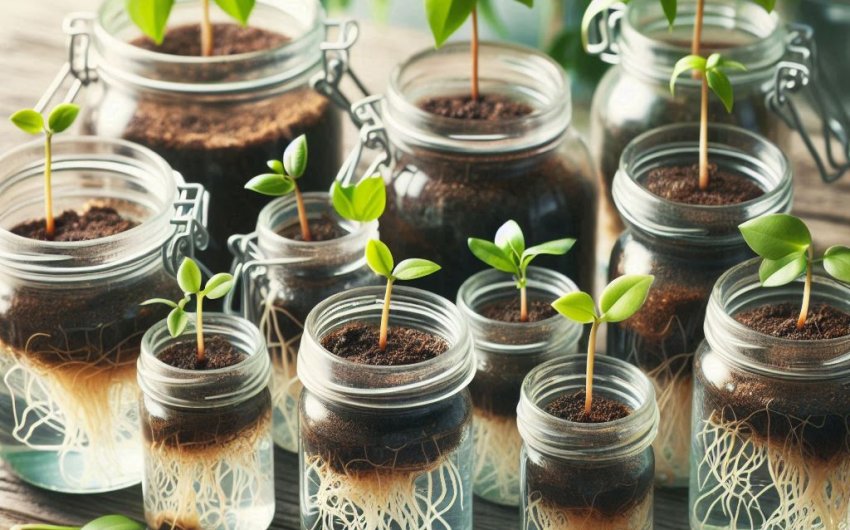
Dreaming of expanding your indoor jungle without breaking the bank? Mastering various propagation techniques for houseplants is your secret weapon! It's a magical process where you transform a single plant into many, sharing with friends or simply filling your home with more lush greenery. This guide will demystify the art of plant multiplication, helping you successfully grow new life from your favorite indoor companions.
Why Should You Propagate Houseplants?
Delving into propagation techniques for houseplants is more than just a fun gardening activity; it offers a multitude of benefits that enhance your plant collection, your home, and your budget. It's a skill that pays dividends in greenery and satisfaction.
1. Expand Your Collection for Free
This is arguably the most appealing reason. Instead of buying new plants, you can multiply your existing ones for absolutely no cost. Have a favorite Pothos or a prized Monstera? With successful propagation, you can quickly turn one plant into several, filling your home with more lush greenery or creating stunning arrangements.
2. Share the Greenery (and the Love!)
Propagated plants make thoughtful, heartfelt gifts. Instead of a generic store-bought item, imagine gifting a friend a baby plant grown from your own beloved "mother plant." It's a personal, sustainable, and truly unique present that continues to grow and remind them of your friendship. Sharing cuttings and rooted plants is also a wonderful way to connect with other plant enthusiasts.
3. Rejuvenate Leggy or Overgrown Plants
Many houseplants, especially vining types like Pothos, Philodendron, or Tradescantia, can become leggy and sparse over time, with long, bare stems and leaves only at the ends. Taking cuttings from these leggy sections and propagating them allows you to:
- Replant into the original pot: Make your existing plant look fuller and bushier by planting the new rooted cuttings back into the mother pot.
- Create new, compact plants: Start fresh, compact plants that have a more appealing shape.
This effectively breathes new life into an older, tired-looking plant.
4. Backup Your Favorite Plants
Accidents happen. Pests can invade, diseases can strike, or a simple oversight (like forgetting to water) can lead to plant decline. Having propagated "babies" of your favorite or rare plants provides a crucial backup. If something happens to your mother plant, you won't have lost the entire lineage. It's like having an insurance policy for your most cherished green companions.
5. Learn and Understand Plant Growth
Engaging in propagation techniques for houseplants offers a fascinating, hands-on learning experience. You gain a deeper understanding of plant biology, how roots form, how plants respond to different environments, and the specific needs of various species. This knowledge empowers you to become a more confident and skilled plant parent overall. It truly demystifies the growth process.
6. Control the Spread of Pests/Diseases
If a mother plant has a localized pest infestation or disease (e.g., scale on one branch), sometimes taking healthy cuttings from uninfected areas can be a way to "save" the plant's genetics before the problem spreads. Ensure the cuttings themselves are pest-free.
7. Aesthetic Design
With an abundance of plants, you have more creative freedom in your interior design. You can create themed plant displays, fill empty corners, or even design plant walls, all on a budget.
In essence, propagation techniques for houseplants turn you from a consumer of plants into a creator. It's a sustainable, cost-effective, and deeply satisfying practice that expands your green world and deepens your connection to nature.
What is the Best Time to Propagate Houseplants?
While it's possible to attempt propagation techniques for houseplants almost any time of year, selecting the optimal time significantly increases your chances of success. Timing aligns with the plant's natural growth cycles, giving cuttings the best opportunity to root and establish.
The Ideal Window: Spring and Early Summer
The absolute best time to propagate houseplants is during their active growing season, which typically falls in spring and early summer. Here's why:
- Vigorous Growth: During these months, plants are actively putting out new leaves, stems, and roots. This means the plant has abundant energy reserves, and cuttings taken during this period will naturally be more inclined to produce new roots and shoots quickly. The hormones that stimulate growth are abundant.
- Increased Light: Spring and early summer offer longer days and stronger sunlight. More light (even indirect or supplemental grow light) provides the energy needed for photosynthesis, which powers root development.
- Warmer Temperatures: Consistent warm temperatures, both in the air and in the soil, are crucial for root formation. Cuttings root much faster in a warm environment.
- Higher Humidity: While not always the case indoors, outdoor humidity levels tend to be higher in spring and summer, which can benefit cuttings rooting in water or soil by reducing moisture loss through leaves.
Why Avoid Winter Propagation?
Attempting propagation techniques for houseplants in winter is generally less successful for several reasons:
- Dormancy/Slowed Growth: Many houseplants go into a semi-dormant state or slow down their growth significantly in winter due to shorter days, weaker light, and often cooler indoor temperatures. Cuttings taken during this period will have less energy to put into root production and may simply sit stagnant, rot, or die.
- Low Light: Winter light levels are often insufficient to support robust rooting and new growth, even near a bright window.
- Dry Air: Indoor heating systems drastically reduce humidity, making it harder for cuttings to retain moisture, especially those rooting in water.
- Pest Risk: Stressed cuttings in winter are also more susceptible to pest infestations.
When Can You Break the Rules (With Caution)?
- Emergency Cuttings: If a beloved plant is dying due to root rot or disease, taking emergency cuttings (even out of season) might be your only chance to save it. Just be aware that success rates may be lower, and you'll need to provide ideal conditions (grow lights, heating mat) for rooting.
- Vigorous Growers: Some exceptionally vigorous and easy-to-root plants, like Pothos or Tradescantia, might root successfully even in late fall if you provide bright light and warmth.
- Dedicated Setup: If you have a dedicated propagation setup with supplemental grow lights for plants and a seedling heat mat that can consistently mimic spring/summer conditions, you can attempt propagation year-round.
For beginners learning propagation techniques for houseplants, sticking to spring and early summer will yield the most encouraging and successful results, building your confidence for future propagation endeavors.
What is Propagation by Stem Cuttings in Water?
Propagation by stem cuttings in water is one of the easiest and most popular propagation techniques for houseplants, especially for beginners. It's incredibly satisfying to watch roots develop right before your eyes! This method is best suited for vining plants and those with flexible stems.
How it Works
When you place a stem cutting in water, the plant responds to the absence of soil by developing adventitious roots (roots that form from non-root tissue) from its nodes. The water provides the necessary hydration without the need for soil particles.
Best Plants for Water Propagation
This method works wonderfully for many popular houseplants, including:
- Pothos (Epipremnum aureum): Extremely easy and fast.
- Philodendron (heartleaf and Brasil): Very reliable.
- Tradescantia (Wandering Jew/Dude): Roots almost instantly.
- Monstera (Deliciosa, Adansonii): Good success, especially with an aerial root.
- Hoya: Can be slow but usually reliable.
- Syngonium (Arrowhead Plant): Roots readily.
- Ficus elastica (Rubber Plant): Can take longer but is doable.
- Some Begonias: Especially cane-stemmed varieties.
- Many herbs: Mint, basil, rosemary, sage (can be slower).
Step-by-Step Guide
- Select a Healthy Mother Plant: Choose a vigorous, pest-free, and healthy plant. Ensure it's well-watered a day or two before taking cuttings.
- Gather Your Tools: You'll need sharp, clean scissors or pruning shears. Sterilize them with rubbing alcohol or a flame to prevent disease transmission. You'll also need clear glass jars or bottles (small vases, clean food jars work great) and room-temperature water.
- Take Your Cuttings:
- Identify a Node: A node is a bump on the stem where a leaf or side branch grows, and crucially, where roots will emerge. Look for cuttings with at least 2-3 nodes.
- Make the Cut: Cut just below a node. Aim for a cutting that is 4-6 inches long, but length can vary depending on the plant. For vining plants, each section of stem with a node can be a cutting.
- Remove Lower Leaves: Remove any leaves that would be submerged in water. Leaves left in water will rot and contaminate the water, hindering root growth.
- Prepare for Rooting (Optional but Recommended):
- Dipping in Rooting Hormone: While many plants root easily in water without it, dipping the cut end (especially for harder-to-root plants like Ficus or woody herbs) in rooting hormone powder can speed up the process and increase success rates.
- Allow to Callus (for some succulents/cacti): If propagating succulents or cacti in water, they often need to "callus over" (dry and seal the cut end) for a few days to a week before placing in water, to prevent rot. However, most leafy houseplants don't require this for water propagation.
- Place Cuttings in Water:
- Fill your clear glass jar with enough room-temperature water so that at least one node (and any potential aerial roots) is submerged, but no leaves are under the waterline.
- Place your cuttings in the jar. Don't overcrowd the jar, as this can impede airflow and encourage rot.
- Provide Ideal Conditions:
- Light: Place the jar in a spot with bright, indirect light. Avoid direct, scorching sunlight.
- Temperature: Aim for consistent room temperature, ideally 70-75°F (21-24°C). Warmer temperatures often speed up rooting. A seedling heat mat placed under the jar can be beneficial.
- Change Water Regularly: Change the water every few days, or at least weekly. This replenishes oxygen and prevents bacterial/algae buildup. You'll often see the water get cloudy – that's a sign to change it.
- Wait for Roots: Patience is key! Roots can appear anywhere from a few days (for Tradescantia) to several weeks or even months (for Hoya or Ficus).
- Pot Up: Once the roots are at least 1-2 inches long (and ideally have some secondary rootlets branching off), it's time to plant your cutting in soil. Don't wait too long, as water roots are different from soil roots and prolonged water exposure can make them less adaptable.
- Plant in a small pot (e.g., 4-inch) with a well-draining potting mix for houseplants.
- Water thoroughly. Keep the soil consistently moist (but not soggy) for the first few weeks as the plant adjusts from water to soil, then gradually reduce watering frequency.
Water propagation is a delightful way to multiply your plant collection and is often the first technique new plant parents try when diving into propagation techniques for houseplants.
What is Propagation by Stem Cuttings in Soil?
Propagation by stem cuttings directly in soil is another highly effective and widely used method among propagation techniques for houseplants. While it lacks the visual satisfaction of watching roots grow in water, it often leads to stronger, more adaptable plants because they develop "soil roots" from the start.
How it Works
When a stem cutting is placed directly into a rooting medium, it's encouraged to form roots from its nodes in response to the moist, aerated environment. The success of this method largely depends on maintaining consistent moisture and high humidity around the cutting while preventing rot.
Best Plants for Soil Propagation
This method is suitable for a very wide range of houseplants, including:
- Pothos, Philodendron, Tradescantia, Monstera, Syngonium: (Also root in water, but can go directly into soil.)
- Peperomia: Many varieties root well from stem or leaf cuttings in soil.
- Succulents: Echeveria, Sedum, Crassula (Jade Plant), Kalanchoe (often after callusing).
- Sansevieria (Snake Plant): Roots well from leaf sections.
- Zamioculcas zamiifolia (ZZ Plant): Can root from single leaflets, but takes a very long time.
- Ficus elastica (Rubber Plant), Ficus lyrata (Fiddle Leaf Fig): Can be slower but often succeed.
- Dracaena: Can root from stem sections.
- Some woody herbs: Rosemary, lavender, sage (often preferred over water for these).
Step-by-Step Guide
- Select a Healthy Mother Plant and Tools: Choose a vigorous, healthy, and pest-free plant. Gather sharp, clean scissors or pruning shears. You'll also need small pots or a seed-starting tray, and rooting medium.
- Prepare Rooting Medium: Use a specialized, well-draining rooting medium, not regular potting mix initially. This could be:
- Seed-Starting Mix: A fine, sterile, lightweight mix designed for germination and rooting.
- Perlite or Vermiculite: Pure perlite or vermiculite alone provides excellent aeration and moisture retention.
- A Mix: 50% perlite and 50% peat moss/coco coir or 50% perlite and 50% fine bark. Moisten the medium thoroughly before planting your cuttings.
- Take Your Cuttings:
- Stem Cuttings: Identify a healthy stem section 4-6 inches long with at least 2-3 nodes. Cut just below a node. Remove any leaves from the bottom 1-2 nodes that would be buried in the soil.
- Leaf Cuttings (for specific plants): For succulents like Echeveria, Crassula, or Sansevieria, you can take a healthy, intact leaf. For Sansevieria, cut a mature leaf into 2-4 inch sections, noting which end is "up." For African Violets, use an entire leaf with about an inch of stem.
- Allow to Callus (Crucial for Succulents/Cacti):
- For succulents, cacti, or any plant with fleshy stems (like Peperomia), it is critical to allow the cut end to dry and form a protective "callus" before planting. This prevents rot. Place cuttings in a dry, shaded spot for 2-7 days, depending on thickness (thicker stems need longer).
- Apply Rooting Hormone (Optional but Recommended):
- Dip the cut end (or the base of the leaf) into rooting hormone powder or liquid. This encourages faster and stronger root development. Tap off excess powder.
- Plant the Cuttings:
- Make a small hole in the pre-moistened rooting medium with your finger or a chopstick.
- Gently insert the cutting into the hole, ensuring at least one node (or the base of the leaf) is buried. Do not push the cutting directly into the medium, as this can scrape off rooting hormone or damage the stem.
- Gently firm the medium around the cutting to ensure good contact.
- Create a Humid Environment:
- To prevent the cutting from drying out while it roots, create a mini-greenhouse effect. Cover the pot or tray with a clear plastic bag (supported by stakes so it doesn't touch the leaves) or a clear plastic dome.
- A seedling heat mat placed underneath the tray will provide bottom heat, significantly speeding up root development.
- Provide Ideal Conditions:
- Light: Place in bright, indirect light. Avoid direct sun, which can scorch the cutting inside the humid environment.
- Temperature: Consistent warm temperatures, ideally 70-80°F (21-27°C).
- Moisture: Keep the rooting medium consistently moist, but not soggy. Check daily. The plastic cover helps maintain humidity and reduce the need for frequent watering.
- Monitor for Roots: Gently tug on the cutting after a few weeks. If you feel resistance, roots are forming. You may also see new leaf growth.
- Acclimatize and Pot Up: Once the cutting has developed a good root system (usually 1-2 inches long) and shows new growth, gradually remove the plastic cover over several days to acclimatize it to normal humidity. Then, transplant it into a slightly larger pot (e.g., 4-inch) filled with regular houseplant potting mix. Water thoroughly and care for it as a young plant.
Propagating in soil requires a bit more attention to humidity and soil moisture than water propagation, but it often results in a more robust transition to life in a pot, making it a valuable method for anyone mastering propagation techniques for houseplants.
What is Propagation by Division?
Propagation by division is one of the simplest and most straightforward propagation techniques for houseplants, especially for those that grow in clumps. Instead of taking cuttings, you're literally just separating a larger plant into smaller, independent plants. This method also serves a dual purpose: it helps rejuvenate overgrown plants and keeps them healthy.
How it Works
Many plants naturally grow in clumps, forming multiple stems or "offsets" from their base, each with its own root system. Division involves carefully separating these individual sections, ensuring each new section has roots and some foliage, and then potting them up as new plants.
Best Plants for Division
This method is ideal for plants that exhibit a clumping growth habit or produce distinct offsets.
- Sansevieria (Snake Plant): Often produces "pups" or offsets from its rhizomes (underground stems).
- Spathiphyllum (Peace Lily): Grows in clumps that are easy to separate.
- Asparagus Fern: Forms a dense root ball that can be divided.
- Calathea / Maranta (Prayer Plant): Grow from rhizomes and form clumps.
- Ferns (most varieties): Many ferns will form multiple crowns that can be divided.
- Bromeliads: Produce "pups" at their base after the mother plant finishes blooming.
- Orchids (some sympodial types): Can be divided by separating pseudobulbs.
- Certain clumping succulents: Like some Agave or Aloe species.
- Clumping Herbs: Chives, Lemon Balm, Mint (though mint is often better managed in its own container).
Step-by-Step Guide
- Select a Healthy, Overgrown Mother Plant: Choose a mature, healthy, and vigorous plant that has grown to fill its pot and shows signs of being "clumped" with multiple growth points. It's often best to divide a plant that's slightly root-bound, as this means it has a good root system to work with.
- Gather Your Tools: You'll need clean, sharp tools: a sturdy knife, a spade, or pruning shears. You'll also need fresh potting mix and new pots with drainage holes for your divisions.
- Prepare the Plant:
- Water: Water the mother plant thoroughly a day or two before division. This makes the soil easier to work with and reduces stress on the roots.
- Remove from Pot: Gently remove the plant from its container. Lay it on its side on a clean surface or newspaper.
- Inspect and Separate the Root Ball:
- Shake Off Excess Soil: Gently shake off some of the loose soil from the root ball so you can clearly see the roots and individual plant clumps.
- Identify Natural Divisions: Look for natural points where the plant has formed distinct sections, each with its own set of stems/leaves and roots. For some plants, these will be clearly separate. For others (like Peace Lilies), you might see individual "clumps" of leaves emerging from different parts of the root ball.
- Gentle Hand Separation: For easily separable plants, you might be able to gently pull apart the clumps by hand.
- Use Tools: For denser or more tightly bound root balls, use your clean knife, spade, or shears to carefully cut through the root ball, separating it into 2 or more sections. Ensure each section has a healthy portion of roots and at least one viable growth point (stem or cluster of leaves).
- Prepare the New Divisions:
- Trim Damaged Roots: After separation, inspect the roots of each new division. Trim away any damaged, mushy, or excessively long roots using clean shears.
- Prune Foliage (Optional): For larger divisions, you might want to trim back some of the top foliage (about one-third) to reduce moisture loss and help the plant focus energy on root establishment.
- Pot Up the Divisions:
- Select new pots that are appropriately sized for each division (usually a bit larger than the root ball of the new division). Ensure they have drainage holes.
- Fill the bottom of each new pot with a layer of fresh, well-draining houseplant potting mix.
- Place each division into its new pot, ensuring the crown (where roots meet stems) is at the same level as it was in the original pot.
- Fill the rest of the pot with soil, gently firming it around the roots to remove air pockets. Leave about an inch of space from the rim.
- Post-Division Care:
- Water Thoroughly: Water each newly potted division deeply until water drains from the bottom.
- Provide Shelter: Place the newly divided plants in a bright spot with indirect light for the first 1-2 weeks. Avoid direct, intense sunlight initially, as they are recovering from stress.
- Monitor Moisture: Keep the soil consistently moist but not soggy during the establishment phase.
- Avoid Fertilizer: Do not fertilize for at least 4-6 weeks after division to allow roots to heal and new growth to establish.
Division is a relatively low-stress way to multiply many common houseplants and a fantastic skill to learn as you explore different propagation techniques for houseplants. It directly benefits both the old and new plants.
What is Propagation by Leaf Cuttings?
Propagation by leaf cuttings is a fascinating and often surprising method among propagation techniques for houseplants, particularly for succulents and certain flowering plants. Instead of a stem with nodes, you use just a single leaf or a section of a leaf to create an entirely new plant. It's a testament to a plant's incredible ability to regenerate.
How it Works
When a healthy leaf is separated from the mother plant and placed in ideal conditions, specialized cells at the base of the leaf (or along the cut edge) are stimulated to produce new roots and then eventually a tiny new plantlet. This process can be slower than stem cuttings but is incredibly satisfying.
Best Plants for Leaf Propagation
This method is highly successful for plants known for their regenerative abilities from leaves.
- Succulents (Many Rosette Types): Echeveria, Sedum, Crassula (Jade Plant), Kalanchoe (including Mother of Thousands, though they produce plantlets on the leaves anyway). These are perhaps the most popular for leaf propagation.
- Sansevieria (Snake Plant): Can be propagated from entire leaves or sections of leaves.
- African Violet (Saintpaulia): Very common and reliable for leaf propagation.
- Begonia (Rhizomatous/Rex varieties): Some Begonia varieties can be propagated from a single leaf, or even sections of a leaf.
- Gloxinia: Can be propagated from a leaf.
- Peperomia: Many Peperomia species can be propagated from whole leaves or leaf sections, often by sticking the petiole (leaf stem) into the soil.
Step-by-Step Guide for Succulent Leaf Cuttings (Most Common)
- Select a Healthy Leaf: Gently twist or snap off a healthy, plump leaf from the mother plant. Ensure the entire leaf, including the very base where it attaches to the stem (the "callus area"), comes off cleanly without tearing. This part is crucial for success.
- Allow to Callus (Crucial!): This is the most important step for succulent leaf propagation. Place the detached leaves in a dry, shaded spot with good airflow for 2-7 days (or even longer for very thick leaves). The cut end needs to completely dry and form a hard, protective scab (callus). This prevents rot when the leaf is exposed to moisture.
- Prepare the Rooting Medium: Use a very well-draining succulent soil mix (e.g., 50% potting mix, 50% perlite/pumice). Moisten the soil lightly.
- Place the Leaf Cuttings:
- Once the leaves have callused, simply lay them flat on top of the moist soil mix. You can also slightly prop them up so the callused end barely touches the soil.
- Alternatively, for leaves with a stem (petiole), you can gently insert the stem end into the soil.
- Provide Ideal Conditions:
- Light: Place in bright, indirect light. Avoid direct, scorching sun.
- Temperature: Consistent room temperature, ideally 70-80°F (21-27°C). A seedling heat mat can significantly speed up rooting.
- Watering: This is tricky. Do NOT water heavily. Mist the soil surface very lightly with a misting bottle only when it's completely dry. The mother leaf provides enough moisture for initial rooting. Overwatering will cause rot.
- Wait for Roots and Plantlets: Patience is paramount! This can take weeks to several months. You'll first see tiny pink or white roots emerge from the callused end. Soon after, a tiny new plantlet will sprout from the same spot, growing off the mother leaf.
- Transitioning the Plantlet:
- Continue to mist sparingly until the new plantlet is about 1/2 inch to 1 inch tall and the mother leaf starts to shrivel and dry up (it's providing nutrients to the baby).
- Once the mother leaf is completely shriveled or falls off naturally, the new plantlet is ready to be moved into its own small pot (e.g., 2-inch) with regular succulent soil mix.
- Begin light regular watering (soak and dry method) for the new plant.
Variations for Other Plants (e.g., Sansevieria, African Violet)
- Sansevieria: Cut a healthy, mature leaf into 2-4 inch sections. Note which end is "up." Allow to callus for a few days. Insert the "up" end about 1 inch deep into well-draining soil. Provide bright, indirect light and very infrequent water (like a mature Sansevieria). Roots will form in a few weeks to months, but new pups (the new plants) can take many months to a year to emerge.
- African Violet: Take a healthy leaf with its petiole (stem) about 1 inch long. Insert the petiole into a mix of half peat/half perlite. Cover with a plastic dome. Keep consistently moist. New plantlets will emerge from the base of the petiole after several weeks.
Leaf propagation is an incredibly satisfying form of plant multiplication, allowing you to create new plants from the simplest beginnings. It's a testament to the regenerative power of nature and a rewarding part of exploring propagation techniques for houseplants.
What Tools and Conditions Are Essential for Successful Propagation?
Beyond understanding specific propagation techniques for houseplants, having the right tools and providing optimal environmental conditions are non-negotiable for consistent success. These elements create the ideal nurturing environment for your plant cuttings to root and thrive.
Essential Tools for Propagation
Sharp, Clean Cutting Tools:
- Scissors or Pruning Shears: Essential for making clean cuts. Dull tools can crush stems, causing damage that leads to rot.
- Hobby Knife or Scalpel: Useful for very precise cuts, especially for smaller cuttings or when propagating from rhizomes/stems that need clean separation.
- Sterilization: Always sterilize your tools before and after each cutting. Use rubbing alcohol, a flame, or a bleach solution. This prevents the spread of diseases from one plant to another. You can find a good pair of plant pruning shears for most jobs.
Rooting Hormone:
- Powder or Liquid: While many easy-to-root plants (like Pothos) don't strictly need it, rooting hormone powder or liquid can significantly speed up the rooting process and increase the success rate, especially for harder-to-root or woody stem cuttings. It contains synthetic auxins, plant hormones that stimulate root formation.
- Application: Dip the cut end of your cutting into the hormone powder (tap off excess) or liquid (follow dilution instructions) just before planting.
Containers for Rooting:
- Clear Glass Jars/Vases: Perfect for water propagation so you can watch roots develop. Old food jars or decorative glass bottles work well.
- Small Pots/Nursery Flats: For soil propagation. Use pots that are proportionate to your cutting size (2-4 inches is common). Nursery flats with drainage holes are great for multiple cuttings.
- Drainage: Absolutely essential for soil propagation. Ensure all pots have drainage holes to prevent soggy conditions and rot.
- Humidity Domes/Plastic Bags: To create a mini-greenhouse effect and maintain high humidity, which is vital for cuttings rooting in soil. A seed-starting tray with a clear dome is ideal.
Rooting Medium:
- Water: For water propagation. Room temperature water is best.
- Seed-Starting Mix: For soil propagation, a light, sterile, well-draining seed-starting mix is ideal.
- Perlite/Vermiculite: Pure perlite or vermiculite can also be used as a sterile rooting medium for certain cuttings.
Essential Environmental Conditions
Light:
- Bright, Indirect Light: This is crucial for nearly all propagation. Cuttings need energy from light for root development, but direct, harsh sunlight can scorch or dry out delicate cuttings. Place them a few feet from a bright window or under a grow light.
- Grow Lights: A full-spectrum LED grow light is highly recommended, especially during winter months or if you lack sufficient natural light. Set it on a timer for 12-16 hours a day, positioned a few inches above the cuttings.
Temperature:
- Warmth is Key: Cuttings root best in warm temperatures, ideally 70-80°F (21-27°C). Roots form much faster in warm soil or water.
- Bottom Heat: A seedling heat mat placed under your propagation trays or jars can provide consistent bottom warmth, significantly speeding up the rooting process.
Humidity:
- High Humidity (for soil propagation): Maintaining high humidity around cuttings rooting in soil is vital. This reduces water loss through the leaves while the cutting doesn't yet have roots to absorb moisture. Use a plastic dome, clear plastic bag, or a closed propagation box.
- Moderate Humidity (for water propagation): While high humidity is less critical for water rooting, extremely dry air can still cause wilting. A pebble tray or occasional misting can help.
Air Circulation (But Not Direct Drafts):
- Within a humidity dome, ensure there's a slight vent or open it briefly daily to allow for some air exchange. Stagnant, overly humid air can lead to fungal issues.
- Avoid placing cuttings in direct drafts from windows or heating/AC vents, as this can dry them out rapidly.
By investing in a few key tools and meticulously providing the right environmental conditions, you'll dramatically increase your success rate and truly master the diverse propagation techniques for houseplants. Happy propagating!