
Spiderwort Splendor: Elegant Blooms in Your Garden
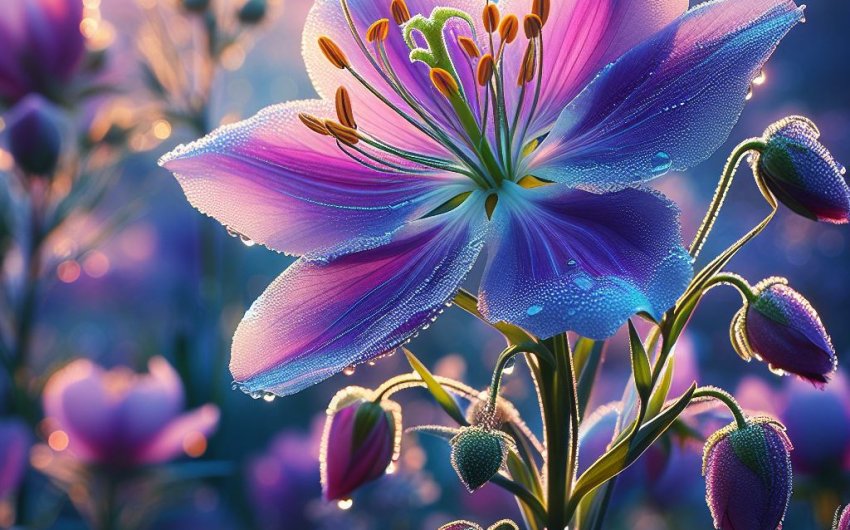
Gardens are vibrant tapestries woven with diverse textures, forms, and a kaleidoscope of colors. While many gardeners focus on bold, showy blooms, there's a unique charm in plants that offer delicate elegance and consistent beauty, especially those that thrive with minimal fuss. One such unassuming yet captivating perennial is Spiderwort (Tradescantia species). Often admired for its graceful, grassy foliage and three-petaled flowers, Spiderwort adds a touch of subtle sophistication and a welcome pop of color to various garden settings. Its resilience and adaptability make it a favorite among gardeners seeking beauty without high maintenance.
The allure of Spiderwort lies in its simple yet striking blooms, which typically open in the morning light and fade by afternoon, making each day a fresh display. Despite this ephemeral nature of individual flowers, the plant continuously produces new buds, ensuring a prolonged season of interest from late spring through summer. Whether you're looking to fill a tricky shaded spot, add texture to a border, or attract beneficial insects, Spiderwort offers a surprising array of benefits. Discover how to unlock the splendor of this elegant plant and incorporate its effortless charm into your garden design, creating a harmonious and enchanting outdoor space.
What Makes Spiderwort an Elegant Choice for Your Garden?
Spiderwort stands out for its unique blend of simplicity, grace, and resilience, offering a distinct appeal in the garden.
What is the Appearance of Spiderwort Flowers?
The flowers of Spiderwort are arguably its most distinctive feature, offering a delicate yet eye-catching display.
- Three-Petaled Symmetry: Each flower has three broad, often slightly ruffled petals that create a simple, elegant triangular shape.
- Vibrant Hues: Common colors range from electric blues and purples (the most iconic hues) to soft pinks, pure whites, and even bi-colors. The colors are often quite intense and true. A purple Spiderwort plant can be particularly striking.
- Prominent Stamens: The center of the flower features fuzzy, often contrasting yellow or white stamens (the male parts that produce pollen), which add a delicate, hairy texture and contribute to their unique charm.
- Ephemeral Blooms: A curious characteristic is that individual flowers typically only last for one day, opening in the morning and closing (or melting) by afternoon, especially on hot days. However, the plant produces a continuous succession of new buds, ensuring a long bloom season from late spring through mid-summer.
How Does Its Foliage Add Texture and Form?
Beyond the flowers, Spiderwort's foliage provides valuable textural interest and a graceful form.
- Grassy, Strap-like Leaves: The leaves are long, slender, and strap-like, resembling clumps of ornamental grass. They are typically a vibrant green, though some varieties (like 'Sweet Kate') feature golden or chartreuse foliage.
- Arching Habit: The stems grow upright and then often gently arch or mound, creating a fountain-like effect that softens hard edges in the garden. This informal yet elegant shape blends well in various settings.
- Clump-Forming: Spiderwort typically grows in dense clumps, making it an excellent filler plant for borders or a lush groundcover. A healthy clump of Spiderwort seeds can quickly establish a beautiful patch.
What Makes Spiderwort a Low-Maintenance Plant?
One of the great appeals of Spiderwort is its ease of care, making it a perfect choice for busy gardeners or those new to gardening.
- Adaptability: It tolerates a range of conditions, from full sun to partial shade, and various soil types. While it prefers moist, well-drained soil, it can handle some drought once established.
- Disease and Pest Resistant: It's generally quite tough and not prone to many serious pest or disease problems, reducing the need for constant monitoring or chemical interventions.
- Self-Sufficient: Once established, it requires minimal intervention beyond occasional watering in prolonged dry spells and some tidying.
- Prolonged Bloom: Despite individual flowers lasting only a day, the continuous production of new buds ensures a long season of color with little effort.
Where is the Ideal Spot for Spiderwort in Your Garden?
Spiderwort's adaptability allows it to fit into many garden designs, but understanding its preferences will help it truly thrive.
Can Spiderwort Grow in Sun or Shade?
Spiderwort is surprisingly flexible when it comes to light exposure.
- Full Sun: In cooler climates (e.g., northern USDA Zones), Spiderwort can tolerate full sun, especially if the soil remains consistently moist. However, in hot summer climates, full sun can cause the foliage to scorch and the plant to enter dormancy earlier. The individual flowers will also melt faster.
- Partial Shade (Ideal): The sweet spot for Spiderwort is partial shade. This means it gets some morning sun or dappled light throughout the day, providing enough energy for abundant blooms while protecting the foliage from scorching heat. In these conditions, its blooms will last longer into the afternoon.
- Full Shade: While it can survive in full shade, it may produce fewer flowers and become a bit leggier. The foliage will remain lush, making it a good textural plant for deep shade, but its floral display will be diminished. A shade garden trowel is perfect for planting in these spots.
What Kind of Soil Does Spiderwort Prefer?
Spiderwort is adaptable to various soil types, but thrives in certain conditions.
- Moist, Well-Drained Soil: The ideal soil is consistently moist but also well-drained. It doesn't like soggy, waterlogged conditions, which can lead to root rot.
- Rich in Organic Matter: Amend heavy clay soils or very sandy soils with plenty of organic matter (like compost or well-rotted leaf mold) to improve drainage and moisture retention.
- pH Tolerance: It's generally tolerant of a wide range of soil pH, from slightly acidic to slightly alkaline, making it easy to accommodate in most gardens. A soil test kit can confirm your soil's pH.
Is Spiderwort Good for Borders, Containers, or Mass Plantings?
Spiderwort's growth habit and continuous bloom make it versatile for many garden applications.
- Garden Borders: Its mounding, arching habit makes it an excellent choice for the front or middle of a perennial border. It blends well with other plants and provides a continuous splash of color.
- Woodland Gardens: It feels right at home in a naturalistic or woodland garden setting, alongside ferns, hostas, and other shade-loving plants, mimicking its native habitat.
- Mass Plantings: Planted in large drifts or masses, Spiderwort creates a stunning carpet of color and texture. Its ability to spread makes it a good choice for covering larger areas.
- Containers: While it prefers to spread, Spiderwort can be grown in containers, especially the more compact cultivars. Ensure the container is large enough and has excellent drainage. Its cascading stems can look lovely spilling over the edges of a garden planter.
- Edge of Ponds/Wetlands: Some varieties are more tolerant of moist conditions and can even be used along the edges of ponds or rain gardens, mimicking their preference for naturally damp areas.
How Do I Plant and Care for Spiderwort?
Spiderwort is a forgiving plant, but a few simple care steps will ensure it thrives and blooms prolifically.
When is the Best Time to Plant Spiderwort?
- Spring or Fall: The best times to plant Spiderwort are in spring after the danger of the last frost has passed, or in early fall before the ground freezes. This allows the plant time to establish its roots before extreme temperatures.
- From Potted Plants: Plant at the same depth as it was in its nursery pot.
- From Seeds: If starting from Spiderwort seeds, sow them outdoors in late fall (for natural stratification) or early spring. They may not bloom in their first year.
How Much Water Does Spiderwort Need?
- Consistent Moisture: During its active growing and blooming period in spring and early summer, Spiderwort prefers consistently moist soil. Water regularly, especially during dry spells, to prevent the foliage from yellowing or scorching.
- Drought Tolerance: Once established, it can tolerate some drought, but its appearance may suffer, and it might go dormant earlier.
- Avoid Soggy Soil: While it likes moisture, it does not like standing water or soggy conditions, which can lead to root rot. Ensure your soil has good drainage. A long-spout watering can helps with targeted watering.
Do I Need to Fertilize Spiderwort?
Spiderwort is not a heavy feeder and generally does not require much fertilization.
- Compost: If your soil is poor, a yearly top dressing of well-rotted compost or leaf mold around the base of the plant in early spring is usually sufficient. This slowly releases nutrients and improves soil structure.
- Balanced Fertilizer (Optional): If you notice weak growth or reduced flowering, you can apply a balanced, slow-release granular fertilizer once in early spring. Avoid excessive nitrogen, which can lead to too much leafy growth and fewer flowers. A bag of organic garden fertilizer is a good option.
How Should I Prune or Deadhead Spiderwort?
- No Deadheading Needed for More Blooms: Unlike many other plants, deadheading individual spent flowers on Spiderwort won't necessarily encourage a new flush of blooms, as individual flowers are so short-lived and new buds are continuously produced regardless.
- "Shearing" After First Flush: After its main bloom period (usually mid-summer), Spiderwort can sometimes look a bit leggy or tired. You can shear the entire plant back by about one-third to one-half. This rejuvenates the foliage and can encourage a smaller re-bloom later in the season, especially for some cultivars. Use clean garden shears for this.
- Winter Cutback: In late fall, after the foliage has died back (or after the first hard frost), you can cut the entire plant down to the ground.
What Are Popular Spiderwort Varieties and Their Features?
Beyond the common purple, several Spiderwort cultivars offer different colors and growth habits.
What is the Classic Tradescantia virginiana?
This is the quintessential old-fashioned Spiderwort and one of the most widely recognized species.
- Appearance: Typically features clear purple-blue, three-petaled flowers with prominent yellow stamens.
- Size: Grows 2-3 feet tall and wide, forming a substantial clump.
- Bloom Time: Blooms from late spring through mid-summer.
- Habit: Slightly arching, grassy foliage.
- Native: This species is native to eastern and central North America, making it a great choice for native plant gardens and supporting local ecosystems. It's resilient and hardy. A Tradescantia virginiana plant is a robust choice.
Are There White or Pink Spiderwort Varieties?
Yes, cultivators have developed beautiful options in white and various shades of pink.
- 'Alba': This popular cultivar of Tradescantia virginiana produces pure white flowers. It offers a crisp, clean look and stands out beautifully in a shady garden.
- 'Sweet Kate': While its flowers are a striking deep blue-purple, 'Sweet Kate' is primarily celebrated for its vibrant, chartreuse-yellow foliage. This bright leaf color provides continuous interest even when the plant isn't in bloom, and it really pops in shaded areas. The blue flowers against the yellow leaves create a fantastic contrast.
- 'Concord Grape': Features deep, rich grape-purple flowers.
- 'Red Grape': Produces unique reddish-purple flowers.
- 'Carmine Glow': Offers vibrant carmine-pink flowers.
- 'Zwanenburg': Has deep red flowers with a hint of purple.
These varieties offer exciting alternatives to the classic blue-purple, allowing gardeners to integrate Spiderwort into a wider range of color schemes.
What About Tradescantia pallida (Purple Heart)?
While technically a different species, Tradescantia pallida is often called Purple Heart and is a close relative of the garden spiderwort, though it's typically used differently.
- Appearance: Famous for its intensely dark purple foliage and small, three-petaled pink flowers. The foliage color is its main attraction.
- Growth Habit: It has a trailing or sprawling habit, making it popular for containers, hanging baskets, and as an annual groundcover in colder climates.
- Hardiness: It is less cold-hardy than Tradescantia virginiana, typically only perennial in warmer zones (USDA Zone 7/8 and warmer). In colder zones, it's grown as an annual or brought indoors for winter.
- Sun Needs: It prefers full sun to maintain its best purple color; in too much shade, it can turn greener.
- Usage: While it doesn't offer the same elegant, upright flower display as garden Spiderwort, its dramatic foliage makes it an excellent choice for adding deep color and trailing interest, especially in patio settings. You can easily find Tradescantia pallida plants for striking accents.
How Can I Use Spiderwort in My Garden Design?
Spiderwort's versatility makes it a valuable asset for creating diverse and attractive garden scenes.
How Can Spiderwort Enhance a Woodland Garden?
Spiderwort's natural elegance and shade tolerance make it a perfect fit for woodland-themed gardens.
- Naturalistic Drifts: Plant large, informal drifts of Spiderwort under deciduous trees or along the edges of shaded pathways. This mimics its natural habitat and creates a soft, cohesive look.
- Companion Planting: Pair it with other woodland natives or shade lovers like ferns, Hostas, Solomon's Seal, and Bleeding Hearts. The different foliage textures and bloom times will create continuous interest.
- Pollinator Friendly: Its early and long bloom time provides a valuable nectar source for early emerging bees and other pollinators in a woodland setting.
Can it be Used as a Groundcover or Filler?
Yes, Spiderwort's growth habit makes it an excellent choice for both.
- Groundcover: In suitable conditions, especially partial shade with consistent moisture, Spiderwort will spread slowly to form a lush groundcover, helping to suppress weeds and reduce erosion. Its dense foliage ensures good coverage.
- Filler Plant: Its mounding habit and continuous blooms make it an ideal "filler" plant in perennial borders. It effectively fills in gaps between larger shrubs or taller perennials, adding a consistent splash of color and texture throughout the season. This makes your garden beds look fuller and more established. For larger areas, consider purchasing bulk garden groundcover plants.
What Companion Plants Pair Well with Spiderwort?
Choosing the right partners can enhance Spiderwort's beauty and create a harmonious garden display.
- Hostas: A classic combination. The broad leaves of Hostas provide a strong contrast to the linear foliage of Spiderwort, and both thrive in similar shade conditions.
- Ferns: The delicate, feathery fronds of various ferns complement Spiderwort's straight leaves, adding an airy texture.
- Astilbe: Their feathery plumes of flowers in summer provide a nice follow-up bloom once Spiderwort's main flush slows down.
- Heuchera (Coral Bells): With their colorful and varied foliage, Heucheras offer year-round interest and beautiful contrast to Spiderwort's green or yellow leaves.
- Bleeding Hearts (Dicentra): These early spring bloomers provide a beautiful display around the same time as Spiderwort begins, and their unique flower shapes complement each other nicely.
- Spring Bulbs: Plant tulips or daffodils nearby for an early spring color show that transitions seamlessly into Spiderwort's bloom.
- Foamflower (Tiarella): Offers delicate, airy white flower spikes and attractive foliage.
Can Spiderwort Attract Beneficial Insects?
Yes, Spiderwort is a magnet for pollinators, especially early in the season.
- Bees: Its open, accessible flowers with prominent stamens are very attractive to various types of bees, including bumblebees, who are crucial for pollinating other plants in your garden.
- Hoverflies: These beneficial insects, whose larvae prey on aphids, are also drawn to Spiderwort flowers.
- Early Nectar Source: As an early and long bloomer, Spiderwort provides a consistent source of nectar and pollen when many other plants are just starting to emerge, supporting crucial early-season pollinator activity. This contributes to a healthier and more productive garden ecosystem. Consider placing a bee house nearby to further support local bee populations.