
Spurge Splendor: Intriguing Beauty in Your Garden
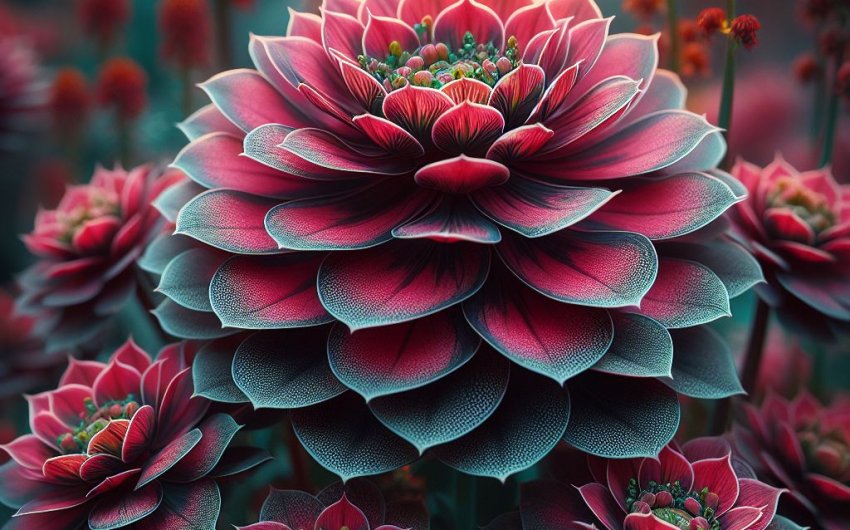
You might hear the word "Spurge" and immediately picture a common garden weed, stubbornly sprouting in cracks or spreading unwantedly through your flower beds. Indeed, some members of this vast plant family are notorious for their aggressive habits. However, beyond the common perception lies a hidden world of intriguing beauty and unexpected diversity. The genus Euphorbia, commonly known as Spurge, encompasses an astonishing range of plants, from tiny annuals to towering succulents and vibrant perennials, many of which are truly exquisite and highly coveted by discerning gardeners.
Discovering the ornamental side of Spurge is like unveiling a secret garden of delights. These remarkable plants offer unique forms, captivating textures, and often brilliantly colored bracts (modified leaves that look like flowers), adding a sophisticated and often architectural touch to your landscape. From the bold and dramatic to the subtle and charming, embracing Spurge splendor means finding graceful additions that bring year-round interest and an undeniable mystique to your garden.
What Makes Spurge So Intriguing?
The allure of ornamental Spurge lies in its unexpected features that defy typical plant categories. It's a genus that challenges perceptions, offering surprising diversity and a unique aesthetic appeal that sets it apart from more conventional garden plants. This inherent distinctiveness is what truly makes Spurge so intriguing.
From its chameleon-like ability to mimic other plants to its striking architectural forms and unusual "blooms," Spurge consistently captures the imagination of gardeners seeking something out of the ordinary.
Unique Forms and Textures
One of the most captivating aspects of ornamental Spurge is its incredible range of unique forms and textures. The sheer diversity within the Euphorbia genus is astonishing, allowing it to fit into vastly different garden styles.
- Architectural Statements: Many Spurge varieties create strong architectural statements. Think of the upright, columnar forms of some euphorbias that resemble cacti (e.g., Euphorbia tirucalli - Pencil Cactus, or Euphorbia trigona - African Milk Tree). These add bold, structural elements to a garden or indoor space.
- Mounding and Spreading Habits: Others form elegant mounds or low, spreading mats, perfect for groundcover, rock gardens, or front of the border. Their dense, often finely textured foliage creates a soft, cloud-like effect (e.g., Euphorbia characias or Euphorbia myrsinites).
- Diverse Foliage: The leaves themselves offer incredible variety:
- Fine and Needle-like: Giving a feathery texture.
- Broad and Succulent: Thick and fleshy, adapted for drought.
- Colorful: From glaucous blue-green and deep burgundy to vibrant chartreuse or variegated patterns.
- Unusual Stems: Many euphorbias have distinctive stems – some are thick and columnar, others are slender and woody, and many are a unique reddish hue. This adds another layer of texture.
- Mimicry: Some euphorbias are master mimics, looking remarkably like cacti (though they are not actually cacti) or other succulent plants. This adds an element of surprise and intrigue.
The sheer variety of unique forms and textures within the Spurge family makes it a fascinating choice for gardeners looking to add sophisticated, structural, or unusually beautiful elements to their landscape.
Striking Bracts (Not True Flowers)
One of the most distinctive features of ornamental Spurge is its striking bracts, which are often mistaken for true flowers. This botanical peculiarity adds to their mystique and visual appeal.
- What are Bracts?: Bracts are modified leaves that surround the actual, very small and often inconspicuous true flowers (cyathia) of the Euphorbia genus. These bracts are typically brightly colored, fleshy, and highly ornamental, serving the purpose of attracting pollinators.
- Brilliant Colors: These bracts come in an astonishing range of vibrant and often unusual colors:
- Chartreuse/Lime Green: A signature color that provides a brilliant pop in the garden, especially in spring.
- Yellows and Oranges: Warm and sunny hues.
- Reds and Burgundies: Deep and rich, especially in fall or cooler temperatures.
- Pinks and Whites: Soft and delicate.
- Long-Lasting "Blooms": Unlike true flowers that often fade quickly, bracts tend to be very long-lasting. They can remain colorful for weeks or even months, providing extended periods of visual interest in the garden. This is a huge advantage over fleeting blooms.
- Unique Structure: The arrangement of the bracts around the tiny central cyathia is visually intriguing, adding a layer of complexity and fascination to the plant.
- Poinsettia Connection: The most famous example of striking bracts in the Spurge family is the Poinsettia (Euphorbia pulcherrima), where the brilliant red "petals" are actually bracts. This familiar plant gives you a hint of the Spurge's potential for vibrant, long-lasting color.
The striking bracts of Spurge offer a unique and often brilliant source of color that lasts for an extended period, adding an undeniable allure and intriguing beauty to the garden.
Drought Tolerance and Low Maintenance
Many ornamental Spurge varieties are highly valued for their exceptional drought tolerance and low maintenance requirements, making them ideal choices for sustainable gardens or busy gardeners.
- Drought Tolerance: A significant number of Euphorbia species are native to arid or semi-arid regions. They have evolved various adaptations to survive with limited water, such as:
- Succulent Stems/Leaves: Store water within their fleshy tissues.
- Waxy Coatings: Reduce water loss through transpiration.
- Deep Root Systems: Can access deeper soil moisture.
- Why it's Valued: In a changing climate with more frequent droughts, these plants are incredibly resilient, reducing the need for constant watering and conserving water resources.
- Low Maintenance: Most ornamental Spurge varieties are quite self-sufficient once established.
- Resilience: They are generally tough and adaptable to various soil conditions (as long as they are well-drained).
- Pest and Disease Resistance: They are rarely plagued by serious pests or diseases, likely due to the milky white sap (latex) that some pests find irritating. This reduces the need for chemical interventions.
- Minimal Feeding: They typically do not require heavy fertilization.
- No Deadheading Required: The bracts are long-lasting, so regular deadheading is usually not necessary.
- Less Chemical Input: Their natural resilience and low pest/disease issues mean less reliance on synthetic pesticides or fungicides, contributing to an eco-friendly garden.
The combination of drought tolerance and low maintenance makes ornamental Spurge a smart and sustainable choice for gardeners seeking intriguing beauty without constant fuss.
Year-Round Interest (Foliage, Bracts, Stems)
Many ornamental Spurge varieties provide year-round interest, offering a dynamic display of beauty through all four seasons, thanks to their combination of interesting foliage, long-lasting bracts, and distinctive stems.
- Spring: Many species burst forth with vibrant new growth, often with a flush of colorful chartreuse or lime green bracts that provide a dazzling contrast against the awakening garden.
- Summer: The bracts continue their long display of color, and the plant's unique foliage (whether succulent, fine, or variegated) provides texture and form, acting as a backdrop to other summer blooms.
- Fall: Some varieties develop beautiful fall foliage color, turning shades of red, burgundy, orange, or bronze, adding warmth to the autumn landscape. The bracts may also take on deeper hues.
- Winter: Many species are evergreen, maintaining their structure and foliage through the cold months, providing essential architectural interest when most other plants are dormant. The bare, often reddish or unusual stems of deciduous types can also add unique winter character.
- Architectural Presence: Even when not in full "bloom," the inherent structure and form of many euphorbias (e.g., mounding types, upright columns) remain prominent, adding definition to the winter garden.
By offering continuous visual appeal across foliage, bracts, and stems throughout the year, Spurge provides a sophisticated layer of year-round interest that few other plants can match, truly embodying Spurge splendor.
Popular Ornamental Spurge Varieties to Try
While the genus Euphorbia is vast, there are several popular ornamental Spurge varieties that are widely grown and particularly well-suited for adding intriguing beauty to gardens in various climates. These offer a range of sizes, forms, and colors to fit different design needs.
Discovering these top picks will open your eyes to the diverse potential of Spurge splendor beyond its reputation as a weed.
1. Euphorbia characias (Mediterranean Spurge)
Euphorbia characias, commonly known as Mediterranean Spurge, is a statuesque and architectural perennial that brings striking blue-green foliage and dramatic chartreuse flower heads to the garden.
- Key Features:
- Form: Forms a substantial, upright, shrub-like mound, typically 2-4 feet tall and wide.
- Foliage: Dense clusters of narrow, linear, glaucous blue-green leaves (often with a hint of purple). This foliage is semi-evergreen or evergreen in milder climates.
- Bracts: In late spring to early summer, it produces large, cylindrical flower heads composed of numerous small, bright chartreuse bracts with prominent dark red or black central glands (cyathia). These bracts are incredibly long-lasting.
- Drought Tolerance: Highly drought-tolerant once established, thriving in hot, dry conditions.
- Deer Resistant: Its milky sap deters deer.
- Why It Exudes Elegance: Its bold architectural form, unique blue-green foliage color, and vibrant chartreuse bracts create a strong visual statement that is both sophisticated and intriguing. It adds a touch of Mediterranean flair.
- Placement: Excellent as a specimen plant, in dry borders, rock gardens, Mediterranean-themed gardens, or at the back of a perennial border. Needs full sun and excellent drainage. You can find Euphorbia characias plants.
- Maintenance: Requires minimal care. Cut back spent flower stalks to the ground after blooming to prevent self-seeding and maintain a tidy shape. Wear gloves when handling the sap.
Euphorbia characias is a magnificent and graceful addition for gardeners seeking a bold, drought-tolerant, and uniquely colored plant to elevate their landscape.
2. Euphorbia amygdaloides var. robbiae (Robbie's Spurge)
Euphorbia amygdaloides var. robbiae, often called Robbie's Spurge or Wood Spurge, is a fantastic choice for shade gardens, offering lush evergreen foliage and bright blooms where many other plants struggle.
- Key Features:
- Form: Forms a spreading, evergreen groundcover, typically 12-18 inches tall, colonizing areas by rhizomes.
- Foliage: Deep, glossy green leaves that form dense rosettes. The new growth in spring can have a reddish tinge.
- Bracts: In early to mid-spring, it produces upright clusters of bright chartreuse bracts, providing a vivid splash of color that lasts for weeks.
- Shade Tolerance: Excellent shade tolerance, thriving in partial shade to full shade.
- Drought Tolerance: Tolerates dry shade once established, making it valuable for challenging spots under trees.
- Deer Resistant: Due to its sap.
- Why It Exudes Elegance: Its ability to thrive in shade, providing lush evergreen groundcover and bright, early spring color, gives a sense of effortless elegance and resilience.
- Placement: Ideal for filling challenging dry, shady spots, under deciduous trees, along shaded pathways, or in woodland gardens. A beautiful alternative to common groundcovers.
- Maintenance: Very low maintenance. May spread enthusiastically, so monitor its growth. Remove spent flower stalks to the ground after blooming to keep it tidy. Wear gloves when handling.
Euphorbia amygdaloides var. robbiae is a superb graceful addition for creating cool retreats with vibrant early-season color and reliable evergreen presence.
3. Euphorbia myrsinites (Donkey Tail Spurge / Myrtle Spurge)
Euphorbia myrsinites, commonly known as Donkey Tail Spurge or Myrtle Spurge, is a unique and captivating groundcover that brings architectural interest and a striking blue-green hue to dry, sunny locations.
- Key Features:
- Form: Forms low-growing, sprawling mats (6-12 inches tall) with distinctive stems that spiral with tightly packed, succulent leaves, resembling a donkey's tail.
- Foliage: Striking glaucous blue-green leaves that are evergreen. The stems often take on a reddish tinge in cooler weather.
- Bracts: In spring, bright yellow-green bracts appear at the tips of the stems, creating a vibrant contrast with the blue foliage.
- Drought Tolerance: Extremely drought-tolerant, thriving in very hot, dry, and even poor soils.
- Resilience: Very hardy and resistant to most pests and diseases.
- Why It Exudes Elegance: Its unique, almost sculptural form, combined with the striking blue-green foliage color and vibrant spring bracts, creates an intriguing beauty that is both modern and naturalistic.
- Placement: Perfect for rock gardens, dry slopes, xeriscapes, front of sunny borders, or cascading over walls. Needs full sun and excellent drainage. You can find Euphorbia myrsinites plants.
- Maintenance: Extremely low maintenance. Can self-seed vigorously, so remove spent flower stems before seeds mature if you want to control spread. Caution: Its milky sap is a strong irritant; wear gloves and eye protection when handling. It can also be considered invasive in some regions, so check local regulations.
Euphorbia myrsinites is a fascinating and graceful addition for challenging dry, sunny spots, offering intriguing beauty and exceptional drought tolerance.
4. Euphorbia tirucalli (Pencil Cactus / Fire Sticks)
Euphorbia tirucalli, often called Pencil Cactus or Fire Sticks, is a unique, architectural succulent that can serve as a striking accent plant, especially in warmer climates or as a potted specimen.
- Key Features:
- Form: A multi-branched succulent shrub or tree, forming a dense mass of thin, cylindrical, bright green stems that resemble pencils.
- Foliage: Leaves are tiny and often fall off quickly, so the stems are the main visual feature.
- Coloration: In cooler temperatures or with sun exposure, the tips of the stems can turn vibrant shades of red, orange, or yellow, giving it the "Fire Sticks" common name.
- Drought Tolerance: Extremely drought-tolerant due to its succulent nature.
- Size: Can grow quite large in warm climates (up to 20 feet tall), but typically managed as a smaller shrub or potted plant elsewhere.
- Why It Exudes Elegance: Its minimalist, sculptural form, with its intricate network of cylindrical branches, creates a modern and sophisticated aesthetic. The seasonal color changes in the stem tips add subtle visual interest.
- Placement: Ideal as a specimen plant in a pot (especially in non-tropical climates), in rock gardens, or xeriscapes. Needs full sun and excellent drainage. A popular choice as a potted Pencil Cactus plant.
- Maintenance: Very low maintenance once established. Water sparingly. Caution: Its milky sap is a strong irritant and can cause temporary blindness if it gets in eyes; wear gloves and eye protection when handling or pruning.
Euphorbia tirucalli offers bold, sculptural elegance and unique texture, making it an intriguing beauty for modern or arid-style gardens.
5. Euphorbia x martinii (Martin's Spurge)
Euphorbia x martinii, or Martin's Spurge, is a versatile hybrid that offers attractive evergreen foliage, vibrant spring bracts, and often interesting reddish stems, making it a reliable and graceful addition.
- Key Features:
- Form: Forms an upright, bushy perennial (1.5-2.5 feet tall and wide) with a neat, clumping habit.
- Foliage: Deep green leaves, often with a reddish tinge on the new growth or along the margins, and reddish stems. Foliage is evergreen in most climates.
- Bracts: In late spring to early summer, it produces clusters of vibrant lime-green or yellowish-green bracts with prominent reddish-orange central glands, providing long-lasting color.
- Drought Tolerance: Good drought tolerance once established.
- Deer Resistant: Due to its sap.
- Why It Exudes Elegance: Its compact, refined form, combined with the subtle color variations in its foliage and stems, and the cheerful yet elegant chartreuse bracts, makes it a sophisticated and dependable choice for adding continuous interest.
- Placement: Excellent in mixed perennial borders, rock gardens, as an accent plant, or in containers. Prefers full sun to partial sun and well-drained soil.
- Maintenance: Relatively low maintenance. Cut back spent flower stalks to the base after blooming to maintain a tidy shape. Wear gloves when handling sap. Some popular cultivars include 'Ascot Rainbow' (known for its tri-color foliage with pink, orange, and red), or Euphorbia 'Blackbird' with very dark foliage.
Euphorbia x martinii provides versatile elegance, offering continuous foliage interest and vibrant bracts that truly contribute to Spurge splendor.
Essential Care Tips for Thriving Spurge
While many Spurge varieties are celebrated for their low maintenance and drought tolerance, providing them with essential care tips will ensure they truly thrive, reaching their full potential for intriguing beauty and vigor. Understanding their basic needs will lead to a more successful and less problematic gardening experience.
Most issues with ornamental Spurge arise from incorrect soil conditions or watering.
1. Sunlight and Site Selection
The right sunlight and site selection are paramount for a thriving Spurge, especially given the diversity within the genus. Getting this right is crucial for plant health and optimal bloom.
- Full Sun for Most Ornamentals: The vast majority of ornamental Spurge varieties (like E. characias, E. myrsinites, E. tirucalli, E. x martinii) prefer full sun – meaning at least 6-8 hours of direct, unfiltered sunlight per day.
- Why: This intense light promotes the best coloration in bracts and foliage (especially reddish/bronze hues), encourages compact growth, and helps prevent legginess.
- Exception: Some wood spurges (like E. amygdaloides var. robbiae) are excellent for partial shade to full shade, requiring less direct light.
- Site Selection Considerations:
- Drainage is Key: Regardless of sun, all Spurge requires excellent drainage. They hate wet feet and will quickly succumb to root rot in soggy soil. Choose a spot that doesn't hold water.
- Airflow: Good airflow around the plants helps prevent fungal issues, especially in humid climates.
- Shelter: In very windy locations, taller varieties might benefit from some shelter to prevent snapping.
- Compatibility: Place them with other drought-tolerant or sun-loving plants that have similar watering and soil needs.
Carefully choosing a site that matches your Spurge variety's sunlight requirements and ensures excellent drainage is the most critical step for success.
2. Well-Drained Soil is Non-Negotiable
For nearly all ornamental Spurge varieties, well-drained soil is non-negotiable. This is the single most important soil condition to prevent root rot and ensure their long-term health.
- Why Drainage is Crucial:
- Root Rot Susceptibility: Spurge species are very susceptible to root rot if their roots sit in constantly wet or waterlogged soil. They are adapted to drier conditions, and their roots need oxygen.
- Mimics Drought: Even with plenty of water, poor drainage deprives roots of oxygen, causing them to essentially suffocate and die. The plant then appears wilted (as if underwatered) even when the soil is wet, which often leads to more lethal overwatering.
- Characteristics of Well-Drained Soil:
- Sandy/Loamy: Ideal soils are often sandy or loamy with a good proportion of grit.
- No Water Pooling: After a rain or watering, water should quickly percolate into the soil, with no standing puddles.
- How to Improve Drainage (if needed):
- Raised Beds: If you have heavy clay soil, consider planting Spurge in raised beds filled with a custom well-draining soil mix. A raised garden bed kit can solve drainage issues.
- Amending Soil: Incorporate plenty of coarse sand, gravel, perlite, or small grit into heavy clay soils to improve drainage. While compost improves soil structure, too much can retain too much moisture for very specific drought-tolerant Spurge.
- Avoid Over-Amending Clay: Don't just add a small amount of sand to clay; it can create a concrete-like mixture. Either amend significantly or opt for raised beds.
- Container Growing: For pots, use a specialized cactus and succulent potting mix or amend regular potting mix with extra perlite or pumice for superior drainage. Ensure the pot has ample drainage holes. A good quality cactus and succulent potting mix is designed for this.
Well-drained soil is the absolute most important essential care tip for thriving Spurge, ensuring healthy roots and preventing lethal root rot.
3. Watering Correctly (Drought Tolerance After Establishment)
While many Spurge varieties are incredibly drought-tolerant, watering correctly means understanding their needs during establishment versus once mature.
- Establishment Period (First Year):
- Consistent Moisture: For the first year after planting, water your Spurge regularly and consistently. This means keeping the soil evenly moist (but never soggy!) to encourage the development of a robust root system. This might mean watering 1-2 times per week during dry spells, depending on soil type and weather.
- Deep Watering: Water deeply when you do water, to encourage roots to grow down.
- Established Plants (Beyond Year 1):
- Drought-Tolerant: Once established (typically after a year or two), most ornamental Spurge varieties are remarkably drought-tolerant. They can often survive on natural rainfall alone in many climates, or require very infrequent supplemental watering during prolonged dry spells or extreme heat.
- Check Soil: Always check the soil moisture deeply (2-3 inches down) before watering. If it still feels moist, wait.
- Avoid Overwatering: Overwatering is the biggest killer of established Spurge. It leads to root rot and plant decline.
- Climate Considerations: In extremely arid climates, even drought-tolerant Spurge may benefit from occasional deep watering during prolonged droughts.
- Container Plants: Spurge in pots will always need more frequent watering than those in-ground because container soil dries out faster. Still, allow the soil to dry out significantly between waterings.
Watering correctly means providing consistent moisture during establishment, then trusting their natural drought tolerance and resisting the urge to overwater once they're mature.
4. Fertilizing (Minimal Needs)
Most ornamental Spurge varieties have minimal fertilizing needs. They are not heavy feeders and often thrive in lean, well-drained soils. Over-fertilizing can actually do more harm than good.
- Avoid Heavy Fertilization: Too much fertilizer, especially high-nitrogen fertilizer, can lead to:
- Leggy, Weak Growth: Lush, weak growth that flops over, rather than compact, sturdy forms.
- Reduced Flowering/Bract Color: Can reduce the production of colorful bracts.
- Increased Disease Susceptibility: Rapid, soft growth is sometimes more prone to fungal diseases.
- Fertilizer Burn: Excess salts can damage roots.
- Initial Boost (If Needed): If your soil is very poor (e.g., pure sand or highly compacted clay) and a soil test confirms deficiencies, you can amend the soil with compost before planting. This provides slow-release nutrients without overwhelming the plant.
- Established Plants: For established plants, a light top-dressing of compost once a year in spring is usually more than sufficient. This gently replenishes nutrients and builds soil health over time.
- No Supplemental Fertilizer: In most well-amended garden soils, supplemental granular or liquid fertilizer is rarely necessary for Spurge.
- Monitor Plant Vigor: Only consider a very light application of a balanced organic fertilizer if your Spurge shows clear signs of nutrient deficiency (after ruling out watering and pH issues), and ideally, after a soil test confirms it.
Minimal fertilizing is an essential care tip for thriving Spurge, allowing them to maintain their natural vigor and compact form without over-stimulation.
5. Pruning and Handling (Caution with Sap)
Pruning and handling Spurge requires specific caution due to its distinctive milky white sap (latex). However, proper pruning is essential for maintaining form and vigor.
- The Sap (Latex): All Euphorbia species produce a milky white sap (latex) when cut or broken.
- Irritant: This sap is a skin and eye irritant. It can cause skin rashes (dermatitis), especially in sensitive individuals. If it gets in eyes, it can cause temporary blindness and irritation.
- Caution: ALWAYS wear gloves and eye protection (like gardening safety glasses) when pruning or handling Spurge. Wash hands thoroughly with soap and water immediately after contact.
- Pruning Goals:
- Remove Spent Blooms/Bracts: For many perennial varieties (like E. characias, E. x martinii), cut back spent flower stalks to the ground or to a healthy side shoot after blooming. This prevents unwanted self-seeding and keeps the plant tidy.
- Maintain Shape: Prune to maintain the desired shape or to remove any leggy or damaged stems.
- Rejuvenation: For older plants, a more aggressive cutback can rejuvenate growth.
- Timing of Pruning: Generally, prune after the bracts have faded, typically in late spring or early summer. Avoid pruning too late in fall in cold climates, as new growth might be susceptible to frost.
- Tools: Use sharp, clean pruning shears to make clean cuts. Clean tools thoroughly after use, as sap can gum them up. A sturdy pair of gardening pruning shears is good.
- Self-Seeding Management: Many Spurge varieties can self-seed enthusiastically. If you want to control their spread, prune off spent flower stalks before seeds mature and disperse.
Proper pruning and handling with caution ensure the long-term health and attractive form of your Spurge, allowing you to safely enjoy their intriguing beauty.