
Star of Persia: Stellar Beauty in Your Garden
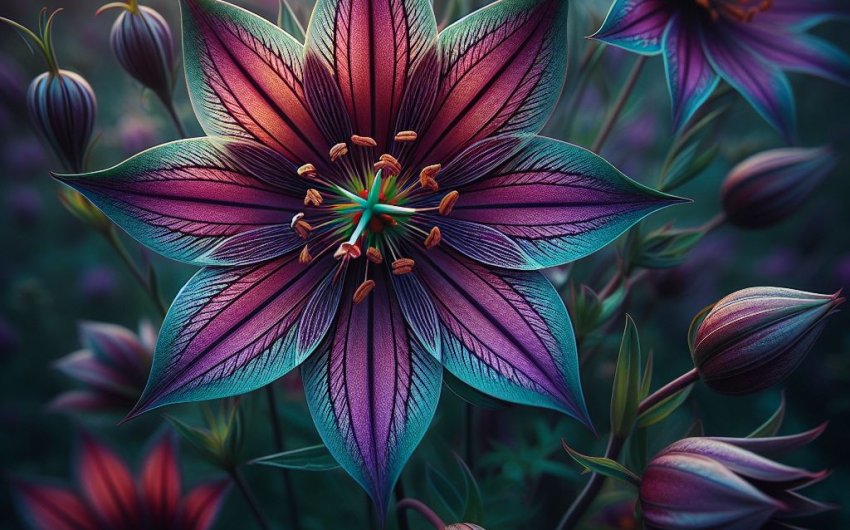
Star of Persia (Allium cristophii) brings stellar beauty to your garden with its magnificent, giant globe-shaped flower heads composed of hundreds of tiny, metallic purple-pink, star-like florets. This unique ornamental onion creates an unforgettable, almost otherworldly display, providing dramatic late-spring to early-summer interest and fascinating dried seed heads.
What is Star of Persia? Understanding This Unique Ornamental Allium
Star of Persia (Allium cristophii), also known as Persian Onion or Christophii Onion, is a captivating species of ornamental allium, renowned for its extraordinary flower form and long-lasting appeal. Unlike common culinary onions, this particular allium is grown purely for its dramatic stellar beauty in your garden.
Distinctive Features: A Spherical Galaxy of Stars
- Giant Globe Flower Heads: The most striking feature of Star of Persia is its enormous, perfectly spherical flower heads. These can reach an impressive size of 8-12 inches (20-30 cm) in diameter, appearing almost perfectly round from every angle.
- Metallic Purple-Pink Stars: Each globe is densely packed with hundreds of tiny, individual star-shaped florets. These florets are a unique metallic purple-pink to lilac color, with an iridescent shimmer that truly makes them look like a constellation of stars.
- Long-Lasting Blooms: The flowers bloom in late spring to early summer, and their unique structure allows them to retain their form and color for several weeks, much longer than many other ornamental alliums.
- Architectural Seed Heads: Even after the vibrant color fades, the dried flower heads retain their magnificent spherical shape and structural integrity. They transform into papery, skeletal globes that add fascinating architectural interest to the garden well into fall and winter. These dried heads are excellent for dried flower arrangements.
- Sturdy Stems: Each magnificent globe is held aloft on a sturdy, upright stem, typically 1-2 feet (30-60 cm) tall. The stems are strong enough to support the heavy flower heads without flopping.
Growth Habit: Clumping and Basal Foliage
- Basal Foliage: Star of Persia forms a rosette of broad, strap-like, grayish-green leaves at its base. These leaves typically begin to yellow and wither as the plant prepares to bloom, a common characteristic of many alliums. This is why it's best to plant it among other perennials that can hide its fading foliage.
- Bulbous Perennial: It grows from a bulb and is a true perennial, returning year after year and slowly naturalizing to form larger clumps over time.
Ecological Value: Subtle Pollinator Appeal
- Bee Attraction: While not as aggressive a pollinator magnet as some other plants, the numerous small florets of Star of Persia do attract bees and other small pollinators.
- Deer and Rodent Resistant: Like most alliums, it contains sulfurous compounds that make it unpalatable to deer, rabbits, and rodents, a significant advantage for many gardeners.
Preferred Growing Conditions: Sun and Drainage
- Light: Thrives in full sun (at least 6 hours of direct sunlight per day).
- Soil: Requires excellent drainage. It dislikes wet feet, especially during dormancy. Lean, sandy, or gravelly soils are ideal.
Table: Key Characteristics of Star of Persia
| Characteristic | Description | Garden Advantage |
|---|---|---|
| Giant Globes | 8-12 inch (20-30 cm) perfectly spherical flower heads | Dramatic focal point, unique form |
| Metallic Purple-Pink | Hundreds of star-like florets, iridescent shimmer | Unique color, celestial appearance |
| Long-Lasting Blooms | Flowers hold form/color for weeks | Extended season of interest |
| Architectural Seed Heads | Dried globes retain shape, structural interest | Fall/winter appeal, dried arrangements |
| Sturdy Stems | Holds heavy blooms upright | No staking needed |
| Deer/Rodent Resistant | Unpalatable due to sulfurous compounds | Low maintenance, pest-free |
| Sun & Drainage Lover | Thrives in full sun, well-drained soil | Resilient in challenging spots |
What Are the Best Star of Persia Varieties and Complementary Alliums?
While Allium cristophii (the original Star of Persia) is typically the main variety gardeners seek, understanding its characteristics alongside other spectacular ornamental alliums can help you create a truly stellar beauty in your garden.
The Quintessential Star of Persia
- Allium cristophii (Star of Persia):
- Features: The classic species. Produces the iconic 8-12 inch (20-30 cm) globes of metallic purple-pink, star-like flowers. Its dramatic size and unique color make it instantly recognizable.
- Height: Flower stalks typically 1-2 feet (30-60 cm) tall.
- Bloom Time: Late spring to early summer.
- Hardiness: USDA Zones 4-8. A Star of Persia Allium Bulbs pack is excellent for mass planting.
Complementary Ornamental Alliums for Extended Interest
To extend the "allium show" and create a diverse display, consider planting Star of Persia alongside other popular ornamental allium species:
- Allium giganteum (Giant Allium):
- Features: Impressive, very tall species (3-5 feet or 90-150 cm) with smaller (4-6 inch or 10-15 cm) but dense, deep purple flower globes. Blooms slightly earlier than 'Globemaster'.
- Height: True giants for the back of the border.
- Bloom Time: Late spring.
- Hardiness: USDA Zones 4-8.
- Allium 'Globemaster' (Ornamental Allium):
- Features: A popular hybrid known for its massive, very dense, vivid purple flower globes (8-10 inches or 20-25 cm diameter). Shorter stems than A. giganteum (2-3 feet or 60-90 cm).
- Height: Great for mid-border or mass plantings.
- Bloom Time: Late spring to early summer.
- Hardiness: USDA Zones 4-9.
- Allium sphaerocephalon (Drumstick Allium):
- Features: Unique, oval-shaped, deep reddish-purple flower heads (1-2 inches or 2.5-5 cm). Blooms much later than other alliums, in mid-to-late summer, providing extended interest.
- Height: 2-3 feet (60-90 cm) tall.
- Ideal For: Filling gaps, adding late-season color.
- Hardiness: USDA Zones 4-8.
- Allium 'Millenium':
- Features: A highly popular, vigorous herbaceous allium with a long bloom period from mid to late summer. Forms dense mounds of grassy foliage topped with numerous 1.5-2 inch (3-5 cm) rosy-purple, dome-shaped flower heads.
- Height: 1.5-2 feet (45-60 cm) tall.
- Ideal For: Front of border, edging, mass planting, extended color.
- Hardiness: USDA Zones 4-8.
Table: Star of Persia & Complementary Allium Varieties
| Allium Variety | Height (Avg.) | Flower Color | Globe Size (Avg.) | Bloom Time | Key Feature |
|---|---|---|---|---|---|
| A. cristophii (Star of Persia) | 1-2 ft (30-60 cm) | Metallic Purple-Pink | 8-12 inches (20-30 cm) | Late Spring-Early Summer | Giant, starry globes, great dried |
| A. giganteum | 3-5 ft (90-150 cm) | Deep Purple | 4-6 inches (10-15 cm) | Late Spring | True giant, back of border |
| A. 'Globemaster' | 2-3 ft (60-90 cm) | Vivid Purple | 8-10 inches (20-25 cm) | Late Spring-Early Summer | Dense, massive spheres |
| A. sphaerocephalon (Drumstick) | 2-3 ft (60-90 cm) | Reddish-Purple | 1-2 inches (2.5-5 cm) | Mid-to-Late Summer | Unique oval shape, extends season |
| A. 'Millenium' | 1.5-2 ft (45-60 cm) | Rosy-Purple | 1.5-2 inches (3-5 cm) | Mid-to-Late Summer | Long blooming, reliable, bushy |
How Do You Plant and Grow Star of Persia?
Planting and growing Star of Persia is straightforward, as it's a remarkably easy-care bulb that thrives with minimal fuss once established. Correct planting depth and well-drained soil are key to unlocking its stellar beauty in your garden.
Site Selection: Sun and Drainage are Critical
- Full Sun: Star of Persia requires full sun to bloom prolifically and ensure strong stems. Aim for at least 6-8 hours of direct sunlight per day. Too much shade will result in fewer flowers and weaker stems.
- Well-Draining Soil: This is the most crucial factor for alliums. Star of Persia requires excellent drainage. It cannot tolerate "wet feet" or soggy soil, especially during its dormant period in summer, as this will lead to bulb rot.
- Ideal: Lean to average soil, sandy, or gravelly.
- Avoid: Heavy clay soils. If you have clay soil, amend it generously with compost, coarse sand, or grit to improve drainage. Raised beds are also an excellent option.
- pH: Tolerant of a wide range of soil pH, from slightly acidic to slightly alkaline (pH 6.0-8.0).
Planting Process (from bulbs)
- Timing: Plant Star of Persia bulbs in the fall (September to November), before the ground freezes. This gives them time to establish roots before winter.
- Prepare the Hole: Dig a hole 3-4 times as deep as the bulb is tall. For Star of Persia, this typically means a hole 6-8 inches (15-20 cm) deep.
- Amend Soil (if needed): If your soil drainage is questionable, add a layer of sand or fine gravel to the bottom of the planting hole before placing the bulb. Mix some compost into the backfill soil to improve fertility.
- Position the Bulb: Place the bulb in the hole with the pointed end facing upwards.
- Backfill: Gently backfill the hole with soil, lightly firming it around the bulb.
- Water Thoroughly: Water immediately after planting to settle the soil around the bulb. This is the only critical watering needed at planting time.
Spacing: Allowing for Globe Size and Foliage
- Individual Impact: Space Star of Persia bulbs 8-12 inches (20-30 cm) apart. While their foliage dies back, the large flower heads need room to shine and not crowd other plants.
- Drifts: For a more naturalistic or dramatic effect, plant in informal drifts or groups of 5-7 bulbs rather than single rows.
Initial Care: Winter Chill is Essential
- Winter Chill: Star of Persia bulbs require a period of cold temperatures (winter chill) to properly develop and bloom. They are well-suited to cold climates (USDA Zones 4-8).
- No Winter Watering: Do not water during winter unless your area experiences a prolonged, very dry spell. The bulbs are dormant and susceptible to rot if soggy.
Table: Star of Persia Planting Checklist
| Item/Step | Recommendation | Reason |
|---|---|---|
| Sunlight | Full sun (6-8+ hours direct sun) | Essential for vigor and robust blooms |
| Soil | Very well-draining, average to lean | Prevents bulb rot, mimics preferred habitat |
| Timing | Fall (Sept-Nov) before ground freezes | Allows root establishment, ensures chill |
| Planting Depth | 6-8 inches (15-20 cm) deep | Optimal for root growth & stability |
| Position | Pointed end up | Correct growth orientation |
| Spacing | 8-12 inches (20-30 cm) apart | Allows for globe size, good airflow |
| Water Thoroughly | Immediate deep watering after planting | Settles soil, removes air pockets |
How Do You Care for Established Star of Persia?
Once established, Star of Persia truly becomes a low-maintenance marvel, providing stellar beauty in your garden with astonishing reliability year after year.
Watering: Minimal Once Dormant
- Spring Growth/Bloom: Water moderately during active spring growth and while blooming, especially if rainfall is scarce. Keep the soil consistently moist but never soggy.
- Summer Dormancy: After flowering, the foliage of Star of Persia naturally begins to yellow and die back. At this point, stop watering entirely. The bulbs go dormant and require dry conditions to prevent rot. This is crucial.
- Avoid Overwatering: As with planting, overwatering during any stage, especially dormancy, is the primary killer of alliums. Ensure excellent drainage.
Fertilizing: Very Lean Feeder
- Minimal Needs: Star of Persia prefers lean to average soil and generally does not require heavy fertilization. Excess nutrients, particularly nitrogen, can lead to lush foliage at the expense of blooms or bulb health.
- Compost (Optional): A very light top-dressing of finished compost (1/2 inch or 1.25 cm) around the base of the plants in early spring (as new growth emerges) can provide a gentle, slow-release nutrient boost if your soil is poor.
- Avoid Over-Fertilizing: Do not apply high-nitrogen fertilizers.
Pruning and Maintenance: Enjoy the Show and the Aftermath
- Foliage Decline: As mentioned, the foliage of Star of Persia naturally yellows and withers as the flower stalk emerges. This is normal and part of its life cycle. You can allow it to completely die back, or gently remove the unsightly yellowing leaves if desired.
- Deadheading (Optional for Seed Heads): You do not need to deadhead to encourage more blooms, as Star of Persia produces one magnificent flush. However, you can remove spent flowers by cutting the stem back if you don't want the striking dried seed heads.
- Leave Seed Heads for Winter Interest: For optimal architectural interest, leave the dried, papery, skeletal globes on their sturdy stems in the garden through fall and winter. They look incredible against snow or frost.
- Winter Cutback (Optional): In late winter or early spring, you can cut down any remaining dried stems if desired, before new growth begins.
Pest and Disease Management: Trouble-Free
- Resilience: Star of Persia is exceptionally resistant to most common garden pests and diseases due to its allium (onion) family compounds.
- Main Problem: Bulb Rot: Almost exclusively due to poor drainage or overwatering, especially when dormant.
- Deer and Rodent Resistance: A significant advantage. Its oniony compounds make it unappealing to deer, rabbits, squirrels, and voles.
Table: Care for Established Star of Persia
| Aspect | Recommendation | Impact |
|---|---|---|
| Watering | Moderate in spring; stop completely in summer dormancy | Prevents bulb rot, promotes hardiness |
| Fertilizing | Little to none; light compost top-dressing (optional) | Promotes healthy blooms without legginess |
| Pruning | Allow foliage to die back; leave seed heads for interest | Maximizes energy storage, enhances winter appeal |
| Pests/Disease | Generally resistant; focus on good drainage | Low maintenance, healthy plants |
What Creative Uses Can Star of Persia Bring to Your Garden Design?
The dramatic size, unique color, and architectural presence of Star of Persia make it an unparalleled plant for adding stellar beauty and visual intrigue to a variety of garden styles.
Mixed Perennial Borders: A Striking Statement
- Focal Point: Plant Star of Persia as a stunning focal point in mid-to-back of sunny perennial borders. Its massive globes will draw the eye.
- "See-Through" Quality: Despite its large flower heads, the individual florets and open structure allow light and other plants to be seen through it, creating a delicate, airy effect.
- Companion Planting: Pair it with plants that have contrasting foliage (fine-textured grasses, broad-leafed hostas) or blooms in complementary colors (yellow irises, pink peonies, or blue delphiniums) to highlight its unique appearance. Plant it among later-blooming perennials (like daylilies, coneflowers, or Salvia) that will emerge and fill in as its foliage fades.
Rock Gardens and Xeriscapes
- Natural Fit: Its preference for lean, well-draining soil and dry conditions makes it an excellent choice for rock gardens and xeriscapes (water-wise landscapes).
- Architectural Interest: Its strong form and enduring seed heads add structure and interest to rocky environments.
Contemporary and Modern Gardens
- Bold Form: The spherical, almost sculptural form of Star of Persia fits perfectly into modern garden designs that emphasize strong shapes and minimalist planting.
- Mass Plantings: Plant in bold drifts or geometric patterns for a striking contemporary look.
Cut Flower and Dried Flower Gardens
- Dramatic Cut Flower: The magnificent globes make incredibly dramatic and long-lasting additions to fresh cut flower arrangements. Harvest when the florets are mostly open.
- Dried Specimens: One of its most renowned uses is for dried flower arrangements. Simply cut the stems when the blooms are fully open and hang them upside down in a cool, dark, dry place to preserve their form. They last indefinitely and make fascinating decor. A Dried Flower Arrangement Kit would benefit from these.
Container Gardening (with Caution)
- Temporary Display: While possible, growing Star of Persia in containers is often challenging due to its need for perfectly dry dormancy. It's usually best for a temporary spring display, then the bulbs are moved to an in-ground spot after flowering.
- Drainage: Ensure containers have excellent drainage holes and use a very gritty, well-draining potting mix.
By planting the magnificent Star of Persia, you are choosing a plant that promises stellar beauty in your garden, delivering unparalleled visual drama, unique architectural interest, and a captivating display that feels truly out of this world.