
From Drab to Fab: Elevating Your Garden with Decorative Gravel
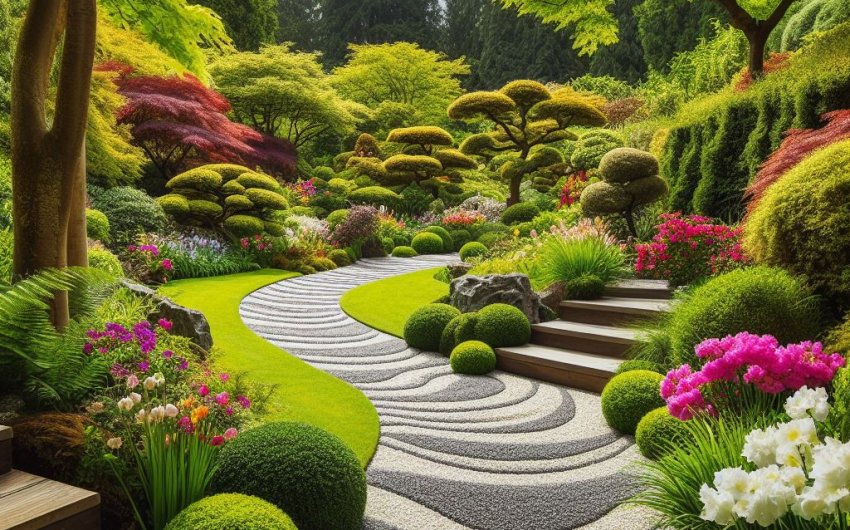
Elevating your garden with decorative gravel is a fantastic way to transform drab, overlooked spaces into truly fabulous and functional areas, adding texture, color, and a sophisticated touch. This versatile material offers aesthetic appeal and practical benefits, making it an excellent choice for modern landscape design.
Why Choose Decorative Gravel for Your Garden?
Choosing decorative gravel for your garden is a smart decision that offers a multitude of benefits, transforming your landscape from ordinary to extraordinary. It's not just a budget-friendly alternative to paving; it's a versatile design element that adds texture, color, and functionality.
1. Aesthetic Appeal and Versatility
- Texture and Contrast: Decorative gravel introduces a unique texture that contrasts beautifully with soft plantings, paving stones, and smooth surfaces. It can add an organic, natural feel or a modern, minimalist edge depending on the type used.
- Wide Range of Colors and Sizes: Available in an astonishing array of colors—from classic grays and whites to warm earth tones, reds, and even black. Sizes range from fine grit to larger pebbles, allowing for diverse design possibilities. This variety enables you to match or complement any existing color scheme or create a new one.
- Versatile Styles:
- Modern: Crisp white or black gravel around succulents or clean lines.
- Mediterranean: Warm tones like terracotta or gold around lavender and olive trees.
- Zen/Japanese: Smooth river pebbles in raked patterns.
- Cottage: Pea gravel paths winding through informal plantings.
- Xeriscape/Drought-Tolerant: Provides a natural, dry-climate aesthetic.
- Year-Round Interest: Unlike plants that change seasonally, decorative gravel provides consistent color and texture, offering beauty in every season.
2. Excellent Drainage
- Permeable Surface: Unlike solid paving like concrete or asphalt, decorative gravel allows water to drain through it directly into the soil below. This reduces stormwater runoff, helps recharge groundwater, and prevents puddling.
- Prevents Erosion: On gentle slopes, a well-installed gravel surface can help prevent soil erosion by slowing down water flow.
- Beneficial for Plants: Good drainage is crucial for many plants, especially drought-tolerant or succulent varieties that dislike "wet feet."
3. Weed Suppression
- Barrier: When installed with a proper landscape fabric barrier underneath, decorative gravel can significantly suppress weed growth by blocking sunlight and creating a physical barrier.
- Easier Weeding: Even if some weeds sprout on top of the gravel (from airborne seeds), they are often easier to pull out than from compacted soil.
4. Low Maintenance
- Less Mowing: Replacing grass with gravel reduces or eliminates the need for mowing in those areas, saving time and effort.
- No Watering: Gravel areas do not need irrigation, unlike lawns or thirsty plant beds, contributing to water conservation.
- Minimal Upkeep: Beyond occasional raking to level and refresh the surface, and some weed removal, decorative gravel requires relatively little ongoing maintenance.
5. Durability and Longevity
- Resistant: Decorative gravel is extremely durable and resistant to cracking, fading, or deteriorating over time, unlike many other paving materials that can suffer from freeze-thaw cycles or heavy use.
- Cost-Effective: While the initial installation might involve some labor, the material cost is often lower than traditional paving, and its longevity means fewer replacement costs down the line.
By integrating decorative gravel into your garden, you're not just adding a material; you're introducing a design element that is both beautiful and highly functional, truly elevating your garden from drab to fab.
What Are the Different Types of Decorative Gravel?
The world of decorative gravel is surprisingly diverse, offering a rich palette of colors, sizes, and textures that can dramatically alter the look and feel of your garden. Choosing the right type of decorative gravel is crucial for achieving your desired aesthetic and functional needs.
1. Pea Gravel
- Description: Small, rounded, smooth stones, typically 1/8 to 5/8 inch (0.3-1.6 cm) in diameter. They come in a mix of natural colors, including tan, brown, gray, and often some white or red tones, resembling peas.
- Texture: Smooth and easy to walk on, creating a gentle crunch underfoot.
- Uses:
- Pathways: Excellent for creating informal, permeable pathways that drain well. A Pea Gravel Bag is a common purchase.
- Patios and Seating Areas: Creates a relaxed, comfortable surface.
- Mulch: Used as a top dressing in plant beds to retain moisture and suppress weeds.
- Drainage: Good for French drains or drainage swales.
- Pros: Natural look, comfortable to walk on, good drainage, relatively inexpensive.
- Cons: Can migrate easily, especially on slopes; may require edging. Small stones can get stuck in shoe treads.
2. Crushed Stone/Decomposed Granite (DG)
- Description: Irregularly shaped, angular pieces of crushed rock, varying in size from fine dust (decomposed granite) to larger fragments. Colors vary widely depending on the rock source (gray, pink, red, tan, black).
- Texture: Angular, which helps it lock together and compact, creating a more stable surface than rounded gravel.
- Uses:
- Driveways and High-Traffic Paths: Compacting properties make it ideal for stable, durable surfaces.
- Patios: Can create a natural-looking, stable patio base.
- Mulch: Larger crushed stone can be used in rock gardens or around plants.
- Pros: Excellent compaction, good stability, less migration than rounded gravel, strong drainage.
- Cons: Can be dusty when dry, and angular edges might be less comfortable for bare feet.
3. River Rock/River Jacks
- Description: Larger, naturally rounded stones, smoothed by water, typically ranging from 1/2 inch (1.2 cm) up to several inches (10+ cm) in diameter. Often a mix of earthy colors: gray, brown, tan, black, white.
- Texture: Smooth and substantial.
- Uses:
- Dry Riverbeds/Drainage Channels: Creates a naturalistic look for managing water flow.
- Borders and Edging: Defines beds, walkways, or property lines.
- Focal Points: Used around water features or as decorative elements in rock gardens.
- Container Top Dressing: For large pots.
- Pros: Beautiful, natural appearance; good for heavy drainage; provides bold texture.
- Cons: Not comfortable for walking on; can be heavy and more expensive than smaller gravel.
4. Quarry Stone/Crushed Aggregate
- Description: General term for crushed rock from quarries, often used as a base layer for paths and patios, but finer grades can be decorative. Colors are usually muted grays, whites, or tans. Sizes vary.
- Texture: Angular and rough.
- Uses: Base for driveways, utility areas, as a budget-friendly decorative option for larger spaces.
5. Specialty Decorative Gravels
- Marble Chips: Bright white, reflective, angular chips. Used for formal beds, around statuary, or to brighten dark areas. Can alter soil pH over time.
- Lava Rock: Porous, lightweight, often reddish-brown or black. Excellent for drainage, retains some moisture, and looks natural.
- Volcanic Rock: Similar to lava rock, often black or dark gray, with porous texture.
- Slate Chips: Flat, irregularly shaped chips, often gray, black, green, or purple. Creates a modern, natural look.
- Quartz Gravel: Clear, white, or light-colored, often with sparkling inclusions. Used for a bright, clean look.
When selecting decorative gravel, consider its color, size, shape, and how it will interact with your existing hardscaping and plantings. The right choice can dramatically elevate your garden from drab to fab.
How Do You Prepare the Area for Decorative Gravel?
Proper preparation of the area is the single most critical step when elevating your garden with decorative gravel. Skimping on preparation will lead to weeds, uneven surfaces, and gravel migration, turning your fab new look back into drab. A well-prepared base ensures longevity and minimizes maintenance.
1. Clear the Area
- Remove Existing Vegetation: Dig out all existing grass, weeds, and unwanted plants. Don't just mow or cover; roots can grow through weed barriers. Use a shovel or a sod cutter for larger areas.
- Remove Debris: Clear away any rocks, roots, construction debris, or other obstacles that might hinder a smooth base.
- Define Edges: Clearly mark the boundaries of your gravel area using string, marking paint, or garden hoses. This helps visualize the final shape.
2. Grade and Level the Surface
- Slope for Drainage: While gravel is permeable, you still want to ensure proper surface drainage, especially for large areas or if you're directing water away from a structure. Create a gentle slope (a minimum of 1/8 to 1/4 inch per foot, or 1-2 cm per meter) away from foundations or low spots.
- Level for Evenness: For pathways or seating areas, ensure the surface is mostly level to provide a comfortable walking or sitting area. Use a rake to spread and level the soil.
- Compact the Soil: Once roughly graded, compact the soil base. For small areas, a hand tamper works. For larger areas or driveways, rent a plate compactor. This prevents future settling and unevenness.
3. Install Edging (Crucial for Containment)
Edging is essential to keep your decorative gravel where you want it and prevent it from migrating into garden beds or lawns.
- Types of Edging:
- Metal Edging: Steel or aluminum edging is durable, discreet, and creates a clean line. A Steel Landscape Edging Kit is a popular choice.
- Plastic Edging: More flexible and affordable, but less durable and sometimes less visually appealing than metal.
- Pavers or Bricks: Create a strong, decorative border. Set them in a shallow trench with a gravel base for stability.
- Timber: Railway sleepers or pressure-treated lumber can create rustic, raised edges.
- Installation: Dig a trench along the marked perimeter. Install the edging, ensuring it is secure and the top edge is slightly above the planned gravel height (e.g., 1 inch or 2.5 cm above the gravel surface) to contain the material.
4. Lay Down Landscape Fabric (Weed Barrier)
This step is vital for weed control and preventing your decorative gravel from sinking into the soil.
- Type: Use a high-quality, woven landscape fabric (also known as geotextile fabric or weed barrier). Avoid cheap plastic sheeting, which can trap water and suffocate the soil. The fabric should be permeable to allow water and air to pass through.
- Installation: Lay the fabric over the entire prepared area, overlapping seams by at least 6-12 inches (15-30 cm). Secure the fabric with landscape staples (pins) every 2-3 feet (60-90 cm) along the edges and seams.
- Benefits: Blocks weeds, separates the gravel from the soil (preventing it from mixing and sinking), and helps stabilize the base.
5. Consider a Base Layer (Optional for Light Use, Essential for Heavy Use)
For areas that will see heavy foot traffic (pathways, patios) or vehicle traffic (driveways), a compacted base layer is highly recommended.
- Material: Use a coarser, angular crushed stone (e.g., 3/4 inch minus crushed aggregate or road base).
- Depth: 4-6 inches (10-15 cm) for paths/patios, 6-12 inches (15-30 cm) for driveways.
- Installation: Spread evenly over the landscape fabric (or under it, directly on the soil, depending on method) and compact thoroughly with a plate compactor.
By meticulously completing these preparation steps, you lay a solid groundwork that ensures your decorative gravel project is a long-lasting, low-maintenance success, truly elevating your garden.
How Do You Install Decorative Gravel?
Once your area is perfectly prepped with proper grading, edging, and a weed barrier, installing the decorative gravel itself is the exciting final step. Proper installation ensures your garden transforms from drab to fab with a lasting, beautiful surface.
1. Calculate the Amount of Gravel Needed
- Depth: The ideal depth for decorative gravel depends on the type and use:
- Paths/Patios (Pea Gravel, Crushed Stone): 2-3 inches (5-7.5 cm) is generally sufficient. Too shallow, and it won't provide good coverage; too deep, and it can be difficult to walk on.
- Mulch/Groundcover: 1-2 inches (2.5-5 cm).
- Driveways (with a compacted base): 2-4 inches (5-10 cm) of top-dressing gravel over the base.
- Formula: To calculate cubic yards (or cubic meters) needed: (Length in feet x Width in feet x Depth in feet) / 27. (For meters: Length in m x Width in m x Depth in m).
- Example: 10 ft long x 5 ft wide x 0.25 ft deep (for 3 inches) = 12.5 cubic feet / 27 = approximately 0.46 cubic yards.
- Ordering: Order a bit extra (5-10%) to account for compaction and unevenness. Decorative gravel is typically sold by the cubic yard or ton. You can find Bulk Landscape Gravel from local suppliers.
2. Deliver and Distribute the Gravel
- Delivery: Have the gravel delivered as close to your project area as possible to minimize manual labor.
- Wheelbarrow and Shovel: Use a sturdy wheelbarrow and a flat-bladed shovel to move the gravel from the pile to your prepared area.
- Spread Evenly: Start at one end of the area and spread the gravel evenly across the landscape fabric using your shovel and a rake. Aim for the desired uniform depth across the entire surface.
3. Rake and Level the Surface
- Landscape Rake: Use a heavy-duty landscape rake or a grading rake to achieve an even and smooth surface. Work systematically across the entire area, pushing and pulling the gravel until it is level and at the correct depth.
- Check Depth: Periodically check the depth with a measuring tape to ensure consistency.
4. Compact the Decorative Gravel (Optional but Recommended)
For pathways, patios, or any area receiving foot traffic, compacting the top layer of decorative gravel improves stability and reduces migration.
- Hand Tamper: For smaller areas, a hand tamper can be used to compact the gravel.
- Plate Compactor: For larger areas, renting a vibrating plate compactor will achieve the best results, locking the angular pieces together for a firm, stable surface. For rounded pea gravel, compaction primarily helps settle the stones.
- Light Watering (Optional): Some types of crushed stone (like decomposed granite) benefit from light watering before compaction to help the fines bind together more effectively.
5. Final Touches
- Rake Edges: Rake the gravel cleanly away from the edges of your beds or lawn.
- Brush Off Plants: If any gravel landed on plants, gently brush it off.
- Test the Surface: Walk on the installed gravel to ensure it feels stable and comfortable.
- Refine Edging: Adjust or add to your edging if any gravel spills over the top.
By following these installation steps, your decorative gravel will create a beautiful, durable, and low-maintenance surface, successfully elevating your garden from drab to fab.
How Do You Maintain Decorative Gravel in Your Garden?
The promise of a low-maintenance garden often includes the use of decorative gravel. While it certainly requires less effort than a lawn, some routine maintenance is necessary to keep your gravel areas looking fabulous and prevent them from returning to drab.
1. Regular Raking and Leveling
- Purpose: Foot traffic, rain, and wind can cause decorative gravel to shift and become uneven over time. Raking helps redistribute the gravel, filling in depressions and keeping the surface smooth.
- Frequency: Depending on traffic and type of gravel, rake monthly or as needed. Pea gravel may require more frequent raking than compacted crushed stone.
- Tools: A sturdy landscape rake or a garden rake with strong tines is ideal.
2. Weed Control
Despite a landscape fabric barrier, some weeds will inevitably sprout from seeds that blow in and settle on top of the gravel.
- Hand-Pulling: For small weeds, hand-pulling is the safest and most effective method. Do it regularly when weeds are small to prevent them from becoming established.
- Weed Torch: For larger gravel areas, a weed torch uses heat to kill weeds without chemicals. Be very careful with this method, especially near flammable materials or dry plants. Always have a water source nearby. A Propane Weed Torch can be effective.
- Horticultural Vinegar/Organic Weed Killer: For persistent weeds, a strong horticultural vinegar solution or an organic, non-selective weed killer can be effective. Apply carefully to avoid harming nearby desirable plants.
- Never Use Pre-Emergent Herbicides on Top: These are designed to prevent seed germination in soil and are generally not effective or recommended for use directly on gravel, as the seeds are often germinating above the barrier.
3. Replenishment and Top-Dressing
Over time, some decorative gravel may compact, get displaced, or disappear into the soil (especially if the weed barrier wasn't perfectly installed or if using fine gravel).
- Purpose: To maintain the desired depth and a fresh appearance.
- Frequency: You may need to add a thin layer of new gravel every few years (e.g., every 3-5 years) to top up the existing layer.
- Method: Simply spread a fresh layer of the same type of decorative gravel over the existing surface and rake it smooth.
4. Edging Maintenance
- Inspection: Periodically check your edging for signs of damage, shifting, or sections that are no longer effectively containing the gravel.
- Repair: Re-secure loose sections, hammer in displaced edging, or repair any broken pieces. Strong, intact edging is crucial for preventing gravel migration.
5. Cleaning and Refreshing
- Blow or Rake Debris: Remove fallen leaves, twigs, and other organic debris regularly with a leaf blower or a rake. If left to decompose, this organic matter can create a new soil layer on top of your gravel, encouraging weeds.
- Washing (Optional): If your gravel gets particularly dirty or stained, you can gently rinse it with a hose or, for larger areas, even lightly power wash it. Ensure proper drainage for the runoff.
- Algae/Moss Control: In damp, shady areas, algae or moss can grow on gravel. Scrubbing with a stiff brush and water, or using a diluted solution of bleach (with extreme caution and avoiding plants), can remove it.
By dedicating a small amount of regular attention to these maintenance tasks, your decorative gravel will remain a beautiful and functional element in your garden, truly elevating it from drab to fab.
What Are Creative Ways to Use Decorative Gravel in Your Garden Design?
Decorative gravel is a highly versatile material that goes far beyond simple pathways. When used creatively, it can become a key element in your garden design, adding texture, defining spaces, and bringing a sophisticated, polished look that truly elevates your garden from drab to fab.
1. Modern & Minimalist Patios
- Concept: Instead of traditional pavers or concrete, create a sleek, contemporary patio with large pavers or stepping stones set within a bed of fine decorative gravel.
- Materials: Use dark gray or black crushed granite, bright white marble chips, or a clean, light-colored pea gravel.
- Pairing: Combine with clean-lined outdoor furniture, architectural plants (succulents, ornamental grasses, columnar evergreens), and minimalist planters.
- Effect: Creates a calm, uncluttered space with excellent drainage and a sophisticated, modern aesthetic. A Modern Outdoor Seating Set would complement this perfectly.
2. Dry Riverbeds and Drainage Solutions
- Concept: Turn a functional drainage issue into a beautiful garden design feature. A dry riverbed looks like a natural stream bed but only carries water during rainfall.
- Materials: Use a mix of larger river rocks and smaller river jacks to create a naturalistic flow. Add a few strategically placed boulders.
- Uses: Guide stormwater away from foundations, manage runoff from downspouts, or simply create visual interest in a dry garden.
- Effect: Adds a serene, natural element and solves drainage problems beautifully.
3. Garden Pathways and Meandering Trails
- Concept: Create inviting pathways that invite exploration and soften hard lines.
- Materials: Pea gravel is excellent for comfortable walking paths. For a more rustic feel, use small crushed stone.
- Design: Edge paths with metal, stone, or brick to contain the gravel. Allow plantings to slightly spill over the edges for a lush, informal look.
- Effect: Adds charm, visual flow, and a pleasant crunch underfoot, connecting different garden "rooms."
4. Mulch for Xeriscape and Succulent Gardens
- Concept: In drought-tolerant or succulent gardens, decorative gravel replaces traditional organic mulch.
- Materials: Crushed granite, lava rock, or small river pebbles. Choose colors that complement the unique textures and colors of succulents.
- Benefits: Prevents rot around the base of succulents (they dislike constant moisture), suppresses weeds, conserves moisture by reducing evaporation, and provides a clean, artistic backdrop.
- Effect: Creates a sharp, clean, and striking look that highlights the architectural forms of drought-tolerant plants.
5. Container Garden Top Dressing
- Concept: Add a polished finish to your potted plants.
- Materials: Small river pebbles, polished black pebbles, or colored glass chips.
- Benefits: Prevents soil splash when watering, helps retain moisture, and gives a more finished, decorative look to your containers.
- Effect: Elevates the appearance of individual plants and ties them into the overall garden design. You can use a Bag of Polished River Rocks for this.
6. Zen Gardens and Meditation Spaces
- Concept: Create a calming, minimalist space for contemplation.
- Materials: Fine white sand or very small, uniform pea gravel, raked into patterns. Incorporate carefully placed large rocks (boulders) or simple, sculptural plants.
- Effect: Promotes tranquility and a sense of order, ideal for quiet reflection.
7. Fire Pit Areas
- Concept: Define a dedicated, safe, and attractive area for an outdoor fire pit.
- Materials: Crushed stone or larger pea gravel for the base, often enclosed by a stone or paver wall.
- Benefits: Provides excellent drainage, a non-combustible surface, and a relaxed ambiance.
- Effect: Creates an inviting gathering space for cool evenings, turning a drab corner into a fabulous outdoor living room.
By thinking beyond the obvious and embracing these creative applications, decorative gravel can truly be the secret ingredient to elevating your garden from drab to fab, adding style, function, and unique personality to your outdoor space.
Can Decorative Gravel Replace a Lawn?
Yes, decorative gravel can absolutely replace a lawn, and it's a growing trend for many reasons, transforming a high-maintenance grassy area into a fabulous, functional, and aesthetically pleasing landscape feature. This shift aligns with contemporary garden design principles focusing on sustainability, water conservation, and low maintenance.
Why Replace a Lawn with Decorative Gravel?
- Water Conservation (Xeriscape): Lawns are incredibly thirsty, especially in dry climates. Replacing grass with decorative gravel (often combined with drought-tolerant plants) drastically reduces the need for irrigation, saving water and money.
- Low Maintenance: Say goodbye to mowing, fertilizing, and often regular weeding. While gravel areas aren't maintenance-free, they require significantly less upkeep than a traditional lawn.
- Versatility in Design: A large expanse of lawn can be monotonous. Decorative gravel offers endless design possibilities, allowing for creative patterns, defined pathways, and beautiful backdrops for architectural plants or outdoor features. It's a key component in elevating your garden.
- Durability: Gravel holds up well to foot traffic and various weather conditions, unlike grass that can wear out in high-traffic areas or struggle in shade.
- Year-Round Appeal: While lawns turn brown in dormancy, decorative gravel maintains its color and texture throughout all seasons, providing consistent visual interest.
- Drainage Improvement: Gravel is permeable, improving stormwater management and reducing runoff, which can be a significant environmental benefit.
- Allergy Reduction: For those with grass allergies, replacing a lawn with gravel can provide a more comfortable outdoor environment.
Considerations When Replacing a Lawn with Gravel
While the benefits are numerous, there are a few important points to consider:
- Initial Effort and Cost: The upfront work of removing turf, grading, installing edging, laying landscape fabric, and spreading the gravel can be labor-intensive and requires an initial investment in materials. However, long-term savings often outweigh this.
- Heat Absorption: In hot, sunny climates, dark-colored gravel can absorb and radiate heat, making the area feel warmer than grass. Lighter-colored gravel or incorporating plants can mitigate this.
- Sound and Feel: Gravel has a different sound and feel underfoot than grass. Some find the crunch of gravel pleasant and meditative; others might prefer the softness of turf for certain activities.
- Activity Suitability: A gravel area might not be ideal for certain activities, like playing sports or lounging directly on the ground.
- Weed Management: While reduced, some weeding is still necessary for seeds that land on top of the gravel. Organic debris (leaves, twigs) must be regularly removed to prevent a new soil layer from forming.
- Edging is Essential: To prevent gravel migration into adjacent beds or lawns, proper edging is crucial (as discussed in the "Preparation" section).
How to Make the Transition
- Plan Carefully: Design the new gravel area, considering pathways, planting pockets, and drainage.
- Thorough Preparation: Follow the steps for clearing the area, grading, installing edging, and laying landscape fabric precisely. This is key to long-term success.
- Choose the Right Gravel: Select a type of decorative gravel (e.g., pea gravel, crushed stone, decomposed granite) that suits your intended use and aesthetic.
- Integrate Plants: Don't make it a stark moonscape! Integrate drought-tolerant plants, succulents, ornamental grasses, and low-water shrubs directly into the gravel or in defined planting pockets to add life, color, and break up the expanse. You can use a Xeriscape Plant Seed Mix to get started.
By thoughtfully planning and executing the transformation, replacing your lawn with decorative gravel can truly be a game-changer for your property, creating a beautiful, low-maintenance, and water-wise landscape that goes from drab to fab.