
Painting Nature's Canvas: Embracing Purple Hues in Your Garden
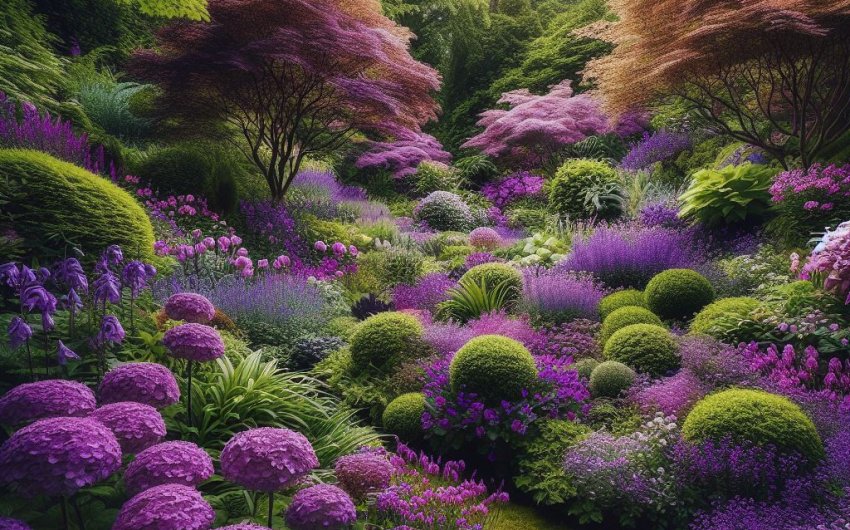
Embracing purple hues in your garden allows you to paint nature's canvas with a palette of deep mauves, soft lavenders, rich violets, and royal purples, creating a sense of tranquility, drama, and sophistication. These captivating shades evoke feelings of calm and elegance, making your garden a truly mesmerizing space.
Why Choose Purple Hues for Your Garden?
Choosing to feature purple hues in your garden is a deliberate design choice that brings a wealth of benefits, transforming your outdoor space into something truly special. The versatility and psychological impact of purple make it a compelling color to embrace.
1. The Psychological Impact of Purple
Purple is a color with rich symbolism and a profound effect on our mood and perception.
- Calm and Serenity: Lighter shades of purple, like lavender and lilac, are known for their calming and soothing qualities. They can create a tranquil atmosphere, perfect for a meditation garden or a quiet seating area, helping to reduce stress and promote relaxation.
- Luxury and Sophistication: Deeper, richer purples, such as plum, violet, and indigo, evoke feelings of royalty, luxury, and sophistication. They add a touch of drama and elegance, making your garden feel more upscale and refined.
- Creativity and Spirituality: Purple is often associated with creativity, imagination, and spirituality. It can inspire introspection and a sense of wonder, making your garden a space for reflection and inspiration.
- Mystery and Depth: The elusive nature of purple, often blending between blue and red, can add an element of mystery and depth to your landscape, drawing the eye in and inviting closer inspection.
2. Versatility in Shade and Contrast
Purple hues are incredibly versatile, offering a wide spectrum of shades that interact beautifully with other colors in the garden.
- Soft and Blending: Pale lavenders and mauves can act as excellent transition colors, softening harsh lines and blending well with a wide range of other pastels (pinks, blues, creams).
- Bold and Dramatic: Deep purples create striking contrasts, especially when paired with their complementary color, yellow, or with vibrant oranges and reds. This creates a high-energy, dramatic effect.
- Cooling Effect: In bright, sunny gardens, cooler purples (with more blue undertones) can provide a sense of coolness and relief, counteracting the intensity of hot colors.
- Shade Brighteners: Lighter purples, silvers, and chartreuse can brighten up shady corners, especially when combined with vibrant foliage.
3. All-Season Interest
Many plants with purple hues offer interest beyond just their flowers, providing multi-seasonal appeal.
- Foliage: Numerous shrubs and perennials feature beautiful purple or burgundy foliage (e.g., Ninebark, Heuchera, certain Sedums, Loropetalum). This provides consistent color even when the plant isn't in bloom.
- Berries: Some plants produce purple berries (e.g., Beautyberry), offering late-season color and food for birds.
- Stems: Certain dogwood varieties have purple-red stems in winter, adding structural interest.
4. Attracting Pollinators
Many purple-hued flowers are highly attractive to pollinators.
- Bee and Butterfly Magnet: Plants like Lavender, Salvia, Coneflower, and Verbena are well-known for drawing in bees, butterflies, and hummingbirds, making your garden a lively and ecological haven.
By consciously embracing purple hues in your garden, you're not just adding color; you're crafting an emotional landscape that is calming, sophisticated, vibrant, and full of life, truly painting nature's canvas with intention.
What are the Best Purple-Hued Plants for Sun?
When embracing purple hues in your garden, knowing which plants thrive in full sun is crucial for vibrant color and healthy growth. Many sun-loving plants offer a stunning range of purples, from delicate lavenders to deep, rich violets, creating a dynamic and colorful tapestry.
1. Lavender (Lavandula spp.)
- Why it's a star: The quintessential purple sun-lover. Its fragrant, silvery-green foliage and iconic purple flower spikes are instantly recognizable and evoke a sense of Mediterranean tranquility. It's drought-tolerant once established.
- Shades: Classic lavender purple, some varieties leaning towards deeper violet.
- Uses: Edging, mass planting, herb gardens, sensory gardens, containers. Great for attracting bees.
- Popular Varieties: 'Munstead', 'Hidcote', 'Grosso'. A French Lavender Plant is a fragrant choice.
2. Salvia (Sages) (Salvia spp.)
- Why it's a star: A huge genus with countless species and cultivars offering long-lasting purple blooms and attracting hummingbirds and butterflies. Many are heat and drought-tolerant.
- Shades: Deep violet, indigo, true purple, magenta-purple.
- Uses: Borders, mass planting, rock gardens, containers. Some varieties are perennial, others annual.
- Popular Varieties: Salvia nemorosa 'Caradonna' (deep purple spikes), Salvia leucantha (Mexican Bush Sage - fuzzy purple flowers), Salvia 'May Night'.
3. Coneflower (Echinacea purpurea)
- Why it's a star: A beloved native perennial known for its daisy-like flowers with a prominent central cone. 'Purple Coneflower' is the classic, but many purple cultivars exist. Drought-tolerant, attracts pollinators, excellent cut flower.
- Shades: Pinkish-purple to rosy-violet.
- Uses: Perennial borders, pollinator gardens, meadow gardens.
- Popular Varieties: The species Echinacea purpurea, 'Magnus' (large petals), 'PowWow Wild Berry'.
4. Verbena (Verbena bonariensis / Verbena hybrida)
- Why it's a star:
- V. bonariensis (Tall Verbena): Airy, tall stems topped with clusters of tiny purple flowers that float above other plants. Drought-tolerant, attracts butterflies. Self-seeds readily.
- V. hybrida (Trailing Verbena): Low-growing, spreading annuals or tender perennials perfect for groundcover or spilling from containers. Continuous blooms.
- Shades: Vibrant purple, lilac.
- Uses: Backgrounds, cottage gardens, containers, hanging baskets.
5. Catmint (Nepeta spp.)
- Why it's a star: An incredibly tough and reliable perennial that produces masses of soft lavender-purple flowers for an extended period, especially with deadheading. Deer and rabbit resistant, drought-tolerant.
- Shades: Soft lavender, violet-blue.
- Uses: Edging, borders, rock gardens, mass planting, groundcover.
- Popular Varieties: 'Walker's Low', 'Six Hills Giant'.
6. Russian Sage (Perovskia atriplicifolia)
- Why it's a star: A woody perennial with silvery foliage and airy spikes of lavender-blue flowers. Thrives in hot, dry conditions and poor soil. Adds great texture and long-lasting color.
- Shades: Lavender-blue.
- Uses: Xeriscape gardens, hot borders, mass planting, informal hedges.
7. Agastache (Hyssop) (Agastache spp.)
- Why it's a star: A fragrant, upright perennial with bottlebrush-like flower spikes that are a magnet for hummingbirds and bees. Many varieties offer shades of purple.
- Shades: Purple, violet-blue, sometimes rosy-purple.
- Uses: Pollinator gardens, herb gardens, borders, containers.
- Popular Varieties: 'Blue Boa', 'Blue Fortune'.
8. Liatris (Gayfeather) (Liatris spicata)
- Why it's a star: Unique vertical flower spikes of fluffy purple blooms that open from top to bottom. Adds a strong upright accent and attracts butterflies.
- Shades: Bright purple.
- Uses: Perennial borders, meadow gardens, cut flower gardens.
By combining these sun-loving plants, you can effectively paint nature's canvas with stunning purple hues, creating a vibrant and resilient garden that thrives in the brightest spots.
What are the Best Purple-Hued Plants for Shade?
While many picture purple hues in the garden thriving under the sun, there's a fantastic array of plants that bring these captivating shades to shadier spots. Embracing these shade-loving purple-hued plants allows you to illuminate darker corners and add depth, mystery, and elegance to your woodland or north-facing beds.
1. Heuchera (Coral Bells) (Heuchera spp.)
- Why it's a star: Though known for their delicate flower spikes, Heucheras are primarily prized for their stunning foliage, which comes in an incredible array of colors, including many shades of purple and burgundy. They provide consistent, year-round color.
- Shades: Deep plum, rich burgundy, charcoal purple, dark wine red.
- Uses: Edging, mass planting, containers, woodland gardens, groundcover.
- Popular Varieties: 'Palace Purple' (classic deep bronze-purple), 'Obsidian' (nearly black), 'Berry Marmalade' (purple with ruffled edges). A Purple Leaved Heuchera can be a great focal point.
2. Hellebore (Lenten Rose) (Helleborus spp.)
- Why it's a star: An indispensable plant for the shade garden, providing elegant, often nodding, cup-shaped flowers from late winter to early spring, when little else is blooming. Many cultivars feature shades of deep purple.
- Shades: Deep plum, black-purple, slate purple, dusky rose-purple.
- Uses: Woodland gardens, under deciduous trees, shady borders.
- Popular Varieties: Many cultivars from Helleborus orientalis (Lenten Rose) hybrids.
3. Brunnera (Siberian Bugloss) (Brunnera macrophylla)
- Why it's a star: While most known for its variegated foliage, the species Brunnera macrophylla produces sprays of tiny, true-blue flowers that have strong purple undertones, especially against its heart-shaped leaves.
- Shades: Periwinkle blue with a purple cast.
- Uses: Groundcover, shady borders, woodland gardens.
- Popular Varieties: 'Jack Frost' (silver foliage, blue-purple flowers), 'Alexander's Great' (very large silver leaves).
4. Lamium (Spotted Deadnettle) (Lamium maculatum)
- Why it's a star: A popular groundcover that offers silvery-variegated foliage and charming little hooded flowers. The 'Purple Dragon' cultivar is particularly known for its deep purple blooms.
- Shades: Pinkish-purple, magenta-purple.
- Uses: Groundcover, edging, containers, brightening up shady spots.
- Popular Varieties: 'Purple Dragon' (deep purple flowers), 'Beacon Silver' (silver foliage, pink-purple flowers).
5. Toad Lily (Tricyrtis hirta)
- Why it's a star: A unique and intriguing perennial that blooms in late summer to fall, bringing a touch of orchid-like beauty to the shade garden. Its small, star-shaped flowers are often spotted or splashed with purple.
- Shades: Purple-spotted white, lavender with purple spots.
- Uses: Woodland gardens, shady borders, near paths where its intricate flowers can be admired.
6. Hydrangea (Hydrangea macrophylla / Bigleaf Hydrangea)
- Why it's a star: While many hydrangeas are pink or blue, Bigleaf Hydrangeas (Mophead and Lacecap types) can produce vibrant purple blooms depending on soil pH. Acidic soil tends towards blue, alkaline towards pink, and neutral soil can produce a stunning purple.
- Shades: Rich purple, deep violet.
- Uses: Foundation plantings, mass planting, specimen plant.
- Tip: To encourage purple, aim for a slightly acidic to neutral pH (around 6.0-7.0) and use a Hydrangea Colorant that promotes purple.
7. Astilbe (Astilbe chinensis)
- Why it's a star: Known for its feathery, colorful plumes that light up shady spots in summer. While many are pink or red, several cultivars offer beautiful shades of purple.
- Shades: Lavender-purple, deep plum-purple.
- Uses: Woodland gardens, damp shady borders, mass planting.
- Popular Varieties: 'Purple Candles', 'Vision in Purple'.
8. Impatiens (Impatiens walleriana / New Guinea Impatiens)
- Why it's a star: A classic annual for continuous summer color in shade. Many varieties offer vibrant purple blooms that truly pop in low light.
- Shades: Bright purple, magenta, lavender.
- Uses: Containers, hanging baskets, mass planting in shady beds.
- Note: Watch out for downy mildew in Impatiens walleriana; New Guinea Impatiens are more resistant.
By selecting from these fantastic shade-loving plants, you can easily continue painting nature's canvas with an incredible array of purple hues, even in the most shadowed parts of your garden.
How Do You Design with Purple Hues in Your Garden?
Designing with purple hues in your garden offers endless creative possibilities, allowing you to evoke different moods and visual effects. Like an artist with a palette, understanding how to combine various shades of purple with complementary or analogous colors will elevate your garden design to a masterpiece.
1. Choose Your Purple Tone
Purple is a spectrum. Deciding on your dominant purple tone first will help guide your plant and material choices.
- Cool Purples (more blue): Lavenders, indigos, violets. Create a calming, sophisticated, and sometimes melancholic atmosphere. They recede visually, making a space feel larger.
- Warm Purples (more red): Magentas, fuchsias, plum, wine. More vibrant, energetic, and dramatic. They tend to advance visually.
- Mid-Purples: True purples that balance blue and red. Versatile.
2. Pair with Complementary Colors for Drama (Opposite on the Color Wheel)
The complementary color to purple is yellow. Using these together creates high contrast and vibrancy.
- Bold Combinations: Deep purple flowers alongside bright yellow foliage or flowers (e.g., Purple Coneflower with Coreopsis 'Zagreb' or golden Sedum).
- Softer Touches: Pale lavender with soft yellow or cream flowers (e.g., Lavender with 'Moonbeam' Coreopsis or variegated Liriope).
- Caution: Too much high contrast can be overwhelming in a small space. Use these combinations strategically as focal points.
3. Pair with Analogous Colors for Harmony (Next to Each Other on the Color Wheel)
Analogous colors create a harmonious, flowing, and serene feel. These are colors like blue, purple, and pink.
- Monochromatic (All Purple): Use different shades, tints, and tones of purple (from almost black-purple to palest lavender) with varying textures and forms to create a rich, subtle, and sophisticated look. This can be incredibly effective and elegant.
- Purple, Blue, and Pink: Combine purples with blues and pinks for a soft, dreamy, and cohesive palette. This is a very popular and calming combination. (e.g., Salvia 'Caradonna' with 'May Night' Salvia and pink Astilbe).
- Purple, Magenta, and Red: For a bolder, warmer analogous scheme, combine red-purples with vibrant reds and magentas.
4. Incorporate White, Silver, and Green as Neutrals
These colors provide a restful backdrop and highlight your purple hues.
- White: Brightens and freshens purple. White flowers (e.g., white Phlox, white Hydrangea), white variegated foliage (e.g., variegated Hostas, Snow-on-the-Mountain).
- Silver/Gray: Enhances cool purples and adds sophistication. Think Lamb's Ear, Russian Sage foliage, or Artemisia.
- Green: The ultimate neutral in the garden. Different shades of green foliage provide depth and allow purple flowers to pop. Use lime green or chartreuse foliage (e.g., Heuchera 'Lime Marmalade', Japanese forest grass) to provide a lively contrast to deep purples.
5. Consider Foliage First
Don't just think about purple flowers! Many plants offer stunning purple hues in their leaves, providing year-round color.
- Purple Foliage Plants: Include shrubs like Ninebark (Physocarpus opulifolius 'Diabolo' or 'Summer Wine'), Loropetalum, Smoke Bush (Cotinus coggygria 'Royal Purple'), or perennials like Heuchera ('Palace Purple', 'Obsidian'), certain Sedums, and Begonias.
- Variegated Purple Foliage: Explore plants with variegated leaves that include purple (e.g., some Ajuga varieties).
6. Layering and Texture
- Height and Form: Create interest by combining plants of different heights and forms (upright spikes, mounding shrubs, sprawling groundcovers).
- Texture Contrast: Pair fine-textured plants (e.g., ornamental grasses, fern fronds) with bold-leaved plants (e.g., Hostas, Coleus) to add visual richness.
7. Mind the Light Conditions
Always select plants based on the specific light requirements of the area (sun vs. shade) to ensure they thrive and display their best color.
By thoughtfully applying these design principles, you can master the art of painting nature's canvas with stunning purple hues, creating a garden that is not only beautiful but also evokes the exact mood you desire.
What Are the Benefits of Using Purple Foliage in Your Garden?
While vibrant purple flowers are undeniably beautiful, embracing purple hues in your garden through foliage adds a layer of sophistication, drama, and continuous interest that flowers alone cannot provide. Plants with purple leaves offer year-round color, structure, and incredible versatility in garden design.
1. Consistent, Season-Long Color
- Beyond Blooms: Flowers provide fleeting moments of color, but purple foliage offers consistent color from spring through fall, and often into winter for evergreens. This means your garden has a strong visual presence even when nothing is in bloom.
- Filling Gaps: Purple-leafed plants fill the visual "gaps" between flowering seasons, keeping the garden vibrant and preventing it from looking dull.
- Winter Interest: Deciduous shrubs with purple foliage often develop striking colors in fall, and evergreen purple conifers or some Heuchera can provide winter color in milder climates.
2. Richness and Depth
- Depth to Green: The various shades of purple, especially deep burgundy and plum, add incredible depth and richness to a predominantly green landscape. They absorb light, creating shadows and highlights that make other colors pop.
- Sophistication: Purple foliage often lends an air of elegance and luxury to a garden design, reminiscent of more formal or refined gardens.
3. High-Impact Contrast
- With Bright Colors: Purple foliage provides a stunning backdrop or counterpoint to bright, hot colors like yellow, orange, or lime green. A chartreuse Heuchera next to a deep purple Ninebark creates an electrifying contrast.
- With Silvers and Grays: Pairing purple leaves with silver or gray foliage (e.g., Russian Sage, Lamb's Ear, dusty miller) creates a sophisticated and cool palette.
- With Pastels: Dark purple foliage can help ground soft pastel floral schemes, preventing them from appearing washed out.
4. Versatility in Design
- Foundation and Structure: Purple-leafed shrubs can act as strong foundational plants, providing year-round structure.
- Backgrounds and Fronts: Use darker purples as a dramatic backdrop to lighter-colored flowers or, conversely, bring lighter purple foliage to the front of a border.
- Focal Points: A single, well-placed purple-leafed plant can serve as a powerful focal point in a bed or a container.
- Containers: Purple foliage plants make excellent "thriller," "filler," or "spiller" elements in container designs, providing continuous interest.
5. Unique Texture and Form
- Beyond Color: Many purple-leafed plants also offer interesting textures (e.g., ruffled Heuchera, fine-textured 'Wine and Roses' Weigela, bold Smoke Bush leaves) and forms (columnar, weeping, mounding), adding another layer of interest.
6. Deer Resistance (Often)
Many plants with strongly colored or aromatic foliage, including several purple-leafed varieties, tend to be less attractive to deer, which can be a significant benefit in areas with deer pressure.
By incorporating a diverse array of plants with purple hues in their foliage, you're not just adding color; you're creating a dynamic, resilient, and continuously engaging garden that truly stands out as you paint nature's canvas with intention.
How Can Purple Hues Attract Pollinators to Your Garden?
Embracing purple hues in your garden does more than just create a visually stunning landscape; it also plays a crucial role in attracting a vibrant array of pollinators. Many purple-hued flowers are natural magnets for bees, butterflies, hummingbirds, and other beneficial insects, making your garden a lively and ecological haven.
1. Pollinator Vision and Preferences
- Bee Vision: Bees see in the ultraviolet spectrum, and many purple flowers reflect UV light in patterns that are invisible to humans but act as "nectar guides" for bees. This makes purple flowers highly visible and attractive targets for them.
- Butterfly Preferences: Butterflies are attracted to a wide range of colors, including various shades of purple, pink, and red. They often prefer flat-topped or clustered flowers that provide a broad landing platform.
- Hummingbird Attraction: While hummingbirds are famously drawn to red, they also readily visit and feed from purple and pink tubular flowers.
2. High Nectar and Pollen Content
Many purple-hued flowers are known for being excellent sources of both nectar (sugary energy for pollinators) and pollen (protein for larval development). Plants like Salvia, Lavender, and Agastache are particularly rich in these vital resources.
3. Flower Shape and Structure
The structure of many purple flowers is perfectly designed to facilitate pollination.
- Tubular Flowers: Many purple flowers, such as those of Salvia or Agastache, are tubular. This shape is ideal for hummingbirds with their long beaks, and for bees with longer tongues.
- Clustered Flowers: Plants like Verbena bonariensis or Butterfly Bush (Buddleia davidii) have small, clustered purple flowers that create a large surface area. This allows butterflies to land and access multiple florets at once, making them efficient feeding stations.
- Landing Platforms: Flowers like Coneflower provide a sturdy central cone and broad petals that offer a good landing pad for various insects.
4. Extended Bloom Times
Many purple-flowering plants offer long bloom periods, providing a consistent food source for pollinators throughout the growing season.
- Continuous Feast: Plants like Catmint, Salvia, and Verbena bonariensis can bloom from late spring through fall with proper care, ensuring that pollinators have access to nectar and pollen over several months. This is particularly important for supporting multiple generations of pollinators.
5. Aromatic Qualities
Some purple-flowered plants, notably Lavender and Catmint, release aromatic compounds. While these scents are pleasant to humans, they also serve as powerful attractants for many insect pollinators, guiding them to the flowers.
Examples of Purple Pollinator Magnets
- Lavender: Attracts bees, butterflies.
- Salvia (Sages): Attracts hummingbirds, bees, butterflies.
- Coneflower (Echinacea purpurea): Attracts bees, butterflies, provides seeds for birds.
- Verbena (V. bonariensis, V. hybrida): Attracts butterflies (especially V. bonariensis), bees.
- Catmint: Attracts bees, butterflies.
- Agastache (Hyssop): Attracts hummingbirds, bees, butterflies.
- Liatris (Gayfeather): Attracts butterflies, bees.
- Butterfly Bush (Buddleia davidii): A renowned butterfly magnet (though some varieties can be invasive; check local regulations for non-invasive options).
- *Aster (Symphyotrichum spp.):* Late-season purple blooms are crucial for fall pollinators.
By strategically incorporating a variety of these purple-hued plants into your garden, you're not only enhancing its visual appeal but also actively supporting local ecosystems, creating a vibrant, buzzing, and thriving garden that benefits both nature and your soul. You truly become a partner in painting nature's canvas with life.
How Can Purple Hues Enhance Garden Features and Hardscaping?
Embracing purple hues in your garden extends beyond just plant selection; it's a powerful tool to enhance your garden's hardscaping elements and existing features, creating a cohesive, sophisticated, and visually engaging outdoor space. Purple can soften, highlight, or even add a touch of mystery to structural components.
1. Softening Hard Lines
- Against Walls and Fences: Plant climbing vines with purple flowers (e.g., clematis, purple wisteria - know its vigor, or passionflower) or tall perennials with purple blooms (e.g., Liatris, tall Salvia) against stark walls or fences. The purple softens the hard lines and adds a living, vibrant element.
- Around Patios and Pathways: Use mounding plants with purple flowers or foliage (e.g., Catmint, Lavender, purple Heuchera) to soften the edges of paved areas. Their gentle forms and color transition seamlessly from hardscape to softscape.
2. Highlighting Focal Points
- Drawing the Eye: Frame a statue, fountain, or elegant bench with plants that feature vibrant purple hues. The strong color will draw the eye to the feature, making it stand out more prominently.
- Background Contrast: Plant deep purple foliage (e.g., Smoke Bush, purple-leafed Ninebark) behind a light-colored sculpture or fountain to create a dramatic, contrasting backdrop that makes the feature pop.
3. Creating Depth and Dimension
- Receding Colors: Cooler purples (with blue undertones) tend to recede visually, making a space appear larger. Use them at the back of borders to create a sense of depth or distance in your garden.
- Advancing Colors: Warmer purples (with red undertones) tend to advance visually. Use them closer to pathways or seating areas to draw attention.
- Layering: Combine purple foliage plants with purple-flowering plants of different heights and textures to create lush, multi-dimensional layers around hardscaping elements.
4. Enhancing Water Features
- Reflections: Plant purple flowers or foliage around ponds or reflecting pools. The rich colors will create beautiful reflections on the water's surface, especially on a still day.
- Vibrancy: The cool, calming effect of water can be beautifully complemented by soft lavender or deep violet blooms nearby.
5. Adding Color to Containers and Urns
- Statement Pieces: Use large containers or elegant urns filled with stunning purple hues (e.g., a massive planting of purple petunias, a columnar purple-leafed shrub) as a focal point on a patio, at an entrance, or along a pathway. A Large Garden Urn can create a classic look.
- Mix with Hardscaping: Choose container materials (terracotta, glazed ceramic, metal) that complement your hardscaping and allow the purple plants to stand out.
6. Complementing Building Materials
- Stone and Brick: The earthy tones of natural stone, brick, or concrete often serve as a beautiful neutral backdrop for purple. Deep purples can add sophistication to light-colored stone, while lavenders can soften rough textures.
- Modern Structures: In contemporary garden designs, bold blocks of purple (e.g., mass plantings of Salvia or ornamental grasses that turn purple) can provide a striking contrast to minimalist structures and clean lines.
By consciously using purple hues in relation to your hardscaping, you can weave a cohesive and aesthetically pleasing tapestry throughout your entire garden, truly painting nature's canvas with an intentional hand. This thoughtful integration brings your overall garden design to life, highlighting its best features and creating a truly immersive experience.
What Are Some Creative Combinations with Purple Hues in Your Garden?
Once you've grasped the basics of using purple hues in your garden, the real fun begins: creating imaginative and striking plant combinations. Painting nature's canvas is about exploring how different shades of purple interact with other colors, textures, and forms to produce truly memorable effects.
1. Purple and Silver/Gray: The Sophisticated Duo
This combination creates an elegant, calming, and often Mediterranean-inspired feel.
- Plants:
- Purple: Lavender, Catmint, Russian Sage (lavender-blue flowers with silvery foliage), 'Purple Palace' Heuchera (dark foliage).
- Silver/Gray: Lamb's Ear, Artemisia, Dusty Miller, Blue Fescue grass, 'Blue Spruce' Sedum, silvery Senecio.
- Effect: The cool tones of silver and gray beautifully highlight the depth and richness of purple, creating a harmonious and refined palette. Excellent for sunny, dry areas.
2. Purple and Lime Green/Chartreuse: The Electric Pop
This is a high-contrast combination that adds energy and vibrancy, making both colors appear more intense.
- Plants:
- Purple: Deep purple Heuchera ('Obsidian', 'Plum Pudding'), 'Diabolo' Ninebark, purple Verbena, deep purple Salvia.
- Lime Green/Chartreuse: 'Lime Marmalade' Heuchera, 'Sum and Substance' Hosta, 'Gold Mound' Spiraea, Acorus, Sweet Potato Vine 'Margarita' (annual), Lysimachia 'Aurea' (Creeping Jenny).
- Effect: The bright lime green makes the purples appear darker and richer, creating a dynamic and eye-catching display. Perfect for brightening up partial shade or adding zing to sunny spots.
3. Purple and Pink: The Romantic Blend
A classic analogous color scheme that evokes softness, romance, and a dreamy cottage garden feel.
- Plants:
- Purple: Lavender, Phlox 'David' (white but can surround purple), Purple Coneflower, tall Garden Phlox (various purple shades), Astilbe.
- Pink: Pink Roses, pink Hydrangeas, pink Astilbe, pink Coneflowers, Dianthus, Pinks.
- Effect: These colors flow together seamlessly, creating a serene and gentle landscape. Vary shades from pale pastels to deeper jewel tones for depth.
4. Purple and Yellow/Orange: The Dramatic Statement
The complementary pairing of purple and yellow creates maximum visual impact and energy. Adding orange intensifies the warmth.
- Plants:
- Purple: Deep purple Coneflower, Purple Salvia, Liatris, Purple Fountain Grass (foliage).
- Yellow/Orange: Coreopsis, Rudbeckia ('Black Eyed Susan'), Daylilies (yellow/orange), Marigolds, Calendula, yellow Dahlias.
- Effect: Creates a vibrant, lively, and often tropical or prairie-inspired feel. Use sparingly as a focal point or in larger beds to avoid overwhelm.
5. Purple and White: The Crisp Elegance
White provides a clean, crisp counterpoint to purple, highlighting its beauty and adding freshness.
- Plants:
- Purple: Any purple-hued plant.
- White: White Hydrangea, white Phlox, Shasta Daisy, White Gaura, white Impatiens, white Cosmos.
- Effect: Creates a sophisticated and refined look. White also helps to visually separate different shades of purple if you're using a monochromatic purple scheme.
6. Monochromatic Purple Garden: Depth and Nuance
Focusing solely on different shades, tints, and tones of purple, relying on variations in texture and form for interest.
- Plants: Combine deep plum-colored Heuchera foliage, medium lavender Salvia blooms, airy purple Verbena bonariensis, and light lilac Hydrangeas. Add in purple-leafed shrubs like Ninebark.
- Effect: Achieves a highly sophisticated, calming, and often mysterious atmosphere. It encourages the eye to appreciate the subtle differences in hue and the play of light on varied textures.
7. Purple Foliage as a Backdrop
Use purple-leafed shrubs or perennials as a permanent, dramatic backdrop for other flowering plants.
- Example: A 'Royal Purple' Smoke Bush or a 'Diabolo' Ninebark shrub behind a bed of bright pink, yellow, or white perennials.
By experimenting with these combinations, you can truly become an artist in your garden, skillfully painting nature's canvas with an endless array of stunning purple hues.