
Escape to Your Garden Villa: Creating a Retreat in Nature
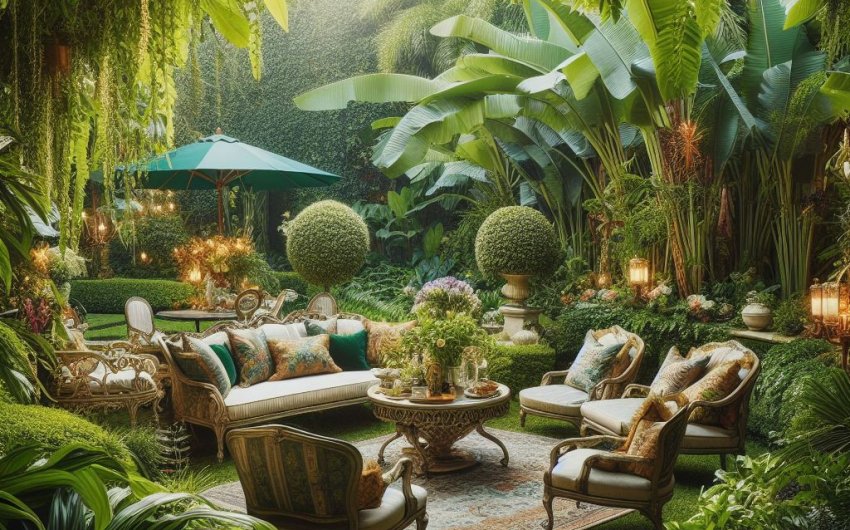
Creating a garden villa transforms your outdoor space into a personal retreat, offering a serene escape where you can relax, entertain, or simply reconnect with nature. This dream involves blending architectural elements with lush plantings to fashion a private haven.
What is a "Garden Villa" Concept?
The garden villa concept is about extending your living space outdoors, creating an immersive, multi-sensory retreat that feels like a private resort within your own property. It's more than just a garden; it's a holistic design approach that integrates structured elements with natural beauty to foster a sense of tranquility, luxury, and escape. Think of it as a seamless blend of outdoor "rooms" and lush landscapes, a true retreat in nature.
Unlike a simple patio or backyard, a garden villa focuses on creating distinct zones for various activities while maintaining a cohesive and flowing design. It prioritizes privacy, comfort, and sensory experience, encouraging you to spend more time outdoors, whether for relaxation, entertainment, or quiet contemplation. The goal is to evoke the feeling of a secluded vacation spot, right at home.
Key Elements of a Garden Villa
A successful garden villa typically incorporates several key components that work together to create its unique ambiance:
- Defined Spaces: Using hardscaping (patios, decks, pathways), vertical elements (pergolas, walls, hedges), or even changes in elevation to delineate outdoor "rooms" for dining, lounging, or meditation.
- Lush Landscaping: Abundant and carefully chosen plantings that create privacy, provide shade, introduce fragrance, and offer visual appeal throughout the seasons.
- Comfortable Furnishings: High-quality, weather-resistant outdoor furniture that invites relaxation and comfort, making the outdoor space as inviting as indoor rooms. You might consider a Woven Resin Outdoor Sectional.
- Water Features: Elements like fountains, ponds, or even small pools that add calming sounds, reflective surfaces, and attract local wildlife.
- Thoughtful Lighting: Ambient and task lighting that extends the usability of the space into the evening, creating mood and highlighting key features.
- Privacy and Seclusion: Design elements that shield the space from external views, fostering a sense of intimacy and escape.
- Sensory Engagement: Design that appeals to all five senses through fragrant plants, rustling leaves, the sound of water, comfortable textures, and perhaps even edible elements.
The garden villa is an aspiration to craft an outdoor sanctuary that fulfills your personal desires for a beautiful, functional, and deeply relaxing retreat in nature.
What Are the First Steps to Planning Your Garden Villa?
Embarking on the journey to create your garden villa requires careful planning before any shovels hit the ground. These initial steps are crucial for transforming a vague idea into a tangible design, ensuring your retreat in nature aligns with your desires and your property's potential.
1. Define Your Vision and Lifestyle Needs
This is where your creativity and personal preferences come into play. What do you dream of doing in your outdoor space?
- Purpose:
- Relaxation: Do you envision reading a book, meditating, or simply unwinding? This might suggest a quiet nook, a comfortable lounge area, or a tranquil water feature.
- Entertainment: Will you host dinner parties, barbecues, or large gatherings? This calls for spacious dining areas, an outdoor kitchen, or ample seating.
- Wellness: Is it a space for yoga, exercise, or a spa? Consider an outdoor shower, hot tub, or a dedicated yoga deck.
- Hobbies: Do you want to garden, paint, or practice photography? Ensure space for raised beds, an outdoor art studio, or a beautiful backdrop.
- Style and Ambiance: What kind of aesthetic appeals to you?
- Mediterranean, Balinese, Zen, Contemporary, Cottage, Tropical?
- Do you prefer formal symmetry or a more natural, informal feel?
- What mood do you want to create (serene, vibrant, luxurious, cozy)?
- Inspiration Gathering: Collect images from magazines, Pinterest, or garden tours. This helps clarify your preferences and communicate them effectively.
2. Assess Your Site and Environment
Your existing property has unique characteristics that will influence your garden villa design.
- Sunlight Mapping: Track how much direct sunlight different areas receive throughout the day, in various seasons.
- Full Sun: 6+ hours (ideal for dining, pools, many flowering plants).
- Partial Sun: 3-6 hours (good for many perennials and shade-loving edibles).
- Full Shade: Less than 3 hours (perfect for quiet sitting areas, ferns, hostas).
- Soil Conditions: Understand your soil type (clay, sand, loam) and pH. This dictates which plants will thrive. A Garden Soil Test Kit can provide valuable information.
- Drainage: Observe how water drains after rain. Poor drainage leads to soggy areas and can damage structures or plants.
- Existing Features: Note down anything permanent: mature trees, existing patios, fences, utility lines, views (both desirable and undesirable), and grades/slopes.
- Microclimates: Are there particularly windy spots, heat sinks, or damp areas?
- Access: How do people currently move from your house to the garden? Where are electrical outlets and water spigots?
3. Measure and Create a Base Map
Translate your site assessment onto paper.
- Accurate Measurements: Measure your entire yard, including the house footprint, existing structures, and property lines.
- Scaled Drawing: Use graph paper or landscape design software to draw a scaled base map. Include:
- House outline with doors and windows.
- Existing features (paths, trees, sheds, utility boxes).
- Sunlight patterns marked.
- North arrow.
- Direction of prevailing winds.
- Overlay/Bubble Diagram: On tracing paper placed over your base map, sketch "bubbles" representing the functional zones you identified in step 1 (e.g., "Outdoor Kitchen," "Lounge Area," "Vegetable Garden," "Meditation Zone"). Don't worry about perfect shapes; focus on relationships and flow.
These foundational steps lay the groundwork for a successful garden villa design, ensuring that your retreat in nature is both beautiful and perfectly suited to your needs.
What Are the Key Design Principles for a Garden Villa?
Creating a harmonious and inviting garden villa involves applying fundamental design principles. These guidelines, whether consciously or instinctively used, help blend your creative vision with the practicalities of outdoor living, ensuring your retreat in nature feels cohesive and captivating.
1. Unity and Harmony
This principle ensures that all elements in your garden villa feel connected and belong together, creating a seamless flow.
- Repetition: Repeat specific plants, colors, textures, shapes, or materials (e.g., the same paving stones, a recurring plant species, a consistent color palette).
- Dominant Theme: Maintain a consistent style (e.g., Mediterranean, modern, Asian) throughout the hardscaping and softscaping.
- Transition: Create smooth transitions between different garden "rooms" or zones, using elements like meandering paths, low walls, or changes in planting.
2. Balance
Balance refers to the visual weight of elements within your garden villa. It can be formal or informal.
- Symmetrical Balance: Creates a formal, orderly, and often luxurious feel. Think matching planters, identical garden beds on either side of a central axis, or mirrored design elements.
- Asymmetrical Balance: Achieved by placing elements of different sizes or forms to create equilibrium. For example, a large tree on one side of a patio might be balanced by a grouping of smaller shrubs and a sculpture on the other. This feels more natural and relaxed.
3. Proportion and Scale
This principle ensures that all elements are appropriately sized relative to each other and to the overall space, and feel comfortable for human interaction.
- Human Scale: Outdoor rooms, pathways, and seating areas should be scaled for comfort and usability by people. A dining area should be large enough to pull chairs out without hitting a wall.
- Plant Size: Consider the mature size of plants. Don't place a tree that will overwhelm a small courtyard or dwarf shrubs in a vast open space.
- Relationship of Elements: Ensure water features, sculptures, or pergolas are proportionate to the space they occupy and the surrounding plantings.
4. Emphasis (Focal Point)
Every compelling design needs a point that immediately draws the eye, providing a visual anchor.
- Definition: A focal point is a dominant feature that stands out.
- Examples: A stunning specimen tree, an elegant fountain, a piece of outdoor art, a luxurious seating area, a vibrant planter, or a beautifully crafted gate.
- Placement: Place focal points strategically at the end of a vista, along a path, at the entrance to a garden "room," or where they can be enjoyed from key viewing points (e.g., from a window or patio). Limit focal points to avoid visual clutter.
5. Rhythm and Flow
Rhythm creates a sense of movement and visual interest throughout your garden villa.
- Repetition of Elements: Repeating forms, colors, or textures at regular or irregular intervals creates a visual "beat" that guides the eye through the space. (e.g., a series of identical urns, a repeating pattern of shrubs).
- Curving Lines: Meandering paths or curving garden beds create a gentle, natural flow.
- Progressive Change: Gradually increasing or decreasing plant height, color intensity, or texture as you move through an area.
6. Simplicity and Restraint
Sometimes, less is more. Simplicity prevents the garden villa from feeling cluttered or overwhelming.
- Purposeful Elements: Every element should have a reason for being there, whether functional or aesthetic.
- Negative Space: Allow for open areas (lawns, patios) that provide breathing room and highlight the surrounding plantings or features.
- Limited Palette: Consider limiting the number of different plant species, colors, or materials to create a more sophisticated and unified look.
7. Contrast and Variety
While unity is important, contrast adds visual interest and prevents boredom.
- Contrast: Introduce differences in form (upright vs. weeping), texture (fine vs. coarse), color (light vs. dark, warm vs. cool), and height.
- Variety: Use a range of plant types (trees, shrubs, perennials, annuals) and hardscape materials to create depth and interest without being chaotic.
By consciously applying these design principles, you can transform your outdoor space into a balanced, harmonious, and truly personalized garden villa, a magnificent retreat in nature.
What Are the Essential Hardscaping Elements for a Garden Villa?
Hardscaping forms the essential "bones" and infrastructure of your garden villa, defining spaces, facilitating movement, and providing functional areas for relaxation and entertainment. These non-living elements are crucial for establishing the structure and style of your retreat in nature.
1. Patios and Decks: The Outdoor Rooms
These are the primary gathering and living spaces in your garden villa.
- Purpose: Outdoor dining, lounging, entertaining, cooking.
- Materials:
- Natural Stone (Bluestone, Travertine, Flagstone): Creates a luxurious, natural, and timeless feel. Durable and beautiful.
- Pavers (Concrete, Clay Brick): Versatile in color, shape, and pattern. Can mimic natural stone or brick. Permeable options for better drainage. You can find Outdoor Patio Pavers.
- Poured Concrete: Cost-effective, can be stamped, stained, or textured for various looks.
- Wood or Composite Decking: Adds warmth, can be elevated to navigate slopes or extend living space from upper levels of a house.
- Size and Placement: Ensure they are proportionate to your home and large enough for comfortable furniture and circulation. Consider proximity to the kitchen for dining areas.
- Multiple Zones: Create separate zones on a large patio for dining, lounging, and perhaps a fire pit area.
2. Pathways and Walkways: Guiding the Journey
Paths define circulation and connect different areas within your garden villa.
- Purpose: Guide visitors, provide access to different garden "rooms," create visual flow.
- Materials: Often match patio materials for consistency (stone, pavers, gravel, stepping stones). Gravel paths can add a charming crunch and informal feel.
- Width: Main paths should be wide enough for two people to walk comfortably side-by-side (at least 4 feet or 1.2 meters). Secondary paths can be narrower (2-3 feet or 0.6-0.9 meters).
- Design: Curved paths invite exploration and mystery; straight paths are more formal and direct.
- Edge Treatments: Define paths with low curbing, planted edges, or strips of gravel for a neat appearance.
3. Walls and Fencing: Privacy and Definition
These vertical hardscape elements provide enclosure, privacy, and structure.
- Privacy Walls/Fences: Essential for creating a secluded retreat in nature. Materials can include wood, stone, stucco, or metal. Vary heights and materials for visual interest.
- Retaining Walls: Used to create level terraces on sloped sites, manage erosion, and add multi-level interest. Materials like dry-stacked stone, concrete blocks, or timber are common.
- Seat Walls: Low walls around a patio or outdoor room can provide informal seating, saving space and creating a sense of enclosure.
4. Overhead Structures: Shade and Ambiance
Pergolas, arbors, and gazebos add vertical dimension and comfort.
- Pergolas: Open structures with a slatted roof, providing partial shade and supporting climbing vines. Ideal over a dining area or outdoor lounge. You might use an Aluminum Pergola Kit.
- Arbors: Smaller, arching structures that define an entrance to a garden "room" or provide a frame for a beautiful view. Often covered with climbing roses or fragrant vines.
- Gazebos: Freestanding, often octagonal structures with a solid roof, offering more complete shade and shelter.
5. Water Features: Sound and Serenity
Water elements introduce calming sounds, visual sparkle, and attract wildlife.
- Fountains: From bubbling urns to multi-tiered cascades, fountains add soothing white noise and a focal point.
- Ponds: Can be small ornamental ponds for aquatic plants or larger ecosystems with fish.
- Reflecting Pools: Flat, still water surfaces that create tranquil reflections of the sky and surrounding plantings.
- Consider: Size, sound level, maintenance, safety (especially with children).
6. Outdoor Kitchens and Fire Features: Comfort and Entertainment
These elements enhance the functionality and enjoyment of your garden villa.
- Outdoor Kitchens: Integrate grills, countertops, sinks, and even refrigerators for seamless outdoor entertaining.
- Fire Pits: Create a cozy gathering spot for evening relaxation. Options range from simple portable fire pits to elaborate built-in stone structures. You can find a Round Stone Fire Pit.
- Outdoor Fireplaces: Provide a grand focal point and substantial warmth.
By thoughtfully selecting and integrating these hardscaping elements, you create the enduring framework for your garden villa, establishing the foundation for a truly magnificent retreat in nature.
What Role Does Softscaping Play in a Garden Villa?
While hardscaping provides the bones of your garden villa, softscaping brings it to life. These living, horticultural elements are crucial for creating the lush, immersive, and sensory experience that defines a true retreat in nature. Softscaping adds color, texture, fragrance, privacy, and a dynamic element that changes with the seasons.
1. Creating Privacy and Enclosure
- Hedges: Dense evergreen or deciduous shrubs can form living walls, providing year-round privacy from neighbors or unsightly views. Choose plants that can be formally clipped or allowed to grow naturally.
- Screening Trees: Strategically placed trees with dense foliage can block specific views from above or horizontally, creating a sense of seclusion.
- Layered Plantings: Use a combination of taller shrubs, medium perennials, and lower groundcovers to build visual barriers that feel more natural and inviting than a solid fence.
2. Defining Outdoor Rooms and Pathways
- Living Walls: Use taller plants, columnar evergreens, or trellised vines to create soft, permeable "walls" that delineate different outdoor "rooms" (e.g., separating the dining area from a meditation nook).
- Edging: Low-growing plants, ornamental grasses, or compact shrubs can soften the edges of patios and pathways, making transitions feel more natural and inviting.
- Overhanging Canopies: Mature trees or climbing vines on pergolas create a natural ceiling, making outdoor spaces feel more enclosed and intimate.
3. Adding Color, Texture, and Form
- Color Palette: Choose plants with flowers and foliage that complement your overall garden villa style. Use a mix of permanent foliage colors (greens, silvers, purples, variegated) and seasonal blooms.
- Texture: Varying textures (fine, coarse, glossy, fuzzy, spiky, feathery) adds depth and interest. Think of the delicate fronds of a fern next to the bold leaves of a Hosta, or the soft plumes of ornamental grass alongside sturdy evergreens.
- Form: Incorporate different plant shapes (upright, weeping, mounding, spreading, columnar, sprawling) to create visual rhythm and contrast.
- Seasonal Interest: Select plants with staggered bloom times, interesting fall foliage, and winter structure (evergreen shrubs, ornamental bark) to ensure your garden villa remains captivating throughout the year.
4. Engaging the Senses
- Fragrance: Plant highly scented flowers (roses, jasmine, gardenia, lilac) near seating areas or pathways to enjoy their perfume. Incorporate aromatic herbs (lavender, rosemary, mint) for both scent and culinary use.
- Sound: Choose plants with rustling leaves (bamboo, some grasses, aspens) or those that attract birds and pollinators, adding natural sounds to your retreat in nature.
- Touch: Incorporate plants with interesting textures that invite touch (lamb's ear, velvety succulents).
- Taste: Include edible elements like fruit trees, berry bushes, or a dedicated herb and vegetable garden to enjoy your own fresh produce.
5. Managing Environment and Ecosystem
- Shade and Cooling: Trees and large shrubs provide natural shade, reducing temperatures and energy costs.
- Windbreaks: Dense evergreen plantings can buffer strong winds, making outdoor spaces more comfortable.
- Wildlife Attraction: Choose plants that provide food (berries, nectar, seeds) and shelter for beneficial insects, birds, and other local wildlife, enriching the biodiversity of your garden villa. You might include a Wildflower Seed Mix for Pollinators.
- Erosion Control: Groundcovers and well-rooted plants help stabilize soil on slopes.
Softscaping is where the magic of a garden villa truly comes alive. It's the living, breathing element that transforms hard structural lines into a lush, inviting, and ever-changing retreat in nature.
How Do You Choose and Integrate Furnishings and Accessories for Your Garden Villa?
Once the structural elements and living plants of your garden villa are in place, selecting the right furnishings and accessories is key to completing the vision. These elements are not just decorative; they enhance comfort, functionality, and personalize your retreat in nature, inviting you to truly dwell in your outdoor space.
1. Comfort and Functionality First
- Prioritize Comfort: Outdoor furniture should be as comfortable as your indoor pieces. Cushions are essential! Test seating before buying.
- Define Zones: Use furniture to clearly define the purpose of each outdoor "room" within your garden villa:
- Dining Area: Table and chairs suitable for meals and gatherings.
- Lounge Area: Deep seating sofas, armchairs, chaise lounges, and coffee tables for relaxation. A Modular Outdoor Sofa Set offers flexibility.
- Quiet Nook: A single comfortable armchair, bench, or hammock for reading and contemplation.
- Storage: Consider outdoor storage solutions for cushions, throws, or smaller accessories to keep the space tidy.
2. Material Selection and Durability
Choose materials that can withstand your local climate and complement your garden villa's style.
- All-Weather Wicker (Resin Wicker): Durable, lightweight, wide range of styles, resistant to fading and moisture.
- Teak Wood: Highly durable, naturally resistant to rot and pests, weathers to a beautiful silvery-gray patina (can be oiled to maintain original color).
- Aluminum: Lightweight, rust-proof, modern aesthetic, often powder-coated for color.
- Stainless Steel: Very durable, contemporary look, resistant to rust (but can get hot in direct sun).
- Wrought Iron: Classic, heavy, durable, often requires occasional rust treatment.
- Cushions: Look for weather-resistant fabrics (e.g., Sunbrella) that are fade-proof and mold-resistant.
3. Lighting: Setting the Mood and Extending Usability
Thoughtful lighting is crucial for transforming your garden villa after dusk.
- Ambient Lighting: Creates a soft, overall glow.
- String Lights: Fairy lights, globe lights, or bistro lights hung overhead for a festive or cozy atmosphere.
- Lanterns: Battery-operated or solar-powered lanterns placed on tables or hanging from hooks.
- Uplighting: Subtly illuminates walls or plant masses from below.
- Task Lighting: For specific activities.
- Pathway Lights: Ensure safe navigation along paths. You might use Low Voltage Landscape Path Lights.
- Spotlights: Highlight focal points like a beautiful tree, water feature, or sculpture.
- Grill Lights: Essential for outdoor cooking.
- Accent Lighting: Draws attention to specific features.
- Underwater Lights: For ponds or pools.
- Solar-Powered Lights: Easy to install, but may not provide intense light.
4. Accessories: The Finishing Touches
Accessories personalize your garden villa and add layers of comfort and style.
- Outdoor Rugs: Define areas, add color and texture underfoot, and make hard surfaces more comfortable.
- Pillows and Throws: Add pops of color, pattern, and warmth for cooler evenings. Choose weather-resistant options.
- Planters and Pots: Use attractive containers to add splashes of color with annuals, or to showcase specimen plants. Vary sizes, shapes, and materials (terracotta, glazed ceramic, lightweight composite).
- Outdoor Art and Sculptures: Reflect your personality and serve as focal points.
- Mirrors: Strategically placed outdoor mirrors can reflect light and greenery, making a space feel larger and brighter.
- Wind Chimes: Add a gentle, soothing auditory element.
- Outdoor Curtains: Provide added privacy, shade, and a luxurious, resort-like feel.
5. Umbrellas and Shade Structures
Essential for comfort in sunny climates.
- Cantilever Umbrellas: Offer flexible shade over dining or lounge areas without a central pole.
- Market Umbrellas: Traditional umbrellas for tables or freestanding bases.
- Retractable Awnings: Provide on-demand shade for patios.
By carefully selecting and arranging these furnishings and accessories, your garden villa will transform into a truly inviting and luxurious retreat in nature, perfectly tailored to your comfort and aesthetic preferences.
How Do You Maintain Your Garden Villa for Lasting Beauty?
Creating your garden villa is a significant investment of time, effort, and resources, but ongoing maintenance is what preserves its beauty and ensures it remains your personal retreat in nature for years to come. A well-designed villa will require less strenuous maintenance, but regular, proactive care is still essential.
1. Plant Care (Softscaping Maintenance)
This is the living, breathing heart of your garden villa.
- Watering:
- Consistency: Monitor soil moisture regularly. New plants need more frequent watering for establishment.
- Efficiency: Use drip irrigation or soaker hoses to deliver water directly to roots, reducing waste and disease risk.
- Timing: Water in the morning to allow foliage to dry before nightfall.
- Weeding: Regular, consistent weeding is far easier than tackling overgrown weeds. A thick layer of organic mulch (2-4 inches or 5-10 cm) will significantly suppress weeds and conserve moisture.
- Pruning and Deadheading:
- Trees and Shrubs: Prune to maintain shape, remove dead/diseased branches, encourage bushier growth, and improve air circulation. Know the correct time to prune each species.
- Perennials: Deadhead (remove spent flowers) to encourage more blooms and prevent unwanted self-seeding. Cut back dormant perennials in late fall or early spring.
- Fertilizing: Based on soil tests and plant needs. Avoid over-fertilizing, which can harm plants and pollute waterways. Organic amendments like compost are always beneficial.
- Pest and Disease Monitoring: Inspect plants regularly for signs of pests or diseases. Early detection allows for easier, often organic, interventions (e.g., hand-picking pests, insecticidal soap, neem oil).
- Mulch Replenishment: Top up organic mulch annually or bi-annually as it breaks down.
2. Hardscaping Maintenance
These structural elements require periodic cleaning and upkeep to maintain their appearance and integrity.
- Patios and Walkways:
- Cleaning: Regularly sweep away debris. Power wash annually to remove dirt, mold, and mildew. For tough stains, use appropriate cleaners for your material (e.g., specific paver cleaners).
- Weed Removal: Remove weeds growing in cracks or between pavers. Apply polymeric sand to fill joints and inhibit weed growth.
- Decks:
- Cleaning: Wash annually to remove dirt and mildew.
- Sealing/Staining: Re-seal or re-stain wood decks every 1-3 years (depending on climate and product) to protect against weathering, rot, and UV damage. Use a Deck Cleaner and Brightener before sealing.
- Water Features:
- Cleaning: Periodically clean pumps, remove debris, and address algae growth (with algaecides or natural methods like barley straw). Drain and clean before winter in cold climates.
- Water Levels: Keep levels consistent.
- Fencing and Walls:
- Inspection: Check for loose boards, cracks, or signs of rot or insect damage.
- Cleaning/Sealing: Clean wood fences and re-stain or paint as needed. Stone walls may just need occasional cleaning.
- Overhead Structures (Pergolas/Arbors):
- Inspection: Check for structural integrity, especially if supporting heavy vines.
- Cleaning/Sealing: Clean wood, and re-seal or paint every few years.
3. Furnishings and Accessories Care
Protect your investment in outdoor comfort.
- Cushions: Store indoors or in a weatherproof deck box when not in use or during bad weather to prevent mold, mildew, and fading. Clean regularly with mild soap and water.
- Furniture: Clean furniture according to its material. Apply protective covers when not in use or during the off-season. Store indoors during winter in harsh climates.
- Lighting: Check bulbs regularly. Clean light fixtures as needed.
4. Seasonal Cleanup
- Spring: Rake leaves, cut back dormant perennials, prune shrubs, replenish mulch, prepare beds for planting.
- Summer: Regular deadheading, watering, pest monitoring, harvesting edibles.
- Fall: Rake leaves, cut back perennials, winterize irrigation, prepare containers for winter storage, plant spring bulbs.
- Winter: Enjoy the structure of evergreens and hardscape. Protect tender plants as needed.
By incorporating these maintenance tasks into your routine, your garden villa will not only look stunning but will remain a healthy, inviting, and truly restorative retreat in nature for years to come.
How Can Your Garden Villa Become a True "Retreat in Nature"?
Transforming your outdoor space into a genuine garden villa, a profound retreat in nature, goes beyond aesthetics and functionality. It's about designing an experience that engages all your senses, calms your mind, and deepens your connection with the natural world.
1. Engage All Five Senses
A true retreat appeals to more than just sight.
- Sound:
- Water Features: Install a fountain, bubbling rock, or small pond for soothing ambient sounds. The rhythmic trickle of water is profoundly calming. You might use a Outdoor Water Fountain.
- Wind Chimes: Choose chimes with a gentle, melodic tone.
- Rustling Foliage: Plant trees or grasses that sway and rustle softly in the breeze (e.g., bamboo, aspens, ornamental grasses).
- Attract Birds: Provide bird feeders, bird baths, and berry-producing plants to invite the natural songs of local birds.
- Scent:
- Fragrant Plants: Place highly scented flowers and herbs near seating areas or pathways. Think jasmine, gardenia, roses, lavender, rosemary, sweet alyssum, or confederate jasmine.
- Aromatic Foliage: Many herbs release their scent when brushed against.
- Touch:
- Varied Textures: Incorporate plants with interesting textures (e.g., soft lamb's ear, fuzzy coneflowers, smooth bamboo, rough tree bark).
- Comfortable Furnishings: Use soft cushions, cozy throws, and materials that feel pleasant to the skin (e.g., smooth teak, warm stone).
- Taste:
- Edible Delights: Grow herbs, berries (strawberries, blueberries), small fruit trees, or a dedicated vegetable patch. Enjoying food picked directly from your garden villa is a truly immersive experience.
- Sight:
- Visual Interest: Focus on varying heights, forms, colors, and textures in your plantings.
- Focal Points: Strategically place art, sculptures, or specimen plants that draw the eye.
- Thoughtful Lighting: Create a magical atmosphere at night, highlighting features and providing a soft glow.
2. Create Zones for Different Moods
Your garden villa can accommodate various forms of relaxation.
- Contemplation Nook: A secluded corner with a single comfortable bench or chair, perhaps surrounded by fragrant plants or a small water feature, for quiet thought or meditation.
- Social Hub: A spacious patio or deck with ample seating and possibly an outdoor kitchen, designed for lively gatherings and entertaining.
- Reading Retreat: A shaded area with a comfortable lounge chair, perhaps under a pergola, where you can escape with a book.
- Wellness Zone: A flat, private area for yoga or stretching, perhaps with an outdoor shower or a hidden hot tub.
3. Embrace Natural Elements and Imperfections
A true retreat in nature doesn't strive for sterile perfection.
- Native Plants: Incorporate native plants that thrive naturally in your region, connecting your garden to the local ecosystem and requiring less intervention.
- Natural Materials: Use natural stone, wood, and organic mulches to blend seamlessly with the environment.
- Allow for Wildlife: Welcome birds, beneficial insects, and other friendly creatures. Their presence enriches the natural feel.
- Embrace Change: Appreciate the seasonal transformations, the slight variations in bloom, and the gentle aging of materials.
4. Provide Privacy and Seclusion
To feel like an escape, your garden villa needs to offer a sense of intimacy.
- Living Screens: Use dense hedges, trellised vines, or columnar trees to create natural barriers against prying eyes or distracting views.
- Strategic Hardscaping: Walls, fences, and pergolas can also provide effective visual and auditory buffers.
- Layered Planting: Create depth with varied plant heights to make the space feel more enclosed and private.
5. Seamless Indoor-Outdoor Transition
Blur the lines between your home and your garden villa.
- Large Doors: Use French doors, sliding doors, or bifold doors that open wide to connect indoor living spaces directly to your outdoor retreat.
- Consistent Flooring: Use similar or complementary flooring materials between indoor and outdoor areas to create a seamless flow.
- Borrowed Views: Frame views from your windows to your garden villa with strategically placed plants or focal points.
By thoughtfully weaving these elements together, your garden villa will transcend a simple garden, becoming a personal sanctuary, a truly immersive and restorative retreat in nature where you can unwind, recharge, and reconnect with the beauty of the outdoors.