
Columbine Charm: Enchanting Beauty in the Garden
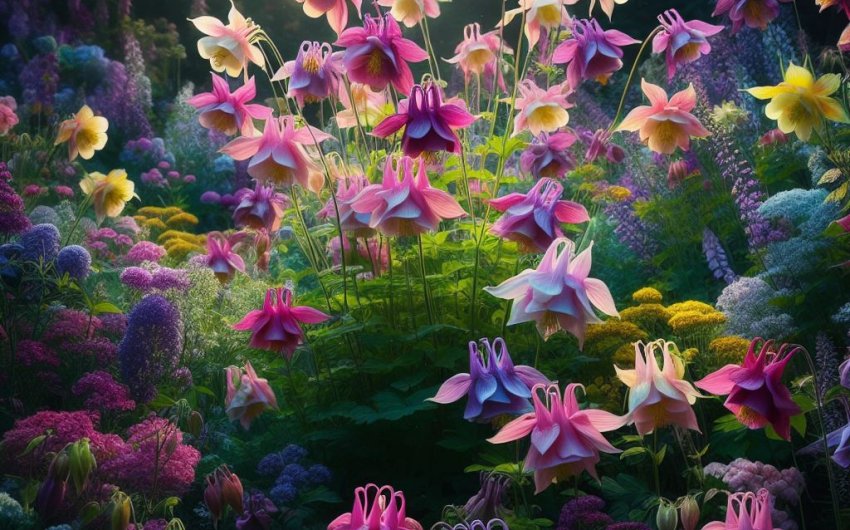
Gardeners looking to add a touch of whimsical beauty and delicate allure to their outdoor spaces will find Columbine charm to be an enchanting and indispensable perennial, especially in shaded or woodland settings. These graceful plants, belonging to the Aquilegia genus, are celebrated for their unique spurred flowers that resemble tiny, dancing bells or doves, arriving in a breathtaking array of colors in late spring to early summer. Their captivating form and ability to self-seed create pockets of enchanting beauty in the garden that delight year after year.
What Exactly is a Columbine Plant?
A Columbine plant refers to various species and cultivars within the Aquilegia genus, part of the Ranunculaceae family (the buttercup family). These are elegant herbaceous perennials cherished for their distinctive, intricate flowers that bring a unique touch of Columbine charm and enchanting beauty to the garden. They are well-loved for their graceful appearance and ability to thrive in partial shade, making them a staple in many woodland and cottage garden designs.
Here's a deeper look at what a Columbine plant is:
- Botanical Classification:
- Genus: Aquilegia
- Family: Ranunculaceae (Buttercup family)
- Name Origin: The genus name Aquilegia comes from the Latin word aquila, meaning "eagle," referring to the flower's spurs which are thought to resemble an eagle's talons. The common name "Columbine" comes from the Latin columba, meaning "dove," as the inverted flower is said to look like a cluster of five doves.
- Origin and Native Range:
- Columbines are native to woodlands, meadows, and rocky slopes across the Northern Hemisphere, including North America, Europe, and Asia. This wide native range has given rise to many diverse species adapted to different climates.
- Growth Habit:
- Herbaceous Perennial: They are herbaceous perennials, meaning their foliage dies back in winter, and new growth emerges in spring from a crown at the soil line.
- Clump-Forming: Typically forms a tidy, upright clump of attractive foliage, from which flower stalks emerge.
- Self-Seeding: Many species and cultivars are known for their tendency to self-seed freely, leading to charming new plants appearing around the garden, often with interesting color variations due to cross-pollination.
- Foliage:
- Delicate, Clover-like: The leaves are often a delicate, lacy, blue-green, or grayish-green, resembling a clover leaf. They are usually basal (growing from the base of the plant) and provide attractive texture even when the plant is not in bloom.
- Flowers (The Star Attraction):
- Distinctive Spurs: The defining feature of Columbine flowers are their unique, long nectar spurs that extend backward from each petal. These spurs vary in length and shape depending on the species and cultivar.
- Colors: An incredible array of colors, often bi-colored or tri-colored. Common colors include blue, purple, pink, red, yellow, white, and various combinations.
- Form: Flowers can be single or double, often nodding gracefully on slender stems held above the foliage.
- Bloom Time: Generally blooms from late spring to early summer, bridging the gap between spring ephemerals and summer perennials.
- Pollinator Attraction:
- The spurred flowers are specially adapted to attract pollinators. Long-spurred varieties are often pollinated by hummingbirds (especially in North America), while shorter-spurred types attract bees and butterflies.
- Toxicity:
- All parts of the Columbine plant are mildly toxic if ingested, due to the presence of cyanogenic glycosides. Handle with care, and keep away from pets and small children who might be tempted to put parts in their mouths.
In summary, a Columbine plant is a delightful herbaceous perennial admired for its intricate, spurred flowers that appear in late spring to early summer, bringing an exquisite touch of Columbine charm and enchanting beauty in the garden to shaded or woodland settings.
Why is Columbine a Beloved Garden Perennial?
Columbine has earned its status as a beloved garden perennial through a unique combination of ethereal beauty, captivating form, and surprising adaptability. For gardeners seeking a plant that brings a delicate touch of Columbine charm and enchanting beauty to the garden, it offers an array of benefits that make it a cherished and reliable choice, especially in less-than-full-sun locations.
Here's why Columbine is a beloved garden perennial:
- Unique and Intricate Flower Forms:
- Whimsical Beauty: The spurred flowers of Columbine are unlike almost any other garden perennial. Their intricate structure, often likened to tiny dancing bells or doves, creates an immediate sense of whimsical beauty and fascination.
- Color Diversity: Available in an astonishing range of colors, including vibrant blues, purples, reds, pinks, yellows, and whites, often in captivating bi-color or tri-color combinations, providing a rich palette for any garden scheme.
- Graceful and Delicate Appearance:
- Airy Presence: Columbine plants typically have delicate, lacy, blue-green foliage and slender stems that hold the flowers gracefully above the leaves. This creates an airy, open texture that blends beautifully with other plants without dominating.
- Nodding Blooms: The nodding flowers add a sense of movement and natural charm to borders and woodland edges.
- Perfect for Shade and Woodland Gardens:
- Shade Tolerant: While many perennials require full sun, Columbine thrives in partial shade to dappled shade, making it an invaluable plant for brightening up woodland gardens, under deciduous trees, or along shaded borders where other flowers might struggle.
- Naturalizing: Its ability to self-seed makes it perfect for naturalizing in more informal settings, creating charming drifts of color.
- Attracts Beneficial Pollinators:
- Hummingbird Magnet: Many long-spurred Columbine varieties (especially native North American species like Aquilegia canadensis or hybrid long-spurred types) are a favorite food source for hummingbirds, providing nectar in late spring/early summer when these tiny birds are active.
- Bees and Butterflies: Shorter-spurred varieties also attract bees and butterflies, contributing to garden biodiversity and supporting local ecosystems.
- Deer and Rabbit Resistant:
- Due to their mildly toxic compounds, Columbine plants are generally deer and rabbit resistant, making them a reliable choice in areas where these animals are a nuisance.
- Relatively Low Maintenance:
- Once established, Columbine is a fairly easy-care perennial. It's generally pest and disease resistant, especially when grown in appropriate conditions.
- Self-Seeding for Continuous Display:
- Many Columbine varieties readily self-seed. This means that while individual plants may be somewhat short-lived, they reliably produce new plants, ensuring a continuous presence in your garden without you having to replant every year. New seedlings may offer delightful color variations due to cross-pollination.
- Extends Bloom Season:
- Blooming in late spring to early summer, Columbine effectively bridges the gap between early spring ephemerals and the main flush of summer perennials, ensuring continuous color in the garden.
The enchanting blend of its unique floral aesthetics, its preference for shaded environments, and its ability to attract vital pollinators firmly establishes Columbine as a beloved perennial, offering timeless Columbine charm and true enchanting beauty in the garden.
What Are the Ideal Growing Conditions for Columbine?
To fully unlock the Columbine charm and ensure these exquisite plants bring their enchanting beauty to your garden, providing their ideal growing conditions is paramount. While generally adaptable, catering to their specific preferences for light, soil, and moisture will result in healthier, more vigorous plants with a spectacular display of their unique spurred flowers.
Here are the ideal growing conditions for Columbine:
- Sunlight:
- Partial Shade is Ideal: Columbine thrives in partial shade, which means it should receive 3-6 hours of direct sunlight, ideally morning sun, and be protected from the intense heat and scorching rays of afternoon sun.
- Dappled Shade: A location with dappled shade, such as under the canopy of deciduous trees, is also perfect.
- Full Sun (with Caution): In cooler climates with mild summers, or if provided with consistently moist soil, some varieties might tolerate full sun. However, in hot climates, full sun will stress the plant, leading to wilting, scorching, and a shorter bloom period.
- Full Shade: While it will grow in full shade, too much shade can result in sparse flowering and leggy growth.
- Soil:
- Rich, Organic, and Well-Drained: Columbine prefers soil that is rich in organic matter, such as well-rotted compost (garden compost), leaf mold, or aged manure. This provides a steady supply of nutrients and enhances soil structure.
- Excellent Drainage: Crucially, the soil must be exceptionally well-drained. Columbines do not tolerate consistently soggy or waterlogged conditions, which can lead to crown or root rot.
- pH: They are adaptable to a wide range of soil pH, from slightly acidic to neutral (pH 6.0-7.0), though some native species may prefer slightly more alkaline conditions. A soil pH meter can help assess your soil.
- Avoid: Heavy, compacted clay soils that retain too much water need significant amendment to improve drainage.
- Water:
- Consistent Moisture: During their active growing season (spring to early summer), Columbine plants prefer consistent moisture. The soil should remain evenly moist but not waterlogged.
- Deep Watering: Water deeply and regularly, especially during dry spells and in warmer climates or sunnier exposures.
- Drought Tolerance (Once Established, Some Species): While some native species (like Aquilegia canadensis) show good drought tolerance once established, most cultivated varieties will perform best with regular supplemental watering during prolonged dry periods.
- Mulch: A 2-3 inch layer of organic mulch (like shredded leaves or bark) around the base of the plant is highly beneficial. It helps retain soil moisture, keeps the roots cool, and suppresses weeds.
- Temperature and Hardiness:
- Cold Hardiness: Most Columbine species and cultivars are very cold hardy, typically thriving in USDA Zones 3-8 (some even to Zone 9). They are well-suited for regions with cold winters.
- Heat Tolerance: They tolerate summer heat best when grown in partial shade and with consistent moisture.
- Air Circulation:
- Good air circulation around the plants helps prevent any potential fungal issues. Ensure they aren't planted in overly dense, stagnant locations.
By carefully providing these conditions – a balance of partial shade, rich and consistently moist but well-draining soil, and regular watering – your Columbine will flourish, rewarding your efforts with its full Columbine charm and stunning displays of enchanting beauty in the garden season after season.
How Do You Plant Columbine for Optimal Growth?
Planting Columbine correctly is the initial step to cultivating these whimsical perennials and ensuring they bring their full Columbine charm and enchanting beauty to your garden. While they are relatively self-sufficient once established, a thoughtful approach at planting time will foster strong root development and vibrant blooms.
Here’s a step-by-step guide on how to plant Columbine for optimal growth:
Step 1: Choose the Right Time
- Ideal Time: The best time to plant Columbine is in spring after the last frost has passed, or in early fall (giving it at least 6-8 weeks to establish roots before the ground freezes).
- Why: These cooler seasons reduce transplant shock and allow the plant to develop its root system before facing the extremes of summer heat or winter cold.
Step 2: Select the Perfect Location
- Sunlight: Choose a spot with partial shade to dappled shade (3-6 hours of morning sun, protected from harsh afternoon sun). This mimics their native woodland habitats.
- Soil Drainage and Moisture: Crucially, select a site with naturally well-draining soil that can also retain consistent moisture. Avoid areas that become waterlogged or bone dry.
- Space: Consider the mature size of your chosen Columbine variety (typically 1-3 feet tall and wide). Space plants about 12-18 inches apart to allow for good air circulation and prevent overcrowding, especially if you want them to self-seed.
Step 3: Prepare the Soil
- Amend Generously with Organic Matter: Dig a wide and deep planting area (e.g., 1 foot deep and 18-24 inches in diameter for a single plant). Incorporate ample amounts of organic matter, such as well-rotted compost (garden compost), leaf mold, or aged manure.
- Why: Organic matter improves soil structure, enhances drainage, and increases moisture retention, while also providing slow-release nutrients.
- Adjust pH (If Needed): Columbines prefer slightly acidic to neutral soil (pH 6.0-7.0). If your soil is highly alkaline, adding peat moss can help lower the pH. A soil pH meter can help determine if adjustments are needed.
- Weed Removal: Thoroughly remove all weeds and grass from the planting area.
Step 4: Plant the Columbine
- Prepare the Plant: Gently remove the Columbine from its nursery container. If the roots are tightly circling the root ball, carefully tease them apart with your fingers or make a few shallow vertical cuts to encourage outward growth.
- Dig the Hole: Dig a planting hole that is twice as wide as the plant's root ball and just as deep.
- Planting Depth: Plant the Columbine so that the crown of the plant (where the stems emerge) is level with the surrounding soil surface. Avoid planting too deep, as this can lead to crown rot.
- Place the Plant: Center the Columbine in the hole.
- Backfill: Fill the hole with the prepared soil, gently tamping it down to remove large air pockets.
- Water In: Water the plant thoroughly after backfilling to settle the soil around the roots.
Step 5: Crucial Aftercare
- Mulch: Apply a 2-3 inch layer of organic mulch (e.g., shredded leaves, aged bark, or wood chips) around the base of the plant, keeping it a few inches away from the crown.
- Benefits: Mulch helps retain soil moisture, keeps the shallow roots cool, suppresses weeds, and adds organic matter as it decomposes.
- Consistent Watering (First Year): For the entire first year after planting, provide Columbine with consistent, deep watering. The soil should remain moist but not soggy. This is vital for establishment.
- No Fertilizer (First Year): If you've amended the soil with compost, a newly planted Columbine typically won't need additional fertilizer in its first year.
- Pest and Disease Monitoring: While generally resistant, keep an eye on new plants for any signs of stress.
By meticulously following these planting steps, your Columbine will establish a strong foundation, allowing it to flourish into a stunning display of Columbine charm and enchanting beauty in the garden for many seasons to come.
How Do You Care for Columbine During the Growing Season?
Caring for Columbine during its active growing season is relatively straightforward, making it a delightful perennial that brings Columbine charm and enchanting beauty to your garden with minimal fuss. Once established, these graceful plants are quite self-sufficient, but a few simple care practices will ensure vibrant foliage and a spectacular display of their unique spurred flowers in late spring to early summer.
Here’s how to care for Columbine during the growing season:
- Watering:
- Consistent Moisture: Columbine plants perform best with consistent moisture throughout their active growing season (spring to early summer), especially when they are flowering. The soil should remain evenly moist but not soggy.
- Deep Watering: Water deeply and regularly, especially during dry spells. Allow the top inch or two of soil to dry out slightly before watering again.
- Drought Tolerance (Species Dependent): While some native species (like Aquilegia canadensis) are quite drought-tolerant once established, most cultivated hybrids will appreciate supplemental water during prolonged dry periods.
- Mulch's Role: The 2-3 inch layer of organic mulch applied at planting is crucial for retaining soil moisture, keeping roots cool, and suppressing weeds. A soil moisture meter can help you gauge watering needs.
- Fertilization (Lightly and Thoughtfully):
- Light Feeders: Columbines are not heavy feeders. If your soil is rich in organic matter (from compost amendments), they may need very little supplemental fertilizer.
- Timing: A light application of a balanced, slow-release granular fertilizer (slow release fertilizer for perennials) or a handful of compost in early spring as new growth emerges is usually sufficient.
- Avoid Over-Fertilizing: Too much nitrogen can lead to lush foliage at the expense of flowers and can make plants more susceptible to pests.
- Deadheading (For More Blooms or Seed Control):
- Extend Blooms: To encourage a longer bloom period, deadhead spent flowers by snipping off the individual flower stalks once the blooms fade. This prevents the plant from putting energy into seed production and redirects it into producing more flowers.
- Control Self-Seeding: If you want to prevent excessive self-seeding (which can sometimes lead to less desirable hybrids or too many plants), deadhead all flowers before they go to seed.
- Allow Self-Seeding: If you enjoy naturalized looks and potential genetic variation, allow some flower heads to remain and mature seeds.
- Pest and Disease Control:
- Generally Resistant: Columbines are quite robust when grown in their ideal conditions.
- Leafminers: This is the most common pest. Leafminer larvae tunnel between leaf surfaces, creating winding, pale trails. While mostly aesthetic damage, severely affected leaves can be removed and destroyed.
- Aphids: Occasionally, aphids might appear on new growth or flower buds. A strong spray of water or insecticidal soap (organic insecticidal soap) can control them.
- Powdery Mildew: Can occur in overly humid conditions or if plants are stressed. Ensure good air circulation.
- Weed Control:
- The layer of mulch helps suppress weeds. Hand-pull any weeds that manage to grow around the plant, taking care not to disturb the roots.
- Division (Every Few Years):
- Columbines are often somewhat short-lived perennials (3-5 years) compared to some other plants, especially if they don't self-seed. However, they can sometimes benefit from division every 2-3 years, though they generally prefer not to be disturbed. Division is usually best done in early spring or fall.
By providing consistent moisture, light fertilization, and strategic deadheading, your Columbine will remain a healthy and beautiful plant, reliably delivering its Columbine charm and enchanting beauty in the garden from late spring through early summer.
How Do You Prepare Columbine for Winter?
Preparing Columbine for winter is a relatively simple process, reflecting its inherent hardiness. As an herbaceous perennial, its top growth is expected to die back. A few straightforward steps ensure its successful overwintering and vigorous return next spring, bringing back its Columbine charm and enchanting beauty to your garden.
Here’s how to prepare Columbine for winter:
- Late Fall Watering (Crucial for Winter Hydration):
- Before the ground freezes solid in late autumn, ensure your Columbine receives a deep, thorough watering.
- Why: Even though it's going dormant, the plant's crown and roots still benefit from adequate moisture to prevent winter desiccation (drying out) from cold winds and sun. A well-hydrated root system is more resilient to cold.
- Avoid: Do not water immediately before a hard freeze if the soil is already saturated, as this could promote crown rot. Water when the soil is dry but not frozen.
- Winter Pruning (Foliage Removal):
- Timing: The best time to prune Columbine is in late fall after the foliage has naturally died back (turned yellow/brown and withered) or after the first hard frost.
- How to Prune: Use clean, sharp pruning shears (garden pruning shears) to cut the dead foliage back to about 1-2 inches from the ground.
- Why: This removes old, potentially diseased foliage, tidies up the garden bed, and reduces hiding spots for pests.
- Caution: Remember that all parts of the plant are mildly toxic, so wearing gloves during pruning is a good practice.
- Mulching (Recommended for Crown Protection):
- Insulation: Apply a 2-3 inch layer of organic mulch around the base of the plant.
- Material: Use shredded leaves, pine needles, or straw.
- Timing: Apply the mulch in late fall, after the ground has frozen lightly. This ensures the plant is fully dormant and prevents the mulch from becoming a warm haven for rodents to nest in.
- Benefits:
- Insulates the Crown: Protects the plant's crown (where new growth emerges in spring) from extreme cold.
- Prevents Frost Heave: Moderates soil temperature fluctuations, preventing "frost heave" where plants are pushed out of the ground by alternating freezing and thawing cycles.
- Caution: Keep mulch a few inches away from the very center of the crown to prevent moisture buildup and potential rot, especially in very wet winters.
- No Fall Fertilization:
- Avoid fertilizing Columbine in late summer or fall. This encourages tender new growth that will be easily damaged by frost, depleting energy reserves and making the plant less winter-hardy. Stop fertilizing by mid-summer at the latest.
- Potted Columbine:
- If you're growing Columbine in containers in cold zones, they are more vulnerable to freezing than in-ground plants.
- Protection Options:
- Move pots into an unheated garage, shed, or sheltered porch where temperatures stay just above freezing.
- Bury the pots in the ground in a sheltered spot, covering the soil surface with mulch for insulation.
- Ensure pots have excellent drainage so they don't become waterlogged and freeze solid.
By following these simple yet effective steps, your Columbine will be well-prepared to endure the winter months, safeguarding its resilience and ensuring its charming return with beautiful blooms, bringing its unique Columbine charm and enchanting beauty to your garden every spring.
What Are Common Pests and Diseases of Columbine?
While Columbine is generally considered a fairly resilient perennial, contributing significantly to the enchanting beauty in your garden, it can occasionally fall prey to specific pests and diseases. Being aware of these common issues and knowing how to address them helps preserve the Columbine charm and ensures your plants remain healthy and vibrant throughout their growing season.
Here are some common pests and diseases of Columbine:
Common Pests:
- Columbine Leafminer (Phytomyza aquilegivora):
- Problem: This is by far the most common and recognizable pest of Columbine. The larvae of a tiny fly tunnel between the upper and lower surfaces of the leaves, creating distinctive, winding, pale trails or "mines."
- Damage: Primarily aesthetic, making the leaves unsightly. Heavy infestations can weaken the plant, especially if defoliated early in the season.
- Solution: For light infestations, hand-pick and crush the affected leaves or simply remove and destroy them. For more widespread issues, consider neem oil (neem oil for plants) sprays, which can disrupt the insect's life cycle.
- Prevention: Good garden sanitation (removing old foliage in fall) can reduce overwintering populations.
- Aphids:
- Problem: Small, soft-bodied insects, often green, found clustered on new growth, flower buds, and undersides of leaves.
- Damage: Suck sap from the plant, causing distorted new leaves and buds, yellowing, and a sticky residue called "honeydew," which can lead to sooty mold.
- Solution: Blast with a strong jet of water. Use insecticidal soap (organic insecticidal soap) or neem oil. Encourage beneficial insects like ladybugs.
- Spider Mites:
- Problem: Tiny arachnids that thrive in hot, dry conditions. Look for fine webbing on undersides of leaves and a stippled, pale, or bronzy appearance of foliage.
- Damage: Suck cell contents, causing discoloration and weakening of the plant.
- Solution: Increase humidity. Spray with a strong stream of water. Use insecticidal soap or neem oil.
- Prevention: Maintain consistent watering and humidity.
- Sawfly Larvae:
- Problem: Larvae that resemble caterpillars (but are not true caterpillars) can skeletonize leaves, rapidly consuming foliage.
- Damage: Defoliation.
- Solution: Hand-pick. For severe infestations, use insecticidal soap or neem oil.
- Deer and Rabbits:
- Problem: While Columbine is generally considered deer and rabbit resistant due to its mild toxicity, a very hungry animal might still take an exploratory bite, especially on new, tender growth.
- Damage: Nibbled foliage.
- Solution: Usually not a persistent problem for Columbine, but if damage occurs, additional repellents or physical barriers may be needed for other plants.
Common Diseases:
- Powdery Mildew:
- Problem: White, powdery patches on the surface of leaves, especially if grown in too much shade with poor air circulation.
- Cause: Fungal disease, common in warm days, cool nights, and high humidity.
- Damage: Aesthetically unappealing, can weaken plants.
- Solution: Improve air circulation (proper spacing). Prune off affected leaves. Spray with potassium bicarbonate (potassium bicarbonate fungicide) or neem oil.
- Prevention: Choose resistant varieties. Water at the base.
- Rusts:
- Problem: Small, raised orange, yellow, or reddish-brown powdery pustules on the undersides of leaves. Yellow spots appear on the upper surface.
- Cause: Fungal disease, favored by moisture and moderate temperatures.
- Damage: Weakens plants, causes premature leaf drop.
- Solution: Remove and destroy affected leaves. Improve air circulation. Use sulfur or copper-based organic fungicides.
- Prevention: Good sanitation, resistant varieties.
- Leaf Spot Fungi:
- Problem: Various fungal diseases can cause brown, black, or purple spots on leaves.
- Cause: Favored by prolonged leaf wetness and high humidity.
- Damage: Mostly aesthetic.
- Solution: Remove affected leaves. Improve air circulation. Water at the base. Organic fungicides if severe.
- Crown Rot:
- Problem: The crown (base of the plant) becomes soft and mushy, leading to wilting and eventual plant death.
- Cause: Overwatering and poorly drained soil are the primary culprits, especially if planted too deeply or mulched too heavily against the crown.
- Damage: Often fatal.
- Prevention: Crucial. Ensure excellent soil drainage at planting. Plant with the crown at or slightly above soil level. Avoid overwatering.
- Columbine Sawfly:
- Problem: These pests can quickly defoliate plants. They are a specific type of sawfly that targets Columbine.
- Damage: Leaves are eaten, often from the edges inward, leaving behind only the veins.
- Solution: Hand-pick the larvae. For severe cases, horticultural oil or neem oil can be effective.
By regularly inspecting your Columbine and implementing good cultural practices that align with its ideal growing conditions, you can effectively manage these pests and diseases, ensuring your plants continue to provide their exquisite Columbine charm and enchanting beauty in the garden.
How Can Columbine Enhance Your Garden Design?
The delicate elegance and whimsical forms of Columbine make it an exceptional plant for enhancing your garden design, bringing a distinct touch of Columbine charm and enchanting beauty to various settings. Its unique flowers, attractive foliage, and adaptability allow for creative placements that maximize its impact, creating visual interest and delight throughout late spring and early summer.
Here's how Columbine can enhance your garden design:
- Bringing Whimsical Color to Shady/Woodland Settings:
- Shade Brightener: This is where Columbine truly shines. Its vibrant, often bi-colored flowers provide a much-needed burst of color in partial to dappled shade, brightening up woodland gardens, under deciduous trees, or along shaded borders where many sun-loving flowers struggle.
- Ethereal Quality: The nodding, spurred flowers create an airy, delicate, and almost magical quality, adding a touch of enchantment to these naturalistic spaces.
- Adding Vertical Interest and Movement:
- Graceful Spikes: Columbine's slender, often arching flower stalks hold its blooms gracefully above its foliage, providing excellent vertical interest without being overly dominant. This draws the eye upwards and adds a sense of lightness and movement to garden beds.
- Soft Contrast: Its delicate texture contrasts beautifully with broader-leaved shade plants (like hostas or ligularia) or the coarser textures of ferns, creating a dynamic visual interplay.
- Naturalizing for a Cottage Garden Feel:
- Self-Seeding Charm: Many Columbine species readily self-seed, which is a desirable trait for a naturalized or cottage garden aesthetic. Allowing them to spread gently creates charming drifts and unexpected pops of color, giving the garden a relaxed, informal feel.
- Unexpected Color Combos: Self-seeded plants often produce delightful and unique color combinations due to natural cross-pollination, adding an element of surprise.
- Ideal for Borders and Edging:
- Columbine's compact, mounding foliage and elegant flower stalks make it excellent for planting along the front to middle of perennial borders in shaded or partly shaded areas.
- It creates a soft, attractive edge that transitions beautifully to taller plants behind it.
- Attracting Pollinators (Design with Purpose):
- Hummingbird Gardens: If you want to attract hummingbirds, long-spurred Columbine varieties are a must-have. Position them near seating areas or windows where you can enjoy watching these tiny visitors.
- Biodiversity: Designing with Columbine directly supports local ecosystems by providing nectar for bees and butterflies.
- Container Gardening (Smaller Varieties):
- More compact Columbine cultivars can be grown in containers on shaded patios or porches. This allows you to bring their enchanting beauty to smaller spaces or areas where in-ground planting isn't feasible.
- Combine with other shade-loving annuals (like impatiens or fibrous begonias) or foliage plants (like heuchera) for a layered container display.
- Pairing and Companion Planting:
- Hostas: A classic and perfect pairing. The bold, often variegated leaves of hostas provide a striking backdrop for Columbine's delicate flowers.
- Ferns: Complement the lacy foliage of Columbine with various native or ornamental ferns, enhancing the woodland feel.
- Bleeding Hearts (Dicentra spectabilis), Hellebores, Coral Bells (Heuchera): These plants share similar cultural requirements and bloom times, offering a harmonious blend of textures and colors.
- Lungwort (Pulmonaria): Provides attractive spotted foliage and early spring flowers that can transition well into Columbine's bloom.
By thoughtfully incorporating Columbine into your garden design, you can harness its inherent beauty and ecological value to create truly captivating spaces. Its unique Columbine charm will bring an enduring sense of enchanting beauty in the garden, making it a beloved highlight of your spring and early summer landscape.