
Common Bugle Beauty: Subtle Elegance in the Garden
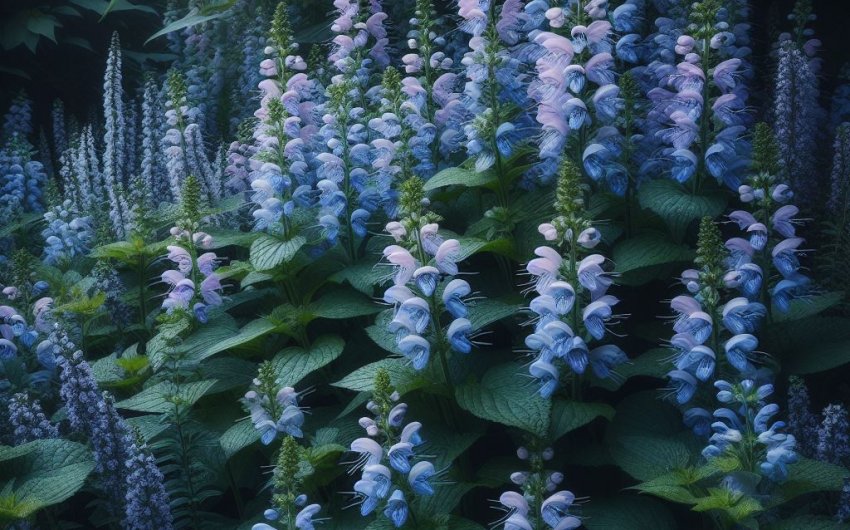
Gardeners looking for a groundcover that offers year-round visual interest and a burst of spring color will find common bugle beauty to be a truly exceptional choice, bringing subtle elegance to the garden with its striking foliage and charming flower spikes. This resilient perennial, typically known as Ajuga (Ajuga reptans), is celebrated for its ability to thrive in challenging spots, forming a dense carpet of attractive leaves that often feature intriguing purples, bronzes, or variegated patterns. Its easy-care nature makes it a fantastic addition for gardeners seeking reliable groundcover.
What Exactly is Common Bugle (Ajuga reptans)?
Common Bugle, scientifically known as Ajuga reptans, is a highly popular and versatile groundcover perennial belonging to the mint family (Lamiaceae). Despite its somewhat understated name, it's widely recognized for its ability to form dense, attractive mats of foliage, which often feature rich colors, and for its charming spikes of blue, purple, or pink flowers in spring. This plant exemplifies common bugle beauty, bringing a touch of subtle elegance to the garden by filling challenging spaces with ease.
Here's a deeper look at what Common Bugle is:
- Botanical Classification:
- Genus: Ajuga
- Species: reptans (from the Latin "reptare" meaning "to creep," referring to its spreading habit)
- Family: Lamiaceae (Mint family)
- Common Names: Also widely known as Bugleweed, Carpet Bugle, or simply Ajuga.
- Origin:
- Native Habitat: Native to Europe, North Africa, and parts of Asia, where it typically grows in woodlands, meadows, and shaded areas.
- Growth Habit:
- Spreading Groundcover: This is its defining characteristic. Ajuga reptans is a vigorous spreading groundcover that forms a dense, low-growing mat.
- Stolons (Runners): It spreads actively by sending out above-ground stolons (runners), which creep along the soil surface and root wherever nodes touch the ground, establishing new plantlets. This allows it to quickly colonize areas.
- Height: Typically grows only 4-6 inches tall, with flower spikes reaching 6-10 inches.
- Evergreen/Semi-Evergreen: In many climates, its foliage remains evergreen or semi-evergreen through winter, providing year-round interest.
- Foliage (The Main Attraction for Many):
- Basal Rosettes: Leaves grow in tight rosettes at the base of the plant.
- Diverse Colors: While the species has green leaves, many popular cultivars are celebrated for their striking foliage colors:
- 'Atropurpurea': Deep bronze-purple leaves.
- 'Black Scallop': Nearly black, glossy foliage.
- 'Burgundy Glow': Tri-colored leaves of burgundy, pink, and cream.
- 'Chocolate Chip': Smaller, very dark green leaves, almost black.
- 'Caitlin's Giant': Larger, deep bronze-purple leaves.
- Flowers:
- Flower Spikes: In mid to late spring, spikes of small, tubular flowers emerge above the foliage.
- Color: Most commonly vibrant blue or purplish-blue, but also available in pink or white.
- Pollinator Attraction: The flowers are attractive to bees and other early pollinators.
- Resilience:
- Hardy: Very cold hardy (USDA Zones 3-9).
- Shade Tolerant: Thrives in shade but can tolerate some sun (with more moisture).
- Drought Tolerant: Moderately drought tolerant once established.
- Deer and Rabbit Resistant: Generally unpalatable.
- Usage: Excellent for groundcover, edging, rock gardens, containers, and difficult-to-plant shady areas.
In summary, Common Bugle (Ajuga reptans) is a resilient and ornamental groundcover perennial, renowned for its diverse and often vibrantly colored foliage and charming spring flowers, bringing a distinct common bugle beauty and subtle elegance to the garden with minimal effort.
Why is Common Bugle a Popular Choice for Groundcover?
Common Bugle (Ajuga reptans) has cemented its place as a perennial favorite, particularly as a groundcover, due to a winning combination of desirable traits. Gardeners consistently choose it to fill challenging spaces, recognizing its inherent common bugle beauty and the effortless subtle elegance it brings to the garden. It's a plant that works hard with very little fuss.
Here are the key reasons why Common Bugle is such a popular choice for groundcover:
- Exceptional Spreading Habit:
- Dense Mat: Its most defining feature is its ability to rapidly form a dense, low-growing mat of foliage. It spreads vigorously by sending out stolons (runners) that root as they creep along the soil surface.
- Weed Suppression: This dense growth effectively smothers weeds, significantly reducing the need for weeding in covered areas.
- Erosion Control: Its extensive root system and creeping habit make it an excellent choice for erosion control on slopes or banks.
- Year-Round Visual Interest (Foliage Focus):
- Evergreen/Semi-Evergreen: In many climates, its foliage remains green (or purple, bronze, variegated) throughout the winter, providing continuous visual interest when many other plants are dormant.
- Vibrant Foliage Colors: Many popular cultivars boast stunning foliage that is as (or more) attractive than its flowers. Shades of deep burgundy, chocolate-brown, bronze-purple, and variegated pink/cream/green add rich color and texture to the garden.
- Adaptability and Resilience:
- Shade Tolerance: It thrives in partial to full shade, making it invaluable for brightening up typically dark or challenging areas under trees or on the north side of buildings.
- Hardiness: Extremely cold hardy (USDA Zones 3-9), allowing it to survive harsh winters.
- Drought Tolerance: Moderately drought tolerant once established, making it suitable for low-water gardens, though it prefers consistent moisture.
- Deer and Rabbit Resistant: Its taste and texture are generally unappealing to deer and rabbits, offering a worry-free option in areas with wildlife pressure.
- Charming Spring Flowers:
- In mid to late spring, spikes of vibrant blue or purplish-blue flowers rise above the foliage, adding a delightful pop of color and attracting early pollinators like bees.
- Low Maintenance:
- Once established, Common Bugle requires minimal care. It rarely needs fertilizer, is generally pest- and disease-free, and doesn't require constant deadheading or pruning.
- Versatile Design Use:
- Beyond general groundcover, it excels in:
- Edging: Defining pathways or garden beds.
- Rock Gardens: Nestling between stones in sunny or partly shaded areas.
- Containers: Cascading over the edges of pots or window boxes.
- Filling Gaps: Quickly covers bare spots in borders.
- Under Plantings: Creating a living carpet under taller shrubs or trees.
- Beyond general groundcover, it excels in:
The combination of its vigorous spreading habit, year-round colorful foliage, charming spring blooms, and remarkable hardiness and adaptability makes Common Bugle a truly beloved and popular choice for adding effortless common bugle beauty and subtle elegance to the garden as a reliable groundcover.
What Are the Ideal Growing Conditions for Common Bugle?
To fully appreciate the common bugle beauty and ensure these resilient groundcovers bring their full subtle elegance to the garden, providing their ideal growing conditions is key. While Ajuga reptans is notably adaptable, catering to its specific preferences will result in a healthier, denser mat of foliage and more abundant spring flowers.
Here are the ideal growing conditions for Common Bugle:
- Sunlight:
- Partial to Full Shade is Ideal: Common Bugle thrives in partial shade (3-6 hours of direct sunlight, ideally morning sun) to full shade (less than 3 hours of direct sun). This mimics its native woodland habitat.
- Why: Shade helps to maintain its vibrant foliage color (especially the purple and variegated varieties) and prevents leaf scorching in hot climates.
- Full Sun Tolerance (with caution): It can tolerate full sun in cooler climates or if provided with consistently moist soil, but direct, intense afternoon sun, especially in hot regions, can cause the leaves to scorch, fade, or become dull, and the plant might not spread as vigorously.
- Soil:
- Rich, Organic, and Well-Drained: Common Bugle prefers soil that is rich in organic matter, such as well-rotted compost (garden compost), leaf mold, or aged manure. This provides nutrients and enhances moisture retention.
- Excellent Drainage: Critically, the soil must be exceptionally well-drained. While it appreciates moisture, it cannot tolerate consistently soggy or waterlogged conditions, which will lead to crown and root rot.
- pH: It is adaptable to a wide range of soil pH, from slightly acidic to neutral (pH 6.0-7.0), but can tolerate slightly alkaline conditions. A soil pH meter can help assess your soil.
- Avoid: Heavy, compacted clay soils that retain too much water need significant amendment to improve drainage.
- Water:
- Consistent Moisture: During its establishment phase (first year) and throughout the active growing season, Common Bugle prefers consistent moisture. The soil should remain evenly moist but not saturated.
- Drought Tolerance (Once Established): Once well-established, it becomes moderately drought-tolerant, but will look its best and spread more vigorously with regular watering during dry spells.
- Mulch: A 1-2 inch layer of organic mulch (shredded leaves, bark, or wood chips) around the plant is highly beneficial. It helps retain soil moisture, keeps the roots cool, and suppresses weeds.
- Temperature and Hardiness:
- Cold Hardy: Common Bugle is very cold hardy, typically thriving in USDA Zones 3-9. It is well-suited for regions with cold winters and often maintains its foliage.
- Heat Tolerance: It tolerates summer heat well, especially if grown in partial shade with consistent moisture.
- Air Circulation:
- Good air circulation helps prevent fungal issues like crown rot or powdery mildew, especially if planted densely.
By carefully providing these conditions – particularly partial shade, rich and well-draining soil, and consistent moisture – your Common Bugle will flourish, rewarding your efforts with a dense, colorful mat of foliage and charming spring flowers, ensuring its full common bugle beauty and subtle elegance in the garden for years to come.
How Do You Plant Common Bugle for Effective Groundcover?
Planting Common Bugle (Ajuga reptans) correctly is essential to establishing it as an effective and beautiful groundcover, ensuring it brings its full common bugle beauty and subtle elegance to the garden. Its spreading habit means thoughtful placement and proper planting techniques will lead to a dense, weed-suppressing mat with minimal fuss.
Here’s a step-by-step guide on how to plant Common Bugle for effective groundcover:
Step 1: Choose the Right Time
- Ideal Time: The best time to plant Common Bugle is in spring after the last frost has passed, or in early fall (giving it at least 6-8 weeks to establish roots before the ground freezes).
- Why: These cooler seasons reduce transplant shock and allow the plant to develop its root system before facing the extremes of summer heat or winter cold.
Step 2: Select the Perfect Location
- Sunlight: Choose a spot with partial shade to full shade. While it tolerates some sun in cooler climates (with consistent moisture), afternoon shade is usually best for maintaining foliage color and vigor.
- Soil Drainage and Moisture: Crucially, select a site with naturally well-draining soil that can also retain consistent moisture. Avoid areas that stay perpetually soggy.
- Space: Plan your spacing based on how quickly you want coverage and the eventual spread of your chosen cultivar. For quick coverage, space plants about 6-12 inches apart. If you're patient, 12-18 inches is fine, as they will fill in.
Step 3: Prepare the Soil
- Amend Generously with Organic Matter: Dig or till the planting area to a depth of at least 6-8 inches. Incorporate ample amounts of organic matter, such as well-rotted compost (garden compost), leaf mold, or aged manure.
- Why: Organic matter improves soil structure, enhances drainage in heavy soils, and increases moisture retention in sandy soils, while also providing slow-release nutrients.
- Adjust pH (If Needed): Common Bugle is adaptable, but a slightly acidic to neutral pH (6.0-7.0) is generally preferred. A soil pH meter can help assess your soil.
- Weed Removal: This is absolutely critical for groundcover. Thoroughly remove all weeds and grass from the entire planting area before planting. A dense mat of bugleweed will suppress future weeds, but it can't compete with established weeds initially.
Step 4: Plant the Common Bugle
- Prepare the Plant: Gently remove the plant from its nursery container. If the roots are tightly circling the root ball, carefully tease them apart with your fingers to encourage outward growth.
- Dig the Hole: Dig individual planting holes that are twice as wide as the plant's root ball and just as deep.
- Planting Depth: Plant the Ajuga so that the top of the root ball is level with the surrounding soil surface. Avoid planting too deep.
- Place the Plant: Center each plant in its hole.
- Backfill: Fill the holes with the prepared soil, gently tamping it down to remove large air pockets.
- Water In: Water all newly planted Ajuga thoroughly to settle the soil around the roots.
Step 5: Essential Aftercare for Establishment
- Mulch (Initially): While Ajuga itself acts as a living mulch, an initial 1-2 inch layer of organic mulch (shredded leaves or fine bark) between the newly planted starts can help suppress weeds while the Ajuga is filling in.
- Caution: Once the Ajuga starts to spread, you may not need or want additional mulch.
- Consistent Watering (First Year): For the entire first growing season, provide consistent and deep watering. The soil should remain evenly moist but not soggy. This is vital for promoting rapid spread and establishment.
- Weed Vigilance: Continue to hand-pull any weeds that emerge during the establishment phase. Once the Ajuga forms a dense mat, weed suppression will be much easier.
- No Fertilizer (First Year): If you've amended the soil with compost, newly planted Ajuga typically won't need additional fertilizer in its first year.
By meticulously following these planting steps, your Common Bugle will establish rapidly and spread effectively, quickly creating a beautiful, low-maintenance groundcover that delivers its full common bugle beauty and subtle elegance to the garden.
How Do You Care for Common Bugle During the Growing Season?
Caring for Common Bugle (Ajuga reptans) during the growing season is one of its most appealing features: it's remarkably low-maintenance, requiring minimal fuss to maintain its common bugle beauty and subtle elegance in the garden. Once established, these vigorous groundcovers are quite self-sufficient, allowing you to enjoy their lush foliage and charming spring flowers with little effort.
Here’s how to care for Common Bugle during the growing season:
- Watering (Once Established):
- Moderate Moisture: After its first year of establishment, Common Bugle prefers consistently moist soil, especially if grown in sunnier locations. However, it is moderately drought-tolerant and can withstand drier periods.
- Deep but Infrequent: Water deeply during prolonged dry spells. Allow the soil to dry out slightly between waterings.
- Avoid Overwatering: Critical. Overwatering is the most common cause of crown rot. Ensure good drainage. A soil moisture meter can be helpful.
- Fertilization (Rarely Needed):
- Lean Soil Preference: Common Bugle thrives in average to lean soil and generally does not require regular fertilization, especially if the soil was amended with compost at planting.
- Avoid Excess Nitrogen: Too much fertilizer, especially high-nitrogen fertilizers, can lead to overly lush, weak growth and sometimes fungal issues.
- Optional Boost: If your soil is very poor or the plant shows signs of nutrient deficiency (pale, stunted growth), a light application of a balanced, slow-release granular fertilizer (slow release fertilizer for groundcover) in early spring can be considered.
- Pruning / Maintenance:
- Deadheading Spent Flower Spikes: After the spring blooms fade, you can snip off the spent flower stalks close to the foliage.
- Why: This improves the plant's appearance, prevents self-seeding (which can be aggressive for some varieties, potentially creating unwanted plants), and keeps the energy focused on foliage growth.
- Look for garden shears for easy work.
- Containment Pruning: Because Ajuga spreads by runners, you may need to trim back the edges of your patch periodically to keep it within its bounds and prevent it from encroaching on other plants or pathways.
- Rejuvenation Shear (Optional): If the patch becomes tired, leggy, or overcrowded, you can shear the entire patch back to a few inches from the ground in late summer or early fall. It will quickly regrow.
- Deadheading Spent Flower Spikes: After the spring blooms fade, you can snip off the spent flower stalks close to the foliage.
- Pest and Disease Control:
- Generally Resistant: Common Bugle is remarkably resistant to most common garden pests and diseases when grown in its ideal conditions.
- Crown Rot: This is the most significant disease risk, caused by overwatering and poor drainage (see below).
- Spider Mites: Occasionally can be an issue in very hot, dry conditions. Increase humidity and use water sprays or insecticidal soap if needed.
- Slugs and Snails: Rarely a major problem, as the foliage is not a favorite, but they can sometimes nibble.
- Weed Control:
- Once established as a dense mat, Common Bugle is an excellent weed suppressor.
- During establishment, hand-pull any weeds that emerge.
By providing minimal, intelligent care – primarily consistent moisture and occasional trimming – your Common Bugle will effortlessly maintain its lush, colorful mat, ensuring its delightful common bugle beauty and subtle elegance in the garden throughout the growing season and beyond.
How Do You Prepare Common Bugle for Winter?
Preparing Common Bugle (Ajuga reptans) for winter is a very simple task, which is one of the reasons it's such a popular and low-maintenance groundcover. As a hardy perennial that is often evergreen or semi-evergreen, it's naturally well-equipped to handle colder temperatures, requiring minimal intervention to ensure its continuous common bugle beauty and subtle elegance in the garden come spring.
Here’s how to prepare Common Bugle for winter:
- Late Fall Watering (Crucial for Winter Hydration):
- Before the ground freezes solid in late autumn, ensure your Common Bugle patch receives a deep, thorough watering.
- Why: Even though its growth slows, evergreen foliage still loses moisture to winter winds and sun (winter desiccation). A well-hydrated plant is much more resilient to cold.
- Avoid: Do not water immediately before a hard freeze if the soil is already saturated, as this could promote crown rot. Water when the soil is dry but not frozen.
- Winter Pruning (Minimal/Optional):
- Remove Spent Flower Spikes: If you haven't already, you can snip off any remaining spent flower spikes for tidiness.
- Remove Damaged Foliage: Remove any noticeably dead, yellowed, or diseased leaves.
- Avoid Hard Pruning: Generally, no hard pruning is needed in fall. The evergreen foliage provides natural protection.
- Mulching (Optional, but Beneficial in Colder Zones):
- Insulation: In colder climates (e.g., USDA Zones 3-5), or if you want to provide extra protection for newly established patches, a light layer of organic mulch can be beneficial.
- Material: Use 1-2 inches of shredded leaves or pine needles.
- Timing: Apply the mulch in late fall, after the ground has frozen lightly. This ensures the plant is dormant and prevents the mulch from becoming a warm haven for rodents to nest in.
- Benefits: Helps to insulate the crowns and shallow root systems from extreme cold and moderates soil temperature fluctuations, preventing "frost heave."
- Caution: Avoid mulching too heavily, especially with a thick, dense material, as this can smother the plant or promote rot.
- No Fall Fertilization:
- Avoid fertilizing Common Bugle in late summer or fall. This encourages tender new growth that will be easily damaged by frost, depleting energy reserves and making the plant less winter-hardy. Stop fertilizing by mid-summer at the latest.
- Potted Common Bugle:
- If you're growing Common Bugle in containers in cold zones, they are more vulnerable to freezing than in-ground plants.
- Protection Options:
- Move pots into an unheated garage, shed, or sheltered porch where temperatures stay just above freezing.
- Bury the pots in the ground in a sheltered spot, covering the soil surface with mulch for insulation.
- Ensure pots have excellent drainage so they don't become waterlogged and freeze solid.
By following these simple, minimal steps, your Common Bugle will be well-prepared to endure the winter months, safeguarding its resilience and ensuring its charming return with vibrant foliage and spring flowers, continuing its common bugle beauty and subtle elegance in the garden every year.
What Are Common Pests and Diseases of Common Bugle?
While Common Bugle (Ajuga reptans) is generally celebrated for its robust health and low-maintenance nature, contributing to the subtle elegance in your garden, it's not entirely immune to all pests and diseases. Being aware of the most common issues and knowing how to address them helps preserve the common bugle beauty and ensures your plants remain healthy and vibrant throughout the season.
Here are some common pests and diseases of Common Bugle:
Common Pests:
- Slugs and Snails:
- Problem: These mollusks feed on tender young leaves, especially in damp conditions, leaving irregular holes and characteristic shiny slime trails.
- Damage: Primarily aesthetic, but can be significant on young or newly established plants.
- Solution: Hand-pick at dusk or after rain. Use beer traps. Apply organic slug bait (organic slug bait) containing iron phosphate. Create physical barriers like copper tape or sharp grit.
- Crown Borers:
- Problem: Larvae of certain moths or beetles can bore into the crown (base) of the plant.
- Damage: Causes wilting, stunted growth, yellowing, and eventual death of sections of the plant or entire clumps. Often a hole or frass (sawdust-like excrement) is visible at the crown.
- Solution: Difficult to treat once established. Remove and destroy infected plants immediately to prevent spread.
- Prevention: Maintain vigorous plants. Good garden hygiene.
- Spider Mites:
- Problem: Tiny arachnids that thrive in hot, dry conditions. Look for fine webbing on undersides of leaves and a stippled, pale, or bronzy appearance of foliage.
- Damage: Suck cell contents, causing discoloration and weakening of the plant.
- Solution: Increase humidity. Spray with a strong stream of water. Use insecticidal soap (organic insecticidal soap) or neem oil (neem oil for plants).
- Prevention: Maintain consistent watering and humidity.
- Aphids:
- Problem: Small, soft-bodied insects clustered on new growth or undersides of leaves.
- Damage: Suck sap, causing distorted new leaves, yellowing, and sticky honeydew.
- Solution: Blast with water. Use insecticidal soap or neem oil. Encourage beneficial insects like ladybugs.
Common Diseases:
- Crown Rot:
- Problem: This is the most significant disease risk for Common Bugle. The crown (base of the plant) becomes soft, mushy, and discolored (brown/black), leading to wilting, yellowing, and eventual plant death, even when the soil is wet.
- Cause: Fungi (Rhizoctonia, Sclerotium) that thrive in overwatered, poorly drained soil, especially if planted too deeply or mulched too heavily against the crown.
- Damage: Often fatal and can spread.
- Solution: Very difficult to treat once advanced. For early signs, carefully dig up, trim off rotted parts, allow to dry, and replant in much better-draining soil.
- Prevention: Crucial. Ensure excellent soil drainage at planting. Plant with the crown at soil level. Avoid overwatering. Space plants for good air circulation.
- Powdery Mildew:
- Problem: White, powdery patches on the surface of leaves, especially in humid conditions with poor air circulation.
- Cause: Fungal disease.
- Damage: Aesthetically unappealing, can weaken plants.
- Solution: Improve air circulation (proper spacing). Prune off affected leaves. Spray with potassium bicarbonate (potassium bicarbonate fungicide) or neem oil.
- Prevention: Water at the base, ensure good airflow.
- Leaf Spot Fungi:
- Problem: Various fungal diseases can cause brown, black, or purple spots on leaves.
- Cause: Favored by prolonged leaf wetness and high humidity.
- Damage: Mostly aesthetic.
- Solution: Remove affected leaves. Improve air circulation. Water at the base. Organic fungicides if severe.
By regularly inspecting your Common Bugle and, most importantly, by prioritizing excellent drainage and appropriate watering, you can effectively manage these pests and diseases, ensuring your groundcover continues to provide its delightful common bugle beauty and subtle elegance in the garden year after year.
How Can Common Bugle Enhance Your Garden Design?
The humble yet versatile Common Bugle (Ajuga reptans) offers a wealth of design possibilities that can significantly enhance your garden, bringing a touch of subtle elegance and vibrant texture to often overlooked areas. Its remarkable groundcover abilities and diverse foliage colors make it an exceptional choice for creating a polished, low-maintenance landscape, celebrating its inherent common bugle beauty.
Here's how Common Bugle can enhance your garden design:
- Creating a Living Carpet in Shade:
- Shade Solution: This is where Common Bugle truly excels. Its ability to thrive and spread vigorously in partial to full shade makes it invaluable for covering bare soil under trees, shrubs, or along shaded paths where grass struggles. It forms a dense, weed-suppressing carpet of color.
- Lush Texture: The rosettes of foliage create a rich, lush texture that can soften hard edges and bring a sense of natural beauty to shaded areas.
- Adding Year-Round Color and Interest with Foliage:
- Beyond Green: Many cultivars boast stunning foliage colors that rival flowers, providing continuous visual interest even in winter (as it's evergreen or semi-evergreen):
- 'Atropurpurea': Deep bronze-purple.
- 'Black Scallop': Near-black, glossy, scalloped leaves.
- 'Burgundy Glow': Striking tri-color variegation of green, white, cream, and burgundy-pink.
- 'Chocolate Chip': Very dark green to almost black, smaller leaves.
- Contrast: These rich foliage colors create beautiful contrast with green-leaved plants or lighter-colored stones and pavers, adding depth to your garden design.
- Beyond Green: Many cultivars boast stunning foliage colors that rival flowers, providing continuous visual interest even in winter (as it's evergreen or semi-evergreen):
- Defining Edges and Pathways:
- Neat Borders: Its low-growing, spreading habit makes Common Bugle an excellent choice for edging garden beds, pathways, or borders. It creates a clean, tidy, yet natural transition between different garden zones.
- Softening Hardscaping: It can cascade gently over the edges of retaining walls or steps, softening the hard lines of concrete or stone.
- Filling Gaps and Suppressing Weeds:
- Living Mulch: As a dense spreader, Common Bugle acts as an effective living mulch, quickly filling in bare spots between larger perennials and shrubs.
- Weed Suppression: Once established, its thick mat of foliage actively suppresses weeds, significantly reducing the need for hand-weeding.
- Charming Spring Bloom Accent:
- In mid to late spring, the spikes of vibrant blue or purplish-blue flowers add a cheerful accent to the rich foliage. This burst of color is a welcome sight before summer perennials take over, and is appreciated by early pollinators.
- Rock Gardens and Slopes:
- Its low profile and ability to root as it spreads make it ideal for rock gardens, nestling between stones.
- Its extensive rooting system and spreading habit also make it excellent for erosion control on slopes or banks, stabilizing the soil while providing beauty.
- Container Gardening:
- Smaller cultivars, especially those with variegated foliage, look fantastic cascading over the edges of containers, window boxes, or hanging baskets (hanging planter pots), bringing their common bugle beauty to patios and porches.
- Companion Planting:
- Pair with other shade-loving plants that offer contrasting textures or colors, such as Hostas (broad leaves vs. Ajuga's fine mat), Ferns (lacy texture), Heuchera (Coral Bells) (colorful foliage, different form), Astilbe, or Bleeding Hearts.
By thoughtfully incorporating Common Bugle into your garden design, you can harness its inherent beauty, resilience, and groundcovering abilities to create truly captivating spaces. Its delightful common bugle beauty will infuse your landscape with an enduring subtle elegance, making it a highlight of your garden year-round.