
Hardy Geraniums: Enduring Beauty in Your Garden
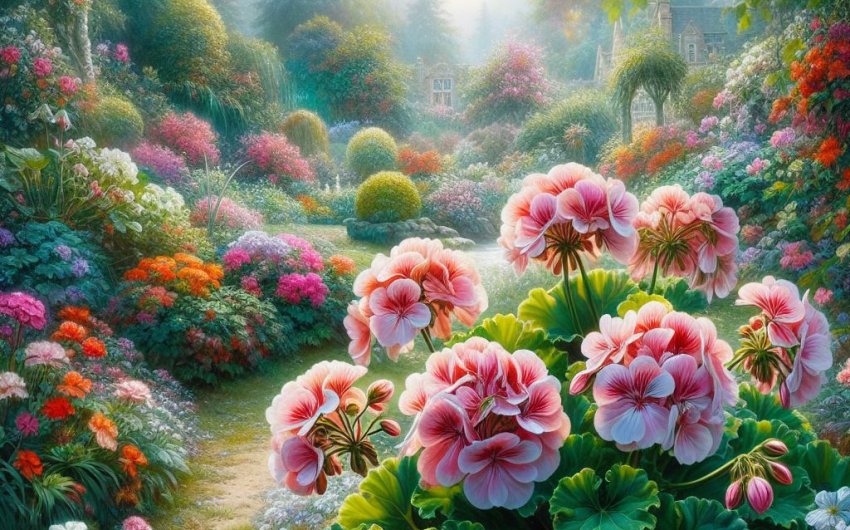
Yes, hardy geraniums (Geranium species), also affectionately known as cranesbill, are truly exceptional perennials that bring enduring beauty to any garden space. Unlike their tender annual cousins (pelargoniums, often simply called "geraniums"), these robust plants return year after year, offering a reliable display of charming flowers and attractive foliage through multiple seasons. Their hardiness and versatility make them a cornerstone for many gardeners seeking long-lasting appeal.
What Makes Hardy Geraniums So Special for Gardens?
Hardy geraniums possess a remarkable combination of traits that elevate them to "must-have" status in many gardens, consistently delivering enduring beauty and reliable performance. Their charm lies in their unpretentious yet captivating blooms and their ability to thrive with minimal fuss, making them a cornerstone for both novice and experienced gardeners. These are not the annuals you might buy for a window box; these are tough, long-lived perennials.
Here’s what makes hardy geraniums truly special:
- Exceptional Hardiness: True to their name, these perennials are incredibly tough, tolerating a wide range of climates and often thriving in USDA Zones 3-8, depending on the species. They reliably return year after year, forming expanding clumps.
- Long Blooming Season: Many hardy geranium varieties are renowned for their extended bloom times, often flowering from late spring through summer, and some even into fall. This provides a continuous splash of color for months.
- Versatile Flower Colors: Their charming, five-petaled flowers come in a beautiful palette of blues, purples, pinks, magentas, whites, and bi-colors, offering options for almost any garden color scheme.
- Attractive Foliage: Beyond their flowers, hardy geraniums feature beautiful, often deeply lobed foliage that can provide texture and interest from spring to fall. Many varieties even offer attractive fall foliage color, turning shades of red, orange, or bronze.
- Adaptability: They are incredibly adaptable plants, with species suited for full sun to deep shade, and varying soil conditions (though most prefer well-drained soil). This versatility makes them suitable for diverse garden settings.
- Low Maintenance: Once established, hardy geraniums are remarkably low-maintenance plants, requiring little more than occasional watering (in dry spells) and a light pruning to keep them tidy.
- Pest and Disease Resistant: They are generally quite tough against common garden pests and diseases, reducing the need for chemical interventions.
- Deer and Rabbit Resistant: Most species of hardy geraniums are disliked by deer and rabbits due to their sometimes aromatic foliage or slightly bitter taste, offering a natural protective barrier.
- Excellent Groundcover: Many varieties have a spreading or mounding habit, making them superb groundcovers, helping to suppress weeds and cool the soil.
These combined qualities ensure hardy geraniums are cherished for their enduring beauty, offering reliable color and texture that makes them a true garden staple.
What Are the Most Popular Types of Hardy Geraniums for Home Gardens?
When selecting hardy geraniums for home gardens, you'll discover a vast and diverse genus, often simply referred to as "cranesbill." While all share a charming, resilient nature, popular types vary significantly in their mature size, bloom time, flower color, and ideal growing conditions. Choosing the right species and cultivar for your specific needs is key to unlocking their full enduring beauty.
Here are some of the most popular and widely cultivated types of hardy geraniums:
1. 'Rozanne' Geranium (Geranium 'Rozanne')
This is arguably the most famous and highly acclaimed hardy geranium, a true garden superstar.
- Characteristics: Known for its exceptionally long blooming season, often flowering continuously from late spring right up until the first hard frost. Produces abundant, large, vibrant violet-blue flowers with white centers.
- Growth Habit: Forms a vigorous, sprawling mound, typically 1.5-2 feet tall and spreading 2-3 feet wide or more.
- Hardiness: USDA Zones 5-8 (some sources say 4-9).
- Ideal Conditions: Prefers full sun to partial shade and well-drained, consistently moist soil. Tolerates heat well.
- Unique Feature: Its relentless bloom and adaptability earned it the Perennial Plant of the Year award in 2008.
2. Bloody Cranesbill (Geranium sanguineum)
A robust and drought-tolerant species with fine, deeply cut foliage.
- Characteristics: Features intensely magenta-pink to reddish-purple flowers. Some cultivars have white or pale pink blooms. Blooms from late spring into summer. Its foliage often develops reddish tints in fall, hence "Bloody."
- Growth Habit: Forms a tidy, dense mound, typically 1-1.5 feet tall and wide.
- Hardiness: USDA Zones 3-8.
- Ideal Conditions: Thrives in full sun to partial shade and well-drained soil. Very drought-tolerant once established.
- Popular Cultivars:
- 'Max Frei': Compact, deep magenta flowers.
- 'Album': Pure white flowers.
3. Bigroot Geranium (Geranium macrorrhizum)
An excellent groundcover known for its broad, aromatic leaves and tolerance for dry shade.
- Characteristics: Produces cheerful magenta-pink to white flowers in late spring to early summer. Its leaves are large, sticky, and emit a strong, musky fragrance when bruised, which deters deer and rabbits. The foliage often turns attractive shades of red and orange in fall.
- Growth Habit: Spreads vigorously by thick rhizomes, forming a dense groundcover 1-1.5 feet tall.
- Hardiness: USDA Zones 3-8.
- Ideal Conditions: Tolerates dry shade, making it invaluable for challenging areas, but also performs well in sun with consistent moisture.
- Popular Cultivars:
- 'Bevan's Variety': Deep magenta flowers.
- 'Ingwersen's Variety': Pale pink flowers.
- 'Album': White flowers.
4. Johnson's Blue Geranium (Geranium 'Johnson's Blue')
A classic hybrid known for its clear blue flowers.
- Characteristics: Features clear, true blue flowers with prominent dark veins. Blooms from late spring through mid-summer.
- Growth Habit: Forms a neat, mounding clump, 1.5-2 feet tall and wide.
- Hardiness: USDA Zones 4-8.
- Ideal Conditions: Prefers full sun to partial shade and consistently moist, well-drained soil.
- Unique Feature: Offers one of the truest blues among hardy geraniums.
5. Cranesbill Geranium (Geranium phaeum)
Often called Dusky Cranesbill, known for its distinctive dark, reflexed flowers.
- Characteristics: Produces unique, deep maroon to purple-black flowers with petals that sweep backward. Also available in white cultivars ('Album'). Blooms from late spring to early summer. Tolerates considerable shade.
- Growth Habit: Forms clumps, growing 1.5-2.5 feet tall.
- Hardiness: USDA Zones 4-8.
- Ideal Conditions: Thrives in partial to full shade and consistently moist, humus-rich soil.
- Unique Feature: Its dark, intriguing flowers add a gothic touch to the shade garden.
Choosing from these popular hardy geraniums allows you to select plants with varied features that will thrive in your garden and bring enduring beauty through multiple seasons.
What Are the Ideal Growing Conditions for Hardy Geraniums?
To truly appreciate the enduring beauty of hardy geraniums and ensure these versatile perennials flourish in your garden, providing the ideal growing conditions is essential. While they are known for their adaptability, meeting their specific preferences leads to more robust growth, abundant flowering, and overall plant health. Their requirements are generally quite flexible, making them a gardener's favorite.
Here are the essential conditions hardy geraniums need to thrive:
- Sunlight: Full Sun to Partial Shade (highly adaptable)
- Full Sun (6+ hours direct light): Many hardy geraniums, especially species like G. sanguineum or cultivars like 'Rozanne', thrive in full sun, producing the most abundant blooms. This is ideal in cooler climates.
- Partial Shade (3-6 hours direct light, especially afternoon shade): Most hardy geraniums also perform exceptionally well in partial shade. This is often preferred in warmer climates to protect them from intense midday sun, preventing leaf scorch and prolonging bloom time.
- Full Shade (less than 3 hours direct light): Some species, particularly G. macrorrhizum and G. phaeum, are remarkably tolerant of full shade, though flowering may be reduced, and growth might be less dense.
- Soil: Well-Drained and Humus-Rich (Generally)
- Well-Drained: This is a crucial factor for most hardy geraniums. They cannot tolerate soggy, waterlogged soil, which can lead to root rot. Good drainage ensures roots get adequate oxygen.
- Humus-Rich: Most species prefer soil that is rich in organic matter (humus). This improves soil structure, helps retain consistent moisture, and provides a slow release of nutrients. Incorporate plenty of compost or leaf mold into your planting area.
- pH Level: Hardy geraniums are generally tolerant of a range of soil pH, from slightly acidic to slightly alkaline (pH 6.0 to 7.5). A soil test kit can confirm your soil's current pH.
- Watering: Consistent Moisture, Especially When Establishing
- Initial Watering: Water regularly during the first growing season to help new plants establish a strong root system.
- Established Plants: Once established, their water needs vary by species.
- Most hardy geraniums prefer consistently moist soil during their active growing and blooming periods. Water deeply when the top inch or two of soil begins to dry out.
- Drought-Tolerant Exceptions: Species like G. sanguineum and G. macrorrhizum are notably drought-tolerant once established and can handle drier conditions.
- Overwatering is Detrimental: Always ensure proper drainage to prevent root rot.
- Air Circulation:
- Good airflow around the plants helps prevent fungal diseases, especially in humid conditions or for denser cultivars. Ensure proper spacing between plants.
- Climate and Hardiness:
- Always choose a hardy geranium species or cultivar appropriate for your USDA Hardiness Zone. Their excellent hardiness is one of their biggest assets.
By providing these generally flexible but vital conditions, you create an environment where your hardy geraniums can truly thrive, gracing your garden with their reliable charm and enduring beauty through multiple seasons.
How Do I Properly Plant Hardy Geraniums for Success?
Properly planting hardy geraniums is a straightforward process that lays the groundwork for years of their enduring beauty in your garden. These robust perennials are generally forgiving, but careful site preparation and correct planting techniques ensure strong establishment and optimal performance. Setting them up for success from the beginning is key to enjoying their continuous charm.
Here’s a step-by-step guide to planting hardy geraniums properly:
- Choose the Right Time:
- The best time to plant hardy geraniums is in spring, after the last danger of frost has passed, allowing the plant a full growing season to establish its roots.
- Fall planting is also an excellent option in milder climates, giving roots time to settle before winter dormancy.
- Select a Healthy Plant:
- Purchase healthy, vigorous hardy geranium plants from a reputable nursery. Look for plants with lush green foliage and no signs of wilting, yellowing, or pest damage.
- Find the Perfect Spot:
- Select a location that provides the appropriate sunlight exposure for your chosen species or cultivar (full sun, partial shade, or even full shade for some).
- Ensure the spot has well-draining soil.
- Prepare the Soil:
- Enrich with Organic Matter: Hardy geraniums thrive in soil rich in organic matter. Dig in a generous amount of well-rotted compost, leaf mold, or other aged organic material into the planting area. This improves soil structure, helps retain consistent moisture (without becoming soggy), and provides a slow release of nutrients.
- Improve Drainage (if needed): If you have heavy clay soil, ensure you incorporate enough organic matter and potentially some grit or coarse sand to improve drainage, as they dislike "wet feet."
- Adjust pH: They are tolerant of a range, but aim for pH 6.0-7.5. Amend if necessary based on your soil test results.
- Dig the Planting Hole:
- Dig a hole that is twice as wide as the hardy geranium's root ball and just as deep as the root ball itself. You want the top of the root ball to be level with the surrounding soil line.
- Plant the Hardy Geranium:
- Gently remove the plant from its nursery pot. If the roots are circling tightly, gently tease them apart with your fingers.
- Place the plant in the center of the hole. Ensure the crown of the plant (where the stems emerge from the roots) is level with the surrounding soil. Planting too deep can lead to rot.
- Backfill the hole with your amended soil, gently firming it around the base of the plant to remove air pockets.
- Water In Thoroughly:
- Water immediately and deeply after planting until the soil is thoroughly saturated and water drains from the bottom. This settles the soil around the roots.
- Mulch:
- Apply a 1-2 inch layer of organic mulch (such as compost, shredded leaves, or wood chips) around the base of the plant, keeping it a few inches away from the crown. This is highly beneficial as it helps to:
- Retain consistent soil moisture.
- Keep the soil cool.
- Suppress weeds.
- Provide slow-release nutrients as it breaks down. A bag of organic garden mulch can enhance the long-term health of your plants.
- Apply a 1-2 inch layer of organic mulch (such as compost, shredded leaves, or wood chips) around the base of the plant, keeping it a few inches away from the crown. This is highly beneficial as it helps to:
- Spacing:
- Space plants according to their mature width (which can vary from 1-3 feet) to ensure good air circulation and allow them to fill out their space.
By diligently following these planting steps, you give your hardy geraniums the best possible start, allowing them to establish robust root systems and eventually grace your garden with their reliable charm and enduring beauty.
How Often Should I Water Established Hardy Geraniums?
Once your hardy geranium plants are established, their watering needs are generally quite moderate, reflecting their robust and resilient nature. While they appreciate consistent moisture, especially during dry spells, many species are surprisingly drought-tolerant once their root systems are well-developed. Understanding this balance is key to fostering their enduring beauty without overwatering.
For established hardy geraniums (typically after their first full growing season, or 1-2 years in the ground), you should aim to water deeply when the top 1-2 inches of soil feels dry to the touch.
Here’s a more detailed breakdown:
- During Active Growth (Spring to Fall):
- Check the soil moisture regularly, especially during dry periods or intense heat.
- Water thoroughly and deeply when the top layer of soil begins to dry. The goal is to keep the soil consistently damp but never soggy.
- The frequency will vary based on your climate, soil type, and whether you've applied mulch. It could be anywhere from once or twice a week in hot, dry conditions, to less frequently in cooler weather or if you have effective mulching.
- Using a soil moisture meter can provide accurate readings, helping you avoid guesswork.
- Drought-Tolerant Varieties: Species like Geranium sanguineum (Bloody Cranesbill) and Geranium macrorrhizum (Bigroot Geranium) are particularly drought-tolerant once established. These may only need supplemental watering during extended dry periods.
- During Dormancy (Winter):
- Once the plants go dormant in late fall/winter, significantly reduce watering. They generally only need minimal moisture during this period, just enough to prevent the soil from becoming bone dry. Ensure the soil doesn't become waterlogged if the ground freezes.
- Crucial Balance:
- Avoid Overwatering: This is critical. Hardy geraniums dislike persistently wet soil, which can lead to root rot. Good drainage is paramount.
- Deep Watering Encourages Roots: When you do water, ensure it's deep enough to encourage roots to grow down, making the plant more resilient to future dry spells.
- Watering Technique:
- Water at the base of the plant, directly on the soil, to ensure water reaches the roots and to avoid wetting the foliage unnecessarily, which can help prevent fungal issues.
- Drip irrigation or soaker hoses are excellent methods.
By diligently monitoring soil moisture and providing consistent, appropriate water, you can support the vigorous growth and abundant, long-lasting blooms of hardy geraniums, ensuring they continue to bring their reliable, enduring beauty to your garden.
Do I Need to Fertilize Hardy Geraniums?
For most hardy geraniums, you generally do not need to fertilize them heavily, if at all, especially if your soil is already healthy and rich in organic matter. These resilient perennials are not heavy feeders and perform best when provided with a steady, gentle supply of nutrients through their soil. Over-fertilizing, particularly with high-nitrogen formulas, is a common mistake that can lead to excessive leafy growth at the expense of their charming flowers and overall health.
Here's a breakdown of hardy geranium's fertilization needs:
- Moderate Feeder Preference: Hardy geraniums are moderate feeders. Their energy is best spent on developing their robust root systems and producing those long-lasting blooms, rather than on overly lush foliage.
- Compost is Usually Enough: The best "fertilizer" for hardy geraniums is often simply maintaining or enhancing their soil's organic content. Incorporating well-rotted compost or leaf mold into the soil at planting time, and then applying a light top-dressing of compost annually in early spring, is generally sufficient. This enriches the soil, improves structure, and promotes healthy microbial activity, all contributing to the plant's vigor and bloom production. A bag of organic garden compost is an excellent ongoing soil amendment.
- Avoid High-Nitrogen Fertilizers: Fertilizers high in nitrogen (where the first number in the NPK ratio is highest) primarily promote lush leafy growth. For hardy geraniums, this can lead to:
- Reduced Flowering: Energy is diverted to foliage development at the expense of flower bud formation, resulting in a diminished floral display.
- Leggy Growth: Plants may become less compact and more prone to flopping.
- Increased Susceptibility: Over-fertilized plants can sometimes be more attractive to sap-sucking pests or more prone to certain diseases.
- When to Consider a Light Feed (Rarely):
- If your soil is extremely poor or depleted (a soil test would confirm this).
- If the plant is showing clear signs of nutrient deficiency, such as unusually pale green or yellowing leaves (not related to watering issues or disease), or significantly reduced vigor over several seasons.
- In such rare cases, use a very dilute, balanced, slow-release granular fertilizer with an NPK ratio like 5-10-5 or 10-10-10, or a specialized organic fertilizer for flowering perennials, applied very sparingly in early spring as new growth begins. Always use a low dose – half the recommended strength is often safer.
The most important takeaway is that hardy geraniums are relatively low-maintenance when it comes to feeding. Prioritize well-drained, humus-rich soil, appropriate light, and consistent moisture. These fundamental conditions will allow your hardy geraniums to naturally achieve their full potential, gracing your garden with their enduring beauty without the need for aggressive fertilization.
How and When Should I Prune Hardy Geraniums?
Pruning hardy geraniums is a relatively simple yet effective maintenance task that helps them maintain their attractive form, encourages reblooming, and contributes to their overall vigor and enduring beauty. The exact timing and method can vary slightly depending on the specific species or cultivar and your garden goals, but the basic principles are easy to follow.
Here's how and when to prune hardy geraniums effectively:
1. Deadheading (During Blooming - for Extended Flowers):
- When: This is the most common and beneficial type of "pruning" for many hardy geraniums, especially those with a long bloom season like 'Rozanne'. Do this regularly throughout their blooming period as individual flowers start to fade.
- How: Simply snip off the spent flower stalks just below the faded flowerhead, or back to a set of healthy leaves or a developing side bud. For plants with many small flowers, this can be tedious, so for many varieties, it's optional.
- Benefits:
- Encourages Reblooming: Deadheading prevents the plant from putting energy into seed production. This diverts that energy back into producing more flowers, leading to successive flushes of blooms and significantly extending the overall flowering period.
- Maintains Tidiness: It keeps the plant looking neat and fresh, preventing a messy appearance from spent blooms.
2. "Chelsea Chop" or Mid-Season Shear (For Rejuvenation and Second Flush):
- When: For vigorous, earlier-blooming hardy geraniums that start to look leggy or stop flowering by mid-summer (around late June/early July, often referred to as "Chelsea Chop" time in gardening circles). This is particularly good for species like G. sanguineum or G. phaeum that can get tired after their first big flush.
- How: Cut back the entire plant by about one-half to two-thirds of its height, including spent flower stalks and much of the foliage.
- Benefits: This hard cut stimulates a flush of fresh, healthy new foliage and often a robust second wave of blooms later in the summer or early fall. It also helps to prevent excessive self-seeding.
- Caution: Ensure you water well after this cut to encourage new growth. Avoid doing this too late in the season in cold climates, as new growth might not harden off before winter.
3. General Tidy-Up (Late Fall or Early Spring):
- When: For most hardy geraniums, a general tidy-up can be done in late fall after the foliage has died back, or in early spring before new growth fully emerges.
- How:
- Remove Dead or Damaged Foliage: Cut back all faded flower stalks and any yellowed, browned, or winter-damaged leaves to the ground (or within a few inches of the crown). This helps prevent fungal issues and makes way for fresh, vigorous spring growth.
- For Evergreen Varieties (like G. macrorrhizum): In milder climates, they may retain some foliage through winter. A light trim in early spring to remove any winter-worn or damaged leaves is usually sufficient.
4. Preventing Self-Seeding:
- If you don't want particular hardy geraniums to self-seed aggressively (some species can do this, like G. macrorrhizum), deadhead consistently after flowering to remove seed heads.
By consistently performing these simple pruning tasks, you'll keep your hardy geraniums vigorous, tidy, and continuously blooming, ensuring they grace your garden with their enduring beauty throughout the growing season.
What Are Common Pests and Diseases of Hardy Geraniums and How to Prevent Them?
While hardy geraniums are celebrated for their resilience and general resistance, like all garden plants, they can occasionally encounter pests and diseases. Understanding the common issues that affect hardy geraniums and, more importantly, how to prevent them, is key to maintaining their enduring beauty and vigorous growth in your garden with minimal fuss. Most problems are minor and manageable.
Here are the most common pests and diseases, and how to keep your hardy geraniums thriving:
Common Pests:
Hardy geraniums are generally disliked by common browsing animals like deer and rabbits, and most insect pests tend to leave them alone.
- Slugs and Snails: These can be an issue, especially for tender new shoots in moist, shady conditions, or for plants grown as groundcover.
- Prevention/Treatment:
- Maintain good garden hygiene by removing leaf litter and debris where they hide.
- Use barriers like copper tape or crushed eggshells.
- Employ slug and snail bait (organic options available like iron phosphate pellets) if necessary.
- Hand-pick them during evening hours.
- Prevention/Treatment:
- Aphids: Small, soft-bodied insects that suck sap from new growth. Generally, hardy geraniums aren't aphid magnets, but occasional small colonies can appear.
- Prevention/Treatment:
- A strong spray of water can dislodge them.
- Encourage beneficial insects like ladybugs and lacewings.
- For severe infestations, use insecticidal soap or neem oil spray.
- Prevention/Treatment:
- Vine Weevil (Larvae): In some regions, the larvae of vine weevils can damage roots, especially in containers or lighter soils, leading to wilting and plant decline.
- Prevention/Treatment:
- Check roots if plants are wilting inexplicably.
- Use biological controls like nematodes (specific for vine weevil larvae) in spring or late summer.
- Prevention/Treatment:
Common Diseases:
Most hardy geranium diseases are fungal and are often linked to excessive moisture, poor air circulation, or overly humid conditions.
- Powdery Mildew: A fungal disease that appears as white, powdery patches on leaves and stems, especially in hot, humid conditions, crowded plantings, or areas with poor air circulation.
- Symptoms: White powdery coating on leaves, stunted growth, leaf distortion, sometimes premature defoliation.
- Prevention:
- Good Air Circulation: Ensure adequate spacing between plants.
- Plant in locations with some air movement (avoid stagnant corners).
- Avoid overhead watering, especially in the evening. Water at the base.
- Remove infected leaves immediately.
- Fungicidal sprays (e.g., potassium bicarbonate, neem oil) can be used as a last resort.
- Downy Mildew: Appears as purplish-brown spots on the upper leaf surface, with fuzzy gray or purplish growth on the underside.
- Symptoms: Spots on leaves, eventually leaf yellowing and death.
- Prevention: Similar to powdery mildew – improve air circulation, water at the base, remove infected parts.
- Rust: A fungal disease that causes small, rusty-orange pustules on the undersides of leaves, with corresponding yellow spots on the upper surface.
- Symptoms: Orange-brown spots on leaves, potentially leading to defoliation.
- Prevention:
- Ensure good air circulation.
- Remove infected leaves.
- Avoid overcrowding.
- Keep plants vigorous through proper care.
- Root Rot/Crown Rot: While hardy geraniums prefer moisture, persistently waterlogged soil can lead to root rot.
- Symptoms: Wilting, yellowing, stunted growth, or mushy stems at the soil line, eventually plant death.
- Prevention: Excellent drainage is paramount. Plant in well-draining soil, amend heavy clay, and avoid overwatering. Ensure the crown is not buried too deep.
By diligently providing their preferred conditions—well-drained, humus-rich soil, appropriate light, and consistent moisture—you address the root causes of most hardy geranium problems, ensuring your plants remain robust and continue to showcase their reliable, enduring beauty.
How Can Hardy Geraniums Be Incorporated into Garden Design?
Incorporating hardy geraniums into your garden design is a brilliant strategy to add reliable color, texture, and year-round interest with minimal fuss. Their versatility in terms of size, bloom color, and light tolerance allows them to fill many roles, making them indispensable for creating garden spaces with enduring beauty. Strategic placement can highlight their best features and complement other plants beautifully.
Here are creative ways to incorporate hardy geraniums into your garden design:
- Groundcover and Weed Suppression:
- Effective Carpet: Many hardy geranium varieties, especially spreading types like Geranium macrorrhizum, make exceptional groundcovers. They quickly form dense mats of foliage that suppress weeds, reduce soil erosion, and keep the soil cool.
- Underplanting: Use them to underplant roses, shrubs, or taller perennials, creating a lush, living carpet beneath.
- Borders and Edging:
- Soft Edges: Planting hardy geraniums along the edge of a path, a flower bed, or a driveway creates soft, flowing borders. Their mounding or spreading habit can gracefully spill over edges.
- Front of the Border: Tidy, compact varieties are perfect for the front of a mixed perennial border, providing continuous color and texture.
- Mass Plantings:
- Dramatic Effect: For a sweeping, impactful display, mass planting a single variety of hardy geranium (like 'Rozanne') can create a stunning carpet of color and foliage that lasts for months.
- Filling Spaces: Excellent for quickly filling larger areas in new garden beds.
- Shade Gardens:
- Brighten Shady Spots: Many hardy geraniums, such as Geranium phaeum or Geranium macrorrhizum, thrive in partial to full shade, bringing much-needed color and texture to darker corners of the garden.
- Woodland Edge: They are ideal for naturalizing along a woodland edge.
- Rock Gardens and Alpine Troughs:
- Drought-Tolerant Charm: Some species, like Geranium sanguineum, with their fine foliage and love for well-drained conditions, are perfect for rock gardens or alpine troughs, where they can tuck into crevices.
- Containers and Patio Pots:
- Thriller, Filler, Spiller: While not typically "thrillers," their mounding and trailing forms (like 'Rozanne') make them fantastic "fillers" or "spillers" in mixed container arrangements, providing continuous color.
- Moveable Color: Pots allow you to move the plants to optimize light or bring their beauty closer to seating areas.
- Wildlife and Pollinator Gardens:
- Bee and Butterfly Friendly: Their open, accessible flowers are a magnet for bees and butterflies, contributing to garden biodiversity and supporting local ecosystems.
- Companion Planting:
- Versatile Neighbors: Hardy geraniums pair beautifully with a wide array of other perennials, shrubs, and roses. Their foliage provides a nice contrast to taller, spikier plants.
- Deer/Rabbit Barrier: Plant them strategically around more susceptible plants to leverage their deer and rabbit resistance.
By thoughtfully integrating hardy geraniums, you can enhance your garden's aesthetic, ecological balance, and overall appeal, enjoying their reliable performance and enduring beauty across every season.