
Masterwort Majesty: Regal Touches in Your Garden
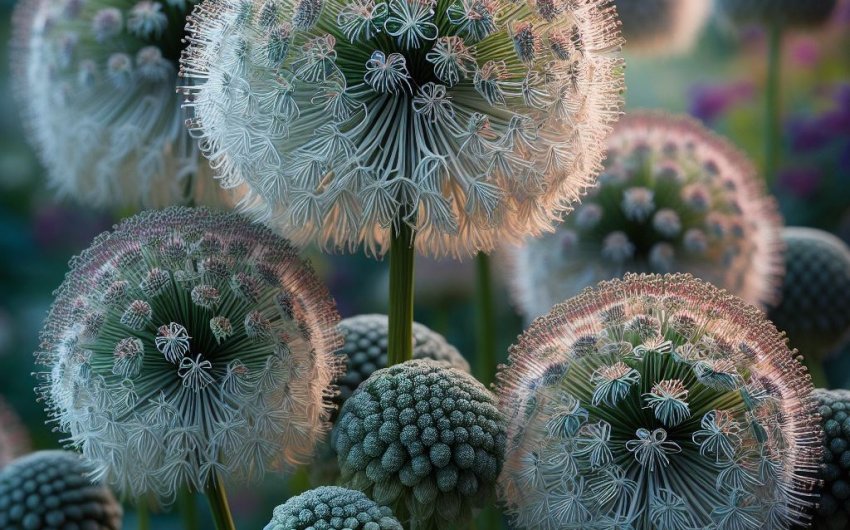
Masterwort (Astrantia), with its unique pincushion-like flowerheads and long-lasting blooms, indeed brings a touch of regal majesty and sophisticated charm to any garden setting. These elegant perennials are prized for their intricate beauty, reliable performance, and ability to thrive in shadier spots where many other showy flowers might falter. Incorporating masterwort can transform your garden into a truly captivating display.
What Makes Masterwort So Special for Gardens?
Masterwort (Astrantia) stands out in the perennial border for its distinctive charm and reliable performance, offering a unique blend of elegance and resilience. Unlike many flashy blooms, masterwort brings a subtle yet intricate beauty that captivates upon closer inspection, making it a favorite for gardeners seeking sophisticated texture and long-lasting interest. Its unusual flower form is a key part of its regal majesty.
Here’s what makes masterwort truly special:
- Intricate, Long-Lasting Flowers: Its most striking feature is its unique, pincushion-like flowerheads, composed of a central dome of tiny florets surrounded by a ruff of papery bracts. These blooms are not only beautiful but also incredibly long-lasting, often maintaining their appeal for weeks from late spring through late summer.
- Shade Tolerance: Masterwort thrives in partial shade, making it an invaluable plant for illuminating shadier garden spots where many sun-loving perennials might struggle. It also tolerates full sun in cooler climates or with consistent moisture.
- Exceptional Cut Flower: Florists adore masterwort for its unique texture, intricate beauty, and excellent vase life. It adds sophisticated charm to bouquets, both fresh and dried.
- Attractive to Pollinators: Despite its subtle appearance, masterwort is a magnet for beneficial insects, including bees, butterflies, and other small pollinators, contributing to garden biodiversity.
- Deer and Rabbit Resistant: Fortunately, most deer and rabbits tend to leave masterwort alone, making it a reliable choice for gardens in areas with browsing animals.
- Versatile Design Element: Its distinctive texture and colors (white, pink, red, green, often with silvery or purplish tints) make it a fantastic "filler" plant that bridges gaps and complements other perennials, adding a refined touch to cottage gardens, woodland edges, and contemporary designs.
- Low Maintenance: Once established, masterwort is a relatively easy-care perennial, requiring minimal fuss and offering reliable blooms year after year.
These combined qualities ensure masterwort provides an exquisite and memorable touch, embodying true masterwort majesty in any garden setting.
What Are the Most Popular Types of Masterwort for Home Gardens?
When considering masterwort for home gardens, you'll discover several popular types (Astrantia species and cultivars) that are highly valued for their distinctive floral display and reliable performance. While all share the characteristic pincushion flowerheads, they offer variations in color, size, and growth habit, allowing gardeners to select the perfect masterwort to add regal majesty to their specific garden aesthetic.
Here are some of the most popular types of masterwort commonly found in home gardens:
1. Greater Masterwort (Astrantia major)
This is the most common and widely cultivated species, forming the basis for many popular cultivars.
- Characteristics: Known for its star-like bracts surrounding pincushion flowerheads, which typically bloom from late spring to late summer. Colors range from white and palest pink to rose and deeper red, often with intricate veining.
- Growth Habit: Forms clumps, typically growing 1.5 to 3 feet tall and about 1-2 feet wide.
- Hardiness: USDA Zones 4-7.
- Ideal Conditions: Prefers consistently moist, humus-rich, well-draining soil and partial shade, but can tolerate full sun in cooler climates with adequate moisture.
- Popular Cultivars:
- 'Ruby Wedding': Features striking deep ruby-red flowers. One of the most vibrant masterworts available.
- 'Claret': Known for its rich, wine-red blooms.
- 'Roma': A very popular cultivar with clear pink, long-lasting flowers, and a robust, compact habit.
- 'Shaggy' (also known as 'Margery Fish'): Distinctive for its longer, often greenish-tipped white or pale pink bracts, giving it a shaggier appearance.
- 'Star of Billion': White flowers with greenish tips, forming a dense display.
- 'Star of Beauty': Large, deep reddish-pink flowers, often with a darker central cone.
- 'Alba': Classic white flowers, pure and elegant.
2. Carnic Masterwort (Astrantia carniolica)
Less common than A. major but still a beautiful option.
- Characteristics: Often has slightly larger, more starry-looking bracts than A. major. The species typically features white or pale pink flowers.
- Growth Habit: Similar clump-forming habit, generally growing 1-2 feet tall.
- Hardiness: USDA Zones 4-7.
- Ideal Conditions: Similar to A. major, preferring moist, well-ddrained soil in partial shade.
- Popular Cultivars:
- 'Rubra': A sought-after cultivar with vibrant, clear red flowers.
3. Greater Masterwort 'Maximus' (Astrantia major 'Maximus')
Often listed as a cultivar of A. major, but noteworthy for its distinct size and appearance.
- Characteristics: Produces larger flowerheads than typical A. major and stands taller, giving it a more dramatic presence. Flowers are typically pale pink to white with green tips.
- Growth Habit: Can reach 3-4 feet in height.
- Hardiness: USDA Zones 4-7.
- Ideal Conditions: Similar to other A. major types, valuing moisture and partial shade.
- Unique Feature: Its larger size makes it a good choice for the middle or back of a border.
When choosing masterwort, consider the desired flower color, the mature height you need, and your specific light and soil conditions. A perennial flower guide can help you learn more about specific varieties and their needs.
What Are the Ideal Growing Conditions for Masterwort?
To truly cultivate masterwort majesty and ensure these exquisite perennials thrive, providing the ideal growing conditions is essential. While masterwort is often praised for its adaptability, meeting its specific preferences leads to more robust growth, abundant blooms, and its signature intricate beauty. Mimicking its natural woodland or meadow edge habitat is the key to success.
Here are the essential conditions masterwort needs to flourish:
- Sunlight: Partial Shade to Full Sun (with caveats)
- Partial Shade (Ideal): Masterwort absolutely thrives in partial shade, meaning 3-6 hours of direct morning sun or dappled light throughout the day. This is its sweet spot, promoting lush foliage and preventing flower fade.
- Full Sun (Cooler Climates): In cooler climates with mild summers, masterwort can tolerate full sun (6+ hours direct light) provided the soil is kept consistently moist.
- Hot Climates: In regions with hot, intense summers, afternoon shade is crucial to prevent leaf scorch, wilting, and premature fading of blooms.
- Soil: Consistently Moist, Humus-Rich, and Well-Draining
- Consistent Moisture: This is one of the most critical factors. Masterwort prefers consistently moist soil and does not tolerate prolonged dry spells. However, it also dislikes soggy, waterlogged conditions. The key is even moisture.
- Humus-Rich: It thrives in soil that is rich in organic matter (humus). This improves soil structure, helps retain moisture without becoming waterlogged, and provides a slow release of nutrients. Incorporate plenty of compost or leaf mold.
- Well-Draining: While it loves moisture, excellent drainage is still important. Heavy clay soil should be amended to improve drainage, as root rot can occur in stagnant water.
- pH Level: Masterwort prefers neutral to slightly acidic soil, with a pH range of 6.0 to 7.0. A soil test kit can help you determine your soil's current pH.
- Watering: Regular and Adequate
- Maintain Moisture: Water regularly and deeply, especially during dry periods, hot weather, and when plants are establishing. The soil should feel consistently damp, not dry.
- Drip Irrigation/Soaker Hoses: Using drip irrigation or soaker hoses is ideal, as it delivers water directly to the root zone and keeps foliage dry, helping to prevent fungal diseases.
- Climate and Hardiness:
- Masterwort is generally hardy in USDA Zones 4-7. Some varieties may tolerate Zone 8 in cooler microclimates or with significant afternoon shade and consistent moisture.
- They appreciate cool to moderate summer temperatures.
- Air Circulation:
- Good airflow around the plants helps prevent fungal diseases. Ensure proper spacing between plants to avoid overcrowding.
By meticulously providing these conditions, you create an environment where your masterwort can flourish, gracing your garden with its elegant, long-lasting blooms and truly embodying regal masterwort majesty.
How Do I Properly Plant Masterwort for Success?
Properly planting masterwort is the crucial initial step to ensure these exquisite perennials establish strongly and provide years of captivating blooms in your garden. Given their preference for consistently moist, humus-rich conditions, careful site preparation and correct planting techniques will set your masterwort up for a successful display of regal majesty.
Here’s a step-by-step guide to planting masterwort properly:
- Choose the Right Time:
- The best time to plant masterwort is in spring, after the last danger of frost has passed, allowing the plant a full growing season to establish its roots.
- Fall planting is also an option in milder climates, giving roots time to settle before winter.
- Select a Healthy Plant:
- Purchase healthy, vigorous masterwort plants from a reputable nursery. Look for plants with lush green foliage and no signs of wilting, yellowing, or pest damage.
- Find the Perfect Spot:
- Choose a location that offers partial shade (especially in warmer climates) or full sun in cooler regions with consistently moist soil.
- The spot should have well-draining soil but be able to retain moisture consistently.
- Prepare the Soil (Focus on Humus and Moisture Retention):
- Enrich with Organic Matter: Masterwort thrives in soil rich in organic matter. Dig a generous amount of well-rotted compost, leaf mold, or other aged organic material into the planting area. This improves soil structure, nutrient retention, and most importantly, consistent moisture levels.
- Improve Drainage (if needed): While it loves moisture, it dislikes soggy conditions. If you have heavy clay soil, in addition to organic matter, you might incorporate some grit or coarse sand to ensure good drainage.
- Adjust pH: Masterwort prefers a neutral to slightly acidic pH (6.0-7.0). Amend if necessary based on your soil test results.
- Dig the Planting Hole:
- Dig a hole that is twice as wide as the masterwort plant's root ball and just as deep as the root ball. You want the top of the root ball to be level with the surrounding soil line.
- Plant the Masterwort:
- Gently remove the plant from its nursery pot. If the roots are circling tightly, gently loosen them with your fingers.
- Place the plant in the center of the hole. Ensure the crown of the plant (where the stems emerge from the roots) is level with the surrounding soil. Planting too deep can lead to rot.
- Backfill the hole with your amended soil, gently firming it around the base of the plant to remove air pockets.
- Water In Thoroughly:
- Water immediately and deeply after planting until the soil is thoroughly saturated and water drains from the bottom. This settles the soil around the roots.
- Mulch:
- Apply a 2-3 inch layer of organic mulch (such as compost, shredded leaves, or wood chips) around the base of the plant, keeping it a few inches away from the crown. This is highly beneficial for masterwort as it helps:
- Retain consistent soil moisture.
- Keep the soil cool.
- Suppress weeds.
- Provide slow-release nutrients as it breaks down. A bag of organic garden mulch can be a great addition.
- Apply a 2-3 inch layer of organic mulch (such as compost, shredded leaves, or wood chips) around the base of the plant, keeping it a few inches away from the crown. This is highly beneficial for masterwort as it helps:
- Spacing:
- Space plants according to their mature width (typically 1-2 feet apart) to ensure good air circulation and allow them to fill out their space.
By diligently following these planting steps, you give your masterwort the best possible start, allowing it to establish robust root systems and eventually grace your garden with its truly captivating, regal majesty.
How Often Should I Water Established Masterwort?
Once your masterwort plants are established, their watering needs shift to prioritize consistent moisture, reflecting their preference for a non-drying environment. Unlike many drought-tolerant perennials, established masterwort truly thrives when its soil remains evenly damp, making attentive watering a key aspect of maintaining its exquisite blooms and lush foliage. This commitment to consistent hydration contributes to its robust display of masterwort majesty.
For established masterwort (typically after its first full growing season, or 1-2 years in the ground), you should aim to water regularly and deeply, ensuring the soil remains consistently moist but never waterlogged.
Here’s a more detailed breakdown:
- During Active Growth (Late Spring to Fall):
- Check the soil moisture frequently, especially during dry spells or hot weather.
- Water thoroughly and deeply when the top inch or two of soil starts to feel slightly dry. The goal is to keep the soil consistently damp throughout the root zone.
- The frequency will vary based on your climate, soil type, and whether you've applied mulch. It could be anywhere from every few days in hot, dry, or sandy conditions, to once a week or less in cooler, more humid weather or with effective mulching.
- Using a soil moisture meter can provide accurate readings throughout the root zone.
- During Dormancy (Winter):
- Once the plants go dormant in late fall/winter, significantly reduce watering, but do not let the soil dry out completely if your climate experiences dry winters.
- Ensure the soil remains lightly moist, especially if there's no snow cover, but never wet or saturated.
- Crucial Balance:
- Consistent moisture is key, but this must be paired with good drainage. Masterwort dislikes both prolonged drought and soggy, stagnant conditions. If water puddles, your drainage needs improvement.
- Mulch (as discussed in planting) is highly beneficial for maintaining this consistent moisture by reducing evaporation and regulating soil temperature.
- Watering Technique:
- Water at the base of the plant, directly on the soil, to ensure water reaches the roots and to avoid wetting the foliage unnecessarily, which can help prevent fungal issues, particularly in humid conditions.
- Drip irrigation or soaker hoses are excellent methods for masterwort.
By diligently monitoring soil moisture and providing consistent, adequate water, you can support the vigorous growth and abundant, long-lasting blooms of masterwort, ensuring it continues to add its regal majesty to your garden.
Do I Need to Fertilize Masterwort?
For the most part, you do not need to fertilize established masterwort heavily, if at all, especially if your soil is already rich in organic matter. These elegant perennials are not heavy feeders and perform best when provided with a steady, gentle supply of nutrients through their soil. Over-fertilizing, particularly with high-nitrogen formulas, can be detrimental, leading to lush foliage but at the expense of its iconic blooms and overall health.
Here's a breakdown of masterwort's fertilization needs:
- Humus-Rich Soil Preference: Masterwort thrives in humus-rich soil, meaning soil that is naturally abundant in decomposed organic matter. This provides a slow, steady release of essential nutrients over time.
- Compost is Usually Enough: The best "fertilizer" for masterwort is often simply maintaining or enhancing its soil's organic content. Incorporating well-rotted compost or leaf mold into the soil at planting time, and then applying a light top-dressing of compost annually in early spring, is generally sufficient. This enriches the soil, improves structure, and promotes healthy microbial activity, all contributing to the plant's vigor and bloom production. A bag of organic garden compost is an excellent ongoing soil amendment.
- Avoid High-Nitrogen Fertilizers: Fertilizers high in nitrogen (where the first number in the NPK ratio is highest) primarily promote lush leafy growth. For masterwort, this can lead to:
- Leggy, Weaker Stems: Plants may become less sturdy and prone to flopping.
- Fewer Flowers: Energy is diverted to foliage development at the expense of flower bud formation, reducing the floral display.
- Increased Susceptibility: Over-fertilized plants can sometimes be more attractive to sap-sucking pests or more prone to certain diseases.
- When to Consider a Light Feed (Rarely):
- If your soil is extremely poor or depleted (a soil test would confirm this).
- If the plant is showing clear signs of nutrient deficiency, such as unusually pale green or yellowing leaves (not related to watering issues or disease), or significantly reduced vigor over several seasons.
- In such rare cases, use a very dilute, balanced, slow-release granular fertilizer with an NPK ratio like 5-10-5 or 10-10-10, or a specialized organic fertilizer for flowering perennials, applied very sparingly in early spring as new growth begins. Always use a low dose – half the recommended strength is often safer.
The most important takeaway is that masterwort is a modest feeder. Prioritize consistent moisture, appropriate light, and a soil rich in organic matter. These fundamental conditions will allow your masterwort to naturally achieve its full potential, gracing your garden with its elegant, regal majesty without the need for aggressive fertilization.
How and When Should I Prune Masterwort?
Pruning masterwort is a straightforward and beneficial task that significantly contributes to its health, vigor, and the abundance of its exquisite, long-lasting blooms. Unlike some perennials that require complex pruning strategies, masterwort responds well to simple, targeted cuts. Proper pruning helps maintain its tidy shape and encourages continuous flowering, reinforcing its regal majesty in your garden.
Here's how and when to prune masterwort effectively:
1. Deadheading (During Blooming - for Extended Flowers):
- When: This is the most common and beneficial type of "pruning" for masterwort. Do this regularly throughout its blooming season, from late spring through late summer, as individual flowerheads start to fade.
- How: Simply snip off the spent flower stalks just below the faded flowerhead, or back to a set of healthy leaves or a developing side bud.
- Benefits:
- Encourages Reblooming: Deadheading prevents the plant from putting energy into seed production. This diverts that energy back into producing more flowers, leading to successive flushes of blooms and significantly extending the overall flowering period.
- Maintains Tidiness: It keeps the plant looking neat and fresh, preventing a messy appearance from spent blooms.
- Prevents Self-Seeding (if desired): If you don't want masterwort to self-seed throughout your garden, deadheading is crucial.
2. General Tidy-Up and Shaping (Late Fall or Early Spring):
- When: For most perennial masterworts, a more thorough tidy-up can be done in late fall after the foliage has died back, or in early spring before new growth fully emerges.
- How:
- Remove Dead or Damaged Foliage: Cut back all faded and dead flower stalks and any yellowed, browned, or damaged leaves to the ground (or within a few inches of the crown). This helps prevent fungal issues and makes way for fresh, vigorous spring growth.
- Light Shaping: If the plant has become a bit sprawling, you can lightly trim the outer edges to maintain a compact, mounding shape.
- For Evergreen or Semi-Evergreen Varieties: In milder climates where masterwort retains some foliage through winter, a light tidy-up in early spring to remove any winter-damaged leaves is usually sufficient.
3. Cutting Back Hard (Late Summer - for Rejuvenation/Rebloom):
- When: If your masterwort has finished its first major flush of blooms by mid-summer and is starting to look tired, you can perform a harder cut.
- How: Cut back the entire plant by about one-third to one-half of its height, including foliage and spent flower stalks. Ensure you're cutting back to healthy, leafy growth.
- Benefits: This can stimulate a strong flush of new growth and a robust second wave of blooms in late summer or early fall. Follow with good watering.
- Caution: Don't do this too late in the season in cold climates, as new growth might not harden off before winter.
By consistently performing these simple pruning tasks, especially deadheading, you'll ensure your masterwort remains a vigorous, tidy, and continuously blooming specimen, gracing your garden with its truly exquisite, regal majesty throughout the season.
What Are Common Pests and Diseases of Masterwort and How to Prevent Them?
While masterwort is generally a robust and resilient perennial, it's not entirely immune to issues. Understanding the common pests and diseases of masterwort and, crucially, how to prevent them, will ensure your exquisite blooms remain healthy and vibrant. Most problems often stem from incorrect growing conditions, emphasizing the importance of providing its preferred habitat for a display of true masterwort majesty.
Here are the most common pests and diseases, and how to keep your masterwort thriving:
Common Pests:
Masterwort is relatively pest-free, especially compared to other garden perennials, but a few can occasionally cause issues.
- Slugs and Snails: These common garden pests can munch on tender new masterwort foliage, particularly in moist, shady conditions, especially early in the season.
- Prevention/Treatment:
- Maintain good garden hygiene by removing leaf litter and debris where they hide.
- Use barriers like copper tape or crushed eggshells.
- Employ slug and snail bait (organic options available like iron phosphate pellets) if necessary.
- Hand-pick them during evening hours.
- Prevention/Treatment:
- Aphids: Small, soft-bodied insects that suck sap from new growth and flower buds, potentially causing distortion.
- Prevention/Treatment:
- Generally not a major problem, but check new growth.
- A strong spray of water can dislodge them.
- Encourage beneficial insects like ladybugs and lacewings.
- For severe infestations, use insecticidal soap or neem oil spray.
- Prevention/Treatment:
Common Diseases:
Most masterwort diseases are fungal and are directly related to excessive moisture, particularly in conditions with poor air circulation or very wet soil.
- Powdery Mildew: A fungal disease that appears as white, powdery patches on leaves and stems, especially in hot, humid conditions with poor air circulation or when plants are stressed.
- Symptoms: White powdery coating on leaves, stunted growth, leaf distortion, sometimes premature defoliation.
- Prevention:
- Good Air Circulation: Ensure adequate spacing between plants.
- Plant in locations with some air movement (avoid stagnant corners).
- Avoid overhead watering, especially in the evening. Water at the base.
- Remove infected leaves immediately.
- Fungicidal sprays (e.g., potassium bicarbonate, neem oil) can be used as a last resort.
- Root Rot and Crown Rot: While masterwort likes consistent moisture, it will rot in truly waterlogged, poorly draining soil. Caused by fungi in overly wet conditions.
- Symptoms: Wilting, yellowing leaves even when soil is moist, stunted growth, mushy stems at the soil line, eventually leading to plant collapse and death.
- Prevention:
- Critical: Plant in well-draining, humus-rich soil. Amend heavy clay soils.
- Avoid Overwatering: Water established plants only when the topsoil begins to dry.
- Ensure proper soil preparation and drainage at planting.
- Avoid planting too deep; ensure the crown is at the soil line.
- Use organic mulch but keep it slightly away from the crown.
- Leaf Spot Diseases: Various fungi can cause spots on leaves, often in prolonged wet and humid conditions.
- Symptoms: Brown, black, or purplish spots on leaves, sometimes with a yellow halo.
- Prevention:
- Improve air circulation.
- Water at the base of the plant.
- Remove infected leaves.
- Ensure plants are not stressed (proper watering, light, and nutrients).
By diligently providing their preferred conditions—consistent moisture in well-draining soil, appropriate light (partial shade is key), and good air circulation—you address the root causes of most masterwort problems, ensuring your plants remain robust and continue to showcase their exquisite, regal masterwort majesty.
How Can Masterwort Be Incorporated into Garden Design?
Incorporating masterwort into your garden design is an excellent way to introduce refined texture, intricate beauty, and reliable, long-lasting blooms. Its unique pincushion flowers and adaptability to partial shade make it a versatile plant that can elevate a variety of garden styles. Strategic placement ensures you maximize its impact, adding true masterwort majesty and sophisticated charm to your outdoor spaces.
Here are creative ways to incorporate masterwort into your garden design:
- Woodland Edge and Shade Gardens:
- Natural Fit: Masterwort thrives in the dappled light of a woodland edge or a partially shaded garden bed, making it a perfect companion for other shade-loving perennials.
- Illuminates Shade: Its often pale or silvery-pink blooms can effectively brighten darker corners of the garden.
- Cottage Gardens:
- Romantic Texture: Its delicate, intricate flowers and long bloom time make it an ideal choice for the romantic, informal feel of a cottage garden. It blends beautifully with traditional favorites.
- Softens Edges: Planted at the front or middle of a border, its mounding habit helps soften harsh lines.
- Mixed Perennial Borders:
- Textural Contrast: Masterwort's unique flower form provides a wonderful textural contrast to bolder, larger-flowered perennials or fine-textured grasses.
- Long Bloom Season: Its ability to bloom for an extended period, especially with deadheading, provides continuous interest in a mixed border.
- "Filler" Plant: It effectively fills gaps between other plants, creating a cohesive and full look.
- Cutting Gardens:
- Florist Favorite: As an exceptional cut flower, masterwort is a must-have for any cutting garden. Its sturdy stems and long vase life make it perfect for fresh bouquets.
- Drying: Its unique form also lends itself well to drying, adding everlasting texture to arrangements.
- Containers and Patio Pots (with specific care):
- Accent Plant: Masterwort can be grown in large patio containers, provided they offer consistent moisture and afternoon shade in hot climates. This allows you to bring its delicate beauty closer to seating areas.
- Drainage: Ensure containers have excellent drainage.
- Underplanting Roses or Shrubs:
- Groundcover Effect: Its mounding foliage can provide a living mulch and a pretty underplanting for larger shrubs or roses, especially in shadier spots, offering visual interest at ground level.
- Wildlife and Pollinator Gardens:
- Insect Attractor: Its nectar-rich flowers attract bees, butterflies, and other beneficial insects, making it a valuable addition to gardens focused on supporting local ecosystems.
- Formal or Contemporary Gardens:
- Subtle Sophistication: While often associated with informal styles, its elegant form and often muted, sophisticated colors can add a refined touch to more formal or contemporary designs, especially when mass-planted or used in repetition.
By thoughtfully integrating masterwort, you can enhance your garden's aesthetic, providing long-lasting intricate beauty and a sense of refined taste, ultimately adding true masterwort majesty to your outdoor sanctuary.
What Other Plants Complement Masterwort in a Garden?
To fully appreciate the masterwort majesty and its exquisite blooms, selecting compatible companion plants is key. These plants should not only share similar growing preferences (especially for moisture and light) but also enhance masterwort's unique form and color, creating a harmonious and visually captivating garden tapestry. The right companions can make your masterwort truly stand out.
Here are some other plants that beautifully complement masterwort in various garden settings:
- For Shade/Partial Shade & Consistent Moisture (Woodland Edge, Cottage Garden):
- Hostas: Their bold, often variegated foliage provides a strong textural and color contrast to masterwort's delicate blooms. They love similar moist, shady conditions.
- Ferns: The delicate, lacy fronds of ferns (like Lady Fern, Japanese Painted Fern, or Autumn Fern) offer a beautiful textural backdrop and thrive in the same cool, moist environment.
- Hellebores: Provide early spring interest and then lush, evergreen foliage that complements masterwort's later blooms.
- Astilbe: Their feathery plumes in shades of pink, red, or white create a wonderful textural contrast and share masterwort's love for moisture and shade.
- Heuchera (Coral Bells): Offers stunning foliage in a rainbow of colors (purple, lime green, bronze, silver) that provides year-round interest and contrasts beautifully with masterwort's flowers.
- Pulmonaria (Lungwort): Features attractive spotted or variegated foliage and early spring flowers, thriving in moist, shaded conditions.
- Epimedium (Barrenwort): Delicate foliage and dainty flowers, excellent for groundcover in similar conditions.
- Tiarella (Foamflower): Offers airy white flower spikes and attractive foliage, perfect for a woodland setting.
- Dicentra (Bleeding Heart): The classic Dicentra spectabilis or its smaller cousins offer charming blooms earlier in the season, with foliage that complements masterwort.
- Goat's Beard (Aruncus dioicus): For a dramatic backdrop in larger shade gardens, its towering white plumes contrast beautifully with masterwort's more delicate form.
- Ligularia: Bold foliage and often yellow/orange flowers (depending on variety) can create a dramatic contrast, thriving in wet, shady spots.
- For Mixed Perennial Borders (Partial Shade, Consistent Moisture):
- Lady's Mantle (Alchemilla mollis): Its frothy chartreuse flowers and scalloped leaves with dewdrops create a beautiful, soft contrast and share similar moisture needs.
- Hardy Geraniums (Cranesbill): Many varieties offer long-lasting blooms in shades of blue, purple, or pink, and their mounding habit makes them great foreground plants.
- Roses (Especially Shrub or Old-Fashioned): Masterwort can act as a delicate underplanting, softening the base of rose bushes and providing textural interest.
- Delphinium or Foxglove (Digitalis): Taller, spiky forms provide vertical contrast to masterwort's more rounded appearance.
- Salvia (Perennial types): Many Salvias offer spires of blue or purple flowers that can create a lovely color echo or contrast.
- Phlox (Phlox paniculata): Taller garden phlox varieties can add a burst of color behind masterwort.
- Peonies: Their bold, early-season blooms contrast with masterwort's later, more delicate display.
When planning your companions, always prioritize matching the fundamental needs for sunlight (especially partial shade), soil type (humus-rich and consistently moist, but well-draining), and general hardiness to ensure all plants in the grouping can thrive alongside your masterwort. This thoughtful selection allows the exquisite, regal masterwort majesty to be fully appreciated within a vibrant and balanced garden.