
Into the Wild: Exploring the World of Carnivorous Plants!
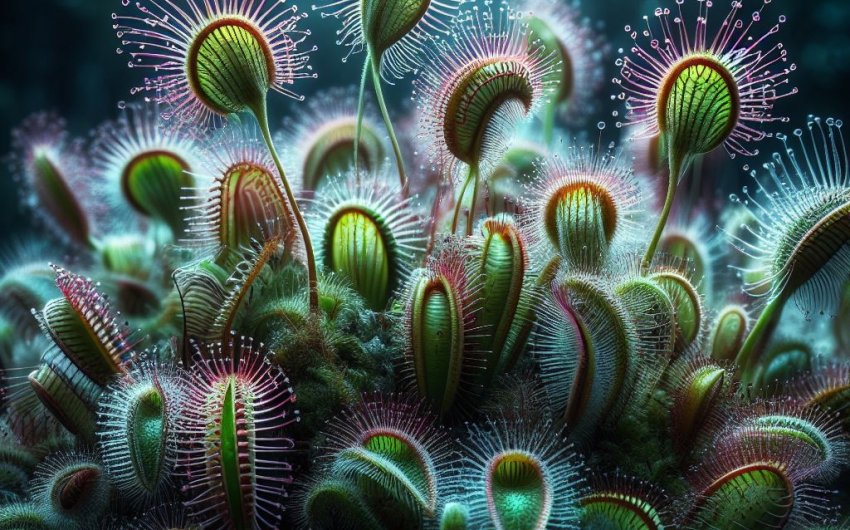
Deep in murky bogs, hidden among wetlands, and sometimes even in plain sight in damp meadows, lives a group of plants unlike any other. These aren't your average green leafy friends that simply soak up sunlight and nutrients from the soil. No, these plants have evolved a truly amazing and somewhat sinister way of getting their food. They are the carnivorous plants, nature's tiny, hungry hunters. Instead of relying solely on the soil for all their sustenance, they’ve turned the tables on the animal kingdom, luring, trapping, and digesting insects, spiders, and sometimes even small vertebrates.
This incredible adaptation didn't come about just for fun. Carnivorous plants thrive in very specific environments where the soil is notoriously poor in essential nutrients, especially nitrogen and phosphorus. These are often boggy, waterlogged areas where decomposition is slow, and the soil simply doesn't offer enough goodness for most plants to grow well. To survive and flourish in such challenging conditions, these botanical marvels developed clever traps to supplement their diet. They literally eat bugs to get the nutrients they can't find in their soggy homes.
Exploring the world of these plant predators is like stepping into a sci-fi movie, but it's all happening right here on Earth. From the iconic snap of a Venus flytrap to the glistening dewdrops of a sundew, each species has its own unique and fascinating method of capturing prey. They use dazzling colors, sweet nectar, and clever mechanisms to attract unwitting victims, showcasing just how inventive nature can be when survival is on the line. Let's peel back the leaves and dive into the wild, wonderful, and slightly weird world of these fascinating botanical carnivores.
What Makes a Plant Carnivorous?
It’s not enough for a plant to just catch a bug. For a plant to truly be called carnivorous, it needs to meet a few special rules. These rules help us tell them apart from sticky plants that just happen to catch an insect by accident.
How Do Carnivorous Plants Attract Prey?
First, a carnivorous plant must actively attract prey. They don't just wait for a bug to fly by chance. They use clever tricks to draw insects in. This could be bright, eye-catching colors that stand out in their natural habitat, making them look like a tasty flower. They might also produce a sweet, sugary liquid called nectar, which insects love. Some even give off specific scents that are irresistible to bugs. These attractants are like a fancy sign, telling bugs, "Come on in, we have snacks!"
How Do Carnivorous Plants Trap Prey?
Second, the plant must have a way to trap prey. Once an insect is lured close, the plant needs a method to hold onto it. This is where the amazing diversity of carnivorous plants really shines. Some have sticky leaves that act like flypaper, while others have tricky pitfall traps that cause insects to fall inside. There are also snap traps that quickly close around an unlucky bug. This trapping mechanism is specially designed to capture specific types of prey, making each plant a specialized hunter.
How Do Carnivorous Plants Digest Prey?
Third, and perhaps most importantly, the plant must be able to digest its prey. This means breaking down the insect's body into simple nutrients the plant can absorb. Most carnivorous plants produce special liquids called digestive enzymes. These enzymes work much like the acids in our own stomachs, dissolving the soft parts of the insect. After the insect is digested, the plant then absorbs the nitrogen, phosphorus, and other minerals it needs. If a plant just traps a bug but doesn't digest it, it's not truly carnivorous. It’s just a sticky plant.
How Do Carnivorous Plants Absorb Nutrients?
Finally, the plant must be able to absorb nutrients from the digested prey. This is the whole point of being carnivorous! The nutrients taken from the insects supplement what the plant can (or can't) get from the poor soil it grows in. Without this absorption step, all the trapping and digesting would be pointless for the plant's survival. This unique feeding method allows them to thrive where other plants would struggle to even survive.
What Are the Different Types of Carnivorous Plant Traps?
The variety of traps among carnivorous plants is truly astonishing. Evolution has crafted several ingenious ways for these plants to catch their meals, each one perfectly suited to its environment and preferred prey.
What is a Pitfall Trap?
The pitfall trap is one of the most common and perhaps the most elegant type of trap. Plants with pitfall traps, like pitcher plants (Sarracenia, Nepenthes, and Cephalotus), have modified leaves that form deep, vase-like or jug-like structures called "pitchers." These pitchers are often brightly colored, sometimes even patterned with veins that look like nectar guides, and have a rim that secretes sweet, sticky nectar. Insects are attracted to the nectar, often crawl over the slippery rim, and then fall down into the liquid at the bottom of the pitcher.
The inside walls of the pitcher are usually very waxy and slippery, or covered with downward-pointing hairs, making escape nearly impossible. Once inside the digestive fluid at the bottom, the insect drowns and is slowly broken down by digestive enzymes. Some larger pitcher plants can even catch small frogs or lizards! For a starter pitcher plant, a Sarracenia Purpurea is often a good choice.
What is a Flypaper Trap?
The flypaper trap is exactly what it sounds like: a sticky surface that traps insects. Plants like sundews (Drosera) and butterworts (Pinguicula) use this method. Sundews are covered with tiny tentacles, each tipped with a glistening droplet of sticky, sweet mucilage (a fancy word for sticky goo). When an insect lands on these "dewdrops," it gets stuck. As it struggles, more tentacles bend inward, further entrapping the prey. The plant then wraps its tentacles around the insect, maximizing contact for digestion. Some sundews look like they are covered in sparkling jewels, making them beautiful but deadly. A great example for beginners is the Drosera Capensis.
Butterworts have flatter, greasy-looking leaves that are covered in microscopic sticky glands. Insects land on the leaf, get stuck, and the leaf edges might slowly curl inward to form a shallow dish, holding the insect and the digestive fluids. Butterworts are especially good at catching gnats and fruit flies.
What is a Snap Trap?
The snap trap is perhaps the most famous and dramatic type of carnivorous plant trap, embodied by the Venus flytrap (Dionaea muscipula). These plants have two hinged leaf lobes that look like a gaping mouth, complete with tooth-like edges (cilia). On the inside of these lobes are tiny trigger hairs, usually three to six of them. When an insect touches two different trigger hairs within about 20 seconds, or the same hair twice in quick succession, the trap snaps shut with astonishing speed, trapping the insect inside.
The "snapping" action is due to a rapid change in water pressure within the leaf cells. Once the prey is caught, the trap seals shut, and digestive enzymes are released to break down the insect. The trap then reopens days later, leaving only the indigestible exoskeleton. A healthy Venus Flytrap Plant can be a fascinating addition to your home.
What is a Bladder Trap?
The bladder trap is a marvel of underwater engineering, found in bladderworts (Utricularia). These plants are aquatic or live in very wet soil. Their traps are tiny, hollow sacs called "bladders," typically only a few millimeters in size. Each bladder has a small opening covered by a hinged door and a few trigger hairs. When a tiny aquatic creature (like a water flea) touches the trigger hairs, the bladder door quickly opens inward, and water (along with the unsuspecting prey) is sucked into the bladder in a fraction of a second due to negative pressure inside.
The door then slams shut, trapping the creature. Digestive enzymes inside the bladder then break down the prey. Bladderworts are often overlooked because their traps are so small, but they are incredibly efficient hunters in their watery world. Some are fully aquatic, while others grow in boggy soil.
What is a Lobster-Pot Trap?
The lobster-pot trap is a less common but equally clever trapping mechanism, found in corkscrew plants (Genlisea). These plants grow in very wet, boggy conditions and specialize in catching tiny protozoa and other microscopic organisms in the soil. They have underground modified leaves that form a Y-shaped tube with a long, spiraled "corkscrew" section.
Tiny hairs inside the tube point inwards, allowing microscopic prey to enter but preventing them from turning around and escaping. The prey is funneled deeper into the trap, eventually reaching a digestive chamber. It's like a one-way street for microscopic organisms, leading them straight to their doom. These plants are often grown in terrariums due to their specific needs.
Where Do Carnivorous Plants Live in the Wild?
Carnivorous plants are found all over the world, from tropical rainforests to chilly bogs, but they all share a common preference: nutrient-poor soil and plenty of moisture.
What are Bogs and Fens?
Many carnivorous plants call bogs and fens home. These are types of wetlands. Bogs are usually acidic, waterlogged areas fed by rainwater, which is low in nutrients. The decaying plant matter in bogs forms peat, making the soil very low in nitrogen and phosphorus. This is why you'll find a lot of pitcher plants, sundews, and Venus flytraps thriving here. The constant moisture and lack of competition from other plants (which can't handle the poor soil) make it a perfect niche for these hungry hunters.
Fens are similar but are fed by groundwater, which can be less acidic and have a slightly higher mineral content. Still, they are wet and nutrient-poor enough for many carnivorous species to flourish. The unique conditions of these wetlands are what drove the evolution of carnivory in these plants.
What are Tropical Rainforests?
While many famous carnivorous plants are found in temperate bogs, a significant number, especially the tropical pitcher plants (Nepenthes), thrive in tropical rainforests. These environments are known for high humidity, consistent warmth, and heavy rainfall. However, despite the lush appearance, the soil in many rainforest areas can actually be quite nutrient-poor, as most nutrients are locked up in the living plants themselves and quickly recycled.
Nepenthes often grow as vines, climbing up trees and producing their pitchers in mid-air or hanging from branches. The humid, warm conditions are ideal for these plants, and the abundance of insects in the rainforest provides a constant food supply. A well-known beginner friendly Nepenthes is the Nepenthes Ventrata.
What are Temperate and Subtropical Regions?
Beyond bogs and rainforests, carnivorous plants can also be found in various temperate and subtropical regions around the globe. For example, some species of sundews and butterworts can be found in moist meadows, along stream banks, or in sandy, damp areas. The key is always that the soil in these locations is lacking in some essential nutrient, forcing the plants to seek alternative food sources. The widespread distribution of these plants across different climates shows just how adaptable and successful their carnivorous strategy has become.
How Do Carnivorous Plants Survive Their Harsh Environments?
Surviving in their unique, often nutrient-poor, and waterlogged habitats requires more than just catching bugs. Carnivorous plants have developed several special adaptations to thrive where other plants would fail.
How Do They Adapt to Nutrient-Poor Soil?
The most obvious adaptation is their carnivory itself. By digesting insects, they get the nitrogen, phosphorus, and other minerals that are scarce in their native soils. Without this extra "food," they simply wouldn't be able to grow or reproduce. This makes them less reliant on the soil for essential building blocks of life. It's a prime example of evolution filling a very specific niche.
How Do They Deal with Boggy, Waterlogged Conditions?
Most carnivorous plants grow in boggy, waterlogged conditions. This means their roots are often constantly submerged in water, which can be deadly for most plants because it cuts off oxygen supply to the roots. Carnivorous plants have adapted to this in various ways:
- Many have shallow root systems that don't need a lot of oxygen.
- Some, like many pitcher plants, have roots primarily for anchoring themselves and absorbing water, not for heavy nutrient uptake.
- Bladderworts even float freely or grow almost entirely submerged, with their tiny traps actively hunting in the water column. These adaptations allow them to thrive where traditional roots would rot.
How Do They Adapt to Acidic Soil?
Many bog habitats are very acidic. Most plants struggle in acidic conditions because it affects how they can take up nutrients. However, carnivorous plants are often well-adapted to these low pH levels. Their physiology is simply built to function in such environments. In fact, for many species, trying to grow them in neutral or alkaline soil (high pH) can cause them to suffer or even die, as it makes essential trace elements unavailable to them. This is why using specialized soil, like Carnivorous Plant Soil Mix, is critical when growing them at home.
How Do They Deal with Sunlight and Water Quality?
Despite their boggy homes, most carnivorous plants need lots of bright sunlight to perform photosynthesis and produce energy. They typically grow in open areas, not under dense tree canopies. Their leaves are often adapted to handle intense sun. Also, they are very sensitive to the minerals in water. Tap water, which often contains chlorine and dissolved salts, can harm them. They require very pure water, like rainwater or distilled water, because their natural habitats have extremely pure water with very low mineral content. Using a water distiller can ensure you provide the right kind of hydration.
What Are Some Famous Carnivorous Plants?
While there are hundreds of species of carnivorous plants, a few stand out as particularly famous or iconic.
What is the Venus Flytrap (Dionaea muscipula)?
The Venus Flytrap (Dionaea muscipula) is undeniably the rock star of the carnivorous plant world. Native only to a small region of North and South Carolina in the United States, its snap trap is instantly recognizable. The speed and precision of its trap closing are mesmerizing, making it a favorite for both science enthusiasts and curious gardeners. Each trap can only snap a few times before it dies off and is replaced by a new one, so it’s important not to trigger them unnecessarily if you're growing one. They thrive in boggy, sunny conditions.
What are Pitcher Plants (Sarracenia, Nepenthes, Cephalotus)?
Pitcher plants are a diverse group with their elegant pitfall traps. Sarracenia, or North American pitcher plants, are hardy and beautiful, with upright, trumpet-shaped pitchers often showing vibrant reds, purples, and greens. They are common in the southeastern United States and need full sun and boggy conditions. The Sarracenia Red Hybrid is a striking example.
Nepenthes, or tropical pitcher plants, are found across Southeast Asia, particularly Borneo and Sumatra. They produce hanging pitchers that can range from tiny to surprisingly large, capable of catching larger insects or even small vertebrates. Many are epiphytic (growing on other plants) or climbing vines. They require high humidity and warmth, making them popular for terrariums or humid indoor environments.
Cephalotus follicularis, often called the Western Australian Pitcher Plant or Albany Pitcher Plant, is a smaller, charming pitcher plant with squat, helmet-shaped pitchers. It's unique to a small area of Australia and requires specific care due to its temperature and humidity needs.
What are Sundews (Drosera)?
Sundews (Drosera) are incredibly diverse, with over 200 species found on almost every continent. They range from tiny, dewdrop-covered rosettes to larger, upright forms. Their glistening, sticky tentacles are both beautiful and deadly, making them highly effective flypaper traps. Some species, like the Cape Sundew (Drosera capensis), are very easy to grow, making them great for beginners. Their wide variety of shapes, sizes, and colors, from red to green, makes them popular collectibles.
What are Butterworts (Pinguicula)?
Butterworts (Pinguicula) are often overlooked but are fascinating in their own right. Found in North and South America, Europe, and Asia, they have flat, often bright green or reddish leaves that feel greasy to the touch due to their sticky glands. They specialize in catching smaller insects like gnats and fruit flies. Many butterworts also produce lovely, delicate flowers, adding to their appeal. Some are hardy and can even survive cold winters, while others are tropical and prefer warm, humid conditions.
What are Bladderworts (Utricularia)?
Bladderworts (Utricularia) are the largest genus of carnivorous plants, with over 200 species found worldwide. They are highly specialized, using their tiny, complex bladder traps to suck in microscopic prey. Many are aquatic, floating freely in ponds and bogs, while others grow in very wet soil. While their traps are usually too small to see with the naked eye, their delicate flowers, which often appear on stalks above the water or soil, can be quite beautiful. They are a testament to the diverse ways plants have evolved to capture prey.
How to Care for Carnivorous Plants at Home?
Bringing a piece of the wild into your home with a carnivorous plant can be a rewarding experience. However, these plants have specific needs that differ greatly from your average houseplant. Ignoring these needs will almost certainly lead to a sad, dying plant.
What Kind of Water Do They Need?
This is perhaps the most crucial rule: carnivorous plants need pure water. Tap water, even if it tastes good to us, contains minerals, salts, and often chlorine that will build up in their sensitive root systems and kill them. You must use rainwater, distilled water, or reverse osmosis (RO) water. Never use tap water. Collecting rainwater can be a great free source, or you can purchase distilled water from grocery stores.
What Kind of Soil Do They Need?
Another critical factor is the soil. Remember, these plants live in nutrient-poor conditions. Regular potting soil is far too rich for them and will quickly lead to their demise. Most carnivorous plants thrive in a mix of sphagnum moss and perlite or horticultural sand. This mix provides the necessary acidity, good drainage, and crucially, very few nutrients. Never use soil with added fertilizers. A good starting point is a blend of Long Fiber Sphagnum Moss and perlite.
How Much Sunlight Do They Need?
Most carnivorous plants need lots of bright sunlight. Think full sun for species like Venus flytraps and North American pitcher plants – at least 6-8 hours of direct sun per day. Tropical pitcher plants (Nepenthes) can tolerate slightly less direct light but still need very bright conditions. If you're growing them indoors, a south-facing window is ideal, or you might need to supplement with a grow light to ensure they get enough light to stay healthy and develop those vibrant colors and active traps.
How Do They Need to Be Watered?
Many carnivorous plants are bog plants and love constant moisture. For species like Venus flytraps, sundews, and Sarracenia pitcher plants, the tray method of watering is often best. This involves placing the pot in a saucer or tray that always has an inch or two of pure water in it. This keeps the soil constantly moist, mimicking their boggy natural habitat. Tropical pitcher plants (Nepenthes) prefer consistently moist, but not waterlogged, soil and high humidity. Always ensure good air circulation to prevent fungal issues.
Do They Need to Be Fed?
If your carnivorous plant is outdoors or catching its own bugs, you generally don't need to feed it extra insects. They are perfectly capable of attracting their own meals. If grown indoors where bugs are scarce, you can occasionally offer them small insects like fruit flies or rehydrated bloodworms. Only feed traps that are actively growing. Do not feed them human food or meat, as it will rot and damage the trap. For Venus flytraps, only feed them living insects small enough to fit completely inside the trap. Remember, the "food" is for nutrients, not for energy, as they still make their energy from sunlight through photosynthesis.
What About Humidity and Dormancy?
Humidity is important for many carnivorous plants, especially tropical species like Nepenthes. A humidifier or a terrarium can help maintain high humidity levels indoors. Some plants, like Venus flytraps and Sarracenia pitcher plants, require a winter dormancy period. This means they need a period of cold temperatures (around 35-50°F or 2-10°C) for a few months. During dormancy, their growth slows down, and some leaves may die back. This is natural and essential for their long-term health and survival. Without dormancy, these plants will eventually weaken and die. Understanding their specific dormancy needs is crucial for success.