
Discover the Elegance of the Pitcher Plant: Nature's Intriguing Predator!
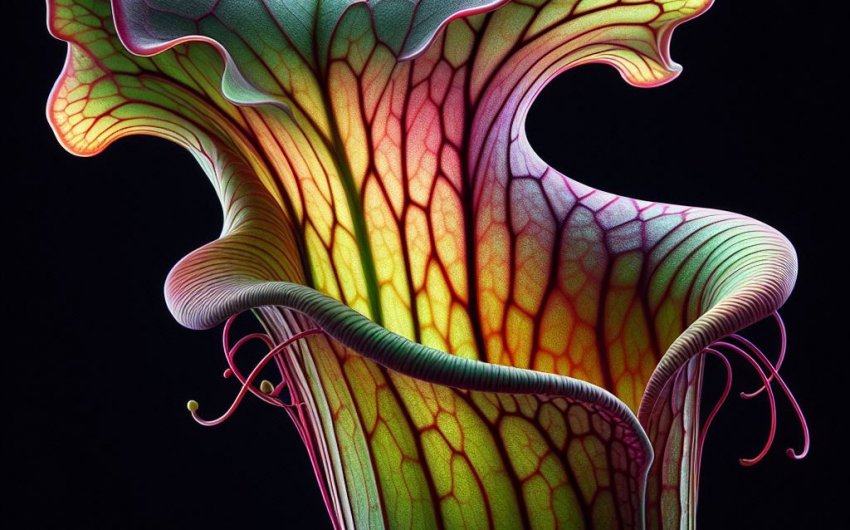
The plant kingdom is full of wonders, but few are as captivating as the pitcher plant. These aren't your typical garden flowers; they are silent hunters, luring unsuspecting insects into their leafy traps. With their unique shapes and often vibrant colors, pitcher plants add a touch of exotic mystery to any collection. They represent a remarkable example of nature's ingenuity, evolving specialized ways to survive in tough environments.
Their elegant appearance belies a predatory nature. Each "pitcher" is a modified leaf, perfectly designed to attract, capture, and digest insects. It's a fascinating blend of beauty and biological efficiency. Understanding these amazing plants offers a deeper appreciation for the diverse strategies life employs on Earth. Let's explore the world of the pitcher plant, from its alluring traps to its surprisingly sophisticated hunting techniques.
What Makes a Pitcher Plant So Unique?
Pitcher plants are carnivorous, meaning they get some of their nutrients by trapping and consuming insects. This unusual feeding habit is what sets them apart from most other plants. They do this because they often grow in places where the soil is very poor in nutrients, especially nitrogen.
How Does a Pitcher Plant Trap Insects?
The "pitcher" is actually a modified leaf. It forms a deep, hollow container, much like a pitcher or jug. This amazing structure is designed to attract, trap, and digest insects.
Here's how the trap works:
- Attraction: The rim of the pitcher, called the peristome, is often brightly colored and produces a sweet nectar. This acts as a powerful lure for insects, especially flies and ants. Some species also produce special scents to draw in their prey. The inside of the pitcher's lid, called the operculum, can also be colorful and have nectar glands.
- Slippery Surface: Just below the nectar-rich rim, the peristome becomes incredibly slippery. This is often due to a waxy coating or microscopic downward-pointing hairs. Once an insect lands here, it loses its footing.
- Downward-Pointing Hairs: The inside walls of the pitcher are lined with downward-pointing hairs. These hairs make it impossible for the insect to climb back out once it slips inside. It's like a one-way slide.
- Digestive Fluid: At the bottom of the pitcher is a pool of digestive fluid. This fluid contains enzymes, much like the digestive juices in an animal's stomach. Once an insect falls into this fluid, it drowns and is slowly broken down. The plant then absorbs the nutrients from the digested insect.
It's a clever and highly effective system! Different species of pitcher plants have slightly different designs, but they all share this basic trapping mechanism.
Are All Pitcher Plants the Same?
No, not at all! There are two main groups of pitcher plants, and they come from different parts of the world, looking quite different from each other.
- Tropical Pitcher Plants (Nepenthes): These are often called monkey cups because monkeys have been seen drinking water from their pitchers in the wild. Nepenthes are mostly found in Southeast Asia, especially on islands like Borneo and Sumatra. They are typically vining plants, growing long stems that climb up trees. Their pitchers hang down, sometimes quite large, making them very dramatic plants. The pitchers often have a distinct "lid" that covers the opening, protecting the digestive fluid from rain. You can find various types of Nepenthes plants for sale.
- North American Pitcher Plants (Sarracenia): These are also known as trumpet pitchers because their pitchers often stand upright like trumpets. They are native to bogs and wetlands in North America, primarily in the southeastern United States and Canada. Sarracenia pitchers are typically vertical tubes with a hood that helps prevent too much rain from entering and diluting the digestive fluid. They often have very showy, brightly colored hoods and veining. You can find Sarracenia plants from specialized growers.
While both types trap insects in a similar way, their growth habits, appearance, and specific care needs are quite different due to their distinct natural habitats.
Why Do Pitcher Plants Eat Insects?
Pitcher plants don't eat insects for energy (they still get energy from sunlight through photosynthesis, just like other plants). Instead, they eat insects to get nutrients that are missing from their natural environment.
These plants typically grow in bogs, fens, and other wetlands. The soil in these places is usually waterlogged, acidic, and very low in essential nutrients like nitrogen and phosphorus. These are vital elements for plant growth. By digesting insects, pitcher plants get a natural "fertilizer" that makes up for what their poor soil lacks. It's a survival strategy that has allowed them to thrive where other plants struggle.
What Are the Different Types of Pitcher Plants?
The diversity within the pitcher plant family is truly astonishing. Each genus, Nepenthes and Sarracenia, has many species and hybrids, each with its own unique charm and hunting style.
Exploring Tropical Pitcher Plants (Nepenthes)
Nepenthes are known for their incredible variety in pitcher size, shape, and color. They range from tiny pitchers only an inch long to massive ones that can hold a liter of fluid and even catch small vertebrates like frogs or rodents (though this is rare).
- Lowland Nepenthes: These species come from warmer, more humid, lower elevation areas. They prefer consistent high temperatures and very high humidity. Examples include Nepenthes alata (a very common and relatively easy-to-grow species, often a good choice for beginners), Nepenthes mirabilis, and Nepenthes rafflesiana. Their pitchers often have a flared opening.
- Highland Nepenthes: These species come from cooler, cloudier, higher elevation mountains. They prefer warm days but cool nights and very high humidity. Examples include Nepenthes rajah (famous for its huge pitchers and often considered the largest carnivorous plant trap), Nepenthes attenboroughii, and Nepenthes lowii. Highland species are generally more challenging to grow for hobbyists due to their specific temperature and humidity requirements.
- Pitcher Forms: Nepenthes often produce two types of pitchers:
- Lower Pitchers: These grow close to the ground, are often rounder or more squat, and are designed to catch ground-crawling insects like ants or cockroaches.
- Upper Pitchers: These develop as the plant matures and begins to vine. They are typically narrower, more elongated, and often lighter in color. They are designed to catch flying insects.
Many hybrids, both natural and man-made, exist, leading to an even greater array of pitcher forms and colors. Some popular easy-to-grow hybrids include Nepenthes 'Ventrata' (a cross between N. ventricosa and N. alata), known for its robust growth and attractive pitchers. You can often find Nepenthes 'Ventrata' plant from online nurseries.
Exploring North American Pitcher Plants (Sarracenia)
Sarracenia are equally diverse, with pitchers varying in height, color, and hood shape. They are often strikingly beautiful, with intense red, purple, and green patterns.
- Trumpet Pitchers: Many species have tall, upright, trumpet-shaped pitchers.
- Sarracenia flava (Yellow Pitcher Plant): Known for its tall, often pure yellow or yellow-green pitchers with a wide opening.
- Sarracenia purpurea (Purple Pitcher Plant): Unique because its pitchers are often wider and more squat, and the opening points upwards, collecting rainwater. It relies on bacteria and other organisms in the water to help digest its prey. This species is often more cold-hardy.
- Sarracenia leucophylla (White-Topped Pitcher Plant): Famous for its stunning white upper pitcher portions with dramatic green or red venation, making it highly attractive to insects.
- Cobra Lily (Darlingtonia californica): While not a Sarracenia, this plant is a North American pitcher plant often grouped with them due to similar care. It has a unique, hooded pitcher that resembles a cobra's head, with a "fishtail" appendage. It has false "windows" (fenestrations) that confuse insects inside, making escape difficult. A cobra lily plant is a truly exotic specimen.
- Parrot Pitcher Plant (Sarracenia psittacina): This small species has prostrate, ground-hugging pitchers shaped like a parrot's beak. It typically traps crawling insects and uses a lobster-pot-style entrance, where insects can enter but not easily exit due to internal hairs and windows.
Many beautiful Sarracenia hybrids exist, combining the best features of different species, often resulting in robust and colorful plants.
How Do I Care for a Pitcher Plant?
Caring for pitcher plants can seem daunting, but once you understand their basic needs, they can thrive. The most important thing is to remember their natural habitat: nutrient-poor, wet, and often sunny.
What Kind of Water Does My Pitcher Plant Need?
This is perhaps the most critical care factor. Pitcher plants cannot tolerate minerals found in tap water. The dissolved salts and minerals will build up in their sensitive roots and eventually kill the plant.
You must use:
- Rainwater: Collected from a clean source (not from a tar or chemical-laden roof). A rainwater collection barrel can be very useful.
- Distilled Water: Available at most grocery stores.
- Reverse Osmosis (RO) Water: Produced by an RO filter system. A reverse osmosis water filter provides a constant supply.
Never use tap water, bottled spring water, or softened water. Always use pure water for watering and misting.
What Kind of Soil (Substrate) Do Pitcher Plants Need?
Pitcher plants do not grow in regular potting soil. They need a special nutrient-poor, acidic, well-draining mix that mimics their boggy homes.
- Sphagnum Moss: This is the most common and often best choice. Long-fiber sphagnum moss holds moisture well and is very acidic. You can find long-fiber sphagnum moss online or at garden centers.
- Perlite: Added to sphagnum moss for drainage and aeration. It's an inert, lightweight volcanic glass. Make sure it doesn't have added fertilizers. A bag of perlite is essential for carnivorous plant mixes.
- Peat Moss (Unfertilized): Can be used, but ensure it's pure peat moss with no added fertilizers or wetting agents. It's more finely textured than sphagnum.
- Silica Sand: Sometimes used in small amounts with peat/sphagnum for better drainage. Make sure it's silica sand, not play sand or builder's sand, which can contain minerals.
A common mix for Nepenthes is pure long-fiber sphagnum moss or a mix of sphagnum and perlite. For Sarracenia, a mix of peat moss and perlite/silica sand (around 1:1 or 2:1 ratio) is often used.
How Much Light Do Pitcher Plants Need?
Light requirements vary slightly between species but generally, bright light is essential.
- Sarracenia: Most Sarracenia species need full sun outdoors, meaning at least 6-8 hours of direct sunlight. They love bright conditions. If grown indoors, they will need very powerful grow lights.
- Nepenthes: They prefer bright, indirect light. Many highland Nepenthes can tolerate some filtered direct morning sun, but intense afternoon sun can scorch their leaves. Lowland Nepenthes generally prefer brighter, warmer conditions. A bright window (east or north-facing) is often good, or they can do well under artificial grow lights. A good LED grow light with adjustable settings works well.
If your pitcher plant isn't getting enough light, its pitchers will be smaller, less colorful, or it might stop producing pitchers altogether. The plant might also look leggy.
What About Humidity and Temperature for Pitcher Plants?
Humidity is very important, especially for Nepenthes.
- Nepenthes: These tropical plants thrive in high humidity, ideally 60% or higher. Dry air can prevent pitchers from forming or cause existing pitchers to dry out. You can increase humidity with a pebble tray (a tray with pebbles and water, ensuring the pot doesn't sit in the water) or a room humidifier. Misting can provide a temporary boost but isn't a long-term solution.
- Sarracenia: While they appreciate humidity, it's less critical for them than for Nepenthes if they are grown outdoors in a natural bog environment.
Temperature needs also differ by type:
- Nepenthes (Lowland): Prefer consistent warm temperatures, typically 75-90°F (24-32°C) during the day and not dropping too much at night.
- Nepenthes (Highland): Prefer warm days (70-80°F / 21-27°C) and distinctly cooler nights (50-60°F / 10-16°C). This night drop is crucial for pitcher formation.
- Sarracenia: Being temperate plants, they can tolerate a wide range of temperatures. They need a cold winter dormancy period below 45°F (7°C) for several months to thrive long-term.
Do I Need to Fertilize My Pitcher Plant?
No, never use traditional plant fertilizers on pitcher plants. Their roots are not designed to absorb nutrients from the soil, and conventional fertilizers will quickly burn and kill them.
Their "food" comes from insects. If your plant is outdoors, it will likely catch enough insects on its own. If grown indoors, you can feed it live or dead insects (like crickets or mealworms) occasionally. Drop one or two into a pitcher every few weeks. Do not overfeed, as this can lead to pitcher rot. A bag of dried mealworms can be a convenient feeding source.
What Are Common Problems and How Do I Fix Them?
Even with careful attention, pitcher plants can sometimes encounter issues. Knowing what to look for can help you quickly address problems.
Why Are My Pitchers Turning Brown or Not Forming?
Brown or drying pitchers are a common concern.
- Natural Aging: Old pitchers will naturally turn brown and die back. This is normal, especially for lower pitchers on Nepenthes or older pitchers on Sarracenia. Simply trim them off when they are completely dead.
- Low Humidity (Nepenthes): This is a very common cause for Nepenthes. If the air is too dry, pitchers will brown from the rim downwards and fail to fully develop. Increase humidity with a humidifier or pebble tray.
- Water Quality: Using tap water with minerals will cause brown tips or entire pitchers to brown. Switch to pure water immediately.
- Lack of Light: If the plant isn't getting enough light, it might stop producing pitchers or they will be small and green. Move it to a brighter spot (indirect for Nepenthes, full sun for Sarracenia).
- Drying Out: If the soil goes completely dry, the plant will stress, and pitchers will brown. Keep the soil consistently moist.
Not forming pitchers at all often points to:
- Insufficient Light: The plant lacks the energy to produce complex traps.
- Low Humidity (Nepenthes): Crucial for pitcher development.
- Lack of Food: If the plant isn't catching insects, it might not put energy into developing new pitchers.
Why Are My Leaves Turning Yellow or Brown?
- Yellowing Leaves (General): Can indicate an issue with water quality (mineral buildup from tap water), lack of light, or over-fertilization (which you should never do, but if you accidentally did, it's a cause).
- Crispy Brown Edges/Spots: Usually a sign of too much direct sun (for Nepenthes), low humidity, or drying out.
- Soft, Mushy Brown/Black: Often a sign of root rot from overwatering or poorly draining soil, especially if the soil stays waterlogged with regular potting mix.
How Do I Deal with Pests and Diseases on Pitcher Plants?
Pitcher plants are generally resistant to many pests, but they can still get them.
- Aphids and Mealybugs: These are common houseplant pests that can sometimes affect pitcher plants. You'll see them as small, soft-bodied insects (aphids) or fuzzy white spots (mealybugs) on stems and under leaves.
- Treatment: For light infestations, use a cotton swab dipped in rubbing alcohol to dab the pests directly. For heavier infestations, spray the plant with organic insecticidal soap. Make sure it's an organic one with no harsh chemicals. A good organic insecticidal soap is safe for carnivorous plants.
- Never use systemic pesticides or oil-based horticultural oils on pitcher plants, as they can harm the plant.
- Spider Mites: Tiny, almost invisible pests that cause stippling on leaves and fine webbing. They thrive in dry conditions.
- Treatment: Increase humidity, and regularly mist the plant (with pure water). For stubborn cases, use organic insecticidal soap.
- Fungal Issues: Can occur if humidity is too high with poor air circulation, especially for Nepenthes.
- Prevention: Ensure good airflow around your plants. Don't let water sit on leaves for too long. If you see fungal spots, remove affected leaves and improve air circulation.
Always isolate new plants for a few weeks before introducing them to your existing collection to prevent the spread of pests.
What Special Considerations Are There for Growing Pitcher Plants?
Beyond basic care, there are a few unique aspects to consider when growing these fascinating predators.
Do I Need to Fertilize My Pitcher Plant?
This is worth repeating: Do NOT use traditional soil fertilizers. Their root systems are very sensitive and will be severely damaged by the salts and chemicals found in common plant foods.
Their primary source of nutrients is insects. If your plant is outdoors, it will likely catch enough on its own. If indoors, you can manually feed it.
- Feeding: Drop a few small, live or dried insects (like crickets or mealworms) into one or two pitchers about once a month during the growing season. Only feed a few pitchers at a time, not all of them, as digesting insects takes energy from the plant.
- Avoid Overfeeding: Too many insects can cause the pitcher to rot. If a pitcher turns black and mushy after feeding, you've likely overfed it.
Do Pitcher Plants Need a Dormancy Period?
This depends entirely on the type of pitcher plant.
- Sarracenia (North American Pitcher Plants): Yes, absolutely! These plants are temperate, meaning they experience distinct seasons in their natural habitat. They require a winter dormancy period of about 3-4 months. During dormancy, temperatures should drop below 45°F (7°C), and the plant will naturally slow down growth, and some leaves/pitchers may die back. If they don't get this cold period, they will weaken and eventually die over a few years.
- How to induce dormancy: If growing outdoors in a suitable climate, nature handles it. If indoors, you can place them in an unheated garage, shed, or even the crisper drawer of your refrigerator (in a sealed bag with damp sphagnum moss) after trimming off dead pitchers.
- Nepenthes (Tropical Pitcher Plants): Generally, no. Most Nepenthes are tropical and do not have a true dormancy period. They prefer consistent warmth and humidity year-round. Some highland species might experience a slight slowdown in growth during cooler, drier periods in their natural habitat, but it's not a strict dormancy.
Understanding dormancy is crucial for Sarracenia health and longevity.
How Do I Repot My Pitcher Plant?
Pitcher plants don't like to be repotted too often. Repot only when they outgrow their pot or the soil mix starts to break down (usually every 2-3 years).
- Timing: Repot Sarracenia in late winter/early spring, just before they emerge from dormancy. Repot Nepenthes during their active growing season.
- Materials: Always use a clean pot (plastic pots are often preferred as they retain moisture well and don't leach minerals like terracotta) and fresh, pure carnivorous plant soil mix (sphagnum moss, perlite, or peat/sand).
- Gentle Handling: Carefully remove the plant from its old pot. Gently loosen the old soil from the roots. Place the plant in the new pot, fill with fresh soil, and gently firm it around the roots.
- Watering: Water thoroughly with pure water after repotting.
Repotting can be a bit stressful for the plant, so provide ideal conditions afterwards (good humidity, stable temperatures) to help it recover.
Discovering the elegance of the pitcher plant is a rewarding experience. These intriguing predators, with their unique beauty and hunting adaptations, offer a captivating glimpse into the fascinating world of carnivorous flora. With the right care and understanding, you can enjoy these living wonders in your own home or garden.