
Bonsai Beauty: Cultivating Wisteria for Petite Perfection!
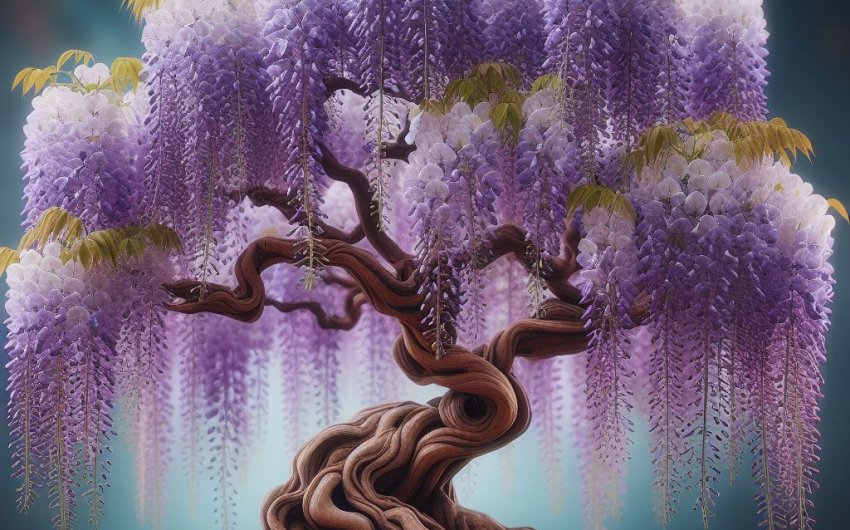
Wisteria is renowned for its spectacular cascades of fragrant, purple or white flowers, draping elegantly from pergolas and arbors in a breathtaking spring display. Its powerful, woody vines climb aggressively, transforming ordinary structures into ethereal, blooming canopies. But what if you desire this majestic beauty without the sprawling scale of a full-sized vine? What if you could capture the essence of a mature Wisteria in a miniature form, a living sculpture of artistry and patience?
This is where the magic of Bonsai Beauty comes into play, specifically in cultivating Wisteria for petite perfection. Transforming a vigorous Wisteria vine into a graceful bonsai is a rewarding journey, offering the same exquisite blooms and elegant branching patterns in a compact, controlled scale. It's a testament to the ancient art of bonsai, showcasing how meticulous care and strategic pruning can bring the grandeur of nature into miniature form.
This ultimate guide will unravel the intricacies of Wisteria bonsai. We'll delve into the unique challenges and triumphs of training this vigorous vine, explore essential cultivation techniques (from selection and potting to precise pruning and wiring), and provide pro tips for coaxing its famous floral display in miniature. Get ready to embark on a journey of horticultural artistry, turning a sprawling giant into a delicate, blooming masterpiece that embodies true Bonsai Beauty.
Wisteria, with its vigorous growth and stunning floral display, presents both a challenge and a unique opportunity for bonsai enthusiasts. Its natural tendency to produce gnarled, woody trunks and long, pendulous flower clusters makes it a prime candidate for shaping into a living work of art. While it requires patience and consistent attention, the reward of seeing those iconic blooms emerge on a miniature tree is truly unparalleled, making it a highly coveted subject for cultivating petite perfection.
Why Wisteria for Bonsai? The Unique Appeal of a Blooming Miniature
While many tree species are suited for bonsai, Wisteria offers a unique set of characteristics that make it particularly appealing for this ancient art form. The aggressive growth of this powerful vine, combined with its iconic floral display, creates a captivating subject for cultivating petite perfection.
1. Spectacular Blooms in Miniature
- Iconic Cascades: The primary draw of Wisteria is its breathtaking display of long, pendulous flower clusters (racemes). These can range from 6 inches to over 2 feet long on full-sized vines.
- Scaled-Down Glory: On a Wisteria bonsai, these racemes appear in scaled-down form, still retaining their elegance and fragrance. Seeing a miniature tree adorned with these exquisite blooms is truly magical and unexpected.
- Color and Fragrance: Wisteria flowers typically come in shades of purple, blue, pink, and white, and many varieties are intensely fragrant, adding a sensory dimension to your bonsai collection.
2. Rapid Development of Woody Trunks and Branches
- Vigorous Growth: Wisteria is known for its incredibly vigorous and fast growth. While this can be a challenge for maintenance, it's a huge advantage for bonsai.
- Quickly Achieves Age: Its rapid lignification (the process of turning soft stem tissue into hard wood) means that Wisteria can develop a thick, gnarled, and aged-looking trunk relatively quickly compared to many other bonsai species. This helps achieve that desired "ancient tree" aesthetic sooner.
- Branch Development: While the main trunk thickens, strategic pruning encourages the development of interesting and complex branch structures.
3. Natural Grace and Movement
- Vining Habit: Wisteria's natural vining habit lends itself well to dynamic, flowing bonsai styles. Its branches often have a graceful, sweeping movement.
- Aerial Roots: Some Wisteria species (particularly W. sinensis) can produce aerial roots, which can be incorporated into certain bonsai styles for added visual interest and age.
4. Distinctive Seasonal Interest
- Spring Blooms: The undeniable highlight, providing a burst of color and fragrance in spring.
- Summer Foliage: Lush, pinnate leaves provide a dense canopy throughout summer.
- Autumn Color: Foliage often turns a beautiful yellow in the fall before dropping.
- Winter Structure: The gnarled, woody trunk and intricate branch structure are exposed, showcasing the artistry of the bonsai form even when dormant.
5. Resilience and Forgiveness (Once Established)
- Hardy: Many Wisteria species are quite hardy, tolerating a range of temperatures (USDA Zones 5-9 depending on species). This means they can be grown outdoors in many climates.
- Tolerates Pruning: Wisteria is a remarkably resilient plant that responds well to aggressive pruning, which is fundamental to bonsai shaping. It bounces back vigorously.
Challenges to Consider:
- Vigor Management: Its rapid growth means frequent pruning is essential to keep it in scale.
- Flowering Challenge: Coaxing flowers in miniature requires precise timing and specific pruning techniques (floral induction).
- Patience: While trunks develop quickly, achieving truly refined branch structures and consistent flowering takes years of dedication.
Despite the challenges, the unique combination of stunning, fragrant blooms, rapid trunk development, natural elegance, and seasonal interest makes Wisteria bonsai a highly rewarding and captivating subject for anyone looking to cultivate petite perfection and showcase true Bonsai Beauty.
Choosing the Right Wisteria for Bonsai: Species Selection
The success of your Wisteria bonsai journey begins with selecting the right species. While all Wisteria are vigorous climbers, some are better suited for cultivating petite perfection due to their growth habits, flowering characteristics, and overall manageability in a bonsai form.
1. Key Characteristics to Look For in Bonsai Wisteria:
- Flower Size and Quantity: While all Wisteria have beautiful flowers, some varieties produce more abundant or slightly smaller, more proportionally suited racemes for a miniature tree.
- Internode Length: Shorter internodes (the distance between leaf nodes on the stem) lead to more compact branching and smaller foliage, which is ideal for bonsai.
- Ramification: The plant's natural tendency to branch and re-branch.
- Hardiness: Important if you plan to grow your bonsai outdoors year-round.
- Vigor (Manageability): While Wisteria is generally vigorous, some species are less aggressive than others, making them slightly easier to manage in a bonsai container.
2. Top Wisteria Species for Bonsai:
a. Wisteria floribunda (Japanese Wisteria)
- Description: This species typically grows very long racemes (1-3 feet or 30-90 cm), with a wonderful fragrance. Vines typically twine clockwise.
- Pros for Bonsai:
- Spectacular Blooms: The extremely long flower clusters are highly prized for their dramatic visual impact on a bonsai.
- Good Ramification: Responds well to pruning for fine branching.
- Often Fragrant: Adds a sensory dimension.
- Cons for Bonsai:
- Extremely Vigorous: This is a very fast and strong grower, requiring constant vigilance and frequent pruning to keep it in scale.
- Longer Internodes: Can be harder to achieve compact foliage.
- Cultivars to Consider: Many beautiful cultivars exist, including those with white, pink, or purple flowers. Look for named varieties at Wisteria nurseries.
- Hardiness: USDA Zones 5-9.
b. Wisteria sinensis (Chinese Wisteria)
- Description: Produces slightly shorter (6-12 inches or 15-30 cm) and often denser flower clusters than Japanese Wisteria, but is equally beautiful and fragrant. Vines typically twine counter-clockwise.
- Pros for Bonsai:
- Denser Blooms: The slightly shorter, denser racemes can look very proportionate on a bonsai.
- Rapid Trunk Thickening: Known for quickly developing thick, gnarled trunks.
- Aerial Roots: Can produce aerial roots that add to an aged aesthetic.
- Cons for Bonsai:
- Also Very Vigorous: Still requires intensive pruning.
- Invasive Potential: This species is known to be invasive in some regions (check local regulations!).
- Hardiness: USDA Zones 5-8.
c. Wisteria frutescens (American Wisteria)
- Description: A native species to North America. Produces shorter racemes (4-8 inches or 10-20 cm) than Asian species, often with a more subtle fragrance. Vines typically twine counter-clockwise.
- Pros for Bonsai:
- Less Vigorous: This is its main advantage for bonsai! It's still vigorous, but significantly less aggressive than its Asian counterparts, making it easier to manage in a container.
- Good for Shorter Racemes: The shorter racemes can look very proportional on smaller bonsai.
- No Invasive Potential: Not considered invasive.
- Hardiness: USDA Zones 5-9.
- Cons for Bonsai:
- Slightly less showy blooms than Japanese or Chinese Wisteria.
3. Sources for Wisteria for Bonsai:
- Local Nurseries: Look for young Wisteria plants, either bare-root or potted.
- Bonsai Nurseries: Some specialized bonsai nurseries will sell pre-trained Wisteria stock or even mature Wisteria bonsai.
- Cuttings: Wisteria can be propagated from cuttings, though rooting can be challenging.
- Collecting (Yamadori): If you have access to wild Wisteria (where permitted and sustainable), collecting a mature plant can provide instant aged trunk material, but requires advanced techniques and caution.
By choosing the right Wisteria species based on its growth habit, bloom characteristics, and manageability, you'll set a strong foundation for a successful and rewarding bonsai beauty journey, cultivating petite perfection. You can find Wisteria seeds to start from scratch.
Cultivation Essentials: Planting and Soil for Wisteria Bonsai
Establishing your Wisteria bonsai with the right planting and soil conditions is paramount for its long-term health and vigor, which is essential for cultivating petite perfection and eventual Bonsai Beauty. This is different from planting a Wisteria vine in the ground.
1. Potting: The Right Container
The bonsai pot is more than just a vessel; it's an integral part of the artistic composition and plays a crucial role in controlling growth.
- Material:
- Unglazed Ceramic (Terracotta): Excellent for general bonsai. Its porous nature allows for good air circulation to the roots and helps the soil dry out, which is beneficial for Wisteria. A common bonsai pot is terracotta.
- Glazed Ceramic: Can be used, but is less breathable. Needs even more vigilant watering.
- Size:
- Initial Potting: Start with a slightly larger training pot or nursery pot when initially developing the trunk. This allows more root growth, speeding up trunk thickening.
- Bonsai Pot: Once the trunk and main branches have developed, transplant into a formal bonsai pot. Choose a pot size that is proportional to the overall height and spread of your developing bonsai (typically, the width of the pot should be about 2/3 the height of the tree).
- Drainage Holes: Absolutely essential! Bonsai pots typically have large drainage holes, sometimes with mesh screens over them to prevent soil washout. Good drainage is non-negotiable for Wisteria.
2. Soil: The Essential Bonsai Mix for Wisteria
Wisteria, like most bonsai, requires a very specific, fast-draining, and airy soil composition that is dramatically different from standard potting mix or garden soil.
- Why it's Crucial: Standard soils retain too much moisture and compact easily, suffocating the roots and leading to root rot. Bonsai soil allows for frequent watering (necessary in small pots) while ensuring roots get ample air.
- Key Characteristics:
- Excellent Drainage: Water should flow through immediately.
- Good Aeration: Plenty of air pockets for roots.
- Moisture Retention (Balanced): Holds just enough moisture to prevent rapid drying, but no excess.
- Stability: Provides good anchoring for the tree.
- Components of a Standard Bonsai Mix for Deciduous Trees:
- Akadama: A hard-baked clay granule from Japan. It absorbs water and nutrients, then releases them, while still providing excellent drainage and aeration. It crumbles over time, indicating a need for repotting. (Can be hard to source for beginners).
- Pumice: Lightweight, porous volcanic rock. Excellent for drainage, aeration, and holds some moisture.
- Lava Rock (Scoria): Porous volcanic rock, good for drainage, aeration, and adds some weight.
- Pine Bark Fines (Small, Aged Bark): Provides some organic matter, aeration, and holds a bit of moisture.
- Horticultural Grit: Crushed granite or other stone, adds excellent drainage and prevents compaction.
- Example Wisteria Bonsai Soil Mixes:
- Standard Blend: 1 part Akadama, 1 part Pumice, 1 part Lava Rock.
- Beginner-Friendly/Easier to Source: 2 parts Pumice, 1 part Pine Bark Fines, 1 part Horticultural Grit.
- Orchid Mix Alternative (Temporary/Amended): A coarse orchid potting mix (bark-based) can be used, but often benefits from adding more inorganic grit like pumice for better drainage for Wisteria.
- Avoid: Peat moss-based potting mixes, garden soil, fine sand (causes compaction).
3. Planting/Repotting: Crucial Steps
- When to Repot: Repot young, vigorously growing Wisteria bonsai every 1-2 years in early spring before buds swell. Older, more mature bonsai may only need repotting every 2-4 years.
- Root Pruning: When repotting, prune the roots carefully. Remove circling roots and any unhealthy sections. Aim to remove about 1/4 to 1/3 of the total root mass. This encourages the development of fine, fibrous feeder roots within the confines of the pot, which is essential for bonsai health.
- Placement in Pot: Position the tree in the pot according to your desired artistic vision (e.g., slightly off-center for visual balance). Ensure the nebari (surface roots) are visible and flared.
- Wiring: Secure the tree in the pot using flexible bonsai wire threaded through the drainage holes. This prevents movement while roots establish.
- Water In: Water thoroughly after repotting to settle the soil.
By providing this specialized, well-draining soil and meticulous repotting care, you create the ideal root environment for your Wisteria bonsai, enabling its vigorous growth to be channeled into petite perfection.
Cultivation Techniques: Watering, Feeding, and Light for Wisteria Bonsai
Beyond the initial setup, consistent daily care is paramount for the health and development of your Wisteria bonsai. Watering, feeding, and light are dynamic processes that require vigilance to achieve Bonsai Beauty and encourage those famous blooms.
1. Watering: Frequent and Thorough
Bonsai, by nature, live in small pots with limited soil, meaning they dry out very quickly.
- Frequency: Wisteria bonsai will need frequent watering, often daily or even twice a day in hot, sunny, or windy weather. In cooler weather or dormancy, watering frequency will decrease.
- How to Water: Water thoroughly until water drains freely from the bottom of the pot. Ensure the entire root ball is saturated.
- Method:
- Watering Can: Use a fine-rosed bonsai watering can to deliver a gentle, even flow.
- Soaking: For very dry pots, submerge the entire pot in a bucket of water until bubbles stop rising (5-10 minutes).
- The "Feel" Test: Learn to judge when to water by feeling the top inch of soil. If it feels almost dry, it's time. Don't wait until the soil is bone dry.
2. Feeding: Consistent Fuel for Vigorous Growth
Wisteria are heavy feeders, especially when developing their trunks and supporting numerous flowers.
- Timing: Begin fertilizing in early spring as buds swell and continue throughout the active growing season (spring to early fall). Reduce or stop fertilizing in winter during dormancy.
- Type of Fertilizer: Use a balanced, slow-release bonsai fertilizer or an organic liquid fertilizer.
- Spring/Summer: Focus on balanced growth with an NPK ratio like 10-10-10 or slightly higher nitrogen (e.g., 20-5-10) for strong vegetative growth (if developing trunk).
- Late Summer/Fall: Shift to a lower nitrogen, higher phosphorus/potassium fertilizer (e.g., 5-10-10 or 0-10-10) to promote hardening off and encourage next year's flower bud development.
- Application: Apply liquid fertilizers diluted according to package directions. For solid organic fertilizers, place them on the soil surface under a mesh dome or scatter as directed.
- Post-Flowering: After blooming, provide a balanced feed to replenish energy spent on flowers.
3. Light: Full Sun is Crucial for Blooms!
- Full Sun is Ideal: Wisteria bonsai need full sun – at least 6-8 hours of direct, unobstructed sunlight per day. This is paramount for vigorous growth, proper ramification, and especially for abundant flowering.
- Outdoor Placement: Wisteria bonsai should always be grown outdoors in full sun. They are not suitable as indoor bonsai long-term.
- What Happens with Less Sun: In partial shade, Wisteria will become leggy, produce weaker stems, and will likely produce very few (if any) flowers. The trunk will not thicken as well.
4. Temperature and Climate: Chilling is Essential
- Hardiness Zones: Most Wisteria species are hardy in USDA Zones 5-9. Check your specific species for its hardiness range.
- Winter Chilling: Wisteria requires a period of cold temperatures (chilling hours) to properly set flower buds for the following spring.
- Winter Protection: In colder zones (e.g., Zone 5/6), ensure your bonsai is protected from extreme cold that can freeze the root ball solid in the small pot.
- Methods: Bury the pot in the ground, place it in an unheated garage or shed (where temperatures stay above freezing but below 40°F/4°C), or protect it with mulch around the pot.
By meticulously managing these cultivation essentials, you'll provide your Wisteria bonsai with the energy and conditions it needs to develop into a magnificent Bonsai Beauty and reliably produce its spectacular blooms, achieving petite perfection.
Shaping and Styling: The Art of Wisteria Bonsai
The true Bonsai Beauty of Wisteria comes from the careful shaping and styling through meticulous pruning and wiring. This is where you transform a vigorous vine into a refined, miniature tree, channeling its energy towards petite perfection and abundant blooms.
1. Pruning: The Most Important Tool (Aggressive but Strategic)
Pruning is constant for Wisteria bonsai due to its vigorous growth. It serves two main purposes: ramification (creating fine branching) and flower induction.
- Hard Pruning (Winter/Dormancy):
- When: In late winter, before buds swell.
- What: Remove any unwanted large branches, strong vertical shoots, or branches that detract from your desired shape. Aim to establish the basic silhouette and trunk line.
- Why: Encourages new growth in spring and helps refine the overall structure.
- Growth Pruning (Spring/Early Summer - After Flowering):
- When: After the flowers have faded (or shortly after initial growth in spring if no flowers this year).
- What: Cut back new shoots that have produced 5-6 leaves down to 2-3 leaves.
- Why: This promotes ramification (more branches) and begins to induce flower bud formation for next year. Wisteria forms flower buds on old wood or on the first few nodes of new growth that hardens off.
- Flower Induction Pruning (Summer):
- When: Throughout summer.
- What: Continuously pinch or prune new shoots after they produce 2-3 leaves.
- Why: This helps consolidate energy and encourages the plant to produce flower buds rather than just vegetative growth.
- Root Pruning: Done during repotting (every 1-4 years depending on age and vigor) to manage root growth within the confines of the pot.
2. Wiring: Guiding Branches (with Caution!)
Wiring helps position branches into desired shapes.
- When: Best done when branches are still relatively flexible, usually in late winter before growth begins, or in spring after flowering.
- How: Use anodized aluminum or copper bonsai wire. Wrap the wire snugly around the branch (at about a 45-degree angle), then gently bend the branch into position.
- Caution: Wisteria grows very quickly! The wire can cut into the bark (scarring) if left on too long. Check wired branches every 2-4 weeks during the growing season and remove wire before it bites into the bark. Re-wire if needed.
3. Defoliation (Optional, for Ramification/Leaf Size)
- What it is: Removing all or most of the leaves during the growing season.
- Why it's Done: This can promote a flush of new, smaller leaves (improving scale) and further increase ramification.
- Caution: Only for very healthy, vigorous trees. Can be stressful. Best done in early summer after spring growth hardens.
4. Selecting a Bonsai Style
Wisteria can be trained into various bonsai styles:
- Informal Upright: Classic tree shape with a gently curving trunk.
- Slanting: Trunk leans dramatically in one direction.
- Cascade/Semi-Cascade: Branches trail below or to the side of the pot. This style can beautifully highlight the pendulous Wisteria blooms.
- Literati: Simple, elegant trunk with minimal branching.
- Clump Style: Multiple trunks emerging from a single root system.
5. Managing Flowers for Bonsai Aesthetics
- Shortening Racemes (Sometimes): Some Wisteria species (especially W. floribunda) produce very long flower racemes. For some bonsai aesthetics, these might be trimmed slightly for better proportionality. This is a personal artistic choice.
- Enjoy the Scent! Remember to place your blooming Wisteria bonsai where you can enjoy its fragrance.
Shaping and styling a Wisteria bonsai is a continuous journey of observation, precise pruning, and artistic vision. It's a testament to the fact that Bonsai Beauty is truly cultivating petite perfection, transforming a powerful vine into a delicate, blooming masterpiece.
Troubleshooting Common Wisteria Bonsai Problems
While Wisteria bonsai offers incredible rewards, its vigorous nature and specific needs can lead to a few common challenges. Knowing how to troubleshoot these problems is key to maintaining Bonsai Beauty and ensuring your petite perfection thrives.
1. No Blooms / Reluctant to Flower
This is the most common frustration for Wisteria bonsai growers.
- Cause:
- Insufficient Light: Wisteria must have full sun to flower. Anything less will result in lush foliage but no blooms.
- Improper Pruning: This is often the culprit. Too much heavy pruning (especially of new growth tips where flower buds form) at the wrong time.
- Too Much Nitrogen Fertilizer: Nitrogen promotes leafy growth at the expense of flowers.
- Immature Plant: Very young Wisteria may take a few years to start blooming reliably.
- Lack of Winter Chilling: Wisteria needs a cold dormant period to set flower buds for the following spring.
- Overwatering (Subtle): Can lead to root rot which weakens the tree.
- Fix:
- Ensure Full Sun: Move the bonsai to a spot with at least 6-8 hours of direct sun daily. This is non-negotiable.
- Adjust Pruning: Focus on the detailed pruning techniques described in the "Shaping and Styling" section, especially cutting back new shoots to 2-3 leaves after the initial flush, to encourage flower bud formation.
- Adjust Fertilizer: Use a balanced fertilizer in spring/early summer, then switch to a lower nitrogen, higher phosphorus/potassium fertilizer in late summer/fall.
- Provide Winter Chilling: Ensure the bonsai experiences adequate cold dormancy (but protect the roots from freezing solid).
- Patience: Give young plants time.
2. Leggy Growth / Weak Branches
- Cause:
- Not Enough Light: Plants stretch for light, resulting in long, thin, weak stems.
- Insufficient Pruning: Not regularly pruning new shoots allows the plant to put all its energy into long runners rather than ramification.
- Too Much Nitrogen Fertilizer: Encourages lush, soft, sprawling growth.
- Fix:
- Increase Light: Move to full sun.
- Prune Aggressively: Consistently prune new shoots back to 2-3 leaves to promote tighter internodes and stronger branching.
- Adjust Fertilizer: Reduce nitrogen if excessive.
3. Leaves Turning Yellow / Leaf Drop (Not Seasonal)
- Cause:
- Overwatering / Root Rot (Most Common!): Soggy soil suffocates roots, leading to yellowing, mushy stems, and leaf drop.
- Underwatering: Severe thirst, especially in hot, dry conditions. Leaves may shrivel and then drop.
- Nutrient Deficiency: Overall yellowing can indicate a lack of nutrients, especially iron (chlorosis) in alkaline soil.
- Pests: Less common, but spider mites can cause stippling and yellowing.
- Fix:
- Check Soil Moisture (Crucial!): If soggy, stop watering immediately, improve drainage. If severe, repot into fresh, dry, gritty bonsai soil and prune any rotten roots.
- Adjust Watering: Ensure consistent watering.
- Check Soil pH and Fertilize: A soil test kit can help identify nutrient issues. Use a balanced fertilizer.
- Pest Check: Inspect leaves.
4. Branch Dieback / Twig Blight
- Cause: Often a fungal disease (e.g., Botrytis) exacerbated by poor air circulation or overwatering. Can also be from severe pest damage or environmental stress.
- Fix:
- Prune Affected Areas: Immediately prune out any dead or dying branches, cutting back to healthy wood. Sterilize tools between cuts.
- Improve Air Circulation: Ensure proper pruning to open up the canopy.
- Adjust Watering: Avoid overhead watering.
- Fungicides (Last Resort): For persistent issues, a general fungicide for ornamentals might be considered.
5. Pests
- Common Pests: Wisteria can be susceptible to aphids (on new growth), spider mites (especially in dry conditions), scale insects, and occasionally borers (on larger trees).
- Fix: Inspect regularly. Treat promptly with organic solutions like neem oil spray or insecticidal soap. For borers, specific treatments or professional help may be needed.
By diligently observing your Wisteria bonsai and applying these troubleshooting techniques, you can overcome common challenges and ensure your plant remains a robust and blooming testament to Bonsai Beauty, continually achieving petite perfection in your garden.