
Sweet Success: Cultivating Your Own Strawberry Garden!
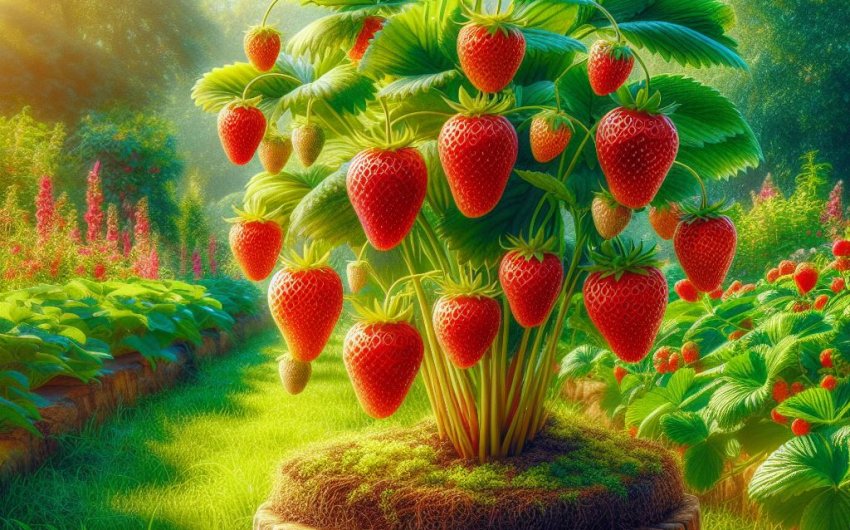
Cultivating your own strawberry garden is a truly rewarding experience, offering the unmatched joy of fresh, juicy berries picked right from your backyard. Growing strawberries allows you to enjoy their sweet flavor and vibrant color at their peak, free from store-bought compromises.
What Are the Best Types of Strawberries to Grow?
Choosing the right strawberry type is the first step to sweet success in your strawberry garden. Different varieties have unique fruiting habits, making them suitable for various climates and gardener preferences. Understanding these types helps you pick the perfect strawberry for your needs.
1. June-Bearing Strawberries
June-bearing strawberries are the most common type for a reason: they produce one large, concentrated crop of berries, typically in late spring or early summer (hence "June-bearing," though the exact timing depends on your climate).
- Fruiting Habit: Single, heavy harvest over a 2-3 week period.
- Berry Size: Often produce the largest berries.
- Runners: Produce many runners (stolons) during the growing season. These can be used to propagate new plants or are pruned to maintain plant vigor.
- Best For:
- Gardeners who want a large harvest for canning, freezing, or making jams and jellies.
- Those who prefer a traditional, abundant strawberry season.
- Popular Varieties:
- 'Honeoye': Early season, very productive, good for fresh eating and processing.
- 'Allstar': Mid-season, disease-resistant, large, sweet berries.
- 'Sparkle': Late season, excellent for freezing, classic strawberry flavor.
- 'Ozark Beauty': While often called everbearing, 'Ozark Beauty' is also a vigorous June-bearer that produces a good main crop and then smaller flushes later.
2. Everbearing Strawberries
Everbearing strawberries don't truly bear fruit "ever" but rather produce two or three distinct flushes of berries throughout the growing season: a main crop in spring, a smaller crop in mid-summer, and another small crop in late summer/early fall.
- Fruiting Habit: Multiple, smaller harvests throughout the season.
- Berry Size: Generally smaller than June-bearers.
- Runners: Produce fewer runners than June-bearing varieties.
- Best For:
- Gardeners who want a continuous supply of fresh berries for eating.
- Container gardening or smaller spaces due to fewer runners.
- Popular Varieties:
- 'Ozark Beauty': Very popular, large for an everbearer, good flavor.
- 'Tristar': Reliable, high-quality berries, good disease resistance.
- 'Quinault': Large, soft berries, good for fresh eating.
3. Day-Neutral Strawberries
Day-neutral strawberries are the closest to truly "everbearing," as they produce fruit continuously throughout the growing season as long as temperatures are between 35°F and 85°F (1.7°C and 29.4°C). Their fruiting is not dependent on day length.
- Fruiting Habit: Continuous production from spring until frost.
- Berry Size: Typically smaller berries, but very consistent.
- Runners: Produce very few runners.
- Best For:
- Gardeners who want a steady, daily supply of fresh berries.
- Container gardening, hanging baskets, or small spaces due to their compact habit.
- Regions with long growing seasons.
- Popular Varieties:
- 'Albion': Large, firm, excellent flavor, good for fresh eating and shipping.
- 'Seascape': Productive, good flavor, adaptable to various climates.
- 'San Andreas': Firm, good yields, resistant to some common diseases.
When planning your strawberry garden, consider your climate, available space, and how you intend to use your harvest. For instance, if you want a lot of berries for jam, June-bearers are ideal. If you just want a few fresh berries for your breakfast cereal every day, day-neutrals might be your sweet spot! You can find a wide selection of Strawberry Plants for Sale to get started.
How Do You Prepare the Soil for Strawberries?
Proper soil preparation is absolutely critical for a thriving strawberry garden. Strawberries are shallow-rooted plants that are sensitive to poor drainage and nutrient deficiencies. Investing time in preparing your soil will pay off with abundant, healthy berries.
Ideal Soil Conditions for Strawberries
Strawberries prefer:
- Well-Drained Soil: This is paramount. Strawberry roots will rot in soggy, waterlogged conditions. If your soil has a lot of clay, it's essential to amend it for drainage.
- Rich in Organic Matter: Organic matter improves soil structure, drainage, aeration, and nutrient retention.
- Slightly Acidic pH: Strawberries thrive in a soil pH between 5.5 and 6.8. This range allows them to efficiently absorb nutrients.
- Full Sun: While not a soil characteristic, strawberries need at least 6-8 hours of direct sunlight per day. Choose a sunny spot before you even think about the soil.
Step-by-Step Soil Preparation
- Site Selection: Choose a location in your strawberry garden that receives full sun and has good air circulation. Avoid spots where tomatoes, potatoes, peppers, or eggplants were grown in the last 3-5 years, as these can harbor diseases that affect strawberries.
- Clear the Area: Remove all weeds, grass, and debris from the planting site. This is crucial as weeds will compete with your strawberry plants for nutrients and water.
- Soil Test (Recommended): The best way to know what your soil needs is to get a soil test. Contact your local cooperative extension office for testing services. The test results will tell you your soil's pH, nutrient levels, and texture, providing specific recommendations for amendments. A simple Soil pH Test Kit can give you a quick reading.
- Amend the Soil:
- Organic Matter: Generously incorporate 4-6 inches (10-15 cm) of well-rotted compost, aged manure, or other organic matter into the top 8-12 inches (20-30 cm) of soil. This will improve drainage, aeration, and fertility.
- pH Adjustment (if needed):
- To lower pH (make more acidic): Add elemental sulfur or sphagnum peat moss.
- To raise pH (make less acidic): Add agricultural lime.
- Always follow soil test recommendations for amounts.
- Fertilizers (if needed): Based on your soil test, you might add a balanced granular fertilizer (e.g., 5-10-10 or 10-10-10) before planting. Mix it thoroughly into the top layer of soil.
- Till or Dig: Thoroughly till or dig the prepared area to a depth of at least 8-12 inches (20-30 cm) to ensure all amendments are well-mixed and the soil is loose and friable.
- Form Beds (Optional but Recommended): For better drainage and easier access, consider forming raised beds or mounded rows, especially in areas with heavy clay soil. Raised beds should be at least 6-8 inches (15-20 cm) high.
Preparing your soil properly sets the stage for a highly productive and long-lasting strawberry garden. Don't skip this vital step!
When is the Best Time to Plant Strawberries?
The ideal time to plant strawberries largely depends on your climate zone and the type of strawberry you're growing. Planting at the right time ensures the plants establish strong roots before they need to focus on producing delicious fruit.
For Most Climates: Spring Planting is Key
Generally, the best time to plant strawberries is in the early spring, as soon as the danger of hard frost has passed and the soil is workable.
- Bare-Root Plants: If you are starting with bare-root strawberry plants (which are dormant plants shipped without soil around their roots), spring planting allows them to wake up gradually, develop a robust root system, and put energy into vegetative growth before facing the stress of summer heat or winter cold.
- Potted Plants: Potted strawberry plants can be a bit more flexible and can be planted later in spring or even in early summer, but early spring is still preferred for optimal establishment.
- Benefits of Spring Planting:
- Cooler Temperatures: Cooler spring temperatures reduce transplant shock.
- Consistent Moisture: Spring often brings consistent rainfall, helping new plants get established.
- Long Growing Season Ahead: Plants have a full season to grow strong crowns and develop runners (for June-bearers) or prepare for subsequent flushes of fruit (for everbearers/day-neutrals).
Regional Considerations
- Cold Climates (Zones 3-5): Plant as early as possible in spring, as soon as the ground can be worked. This gives the strawberry plants the longest possible growing season before winter dormancy.
- Temperate Climates (Zones 6-8): Early spring is ideal. You might also be able to do a late fall planting (late September to early November) if your winters are mild, giving the roots time to establish before a deep freeze. However, spring is generally safer.
- Warm Climates (Zones 9-10): In very mild or hot climates, fall planting (late September to October) can be very successful. This allows the strawberry plants to establish during the cooler, wetter months and be ready for spring production. In some hot regions, strawberries are treated more like annuals and replanted each fall.
What to Do in the First Year After Planting
- For June-Bearing Strawberries: It's crucial to remove all flowers that appear in the first year. This directs the plant's energy into developing a strong root system and more runners, which will lead to a much larger and healthier harvest in subsequent years. It sounds tough, but it's vital for long-term success in your strawberry garden.
- For Everbearing and Day-Neutral Strawberries: You can allow them to fruit in the first year, but remove the first flush of flowers (for everbearers) or limit fruit production slightly to allow for good root development.
By timing your planting right, you'll give your strawberry plants the best possible start, leading to years of sweet success in your strawberry garden. You can purchase Bare Root Strawberry Plants to ensure a great start.
What Are the Best Planting Methods for Strawberries?
Once you have your strawberry plants and your soil is prepped, selecting the right planting method for your strawberry garden can significantly impact your yield and maintenance efforts. Each method has its advantages, catering to different space limitations and gardener preferences.
1. The Matted Row System (Most Common for June-Bearers)
This is the traditional and most popular method for June-bearing strawberries due to their prolific runner production.
- Description: Plants are set in rows, and runners are allowed to root freely, forming a "mat" of plants.
- Spacing: Plant mother plants 18-30 inches (45-75 cm) apart in rows that are 3-4 feet (90-120 cm) apart.
- Maintenance:
- First Year: Allow runners to fill in the row, creating a band about 12-18 inches (30-45 cm) wide. Remove any runners that spread into the walkways. Remove all flowers in the first year.
- Subsequent Years: Renovate the patch after harvest (see "Strawberry Garden Renovation" section).
- Pros: High yields, good for large patches.
- Cons: Can become overcrowded quickly, requiring more renovation and pruning. Not ideal for everbearing or day-neutral types.
2. The Hill System (Best for Everbearing/Day-Neutrals)
This method is ideal for everbearing and day-neutral strawberries because they produce fewer runners and benefit from a more concentrated planting.
- Description: Plants are grown as individual crowns in mounded "hills" or raised beds, and all runners are consistently removed.
- Spacing: Plant individual strawberry plants 12-18 inches (30-45 cm) apart in a grid pattern.
- Maintenance:
- Regular Runner Removal: This is the most crucial step. Pinch off all runners as soon as they appear to direct the plant's energy into fruit production.
- Flower Management: For everbearing/day-neutrals, allow flowering and fruiting in the first year.
- Pros: Better air circulation, larger berries, easier access for harvesting, less overcrowding.
- Cons: Lower plant density per area, typically lower overall yield than a matted row for June-bearers. Requires consistent runner removal.
3. Raised Beds
Raised beds offer excellent drainage and can simplify soil preparation, making them a fantastic option for any strawberry garden type.
- Description: Plants are grown in elevated beds filled with custom-prepared soil.
- Advantages:
- Improved Drainage: Critical for strawberries.
- Warmer Soil: Earlier spring warmth.
- Weed Control: Easier to manage weeds.
- Accessibility: Easier on the back for planting, weeding, and harvesting.
- Planting: Use either the matted row or hill system within the raised bed, depending on your strawberry type.
4. Container Gardening
For small spaces, patios, or balconies, containers are a perfect way to have a strawberry garden.
- Description: Strawberries are grown in pots, hanging baskets, or specialized strawberry planters.
- Best For: Everbearing and day-neutral varieties are ideal due to their compact growth and fewer runners.
- Considerations:
- Container Size: Use pots at least 6-8 inches (15-20 cm) deep and wide for single plants. Larger containers or Strawberry Planters are great for multiple plants.
- Drainage Holes: Absolutely essential to prevent root rot.
- Watering: Containers dry out quickly, so more frequent watering is usually required.
- Soil: Use a high-quality potting mix with good drainage.
- Winter Protection: Containers need extra insulation or protection in cold climates.
Planting Bare-Root Strawberries (General Steps)
Regardless of the system you choose, planting bare-root strawberries involves these key steps:
- Hydrate Roots: Soak bare-root strawberry plants in water for 20-30 minutes before planting.
- Dig Hole: Dig a hole large enough to accommodate the roots without bending.
- Correct Depth: This is crucial! Plant so the crown (the central growing point from which leaves and roots emerge) is exactly at soil level. If the crown is too deep, it will rot. If it's too shallow, the roots will dry out. Spread roots out.
- Backfill & Water: Gently backfill with soil, firming it around the roots to remove air pockets. Water thoroughly.
Choosing the right planting method and executing it correctly will pave the way for a bountiful and healthy strawberry garden.
How Do You Water and Fertilize Strawberries?
Proper watering and careful fertilization are crucial for a productive strawberry garden. These two elements directly impact the health of your plants and the quality and quantity of your delicious berries.
Watering Your Strawberry Garden
Strawberries have shallow root systems, which means they are highly susceptible to drying out. Consistent moisture is key, especially during flowering and fruiting.
- Consistency is Key: Aim for consistently moist, but not soggy, soil.
- Amount: Strawberry plants generally need about 1 inch (2.5 cm) of water per week, either from rainfall or irrigation. This might need to be increased during very hot, dry weather or if growing in containers.
- When to Water:
- Check the soil moisture daily by sticking your finger about an inch or two into the soil. If it feels dry, it's time to water.
- Water in the morning to allow foliage to dry before evening. This helps prevent fungal diseases.
- How to Water:
- Soaker Hoses or Drip Irrigation: These are excellent choices for a strawberry garden as they deliver water directly to the root zone, minimize water waste, and keep foliage dry, reducing the risk of fungal diseases like powdery mildew or leaf spot. You can install a Drip Irrigation System Kit.
- Avoid Overhead Sprinklers: While convenient, overhead watering can promote fungal diseases, especially if done in the evening. If you must use overhead sprinklers, do so in the morning.
- Mulch: Applying a layer of organic mulch (like straw, pine needles, or shredded leaves) around your strawberry plants is highly beneficial. It helps retain soil moisture, suppresses weeds, and keeps berries clean by preventing them from touching the soil.
Fertilizing Your Strawberry Garden
Strawberries are not heavy feeders, and too much nitrogen can lead to lush foliage but fewer berries. A soil test (as mentioned in soil preparation) is always the best guide.
- Pre-Planting: If your soil test indicates, incorporate a balanced slow-release granular fertilizer (e.g., 5-10-10 or 10-10-10) into the soil during preparation.
- First Year (June-Bearers): For June-bearing varieties where you remove all flowers in the first year, a light application of a balanced fertilizer (like a 10-10-10) or a fertilizer higher in phosphorus (like 5-10-5) can be applied once a month after planting until late summer. This encourages root and runner development.
- After Harvest (June-Bearers): This is the most crucial time to fertilize June-bearing strawberries. After you've finished harvesting in late spring/early summer, apply a balanced granular fertilizer or a fertilizer slightly higher in nitrogen to encourage new growth and prepare the plants for next year's crop.
- Everbearing and Day-Neutral Strawberries: These types benefit from more consistent, light fertilization throughout the growing season due to their continuous fruiting. Apply a balanced liquid fertilizer (like a 5-5-5 or 10-10-10 diluted solution) every 3-4 weeks from spring until late summer, or a granular slow-release fertilizer according to package directions.
- Avoid Nitrogen Excess: Too much nitrogen promotes leafy growth at the expense of fruit production and can make plants more susceptible to disease.
- Organic Options: Well-rotted compost, fish emulsion, or a granular organic berry fertilizer can provide nutrients in a gentler, more sustained way.
- Application Method: For granular fertilizers, broadcast evenly around the plants and then water them in well. For liquid fertilizers, dilute as per package instructions and apply directly to the soil.
By carefully managing watering and fertilization, you'll ensure your strawberry plants have the nutrients and moisture they need to produce abundant, sweet, and juicy berries for your strawberry garden.
How Do You Manage Pests and Diseases in a Strawberry Garden?
A thriving strawberry garden can sometimes attract unwelcome guests: pests and diseases. Early detection and proactive management are key to protecting your precious berries and ensuring a healthy, productive patch.
Common Strawberry Pests and Solutions
- Slugs and Snails:
- Damage: Chew irregular holes in leaves and fruit, leaving slimy trails.
- Solution: Hand-pick at night; use slug bait (iron phosphate is safe for pets/wildlife); create beer traps; apply diatomaceous earth around plants; reduce mulch if it provides too much hiding place.
- Birds:
- Damage: Devour ripening berries whole.
- Solution: This is perhaps the biggest threat to your harvest! Cover your strawberry garden with bird netting as soon as berries start to form. A Strawberry Bird Netting is an essential investment.
- Aphids:
- Damage: Suck sap from leaves and stems, causing distorted growth; can transmit viruses.
- Solution: Spray with a strong stream of water; use insecticidal soap; introduce beneficial insects like ladybugs.
- Spider Mites:
- Damage: Tiny mites that cause stippling (tiny dots) on leaves and can create fine webbing. Thrive in hot, dry conditions.
- Solution: Increase humidity; spray with insecticidal soap or neem oil; release predatory mites.
- Strawberry Bud Weevil (Clipper):
- Damage: Adult weevils cut the stems of developing flower buds, causing them to wilt and die.
- Solution: Monitor plants closely; remove and destroy infested buds; in severe cases, use targeted insecticides (last resort).
- Spotted Wing Drosophila (SWD):
- Damage: Tiny fruit flies lay eggs in ripening fruit, leading to mushy, unmarketable berries.
- Solution: Strict sanitation (remove all overripe or damaged fruit); fine mesh netting (0.9 mm or smaller) can exclude them; use specific SWD traps.
Common Strawberry Diseases and Solutions
Many strawberry diseases are fungal and thrive in wet, humid conditions. Good air circulation and proper watering are your best defenses.
- Powdery Mildew:
- Symptoms: White, powdery growth on leaves, especially the undersides; leaves may curl upwards.
- Solution: Plant resistant varieties; ensure good air circulation; avoid overhead watering; spray with horticultural oil or organic fungicides (e.g., potassium bicarbonate).
- Leaf Spot / Leaf Blight / Leaf Scorch:
- Symptoms: Various spots and lesions on leaves, often reddish-brown with purple borders.
- Solution: Plant resistant varieties; remove infected leaves; ensure good air circulation; avoid overhead watering; fungicide can be used in severe cases.
- Gray Mold (Botrytis Fruit Rot):
- Symptoms: Fuzzy, grayish mold on ripening or ripe berries, causing them to rot.
- Solution: Most common strawberry disease! Ensure good air circulation (prune dense foliage, don't let plants get too crowded); mulch with straw to keep berries off the soil; remove all diseased fruit immediately; fungicidal sprays might be necessary in very wet conditions.
- Verticillium Wilt:
- Symptoms: Older leaves yellow and die from the margins inward; plants may stunt or suddenly wilt, especially in warm weather. Often leads to plant death.
- Solution: No cure. Plant resistant varieties. Avoid planting strawberries where susceptible crops (tomatoes, peppers, potatoes, eggplants) have been grown recently. Improve soil drainage.
- Red Stele Root Rot:
- Symptoms: Stunted growth, purpling of older leaves, wilting. When roots are cut open, the central core (stele) is reddish-brown.
- Solution: No cure. Plant resistant varieties. Ensure excellent drainage and avoid overwatering. This disease thrives in cool, wet soil.
General Management Tips for Your Strawberry Garden
- Sanitation: Remove and dispose of all diseased leaves, stems, and fruit promptly. Clean up fallen debris regularly.
- Air Circulation: Space plants appropriately, prune excessive runners for June-bearers, and thin out dense foliage to allow air to flow through the patch.
- Resistant Varieties: Choose disease-resistant strawberry varieties whenever possible.
- Crop Rotation: Don't plant strawberries in the same spot for more than 3-4 years.
- Healthy Plants: Strong, healthy plants are naturally more resistant to pests and diseases. Provide optimal growing conditions.
By being vigilant and employing these strategies, you can minimize pest and disease problems and enjoy a bountiful harvest from your strawberry garden.
How Do You Harvest and Store Strawberries?
Harvesting your strawberries at the right time is key to enjoying their peak flavor, and proper storage helps keep them fresh for longer. This is the moment you've been waiting for in your strawberry garden!
When to Harvest Strawberries
Timing is everything for the sweetest berries:
- Color: Harvest strawberries when they are fully red. The whole berry, from top to bottom, should have a deep, uniform red color. White tips or pale spots indicate they are not fully ripe. Unlike many fruits, strawberries do not continue to ripen significantly after being picked.
- Texture: Ripe berries will be firm but slightly yielding to the touch.
- Frequency: During peak season (especially for June-bearers), you might need to harvest every 1-2 days. Everbearing and day-neutral types will produce a steady trickle of berries throughout the season, requiring less frequent but ongoing checks.
- Time of Day: Harvest in the morning after the dew has dried but before the heat of the day sets in. Cooler berries store better.
How to Harvest Strawberries
Harvesting correctly prevents damage to the berry and the plant.
- Use Scissors or Pinch: Instead of pulling the berry, which can damage the plant or crush the fruit, use small scissors or pinch the stem with your thumbnail about 1/4 to 1/2 inch (0.6-1.2 cm) above the berry, keeping the small green cap (calyx) attached.
- Gentle Handling: Strawberries are delicate! Handle them gently to avoid bruising. Place them carefully into a shallow container, spreading them out rather than piling them high. A wide, shallow basket or container, like a Berry Picking Basket, is ideal.
- Inspect: Discard any moldy, rotten, or damaged berries immediately to prevent disease spread.
Storing Fresh Strawberries
Strawberries are best eaten fresh, ideally within a day or two of picking. However, with proper storage, you can extend their freshness slightly.
- Do NOT Wash Until Ready to Eat: Washing strawberries before storage introduces moisture, which promotes mold and spoilage.
- Remove Damaged Berries: Sort through your harvest and remove any squishy, bruised, or moldy berries. One bad berry can spoil the rest.
- Refrigerate: Place unwashed, dry strawberries in a single layer (or spread out as much as possible) on a paper towel in a breathable container. A shallow, lidded container with air vents or a berry keeper is perfect.
- Optimal Temperature: Store in the coldest part of your refrigerator, typically the crisper drawer, at around 35°F (1.7°C).
- Shelf Life: Freshly picked strawberries from your strawberry garden can last 3-7 days in the refrigerator.
Freezing Strawberries (for Longer Storage)
For enjoying your strawberry garden's bounty year-round, freezing is an excellent option.
- Wash and Hull: Gently wash the strawberries under cool running water. Hull them by removing the green cap and any white core (a strawberry huller like the Stainless Steel Strawberry Huller makes this easy).
- Dry Thoroughly: This is crucial! Pat them completely dry with paper towels. Excess moisture will lead to ice crystals.
- Flash Freeze: Arrange the dry, hulled strawberries in a single layer on a baking sheet lined with parchment paper. Place the baking sheet in the freezer for 2-4 hours, until the berries are completely frozen solid.
- Transfer: Once frozen, transfer the individual strawberries to freezer-safe bags or containers, removing as much air as possible to prevent freezer burn.
- Label: Label with the date. Frozen strawberries are best used within 8-12 months.
By following these harvesting and storage tips, you'll maximize your enjoyment of the sweet, homegrown goodness from your strawberry garden.
How Do You Renovate a Strawberry Garden?
Renovating a strawberry garden is a crucial practice for June-bearing strawberries (and less so for everbearing/day-neutrals) that helps maintain plant vigor, improve air circulation, control disease, and ensure abundant harvests for years to come. This process is typically done immediately after the main harvest is complete.
Why Renovate?
- Prevent Overcrowding: June-bearing strawberries produce many runners, which can quickly lead to an overcrowded patch. Overcrowding reduces berry size, increases disease risk, and depletes soil nutrients.
- Encourage New Growth: Renovation encourages the development of strong, new crowns and a healthy root system, which are essential for next year's fruit production.
- Manage Pests and Diseases: Removing old, potentially diseased foliage and improving air circulation helps control pest and disease pressure.
- Nutrient Cycling: Incorporating amendments during renovation replenishes soil nutrients.
Step-by-Step Renovation for June-Bearing Strawberries
This process typically occurs in late spring or early summer, right after the last berries have been picked.
Mow or Shear Foliage (Optional but Common):
- For larger patches, you can use a lawnmower set to its highest setting (no lower than 3-4 inches or 7.5-10 cm) to cut back all the foliage.
- For smaller patches, use hedge shears or hand pruners to cut all leaves about 1 inch (2.5 cm) above the crown.
- Purpose: This removes old, diseased foliage, encourages fresh new growth, and forces the plants to put energy into developing new crowns for next year.
- Do NOT do this for everbearing or day-neutral varieties, as they produce fruit on newer growth.
Remove Old Plants and Thin Rows:
- Thinning: Identify the mother plants and healthy, vigorous young runner plants within your desired row width (12-18 inches or 30-45 cm).
- Remove Oldest/Weakest: Pull out or dig up the oldest, less productive mother plants (often easy to spot as they are woody and less vigorous) and any weak or overcrowded runner plants.
- Aim: Leave healthy young plants spaced about 6-8 inches (15-20 cm) apart within the row. If using a matted row, ensure your matted strip is not wider than 12-18 inches (30-45 cm).
- Compost/Dispose: Dispose of diseased plant material, but healthy trimmings can be composted.
Weed Thoroughly:
- Remove all weeds, either by hand-pulling or carefully cultivating the soil between rows. Weeds compete heavily with strawberries for water and nutrients.
Fertilize and Amend Soil:
- Fertilize: Apply a balanced granular fertilizer (e.g., 10-10-10) or a fertilizer slightly higher in nitrogen (e.g., 5-10-5) evenly over the renovated patch. This encourages strong vegetative growth for the coming season.
- Amend: Top-dress the rows with 1-2 inches (2.5-5 cm) of well-rotted compost or aged manure. This replenishes nutrients and improves soil structure.
- Lightly Cultivate: Gently work the fertilizer and amendments into the top inch or two of soil, being careful not to damage the shallow roots.
Water Thoroughly:
- Immediately after renovation, water the entire patch deeply to help the plants recover from the mowing/thinning and to dissolve the fertilizer into the soil.
Manage Runners (Ongoing):
- For June-bearers, continue to allow some runners to root to replace older plants, but pinch off excessive runners that extend into walkways or create too much density.
Renovation for Everbearing and Day-Neutral Strawberries
- These types do not benefit from drastic renovation like mowing.
- Instead, focus on:
- Constant Runner Removal: As they produce fewer runners, cut off any that appear to keep the plants focused on fruit production.
- Deadheading/Sanitation: Remove spent flower stalks and any dead or diseased leaves.
- Light Fertilization: Continue with consistent, light liquid fertilization throughout the growing season.
- Replacement: After 2-3 years, their production typically declines significantly. It's often best to replace these plants with new ones.
Renovating your strawberry garden annually ensures that your June-bearing plants remain productive for 3-5 years (sometimes more), providing you with many seasons of sweet strawberry success.
What Are Some Creative Ways to Grow Strawberries?
Beyond traditional rows, your strawberry garden can be incredibly versatile! Strawberries adapt well to various creative planting methods, making them suitable for small spaces, vertical gardening, and adding beauty to your edible landscape.
1. Strawberry Towers or Planters
- Description: These are specialized tiered planters or vertical columns with pockets designed to hold individual strawberry plants.
- Advantages:
- Space-Saving: Maximize yields in a minimal footprint.
- Visually Appealing: Creates an attractive, edible display.
- Accessibility: Easier to harvest without bending.
- Pest Control: Keeps berries off the ground, reducing slug and bird damage (though birds might still target upper levels).
- Best For: Everbearing and day-neutral varieties are perfect as they are more compact and produce fewer runners.
- Considerations: Containers dry out quickly, so more frequent watering is essential. A Strawberry Tower Planter can be a great investment.
2. Hanging Baskets
- Description: Growing strawberry plants in hanging baskets allows their runners to cascade over the sides, creating a beautiful and productive display.
- Advantages:
- Space Efficiency: Ideal for balconies, patios, or porch ceilings.
- Pest Deterrent: Keeps berries away from ground-dwelling pests.
- Clean Berries: Fruit hangs freely, staying clean.
- Decorative: Adds aesthetic appeal.
- Best For: Everbearing and day-neutral varieties are again excellent choices.
- Considerations: Requires very frequent watering due to rapid drying. Choose a sturdy basket and proper potting mix.
3. Vertical Planters or Pallet Gardens
- Description: Utilizing vertical space with wall-mounted planters, repurposed pallets with planting pockets, or specialized vertical garden systems.
- Advantages:
- Maximizes Small Spaces: Perfect for urban gardens or limited backyard areas.
- Visual Interest: Creates a living wall of green and red.
- Accessibility: Easy to tend and harvest.
- Best For: Compact everbearing and day-neutral strawberry varieties.
- Considerations: Ensure proper drainage for each pocket. Consistent watering is crucial.
4. Strawberry Pyramids or Barrels
- Description: These are multi-tiered structures, often made of wood or plastic, resembling a pyramid or a barrel with planting holes around the sides.
- Advantages:
- Space-Saving: Efficient use of ground space.
- Drainage: Good drainage due to the raised structure.
- Warmth: Soil in raised structures warms up earlier in spring.
- Best For: All strawberry types, though June-bearers will require more runner management.
- Considerations: Filling a large pyramid or barrel requires a significant amount of soil.
5. As Groundcover or Edging
- Description: Some hardy strawberry varieties can be used as an edible groundcover or as a border along garden beds.
- Advantages:
- Weed Suppression: Spreading strawberry plants can suppress weeds.
- Erosion Control: Helps prevent soil erosion on slopes.
- Decorative Edible: Adds beauty and provides a harvest.
- Best For: Vigorous June-bearing varieties that produce many runners, or alpine strawberries (which are smaller and less aggressive).
- Considerations: Can become invasive if not managed. Production might be lower than dedicated beds.
6. Companion Planting
While not a planting method, considering companion planting can enhance your strawberry garden's health.
- Good Companions:
- Bush Beans: Can repel some pests.
- Borage: Attracts pollinators and deters pests.
- Spinach and Lettuce: Low-growing greens that don't compete for nutrients.
- Thyme: Good groundcover that can suppress weeds.
- Onions/Garlic: Can deter some fungal diseases and pests.
- Avoid: Cabbage family plants (broccoli, cauliflower, kale) and tomatoes, which can share diseases.
Experimenting with these creative methods can add beauty, efficiency, and a touch of uniqueness to your strawberry garden, proving that growing your own sweet berries is possible in almost any space!
What Are Some Delicious Ways to Enjoy Your Homegrown Strawberries?
The ultimate reward of cultivating your own strawberry garden is undoubtedly enjoying the burst of fresh, sweet flavor that store-bought berries simply can't match. Once you've harvested your bounty, the culinary possibilities are endless!
1. Fresh and Simple
- Straight from the Plant: Nothing beats a warm, sun-kissed strawberry picked directly from your strawberry garden. This is pure bliss.
- With Cream or Yogurt: A classic pairing. Slice fresh strawberries and serve with a dollop of whipped cream, a scoop of vanilla ice cream, or mixed into your morning Greek yogurt.
- Fruit Salads: Combine strawberries with other seasonal fruits like blueberries, raspberries, melon, or kiwi for a refreshing and healthy snack or dessert.
- Over Cereal or Oatmeal: A simple way to add natural sweetness and vitamins to your breakfast.
2. Baked Goods and Desserts
Strawberries are a star in many desserts.
- Strawberry Shortcake: The quintessential summer dessert. Fluffy biscuits, fresh strawberries, and whipped cream are a match made in heaven.
- Strawberry Pie or Tart: Bake your berries into a classic pie or a lighter tart for a wonderful treat.
- Strawberry Muffins or Scones: Fold chopped strawberries into muffin or scone batter for a delightful breakfast or snack.
- Strawberry Crumble or Cobbler: A warm, comforting dessert with a sweet strawberry filling and a buttery topping.
- Strawberry Cake: Layer sliced strawberries and cream between cake layers for a show-stopping dessert. You might even find a Strawberry Cake Mix to make it even easier!
- Chocolate-Dipped Strawberries: A luxurious and easy treat. Melt some good quality chocolate and dip your fresh berries.
3. Preserves and Sauces
Preserving your strawberry garden's harvest allows you to savor the flavor long after the season ends.
- Strawberry Jam or Jelly: A classic way to preserve strawberries. Homemade jam tastes infinitely better than store-bought.
- Strawberry Sauce: Cook down strawberries with a little sugar and lemon juice to create a versatile sauce for pancakes, waffles, ice cream, or cheesecake.
- Strawberry Compote: Similar to a sauce but with larger fruit pieces, great for toppings.
- Freezing: As mentioned in the "Harvesting and Storage" section, freezing whole or sliced berries is perfect for smoothies, baking, or sauces later.
4. Drinks and Beverages
Strawberries add a refreshing twist to many drinks.
- Strawberry Smoothies: Blend fresh or frozen strawberries with yogurt, milk (or milk alternative), and a banana for a healthy and delicious smoothie.
- Strawberry Lemonade: Muddle fresh strawberries and add to homemade lemonade for a vibrant, sweet-tart drink.
- Strawberry Infused Water: Add sliced strawberries to a pitcher of water for a naturally flavored, refreshing beverage.
- Strawberry Margaritas or Daiquiris: For an adult treat, blend fresh or frozen strawberries with your favorite spirits.
5. Savory Dishes (Less Common but Delicious!)
Don't limit strawberries to just sweet applications! Their slight tartness can complement savory flavors.
- Strawberry and Spinach Salad: Combine fresh strawberries with spinach or mixed greens, feta cheese, candied pecans, and a balsamic vinaigrette.
- Strawberry Salsa: A fresh, vibrant salsa with diced strawberries, red onion, cilantro, jalapeno, and lime juice. Excellent with grilled chicken or fish.
- Strawberry Glaze for Meats: A sweet and tangy glaze for pork, chicken, or duck.
The joy of a strawberry garden truly comes alive when you transform your homegrown bounty into these delightful culinary creations. Enjoy the sweet success!