
Designing Your Dream Garden: Where Creativity Meets Nature!
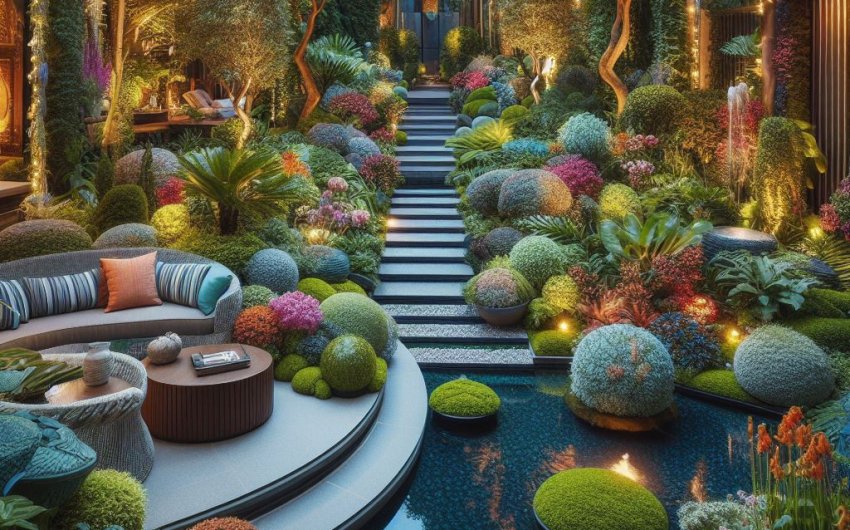
Designing your dream garden is an exciting journey where your personal creativity intertwines with the beauty and logic of nature, transforming your outdoor space into a personalized sanctuary. It involves thoughtful planning and understanding your environment to create a garden that is both aesthetically pleasing and functional.
What Are the First Steps to Designing Your Dream Garden?
Before you dig your first hole or buy a single plant, thoughtful planning is the absolute foundation for designing your dream garden. Skipping these crucial initial steps can lead to costly mistakes, wasted effort, and a garden that doesn't quite fulfill your vision.
1. Define Your Vision and Goals
Start by asking yourself what you want your dream garden to be. This is where creativity truly begins!
- Purpose: What will the garden be used for?
- Relaxation (quiet reading nook, meditation space)?
- Entertainment (outdoor dining, BBQ area, fire pit)?
- Food Production (vegetable patch, herb garden, fruit trees)?
- Play Space (for kids or pets)?
- Wildlife Habitat (bird feeders, pollinator plants)?
- Aesthetics (beautiful views, curb appeal)?
- Style: What kind of atmosphere do you envision?
- Formal and symmetrical?
- Informal and naturalistic?
- Modern and minimalist?
- Cottage garden charm?
- Japanese zen garden?
- Desert oasis?
- Must-Haves & Wish-List: Make a list of features you absolutely need and those you'd love to have if budget and space allow.
- Seating areas (bench, patio, deck)?
- Water feature (pond, fountain)?
- Pathways?
- Privacy screening?
- Outdoor lighting?
- Specific plants (roses, hydrangeas, edibles)?
2. Assess Your Site and Environment
Your garden is an ecosystem. Understanding its unique characteristics is vital for choosing the right plants and features.
- Sunlight Mapping: This is paramount. Observe and map how much direct sunlight different areas of your garden receive throughout the day, in different seasons.
- Full Sun: 6+ hours of direct sun.
- Partial Sun/Shade: 3-6 hours of sun.
- Full Shade: Less than 3 hours of direct sun.
- Tip: Use a simple paper sketch or a sun calculator app for a few days.
- Soil Analysis: Knowing your soil type (clay, sand, loam) and pH is crucial for plant health.
- Texture: Does it drain quickly (sandy) or hold water (clay)?
- pH: Most plants prefer a neutral to slightly acidic pH (6.0-7.0). You can buy a simple Soil pH Test Kit or send a sample to your local extension office.
- Drainage: After a rain, do puddles linger? This indicates poor drainage, which needs to be addressed.
- Existing Features: Note down anything permanent: existing trees, large rocks, fences, sheds, power lines, and views (both good and bad).
- Climate Zone: Understand your USDA Plant Hardiness Zone. This determines which plants can survive your winters.
- Wind Patterns: Are there areas exposed to strong winds that might need a windbreak?
- Water Access: Where are your water spigots? Is irrigation feasible?
3. Measure and Sketch Your Space
Translate your vision and site assessment into a tangible plan.
- Measure: Accurately measure the dimensions of your entire garden area, including your house, existing structures, and permanent fixtures.
- Draw a Base Map: Using graph paper or a simple drawing program, create a scaled drawing of your garden. Include:
- House outline, windows, doors.
- Existing features (paths, trees, sheds, utilities).
- Sunlight patterns (shade lines at different times).
- North arrow.
- Bubble Diagram (Conceptual Layout): On tracing paper over your base map, sketch "bubbles" or zones for your desired activities and features. Don't worry about details yet, just general areas. For example: "Patio Zone," "Veggie Garden Zone," "Relaxation Nook."
These initial steps lay a solid foundation, ensuring that when you start designing, you're working with a clear vision and a practical understanding of your unique outdoor canvas. This thoughtful approach is the hallmark of designing your dream garden.
What Are the Key Principles of Garden Design?
Once you have your vision and site assessment, it's time to apply the core principles of garden design. These aren't rigid rules but rather guidelines that help you create a beautiful, harmonious, and functional outdoor space. They bring structure to your creativity when designing your dream garden.
1. Unity and Harmony
This principle aims to create a sense of cohesion and belonging throughout your garden. Everything should feel like it fits together.
- Repetition: Repeating certain plants, colors, shapes, or materials (e.g., using the same paver for all paths) creates a sense of flow and rhythm.
- Dominant Theme/Style: Sticking to a consistent style (e.g., minimalist, cottage, formal) helps achieve unity.
- Color Palette: Using a limited color palette or variations of a few colors can tie different areas together.
2. Balance
Balance refers to the visual weight of elements in your garden. It can be symmetrical or asymmetrical.
- Symmetrical Balance: Creates a formal, orderly look. Think identical planting beds on either side of a central path or matching topiaries flanking an entrance.
- Asymmetrical Balance: Achieved by placing different elements with similar visual weight on opposing sides. For example, a large tree on one side can be balanced by a grouping of smaller shrubs and a boulder on the other. This feels more natural and informal.
3. Proportion and Scale
This involves the relationship of the size of elements to each other and to the overall garden.
- Human Scale: Elements should feel comfortable relative to human size. A tiny bench in a vast garden or a giant statue in a small space can feel out of proportion.
- Plant Size to Area: Don't plant a tree that will overwhelm a small garden or tiny groundcover in a massive bed. Consider mature plant sizes.
- Hardscape to Softscape: Ensure your patio, paths, and structures are appropriately sized compared to your planting areas.
4. Emphasis (Focal Point)
Every good design needs a point of interest that draws the eye.
- Definition: A focal point is a dominant feature that stands out.
- Examples: A beautiful specimen tree, a striking sculpture, a water feature, a colorful planting bed, an attractive bench, or even a brightly painted gate.
- Placement: Place focal points strategically at the end of a path, to mark an entrance, or where they can be viewed from a key vantage point (e.g., a window). Avoid too many focal points, which can create visual clutter.
5. Rhythm and Transition
Rhythm guides the eye through the garden, while transition creates smooth movement between areas.
- Rhythm: Achieved by repeating elements with consistent spacing (e.g., a series of evenly spaced shrubs, a repeating color in a border). This creates a visual beat.
- Transition: Moving smoothly from one area or element to another. For example, gradually changing plant heights from tall at the back to short at the front of a bed, or using pavers that transition to gravel for a path.
6. Simplicity
Often, less is more.
- Avoid Overwhelm: Don't try to include too many different plants, materials, or features. This can make the garden feel cluttered and chaotic.
- Purposeful Choices: Every element in your dream garden should have a purpose, whether aesthetic or functional.
- Restraint: Sometimes, leaving an open lawn area or a quiet corner can be more impactful than filling every space.
7. Contrast and Variety
While unity is important, some contrast adds interest and prevents boredom.
- Contrast: Differences in color, texture, shape, or size (e.g., smooth pebbles next to rough boulders, dark foliage next to bright flowers, spiky plants next to soft, mounding ones).
- Variety: Using a range of plant forms, heights, and bloom times adds interest throughout the seasons.
By consciously applying these principles, you can elevate your garden design from a collection of pretty plants to a cohesive, inviting, and truly harmonious outdoor living space that reflects your personal style.
What Are the Essential Elements of Garden Design?
Beyond the guiding principles, specific elements are the building blocks of your dream garden. These can be broadly categorized into hardscape (non-living elements) and softscape (living elements). Thoughtfully integrating these elements brings your garden design to life.
1. Hardscape Elements
These are the structural, non-living components that provide the "bones" of your garden design. They offer functionality, define spaces, and provide year-round interest.
- Paths and Walkways: Guide movement through the garden, define areas, and add aesthetic appeal.
- Materials: Gravel, stepping stones, pavers, brick, concrete, wood chips. Choose materials that complement your home's style. You might explore Garden Path Pavers.
- Layout: Curving paths create a sense of mystery; straight paths are more formal.
- Patios and Decks: Create outdoor living and entertaining spaces.
- Materials: Poured concrete, natural stone, pavers, composite decking, wood.
- Placement: Consider proximity to the house, sun exposure, and privacy.
- Fencing and Walls: Provide privacy, security, define boundaries, and create backdrops for plantings.
- Materials: Wood, vinyl, metal, brick, stone.
- Design: Vary heights for visual interest, combine with plantings.
- Retaining Walls: Used to create level terraces on sloped sites, manage erosion, and add architectural interest.
- Materials: Stacked stone, concrete blocks, timber.
- Water Features: Add sensory appeal (sound, movement, reflection) and attract wildlife.
- Types: Fountains, bird baths, ponds, bubbling rocks.
- Considerations: Size, sound, maintenance, safety. A Solar Powered Water Feature can be easy to install.
- Pergolas, Arbors, and Trellises: Add vertical interest, provide shade, support climbing plants, and define garden rooms.
- Materials: Wood, metal.
- Placement: Over a patio, at an entrance, as a garden gateway.
- Outdoor Lighting: Extends the usability of your garden into the evening, highlights features, and improves safety.
- Types: Path lights, spotlights, accent lights, string lights.
- Placement: Strategically light paths, focal points, and seating areas.
- Garden Structures: Sheds, gazebos, benches, sculptures. These add character, storage, and places to rest or gather.
2. Softscape Elements
These are the living, horticultural components that bring life, color, texture, and fragrance to your dream garden.
- Trees: Provide shade, vertical height, structure, seasonal interest (flowers, fall color), and wildlife habitat.
- Selection: Consider mature size, sun needs, disease resistance, and suitability for your climate zone.
- Shrubs: Offer structure, form, foliage, flowers, and berries. They can be evergreen or deciduous, formal hedges or informal groupings.
- Selection: Consider mature size, shape, sun needs, and maintenance requirements.
- Perennials: Plants that live for more than two years, typically dying back in winter and returning in spring. Provide recurring color and texture.
- Selection: Choose varieties with staggered bloom times for continuous interest.
- Annuals: Plants that complete their life cycle in one growing season. Provide vibrant, continuous color but need to be replanted each year.
- Selection: Great for filling gaps, adding seasonal splashes of color to pots or beds.
- Groundcovers: Low-growing plants that spread to cover bare soil, suppress weeds, and reduce erosion.
- Selection: Choose based on sun exposure and foot traffic.
- Turf/Lawn: Provides open space, a cool surface, and a backdrop for plantings.
- Considerations: Maintenance requirements (mowing, watering, fertilizing).
- Edibles: Vegetables, herbs, fruit trees, berry bushes. Integrate them into ornamental beds or create dedicated edible zones.
Balancing hardscape and softscape elements creates a dynamic and inviting garden design. Hardscape provides the bones, and softscape adds the flesh and beauty, allowing your creativity to truly blossom.
How Do You Choose the Right Plants for Your Garden Design?
Choosing the right plants is perhaps the most exciting and personal part of designing your dream garden. It's where your vision truly comes alive, transforming your space with color, texture, fragrance, and life. However, it's also where many new gardeners make mistakes. The key is to select plants that thrive in your specific conditions and complement your overall design.
1. "Right Plant, Right Place" Philosophy
This is the golden rule of plant selection. No matter how beautiful a plant is, it won't thrive if its needs aren't met.
- Sunlight Requirements: Match plants to the light conditions you mapped out (full sun, part sun, full shade). This is the number one factor for plant success.
- Soil Needs: Consider your soil type (clay, sand, loam) and pH. Amend the soil as needed, but also choose plants that tolerate your existing soil if major amendments aren't feasible.
- Water Needs: Group plants with similar water requirements together. This saves water and makes irrigation more efficient. Some plants love constant moisture, others prefer to dry out between waterings.
- Climate Zone: Ensure the plant is hardy for your USDA Plant Hardiness Zone. This means it can survive your average winter temperatures. Check the plant tag or online resources for your zone.
2. Consider Mature Size
This is another common mistake. Always research the plant's mature height and spread.
- Avoid Overcrowding: Planting too closely leads to competition for resources, reduced air circulation (increasing disease risk), and plants that don't reach their full potential.
- Future Growth: Imagine the plant at its full size. Will it block a window, overwhelm a path, or shade out other plants?
- Layers: Plan for different heights to create visual interest: tall plants at the back, medium in the middle, and short groundcovers or edgers at the front.
3. Focus on Texture, Form, and Foliage First
While flowers are beautiful, foliage provides year-round interest.
- Texture: Varying leaf textures (fine, coarse, glossy, matte, fuzzy) adds depth. Think of fluffy ornamental grasses, bold hosta leaves, or delicate ferns.
- Form (Shape): Different plant shapes (upright, weeping, mounding, spreading, columnar) create structure and variety.
- Foliage Color: Don't just think green! Explore plants with variegated leaves, purple, silver, red, or golden foliage for continuous color even when not in bloom.
4. Color Palette and Bloom Times
- Harmonious Colors: Decide on a general color scheme for your dream garden. Analogous colors (next to each other on the color wheel, e.g., blues, purples, pinks) create a calming effect. Complementary colors (opposite on the wheel, e.g., blue and orange, yellow and purple) create vibrant contrast.
- Seasonal Interest: Choose plants with staggered bloom times to ensure there's always something in flower from spring through fall. Include evergreens for winter interest.
- Repetition: Repeat certain colors or plants throughout your garden design to create unity and rhythm.
5. Maintenance Requirements
Be honest about how much time and effort you're willing to dedicate.
- Low-Maintenance: Choose native plants, drought-tolerant species, and plants that don't require frequent pruning, deadheading, or pest control. Look for disease-resistant varieties.
- High-Maintenance: Some plants require more attention (e.g., roses, certain annuals). Only include these if you enjoy the dedication.
6. Attracting Wildlife (Optional, but Recommended)
If you wish to attract birds, butterflies, and beneficial insects to your dream garden:
- Natives: Plant native species that provide food and habitat for local wildlife.
- Pollinator-Friendly: Include plants known to attract bees and butterflies (e.g., coneflowers, butterfly bush, salvia). Look for a Pollinator Garden Seed Mix.
- Food & Water: Provide bird feeders, a bird bath, or a small pond.
By combining practical considerations with aesthetic preferences, you'll select a palette of plants that not only survive but thrive, creating the vibrant and beautiful garden design you envision.
How Do You Incorporate Hardscaping into Your Garden Design?
Hardscaping forms the essential backbone of your garden design, providing structure, functionality, and year-round appeal. It includes all the non-living elements like paths, patios, walls, and structures. Thoughtful integration of hardscaping creates defined spaces and directs flow, making your dream garden truly livable.
1. Define Pathways and Circulation
Paths are more than just ways to get around; they guide the experience of your garden.
- Purpose: Decide where people need to walk: from the house to a gate, to a shed, to a seating area.
- Width: Ensure paths are wide enough for comfortable passage. Main paths should be at least 3 feet (0.9 m) wide, preferably 4 feet (1.2 m) if two people will walk side-by-side. Secondary paths can be narrower.
- Material: Choose materials that complement your home's architecture and the overall garden design.
- Formal: Paved surfaces like brick, cut stone, or concrete.
- Informal: Gravel, stepping stones set in grass, or wood chips.
- Consider: Durability, maintenance, cost, and slip resistance.
- Curved vs. Straight: Straight paths feel formal and direct; curved paths create a sense of discovery and mystery, encouraging exploration.
2. Create Outdoor Living Spaces (Patios and Decks)
These are extensions of your indoor living areas, serving as outdoor rooms.
- Location: Ideally located close to the house for easy access, especially for dining. Consider sun exposure (morning sun for breakfast, afternoon shade for dinner).
- Size: Make sure it's large enough to comfortably accommodate furniture and allow for circulation around it. Standard dining sets need at least 10x10 feet (3x3 m).
- Material: Match or complement existing outdoor materials of your home. Popular choices include:
- Poured Concrete: Versatile, cost-effective, can be stamped or colored.
- Pavers: Offer various colors, shapes, and patterns; permeable options available. A Patio Paver Kit can simplify installation.
- Natural Stone: Elegant, durable, higher cost.
- Wood/Composite Decking: Warm feel, can be elevated.
- Purpose: Define zones within the patio for dining, lounging, or cooking.
3. Incorporate Vertical Elements (Walls, Fences, Pergolas)
Vertical hardscaping adds height, structure, privacy, and architectural interest.
- Privacy Fencing: Strategic placement can block undesirable views or create secluded areas.
- Retaining Walls: Essential for managing slopes and creating usable, level planting beds or terraces.
- Seat Walls: Low walls around a patio can serve as informal seating and delineate the space.
- Pergolas and Arbors: Define an entrance, create a shaded seating area, or support climbing plants like wisteria or climbing roses, adding a romantic touch to your dream garden.
4. Add Features and Focal Points
Hardscape elements can be powerful focal points.
- Water Features: A fountain or small pond adds sound, movement, and attracts birds. Choose a size and style appropriate for your garden.
- Sculptures/Art: A well-placed sculpture can draw the eye and add personality.
- Benches/Seating: Offer a place to rest and enjoy the view. Place them strategically at viewpoints or along a peaceful path.
- Fire Pits: Create a gathering spot for evening relaxation and entertainment. Consider both portable fire pits and built-in options.
5. Consider Drainage and Utilities
- Drainage: Ensure that any hardscaping allows for proper water runoff away from your house and doesn't create standing water. Incorporate French drains or permeable materials if necessary.
- Lighting and Power: Plan for outdoor lighting (path, accent, security) and power outlets if you'll have outdoor appliances or tools.
By carefully integrating these hardscaping elements, you provide the necessary structure and infrastructure that makes your dream garden both beautiful and highly functional, year-round. It's the skeleton upon which your living, growing landscape is built.
What Are Some Creative and Unique Garden Design Ideas?
Once you grasp the basics, let your imagination run wild! Designing your dream garden is an opportunity to express your unique personality. Here are some creative and unique ideas to inspire your own special outdoor retreat.
1. Themed Gardens
Create an immersive experience by committing to a specific theme.
- Mediterranean Garden: Drought-tolerant plants, gravel paths, terracotta pots, olive trees, lavender, herbs, and a sun-drenched feel. Incorporate a simple Mediterranean Style Fountain.
- Zen Garden (Japanese Inspired): Raked gravel, carefully placed rocks, minimalist plantings (moss, dwarf conifers), and a sense of tranquility. Focus on balance and simplicity.
- Cottage Garden: Abundant, informal plantings, climbing roses, mixed perennials and annuals, winding paths, picket fences, and a romantic, overflowing feel.
- Desert Garden (Xeriscape): Focus on drought-tolerant succulents, cacti, ornamental grasses, and local rocks. Beautiful and water-wise.
- Tropical Paradise: Lush foliage, vibrant flowers (hibiscus, canna lilies), palms, and a feeling of warmth and exotic escape. May require specific climate or greenhouse for some plants.
2. Vertical Gardens and Living Walls
Ideal for small spaces or adding a dramatic focal point.
- Living Walls: Attach planters to a wall to grow herbs, succulents, or flowering annuals vertically.
- Pallet Gardens: Repurpose wooden pallets into vertical planters.
- Tiered Planters/Strawberry Towers: Grow edibles or flowers in stacked containers.
- Green Screens: Use trellises with climbing vines to create privacy or obscure an unsightly view.
3. Edible Landscapes (Edible Forest Gardens)
Integrate food production seamlessly into your ornamental garden design.
- Fruit Trees and Berry Bushes: Choose dwarf varieties of fruit trees (apple, pear, citrus) or espalier them against a wall. Plant blueberry bushes or raspberries in ornamental beds.
- Edible Flowers: Incorporate calendula, nasturtiums, pansies, or violas into flower beds.
- Herb Spirals: Create a beautiful and functional herb garden in a spiral shape, maximizing space and drainage.
- Vertical Herb Garden: Hang herb planters on a sunny wall. A Wall Mounted Herb Planter can be perfect.
- "Food Forest" Principles: Layer edible plants (trees, shrubs, perennials, groundcovers, roots) to mimic a natural forest ecosystem.
4. Sensory Gardens
Design your garden to engage all five senses.
- Sight: Varying colors, textures, forms; interesting hardscape; outdoor art.
- Sound: Water features (trickling, bubbling), wind chimes, plants that rustle in the breeze, plants that attract birds.
- Smell: Fragrant flowers (roses, jasmine, lilac), aromatic herbs (lavender, rosemary), scented leaves.
- Touch: Fuzzy lamb's ear, smooth river stones, rough bark, soft grass.
- Taste: Edible plants – berries, herbs, vegetables.
5. Water-Wise (Xeriscape) Gardens
Beautiful gardens that thrive with minimal irrigation, perfect for drought-prone areas.
- Drought-Tolerant Plants: Select native plants and other species adapted to dry conditions.
- Mulch Heavily: A thick layer of organic mulch conserves moisture.
- Efficient Irrigation: Use drip irrigation or soaker hoses to deliver water directly to roots.
- Hydrozoning: Group plants with similar water needs together.
6. Small Space Solutions
Even tiny backyards or balconies can become a dream garden.
- Container Gardening: Use attractive pots, mix annuals, perennials, herbs, and small shrubs.
- Fold-Away Furniture: Maximizes flexible space.
- Mirrors: Strategically placed outdoor mirrors can create the illusion of a larger space.
- Strong Focal Point: A single, striking plant or sculpture can define a small area.
- Embrace Height: Use tall, narrow plants or vertical structures to draw the eye upwards.
By embracing these creative approaches, your garden design can truly become a unique reflection of your personality and a haven where creativity meets the endless possibilities of nature.
How Do You Maintain Your Dream Garden After Design?
Designing your dream garden is just the beginning; maintaining it is an ongoing process that ensures its beauty and health flourish over time. A well-designed garden will be easier to maintain, but regular care is essential for its longevity and continued enjoyment.
1. Consistent Watering
- New Plants: Young plants need consistent watering to establish strong root systems. Water deeply and regularly until they are well-established.
- Mature Plants: Once established, tailor watering to plant needs and weather. Drought-tolerant plants will need less; thirsty plants (like many annuals or edibles) will need more.
- Technique: Water at the base of plants to avoid wetting foliage, which can promote fungal diseases. Use drip irrigation or soaker hoses for efficiency.
2. Weeding
- Regularity: Weeds compete with your desired plants for water, nutrients, and sunlight. Consistent, shallow weeding (by hand or with a hoe) is much easier than tackling overgrown weeds.
- Mulch: A 2-4 inch (5-10 cm) layer of organic mulch (shredded bark, compost, pine needles) is one of the best weed suppressants. It also retains moisture and moderates soil temperature.
3. Pruning and Deadheading
- Pruning:
- Shrubs and Trees: Prune to maintain shape, remove dead/diseased/damaged branches, encourage bushier growth, or enhance flowering. Know when to prune (e.g., spring-flowering shrubs after bloom, summer-flowering shrubs in late winter/early spring).
- Perennials: Cut back spent flower stalks (deadheading) to encourage more blooms and prevent unwanted self-seeding. Cut back dormant perennials in late fall or early spring.
- Deadheading: Regularly removing faded flowers from annuals and many perennials directs the plant's energy into producing more blooms rather than seeds, extending the flowering season.
4. Fertilizing
- Based on Needs: Fertilize based on your soil test results and the specific needs of your plants. Over-fertilizing can be harmful.
- Types: Use a balanced granular fertilizer, slow-release granules, or liquid feeds, depending on plant needs.
- Organic Options: Top-dressing with compost or using organic granular fertilizers enhances soil health long-term.
5. Pest and Disease Monitoring
- Regular Inspection: Walk through your dream garden regularly and inspect plants for signs of pests (chewed leaves, spots, webbing) or diseases (discoloration, wilting, spots, mold).
- Early Intervention: Addressing problems early is much easier. Hand-pick pests, spray with water, or use organic pest control solutions like insecticidal soap or neem oil for minor issues.
- Proper Identification: Know what you're dealing with before applying any treatments.
6. Seasonal Tasks
- Spring: Clean up winter debris, prepare beds, plant annuals, fertilize, prune.
- Summer: Water regularly, deadhead, harvest edibles, monitor for pests.
- Fall: Cut back perennials, rake leaves (some can be mulched back into beds), plant bulbs, prepare beds for winter, apply winter mulch.
- Winter: Enjoy the structural beauty of evergreens and hardscape. Protect tender plants if necessary.
7. Tools and Supplies
Having the right tools makes maintenance easier and more enjoyable.
- Pruners: Good quality hand pruners are essential. You can find Ergonomic Garden Pruners.
- Gloves: Protect your hands.
- Weeding Tool: A hand weeder, hoe, or dandelion fork.
- Watering Can/Hose: For consistent watering.
- Wheelbarrow/Garden Cart: For moving soil, mulch, and debris.
- Shovel and Trowel: For digging and planting.
By staying proactive with these maintenance tasks, your dream garden will continue to evolve and provide joy and beauty for many years, showcasing the successful blend of creativity and nature you intended.
What is the Role of Sustainability in Garden Design?
Designing your dream garden with sustainability in mind means creating a beautiful and productive space that minimizes its environmental impact and contributes positively to the local ecosystem. It's about working with nature, not against it, ensuring your garden is a healthy and resilient part of the larger environment.
1. Water Conservation
This is a cornerstone of sustainable garden design, especially in drought-prone areas.
- Choose Drought-Tolerant Plants (Xeriscaping): Select plants that are naturally adapted to your climate's rainfall patterns, requiring less supplemental irrigation. Native plants are often an excellent choice.
- Improve Soil Health: Incorporate plenty of organic matter (compost). Healthy, humus-rich soil retains water like a sponge, reducing the need for frequent watering.
- Mulch Heavily: A 2-4 inch (5-10 cm) layer of organic mulch around plants significantly reduces water evaporation from the soil.
- Efficient Irrigation: Install drip irrigation or soaker hoses to deliver water directly to the plant roots, minimizing waste from evaporation or runoff. Avoid inefficient overhead sprinklers.
- Rainwater Harvesting: Install a Rain Barrel for Garden Use to collect rainwater from your roof for irrigation.
2. Supporting Biodiversity
A sustainable garden is a living ecosystem that supports a variety of life.
- Plant Native Species: Native plants are perfectly adapted to your local climate and soil, require less water and fertilizer, and provide essential food and habitat for local birds, butterflies, and beneficial insects.
- Attract Pollinators: Include a diverse range of flowering plants (especially native ones) that provide nectar and pollen for bees, butterflies, and hummingbirds throughout the growing season.
- Provide Habitat: Offer water sources (bird baths), shelter (dense shrubs, brush piles), and food (berry-producing plants, seed-bearing flowers) for wildlife. Avoid excessive tidiness in fall; leave some spent seed heads for birds.
- Avoid Pesticides: Use integrated pest management (IPM) techniques. Encourage beneficial insects (like ladybugs and lacewings) to control pests naturally. If absolutely necessary, use organic, targeted pest controls as a last resort.
3. Building Healthy Soil
Soil is the foundation of a healthy garden.
- Composting: Create your own compost from kitchen scraps and garden waste. This recycles nutrients, enriches your soil, and reduces waste. A Compost Bin for Outdoor Use is a great tool.
- No-Dig Gardening: Minimize soil disturbance, which helps preserve soil structure, microbial life, and organic matter.
- Cover Crops: Plant cover crops in empty vegetable beds over winter to protect soil from erosion, suppress weeds, and add organic matter when tilled in.
4. Responsible Material Choices
- Recycled and Local Materials: Whenever possible, use recycled or reclaimed materials for hardscaping (e.g., salvaged brick, recycled plastic lumber, local stone). This reduces waste and transport emissions.
- Sustainable Wood: If using new wood, choose sustainably harvested or certified lumber.
- Reduce Concrete Use: Concrete production is carbon-intensive. Explore alternatives like permeable pavers or gravel for paths and patios.
5. Reducing Waste and Energy
- Minimize Lawn Area: Lawns require significant water, fertilizer, and energy for mowing. Consider replacing some lawn with garden beds, native plants, or groundcovers.
- Manual Tools: Use hand tools where possible instead of gas-powered equipment.
- On-Site Recycling: Compost green waste rather than sending it to a landfill.
By embracing these sustainable practices, designing your dream garden becomes not just a personal aesthetic pursuit, but an act of environmental stewardship, creating a space that is beautiful, resilient, and beneficial to the planet.