
Go Bananas with Red Banana Plants: Adding a Splash of Color to Your Garden!
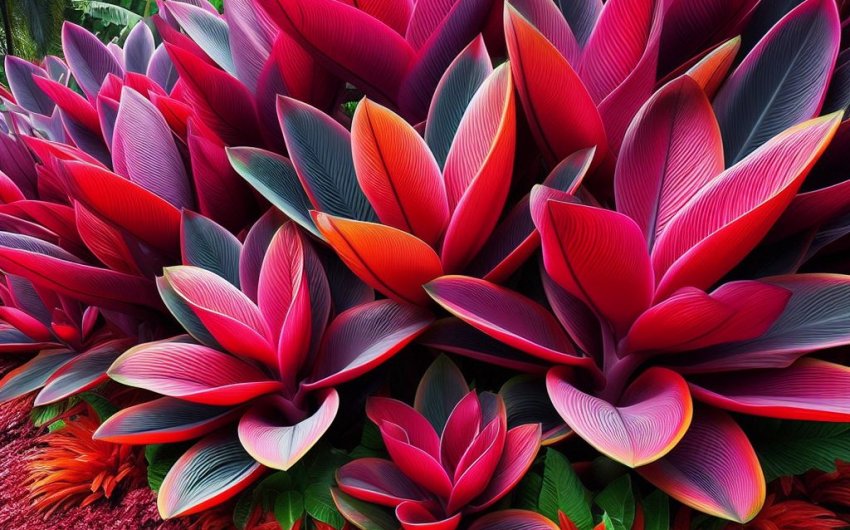
For many gardeners, the quest for truly dramatic and eye-catching plants leads them beyond common annuals and perennials to something that shouts "tropical paradise." If you're looking to infuse your garden with a bold, exotic flair and an undeniable splash of vibrant color, then it's time to go bananas—specifically, with the magnificent Red Banana Plant. While it won't produce edible fruit for most home gardeners, its colossal leaves, often adorned with stunning reddish-purple markings, create an instant focal point, transforming any landscape into a lush, jungle-like retreat.
The Red Banana Plant, scientifically known as Ensete ventricosum 'Maurelii', is a showstopper from the moment its enormous leaves unfurl. Unlike many banana varieties, its appeal lies squarely in its ornamental foliage. The sheer scale of its leaves, combined with the rich, deep red to burgundy tones that streak through them, makes it an unrivaled architectural plant. It's a plant that demands attention, drawing the eye and adding incredible depth, texture, and a truly exotic feel to even the most traditional garden setting.
This guide will help you bring the vibrant energy of the tropics to your own backyard by exploring how to successfully grow a Red Banana Plant. We'll delve into understanding its specific needs, from sun and soil to watering and overwintering, ensuring this tropical beauty thrives in your climate. Get ready to add an unforgettable splash of color and dramatic foliage to your garden, creating a breathtaking, exotic escape right outside your door. Let's make your garden truly sing with the vibrant presence of the Red Banana.
What Makes the Red Banana Plant So Special?
The Red Banana Plant is not just another large-leaved plant; it possesses several unique characteristics that make it truly stand out in the garden.
What Does Its Dramatic Foliage Look Like?
The most captivating feature of the Red Banana Plant is its dramatic foliage.
- Enormous leaves: Its leaves are truly massive, often reaching 6-10 feet long and 2-3 feet wide in a single growing season. This immense size creates an instant tropical jungle feel.
- Vibrant colors: While the base color is green, the leaves are vividly streaked and flushed with shades of red, burgundy, and purple. The intensity of the color can vary based on sun exposure and variety, but it's always eye-catching.
- Upright growth: The leaves emerge from a central pseudostem (false stem, formed by tightly overlapping leaf bases), creating an upright, sculptural form that makes it a fantastic architectural plant. This combination of size, color, and form makes it an unrivaled focal point in any garden.
Is It a True Banana Plant?
The Red Banana Plant (Ensete ventricosum 'Maurelii') is often referred to as a "banana," but it's important to note it's actually an ensete, not a true banana (Musa species).
- Ensete vs. Musa: While both are in the banana family (Musaceae), Ensete species typically produce only one pseudostem and die after flowering and fruiting (which is rare in cultivation for 'Maurelii'). Musa species produce suckers (pups) from the base and can fruit repeatedly.
- Edible fruit (rarely): While Ensete ventricosum (the species from which 'Maurelii' is derived) produces inedible, seedy fruits in its native Ethiopia, 'Maurelii' rarely flowers or fruits in cultivation, especially outside of tropical zones. So, don't expect to harvest bananas! Its value is purely ornamental.
Does It Grow Fast?
Yes, the Red Banana Plant is an incredibly fast grower. If given ideal conditions (plenty of warmth, sun, water, and nutrients), it can achieve impressive size in just one growing season. It will often grow a new leaf every week or two during peak summer, quickly developing its towering presence. This rapid growth makes it an excellent choice for creating instant impact in your garden.
What Climate Does It Prefer?
Being a tropical plant, the Red Banana Plant prefers warm to hot climates.
- Ideal Zones: It is truly perennial and can be left in the ground year-round in USDA Hardiness Zones 9-11.
- Tender in Cold Zones: In colder climates (Zones 8 and below), it is grown as a tender perennial, meaning it needs to be dug up and overwintered indoors, or treated as an annual. It thrives in high humidity and long, warm summers.
How Does It Add an Exotic Touch?
The Red Banana Plant effortlessly adds an exotic, tropical touch to any garden, regardless of your climate. Its enormous leaves and vibrant colors transport you to a faraway jungle. Even in temperate regions, planting a few Red Banana Plants can create a stunning, temporary tropical paradise during the summer months, making your garden feel like a vacation destination. This dramatic foliage contrasts beautifully with more traditional garden plants.
What Are the Requirements for Growing Red Banana Plants?
To ensure your Red Banana Plant thrives and reaches its full, colorful potential, it's essential to provide the right growing conditions.
How Much Sun Does a Red Banana Plant Need?
Red Banana Plants need full sun to partial shade.
- Full Sun: In cooler climates, or if you want the most intense red coloration, full sun (at least 6-8 hours of direct sunlight) is ideal.
- Partial Shade: In hot, Southern climates, some afternoon shade can be beneficial to prevent leaf scorching, especially during the hottest part of the day. Too much shade, however, will reduce the red coloration and lead to less vigorous growth. Find a spot where it gets plenty of morning sun and possibly some filtered afternoon sun.
What Kind of Soil Does It Prefer?
Red Banana Plants thrive in rich, well-drained soil.
- Nutrient-rich: They are heavy feeders, so the soil needs to be loaded with organic matter. Amend your garden beds generously with compost or aged manure before planting.
- Well-drained: While they love moisture, they hate soggy feet. Good drainage is crucial to prevent root rot. If you have heavy clay soil, amend it with plenty of compost and possibly some sand to improve drainage.
- Slightly Acidic to Neutral pH: A soil pH between 6.0 and 7.0 is ideal. A soil pH meter can help you check your current levels.
How Much Water Does a Red Banana Plant Need?
Red Banana Plants are thirsty plants and need consistent and abundant watering, especially during the hot summer months.
- Keep moist: The soil should be kept consistently moist, but not waterlogged.
- Deep watering: Water deeply and regularly, especially if planted in full sun or during dry spells.
- Avoid drought stress: If they don't get enough water, their large leaves will quickly wilt, brown, and look unsightly. A regular deep soaking is better than frequent shallow watering. A soaker hose can provide consistent deep watering.
What About Fertilizing?
As heavy feeders, Red Banana Plants need regular fertilization to fuel their rapid growth and vibrant coloration.
- Start strong: Amend the soil with plenty of compost or slow-release granular fertilizer at planting time.
- During growing season: Fertilize regularly throughout the active growing season (spring through summer). You can use a balanced granular fertilizer every 4-6 weeks, or a liquid fertilizer diluted to half strength every 2-3 weeks. Look for a general-purpose or high-nitrogen fertilizer.
- Follow instructions: Always follow the package instructions for application rates.
- Reduce in fall: Stop fertilizing in late summer/early fall to allow the plant to prepare for dormancy or overwintering. A good quality balanced granular fertilizer can support their vigorous growth.
How Warm Does It Need to Be?
Red Banana Plants are highly sensitive to cold.
- Frost tender: They are frost tender and will be severely damaged or killed by freezing temperatures.
- Warmth for growth: They need consistent warm temperatures to grow vigorously, ideally above 60°F (15°C) and thriving in 70-90°F (21-32°C). If you live in a cold climate, you will need to plan for overwintering indoors.
How Do You Plant a Red Banana Plant?
Proper planting techniques are essential for getting your Red Banana Plant off to a strong start and ensuring it establishes well.
When is the Best Time to Plant?
The best time to plant a Red Banana Plant is in late spring or early summer, after all danger of frost has passed and when the soil and air temperatures are consistently warm. This is when the plant will experience its most vigorous growth. Planting too early can stress the plant and stunt its growth.
How Do You Choose a Good Location?
Choosing the right location is critical.
- Sun requirements: Select a spot that provides the necessary full sun to partial shade.
- Space: Remember that these plants get very large, very fast. Choose a location where the leaves have plenty of room to unfurl without being constricted by buildings, other plants, or pathways. Give it at least 6-8 feet of spread.
- Protection from wind: While tropical plants, their large leaves can tear and fray in strong winds. A somewhat sheltered location can help preserve their pristine appearance.
How Do You Prepare the Planting Hole?
Red Banana Plants are heavy feeders and appreciate rich soil.
- Dig a large hole: Dig a hole that is at least twice as wide as the root ball and just as deep.
- Amend soil: Mix a generous amount of well-rotted compost, aged manure, or other organic matter into the excavated soil. This provides nutrients and improves drainage and soil structure.
- Loosen sides: Loosen the soil on the sides of the hole to encourage roots to spread easily. A sturdy digging shovel will be helpful given the size of the hole.
How Do You Plant the Red Banana Plant?
- Remove from container: Carefully remove the Red Banana Plant from its nursery container. If the roots are circling the pot, gently tease them apart.
- Placement: Place the plant in the center of the prepared hole, ensuring the top of the root ball is level with or slightly above the surrounding soil grade. Do not plant too deep.
- Backfill: Backfill the hole with your amended soil, gently tamping down to remove large air pockets.
- Water thoroughly: Water immediately and deeply after planting to settle the soil around the roots. Continue to water regularly until the plant is established.
Can You Grow Red Banana Plants in Containers?
Yes, Red Banana Plants can be grown in containers, especially in colder climates where they need to be brought indoors for winter.
- Large pot: Choose a very large pot (at least 15-20 gallons or larger) with good drainage holes, as they grow quickly and need space.
- Potting mix: Use a high-quality, well-draining potting mix.
- Watering/Fertilizing: Container-grown plants will need even more frequent watering and fertilizing than those in the ground, as nutrients leach out faster and the soil dries quicker.
- Portability: Consider a plant caddy with wheels for easy movement if you plan to overwinter it.
How Do You Care for a Red Banana Plant Throughout the Season?
Once planted, consistent care will ensure your Red Banana Plant grows vigorously and displays its full, vibrant glory.
How Do You Water Consistently?
Consistent and generous watering is paramount.
- Daily checks: In hot, sunny weather, you might need to check the soil moisture daily.
- Deep watering: When you water, water deeply until water drains from the bottom of the pot (for containers) or until the soil is thoroughly saturated around the root zone (for in-ground plants).
- Mulch: Apply a thick layer of organic mulch around the base of the plant (keeping it away from the pseudostem) to help retain soil moisture and regulate soil temperature. A good bagged garden mulch will also enrich the soil over time.
How Do You Fertilize Regularly?
Regular fertilization is non-negotiable for these hungry plants.
- Frequency: Every 2-4 weeks during the active growing season (spring to late summer) with a liquid feed, or every 4-6 weeks with a granular fertilizer.
- Type: A balanced fertilizer or one slightly higher in nitrogen will promote lush foliage.
- Follow instructions: Always dilute liquid fertilizers or apply granular products according to package directions to avoid burning the plant.
What About Pruning?
Red Banana Plants don't require extensive pruning, but some tidying helps.
- Remove dead/damaged leaves: As lower leaves age, they will yellow, brown, and eventually die. Trim these off at the pseudostem using a sharp, clean knife or pruning saw to keep the plant tidy and healthy.
- Trim torn leaves: If leaves get torn by wind, you can trim the tattered edges to neaten their appearance.
- Remove suckers (if any): While 'Maurelii' typically doesn't produce many suckers (basal shoots) like true bananas, remove any that do appear if you want a single, dominant pseudostem.
What Pests and Diseases Affect Red Banana Plants?
Red Banana Plants are generally quite robust, but they can be affected by a few common pests and diseases:
- Spider Mites: Tiny pests that thrive in hot, dry conditions, causing speckling on leaves and sometimes fine webbing.
- Control: Regular spraying with water (especially the undersides of leaves) helps deter them. Insecticidal soap or neem oil can be used for infestations.
- Aphids: Small, pear-shaped insects that cluster on new growth.
- Control: Blast them off with a strong stream of water from a hose, or use insecticidal soap.
- Root Rot: Caused by overwatering or poor drainage, leading to mushy stems and wilting leaves.
- Control: Ensure excellent drainage and water properly (allow topsoil to dry out between waterings).
- Leaf Spot: Various fungal leaf spots can appear, especially in humid conditions.
- Control: Ensure good air circulation and avoid overhead watering. Remove heavily affected leaves.
How Do You Overwinter a Red Banana Plant in Cold Climates?
If you live in a climate where winter temperatures drop below freezing (USDA Zones 8 or colder), you will need to overwinter your Red Banana Plant indoors or treat it as an annual.
What is the "Dig and Store" Method?
The most common method for overwintering a Red Banana Plant is the "dig and store" method:
- Preparation (late fall): Before the first hard frost, stop watering and fertilizing to allow the plant to begin drying out.
- Cut back foliage: Cut back all the leaves and the pseudostem, leaving only about 1-2 feet of the pseudostem (from the ground up).
- Dig up the plant: Carefully dig up the plant, trying to keep as much of the root ball intact as possible. Shake off excess soil.
- Dry out (briefly): Let the root ball dry in a sheltered, cool spot for a few days to a week to prevent rot during storage.
- Store: Place the entire plant (roots and stub of pseudostem) in a cool (40-50°F or 4-10°C), dark, dry, and frost-free location, such as a garage, basement, or shed. You can store the root ball in a large pot with dry peat moss or sawdust, or just wrapped in burlap.
- Check periodically: Check occasionally during winter for rot or excessive dryness. If it's too dry, lightly mist the root ball.
- Replant in spring: In spring, once danger of frost has passed, bring the plant out, replant it in a sunny spot, and resume watering. It will emerge from dormancy and start growing again.
What is the "Container Overwintering" Method?
If you grew your Red Banana Plant in a container during the summer, overwintering is simpler:
- Bring indoors: Before the first frost, bring the potted plant indoors.
- Location: Place it in a cool (50-60°F or 10-15°C), bright room, like a sunroom or a bright basement. It doesn't need full sun indoors during winter, but avoid totally dark conditions.
- Reduce watering: Drastically reduce watering during winter dormancy. The goal is to keep the soil barely moist, just enough to prevent the plant from completely drying out. Do not fertilize.
- Leaf drop: Expect some leaf yellowing and drop; this is normal as the plant adjusts to indoor conditions and dormancy. You can cut off unsightly leaves.
- Resume care in spring: In spring, once temperatures warm, move it back outdoors (after hardening off), and resume regular watering and fertilizing.
Can You Treat it as an Annual?
In very cold climates or if you prefer not to deal with overwintering, you can simply treat the Red Banana Plant as an annual.
- Plant in spring: Buy a new plant or start from seed/corm (less common for 'Maurelii' as it doesn't usually produce offsets) each spring.
- Enjoy for one season: Enjoy its dramatic display throughout the summer.
- Compost in fall: Allow the plant to be killed by the first hard frost, and then add it to your compost pile. This is the simplest option, though it means buying a new plant each year.
What About Humidity Indoors?
When overwintering a Red Banana Plant indoors, especially in a heated home, low indoor humidity can be a challenge.
- Signs of low humidity: Brown, crispy leaf edges or tips.
- Solutions:
- Place the plant near a humidifier.
- Group it with other plants to create a microclimate.
- Place the pot on a pebble tray filled with water (ensure the pot doesn't sit in the water). While some leaf damage is normal during indoor overwintering, maintaining some humidity can help.
How Do You Use Red Banana Plants in Landscape Design?
The bold presence of Red Banana Plants allows them to be used in incredibly impactful ways in landscape design, creating focal points and adding exotic flair.
How Do They Work as a Focal Point?
The Red Banana Plant is a natural focal point due to its immense size, striking color, and unique form.
- Single specimen: Plant it as a stand-alone specimen in a prominent location in your lawn or a large garden bed.
- Centerpiece: Use it as the centerpiece of a tropical-themed planting, surrounded by lower-growing, complementary plants. Its commanding presence will draw the eye and become an instant talking point in your garden.
How Do They Create a Tropical Look?
If your goal is to evoke a tropical paradise, the Red Banana Plant is indispensable.
- Pair with other tropicals: Combine it with other large-leaved, exotic-looking plants like elephant ears (Colocasia/Alocasia), cannas, hibiscus, or ornamental grasses for a lush, layered jungle effect.
- Vibrant colors: Use its deep red and burgundy tones as a base to integrate with other bright tropical colors like hot pink, orange, and yellow.
- Containers: In cooler climates, use it in large containers to bring the tropical look to patios and decks, making them portable for overwintering.
How Do They Enhance Borders and Backdrops?
While often a focal point, Red Banana Plants can also serve as a dramatic backdrop in a large border.
- Back of the border: Plant taller varieties at the very back of a large perennial border to provide impressive height and a lush green-red wall of foliage.
- Screening: Its rapid, dense growth can provide effective temporary screening during the summer months. Their scale creates a sense of depth and enclosure in a garden space.
How Do They Pair with Other Plants?
Red Banana Plants pair well with plants that offer contrasting textures or complementary colors.
- Fine-textured plants: Contrast their massive leaves with fine-textured ornamental grasses, ferns, or delicate annuals.
- Bright colors: Combine with flowers in hot colors (oranges, yellows, fuchsias) for a vibrant tropical riot.
- Foliage plants: Other plants with interesting foliage, like caladiums, coleus, or sweet potato vine, can enhance the tropical feel without competing for blooms.
- Succulents/Cacti (in containers): For a modern, textural display, use smaller Red Banana Plants in containers and surround them with smaller, contrasting succulents.
What About Water Features?
The lush, exotic look of a Red Banana Plant makes it a perfect companion for water features.
- Ponds and waterfalls: Plant it near the edge of a pond or waterfall to create a natural, jungle-like setting. The sound of water will enhance the tropical ambiance.
- Moisture loving: Their need for consistent moisture makes them well-suited for such areas, where the soil naturally stays damp. The reflection of their large leaves on the water can be particularly striking.