
Fresh Cuts, Lasting Love: Keeping Your Garden Flowers Poppin'
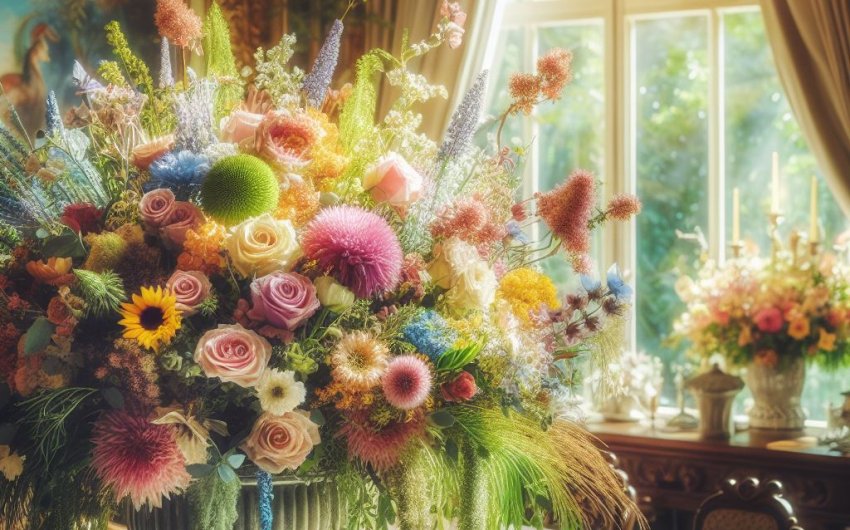
To keep your garden flowers poppin' and ensure fresh cuts, lasting love, focus on proper harvesting techniques, immediate hydration, and meticulous conditioning before arranging. Consistent water changes, the use of flower food, and strategic placement away from heat and direct sunlight are key to extending the vibrancy of your homegrown blooms.
What's the secret to harvesting garden flowers for the longest vase life?
The secret to harvesting garden flowers for the longest vase life begins with timing and technique, ensuring your fresh cuts, lasting love philosophy starts right in the garden. Picking flowers at the optimal stage and with the right tools significantly impacts how long they stay vibrant once brought indoors.
Key secrets for optimal harvesting:
- Time of Day (Crucial!):
- Best time: Harvest in the early morning after the dew has dried but before the sun's heat causes the plants to lose moisture. Flowers are most turgid (full of water) at this time.
- Avoid: Never cut flowers in the midday sun or late afternoon, as they will be dehydrated and wilt quickly.
- Stage of Bloom (Varies by Flower):
- For most single-stemmed flowers (e.g., Zinnias, Marigolds, Cosmos, Dahlias): Cut when the flower is about 1/2 to 3/4 open. They will continue to unfurl in the vase.
- For bud-cut flowers (e.g., Tulips, Gladiolus, Lilies): Cut when the buds are showing color but are still mostly closed and firm. They will open beautifully indoors.
- For fully open flowers (e.g., Sunflowers, fully open Roses, Peonies): Cut when fully open but still look fresh and firm, not past their prime. You'll get instant impact, but a slightly shorter vase life.
- For spray flowers (e.g., Salvia, Snapdragon, Stock): Cut when 1/3 to 1/2 of the individual florets on the stalk are open.
- Use Sharp, Clean Tools:
- Tools: Always use very sharp floral snips, gardening scissors, or a sharp knife. Dull tools crush stems, blocking their ability to absorb water.
- Cleanliness: Sterilize your tools with rubbing alcohol or a bleach solution (1 part bleach to 10 parts water) before and after use, especially between different plants. This prevents the spread of plant diseases.
- Immediate Hydration (The "Bucket Method"):
- Prepare a bucket: Have a clean bucket or pail filled with cool, fresh water (preferably mixed with flower food) waiting with you in the garden.
- Plunge immediately: As soon as you cut a stem, plunge it immediately into the water. This prevents air from entering the stem's vascular system, which can create an "air embolism" that blocks water uptake and causes wilting.
- Cut Long Stems:
- Cut stems as long as possible, keeping in mind the plant's overall health (e.g., leaving enough foliage for continuous production). You can always trim them shorter later for your arrangement.
What's the crucial "conditioning" step for lasting garden flowers?
The "conditioning" step is absolutely crucial for ensuring your garden flowers last, making your fresh cuts, lasting love philosophy successful once they're brought indoors. This process allows them to fully hydrate and prepare for their extended life in a vase, minimizing wilting and maximizing vibrancy.
Step-by-step flower conditioning:
- Recut Stems (The Most Important Part of Conditioning!):
- Method: Once you've brought your bucket of freshly cut flowers inside, one by one, take each stem out of the water. Using sharp floral snips or a knife, cut 1-2 inches off the bottom of the stem at a 45-degree angle.
- Crucial Tip: Do this under running water or, even better, place the cut end directly into a basin of water immediately after cutting. This ensures no air gets into the newly opened vascular tissue.
- Why: Even with immediate plunging in the garden, a new cut is often needed. The angled cut increases the surface area for water absorption and prevents the stem from sitting flat against the bottom of the vase, which can block water uptake.
- Remove All Submerged Foliage:
- Method: Strip off any leaves or side shoots that would fall below the waterline in your final arrangement vase. This is easier to do while holding the stem outside the water.
- Why: Submerged foliage decomposes rapidly, creating bacteria that contaminate the water. These bacteria then clog the flower's stems, dramatically shortening vase life.
- Prepare Your Conditioning Vessel:
- Use a very clean bucket or tall vase. Wash it thoroughly with hot, soapy water and a bottle brush (or even a dilute bleach solution, rinsed completely) to remove any lingering bacteria.
- Fill it with cool, fresh water.
- Add Flower Food:
- Mix a packet of commercial cut flower food into the conditioning water according to package directions.
- Why: Flower food provides essential nutrients, lowers the water's pH (making it easier for flowers to absorb), and contains a bactericide to keep the water clean.
- The "Hydration Soak":
- Place all your prepared flowers into the clean conditioning vessel filled with flower food solution.
- Location: Put the bucket of flowers in a cool, dark place (like a basement, garage, or cool room) for at least 2-4 hours, or preferably overnight.
- Why: This allows the flowers to fully rehydrate and become turgid (firm and plump) without the stress of bright light or heat, preparing them for arranging.
- Specific for Tulips: For tulips that you want to stand straight, tightly wrapping them in brown paper or newspaper during this conditioning soak provides extra support.
What's the best "drink" for my cut garden flowers?
The best "drink" for your cut garden flowers is a combination of fresh, cool, clean water and a properly mixed commercial flower food. This perfect cocktail ensures optimal hydration and nutrition, keeping your fresh cuts, lasting love strategy effective and your blooms vibrant.
Components of the best "drink":
- Fresh, Cool Water:
- Temperature: Use cool, even slightly cold, tap water. Cool water is absorbed more efficiently by flower stems than warm water and helps prevent bacterial growth.
- Freshness: Change the water daily, or at least every other day. Old water quickly becomes a breeding ground for bacteria, which are the #1 enemy of cut flower longevity.
- Commercial Cut Flower Food:
- Why it works: These packets (or liquid concentrates) are scientifically formulated to meet the specific needs of cut flowers. They contain three key ingredients:
- Sugar (Carbohydrates): Provides energy for the flowers, as they no longer have roots to produce their own food.
- Acidifier: Lowers the pH of the water, making it easier for the stems to absorb. Many tap waters are slightly alkaline, which can hinder water uptake.
- Bactericide (Biocide): Inhibits the growth of bacteria and fungi in the water. These microorganisms clog stems and cause premature decay.
- Dosage: Always follow the package instructions precisely for mixing ratios. Too much or too little can be detrimental.
- Availability: Most store-bought flowers come with a packet. You can also purchase bulk cut flower food from florists or online.
- Why it works: These packets (or liquid concentrates) are scientifically formulated to meet the specific needs of cut flowers. They contain three key ingredients:
Why home remedies are generally not recommended:
- Sugar only: While sugar provides energy, without an acidifier and bactericide, it quickly becomes food for bacteria, making the water cloudy and foul faster.
- Bleach only: A tiny drop can act as a bactericide, but too much can damage flowers. It doesn't provide nutrients or pH adjustment.
- Aspirin/Vinegar: Can act as an acidifier, but often lacks the full spectrum of benefits and can be difficult to dose correctly.
- Copper pennies: Largely a myth; modern pennies have very little copper, and its effect is minimal compared to flower food.
The verdict: While some home remedies might offer a slight benefit, commercial flower food is formulated for optimal results and is the most reliable way to keep your garden flowers poppin'.
Where should I place my flower arrangements for the longest life?
Strategic placement is a crucial, yet often overlooked, aspect of keeping your garden flowers vibrant. The environment around your fresh cuts, lasting love arrangements can significantly impact how long they stay beautiful, so choose their spot wisely.
Optimal placement for long-lasting flower arrangements:
- Cool Locations:
- Reason: Flowers age faster in warm temperatures. Cooler air slows down their metabolism and respiration, extending their life.
- Best spots: Find the coolest available room in your home, away from:
- Direct Sunlight: Sun not only heats flowers but also encourages them to open faster and can cause wilting and scorching.
- Heat Vents/Radiators/Fireplaces: These sources of dry heat will rapidly dehydrate your flowers.
- Warm Electronics: Lamps, TVs, or computers can emit enough heat to affect nearby blooms.
- Away from Ripening Fruit:
- Reason: Ripening fruits (especially bananas, apples, avocados) release ethylene gas, a natural plant hormone that accelerates the aging and decay of cut flowers.
- Best practice: Keep your floral arrangements on a separate surface, away from any fruit bowls.
- Avoid Drafts:
- Reason: While good air circulation is generally healthy, constant strong drafts (from open windows, fans, or air conditioning vents) can accelerate moisture loss from flowers, leading to dehydration.
- Best practice: Place arrangements in a sheltered spot with gentle air movement, not direct blasts.
- Away from High Traffic Areas:
- Reason: Frequent brushing or bumping can damage delicate petals and stems, leading to premature wilting or bruising.
- Best practice: Place arrangements where they can be admired but won't be constantly jostled.
- Consider Overnight Cooling (Optional):
- Reason: Even a few hours in a cooler environment can extend vase life.
- Best practice: If you have a cool basement, unheated spare room, or even a garage (if temperatures are above freezing), you can move delicate arrangements there overnight.
What maintenance tips keep garden flowers poppin' day after day?
Consistent and mindful maintenance is key to keeping your garden flowers poppin' day after day, maximizing the joy from your fresh cuts, lasting love arrangements. These routine tasks are simple, but their cumulative effect is profound, extending the vibrancy of your blooms.
Daily and every-other-day maintenance tips:
- Change Water Daily (or Every Other Day):
- Why: This is the single most important ongoing task. Water becomes contaminated with bacteria very quickly, especially if any foliage is submerged.
- How: Carefully remove flowers, pour out the old water, rinse the vase (quickly scrub with a bottle brush if needed), and refill with fresh, cool water and new flower food.
- Recut Stems Every Other Day:
- Why: The cut ends of stems can seal over or become clogged with bacteria, blocking water uptake. A fresh cut reopens the vascular system.
- How: Take flowers out of the vase, use sharp floral snips to make a fresh diagonal cut (about 1/2 inch) from the bottom of each stem. Immediately place back into fresh water.
- Remove Any Fading Flowers or Foliage:
- Why: Spent flowers and decaying leaves release ethylene gas, which accelerates the aging of surrounding healthy blooms. They also make the arrangement look messy.
- How: Gently pluck or snip off any flowers that are past their prime, and remove any yellowing or decaying leaves.
- Top Up Water Level:
- Flowers drink a lot! Even if you don't change the water, check the level daily and top it up with fresh, cool water (and a dash of flower food if changing entirely is too frequent).
- Keep it Clean:
- Wipe down the outside of the vase if there are any drips or dust. A clean presentation enhances the beauty of your garden flowers.
How do I revive wilting garden flowers in an arrangement?
It's disheartening to see your beautiful garden flowers start to wilt in an arrangement, but often, they can be revived! Prompt action and targeted rehydration techniques can bring your fresh cuts, lasting love blooms back to life, making them poppin' again.
Steps to revive wilting garden flowers:
- Re-condition Aggressively (The Full Treatment):
- Remove: Take all wilting flowers out of the vase.
- Recut Underwater: Submerge the entire stem (or even the whole flower if it fits) in a basin of cool water. Using sharp floral snips, recut 1-2 inches off the bottom of each stem at a sharp diagonal angle while it's submerged. This helps to flush out any air bubbles that are blocking water uptake.
- Strip Foliage: Remove any leaves that will sit below the waterline.
- Deep Soak: Place the recut stems into a clean bucket or tall vase filled with fresh, cool water and a full dose of flower food. Ensure the water level is high enough to reach a good portion of the stems.
- Cool, Dark Place: Leave the wilting flowers to hydrate in a cool, dark room for 2-4 hours, or even overnight. This allows them to drink without the stress of light or heat.
- The "Paper Wrap" Trick (Especially for Wilting Tulips/Roses):
- Method: After recutting, wrap the entire bunch of wilting flowers snugly in brown paper or newspaper, creating a tight cone around the stems and blooms. Place the wrapped bunch into the deep, cool water.
- Why: The paper provides external support, helping the stems stand upright as they drink, which forces water up to the flower heads.
- The "Bath" Method (For Severely Dehydrated Blooms):
- Method: For very wilted, delicate flowers (e.g., Hydrangeas, some Roses), you can gently submerge the entire flower head (blooms and stems) in a basin of cool water for 30 minutes to an hour after recutting stems.
- Why: Allows for rapid rehydration through both stems and petals.
- Caution: Not suitable for all flowers (e.g., fuzzy-leafed plants) or if water is not perfectly clean, as it can promote rot.
- Remove Struggling Blooms:
- If a flower simply doesn't revive after aggressive conditioning, it's best to remove it. A decaying flower releases ethylene gas, which can harm its healthy companions.
How do different flower types impact vase life and care?
Different garden flower types have distinct characteristics that significantly impact their natural vase life and specific care requirements, influencing how long your fresh cuts, lasting love displays remain vibrant. Understanding these differences is key to effective tulip troubleshooting and maximizing beauty.
Flower types and their unique care impacts:
- Woody Stems (e.g., Roses, Lilacs, Hydrangeas, Flowering Shrubs):
- Challenge: Woody stems can struggle to absorb water efficiently.
- Care: After recutting at a 45-degree angle, smash or split the bottom 1-2 inches of the stem with a hammer or knife. This increases the surface area for water absorption. Alternatively, peel back the bark for a few inches.
- Vase Life: Varies, Hydrangeas are notoriously thirsty. Lilacs can be short-lived.
- Soft/Hollow Stems (e.g., Tulips, Daffodils, Poppies, Delphiniums):
- Challenge: Can be prone to bending, collapsing, or releasing sap.
- Care:
- Tulips: Recut, remove lower leaves, and use the "paper wrap" conditioning method to keep them straight initially. Change water daily.
- Daffodils/Narcissus: These release a sticky sap that can be toxic to other flowers in a mixed arrangement. Condition them separately in their own water for several hours (until the sap stops flowing) before adding to a mixed vase.
- Poppies: Sear the cut ends of the stems with a flame or dip in boiling water for a few seconds to seal the sap and prevent wilting.
- Vase Life: Tulips are active growers and movers. Poppies can be short-lived without sealing.
- Fuzzy Stems/Leaves (e.g., Lamb's Ear, some Geraniums):
- Challenge: Fuzzy surfaces can hold moisture, making them prone to fungal issues if submerged.
- Care: Be extra diligent in removing all submerged fuzzy foliage. Avoid misting the fuzzy parts directly.
- Vase Life: Generally good if kept dry.
- Tropical Flowers (e.g., Orchids, Bird of Paradise):
- Challenge: Often require specific humidity and may be sensitive to cold.
- Care: Recut stems carefully. Some may appreciate high humidity (though not directly from water in the vase). Keep in warmer rooms.
- Vase Life: Can be surprisingly long if cared for.
- Flowers with Milky Sap (e.g., some Euphorbia, Poppies):
- Challenge: The milky sap can clog stems and prevent water uptake.
- Care: Sear the cut ends with a flame or dip in boiling water immediately after cutting to seal the sap.
- Vase Life: Improves significantly with sealing.
- Heavy Headed Flowers (e.g., large Dahlias, Peonies, Sunflowers):
- Challenge: Their large, heavy blooms can make stems bend or snap.
- Care: Provide physical support. Choose a sturdy vase. You may need to use floral wire or a flower frog for support.
- Vase Life: Can be good with proper support.
To keep your garden flowers poppin' with fresh cuts, lasting love, remember that every bloom tells a story and requires its own unique attention. By mastering harvesting, conditioning, daily maintenance, and knowing how to troubleshoot common issues, you can prolong the joy of your homegrown floral arrangements, bringing lasting beauty from your garden into your home.