
Say it with Flowers: Choosing Blooms for Every Occasion
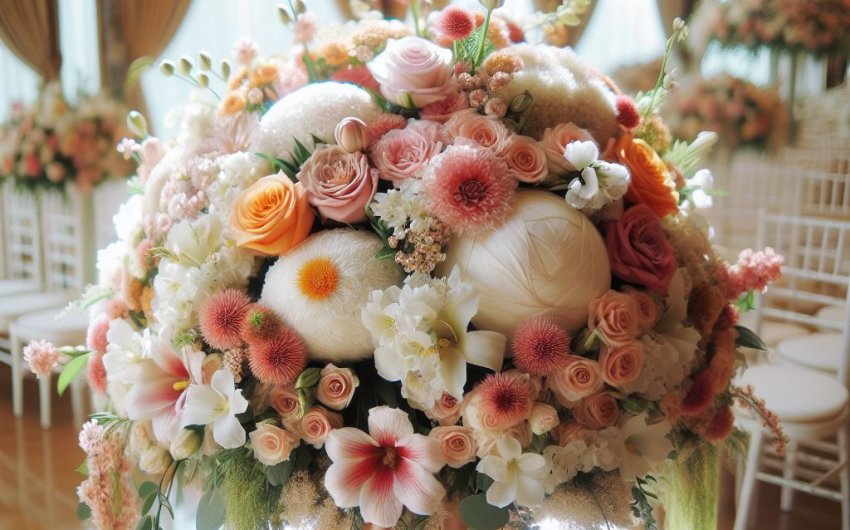
To say it with flowers and choose the perfect blooms for every occasion, consider the event's mood, the recipient's preferences, and the specific symbolism of different flower types and colors. Understanding these nuances allows you to convey heartfelt messages and create memorable floral gifts that truly speak volumes.
What's the secret to choosing the right flowers for any occasion?
The secret to choosing blooms for every occasion lies in understanding the context – the relationship with the recipient, the event's mood, and the subtle language of flowers themselves. This allows you to truly say it with flowers, conveying genuine emotions and creating a meaningful, lasting impression.
Key secrets for choosing the right flowers:
- Consider the Occasion's Mood:
- Celebratory/Joyful: Bright, vibrant colors (yellow, orange, hot pink), abundant blooms.
- Romantic: Reds, deep pinks, classic forms, often fragrant.
- Sympathy/Condolence: Whites, creams, soft pastels, muted tones, peaceful designs.
- Get Well/Encouragement: Cheerful yellows, oranges, uplifting bright colors.
- Formal/Elegant: Monochromatic schemes, sophisticated flower types, structured arrangements.
- Casual/Appreciative: Mixed garden-style bouquets, vibrant but not overwhelming.
- Think About the Recipient's Preferences:
- Favorite Color: Always a safe and thoughtful choice.
- Favorite Flower: If known, this is usually the best option.
- Home Decor: Consider colors that would complement their home environment.
- Allergies: Be mindful of strong fragrances or pollen if the recipient has allergies.
- Personality: Bold and dramatic, or subtle and delicate?
- Understand Flower Symbolism (Floriography):
- Different flowers and colors carry specific meanings. While not everyone knows floriography, the sentiment behind choosing a flower for its meaning adds a layer of thoughtfulness.
- Consider the Season:
- Seasonal flowers are often fresher, more readily available, and can be more cost-effective. They also inherently connect to the time of year.
- Budget:
- Determine how much you're comfortable spending. You can still create beautiful arrangements on a modest budget.
- Delivery Method/Presentation:
- Will it be hand-delivered, sent by mail, or brought as a hostess gift? This can influence the type of arrangement (bouquet, potted plant, vase arrangement).
What are the best blooms to say "I Love You"?
To truly say it with flowers when expressing "I Love You," select blooms that universally symbolize deep affection, passion, and romance. These classic choices are powerful messengers of heartfelt emotion, perfect for anniversaries, Valentine's Day, or any moment you want to convey profound love.
Top blooms for expressing love:
- Red Roses:
- Symbolism: The ultimate symbol of passionate, romantic love, desire, and beauty. Unquestionably says "I love you."
- Occasion: Valentine's Day, anniversaries, romantic gestures, proposals.
- Red Tulips:
- Symbolism: Represent true love, perfect love, and declaration of love. A slightly more whimsical yet equally heartfelt expression than roses.
- Occasion: Early-stage romance, new love, spring anniversaries.
- Carnations (Red or Pink):
- Symbolism: Red signifies deep love and admiration, while pink symbolizes affection and "I'll never forget you."
- Occasion: Valentine's Day (classic alternative to roses), anniversaries, expressing profound emotion.
- Orchids:
- Symbolism: Represent luxury, beauty, strength, love, and exotic charm. A sophisticated and long-lasting symbol of affection.
- Occasion: Anniversaries, celebrating a unique love, expressing admiration.
- Peonies:
- Symbolism: Symbolize romance, prosperity, a happy marriage, and good fortune. Their lush, abundant blooms evoke richness and a full heart.
- Occasion: Anniversaries, weddings, celebrating a long-term relationship.
- Lilies (Red or Pink):
- Symbolism: Red lilies symbolize passion and desire, while pink lilies represent romance and admiration.
- Occasion: Expressing bold affection.
- Alstroemeria (Peruvian Lily):
- Symbolism: Represents devotion and friendship, a beautiful way to express enduring love.
- Occasion: Showing steadfast love and commitment in a more casual, long-lasting bouquet.
- Dianthus (Pinks):
- Symbolism: The general meaning of Dianthus is devotion and true love. Red signifies passion.
- Occasion: A charming, classic way to convey deep affection.
Which flowers are appropriate for expressing sympathy and remembrance?
For moments of sympathy and remembrance, choosing blooms that convey respect, peace, and solace is paramount. These blooms for every occasion of loss are chosen for their calming colors and gentle forms, allowing you to say it with flowers in a comforting and respectful way.
Appropriate flowers for sympathy and remembrance:
- Lilies (White, Stargazer, Calla):
- Symbolism: White lilies are classic for funerals, symbolizing peace, purity, dignity, and the restored innocence of the soul. Stargazer lilies represent sympathy, while Calla lilies symbolize purity and rebirth.
- Impact: A traditional and highly respected choice.
- White Roses:
- Symbolism: Convey reverence, innocence, spiritual love, and remembrance. They are a gentle expression of sympathy.
- Impact: Elegant and timeless.
- Carnations (White or Pink):
- Symbolism: White carnations symbolize pure love and innocence, while pink symbolizes remembrance and affection.
- Impact: A durable and traditional choice for sympathy arrangements.
- Gladioli:
- Symbolism: Represent sincerity, strength of character, and remembrance. Their tall, stately spikes are very impactful.
- Impact: Often used in standing sprays or large arrangements.
- Chrysanthemums (Mums - often white):
- Symbolism: In many European countries, mums are associated with death and mourning. White mums specifically symbolize grief, honor, and sorrow.
- Impact: A very traditional funeral flower in certain cultures.
- Orchids (White or Purple Phalaenopsis):
- Symbolism: Represent eternal love and remembrance. Often sent as a long-lasting potted plant.
- Impact: A sophisticated and enduring expression of sympathy.
- Hyacinths (White or Blue):
- Symbolism: White signifies loveliness and prayers for the deceased. Blue symbolizes constancy.
- Impact: Adds fragrance and a delicate touch.
- Forget-Me-Nots:
- Symbolism: Literal meaning of remembrance and everlasting love.
- Impact: Often used as small accents or seeds are given as favors.
- Lavender:
- Symbolism: Represents calmness, peace, and devotion.
- Impact: Can be used in arrangements for its soothing fragrance.
General tips for sympathy flowers:
- Color Palette: Stick to whites, creams, soft pastels (pinks, lavenders), and muted blues or greens for a comforting and respectful tone.
- Arrangement Style: Often more traditional, elegant, and peaceful.
- Potted Plants: A long-lasting potted plant (like a Peace Lily or Orchid) can be a thoughtful alternative that continues to offer comfort.
What flowers are best for celebrating birthdays and joyful occasions?
For birthdays and joyful occasions, choosing blooms that radiate happiness, energy, and vibrancy is key. These blooms for every occasion of celebration should be bold, cheerful, and full of life, allowing you to say it with flowers in an uplifting and enthusiastic way.
Top flowers for birthdays and joyful occasions:
- Sunflowers:
- Symbolism: Represent adoration, longevity, happiness, and vitality. Their bright, open faces exude pure joy.
- Impact: Instantly cheerful and a bold statement of happiness.
- Gerbera Daisies:
- Symbolism: Convey cheerfulness, innocence, and vibrant beauty. Available in a rainbow of bright, bold colors.
- Impact: Energetic, playful, and incredibly uplifting.
- Zinnias:
- Symbolism: Represent lasting affection, endurance, and joyful remembrance. Come in a huge array of vibrant colors and forms.
- Impact: Abundant, colorful, and evoke a charming garden feel.
- Tulips (Bright Colors - Yellow, Orange, Hot Pink):
- Symbolism: Yellow tulips mean cheerful thoughts. Orange signifies enthusiasm. Pink conveys happiness.
- Impact: Classic spring celebration flowers, vibrant and elegant.
- Mixed Roses (Yellow, Orange, Pink):
- Symbolism: Yellow for friendship and joy, orange for enthusiasm, pink for appreciation and happiness.
- Impact: Classic beauty with a cheerful twist.
- Carnations (Bright Colors - Pink, Orange, Yellow):
- Symbolism: Pink signifies happiness and appreciation. Yellow expresses cheerful thoughts.
- Impact: Long-lasting, affordable, and available in a wide range of festive colors.
- Lilies (Bright Asiatic, Orienpet, or LA Hybrids):
- Symbolism: Represent happiness, celebration, and good fortune.
- Impact: Large, dramatic blooms in vibrant colors, perfect for a show-stopping gift.
- Alstroemeria (Peruvian Lily):
- Symbolism: Represents friendship and devotion.
- Impact: Long-lasting, colorful, and a great filler or standalone flower for cheerful bouquets.
- Dahlias:
- Symbolism: Represent elegance, dignity, and commitment. Their vast forms and colors allow for any celebratory mood.
- Impact: Spectacular, show-stopping blooms for grand celebrations.
- Hydrangeas (Pink, Blue, Purple):
- Symbolism: Represent gratitude, understanding, and heartfelt emotion.
- Impact: Lush, abundant blooms that fill a space with color and charm.
What flowers are thoughtful for "Get Well" or "Thinking of You" messages?
For "Get Well" or "Thinking of You" messages, choosing blooms that convey warmth, optimism, and gentle care is essential. These blooms for every occasion of encouragement are selected to uplift spirits and provide comfort, allowing you to say it with flowers with genuine empathy.
Thoughtful flowers for "Get Well" / "Thinking of You":
- Yellow Flowers (General Symbolism):
- Impact: Universally associated with happiness, sunshine, and cheer. Immediately uplifting.
- Examples: Yellow Roses, Yellow Tulips, Yellow Lilies, Yellow Gerbera Daisies, Sunflowers (if appropriate for the setting).
- Gerbera Daisies:
- Symbolism: Represent cheerfulness, innocence, and vibrant beauty. Their bright, bold colors are incredibly uplifting.
- Impact: Guaranteed to bring a smile, available in almost any color.
- Daffodils (Narcissus):
- Symbolism: Represent new beginnings, hope, and joy. A bright, cheerful reminder of spring and recovery.
- Impact: Simple yet powerful message of optimism.
- Hydrangeas (Potted Plant):
- Symbolism: Represent gratitude, heartfelt emotion, and understanding. A potted plant lasts longer.
- Impact: Lush, abundant, and offers enduring beauty.
- Alstroemeria (Peruvian Lily):
- Symbolism: Represents friendship and devotion.
- Impact: Long-lasting, colorful, and a symbol of enduring support.
- Carnations (Pink or Peach):
- Symbolism: Pink signifies affection and "I'll never forget you." Peach conveys gratitude and encouragement.
- Impact: Durable, often fragrant, and a comforting choice.
- Irises:
- Symbolism: Represents hope, cherished friendship, and good news.
- Impact: Elegant and convey a message of positive anticipation.
- Potted Plants (Non-toxic options):
- Why: A potted plant lasts longer than cut flowers, providing ongoing cheer.
- Examples: Peace Lily (elegant, air-purifying, but mildly toxic if ingested by pets/children), Orchid (long-lasting, exotic), African Violet (cheerful, compact), Spider Plant (easy care, non-toxic). Always check toxicity for the recipient's environment.
- Lavender (Potted Plant or Cut Sprigs):
- Symbolism: Represents calmness, healing, and peace.
- Impact: Known for its soothing scent, promotes relaxation.
What are appropriate flowers for expressing gratitude and appreciation?
To express gratitude and appreciation, choosing blooms that convey sincerity, admiration, and thankfulness is paramount. These blooms for every occasion of thanks allow you to say it with flowers in a warm, heartfelt, and memorable way.
Appropriate flowers for gratitude and appreciation:
- Pink Roses:
- Symbolism: Universally convey gratitude, appreciation, admiration, and joy. A beautiful and classic choice.
- Impact: Elegant, heartfelt, and widely understood.
- Peach Roses:
- Symbolism: Specifically represent sincerity, gratitude, and appreciation. A warm and gentle way to say thank you.
- Impact: Subtle yet powerful, often preferred for a sophisticated thank you.
- Hydrangeas:
- Symbolism: Known to represent gratitude, understanding, and heartfelt emotion.
- Impact: Their abundant, lush blooms make a generous and impactful gesture.
- Sweet Peas:
- Symbolism: Express thank you for a lovely time, delicate pleasure, and blissful pleasure.
- Impact: Delicate, fragrant, and whimsical, perfect for a charming thank you.
- Dahlias:
- Symbolism: Represent elegance, dignity, and commitment. Can also convey "thank you for joining me" or lasting appreciation.
- Impact: Spectacular and sophisticated, especially for a grand gesture of thanks.
- Chrysanthemums (Mums - non-funeral colors):
- Symbolism: In many cultures, they symbolize cheerfulness, joy, and longevity. A lovely way to show lasting appreciation.
- Impact: Robust, long-lasting, and vibrant.
- Camellias:
- Symbolism: Represent admiration, perfection, and gratitude.
- Impact: Elegant and refined blooms, often used for more formal expressions of thanks.
- Bells of Ireland (Moluccella laevis):
- Symbolism: Represent good luck, good fortune, and gratitude.
- Impact: Unique green spires that add texture and an unexpected touch.
- Orchids:
- Symbolism: Represent luxury, beauty, and strength. A lasting gift of appreciation, particularly as a potted plant.
- Impact: Sophisticated and enduring.
- Yellow Tulips:
- Symbolism: Conveys cheerful thoughts and sunshine, a bright way to show appreciation.
- Impact: Uplifting and joyful.
What flowers are typically used for weddings and anniversaries?
For weddings and anniversaries, choosing blooms that symbolize love, commitment, and celebration is traditional and meaningful. These blooms for every occasion of enduring affection are selected for their beauty, symbolism, and ability to create a romantic atmosphere, allowing you to say it with flowers on these significant milestones.
Top flowers for weddings and anniversaries:
- Roses (Especially Red, White, Pink, Cream):
- Symbolism:
- Red: Passionate love.
- White: Purity, innocence, new beginnings.
- Pink: Gentle love, admiration, joy.
- Cream: Charm, thoughtfulness.
- Impact: The quintessential wedding flower, versatile for bouquets, centerpieces, and decor.
- Symbolism:
- Peonies:
- Symbolism: Represent romance, prosperity, a happy marriage, and good fortune.
- Impact: Lush, abundant, and luxurious blooms, especially popular for spring/early summer weddings.
- Hydrangeas:
- Symbolism: Represent heartfelt emotion, gratitude, and abundance.
- Impact: Large, full blooms provide volume and a soft, romantic texture for bouquets and centerpieces.
- Lilies (Calla, Oriental, Asiatic):
- Symbolism:
- Calla Lilies: Purity, innocence, magnificent beauty (classic for minimalist weddings).
- Oriental Lilies: Beauty, pride.
- Asiatic Lilies: Enthusiasm.
- Impact: Elegant, striking, and add a touch of drama and sophistication.
- Symbolism:
- Eustoma (Lisianthus):
- Symbolism: Represents appreciation, charisma, and a lifelong bond.
- Impact: Resembles roses but with a more delicate, ethereal quality. Great filler or standalone.
- Ranunculus:
- Symbolism: Represents radiant charm and attractiveness.
- Impact: Multi-petaled, delicate blooms add texture and a romantic, garden-style feel.
- Baby's Breath (Gypsophila):
- Symbolism: Represents everlasting love, innocence, and purity.
- Impact: Classic filler that adds a soft, cloud-like texture and fullness.
- Stephanotis:
- Symbolism: Represents marital happiness.
- Impact: Small, star-shaped, fragrant white flowers, often used in wedding bouquets and boutonnieres.
- Orchids (Phalaenopsis, Cymbidium):
- Symbolism: Represent love, luxury, beauty, and strength.
- Impact: Exotic, long-lasting, and add a sophisticated, modern touch.
- Gardenias:
- Symbolism: Represents purity and joy.
- Impact: Intensely fragrant, creamy white blooms, perfect for a luxurious, romantic feel.
To truly say it with flowers and choose the perfect blooms for every occasion, take time to consider the recipient, the event's emotion, and the rich symbolism that each flower and color carries. This thoughtful approach transforms a simple floral gift into a powerful and memorable expression of your sentiments.