
Broke But Beautiful: Budget-Friendly Flower Arrangements
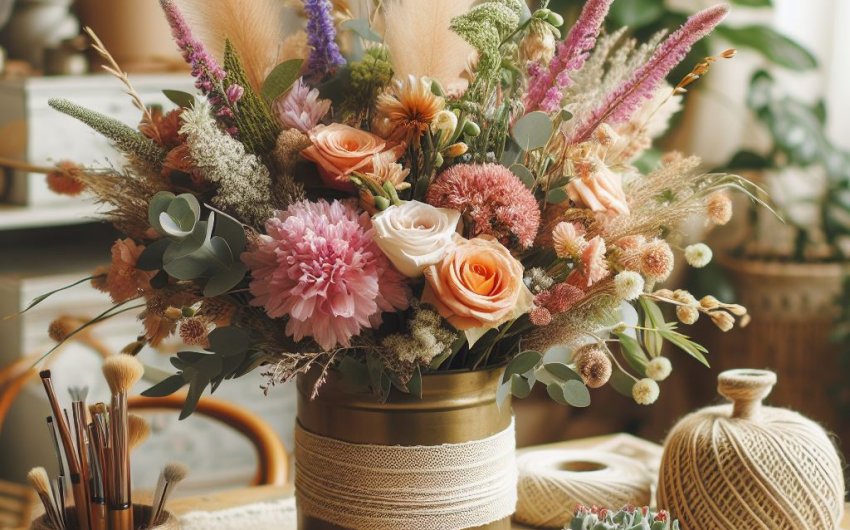
Creating budget-friendly flower arrangements that are broke but beautiful is entirely possible by sourcing affordable blooms, leveraging garden greenery, and repurposing everyday items as unique vases. The secret lies in smart choices and creative techniques, proving you don't need to spend a fortune to enjoy stunning floral displays.
How can I find inexpensive flowers for my arrangements?
Finding inexpensive flowers is the cornerstone of creating budget-friendly flower arrangements that are truly broke but beautiful. By knowing where to look and what to choose, you can significantly cut costs without sacrificing the visual impact of your floral designs.
Top strategies for finding inexpensive flowers:
- Your Own Garden (Free!):
- Best source: The most cost-effective option. Grow a cutting garden specifically for arrangements.
- Consider: Easy-to-grow annuals (Zinnias, Cosmos, Marigolds), perennials (Coneflowers, Black-Eyed Susans, Daisies), and flowering shrubs (Hydrangeas, Roses).
- Bonus: You also get free foliage and filler from your garden.
- Grocery Stores:
- Best for: Everyday bunches, staple flowers (roses, carnations, mums), and seasonal specials.
- Tips: Check for clearance sections, look for flowers that are still in bud form for longer vase life. Avoid pre-arranged bouquets, which are often more expensive and feature less fresh blooms.
- Brands: Look for mass-market brands like Trader Joe's flowers if available in your area, known for good value.
- Farmers Markets:
- Best for: Fresh, seasonal, often unique local blooms. Can sometimes get better prices than florists.
- Tips: Go towards the end of the market day for potential discounts on leftover bunches. Buy in bulk from a single grower.
- Wholesale Flower Markets (if accessible):
- Best for: Buying large quantities at significantly lower prices. Often requires a business license, but some have public hours.
- Tips: Great for events or if you plan to make many arrangements.
- Roadside Stands / U-Pick Farms:
- Best for: Very fresh, local, and often unique varieties at competitive prices.
- Tips: Can be a fun outing!
- Dollar Stores / Discount Retailers (for artificial/dried accents):
- Best for: Affordable artificial flowers or dried floral elements to supplement fresh blooms or create long-lasting displays.
- Tips: Use sparingly with fresh flowers to maintain a natural look.
- Foraging (with caution!):
- Best for: Free, wild greenery (ferns, grasses, interesting branches) and some wildflowers (ensure they are not protected species or toxic, and you have permission).
- Tips: Never forage on private land without permission. Bring a good pair of garden snips and a bucket of water.
How can I use foliage and fillers to make arrangements look fuller on a budget?
Leveraging foliage and fillers is a brilliant strategy to make budget-friendly flower arrangements look full and lush, creating broke but beautiful displays without relying solely on expensive hero blooms. These green elements provide structure, texture, and volume at minimal cost.
Top strategies for using foliage and fillers:
- Prioritize Garden Greenery (Free!):
- Best source: Your own backyard, a friend's garden (with permission!), or even well-maintained public spaces (responsibly and minimally).
- Examples: Hostas leaves, ferns, ivy, rosemary, mint, basil, lavender, salal (lemon leaf), any interesting branches or twigs.
- Tips: Always make a fresh cut and condition greenery just like flowers for longevity.
- Buy Inexpensive Greenery Bundles:
- Source: Grocery stores, farmers markets, or even sometimes florists offer bundles of eucalyptus, ruscus, or leatherleaf fern for a few dollars.
- Choose Long-Lasting Filler Flowers:
- Source: Grocery stores or farmers markets often have these inexpensively.
- Examples: Carnations, Alstroemeria (Peruvian Lily), Dianthus, Baby's Breath (use sparingly to avoid a dated look), Statice.
- Tips: These flowers tend to be less expensive per stem and have excellent vase life.
- Utilize Foliage from Your Cut Flowers:
- When stripping lower leaves from your main blooms, save some of the healthy, attractive upper leaves to use as filler around the base of the arrangement.
- Create a "Greenery First" Framework:
- Start your arrangement by placing your chosen foliage and green branches in the vase first. This creates a lush base and structure, allowing you to use fewer, more impactful flowers.
- Consider Unique Textural Fillers:
- Pinecones (fall/winter), dried seed pods, interesting twigs, or even seasonal berries can add texture and interest without being expensive flowers.
What are the best DIY vase ideas for budget-friendly flower arrangements?
The best DIY vase ideas for budget-friendly flower arrangements involve creatively repurposing everyday items into unique and charming vessels. This allows you to produce broke but beautiful floral displays without ever needing to buy an expensive vase.
Top DIY vase ideas:
- Mason Jars:
- Why: Versatile, rustic, come in various sizes. Can be left clear or painted.
- DIY: Clean thoroughly. Paint with chalk paint for a matte look, wrap with jute twine, or add a simple ribbon.
- Best for: Small to medium bouquets, wildflowers, herbs.
- Tin Cans:
- Why: Free, sturdy, come in different heights. Industrial chic or easily transformed.
- DIY: Remove labels, wash, smooth edges. Paint with spray paint (metallic, matte, or bright colors), wrap with fabric, or cover with decorative paper.
- Best for: Small arrangements, groupings, rustic decor.
- Glass Bottles (Wine, Soda, Milk):
- Why: Slender necks are perfect for single stems or small clusters. Elegant when grouped.
- DIY: Remove labels, clean. Leave clear, or frost with frosted glass spray paint for a sophisticated look.
- Best for: Bud vases, single roses, delicate sprigs of greenery.
- Ceramic Pitchers or Creamers:
- Why: Often beautiful shapes and patterns, inherently charming.
- DIY: Simply clean and use!
- Best for: Cottage-style bouquets, abundant garden blooms.
- Teacups and Saucers:
- Why: Adorable for tiny arrangements, perfect for place settings or small accents.
- DIY: Group mismatched cups for a whimsical display.
- Best for: Mini bouquets, floating single blooms, succulent planters (with drainage).
- Old Watering Cans or Galvanized Buckets:
- Why: Add rustic, garden-inspired charm, especially for larger displays.
- DIY: Clean, check for leaks (add a plastic liner if needed).
- Best for: Abundant wildflowers, large garden-style bouquets, outdoor decor.
- Glass Jars (Pasta Sauce, Jam, Pickle):
- Why: Readily available, free, come in various sizes.
- DIY: Clean well. Can be painted, wrapped, or simply used as is for a simple look.
- Best for: Medium-sized arrangements, collecting small bunches.
- Hollowed-Out Gourds/Pumpkins (Seasonal):
- Why: Natural, festive, and budget-friendly for fall decor.
- DIY: Hollow out, line with plastic or a small glass jar to hold water.
- Best for: Autumnal centerpieces.
How can I create impactful flower arrangements with fewer, strategically chosen blooms?
Creating impactful flower arrangements on a budget often means working with fewer blooms, but choosing them strategically to maximize their presence. This approach emphasizes quality over quantity, turning a small selection of flowers into a broke but beautiful focal point.
Strategies for impactful arrangements with fewer blooms:
- Choose "Hero" Flowers:
- Concept: Invest in 1-3 larger, show-stopping blooms that will be the focal point.
- Examples: A single large Dahlia, a lush Peony, a dramatic Sunflower, 1-3 premium Roses, a striking Lily.
- Why it works: These flowers inherently demand attention, making the arrangement feel grander.
- Utilize Unique Flower Forms:
- Concept: Select flowers with interesting shapes or textures that stand out on their own.
- Examples: Orchid blooms (often sold individually), architectural Alliums, frilly Parrot Tulips, delicate Sweet Peas.
- Why it works: Their distinctiveness makes them impactful without needing many stems.
- Embrace Monochromatic Schemes:
- Concept: Use different shades or varieties of a single color. This creates a sophisticated, cohesive look even with few stems.
- Why it works: The repetition of color creates a strong visual statement that feels intentional and elegant.
- Example: 3-5 stems of different shades of pink tulips in a simple glass vase.
- Focus on Foliage and Texture:
- Concept: Use abundant greenery (from your garden or inexpensive bundles) and interesting textural elements (branches, seed pods, berries) to fill out the arrangement.
- Why it works: These elements add volume and depth, making the few flowers you have seem more special and highlighted.
- Examples: A few bright Zinnias tucked into a mass of Eucalyptus and Rosemary.
- Use Bud Vases and Groupings:
- Concept: Instead of trying to cram a few flowers into one large vase, use multiple small bud vases each holding 1-3 stems.
- Why it works: Creates a scattered, delicate display that feels intentional and spread out, making a small number of flowers go a long way.
- Experiment with Short Stems:
- Concept: Cut flowers with shorter stems and arrange them densely in a low, wide bowl (using a flower frog for support).
- Why it works: Creates a full, impactful centerpiece that uses fewer long stems and highlights the blooms up close.
- Float Blooms:
- Concept: For single, large blooms, cut the head off and float it in a shallow bowl of water.
- Why it works: Extremely minimalist, elegant, and highlights the flower's individual beauty.
What are the best techniques for long-lasting budget-friendly arrangements?
Ensuring your budget-friendly flower arrangements last as long as possible is key to getting the most value from your money, keeping them broke but beautiful for days or even weeks. These long-lasting techniques are simple, yet vital for extending the freshness of your blooms.
Top techniques for long-lasting arrangements:
- Optimal Harvesting/Purchasing:
- Harvest: Cut flowers in the early morning at the right bloom stage.
- Purchase: Choose flowers with tight buds showing color, firm stems, and fresh-looking leaves. Avoid fully open blooms or those with yellowing foliage.
- Meticulous Conditioning (Crucial!):
- Recut stems: Always give a fresh diagonal cut (1-2 inches) to all stems under running water or immediately plunge into water.
- Remove lower foliage: Strip off any leaves that would sit below the waterline in the vase.
- Hydrate deeply: Place flowers in a bucket of cool water with flower food for 2-4 hours (or overnight) in a cool, dark place before arranging.
- Always Use Flower Food:
- Why: Provides nutrients, adjusts water pH, and inhibits bacterial growth, all essential for longevity.
- Source: If your flowers don't come with a packet, purchase universal flower food in bulk.
- Change Water Daily (or Every Other Day):
- Why: Water quickly gets contaminated with bacteria, which clogs stems and causes decay.
- How: Remove flowers, wash the vase, refill with fresh, cool water and new flower food.
- Re-cut Stems Regularly:
- Frequency: Every 1-2 days, give all stems another fresh diagonal cut (about 1/2 inch).
- Why: Removes clogged ends, allowing continuous water uptake.
- Strategic Placement:
- Cool Spot: Keep arrangements in the coolest part of your home, away from direct sunlight, heat vents, and ripening fruit (which releases ethylene gas that ages flowers).
- Clean Vase is Key:
- Wash vases thoroughly between uses to prevent bacteria from shortening the life of your next arrangement.
- Remove Fading Blooms/Foliage:
- Promptly deadhead spent flowers and remove any yellowing or decaying leaves. This prevents ethylene gas release that harms healthy blooms.
How can I use a mix of fresh and artificial/dried elements creatively?
Mixing fresh and artificial or dried elements is a smart way to create budget-friendly flower arrangements that maintain a beautiful look for an extended period, creating broke but beautiful displays that combine temporary vibrancy with lasting charm. This approach allows for incredible creative flexibility.
Creative mixing of fresh and artificial/dried elements:
- Boost Volume with Artificial Greenery:
- Concept: Use realistic artificial greenery (e.g., faux eucalyptus stems, fake fern fronds) as the base.
- How to: Place artificial greenery in your vase first to create a full, lush framework. Then, insert a small glass jar or vase filled with water and your fresh blooms into the center of the artificial base.
- Impact: Makes a small number of fresh flowers look like a grand, abundant bouquet.
- Add Long-Lasting Texture with Dried Elements:
- Concept: Incorporate dried flowers, grasses, or seed pods for textural interest that lasts.
- Examples: Dried bunny tails, wheat stalks, lavender bundles, pinecones, preserved eucalyptus.
- How to: Mix dried elements directly with fresh flowers, ensuring the dried pieces don't absorb too much water if submerged. Or, use dried elements as a permanent base and swap out fresh blooms in a central water-filled vial.
- Impact: Adds unique, rustic, or bohemian textures that fresh flowers alone might not provide.
- Strategic Artificial Blooms as Accents:
- Concept: Use a few high-quality artificial flowers of a particular kind (e.g., a few silk peonies or hydrangeas) to provide a base or fill in.
- How to: Blend them subtly with your fresh garden flowers. The fresh elements draw the eye and mask the artificial ones.
- Impact: Boosts volume and allows for specific flower types out of season or that are very expensive.
- "Permanent" Arrangement with Rotating Fresh Flowers:
- Concept: Create a permanent arrangement of attractive artificial flowers and dried elements in a decorative vase or basket.
- How to: Periodically add a small bunch of fresh, seasonal blooms (in a small vase of water tucked into the center) for a pop of life and real fragrance.
- Impact: Always have a beautiful arrangement, easily refreshed with minimal cost.
- Seasonal Theming:
- Concept: Use dried elements that correspond to the season (e.g., cinnamon sticks and dried orange slices for fall/winter, dried lavender for summer) to enhance fresh seasonal blooms.
- Impact: Creates cohesive, long-lasting themed displays.
Creating budget-friendly flower arrangements that are broke but beautiful is a testament to creativity and smart choices. By sourcing inexpensive blooms, maximizing the use of foliage, repurposing unique containers, and applying long-lasting care techniques, you can enjoy stunning floral displays that infuse your home with natural beauty without breaking the bank.