
More Than Just Flowers: Adding Texture and Fun to Arrangements
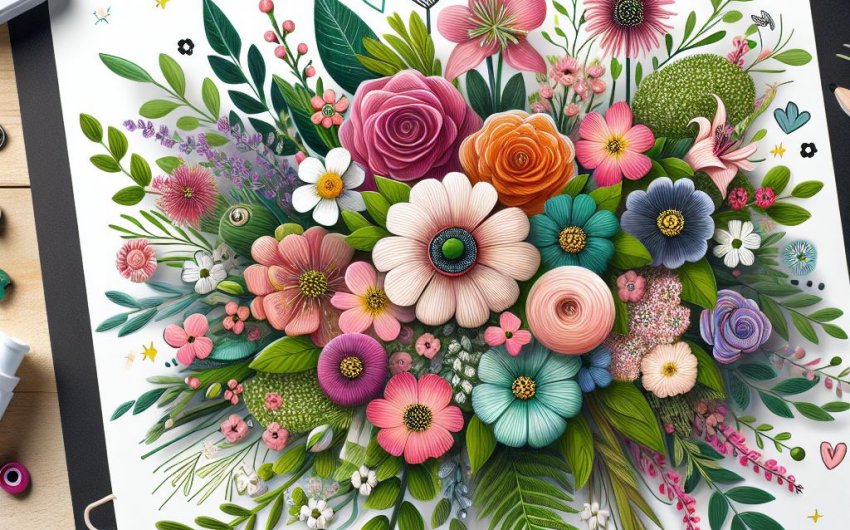
Creating dynamic arrangements that are more than just flowers means intentionally adding texture and fun through diverse foliage, unexpected natural elements, and playful accessories. This approach elevates simple blooms into captivating displays that engage all the senses and spark joy.
Why are texture and fun essential for flower arrangements?
Texture and fun are absolutely essential for elevating flower arrangements from merely pretty to truly captivating, making them more than just flowers. These elements engage the eye in a deeper way, inviting interaction, sparking conversation, and infusing personality into your floral designs.
Benefits of adding texture and fun to arrangements:
- Visual Interest: Texture adds depth and dimension, preventing arrangements from looking flat or one-dimensional. It makes the eye want to linger and explore.
- Engagement: Varied textures invite touch and create a more tactile experience. Fun elements add whimsy and a sense of playfulness.
- Personality: Allows you to infuse your unique style, humor, or theme into the arrangement, making it personal and memorable.
- Balance and Contrast: Different textures provide contrast to the soft petals of flowers, highlighting their beauty.
- Dynamic Movement: Feathery or spiky textures can create a sense of movement, while smooth elements provide calm.
- Focal Points: Unusual textures or fun elements can act as secondary focal points, drawing the eye.
- Budget-Friendly: Many textural elements (foliage, branches) are inexpensive or free, allowing you to create fuller, more interesting arrangements with fewer expensive flowers.
- Storytelling: Fun elements can help an arrangement tell a story or tie into a specific theme (e.g., rustic, whimsical, festive).
What types of foliage add interesting texture to flower arrangements?
Foliage is far more than just flowers; it's the unsung hero for adding structure, color, and most importantly, interesting texture to your arrangements. Incorporating diverse types of greenery can completely transform the look and feel of your floral designs, making them dynamic and engaging.
Top foliage types for adding texture:
- Eucalyptus (various species):
- Texture: Leathery, often silvery-blue or green, round to elongated leaves. Can be smooth or slightly waxy.
- Impact: Modern, airy, often fragrant. Provides great contrast to soft petals. Fresh eucalyptus branches are popular.
- Ferns (Leatherleaf, Tree Fern, Asparagus Fern):
- Texture: Lacy, delicate, feathery, intricate.
- Impact: Adds an organic, lush, woodland, or tropical feel. Great for softening edges.
- Ruscus (Italian Ruscus, Israeli Ruscus):
- Texture: Stiff, glossy, dark green leaves on sturdy stems.
- Impact: Provides strong structural lines, depth, and a classic, elegant backdrop.
- Dusty Miller (Senecio cineraria):
- Texture: Velvety, fuzzy, soft, silvery-grey foliage.
- Impact: Adds a soft, muted contrast, visually cools down warm colors, and provides an ethereal touch.
- Lamb's Ear (Stachys byzantina):
- Texture: Extremely soft, fuzzy, silvery-green leaves.
- Impact: Invites touch, adds a gentle, tactile contrast.
- Hosta Leaves (various sizes and colors):
- Texture: Broad, ribbed, often variegated, smooth to slightly textured.
- Impact: Provides bold structure, lushness, and a strong green anchor.
- Ivy (Hedera helix):
- Texture: Glossy, smooth, vining.
- Impact: Creates elegant trailing lines, perfect for softening container edges or adding movement.
- Rosemary (Rosmarinus officinalis):
- Texture: Needle-like, slightly rough, woody stems.
- Impact: Adds a fragrant, herbaceous, rustic texture. Great for culinary arrangements.
- Coleus (Coleus scutellarioides):
- Texture: Velvety, often crinkled or ruffled, wide range of colors and patterns.
- Impact: Provides dramatic color and texture, especially when used for its unique leaves.
What unique natural elements can I add for unexpected texture?
Adding unique natural elements gathered from your environment is a fantastic way to introduce unexpected texture and make your arrangements truly more than just flowers. These items, often overlooked, can bring an organic, seasonal, and highly personal touch to your floral designs.
Unexpected natural elements for texture:
- Branches and Twigs:
- Curly Willow: Adds dramatic, architectural lines and a whimsical touch. Dried curly willow branches are common.
- Pussy Willow: Soft, fuzzy catkins add a unique, tactile texture and early spring charm.
- Bare Deciduous Branches: Collect interesting shapes and textures from trees after leaf fall.
- Birch Branches: Their papery bark adds a rustic, elegant texture.
- Impact: Provide height, structure, and a rustic, natural feel.
- Seed Pods and Dried Flowers:
- Lotus Pods: Distinctive, architectural, and often used dried.
- Poppy Seed Pods: Small, round, and elegant.
- Dried Hydrangea Heads: Provide large, airy, papery texture.
- Ornamental Grass Seed Heads: Feathery plumes add softness and movement. Dried bunny tails are popular.
- Impact: Add an autumnal or rustic charm, long-lasting texture.
- Pinecones and Acorns:
- Impact: Classic for fall and winter arrangements, adding natural, earthy texture.
- DIY Idea: Can be wired onto stems or placed at the base of arrangements.
- Fruits and Vegetables (Miniature/Ornamental):
- Small Gourds/Pumpkins: Seasonal for fall, add color and shape.
- Lemons/Limes: Bright colors and smooth texture, can be placed around the base of a vase or on picks.
- Ornamental Peppers: Vibrant colors and unique shapes.
- Artichokes (small): Provide a unique, sculptural, textural element.
- Impact: Add unexpected color, shape, and a touch of abundance.
- Berries (Hypericum, Holly, Winterberry):
- Impact: Add bright pops of color, small round texture, and seasonal charm.
- Caution: Ensure they are not toxic if there's a risk of ingestion by pets or children. Hypericum berries are commonly used by florists.
- Feathers:
- Impact: Add an airy, whimsical, or exotic touch.
- DIY Idea: Can be subtly woven into an arrangement.
- Pebbles, Rocks, or Decorative Sand:
- Impact: For clear vases, they provide a clean, natural base and help anchor stems. Polished river pebbles are widely used.
- Moss (Sheet Moss, Spanish Moss, Reindeer Moss):
- Impact: Adds soft, natural texture, perfect for covering floral foam or filling gaps in the base. Preserved sheet moss is easy to work with.
How can I use ribbons, wraps, and accessories to add fun to arrangements?
Using ribbons, wraps, and playful accessories is a fantastic way to add fun, personality, and thematic flair to your arrangements, making them truly more than just flowers. These elements allow you to customize a display for any occasion, recipient, or mood.
Fun accents for flower arrangements:
- Ribbons and Twine:
- Variety: Satin, velvet, sheer organza, grosgrain, burlap, jute twine, raffia.
- DIY Idea: Tie a large bow around the vase, wrap the vase itself with ribbon, or tie small individual ribbons onto a few flower stems. Create a "bouquet collar" with a wide ribbon.
- Impact: Adds elegance, rustic charm, festive colors, or a whimsical touch.
- Decorative Picks:
- Variety: Glittery stars, hearts, small flags, miniature ornaments, faux berries on a wire.
- DIY Idea: Insert directly into the arrangement for a seasonal or celebratory touch.
- Impact: Instant thematic addition for holidays (Christmas, Valentine's, 4th of July) or birthdays.
- Small Figurines or Charms:
- Variety: Tiny birds, butterflies, fairies, personalized charms, seasonal mini-decorations.
- DIY Idea: Place at the base of the arrangement, tuck into foliage, or hang from a branch within the display.
- Impact: Adds a whimsical, personal, or narrative element.
- Themed Containers (DIY):
- Concept: Repurpose everyday objects as fun vases.
- Examples: Rain boots (for spring/garden theme), old teacups (for whimsical), mason jars painted or wrapped for a specific holiday.
- Impact: Sets the entire mood of the arrangement.
- Miniature Banners or Flags:
- Impact: Perfect for birthdays (mini "Happy Birthday" banner), holidays, or specific celebrations.
- DIY Idea: Create small flags on skewers and insert them into the arrangement.
- LED String Lights (Battery-Operated):
- Impact: Adds a magical, enchanting glow, especially for evening displays or holiday arrangements.
- DIY Idea: Weave delicate battery-operated fairy lights through the flowers and foliage.
- Glitter Spray (Subtly!):
- Impact: For a touch of sparkle, especially for festive or glamorous arrangements.
- DIY Idea: Lightly mist specific flowers or branches with floral glitter spray.
- Caution: Use very sparingly to avoid looking artificial.
How can I create a truly tactile flower arrangement?
A truly tactile flower arrangement actively invites touch, engaging the sense of feel to create a deeper, more immersive experience that goes more than just flowers. By intentionally combining diverse textures, you can craft designs that are visually appealing and incredibly inviting to the hand.
Elements and techniques for tactile arrangements:
- Incorporate Fuzzy/Soft Textures:
- Foliage: Lamb's Ear, Dusty Miller, Pussy Willow catkins.
- Flowers: Some varieties of Celosia (Cockscomb) have a soft, velvety feel.
- Impact: These elements are naturally inviting to touch, creating an immediate sensory connection.
- Add Rough/Textured Elements:
- Branches: Bark-covered branches, gnarled twigs.
- Seed Pods: Lotus pods, poppy seed heads.
- Cones: Pinecones, fir cones.
- Impact: Provides contrast to soft flowers and creates visual intrigue, making the soft textures seem even softer.
- Include Spiky/Pointy Textures (with caution):
- Foliage: Eucalyptus (some varieties), ornamental grasses.
- Flowers: Thistles, Eryngium (Sea Holly).
- Impact: Adds dramatic contrast and visual energy. (Use caution to avoid pricking fingers).
- Smooth/Glossy Textures:
- Foliage: Hosta leaves, Ivy, Ti Leaves.
- Flowers: Calla Lilies, some Orchids.
- Impact: Provides visual calm and highlights the contrast with more textured elements.
- Use Different Flower Petal Textures:
- Combine soft, velvety rose petals with crisp, waxy tulips or delicate, crinkled poppy petals.
- Impact: Adds subtle tactile differences within the floral components themselves.
- Arrangement Technique:
- Arrange elements so that different textures are visible and easily accessible to the eye (and gentle touch).
- Consider a low, wide arrangement where people can get closer to experience the tactile elements.
How can I make my flower arrangements fun and interactive?
Making your flower arrangements fun and interactive invites engagement and turns a static display into a delightful experience, truly making them more than just flowers. These arrangements become conversation starters and can even offer small surprises for the viewer.
Ideas for fun and interactive flower arrangements:
- "Pick Me" Herb Garden in a Vase:
- Concept: Arrange a variety of fragrant, edible herbs in a vase, inviting guests to snip a sprig for cooking or a drink.
- Plants: Basil, Mint, Rosemary, Thyme, Lemon Verbena.
- Tools: Place a small pair of kitchen snips nearby with a tag "Please Enjoy!"
- Impact: Functional, fragrant, and engaging.
- "Guess the Scent" Game:
- Concept: Create small, individual arrangements, each featuring a strongly fragrant flower or herb. Label them with numbers.
- Plants: Gardenia, Jasmine, Heliotrope, Lavender, Scented Geranium.
- Impact: A fun party game that engages the sense of smell.
- Hidden Charms/Surprises:
- Concept: Tuck small, weather-safe charms, miniature figurines, or even wrapped chocolates into the foliage or at the base of the arrangement.
- Impact: Creates a delightful surprise for those who look closely, especially fun for children.
- Interactive Elements (for longer-term displays):
- Concept: For a permanent display, incorporate living elements that grow or change.
- Examples: A terrarium with moss and small ferns, or a plant that opens/closes its leaves (e.g., Prayer Plant for covered porch).
- Impact: Offers continuous, subtle interaction over time.
- "Make Your Own Mini-Bouquet" Station:
- Concept: For a party, set up several small vases with pre-cut flowers and greenery, along with twine/ribbon, and invite guests to create their own small take-home arrangement.
- Impact: Engages guests creatively and provides a lovely favor.
- Arrangements that Change:
- Concept: Use flowers that dramatically open over a few days (e.g., tight tulip buds).
- Impact: The arrangement constantly evolves, offering new beauty each day.
To create arrangements that are truly more than just flowers, actively incorporate texture and fun into your designs. By leveraging diverse foliage, unexpected natural elements, and playful accessories, you can craft captivating displays that engage all the senses, spark joy, and become memorable focal points in any space.