
Queen's Elegance: Graceful Additions to Your Garden
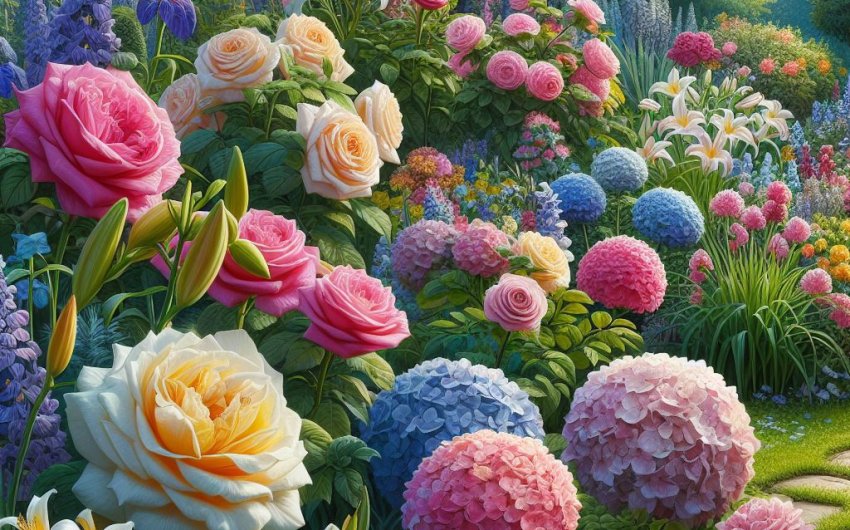
You envision a garden that transcends mere beauty, one that exudes a sense of refined charm, timeless beauty, and understated sophistication. It's a space where every bloom seems perfectly placed, every leaf shimmers with vitality, and the overall effect is one of serene delight. This aspiration often leads gardeners to seek out plants and elements that contribute to an atmosphere of Queen's Elegance, transforming an ordinary outdoor space into a realm of truly graceful additions.
Creating a garden that embodies such elegance is an art form, focusing on plants with refined forms, harmonious colors, and classic appeal. It's about cultivating a landscape that feels both majestic and inviting, where natural beauty is elevated through thoughtful selection and design. Discovering these regal plants and design principles can transform your garden into a truly enchanting haven.
What Defines a Garden of Queen's Elegance?
A garden imbued with Queen's Elegance is distinct from other garden styles. It's not about overwhelming riot of color or wild, untamed nature. Instead, it embodies a specific set of characteristics that speak to refinement, harmony, and a timeless beauty. This style aims to create a serene, sophisticated, and inviting outdoor sanctuary.
Understanding these defining elements helps in cultivating a garden that truly breathes grace and composure, much like a royal court.
Refined Forms and Classic Beauty
The hallmark of a garden of Queen's Elegance is its emphasis on refined forms and classic beauty. This means prioritizing plants and structures that exhibit graceful lines, symmetrical balance, and a sense of enduring sophistication.
- Understated Sophistication: It shies away from overly flamboyant or chaotic designs. Instead, it favors a sense of calm and order, where beauty is subtle yet impactful.
- Architectural Plants: The garden often features plants with strong, well-defined shapes – whether tall, upright spires, perfectly mounded shrubs, or elegantly arching branches. These "architectural plants" provide structure and focal points.
- Formal vs. Informal Elements: While the overall feel is elegant, it can blend formal elements (like clipped hedges or symmetrical arrangements) with informal touches (like flowing perennial borders) to create a welcoming yet distinguished atmosphere. The key is balance.
- Traditional Aesthetics: It draws inspiration from classic garden styles – English cottage gardens, French formal gardens (though often softened), or historical estate gardens – incorporating elements that have stood the test of time.
- Curated Appearance: Every plant, every path, every decorative element seems intentionally placed, contributing to a cohesive and harmonious whole. There's a sense of thoughtful curation rather than wild abandon.
- Emphasis on Texture and Foliage: While blooms are important, significant attention is paid to the varied textures and colors of foliage. Silver leaves, deep greens, and variegated patterns add depth and interest even when flowers are not in season.
By focusing on refined forms and classic beauty, a garden achieves an enduring elegance that feels both stately and inviting, a true testament to its regal inspiration.
Harmonious Color Palettes
A crucial element in creating a garden of Queen's Elegance is the use of harmonious color palettes. Unlike gardens bursting with every color imaginable, this style often employs a more restrained and sophisticated approach to color, resulting in a serene and cohesive visual experience.
- Limited Color Schemes: Typically, the palette is limited to a few complementary or analogous colors, often with a strong emphasis on whites, creams, soft pastels (pinks, lavenders, pale blues), and deep greens. This creates a tranquil and refined atmosphere.
- Monochromatic Schemes: Some elegant gardens even opt for monochromatic schemes, using various shades and tints of a single color (e.g., all white, all lavender) to create a stunning, sophisticated impact. This highlights the form and texture of the plants.
- Subtle Blends and Transitions: Colors transition smoothly from one area to another, avoiding jarring contrasts. This creates a sense of flow and visual peace.
- Foliage as a Unifier: The lush green of various foliage types serves as a constant, unifying backdrop against which the softer floral colors stand out with grace. Variegated or silver foliage can also add subtle color variations without disrupting the harmony.
- Pop of Richness: While pastels dominate, a carefully placed pop of a richer, deeper hue (like a deep purple or a rich rose) can be used as a focal point to add depth and interest without overwhelming the overall calm.
- Emphasis on "Cool" Tones: Often, cool tones (blues, purples, whites) are favored, as they tend to recede visually, creating a sense of depth and tranquility.
The thoughtful application of harmonious color palettes imbues a garden with a sense of calm, sophistication, and a timeless beauty that is truly elegant.
Sense of Serenity and Tranquility
A garden designed with Queen's Elegance aims to evoke a profound sense of serenity and tranquility. It's a space where one can find peace, rest, and a gentle escape from the bustling world. Every element contributes to this calming atmosphere.
- Quiet Retreat: The design often incorporates secluded seating areas, gentle pathways, or shaded nooks that invite contemplation and quiet enjoyment.
- Soft Textures: While some architectural plants provide structure, many elements focus on soft, flowing textures – delicate grasses, airy blooms, and finely textured foliage – that create a soothing visual experience.
- Gentle Sounds: The rustling of leaves in a gentle breeze, the soft trickle of a small water feature, or the hum of pollinators are preferred over loud or jarring noises.
- Harmonious Flow: The layout often features gentle curves in pathways or borders, encouraging a relaxed stroll rather than a rigid march. This creates a sense of continuous flow and ease.
- Uncluttered Spaces: Clutter is avoided. Every ornament or element is chosen for its purpose and beauty, contributing to the overall sense of order and calm, rather than overwhelming the senses.
- Fragrance: Subtle, pleasant fragrances from blooming flowers or aromatic herbs enhance the sensory experience without being overpowering. Lavender, roses, and jasmine contribute to this.
- Balanced Design: The overall balance of plants, hardscaping, and open space creates a visual harmony that promotes a feeling of peace and well-being.
By prioritizing these elements, a garden of Queen's Elegance becomes a sanctuary, a quiet retreat where beauty and calm reign supreme, offering a true haven of serenity and tranquility.
Plants That Exude Queen's Elegance
To create a garden truly befitting of Queen's Elegance, the choice of plants is paramount. These aren't just any blooms; they are varieties known for their refined forms, delicate colors, and timeless appeal. They provide structure, beauty, and often a subtle fragrance that elevates the garden experience.
From classic beauties to understated charmers, these plants are the very embodiment of grace in the garden.
1. Classic Roses
No plant embodies Queen's Elegance quite like the classic rose. Long associated with royalty, beauty, and romance, roses are quintessential additions to any garden aiming for a refined and graceful aesthetic.
- Why They Exude Elegance:
- Timeless Beauty: Roses have been cherished for centuries, making them a symbol of enduring beauty and tradition.
- Exquisite Forms: From the intricate swirls of a hybrid tea bud to the ruffled petals of a David Austin English rose, their flower forms are often perfect and highly refined.
- Vast Color Palette: While vibrant reds are iconic, roses also come in delicate shades of white, cream, soft pink, lavender, and pale yellow, which perfectly fit a harmonious, elegant color scheme.
- Captivating Fragrance: Many classic roses offer a rich, complex fragrance that adds another layer of sensory delight to the garden, enhancing its luxurious feel.
- Versatile Growth Habits: Whether climbing an arbor, forming a graceful shrub, or creating a neat border, roses offer diverse growth habits to fit various design elements.
- Types of Roses for Elegance:
- Hybrid Teas: Known for their elegant, long-stemmed, single blooms, perfect for cutting. Often come in sophisticated pastel shades.
- English Roses (David Austin Roses): Combine the charm and fragrance of old garden roses with the repeat-flowering ability of modern roses. Their full, cupped, often ruffled blooms are incredibly romantic and elegant. A David Austin rose bare root can be a delightful addition.
- Floribunda Roses: Produce clusters of blooms, creating a beautiful mass of color.
- Climbing Roses: Ideal for adorning arches, pergolas, or walls, adding vertical elegance.
- Placement: Plant roses where their blooms and fragrance can be appreciated – near seating areas, along pathways, or as focal points in borders.
Classic roses are an indispensable graceful addition to a garden of Queen's Elegance, bringing an unparalleled blend of beauty, fragrance, and timeless sophistication.
2. Hydrangeas
Hydrangeas are undoubtedly a graceful addition to any garden, with their majestic, often spherical flower heads that evoke a sense of abundance and charm. Their soft, changing colors make them truly elegant.
- Why They Exude Elegance:
- Large, Luxurious Blooms: The expansive flower clusters of many Hydrangea varieties are simply opulent, creating a dramatic visual impact without being overwhelming.
- Soft Color Tones: They often bloom in shades of white, cream, soft pink, delicate blue, or lavender. The ability of some species (Hydrangea macrophylla) to change color based on soil pH (blue in acidic, pink in alkaline) adds a fascinating element of natural artistry.
- Refined Form: The individual florets are intricate, and the overall shape of the flower head is often perfectly rounded or conical, adding a sense of order and lushness.
- Long Bloom Time: Many Hydrangeas bloom for an extended period, providing continuous beauty through summer and fall.
- Elegant Foliage: Their large, often deeply veined leaves provide a lush, green backdrop to the flowers, adding texture even when not in bloom.
- Types of Hydrangeas for Elegance:
- Hydrangea macrophylla (Bigleaf Hydrangea): Famous for its large mophead or lacecap flowers. Varieties like 'Endless Summer' offer repeat blooming.
- Hydrangea paniculata (Panicle Hydrangea): Features large, conical flower heads that often start white and age to pink or red. Very hardy and sun-tolerant. Varieties like 'Limelight' or 'Vanilla Strawberry' are popular. You can find Panicle Hydrangea plants.
- Hydrangea arborescens (Smooth Hydrangea): Native and very hardy, known for large, rounded white flowers, such as 'Annabelle' or 'Incrediball'.
- Placement: Ideal as specimen plants, in mass plantings for dramatic effect, or at the back of borders where their large blooms can shine. Many prefer partial sun or morning sun.
Hydrangeas bring a sense of natural grandeur and soft, evolving beauty to a garden of Queen's Elegance, making them truly graceful additions.
3. Lavender
Lavender is an iconic herb and ornamental plant that effortlessly conveys a sense of refined beauty, soothing fragrance, and classic charm. Its elegant spires of purple blooms are a testament to grace.
- Why It Exudes Elegance:
- Delicate Form: Its slender, upright flower spikes and fine, silvery-green foliage create a delicate yet striking texture in the garden.
- Soothing Color: The signature soft purple (or sometimes white/pink) hues are inherently calming and contribute to a harmonious, serene color palette.
- Enchanting Fragrance: Lavender's renowned aromatic scent is a key component of its appeal, adding a sensory layer of tranquility and sophistication to the garden. It's calming and elegant.
- Mediterranean Allure: Evokes the timeless beauty of Mediterranean landscapes, adding an air of old-world charm.
- Attracts Pollinators: While elegant, it also serves a practical purpose by attracting pollinators (bees, butterflies), adding gentle movement and life to the garden.
- Types of Lavender for Elegance:
- Lavandula angustifolia (English Lavender): Considered the "true" lavender, known for its hardiness, strong fragrance, and compact growth. Varieties like 'Munstead' or 'Hidcote' are perfect. You can find English Lavender plants.
- Lavandula x intermedia (Lavandin): Larger plants with longer flower spikes, often used for essential oil production, but also beautiful in the landscape (e.g., 'Provence').
- Placement: Ideal for edging pathways (so its fragrance can be released as you brush past), in herb gardens, rock gardens, or mass planted for a stunning effect. Requires full sun and well-drained soil.
Lavender brings a blend of visual grace, exquisite fragrance, and understated charm, making it a perfect graceful addition to a garden seeking Queen's Elegance.
4. Delphiniums
Delphiniums are towering, stately perennials that bring dramatic vertical interest and a burst of vibrant color, often in shades of blue and purple, to the elegant garden. Their impressive spires truly command attention.
- Why They Exude Elegance:
- Dramatic Height: Their tall, upright flower spikes can reach impressive heights (3-6 feet or more), adding a sense of grandeur and formality to the back of borders.
- Stunning Color: Known for their intensely rich blue, purple, and sometimes pink or white flowers, often with contrasting "bees" (the central cluster of petals). The blues are particularly captivating and rare in the garden.
- Refined Form: The individual florets are intricately formed, and the overall spire shape is elegant and architectural.
- Classic Cottage Garden Staple: While stately, they also fit beautifully into a more formal cottage garden aesthetic, evoking a timeless charm.
- Types of Delphiniums for Elegance:
- Pacific Hybrid Delphiniums: Tall, impressive spires in a range of blues, purples, and whites.
- New Millennium Delphiniums: Bred for improved strength, disease resistance, and robust reblooming. A good choice for reliability. You can find Delphinium 'New Millennium' seeds.
- Placement: Best at the back of borders to provide vertical punctuation, or in groups for a more dramatic impact. Needs full sun and well-drained soil. Often requires staking to prevent wind damage.
Delphiniums bring a powerful sense of verticality and intense color, making them a truly majestic and graceful addition to a garden of Queen's Elegance.
5. Boxwood (Buxus)
While not a flowering plant known for flashy blooms, Boxwood is an indispensable and supremely graceful addition to a garden of Queen's Elegance due to its unparalleled ability to provide structure, form, and year-round green.
- Why It Exudes Elegance:
- Structure and Form: Boxwood's dense, compact growth makes it ideal for formal hedges, parterres, knot gardens, or creating perfectly clipped globes, cones, and other topiary forms. It provides crisp, clean lines that define spaces and add a sense of order and formality.
- Year-Round Green: As an evergreen shrub, Boxwood maintains its lush green foliage throughout all seasons, providing a consistent, elegant backdrop even in winter when other plants are dormant.
- Versatility: It can be used as low edging, mid-height hedges, individual specimen plants, or in containers.
- Understated Sophistication: Its simple, refined foliage provides a quiet elegance that allows more flamboyant flowers to truly shine, while still holding its own.
- Longevity: Boxwood is a long-lived plant, contributing to the timelessness of the garden design.
- Types of Boxwood for Elegance:
- Buxus sempervirens (Common Boxwood): The traditional choice for formal hedging and topiary.
- Buxus microphylla (Littleleaf Boxwood): Often more compact and cold-hardy varieties (e.g., 'Winter Gem', 'Green Gem'). You can find Boxwood hedging plants.
- Placement: Use as low borders along pathways, to create formal beds, as backdrop hedges, or in containers to flank entrances or seating areas. Requires well-drained soil and prefers partial sun but can tolerate full sun with adequate moisture.
Boxwood is the silent backbone of many elegant gardens, providing essential structure, timeless green, and a profound sense of order and sophistication.
Designing Your Elegant Garden Oasis
Creating a garden of Queen's Elegance involves more than just selecting beautiful plants; it's about thoughtful designing your elegant garden oasis. This encompasses strategic planning, incorporating specific elements, and paying attention to the overall flow and feel of the space.
From the grand layout to the smallest detail, every choice contributes to an atmosphere of grace, serenity, and timeless beauty.
1. Plan for Structure and Formality
The foundation of an elegant garden is a clear plan for structure and formality. This doesn't mean it has to be rigidly symmetrical, but it should have a defined backbone.
- Define Spaces: Use elements like low hedges (Boxwood is perfect!), neatly edged borders, or subtle changes in elevation to define different "rooms" or zones within the garden. This creates a sense of order and purpose.
- Symmetry and Balance: While not every part needs to be perfectly symmetrical, incorporating elements of balance (e.g., two identical planters flanking an entrance, matching shrubs on either side of a path) creates a harmonious and elegant feel.
- Architectural Plants: Select plants that inherently have a strong, refined shape. Think upright spires (Delphiniums), neatly mounded shrubs (Boxwood), or elegant weeping forms. These act as natural focal points and anchor the design.
- Pathways: Design pathways with gentle curves or straight lines (depending on the formality desired) that invite a stroll. Use classic materials like gravel, brick, or cut stone. A garden stepping stone set can create elegant paths.
- Focal Points: Incorporate deliberate focal points that draw the eye – a classical urn, a graceful statue, a small fountain, or a particularly striking plant specimen. These add visual interest and a sense of purpose to the space.
- Layering: Plan for layers of planting – tall plants at the back, mid-height in the middle, and low-growing plants or groundcovers at the front. This creates depth and a lush, full appearance.
By focusing on structure and formality, you build the elegant framework upon which the delicate beauty of the plants can truly shine.
2. Embrace a Harmonious Color Palette
As discussed, embracing a harmonious color palette is essential for a garden of Queen's Elegance. This disciplined approach to color creates a serene and sophisticated atmosphere.
- Choose Your Core Colors:
- Whites and Creams: Always elegant, they reflect light and provide a crisp, clean feel. They also highlight other colors.
- Soft Pastels: Pinks, lavenders, pale blues, and soft yellows blend beautifully and contribute to a calming atmosphere.
- Lush Greens: The various shades of green from foliage provide the unifying backdrop.
- Avoid Clashing Hues: Steer clear of bright, clashing colors (e.g., electric orange next to hot pink) that might create a chaotic or jarring effect.
- Subtle Transitions: Allow colors to blend seamlessly. Plant groups of similar shades together, or transition gradually from one color to another.
- Foliage as Color: Remember that foliage offers a wide range of "colors" – the silvery tones of Lavender, the deep greens of Boxwood, the variegated patterns of some Hostas. These contribute to the overall palette even without blooms.
- Consider Bloom Time: Plan your color palette across different bloom times so that as one plant fades, another takes its place with complementary colors, ensuring continuous harmony.
- Test Your Palette: Before planting, consider creating a "mood board" with pictures of your chosen plants and materials to see how their colors interact.
By embracing a harmonious color palette, you create a visually cohesive, serene, and exquisitely elegant garden that delights the senses without overwhelming them.
3. Incorporate Thoughtful Details and Furnishings
The true magic of an elegant garden often lies in its thoughtful details and furnishings. These elements elevate the space, adding character, comfort, and a sense of curated beauty.
- Seating Areas: Create comfortable and inviting seating areas. This could be a classic garden bench with elegant design, a bistro set for quiet contemplation, or comfortable outdoor lounge chairs. Place them to offer beautiful views of the garden.
- Classical Ornaments: Add classical garden ornaments that align with the elegant aesthetic.
- Urns and Planters: Empty or filled with plants, they add vertical interest and a touch of formality. Look for cast iron garden urns or classic stone planters.
- Statues: A well-placed classical statue (e.g., a cherub, a goddess, a birdbath with classical lines) can serve as a focal point.
- Bird Baths: A functional yet beautiful element that attracts delightful bird life.
- Water Features: A small, gently trickling water feature (a birdbath fountain, a wall-mounted spigot, or a small pond) adds a soothing sound and a sense of tranquility. The sound of water enhances serenity.
- Arbors, Pergolas, Trellises: These structures add vertical interest and provide support for climbing roses, wisteria, or clematis, creating beautiful architectural elements. An elegant garden arbor can define an entrance.
- Lighting: Subtle garden lighting (e.g., solar-powered path lights, up-lighting on key plants, string lights over a patio) can enhance the elegance and create a magical ambiance in the evening.
- Container Plantings: Use elegant containers (terracotta, glazed ceramic, cast iron) filled with seasonal blooms or clipped Boxwood to add movable accents.
Every thoughtfully chosen detail and furnishing contributes to the refined beauty and inviting atmosphere of your elegant garden oasis.
4. Consider Scent and Sensory Experiences
A truly elegant garden engages all the senses, and scent and sensory experiences play a subtle yet profound role in creating its atmosphere of grace and tranquility.
- Fragrant Plants: Strategically plant flowers and herbs known for their beautiful fragrances where they can be easily appreciated.
- Roses: Choose highly fragrant rose varieties.
- Lavender: Plant along pathways.
- Jasmine/Honeysuckle: Train climbers near seating areas or windows.
- Lilacs/Gardenias: Potted near entrances.
- Sweet Alyssum: A low-growing annual with a honey-like scent.
- Sound:
- Wind Chimes: Choose those with soft, melodious tones rather than jarring clangs.
- Water Features: The gentle trickle or splash of water is incredibly calming and adds to the serenity.
- Attract Birds: A well-designed garden will naturally attract songbirds, adding a delightful symphony.
- Texture: Incorporate plants with varied textures that invite touch. The soft petals of a rose, the velvety leaves of Lamb's Ear, the fine foliage of ornamental grasses, or the smooth bark of a Japanese maple.
- Visual Movement: Plants that sway gently in the breeze (like tall ornamental grasses or airy perennials like Gaura) add a sense of life and dynamic beauty.
- Reflected Light: As mentioned before, incorporating elements that reflect light (pale walls, a still water feature) can create a shimmering, ethereal effect.
By thoughtfully weaving in scent and sensory experiences, your elegant garden becomes an immersive haven, appealing to more than just the eyes and truly embodying the Queen's Elegance.
5. Ongoing Maintenance for Refinement
Maintaining a garden of Queen's Elegance requires consistent ongoing maintenance for refinement. This isn't about constant toil, but rather regular, careful attention that ensures the garden retains its pristine and harmonious appearance.
- Regular Weeding: Weeds disrupt the clean lines and visual harmony of an elegant garden. Regular weeding (by hand or with careful hoeing) is essential to keep beds tidy. Mulch can greatly reduce weeding efforts.
- Precise Pruning and Deadheading:
- Pruning: Keep hedges neatly clipped (Boxwood!) and shrubs shaped. Prune perennial deadheading plants to encourage rebloom and maintain tidy forms.
- Deadheading: Remove spent blooms from roses, Hydrangeas, and other flowering plants to keep the garden looking fresh and to encourage continuous flowering.
- Edging: Maintain crisp, clean edges between lawn and garden beds, or between pathways and plantings.
- Fertilization and Watering: Ensure plants receive adequate water (especially for roses and Hydrangeas) and balanced nutrients to support their lush growth and abundant flowering. Use organic fertilizers like compost to build soil health over time.
- Pest and Disease Management: Monitor plants regularly for any signs of pests or diseases and address them promptly using eco-friendly methods first to maintain plant health and avoid unsightly damage.
- Cleanliness: Regularly sweep paths, clean garden ornaments, and clear away fallen leaves or debris to maintain an uncluttered and pristine appearance.
- Seasonal Adjustments: Adjust your maintenance routine with the seasons, from spring cleanup to fall tidying.
Ongoing maintenance for refinement is the continuous commitment that preserves the beauty, order, and serene atmosphere of your elegant garden oasis, ensuring it always exudes Queen's Elegance.