
Contemporary Comfort: Modern Outdoor Furniture for Every Space
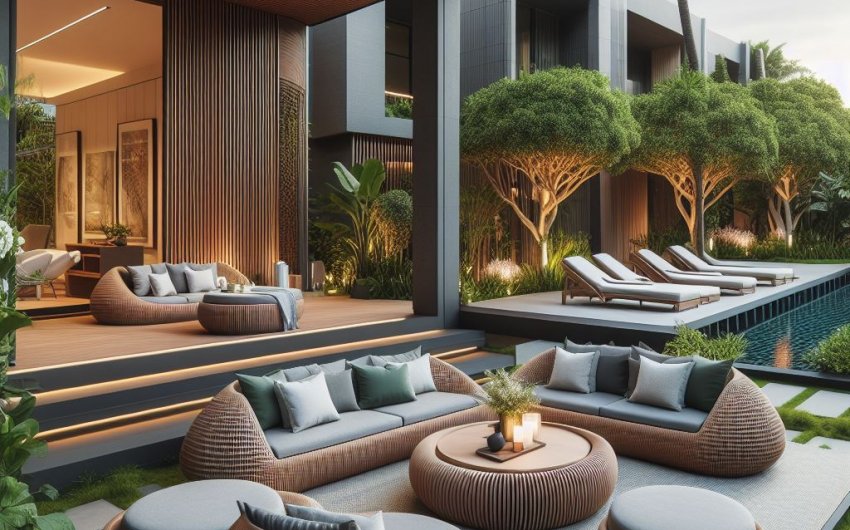
Our outdoor spaces have evolved far beyond mere backyards; they are now considered extensions of our homes, serving as additional living rooms, dining areas, and tranquil retreats. This shift has driven a demand for outdoor furniture that offers the same level of comfort, style, and functionality as our indoor furnishings. Gone are the days of flimsy plastic chairs and uncomfortable metal benches. Today, modern outdoor furniture blends sleek design with exceptional durability, transforming patios, decks, and balconies into sophisticated and comfortable havens.
Whether you're furnishing a sprawling poolside lounge, a cozy urban balcony, or a minimalist backyard patio, the options for contemporary outdoor furniture are vast and inspiring. This guide will explore how to choose pieces that not only complement your outdoor aesthetic but also withstand the elements, providing lasting comfort and style. Dive into the world of modern outdoor living and discover how to select the perfect furniture for every outdoor space, big or small.
What Defines Modern Outdoor Furniture?
Modern outdoor furniture is a distinct style category that draws inspiration from broader modern design principles. It's about more than just being "new"; it embodies a specific aesthetic and philosophy.
1. Clean Lines and Minimalist Design
- Simplicity: A hallmark of modern design is its focus on simplicity. Modern outdoor furniture features clean, uncluttered lines, geometric shapes, and a lack of excessive ornamentation.
- Form Follows Function: There's a strong emphasis on functionality. Every element serves a purpose, and unnecessary embellishments are stripped away, leading to an elegant, understated appearance.
- Sleek Silhouettes: Pieces often have a sleek, streamlined look, often low-profile, creating a sense of spaciousness and contemporary sophistication.
2. Emphasis on Materials and Texture
- Honest Materials: Modern design often celebrates the inherent beauty of the materials themselves. Rather than hiding them, materials like brushed metals, natural woods, and woven synthetics are showcased for their tactile qualities and visual appeal.
- Diverse Palette: While neutrals (grays, whites, blacks, natural wood tones) are common, modern outdoor furniture also embraces pops of bold, saturated color, especially in cushions or accent pieces.
- Textural Contrast: Mixing different materials (e.g., metal frames with woven seating, or smooth tabletops with rough wood bases) adds visual interest and depth without relying on intricate patterns.
3. Comfort and Ergonomics
- Indoor Comfort, Outdoor Durability: Modern outdoor furniture aims to bring the comfort of indoor living spaces outdoors. This means deep seating, plush, weather-resistant cushions, and ergonomic designs that promote relaxation.
- Lounge-Oriented: There's a strong trend towards lounge-style seating, with modular sofas, oversized armchairs, and chaises designed for ultimate relaxation.
4. Durability and Weather Resistance
- High-Performance Materials: Modern outdoor furniture utilizes cutting-edge materials and construction techniques to ensure longevity and resistance to the elements (sun, rain, temperature fluctuations). This includes UV-resistant synthetics, marine-grade stainless steel, and naturally weather-resistant hardwoods.
- Fade-Resistant Fabrics: Cushions and slings are made from high-performance, solution-dyed acrylic fabrics (like Sunbrella) that resist fading, mold, and mildew, even after prolonged sun exposure.
5. Modularity and Versatility
- Modular Sections: Many modern outdoor seating arrangements are designed in modular sections that can be reconfigured to fit different spaces or adapt to various entertaining needs. This allows for great flexibility in design.
- Multi-Functional Pieces: Tables might have integrated storage, or ottomans might double as extra seating. This clever use of space is a hallmark of modern design.
6. Indoor-Outdoor Flow
- Seamless Transition: Modern outdoor furniture often mirrors indoor contemporary styles, blurring the lines between indoor and outdoor living spaces. This creates a cohesive aesthetic when viewed from inside the home.
- Extended Living Space: The goal is to make your outdoor area feel like a true extension of your interior, adding square footage to your functional living space.
In essence, modern outdoor furniture represents a sophisticated fusion of cutting-edge materials, minimalist aesthetics, and unparalleled comfort, designed to transform any outdoor area into a stylish, durable, and highly functional extension of your contemporary home.
What Materials Are Used in Modern Outdoor Furniture?
The choice of material is fundamental to modern outdoor furniture, determining its durability, maintenance, weight, and aesthetic. Modern designs prioritize high-performance materials that are built to withstand the elements while maintaining their sleek appearance.
1. Aluminum
- Characteristics: Lightweight, strong, non-corrosive, and versatile. Often powder-coated for color and added durability.
- Pros:
- Rust-Proof: Will not rust, making it excellent for all climates, including coastal areas.
- Lightweight: Easy to move, rearrange, and store.
- Low Maintenance: Requires minimal cleaning (soap and water).
- Powder Coating: A durable, chip-resistant finish available in a wide range of colors.
- Recyclable: Environmentally friendly choice.
- Cons: Can be blown around in strong winds if not properly secured or if very lightweight. Dark colors can get hot in direct sun.
- Common Use: Frames for sofas, chairs, tables; often combined with sling fabrics or synthetic wicker. A powder-coated aluminum patio set is a popular choice for durability and style.
2. Synthetic Wicker (Resin Wicker / All-Weather Wicker)
- Characteristics: Woven polyethylene (PE) resin fibers over a durable frame (usually aluminum). Designed to mimic natural wicker/rattan.
- Pros:
- Extremely Weather-Resistant: Resistant to UV fading, moisture, mold, mildew, cracking, and rot. Can be left outdoors year-round.
- Lightweight & Durable: The aluminum frame provides strength without heavy weight.
- Comfortable: The woven nature can offer more flexibility and comfort than solid materials.
- Versatile Styles: Available in various weaves and colors, from natural tones to modern grays and blacks.
- Cons: Quality varies widely; cheaper options can become brittle over time. Can collect dust in its weave, requiring occasional brushing or rinsing.
- Common Use: Seating (chairs, sofas, sectionals), tables, storage units. A contemporary resin wicker outdoor sectional offers comfort and weather resistance.
3. Teak Wood
- Characteristics: A dense hardwood naturally rich in oils and rubber, giving it exceptional weather resistance.
- Pros:
- Extremely Durable: Naturally resistant to rot, decay, insects, and extreme weather. Can last for decades.
- Beautiful Patina: If left untreated, teak will weather to a beautiful, silvery-gray patina over time.
- Strong: Provides solid, substantial furniture.
- Cons:
- High Cost: Teak is one of the most expensive outdoor furniture materials.
- Maintenance (Optional): Requires periodic oiling to maintain its original golden-brown color. Without oiling, it will gray.
- Weight: Heavier than aluminum or synthetic wicker.
- Common Use: Full furniture sets, dining tables, chairs, loungers. A modern teak outdoor dining set is an investment in timeless elegance.
4. Stainless Steel
- Characteristics: Extremely strong, corrosion-resistant alloy, highly polished or brushed finish. Marine-grade (316L) offers superior rust resistance in saltwater environments.
- Pros:
- Exceptional Durability: Very strong and long-lasting.
- Corrosion Resistant: Highly resistant to rust and corrosion, especially marine-grade.
- Sleek, Modern Aesthetic: Its metallic sheen and clean lines perfectly align with modern design.
- Weight: Heavy, providing stability.
- Cons:
- High Cost: Can be very expensive.
- Heat: Can get hot in direct sun.
- Maintenance: Can show fingerprints and water spots, requiring more frequent wiping. Can develop "tea staining" (superficial rust spots) in very harsh environments if not marine-grade.
- Common Use: Frames for chairs and tables, accents. A stainless steel outdoor coffee table can add a sophisticated touch.
5. Outdoor Fabrics (for Cushions and Slings)
- Characteristics: High-performance, solution-dyed acrylics (like Sunbrella, Olefin, or similar brands) specifically designed for outdoor use.
- Pros:
- Fade-Resistant: Colors remain vibrant even with prolonged sun exposure.
- Water-Resistant: Repel water, quick-drying.
- Mold/Mildew Resistant: Inhibits growth of fungi.
- Durable: Strong and long-lasting.
- Comfortable: Provide plush seating.
- Cons: Can be expensive; requires periodic cleaning to prevent buildup of dirt/mildew.
- Common Use: Cushions for sofas, chairs, loungers; sling fabric for dining chairs. Look for Sunbrella outdoor fabric cushions.
6. Concrete / Fiber Cement
- Characteristics: Heavy, durable, and can be molded into various shapes. Often treated to reduce porosity.
- Pros:
- Extremely Durable: Very long-lasting and stable.
- Industrial/Modern Look: Offers a raw, minimalist aesthetic.
- Heavy: Excellent for windy areas.
- Cons: Very heavy, can crack in extreme freeze-thaw cycles if not properly manufactured/sealed, porous (can stain if not sealed), can get hot in sun.
- Common Use: Table tops, planters, benches. A modern concrete outdoor coffee table can be a focal point.
When choosing materials, consider your climate, desired level of maintenance, budget, and the aesthetic you want to achieve. A combination of these high-performance materials often creates the most stylish and durable modern outdoor spaces.
How Do I Choose Modern Outdoor Furniture for Different Spaces?
The beauty of modern outdoor furniture lies in its versatility. With thoughtful design and material choices, you can create a comfortable and stylish outdoor oasis, no matter the size or purpose of your space.
1. For a Small Balcony or Urban Patio
Limited space requires clever, compact solutions without sacrificing style.
- Key Considerations: Maximizing every square foot, easy storage, lightweight, scale.
- Furniture Types:
- Bistro Sets: The classic choice. Look for foldable bistro sets in aluminum, powder-coated steel, or high-quality acacia wood.
- Compact Two-Seater Sofas: Some modern designs offer very small-scale outdoor sofas that can fit in tight spots.
- Stackable Chairs: Chairs that stack neatly are great for storing extras or clearing space.
- Wall-Mounted Tables: A drop-leaf wall-mounted table that folds down when not in use is a brilliant space-saver.
- Materials: Lightweight aluminum or synthetic wicker are excellent as they are easy to move. Teak or acacia wood (if foldable) also work. Avoid heavy iron if you need to move it frequently.
- Design Tip: Choose pieces with clean lines and minimal bulk. Integrate vertical elements like vertical planters to bring in greenery without taking up floor space.
2. For a Mid-Sized Deck or Covered Patio
You have more room to work with, allowing for more substantial seating and dining options.
- Key Considerations: Comfort for entertaining, defined zones, flow, durable materials.
- Furniture Types:
- Modular Sectionals: These are perfect for creating flexible seating arrangements that can be adapted to different gatherings. Look for modern outdoor modular sectional sofas.
- Lounge Chairs and Ottomans: Create comfortable relaxation zones.
- Mid-Sized Dining Sets: Rectangular or round tables that comfortably seat 4-6 people.
- Outdoor Daybeds: For ultimate relaxation if space permits.
- Materials: Synthetic wicker is a popular choice for comfort and weather resistance. Powder-coated aluminum offers sleekness and low maintenance. Teak provides warmth and timeless appeal.
- Design Tip: Define different "rooms" within your outdoor space using rugs, planters, or the furniture arrangement itself (e.g., a dining zone and a lounge zone). Add outdoor throw pillows for pops of color and comfort.
3. For a Large Backyard Patio or Poolside Area
This is where you can truly create an outdoor living room, dining area, and entertainment hub.
- Key Considerations: Scale of furniture, multiple zones, durability, entertaining capabilities.
- Furniture Types:
- Large Sectionals: U-shaped or extensive L-shaped modular luxury outdoor sectionals that can accommodate many guests.
- Full Dining Sets: Large tables (extendable options are great) with comfortable dining chairs.
- Sun Loungers/Chaises: Essential for poolside relaxation. Look for sleek, adjustable modern poolside loungers.
- Outdoor Bars/Kitchen Islands: For entertaining and cooking outdoors.
- Fire Pits/Coffee Tables: A modern outdoor fire pit table can be a focal point.
- Materials: All high-performance materials are suitable here. Teak for enduring elegance, powder-coated aluminum for modern sleekness, and high-quality synthetic wicker for ultimate lounge comfort. Stainless steel accents can add a luxurious touch.
- Design Tip: Create distinct zones for dining, lounging, and perhaps a separate conversation area. Use large-scale planters and outdoor lighting to enhance the ambiance. Consider a large outdoor area rug to anchor seating arrangements.
4. For Uncovered/Fully Exposed Areas
If your outdoor space lacks overhead protection, durability and weather resistance are paramount.
- Key Considerations: Extreme UV, rain, wind, temperature swings.
- Furniture Types: Prioritize solid, robust pieces that won't blow away and can handle continuous exposure.
- Materials: Teak (will weather to gray but remain structurally sound), powder-coated aluminum (check for wind stability), high-quality marine-grade stainless steel, and top-tier synthetic wicker. Ensure cushions are made from premium, solution-dyed acrylics (like Sunbrella) that can stay out.
- Design Tip: Consider a large outdoor umbrella with a weighted base or a pergola for added protection and comfort.
By matching the function, size, and material of your modern outdoor furniture to the specific characteristics of your space, you can create an inviting, durable, and stylish outdoor environment that truly extends your living area.
How Do I Care for and Maintain Modern Outdoor Furniture?
One of the great advantages of modern outdoor furniture is its inherent durability and relative ease of maintenance. Designed for outdoor living, these pieces require less fuss than traditional indoor furniture. However, proper care will ensure their longevity and keep them looking their best for many years to come.
1. General Cleaning (Regularly)
- Dust and Debris: Regularly wipe down or rinse your furniture to remove dust, pollen, leaves, and other environmental debris. This prevents buildup that can become harder to remove later.
- Mild Soap and Water: For most materials (aluminum, synthetic wicker, sling fabrics), a gentle cleaning solution of mild dish soap and warm water is sufficient.
- Soft Brush or Cloth: Use a soft cloth, sponge, or soft-bristled brush to gently scrub surfaces.
- Rinse Thoroughly: Always rinse thoroughly with clean water to remove all soap residue, which can attract dirt or leave streaks.
- Drying: Allow furniture to air dry completely, or wipe dry with a clean cloth, especially after cleaning cushions, to prevent water spots or mildew.
2. Specific Material Care
- Powder-Coated Aluminum:
- Maintenance: Very low maintenance. Just regular cleaning.
- Scratches/Chips: If the powder coating gets scratched or chipped, touch it up immediately with a touch-up paint for outdoor furniture to prevent potential corrosion (though aluminum doesn't rust, the exposed metal can oxidize over time).
- Synthetic Wicker (Resin Wicker):
- Maintenance: Low maintenance. Regular cleaning.
- Deep Cleaning: For stubborn dirt or mildew, a soft brush and a solution of mild soap or a specialized outdoor furniture cleaner for wicker can be used. Rinse well.
- Teak Wood:
- Maintaining Color: To preserve the original golden-brown color, apply a teak oil for outdoor furniture 1-2 times per year, or as directed by the product. Clean the teak first.
- Weathered Patina: If you prefer the silvery-gray patina, no oiling is needed. Just regular cleaning. You can use a teak cleaner to remove dirt and mildew before it completely grays, or periodically after it has grayed.
- Stainless Steel:
- Maintenance: Requires more frequent wiping to remove fingerprints and water spots.
- Cleaning: Use a soft cloth with warm water and mild soap, or a specialized stainless steel cleaner for outdoor use. Always wipe in the direction of the grain.
- "Tea Staining": In coastal or polluted areas, superficial rust spots ("tea staining") can occur. These can usually be removed with a non-abrasive stainless steel cleaner or polish. Use marine-grade (316L) stainless steel for saltwater environments.
- Outdoor Fabrics (Cushions & Slings):
- Spot Cleaning: For spills, blot immediately with a clean cloth. Clean with mild soap and water.
- Deep Cleaning: Remove covers if machine washable and follow instructions. Otherwise, scrub with a soft brush and a solution of mild soap and water. For stubborn mildew, a diluted bleach solution (1 part bleach to 4 parts water) can be used on solution-dyed acrylics (like Sunbrella), but always spot-test first and rinse thoroughly. Allow to air dry completely.
- Storage: While weather-resistant, storing cushions indoors or in a waterproof outdoor cushion storage bag during prolonged wet weather or off-season will extend their life and keep them cleaner.
3. Protection from the Elements
- Covers: During off-seasons, prolonged periods of non-use, or during severe weather (heavy rain, snow, hail), use high-quality, breathable outdoor furniture covers (heavy-duty patio furniture cover). Ensure covers are breathable to prevent condensation and mildew underneath.
- Winter Storage: In regions with harsh winters, consider storing cushions, small tables, or even entire sets in a garage, shed, or basement. This is the ultimate protection against extreme temperatures and moisture.
- Elevate: If furniture legs are directly on moist ground or patio, use small risers or glides to promote airflow underneath and prevent moisture from wicking up.
By following these simple maintenance steps, your modern outdoor furniture will continue to provide contemporary comfort and style, enhancing your outdoor living space for many years to come.