
How to Grow and Care for Bonsai Trees at Home?
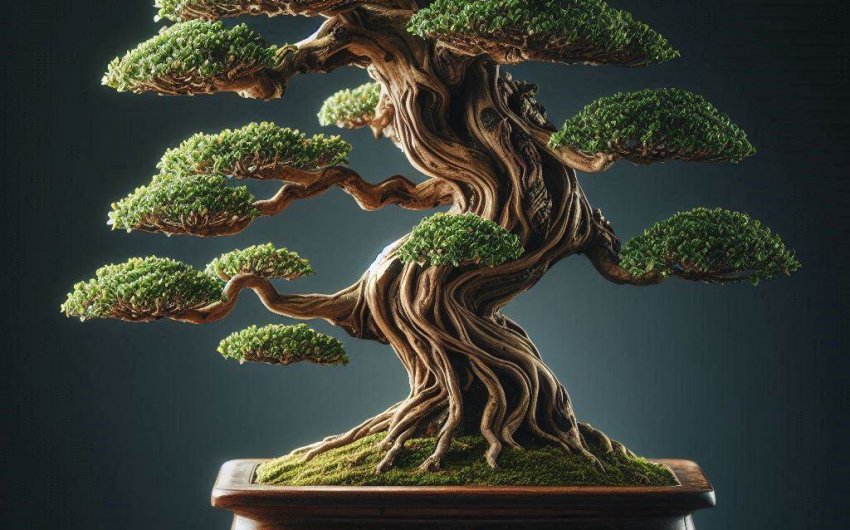
Cultivating miniature trees, meticulously shaped and pruned, offers a deeply rewarding artistic and horticultural pursuit that brings a piece of nature's majesty into your living space. If you're eager to learn how to grow and care for bonsai trees at home, you're embarking on a journey that blends patience, creativity, and a foundational understanding of tree physiology. With the right approach, anyone can transform a small sapling into a living work of art, a testament to enduring beauty and dedicated guardianship.
What Exactly is Bonsai?
Bonsai is not a specific type of tree, but rather an ancient Japanese art form focused on growing miniature trees in containers. It involves various horticultural techniques to mimic the appearance of mature, full-sized trees found in nature. The goal is to create an illusion of age and natural grandeur within a small, confined space. It's a living sculpture that constantly evolves and requires ongoing care.
What is the History and Philosophy Behind Bonsai?
The art of bonsai originated in China over a thousand years ago, where it was known as "penjing." It later spread to Japan, evolving into the refined art form we recognize today. The philosophy behind bonsai is deeply rooted in Zen Buddhism and an appreciation for nature. It emphasizes:
- Wabi-Sabi: The beauty of imperfection, impermanence, and incompleteness. Bonsai celebrates the natural aging process and the unique character of each tree.
- Harmony: Creating a balanced composition between the tree, its container, and the surrounding environment.
- Patience and Mindfulness: Bonsai requires long-term commitment and careful observation, fostering a meditative connection between the artist and the tree.
- Miniaturization: Recreating the essence of a large tree in a small scale, conveying a sense of majesty and age.
What are the Common Misconceptions About Bonsai?
Several misunderstandings often deter beginners from exploring bonsai.
- Bonsai are not genetically dwarfed trees. They are regular trees or shrubs grown in a specific way.
- Bonsai are not difficult to care for. While they require consistent attention, the techniques are learnable. The perception of difficulty often comes from a lack of understanding of basic tree care principles adapted for containers.
- Bonsai are not indoor plants. Most bonsai species are outdoor trees by nature and require outdoor conditions to thrive, including seasonal changes. Only a select few tropical and subtropical varieties can truly live indoors year-round. This is a crucial distinction for successful bonsai care.
What Kinds of Trees are Good for Bonsai?
Virtually any tree or shrub species that develops a woody stem and can be grown in a small container can be trained as a bonsai. However, some species are better suited for beginners due to their hardiness, growth habits, and aesthetic qualities. Choosing the right species is fundamental to successful bonsai cultivation.
Ideal Species for Beginners
These species are forgiving and respond well to common bonsai techniques.
- Juniper: A very popular choice, especially Dwarf Japanese Garden Juniper (Juniperus procumbens nana). Junipers are evergreen, hardy, and can be easily wired and shaped. They thrive outdoors and are relatively tolerant of neglect compared to other species. You can find pre-bonsai juniper trees for easy starting.
- Ficus: A great indoor bonsai option for beginners, particularly Weeping Fig (Ficus benjamina) or Ginseng Ficus (Ficus microcarpa). Ficus are tolerant of indoor conditions, can form aerial roots, and are very resilient to pruning mistakes. Look for a ginseng ficus bonsai.
- Chinese Elm (Ulmus parvifolia): A versatile and hardy deciduous or semi-deciduous tree. It grows quickly, develops fine ramification (branching), and tolerates a wide range of conditions. It can be grown indoors in temperate climates or outdoors in warmer ones. Chinese Elm bonsai trees are excellent for shaping.
- Jade Plant (Crassula ovata): While not a traditional tree, jade plants are succulent and can be shaped and trained into bonsai forms. They are extremely hardy, forgiving, and excellent for indoor enthusiasts. They require very little water. A jade plant bonsai is a good starting point for learning.
Popular Outdoor Bonsai Species
For gardeners in temperate climates, these species thrive outdoors and display beautiful seasonal changes.
- Japanese Maple (Acer palmatum): Prized for their stunning autumn foliage and delicate branching. While beautiful, they require consistent watering and protection from extreme heat and cold. There are many Japanese Maple bonsai varieties suitable for bonsai.
- Pine (Pinus spp.): Classic bonsai subjects, particularly Japanese Black Pine (Pinus thunbergii) and Japanese White Pine (Pinus parviflora). They are majestic but require more advanced techniques for needle pruning and decandling.
- Ginkgo (Ginkgo biloba): Unique fan-shaped leaves that turn brilliant yellow in autumn. They are very hardy and relatively easy to care for, though they can be slow-growing.
- Oak (Quercus spp.): Many oak species can be trained as bonsai. They develop strong trunks and interesting bark textures, showcasing robustness in miniature.
Considerations for Indoor vs. Outdoor Bonsai
It's vital to choose a species appropriate for your intended growing environment.
- Outdoor Bonsai: These are trees native to temperate climates that require distinct seasonal changes, including a period of winter dormancy. They must be kept outdoors year-round, possibly with winter protection depending on your climate zone. Examples: Junipers, Pines, Maples, Elms, Oaks.
- Indoor Bonsai: These are typically tropical or subtropical species that can tolerate stable indoor temperatures year-round. They still need bright light and high humidity to thrive. Examples: Ficus, Jade, Dwarf Schefflera, Money Tree. Avoid placing outdoor bonsai indoors for prolonged periods, as they will weaken and die without proper dormancy.
What Supplies Do You Need to Get Started?
Embarking on your bonsai journey requires a few essential tools and materials. Having the right supplies will make the process more enjoyable and successful, allowing you to properly shape, prune, and care for your miniature trees. You don't need everything at once, but a basic kit will set you up for success.
Essential Bonsai Tools
Investing in specialized bonsai tools makes a significant difference in achieving proper cuts and shapes without damaging the tree.
- Concave Cutter: This is perhaps the most unique and important bonsai tool. It makes a spherical cut that heals cleanly and quickly, leaving minimal scarring on branches and trunks. A concave cutter is indispensable for pruning.
- Wire Cutter: Designed specifically for cutting bonsai wire without damaging the branch. Look for bonsai wire cutters with a rounded jaw.
- Branch Cutter/Pruning Shears: For general pruning of small branches and twigs. A high-quality pair of bonsai pruning shears will make clean cuts.
- Root Hook/Rake: Used during repotting to untangle and spread roots. A bonsai root hook is gentle on delicate roots.
- Scissors: Small, sharp bonsai scissors are used for precise leaf pruning and trimming small shoots.
Bonsai Wire and Pots
These are fundamental for shaping your bonsai and providing a suitable environment.
- Bonsai Wire: Made of anodized aluminum or annealed copper, bonsai wire is used to bend and shape branches and trunks. It comes in various gauges (thicknesses). You'll need an assortment, such as an assorted bonsai wire pack.
- Bonsai Pots: These are specialized containers that are wider and shallower than typical plant pots, designed to restrict root growth and complement the aesthetic of the tree. They always have large drainage holes. Choose a bonsai pot that is proportionate to your tree.
Specialized Bonsai Soil
Unlike regular potting soil, bonsai soil is specifically formulated for excellent drainage and aeration, crucial for the health of a confined tree.
- Components: A good bonsai soil mix typically includes:
- Akadama: A hard-baked clay granular material, highly porous and absorbent, that changes color when wet (making watering easier to gauge). Look for Akadama bonsai soil.
- Pumice: A lightweight, porous volcanic rock that improves drainage and aeration.
- Lava Rock: Provides excellent drainage, aeration, and stability.
- Organic Matter: A small amount of pine bark fines or compost can be added for water retention and nutrients, but sparingly.
- Pre-Mixed Soil: For beginners, purchasing a pre-mixed bonsai soil suitable for your tree type (e.g., deciduous or conifer) is the easiest option.
Other Useful Items
- Watering Can with Fine Spout: A bonsai watering can with a gentle shower head prevents disturbing the soil.
- Chopsticks: Excellent for working soil around roots during repotting and for gently removing old soil.
- Humidity Tray: For indoor bonsai, a humidity tray filled with pebbles and water can help increase ambient humidity around the tree.
- Bonsai Fertilizer: Specialized slow-release bonsai fertilizer or liquid feeds designed for bonsai are essential for providing nutrients without promoting excessive growth.
How Do You Water and Fertilize Bonsai Trees?
Proper watering and fertilizing are among the most critical aspects of bonsai care. Because bonsai trees live in small containers, their root systems are confined, making them highly dependent on you for consistent moisture and nutrient supply. Mastering these techniques is key to a healthy and thriving miniature tree.
The Art of Watering Bonsai
Watering a bonsai is not about following a strict schedule, but rather about observation and understanding your tree's needs.
- When to Water: The golden rule is to water when the top surface of the soil appears slightly dry to the touch, or when the color of the Akadama (if used) changes from dark to light. Never let the soil become completely dry, especially for deciduous trees or those in active growth.
- How to Water: Water thoroughly until water drains freely from the bottom holes of the pot.
- First Pass: Water once to moisten the surface.
- Second Pass: Wait a few minutes for the water to soak in, then water again until runoff is evident.
- Use a watering can with a fine rose to prevent disturbing the soil.
- Factors Affecting Watering Frequency:
- Species: Some trees (e.g., Maples) need more water than others (e.g., Pines, Junipers).
- Pot Size: Smaller pots dry out faster.
- Soil Mix: Highly draining mixes dry faster.
- Weather: Hot, windy, or sunny days require more frequent watering.
- Season: Trees in active growth (spring/summer) need more water than during dormancy (winter). Indoor bonsai in heated homes dry out quickly.
- Humidity: For indoor bonsai, or during dry outdoor conditions, a humidity tray (a tray with pebbles and water, with the pot sitting on the pebbles, not in the water) can help increase ambient moisture around the foliage.
Understanding Bonsai Fertilization
Fertilizing provides the essential nutrients that bonsai trees cannot obtain from the limited soil in their pots.
- Type of Fertilizer: Use a balanced bonsai fertilizer or a general-purpose slow-release granular fertilizer, or a liquid feed diluted to half strength. Many bonsai enthusiasts use organic slow-release bonsai fertilizer pellets which provide a steady nutrient supply.
- N-P-K Ratio: Look for fertilizers with balanced Nitrogen (N), Phosphorus (P), and Potassium (K). The specific ratio may vary depending on the season and the tree's needs.
- Spring/Summer: Slightly higher Nitrogen for foliage growth.
- Autumn: Lower Nitrogen, higher Phosphorus and Potassium to encourage root development and winter hardiness.
- When to Fertilize:
- Actively Growing Trees: Fertilize regularly during the growing season (spring through early fall).
- Dormant Trees: Do not fertilize trees during their winter dormancy period.
- Newly Repotted Trees: Wait 4-6 weeks after repotting before resuming fertilization to allow roots to recover.
- Application Method: Follow the product instructions carefully. Liquid fertilizers are typically applied after watering to avoid root burn. Granular fertilizers are usually sprinkled on the soil surface.
- Under-fertilizing is better than over-fertilizing; excessive fertilizer can burn roots and damage the tree.
How Do You Prune and Wire Bonsai Trees?
Pruning and wiring are the core artistic techniques in bonsai cultivation, allowing you to shape the tree, control its growth, and create the desired miniature aesthetic. These practices require precision, patience, and a vision for the tree's future form.
Understanding Pruning Techniques
Pruning controls the tree's size, creates ramification (fine branching), and promotes overall health.
- Maintenance Pruning (Pinching/Trimming):
- Purpose: To maintain the tree's shape, encourage new growth to branch out, and reduce leaf size.
- Method: Use bonsai scissors to remove new shoots (or pinch them with your fingers) as they grow too long. This directs energy to dormant buds, encouraging denser foliage.
- Timing: Done throughout the growing season as needed.
- Structural Pruning (Cutting Back):
- Purpose: To remove undesirable branches (e.g., crossing, straight, weak, or too thick), reduce the overall size of the tree, and establish the primary branch structure.
- Method: Use a concave cutter or branch cutter for clean cuts close to the trunk or main branch, allowing for proper healing.
- Timing: Best done during dormant season (late winter/early spring for deciduous trees) or at specific times during the growing season depending on the species.
- Defoliation (For some species):
- Purpose: For certain deciduous species (like Maples, Elms), removing all or most of the leaves during the summer can encourage a new flush of smaller leaves and increase ramification.
- Caution: This is an advanced technique and should only be done on very healthy, strong trees.
Mastering Bonsai Wiring
Wiring is used to bend and position branches and trunks into desired shapes.
- Choosing Wire: Use anodized aluminum wire (for most beginners due to its flexibility) or annealed copper wire (stronger, for conifers). Select the correct gauge – it should be strong enough to hold the branch in place but not so thick it damages the bark.
- Application Technique:
- Anchor the wire: Secure one end of the wire by wrapping it around the trunk or a stronger branch.
- Wrap at 45-degree angle: Wrap the wire neatly and snugly around the branch at a 45-degree angle. Each turn should be even and not overlap.
- Bend: Once wired, gently bend the branch into the desired position using both hands – one to hold the wire, the other to bend the branch.
- Wire Removal: Monitor the wire closely. It should be removed before it starts to cut into the bark, which can cause unsightly scars. This usually means removing it after a few weeks to several months, depending on the tree's growth rate. Use wire cutters to cut the wire into small pieces, unwrapping it carefully to avoid damaging the bark.
- Caution: Incorrect wiring (too tight, incorrect angle, leaving on too long) can seriously damage or kill a branch.
Styling Concepts and Form
Bonsai styling follows traditional forms inspired by nature. While there are many, a few common ones include:
- Formal Upright (Chokkan): A straight, upright trunk with symmetrical branching.
- Informal Upright (Moyogi): A trunk with gentle curves, mimicking a natural growth pattern.
- Slanting (Shakan): The trunk slants significantly to one side, giving a windswept appearance.
- Cascade (Kengai): The trunk and branches extend below the pot rim, like a tree growing over a cliff.
- Semi-Cascade (Han-kengai): Similar to cascade, but the apex of the tree stays above the pot rim, with branches cascading below. Understanding these basic styles can help guide your pruning and wiring decisions.
When and How Do You Repot Bonsai Trees?
Repotting bonsai trees is a crucial, though sometimes intimidating, maintenance task. It's essential for replacing depleted soil, refreshing nutrients, and controlling root growth, which in turn controls the tree's top growth and overall health. Knowing when and how to repot properly is vital for the longevity of your bonsai tree.
Why and When to Repot?
- Why Repot?
- Soil Depletion: Over time, bonsai soil breaks down, losing its drainage and aeration properties. Nutrients are used up.
- Root Bound: Roots grow to fill the pot, becoming a dense mass that can't absorb water or nutrients efficiently.
- Health and Vigor: Repotting revitalizes the tree by providing fresh soil, space for new root growth, and improved aeration. It helps maintain the miniature size of the tree.
- When to Repot?
- Frequency: Younger, fast-growing trees (e.g., Ficus, Chinese Elm) may need repotting every 1-2 years. Older, slower-growing trees (e.g., Pines, Junipers) might only need it every 3-5 years, or even less frequently.
- Signs: Look for roots emerging from the drainage holes, slow growth despite proper care, water pooling on the soil surface, or the tree becoming unstable in the pot.
- Timing: The best time is typically in late winter or early spring, just before the tree breaks dormancy and begins its active growth cycle. This allows the tree to quickly recover and establish new roots. Avoid repotting during peak summer or winter.
The Repotting Process: Step-by-Step
Repotting involves carefully removing the tree, pruning its roots, and placing it back into fresh soil.
- Preparation:
- Gather all your supplies: bonsai pot, fresh bonsai soil mix, root hook, root shears, screen for drainage holes, wire for securing the tree.
- Water the tree thoroughly a day or two before repotting to ensure the root ball is moist.
- Remove Tree from Pot:
- Carefully use a root hook or dull knife around the edge of the pot to loosen the root ball.
- Gently lift the tree out of the pot. If the root ball is very dense, you might need to tap the pot or use more force.
- Root Pruning:
- Use a root hook to gently untangle and loosen the outer layers of the root ball.
- With sharp root shears, carefully prune away about 1/3 to 1/2 of the roots. Focus on removing thick, circling roots, and dead or diseased roots. Aim to create a radial root system. The amount of root pruning depends on the tree's health and species.
- The goal is to encourage new, fine feeder roots, which are more efficient at absorbing water and nutrients.
- Prepare the Pot:
- Place a mesh screen over the drainage holes to prevent soil from washing out. You can secure it with wire.
- Place a thin layer of fresh bonsai soil at the bottom of the pot.
- Position and Secure the Tree:
- Carefully place the tree in the pot, adjusting its position to achieve the desired aesthetic. The base of the trunk (nebari) should be slightly above the soil line.
- If your pot has wire holes, use anchoring wires to secure the tree firmly in place. This prevents it from shifting while new roots establish.
- Add New Soil:
- Fill the pot with fresh bonsai soil, working it gently around and between the roots using a chopstick to ensure there are no air pockets.
- Tap the pot gently to settle the soil.
- Water Thoroughly:
- Water the tree immediately and deeply until water drains clear from the bottom.
- Consider applying a root stimulator solution to aid recovery.
- Post-Repotting Care:
- Place the repotted bonsai in a sheltered, shady location for a few weeks to recover. Protect it from strong winds and direct sun.
- Maintain consistent moisture; do not let the soil dry out.
- Do not fertilize for 4-6 weeks after repotting.
What are the Common Challenges in Bonsai Care and How to Overcome Them?
While the art of bonsai is rewarding, it comes with its own set of challenges. Understanding common issues and knowing how to troubleshoot them will help you keep your bonsai tree healthy and thriving, ensuring your efforts in growing and caring for bonsai trees at home are successful.
Watering Issues: Under- and Over-watering
This is the most common killer of bonsai.
- Under-watering:
- Symptoms: Wilting leaves, crispy leaves that turn yellow or brown, brittle branches, dry and hard soil.
- Cause: Not watering frequently enough or not watering thoroughly.
- Solution: Water immediately and thoroughly (multiple passes until water drains freely). For severely dry soil, you can submerge the entire pot in a basin of water for 10-15 minutes until air bubbles stop rising. Adjust your watering schedule.
- Over-watering:
- Symptoms: Yellowing leaves that are soft and limp, blackening branches, soggy soil that never dries out, foul odor from the soil, root rot.
- Cause: Watering too frequently, poor draining soil, or a pot without adequate drainage holes.
- Solution: Stop watering immediately. Allow the soil to dry out significantly. If signs of root rot are severe, repot the tree into fresh, well-draining soil, removing any rotted roots. Ensure your bonsai pot has sufficient drainage. Re-evaluate your watering frequency and soil mix.
Pest and Disease Problems
Bonsai trees can be susceptible to the same pests and diseases as full-sized trees.
- Common Pests:
- Aphids, Mealybugs, Spider Mites, Scale: Look for tiny insects on leaves and stems, sticky residue (honeydew), or webbing.
- Solution: For light infestations, wipe off with a damp cloth or spray with a strong stream of water. For heavier infestations, use insecticidal soap or neem oil spray, following label instructions. Repeat applications may be needed.
- Common Diseases:
- Fungal Issues (e.g., powdery mildew, rust): Often caused by high humidity and poor air circulation. Symptoms include white powdery spots or rust-colored pustules on leaves.
- Solution: Improve air circulation by pruning, reduce watering foliage, and apply an appropriate fungicide for plants if necessary.
- Prevention: Regular inspection, good air circulation, proper watering, and maintaining a healthy tree (which is more resistant) are the best defenses.
Environmental Stressors
Bonsai are sensitive to their environment due to their confined roots.
- Lack of Light:
- Symptoms: Leggy growth, pale leaves, small or sparse foliage, lack of vigor.
- Solution: Move the bonsai to a brighter location. For indoor bonsai, supplement with a grow light.
- Low Humidity (Indoor Bonsai):
- Symptoms: Brown leaf tips, wilting.
- Solution: Use a humidity tray, mist regularly (though misting alone has limited long-term effect), or use a room humidifier.
- Temperature Extremes:
- Symptoms: Scorched leaves in too much sun/heat; dormancy breaking too early or freeze damage in cold.
- Solution: Provide shade during intense summer heat. For outdoor bonsai in winter, protect them from extreme cold by placing them in a cold frame, unheated garage, or burying the pot. Avoid bringing outdoor bonsai indoors unless specified for the species.
- Nutrient Deficiencies/Over-fertilization:
- Symptoms: Yellowing leaves (chlorosis), stunted growth, leaf burn.
- Solution: Refer to the fertilizing section. A soil test can help identify specific deficiencies. For over-fertilization, flush the soil with plenty of water.
Lack of Patience
Perhaps the greatest challenge in bonsai is the need for patience.
- Symptoms: Frustration, over-pruning, over-wiring, rushing the process.
- Solution: Embrace the long-term nature of bonsai. Understand that development takes years, even decades. Celebrate small successes. Learn from mistakes. Join a local bonsai club or online community for support and guidance.
- Remember: Bonsai is a living art. It's about the journey and the continuous relationship with your tree.
By diligently addressing these common challenges and consistently applying sound horticultural practices, you can successfully grow and care for bonsai trees at home, transforming humble saplings into miniature masterpieces that bring tranquility and natural beauty to your living space.