
What Are the Best Shade-Tolerant Vegetables for Low-Light Gardens?
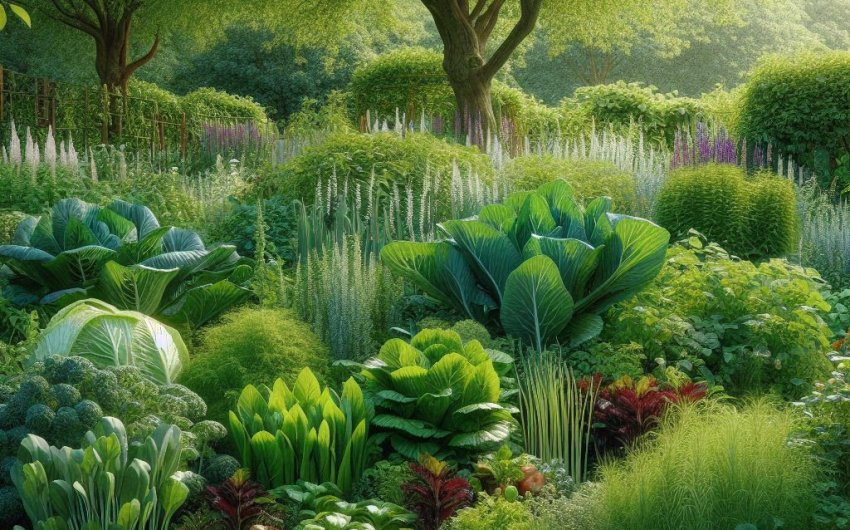
Discovering what are the best shade-tolerant vegetables for low-light gardens opens up exciting possibilities for urban dwellers, small-space gardeners, and anyone with a yard lacking full sun. While most vegetables thrive in abundant light, a surprising number of delicious crops can still yield a decent harvest with less direct sunlight. Understanding which vegetables can adapt to filtered sun or partial shade allows you to cultivate a productive edible garden even in less-than-ideal lighting conditions.
What Does "Shade-Tolerant" Mean for Vegetables?
Understanding what "shade-tolerant" means for vegetables is crucial before you start planting. It doesn't imply that plants will thrive in total darkness, but rather that they can still produce a worthwhile harvest with less direct sunlight than their full-sun counterparts.
Defining Light Levels
- Full Sun: At least 6-8 hours of direct, unobstructed sunlight per day. This is ideal for most fruiting vegetables (tomatoes, peppers, squash, etc.).
- Partial Sun: 4-6 hours of direct sunlight per day. These hours don't have to be consecutive, but morning sun is generally preferred over harsh afternoon sun. Many shade-tolerant vegetables perform well here.
- Partial Shade: 2-4 hours of direct sunlight per day, usually morning sun, with protection from harsh afternoon sun. This often refers to areas shaded for part of the day by buildings, fences, or deciduous trees. Many "shade-tolerant" vegetables are best suited for this.
- Full Shade: Less than 2 hours of direct sunlight per day, or mostly dappled light. Very few vegetables will produce well in full shade.
Characteristics of Shade-Tolerant Vegetables
Vegetables that fall into the "shade-tolerant" category typically share a few key characteristics:
- Focus on Leaves and Roots: The majority of shade-tolerant vegetables are grown for their leaves or roots, rather than their fruits. Fruiting vegetables (which rely heavily on photosynthesis to develop sugars in their fruit) almost always need full sun.
- Bolting Prevention: For many leafy greens, partial shade can actually be beneficial, especially in warmer climates. It helps to keep the soil cooler and reduces the likelihood of the plant "bolting" (going to seed) prematurely, which can make leaves bitter.
- Slower Growth: Expect a slightly slower growth rate for vegetables grown in partial shade compared to those in full sun. This means they might take longer to reach maturity.
- Reduced Yields: While they will still produce, the overall yield might be smaller than if the same plant were grown in full sun. However, for a gardener with limited light, some harvest is better than none.
- Quality over Quantity: The quality of leafy greens grown in partial shade can sometimes be superior, with more tender leaves and less bitterness due to the cooler temperatures and less intense sun.
Types of Shade (and How They Affect Plants)
- Morning Sun: Generally gentle and preferred by most shade-tolerant vegetables, as it provides light without excessive heat.
- Afternoon Sun: Can be intense and hot, especially in summer. Plants that tolerate partial shade usually benefit from being protected from harsh afternoon sun.
- Dappled Shade: Filtered light through the canopy of deciduous trees. This can be very beneficial for many shade-tolerant plants, providing light while diffusing intensity.
- Deep Shade: Under dense evergreen trees or on the north side of a building that gets no direct sun. This is usually too dark for most edible plants.
Understanding these light nuances allows you to set realistic expectations and select the best shade-tolerant vegetables for low-light gardens.
What Leafy Greens Thrive in Partial Shade?
Leafy greens are arguably the best category of shade-tolerant vegetables for low-light gardens. Their primary purpose is to produce edible foliage, which doesn't require the intense sunlight needed for flowering and fruiting. Many even benefit from some shade, especially in warmer climates, as it prevents bolting and keeps leaves tender.
1. Lettuce (Lactuca sativa)
- Light Preference: Partial shade (4-6 hours of morning sun, or dappled light all day). Can tolerate as little as 2-3 hours of direct sun.
- Why it Thrives in Shade: Shade helps keep the soil cooler and prevents lettuce from "bolting" (sending up a flower stalk and turning bitter) in warm weather. It also keeps the leaves more tender.
- Types:
- Loose-leaf varieties: Black Seeded Simpson lettuce, 'Salad Bowl', 'Oakleaf' are excellent choices as you can harvest outer leaves continuously.
- Butterhead varieties: 'Buttercrunch' produces soft, tender heads.
- Romaine (Cos): 'Parris Island Cos' can also do well in partial shade.
- Tips for Success:
- Plant successionally every few weeks for a continuous harvest.
- Keep soil consistently moist.
2. Spinach (Spinacia oleracea)
- Light Preference: Partial shade (3-5 hours of direct sun, especially morning sun).
- Why it Thrives in Shade: Spinach bolts very quickly in heat and full sun. Shade keeps it cooler, extending the harvest season and maintaining leaf quality.
- Types: All common spinach varieties work well, including 'Bloomsdale Long Standing' or 'Tyee'.
- Tips for Success:
- Plant in early spring and again in late summer/fall.
- Keep well-watered.
3. Kale (Brassica oleracea var. sabellica)
- Light Preference: Partial shade (4-6 hours of direct sun). Can tolerate slightly less, but yield might reduce.
- Why it Thrives in Shade: Like spinach, kale can become tough and bitter in intense heat and full sun. Partial shade keeps leaves tender and sweet.
- Types: 'Lacinato' (Dinosaur kale), 'Red Russian', 'Nero di Toscana' all perform well.
- Tips for Success:
- Harvest outer leaves regularly to encourage continuous production.
- Can tolerate light frost, which can even improve flavor.
4. Swiss Chard (Beta vulgaris subsp. cicla)
- Light Preference: Partial shade (4-6 hours of direct sun). Very tolerant.
- Why it Thrives in Shade: Chard is tough and less prone to bolting than lettuce or spinach, so it tolerates both sun and shade well. Shade helps keep leaves tender.
- Types: 'Bright Lights' (colorful stems) or 'Fordhook Giant'.
- Tips for Success:
- Extremely long harvest season; can be harvested from spring through fall, even into winter in mild climates.
- Harvest outer stalks.
5. Arugula (Eruca vesicaria)
- Light Preference: Partial shade (3-5 hours of direct sun).
- Why it Thrives in Shade: Arugula has a tendency to bolt and become very spicy (bitter) in hot, full sun. Shade helps maintain its milder, peppery flavor and extends its harvest.
- Tips for Success:
- Plant in early spring and again in late summer/fall.
- Harvest young leaves frequently.
6. Mustard Greens (Brassica juncea)
- Light Preference: Partial shade (3-5 hours of direct sun).
- Why it Thrives in Shade: Similar to arugula, shade helps temper their spiciness and prevents premature bolting.
- Types: 'Green Wave' or 'Red Giant'.
- Tips for Success:
- Harvest outer leaves. Can be very prolific.
7. Collard Greens (Brassica oleracea var. viridis)
- Light Preference: Partial shade (4-6 hours of direct sun).
- Why it Thrives in Shade: These hardy greens handle heat better than spinach or lettuce but still appreciate some afternoon shade in hot climates to keep leaves tender.
- Tips for Success:
- Best flavor after a light frost.
| Leafy Green | Light Preference (Hours of Direct Sun) | Key Benefit in Shade |
|---|---|---|
| Lettuce | 2-6 (especially morning sun) | Prevents bolting, tender leaves |
| Spinach | 3-5 (especially morning sun) | Prevents bolting, extends harvest |
| Kale | 4-6 | Keeps leaves tender, reduces bitterness |
| Swiss Chard | 4-6 | Very adaptable, tender leaves |
| Arugula | 3-5 | Maintains mild flavor, prevents bolting |
| Mustard Greens | 3-5 | Reduces spiciness, prevents bolting |
| Collard Greens | 4-6 | Keeps leaves tender, handles some heat |
When considering what are the best shade-tolerant vegetables for low-light gardens, leafy greens are always a strong, reliable category to prioritize.
What Root Vegetables Can Grow in Partial Shade?
While root vegetables generally prefer ample sunlight to develop large, sweet roots, several varieties can still produce a respectable harvest in partial shade. The key is often patience and accepting slightly smaller root sizes. These are excellent choices for expanding your selection of shade-tolerant vegetables for low-light gardens.
1. Carrots (Daucus carota subsp. sativus)
- Light Preference: Partial shade (4-6 hours of direct sunlight, preferably morning sun, or dappled light throughout the day).
- Why they Tolerate Shade: Carrots don't need intense sun for fruit production. They focus energy on root growth.
- Considerations:
- Slower Growth: Carrots grown in shade will take longer to mature and might not reach the same size as those in full sun.
- Soil Prep is Key: Loose, well-drained, stone-free soil is paramount for straight roots, regardless of light. Amend with sand and compost.
- Types: Shorter, smaller varieties like 'Paris Market', 'Danvers Half Long', or 'Thumbelina' may perform better in shadier conditions as they require less energy to develop.
- Tips for Success:
- Direct sow seeds.
- Keep soil consistently moist, especially during germination.
- Thin seedlings properly to allow space for root development.
2. Radishes (Raphanus sativus)
- Light Preference: Partial shade (3-5 hours of direct sunlight).
- Why they Tolerate Shade: Radishes are quick-growing and can bolt quickly in hot, full sun, turning woody and bitter. Shade helps keep them cool and crisp.
- Considerations:
- Less Likely to Bolt: Shade is often beneficial for spring and early summer radish crops, extending their harvest window.
- Size: Roots may be slightly smaller than in full sun.
- Types: Most common red globe varieties like 'Cherry Belle' or 'French Breakfast' do well.
- Tips for Success:
- Extremely quick to mature (20-30 days), making them a rewarding shade crop.
- Plant successionally every few weeks.
- Keep soil consistently moist.
3. Beets (Beta vulgaris subsp. vulgaris)
- Light Preference: Partial shade (4-6 hours of direct sunlight).
- Why they Tolerate Shade: Beets are dual-purpose: you can harvest the roots and the leafy greens. Both parts can tolerate partial shade.
- Considerations:
- Smaller Roots: Root development might be slower, and the beets may be smaller.
- Greens Benefit: The leafy tops will often thrive in partial shade, providing a good harvest even if the roots are modest.
- Types: 'Detroit Dark Red' or 'Golden Globe'.
- Tips for Success:
- Thin seedlings to give roots room to grow.
- Keep soil consistently moist.
4. Turnips (Brassica rapa subsp. rapa)
- Light Preference: Partial shade (4-6 hours of direct sunlight).
- Why they Tolerate Shade: Like beets, turnips are grown for both their roots and greens, both of which can handle less sun. Shade can help keep their flavor milder and prevent bitterness in the greens.
- Considerations:
- Root Size: Similar to carrots and beets, expect slightly smaller roots in shadier conditions.
- Greens: Turnip greens are very nutritious and grow well even with reduced light.
- Types: 'Purple Top White Globe' or 'Hakurei' (a sweet, Japanese turnip).
- Tips for Success:
- Direct sow seeds.
- Keep soil moist.
5. Potatoes (Solanum tuberosum)
- Light Preference: While generally preferring full sun, potatoes can still yield a crop in partial shade (5-6 hours of direct sunlight).
- Why they Tolerate Shade: They are relatively adaptable.
- Considerations:
- Reduced Yield: The harvest will be smaller and tubers may be smaller in size compared to full sun.
- More Susceptible to Disease: Reduced airflow and prolonged moisture in shadier spots can increase risk of fungal diseases like late blight.
- Types: Early-maturing varieties like 'Yukon Gold' or 'Irish Cobbler' may be better choices as they have a shorter growing season.
- Tips for Success:
- Ensure excellent drainage.
- Grow in grow bags for potatoes or large containers for better control over soil conditions and ease of harvest.
| Root Vegetable | Light Preference (Hours of Direct Sun) | Key Consideration in Shade |
|---|---|---|
| Carrots | 4-6 | Slower growth, smaller roots |
| Radishes | 3-5 | Less likely to bolt, crispier |
| Beets | 4-6 | Smaller roots, but greens thrive |
| Turnips | 4-6 | Milder flavor, good for greens |
| Potatoes | 5-6 (can tolerate less) | Reduced yield, potential disease risk |
While root vegetables might require a bit more patience and realistic expectations in shaded environments, they are a valuable addition to your list of shade-tolerant vegetables for low-light gardens.
What Other Vegetables Can You Grow in Partial Shade?
Beyond leafy greens and root vegetables, a few other intriguing options stand out as shade-tolerant vegetables for low-light gardens. While not all will yield as abundantly as in full sun, they can still provide a worthwhile harvest for the shade-constrained gardener.
1. Broccoli (Brassica oleracea var. italica)
- Light Preference: Partial shade (5-6 hours of direct sunlight, especially morning sun).
- Why it Tolerates Shade: While it prefers full sun, broccoli can still produce smaller heads and side shoots in partial shade. The cooler temperatures in shaded spots can also help prevent premature bolting (going to seed) in warmer climates.
- Considerations:
- Smaller Heads: Expect the main head to be smaller, but the plant will likely produce a good number of side shoots after the main harvest.
- Longer Maturation: Growth will be slower.
- Pest Pressure: Watch for cabbage worms and aphids, which can still be an issue in shade.
- Tips for Success:
- Plant in early spring or late summer.
- Keep soil consistently moist.
- Harvest the main head when firm, then continue harvesting side shoots.
2. Cabbage (Brassica oleracea var. capitata)
- Light Preference: Partial shade (4-6 hours of direct sunlight).
- Why it Tolerates Shade: Like broccoli, cabbage benefits from cooler temperatures to form dense heads and avoid bolting. Shade helps provide this.
- Considerations:
- Head Size: Heads may be smaller and take longer to mature than in full sun.
- Pest Pressure: Susceptible to the same pests as broccoli (cabbage worms, slugs).
- Types: Any standard cabbage variety should work, but smaller varieties might be more successful.
- Tips for Success:
- Ensure consistent moisture for proper head formation.
3. Cauliflower (Brassica oleracea var. botrytis)
- Light Preference: Partial shade (5-6 hours of direct sunlight, morning sun preferred).
- Why it Tolerates Shade: Cauliflower is a notoriously tricky crop and highly sensitive to heat stress, which causes "buttoning" (premature flowering) or small, loose heads. Partial shade helps keep it cooler and can improve head formation in some climates.
- Considerations:
- Challenging in Shade: While tolerant, cauliflower is still more difficult in shade than broccoli or cabbage. Yields will likely be significantly reduced.
- "Blanching" Still Needed: Remember to blanch (tie leaves over the head) to keep the curds white.
- Tips for Success:
- Choose heat-tolerant varieties if your climate is generally warm.
4. Bush Beans (Phaseolus vulgaris)
- Light Preference: Partial shade (5-6 hours of direct sunlight).
- Why they Tolerate Shade: While vining beans (pole beans) generally need more sun, bush beans are a bit more adaptable. They require less energy for vigorous vertical growth.
- Considerations:
- Reduced Yield: Expect a smaller harvest compared to full sun. Pods might be fewer or slightly smaller.
- Flowering: They need enough light to flower for pod production.
- Types: 'Blue Lake Bush' or 'Provider'.
- Tips for Success:
- Direct sow seeds.
- Ensure good air circulation to prevent fungal diseases in shadier, potentially more humid spots.
5. Peas (Pisum sativum)
- Light Preference: Partial shade (4-6 hours of direct sunlight, especially morning sun).
- Why they Tolerate Shade: Peas are a cool-season crop that struggles in intense heat. Partial shade can extend their growing season, especially in spring, and prevent them from burning out prematurely.
- Considerations:
- Reduced Pod Count: You might get fewer pods than in full sun.
- Support: Even bushier types will benefit from a small trellis or netting to climb on.
- Types: Both snap peas and shelling peas can work.
- Tips for Success:
- Plant very early in spring.
- Keep soil consistently moist.
| Other Vegetable | Light Preference (Hours of Direct Sun) | Key Consideration in Shade |
|---|---|---|
| Broccoli | 5-6 | Smaller main heads, good side shoots |
| Cabbage | 4-6 | Smaller heads, slower maturation |
| Cauliflower | 5-6 (morning preferred) | Challenging, smaller yields, sensitive to heat |
| Bush Beans | 5-6 | Reduced yield, but can still produce |
| Peas | 4-6 (morning preferred) | Extends season, but reduced pod count |
While success varies, these additional crops broaden your options when exploring what are the best shade-tolerant vegetables for low-light gardens.
What Are Key Strategies for Maximizing Yields in Shaded Gardens?
Even with shade-tolerant vegetables for low-light gardens, you can employ specific strategies to maximize your yields and ensure your plants thrive. These techniques help compensate for reduced sunlight and optimize the growing conditions.
1. Understand Your Light
- Observe Your Space: Spend a full day observing how much direct sunlight each part of your garden receives. Use a simple light meter or just a notebook. Note where the sun hits at different times of day (morning, midday, afternoon).
- Identify Light Categories: Determine if your spots are "partial sun" (4-6 hours), "partial shade" (2-4 hours), or "dappled shade." This precise understanding allows you to match the right plant to the right spot.
- Prioritize Morning Sun: If possible, locate your shade-tolerant vegetables where they receive morning sun. Morning sun is typically gentler and more effective for photosynthesis than intense afternoon sun, which can often be too hot and cause stress.
2. Optimize Soil Conditions
- Well-Drained and Rich: Even more so than in full sun, good soil is critical. In shadier areas, soil can stay damp longer, increasing the risk of root rot. Ensure your soil is well-draining and rich in organic matter.
- Amend with Compost: Incorporate plenty of well-rotted compost to improve soil structure, drainage, and fertility.
- Raised Beds: Consider planting in raised garden beds. They provide excellent drainage and allow you to fill with an ideal soil mix.
- Soil pH: Most vegetables prefer a pH between 6.0 and 7.0. Test your soil and amend if necessary. A home soil test kit can help.
3. Choose the Right Varieties and Cultivars
- "Shade-Tolerant" Specifics: Within categories like lettuce or kale, some cultivars are specifically bred to be more tolerant of lower light or heat. Do a little research.
- Early-Maturing Varieties: Opt for varieties that have shorter "days to maturity" listed on the seed packet. These are more likely to produce a harvest even if growth is slightly slower due to shade.
4. Provide Consistent Watering and Fertilization
- Watering: Shaded areas dry out slower than sunny ones. Water less frequently but still deeply. Check the soil moisture before watering.
- Fertilization: While yields may be lower in shade, plants still need nutrients. Fertilize regularly but perhaps at a slightly reduced rate compared to full-sun gardens. Use a balanced vegetable fertilizer during the growing season. Organic fertilizers like worm castings or compost tea are excellent for maintaining soil health.
5. Maximize Light Exposure
- Reflective Surfaces: Paint nearby walls or fences a light color (white or light cream) to reflect more light onto your plants.
- Strategic Pruning: If trees or shrubs are casting shade, strategically prune lower branches (if they are deciduous) during winter to allow more light to filter through in spring and summer. Be careful not to harm the trees.
- Container Gardening: If light shifts, use containers. Large planting containers allow you to move plants throughout the day to maximize their sun exposure.
6. Practice Intensive Gardening Techniques
- Succession Planting: Plant small batches of leafy greens every few weeks to ensure a continuous harvest throughout the season, even if individual yields are smaller.
- Close Spacing (with caution): You can often plant leafy greens a little closer than recommended in shade, as they won't grow as vigorously. However, ensure there's still adequate air circulation to prevent fungal diseases.
- Vertical Gardening: Use vertical planters or trellises to grow some vining crops (like peas or even bush beans) upwards to potentially catch more light above lower shade.
7. Pest and Disease Management
- Increased Risk: Shadier, damper conditions can sometimes increase the risk of slugs, snails, and certain fungal diseases (like powdery mildew).
- Vigilance: Monitor your plants regularly. Ensure good air circulation through proper spacing and pruning. Use organic slug/snail baits like iron phosphate pellets if needed.
By implementing these smart gardening strategies, you can transform a low-light area into a productive space, enjoying a rewarding harvest of shade-tolerant vegetables for low-light gardens.