
How to Create a Wildlife-Friendly Garden for Birds and Insects?
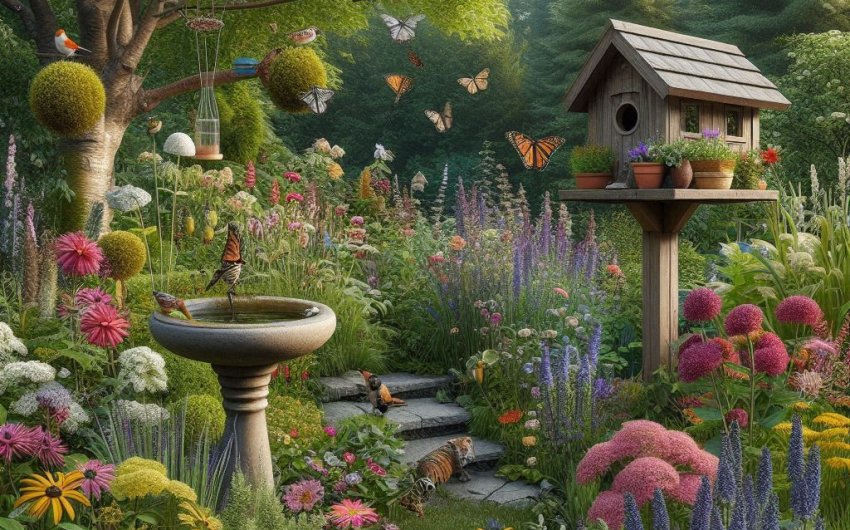
Creating a wildlife-friendly garden is a rewarding endeavor that transforms your outdoor space into a thriving ecosystem, inviting various creatures to visit and even reside. By thoughtfully designing your garden with the needs of local fauna in mind, you contribute significantly to biodiversity and ecological balance right in your backyard. This guide will provide comprehensive insights into cultivating an environment that offers sustenance, shelter, and safety for birds, beneficial insects, and other small wildlife, enhancing the beauty and vitality of your home.
Why is a wildlife-friendly garden important?
Gardens designed with wildlife in mind play a crucial role in supporting local ecosystems, especially as natural habitats face increasing pressures. They provide vital resources for various creatures, helping to counteract habitat loss and maintain biodiversity.
What are the benefits for wildlife?
- Food sources: Offers a natural pantry of nectar, pollen, seeds, fruits, and insects.
- Shelter: Provides safe havens from predators and harsh weather conditions.
- Breeding grounds: Creates suitable places for nesting, laying eggs, and raising young.
- Water sources: Offers essential hydration for drinking and bathing.
What are the benefits for you?
- Increased biodiversity: Enjoy a wider variety of birds, butterflies, bees, and other fascinating creatures.
- Natural pest control: Beneficial insects help keep unwanted garden pests in check, reducing the need for chemical pesticides.
- Pollination: More pollinators mean healthier, more productive plants, including fruits and vegetables.
- Educational opportunities: A living classroom for observing nature up close.
- Beauty and tranquility: A bustling wildlife garden is a joy to behold and a peaceful retreat.
What essential elements does a wildlife garden need?
A successful wildlife-friendly garden is built upon four fundamental pillars: food, water, shelter, and a pesticide-free environment. Addressing each of these ensures your garden becomes a true haven.
How do you provide food for wildlife?
Offering a diverse range of food sources throughout the year is key to attracting and sustaining various species. Think about all stages of a creature's life cycle.
Plant diverse native species
Native plants are the cornerstone of a wildlife garden because they have evolved alongside local insects and birds. They are adapted to the regional climate and soil, require less maintenance, and provide the specific food sources that local wildlife depends on.
- Nectar and pollen: Essential for pollinators like bees, butterflies, and hummingbirds. Choose plants with different bloom times to provide a continuous nectar supply from spring to fall. Examples include coneflower, milkweed, and salvia.
- Seeds: A vital food source for many bird species, especially in fall and winter. Leave seed heads on plants like sunflowers and zinnias.
- Berries and fruits: Attract berry-eating birds. Consider elderberry bushes, serviceberry trees, or winterberry hollies.
- Larval host plants: Crucial for butterflies and moths. Female butterflies lay their eggs on specific "host plants" that their caterpillars can eat. For example, milkweed is essential for Monarch butterflies, and parsley or fennel can host Swallowtail caterpillars.
Supplement with feeders and houses
While natural food sources are best, supplementary feeders can attract and support a wider range of birds.
- Bird feeders: Offer various types of food, such as black oil sunflower seeds (a universal favorite), nyjer seed for finches, or suet for woodpeckers and chickadees.
- Hummingbird feeders: Fill with a simple sugar water solution (1 part sugar to 4 parts water), no red dye needed. Hang a hummingbird feeder.
- Nectar sources: Beyond feeders, plant tube-shaped flowers like bee balm or cardinal flower for hummingbirds.
Remember to keep feeders clean to prevent the spread of diseases. Use a bird feeder brush and a mild soap solution weekly.
How do you provide water for wildlife?
Water is as essential as food for all wildlife. Providing clean, accessible water sources can attract birds and insects for drinking and bathing.
- Bird baths: A simple bird bath can make a huge difference. Choose one with a shallow basin (no more than 2-3 inches deep) and a rough surface for grip.
- Placement: Place in an open area, but near shrubs or trees for quick escape from predators.
- Maintenance: Clean daily or every other day to prevent algae and mosquito breeding. A bird bath cleaner can help.
- Moving water: A bird bath dripper or small fountain pump can attract more birds as they are drawn to the sound and movement of water.
- Ponds or water features: If space allows, a small garden pond provides habitat for amphibians, aquatic insects, and a drinking source for larger animals. Ensure it has gently sloping sides or rocks for easy access and escape.
- Shallow dishes for insects: Even a small, shallow dish with pebbles or marbles for insects to land on will provide water without drowning them.
How do you provide shelter for wildlife?
Shelter is critical for protection from predators and harsh weather, as well as for nesting and raising young.
- Dense plantings: Create layers of vegetation with different heights – groundcover, shrubs, small trees, and tall trees. This provides varied hiding spots and nesting sites. Evergreens offer year-round cover.
- Brush piles: A simple pile of branches and logs can provide excellent cover for small mammals, reptiles, and insects.
- Log piles and rock piles: Offer cool, moist hiding spots for amphibians, reptiles, and ground-dwelling insects.
- Bird houses: Provide nesting sites for specific bird species. Choose bird houses appropriate for local birds.
- Insect hotels: Attract beneficial insects like solitary bees and ladybugs. You can buy a pre-made insect hotel or build your own with bamboo canes, drilled logs, and hollow stems.
- Leaf litter: Leave some leaf litter in undisturbed areas. It provides insulation for overwintering insects and foraging opportunities for birds.
- Dead trees or snags: If safe, leaving a standing dead tree or part of one can provide valuable habitat for cavity-nesting birds and insects.
How do you create a pesticide-free environment?
Chemical pesticides and herbicides are detrimental to wildlife, directly harming insects and indirectly affecting birds that feed on them. An organic approach is fundamental for a wildlife-friendly garden.
- Avoid synthetic pesticides and herbicides: These chemicals can kill beneficial insects, pollute water sources, and accumulate in the food chain.
- Embrace natural pest control:
- Hand-picking: Manually remove larger pests like slugs or caterpillars.
- Companion planting: Plant pest-repelling herbs (e.g., marigolds, basil) near vulnerable plants.
- Introduce beneficial insects: Attract ladybugs, lacewings, and predatory wasps, which prey on common garden pests. You can even purchase live ladybugs for your garden.
- Horticultural oils and insecticidal soaps: If absolutely necessary, use organic options like neem oil or insecticidal soap as a last resort, targeting only affected plants and avoiding beneficial insects.
- Weed management: Instead of herbicides, use mulch to suppress weeds, or hand-weed regularly.
How do you plan your wildlife garden layout?
Thoughtful design can maximize the benefits for wildlife while creating a beautiful and functional space for you.
What are good design principles?
- Layering: Create vertical layers of vegetation from ground covers to tall trees. This provides diverse habitats and foraging opportunities at different heights.
- Diversity: Plant a wide variety of native plants with different flower shapes, colors, and bloom times to attract a broader range of species.
- Connectivity: If possible, connect your wildlife garden to existing green spaces (like parks or neighbor's gardens) to create larger, continuous habitats.
- Sunny and shady areas: Different plants and animals prefer different light conditions.
- Undisturbed areas: Designate a section of your garden where you minimize human intervention, allowing natural processes to unfold. This could be a brush pile, a patch of wildflowers, or an area where leaf litter accumulates.
How do you select the right plants?
Choosing the right plants is paramount. Focus on native plants that are well-suited to your local climate and soil conditions.
Why are native plants so important?
- Ecological fit: Native plants have evolved with local insects, providing the specific food and habitat they require. For example, caterpillars often have very specific dietary needs met only by certain native plants.
- Lower maintenance: Once established, native plants are typically more drought-tolerant and disease-resistant, requiring less watering, fertilizing, and pest control.
- Support local food webs: They are the foundation of healthy local food webs, supporting not just the insects that eat them, but also the birds and other animals that feed on those insects.
How do you find native plants?
- Local nurseries: Many nurseries now specialize in or carry a good selection of native plants.
- Native plant societies: Check with your local or state native plant society for resources, plant lists, and sales.
- Online databases: Websites like the Lady Bird Johnson Wildflower Center or the National Audubon Society offer searchable native plant databases based on your zip code.
Consider incorporating a rain garden if your landscape allows. A rain garden collects and filters rainwater runoff, preventing it from reaching storm drains and creating a wetland habitat that attracts specific wildlife.
How do you maintain a wildlife-friendly garden?
Maintaining a wildlife-friendly garden involves practices that differ from conventional gardening. It's often about doing less and letting nature take its course.
What are wildlife-friendly gardening practices?
- Leave fallen leaves: Instead of raking all leaves, leave them as mulch around plants or in designated areas. Leaf litter provides habitat for overwintering insects, enriches the soil, and suppresses weeds.
- Delay fall cleanup: Wait until late spring (after temperatures are consistently above 50°F or 10°C) to cut back perennial stems and ornamental grasses. Many beneficial insects, like solitary bees, overwinter inside hollow stems, and butterfly chrysalises may be attached to dead plant material.
- Provide a bare patch of soil: Some ground-nesting bees need access to undisturbed, unmulched soil for nesting.
- Minimize mowing: If you have a lawn, consider reducing the frequency of mowing or designating a portion as a "no-mow" zone to allow wildflowers and grasses to grow, providing additional habitat and food.
- Compost: Start a compost pile to recycle garden waste and create nutrient-rich soil amendments. This reduces waste and enriches your garden without synthetic fertilizers.
- Be patient: It takes time for wildlife to discover and populate your new habitat. The longer you cultivate your wildlife-friendly garden, the more established and vibrant it will become.
What challenges might you face and how do you overcome them?
While creating a wildlife-friendly garden is rewarding, you might encounter a few hurdles. Understanding and addressing these common challenges will help ensure your success.
How do you deal with "pests" naturally?
It's important to redefine what constitutes a "pest" in a wildlife-friendly garden. Some insects you might typically consider pests are actually crucial food sources for birds or provide services like decomposition.
- Tolerance: Embrace a certain level of imperfection. A few chewed leaves are a sign that your garden is part of a healthy ecosystem.
- Attract beneficial insects: Focus on attracting natural predators like ladybugs, lacewings, and predatory wasps, which will naturally control pest populations. Plant flowers that attract them, such as dill, fennel, and yarrow.
- Identify the problem: Before acting, identify the "pest" and assess the damage. Is it truly harming the plant, or is it just feeding?
- Targeted solutions (last resort): If a specific plant is severely threatened, consider very targeted organic solutions like hand-picking, a strong spray of water, or applying a very diluted neem oil solution only to the affected area.
How do you manage perceived "messiness"?
A wildlife-friendly garden might look different from a manicured, traditional garden. Embrace a slightly wilder, more natural aesthetic.
- Define "neat" edges: Keep pathways clear and maintain crisp edges around planting beds to give an intentional, tidy appearance even if the beds themselves are wilder.
- Strategic placement: Place "messy" elements like brush piles or log piles in less visible areas of the garden.
- Educate neighbors: If concerned about neighbor perceptions, explain the purpose and benefits of your wildlife-friendly garden to them.
- Embrace the natural cycle: Understand that leaving plant stems for overwintering insects or letting leaves lie are vital parts of supporting biodiversity, not signs of neglect.
How do you deal with unwanted animals (e.g., deer, rabbits)?
While aiming to attract wildlife, some animals can cause significant damage to your garden plants.
- Deer fencing: The most effective method for deer is a tall deer fence (at least 7-8 feet high).
- Repellents: Commercial deer repellents or homemade solutions (e.g., strong-smelling soaps, pepper spray) can offer temporary relief but require reapplication.
- Plant selection: Choose deer-resistant plants if deer are a major issue in your area.
- Rabbit fencing: A shorter fence (2-3 feet high) with mesh buried a few inches into the ground can deter rabbits.
- Plant protectors: Use wire cages around vulnerable young plants.
What if you have limited space?
Even small spaces can contribute to wildlife habitat.
- Pots and containers: Plant native flowers, herbs, and small shrubs in pots and containers on balconies or patios.
- Vertical gardening: Use vertical planters to grow climbing plants that offer nectar and cover.
- Window boxes: Fill window boxes with pollinator-friendly flowers.
- Bird baths and feeders: Even a small hanging bird bath or feeder can attract birds.
- Insect hotels: A compact insect hotel can fit almost anywhere.
How do you enhance your garden for specific wildlife?
While general principles attract a wide array of creatures, you can tailor your efforts to invite particular types of birds and insects you wish to see more of.
Attracting Butterflies
Butterflies are drawn to nectar-rich flowers and specific host plants for their caterpillars.
- Nectar sources: Plant a variety of flowers with different bloom times (spring to fall) that have flat, open flower heads for easy landing. Examples include:
- Coneflower
- Butterfly bush (ensure it's a non-invasive cultivar)
- Zinnia
- Aster
- Sedum
- Host plants: Research the native butterfly species in your area and plant their specific larval host plants.
- Puddling areas: Butterflies need minerals. Create a shallow, muddy patch or a sandy area with a shallow depression filled with wet sand, to which butterflies can come to drink and extract minerals.
Attracting Bees (especially native bees)
Bees are vital pollinators. Focus on diverse flower shapes and a pesticide-free environment.
- Flower diversity: Offer a variety of flower shapes, sizes, and colors to cater to different bee species.
- Bloom times: Ensure a continuous sequence of blooms from early spring to late fall.
- Nesting sites:
- Ground-nesting bees: Leave areas of undisturbed, well-drained, bare soil.
- Cavity-nesting bees: Provide bee hotels (bundles of hollow stems like bamboo, drilled blocks of wood) or leave pithy stems of plants like elderberry or sunflower intact over winter.
- Avoid pesticides: Bees are highly susceptible to pesticides.
Attracting Hummingbirds
Hummingbirds are attracted to specific flower shapes and colors.
- Red, tubular flowers: These are their favorites, though they visit other colors too.
- Cardinal flower
- Trumpet vine (can be aggressive, choose wisely)
- Salvia
- Bee balm
- Continuous blooms: Plant a succession of blooms to ensure food is available throughout their migratory season.
- Shrubs and trees: Provide perching spots for them to rest between feeding.
- Hummingbird feeders: Supplement with a hummingbird feeder filled with sugar water, but natural nectar is always preferred.
Attracting Songbirds
Songbirds require a balance of food, water, and diverse shelter.
- Seed-producing plants: Let plants like sunflowers, zinnias, and various native grasses go to seed.
- Berry-producing shrubs and trees:
- Insects: Remember that most songbirds feed insects to their young. A garden rich in insect life is a rich source of bird food.
- Water sources: Multiple bird baths in different locations can cater to more birds.
- Shelter and nesting sites:
- Dense shrubs and evergreens: Offer protection from predators and harsh weather.
- Native trees: Provide nesting sites.
- Brush piles: Offer quick escape routes and roosting spots.
- Bird houses: Mount nesting boxes designed for specific local bird species. Ensure proper mounting height and protection from predators.
Creating a wildlife-friendly garden is a dynamic and ongoing process that yields immense satisfaction. By focusing on providing the fundamental elements of food, water, and shelter through thoughtful planting and sustainable practices, you will attract and support a rich array of birds and insects, transforming your garden into a lively sanctuary that benefits both nature and your spirit.