
How to Grow a Medicinal Herb Garden at Home?
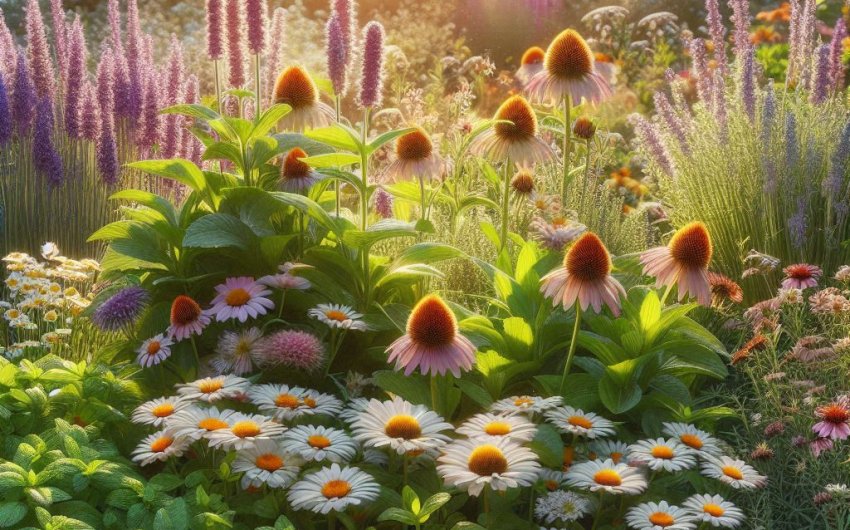
Cultivating a medicinal herb garden at home offers a rewarding pathway to self-sufficiency and well-being, providing direct access to nature's healing bounty. This intentional approach to gardening allows you to grow potent botanicals known for their therapeutic properties, right outside your door or on your windowsill. By understanding the specific needs of these powerful plants, you can create a vibrant, aromatic space that supports a holistic lifestyle, fostering both personal health and a deeper connection to the natural world.
Why Grow a Medicinal Herb Garden at Home?
Establishing a medicinal herb garden at home offers a myriad of benefits, extending beyond simple gardening to touch upon health, sustainability, and personal well-being. It’s an empowering way to reconnect with nature and gain control over the remedies you use.
Health and Wellness Advantages
Having a readily available supply of fresh herbs can significantly contribute to your family's wellness.
- Access to Fresh Herbs: The most obvious benefit is having immediate access to fresh, potent medicinal herbs. Unlike dried herbs bought from stores, freshly harvested herbs retain higher concentrations of their active compounds, making them more effective.
- Control Over Quality: When you grow your own herbs, you have complete control over their cultivation. You can ensure they are grown organically, free from pesticides, herbicides, or synthetic fertilizers. This guarantees a clean, pure product for your health.
- Support for Minor Ailments: Many common medicinal herbs can provide gentle, effective support for everyday complaints like digestive upset (peppermint, chamomile), stress and anxiety (lemon balm, lavender), colds and flu (echinacea, elderberry), or minor skin irritations (calendula, aloe vera).
- Preventative Health: Incorporating fresh herbs into your diet and lifestyle can also contribute to preventative health by providing antioxidants, vitamins, and minerals that support overall bodily functions.
Economic and Environmental Benefits
Growing your own herbs is also a step towards greater sustainability.
- Cost Savings: While the initial setup might require a small investment, in the long run, growing your own medicinal herbs can save money compared to purchasing fresh or dried herbs, herbal teas, or tinctures regularly. Many herbs are perennial and will return year after year.
- Reduced Waste: You minimize packaging waste associated with store-bought herbs.
- Lower Carbon Footprint: Growing locally reduces the energy and emissions associated with long-distance transportation of herbs.
- Support for Pollinators: Many medicinal herbs produce beautiful flowers that attract beneficial pollinators like bees and butterflies to your garden, contributing to local biodiversity.
Personal Connection and Education
There's a deep satisfaction in cultivating your own remedies.
- Empowerment and Self-Sufficiency: Learning to grow and use medicinal herbs fosters a sense of empowerment and self-sufficiency, giving you knowledge and control over your health choices.
- Therapeutic Hobby: Gardening itself is a proven stress reducer and a therapeutic activity. Tending to a medicinal herb garden can be a calming and meditative practice.
- Educational Opportunity: It provides an incredible learning opportunity to understand plant life cycles, traditional herbalism, and the historical uses of plants. It's a journey into botany, ecology, and natural medicine.
- Aesthetic Appeal: Many medicinal herbs are beautiful, aromatic plants that enhance the aesthetic appeal of your garden or home with their varied foliage, flowers, and scents.
What Do You Need to Start a Medicinal Herb Garden?
Embarking on the journey of growing a medicinal herb garden at home requires a few fundamental elements. With careful consideration of your space, essential supplies, and the right herbs, you can lay a solid foundation for a thriving botanical sanctuary.
Choosing the Right Location
Light is the single most important factor for success.
- Sunlight: Most medicinal herbs, like many plants, thrive in full sun, meaning at least 6-8 hours of direct sunlight per day. Choose the sunniest spot in your yard, on your patio, or near your brightest window if growing indoors.
- Drainage: Good drainage is crucial. Herbs generally do not like "wet feet" (roots sitting in soggy soil).
- Accessibility: Place your garden in an easily accessible location so you can tend to it, water it, and harvest from it regularly without hassle. Near your kitchen door is ideal for culinary and medicinal convenience.
- Protection: Consider protection from strong winds or curious pets if necessary. If outdoors, ensure good air circulation to prevent fungal diseases.
Essential Supplies
Having the right tools and materials makes the gardening process smoother.
- Containers or Garden Beds:
- Containers: For small spaces, patios, or indoors, a variety of garden pots with drainage holes are essential. Choose pots appropriate for the herb's mature size. Terracotta pots are excellent for herbs as they allow for good airflow and prevent overwatering.
- Raised Beds: For outdoor gardens, raised garden beds offer good drainage, easier access, and control over soil quality.
- In-Ground Garden: If you have open garden space, ensure the soil is well-drained and improved.
- High-Quality Potting Mix or Soil:
- For Containers: Use a premium potting mix that is well-draining. You can amend it with perlite or coarse sand for extra drainage if needed.
- For Garden Beds: If planting directly in the ground, enrich your existing soil with plenty of organic matter like compost. A soil test can help determine any deficiencies.
- Basic Gardening Tools: A hand trowel, gardening gloves, and a sharp pair of pruning shears are indispensable.
- Watering Can or Hose: For consistent and gentle watering.
Choosing Your Medicinal Herbs
Select herbs based on your needs, local climate, and available light.
- Start Simple: Begin with easy-to-grow, versatile herbs.
- Consider Your Needs: Think about what common ailments you'd like to address (e.g., digestive support, relaxation, immune boost).
- Climate Suitability: Choose herbs that are well-suited to your local climate zone (USDA Hardiness Zone).
- Source Plants: You can start from seeds, small plant starts (nursery plants), or even cuttings from established plants. Purchasing organic herb seeds or reputable plant starts is recommended.
Which Medicinal Herbs Are Easy to Grow for Beginners?
For those just starting a medicinal herb garden at home, beginning with resilient and versatile plants is key to building confidence and ensuring success. These herbs are forgiving, adapt well to various conditions, and offer a wide range of therapeutic uses.
Top Choices for Beginners
These herbs are renowned for their ease of cultivation and broad applicability.
- Peppermint (Mentha x piperita):
- Uses: Excellent for digestive issues (indigestion, nausea, gas), headaches, and common colds. Its refreshing aroma is uplifting.
- Growing Tips: Very easy to grow, but can be invasive due to its spreading rhizomes. Best grown in a container to restrict its spread, or in an area where you don't mind it taking over. Prefers moist, well-drained soil and partial to full sun. Regular harvesting encourages bushier growth.
- Chamomile (Matricaria chamomilla):
- Uses: Famous for its calming and sleep-inducing properties, great for anxiety, insomnia, and digestive upset. Also used for skin irritations.
- Growing Tips: Easy to grow from seed. Prefers full sun and well-drained soil. German Chamomile is an annual, Roman Chamomile is a perennial groundcover. Harvest the small daisy-like flowers regularly.
- Lemon Balm (Melissa officinalis):
- Uses: A gentle nervine, excellent for stress, anxiety, sleep, and digestive issues. Its lemony scent is uplifting.
- Growing Tips: Very hardy perennial that can spread readily, so consider containing it. Prefers full sun to partial shade and moist, well-drained soil. Drought-tolerant once established.
- Calendula (Calendula officinalis):
- Uses: Known for its wound-healing and anti-inflammatory properties, excellent for skin irritations, cuts, and minor burns.
- Growing Tips: Easy to grow annual from seed. Prefers full sun and well-drained soil. Deadhead regularly to encourage continuous blooming throughout the season. The petals are the medicinal part. Consider organic calendula seeds.
- Aloe Vera (Aloe barbadensis miller):
- Uses: The gel from its leaves is famous for soothing burns, cuts, and skin irritations.
- Growing Tips: A succulent that thrives indoors in bright, indirect light. Needs well-draining soil (like a cactus mix) and infrequent watering. Avoid overwatering.
- Lavender (Lavandula angustifolia):
- Uses: Calming and relaxing properties, used for stress, anxiety, sleep, and as an aromatic.
- Growing Tips: Prefers full sun and well-drained to sandy soil. Does not like wet feet. Very drought-tolerant once established. Prune after flowering to maintain shape and encourage bushier growth.
Other Great Options for Beginners
- Echinacea (Echinacea purpurea):
- Uses: Well-known immune booster for colds and flu. Both roots and aerial parts are used.
- Growing Tips: Hardy perennial that prefers full sun and well-drained soil. Takes a year or two to establish well from seed.
- Thyme (Thymus vulgaris):
- Uses: Antiseptic and antimicrobial, good for coughs, colds, and digestive issues.
- Growing Tips: Drought-tolerant perennial that loves full sun and well-drained soil. Great for groundcover or in pots.
- Rosemary (Salvia rosmarinus):
- Uses: Antioxidant, improves circulation, and aids digestion. Aromatic for memory and focus.
- Growing Tips: Prefers full sun and well-drained soil. Can be sensitive to cold in some zones.
- Mullein (Verbascum thapsus):
- Uses: Soothes respiratory issues, coughs, and sore throats.
- Growing Tips: A biennial that grows a rosette of fuzzy leaves the first year and a tall flower stalk the second. Self-seeds readily. Tolerates poor soil and full sun.
By starting with these adaptable and powerful plants, you'll be well on your way to creating a successful and rewarding medicinal herb garden at home.
How Do You Plant and Care for Your Medicinal Herb Garden?
Once you've chosen your location and herbs, proper planting and ongoing care are crucial for a thriving medicinal herb garden at home. Attention to details like soil, watering, and pruning will ensure your plants grow strong and potent.
Planting Your Herbs
Whether in pots or in the ground, proper planting sets the stage for healthy growth.
- Soil Preparation:
- Containers: Fill pots with a good quality potting mix. If your mix seems heavy, add perlite or coarse sand to improve drainage.
- Garden Beds: If planting in the ground, amend your native soil with plenty of organic matter like compost to improve fertility and drainage. A shovelful of compost for each planting hole can make a big difference.
- Planting from Seeds or Starts:
- Seeds: Follow package directions for planting depth and spacing. Many herb seeds are small and need light to germinate, so just press them onto the surface. Keep the soil consistently moist until germination.
- Starts (Nursery Plants): Dig a hole slightly larger than the plant's root ball. Gently remove the plant from its nursery pot, loosen any circling roots, and place it in the hole so that the top of the root ball is level with the surrounding soil. Backfill with soil, gently firming around the base, and water thoroughly.
- Spacing: Ensure adequate spacing between plants, referring to mature size guidelines. Overcrowding can lead to poor air circulation, promoting disease.
- Labeling: Use garden labels to identify each herb, especially when starting from seed or if herbs look similar.
Watering and Fertilizing
Herbs generally prefer well-drained conditions, so careful watering is key.
- Watering:
- Consistency: Water newly planted herbs regularly to help them establish.
- Established Plants: For established herbs, water deeply but infrequently. Allow the soil to dry out somewhat between waterings. Stick your finger 1-2 inches into the soil; if it feels dry, it's time to water. Most herbs do not like consistently soggy soil, which can lead to root rot.
- Container Plants: Pots dry out faster than in-ground beds, so they will need more frequent watering. Ensure all pots have drainage holes.
- Fertilizing: Medicinal herbs generally do not need heavy feeding.
- Organic Matter: If you started with good, compost-enriched soil, you might not need to fertilize at all for the first year.
- Light Feeding: If growth seems slow or leaves are pale, you can provide a light feeding of a balanced organic liquid fertilizer at half strength, especially for container plants which deplete nutrients faster. Do this only during the active growing season (spring/summer). Avoid over-fertilizing, which can reduce the potency of medicinal compounds or encourage leafy growth over desired therapeutic parts.
Pruning and Harvesting
Regular pruning encourages bushier growth and provides a harvest.
- Pruning for Bushiness: Pinch back the top few sets of leaves on young plants to encourage branching and a bushier habit, rather than leggy growth.
- Harvesting:
- Timing: The best time to harvest leaves is usually in the morning after the dew has dried but before the heat of the day. For flowers, harvest when they are fully open. For roots, harvest in the fall after the first frost, when the plant's energy has moved into its roots.
- Technique: Use sharp pruning shears to make clean cuts. Avoid stripping all leaves from a plant; leave enough for it to continue photosynthesizing. Harvest about one-third of the plant at a time.
- Encourage Re-growth: Regular harvesting often encourages the plant to produce more foliage.
- Pest and Disease Management: Healthy, well-cared-for plants are less susceptible to pests and diseases. Inspect your plants regularly. If issues arise, try natural solutions like neem oil spray or insecticidal soap, or simply remove affected parts.
How Do You Harvest and Store Medicinal Herbs?
Successfully cultivating a medicinal herb garden at home culminates in the proper harvesting and storage of your bounty. These steps are crucial for preserving the potency, flavor, and therapeutic properties of your herbs, ensuring they remain effective for your wellness needs.
Optimal Harvest Times
Timing your harvest ensures maximum potency and quality.
- Leaves:
- Best Time: Harvest leaves in the morning after the dew has dried, but before the strong midday sun begins to evaporate their volatile oils. This is when their essential oil content is generally highest.
- When: For most leafy herbs, you can begin harvesting once the plant is established and has put on significant new growth, usually 6-8 weeks after planting from seed, or a few weeks after planting a nursery start.
- How Much: Never harvest more than one-third of the plant at any one time to ensure it can continue to grow vigorously. Use sharp pruning shears to make clean cuts.
- Flowers:
- Best Time: Harvest flowers when they are fully open but before they begin to fade or go to seed. Again, morning is often best.
- Examples: For Chamomile and Calendula, harvest individual blooms as they appear.
- Seeds:
- Best Time: Harvest seeds when the seed heads are dry and brown, but before they shatter and disperse their seeds.
- Roots:
- Best Time: Harvest roots (e.g., from Echinacea or Dandelion) in the fall after the first hard frost, or in early spring before significant new growth appears. This is when the plant's energy and medicinal compounds are concentrated in its roots. Dig carefully to avoid damaging the roots.
Drying Herbs for Storage
Drying is the most common and effective method for long-term storage of most leafy and floral herbs.
- Cleanliness: Gently rinse herbs if they are dirty, but do so quickly and pat them dry as much as possible before hanging. Avoid bruising.
- Methods:
- Air Drying (Hanging): Bundle small bunches of herbs together with string or rubber bands. Hang them upside down in a warm, dark, well-ventilated area (e.g., a pantry, attic, or an unused closet). Avoid direct sunlight, as it can degrade active compounds and color. This method can take 1-3 weeks.
- Drying Racks: For leaves and small flowers, a herb drying rack or screens allow for good air circulation on all sides. Spread herbs in a single layer.
- Dehydrator: A food dehydrator offers faster, more controlled drying. Set it to a low temperature (usually below 100-110°F or 38-43°C) to preserve volatile oils. This method is excellent for leaves, flowers, and even thinly sliced roots.
- Testing for Dryness: Herbs are fully dry when they are crispy and crumble easily between your fingers. Stems should snap cleanly. If they bend, they still contain moisture and need more drying to prevent mold.
- Root Drying: Roots need thorough cleaning and often require slicing into smaller pieces to dry completely. A dehydrator or a low oven setting (with the door ajar) is often best for roots.
Storing Dried Herbs
Proper storage protects your dried herbs from light, air, and moisture.
- Airtight Containers: Once completely dry, store herbs in airtight containers, such as glass jars with tight-fitting lids. This prevents moisture absorption and preserves potency.
- Dark and Cool Location: Store containers in a cool, dark place, away from direct sunlight, heat, and humidity. A pantry or cupboard is ideal. Light and heat can degrade the active compounds and cause the herbs to lose their potency and color more quickly.
- Labeling: Always label your jars with the herb name and the date of harvest. Dried herbs generally retain potency for about 6-12 months, though some roots can last longer.
- Whole vs. Crumbled: Store leaves whole or in larger pieces, then crumble or crush them just before use. This helps retain their essential oils and flavor longer.
By following these harvesting and storage techniques, your medicinal herb garden at home will provide a continuous supply of potent, homegrown remedies to support your wellness throughout the year.