
What Are the Best Edible Flowers to Grow in Your Garden?
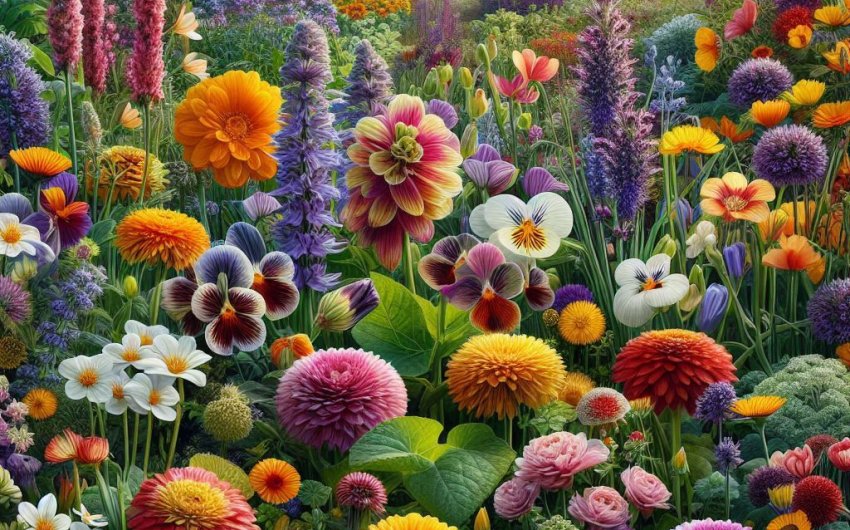
Adding vibrant colors and delicate flavors to your culinary creations while simultaneously enhancing the beauty of your garden is a delightful prospect for any gardener or food enthusiast. Discovering what are the best edible flowers to grow in your garden opens up a world of gastronomic possibilities, transforming salads, desserts, and drinks into visually stunning and uniquely flavored masterpieces. This comprehensive guide will explore a selection of easy-to-grow, safe, and delicious floral additions that can elevate both your garden's aesthetic and your kitchen's appeal.
Why Grow Edible Flowers in Your Garden?
Growing edible flowers offers a unique blend of benefits, going beyond just pretty blooms. They add a special touch to both your garden and your plate, making them a worthwhile addition for any gardener.
- Elevate Culinary Creations: Edible flowers add a gourmet touch, vibrant colors, and unique flavors to salads, desserts, drinks, and main courses. They can transform a simple dish into a work of art, impressing guests and delighting taste buds.
- Boost Garden Biodiversity: Flowers, especially those rich in nectar and pollen, attract beneficial insects like bees, butterflies, and other pollinators, which are crucial for the health of your entire garden, including vegetables and fruits.
- Dual Purpose Beauty: You get the aesthetic appeal of beautiful flowers in your garden, while also having a harvestable crop. It's a win-win, maximizing the utility of your garden space.
- Easy to Grow: Many edible flowers are remarkably easy to cultivate, often requiring minimal care and thriving in various conditions, making them suitable for beginner gardeners.
- Freshness and Safety: By growing your own, you ensure the flowers are free from pesticides, herbicides, and other harmful chemicals commonly used on ornamental flowers purchased from florists. This guarantees they are safe for consumption.
- Unique Flavors and Aromas: Edible flowers offer a surprising range of tastes, from spicy and peppery to sweet and citrusy. They can introduce exciting new dimensions to your cooking.
- Educational for Families: Growing edible flowers can be a fun and educational activity for children, teaching them about plant life cycles, food sources, and the joy of gardening.
For all these reasons, understanding what are the best edible flowers to grow in your garden becomes a delightful pursuit for anyone looking to add beauty and flavor to their life.
What Are Some Popular Edible Flowers and Their Uses?
Many beautiful flowers commonly grown in gardens also offer delightful flavors and culinary versatility. Knowing their uses will enhance your experience with what are the best edible flowers to grow in your garden.
Nasturtiums (Tropaeolum majus)
These vibrant, easy-to-grow flowers are a favorite for their peppery taste and colorful blooms.
- Description: Nasturtiums produce striking round leaves and brightly colored flowers in shades of yellow, orange, and red. Both the flowers and leaves are edible.
- Flavor Profile: The flowers have a mild, peppery, slightly mustard-like flavor, while the leaves are more intensely peppery.
- Culinary Uses:
- Salads: Sprinkle whole flowers or torn petals into green salads for a pop of color and a spicy kick.
- Sandwiches: Use leaves or flowers in sandwiches for a fresh, peppery bite.
- Garnish: Excellent as an edible garnish for almost any savory dish.
- Pesto: Leaves can be blended into a unique pesto.
- Pickled Buds: The unopened flower buds and immature seed pods (capers) can be pickled.
- Growing Tips: Easy to grow from nasturtium seeds in full sun to partial shade. They prefer poorer soil and don't need much fertilizer.
Pansies and Violas (Viola x wittrockiana & Viola cornuta)
These cheerful, cool-season flowers are as lovely to eat as they are to behold.
- Description: Pansies and violas come in an enormous array of colors and often have charming "faces" or contrasting patterns. Violas are generally smaller with more abundant blooms.
- Flavor Profile: Mild, slightly sweet, sometimes with a faint wintergreen or grassy note.
- Culinary Uses:
- Garnish: Perfect for decorating cakes, cupcakes, and desserts.
- Salads: Add whole flowers or petals to fruit or green salads for color.
- Drinks: Freeze into ice cubes for elegant drinks.
- Sugared Flowers: Can be candied to create beautiful, edible decorations.
- Growing Tips: Prefer full sun to partial shade and well-draining soil. Best planted from pansy seeds or young plants in spring or fall, as they tolerate cool weather.
Calendula (Calendula officinalis)
Also known as "Pot Marigold," Calendula offers bright, sunny blooms and a subtle, unique flavor.
- Description: Daisy-like flowers in shades of yellow and orange. Petals are used.
- Flavor Profile: Mildly peppery, slightly bitter, or tangy, sometimes described as a saffron-like taste (hence "poor man's saffron").
- Culinary Uses:
- Coloring Agent: Used to color rice, cheese, and butter.
- Salads: Sprinkle fresh petals into salads for color and mild flavor.
- Soups/Stews: Can be added to soups, stews, or scrambled eggs.
- Baking: Use in bread or muffins for color.
- Growing Tips: Easy to grow from calendula seeds in full sun. Tolerates poorer soil and continues to bloom through summer if deadheaded.
Borage (Borago officinalis)
A beautiful herb with vibrant blue, star-shaped flowers and a distinct, refreshing taste.
- Description: Distinctive fuzzy leaves and bright blue (sometimes pink or white) star-shaped flowers.
- Flavor Profile: A refreshing, cool, cucumber-like flavor, often with a hint of oyster.
- Culinary Uses:
- Drinks: Essential for Pimm's Cup. Also great in lemonade, cocktails, or infused water.
- Salads: Add fresh flowers and young leaves to salads.
- Garnish: Excellent edible garnish for cold soups, yogurt, or desserts.
- Seafood: Pairs well with fish and seafood.
- Growing Tips: Easily grown from borage seeds in full sun. It can self-seed readily.
Squash Blossoms (Cucurbita species)
Delicate and ephemeral, squash blossoms are a gourmet treat often found in high-end restaurants.
- Description: The large, yellow or orange flowers of squash plants (zucchini, pumpkin, gourds). Both male and female flowers are edible.
- Flavor Profile: Mild, subtly sweet, and delicate, with a slight squashy essence.
- Culinary Uses:
- Fried: Stuffed with cheese (ricotta or goat cheese) and lightly battered, then fried.
- Quesadillas: Add to quesadillas or tacos.
- Salads: Tear petals into salads.
- Pizza Topping: Use fresh or lightly cooked on pizza.
- Growing Tips: Grow squash plants from squash seeds in full sun with rich, well-draining soil. Pick male flowers (those without a baby fruit behind them) to ensure continued fruit production.
These are just a few examples of what are the best edible flowers to grow in your garden, each adding its unique beauty and flavor to your outdoor and culinary experiences.
What are Important Safety Considerations for Edible Flowers?
Before consuming any flower, it's absolutely critical to be certain of its identity and how it was grown. Safety is paramount when exploring what are the best edible flowers to grow in your garden.
Positive Identification is Crucial
Never eat a flower unless you are 100% certain of its identity.
- Do Not Guess: Many ornamental flowers are toxic. Just because it looks pretty doesn't mean it's safe to eat. Some safe edible flowers have toxic look-alikes.
- Use Reputable Sources: Cross-reference information with multiple trusted sources (reliable gardening books, university extension resources, verified online guides) to confirm edibility.
- Learn Plant Characteristics: Familiarize yourself with the full plant (leaves, stems, flowers, growth habit) to ensure correct identification, not just the bloom itself.
- When in Doubt, Throw it Out: If there is any uncertainty, do not consume the flower. It's not worth the risk.
Source Matters: Avoid Chemicals
The way a flower is grown is as important as its species.
- Grow Your Own: This is the safest way to ensure your edible flowers are chemical-free. When growing from flower seeds for edible plants or plants, avoid using systemic pesticides, herbicides, or fungicides. Only use organic pest control methods if absolutely necessary.
- Avoid Roadside or Unknown Sources: Never harvest flowers from roadsides, public parks, or unknown areas. They may have been sprayed with chemicals, exposed to pollution, or be from toxic species.
- Nursery Plants: If buying plants from a nursery specifically for edible flowers, ask if they've been treated with systemic pesticides that could render the flowers unsafe for consumption. Many ornamental nursery plants are treated for long-term pest control. It's often best to grow from seed or buy organic plants specifically labeled as "edible."
Proper Preparation
Even safe edible flowers need a little prep before consumption.
- Wash Gently: Always gently rinse flowers under cool running water to remove dirt, pollen, and any small insects. Gently pat dry with a paper towel.
- Remove Non-Edible Parts: For many flowers, only the petals are edible. Remove the pistils, stamens, and sepals (the green leaf-like structures at the base of the flower) as these can sometimes be bitter or have a different texture.
- Introduce Gradually: If you're new to edible flowers, introduce them into your diet slowly and in small quantities to ensure you don't have any allergic reactions or sensitivities.
Check for Allergies
Just like with any food, individuals can have allergic reactions to edible flowers.
- Known Allergies: If you have allergies to pollen or certain plants, exercise caution.
- Consult a Professional: If you have serious allergies or health conditions, consult with a healthcare professional before consuming new edible flowers.
Prioritizing safety is paramount for enjoying the delicious beauty of what are the best edible flowers to grow in your garden.
How Do I Harvest and Store Edible Flowers?
Proper harvesting and storage techniques ensure your edible flowers remain fresh, vibrant, and flavorful for culinary use. These steps are crucial for making the most of what are the best edible flowers to grow in your garden.
Best Time for Harvest
Timing your harvest ensures you get the freshest, most vibrant blooms.
- Early Morning: The ideal time to harvest most edible flowers is in the early morning, after the dew has dried but before the sun gets too intense. At this time, their moisture content is highest, and their colors and flavors are most vibrant.
- Avoid After Rain: Don't harvest immediately after heavy rain, as the flowers might be waterlogged and prone to bruising or fungal issues.
- Before Full Sun: Harvesting before the heat of the day helps prevent wilting.
How to Harvest
Gentle handling is key to preserving the delicate nature of flowers.
- Use Clean Scissors/Snips: Use clean, sharp small pruning snips or scissors.
- Remove Whole Flowers or Petals:
- For Whole Flowers: Cut the stem just below the base of the bloom. This is ideal for pansies, violas, or borage.
- For Petals Only: For flowers like calendula or roses, gently pluck individual petals, leaving the rest of the flower intact on the plant if desired.
- Harvest What You Need: Edible flowers are best used fresh. Harvest only what you plan to use within a day or two.
- Handle Gently: Place harvested flowers gently into a shallow basket or container to avoid crushing or bruising.
Preparing for Storage
A few steps can maximize freshness before putting them away.
- Inspect and Clean: Immediately after harvesting, gently inspect each flower or petal for any insects or debris. Give them a very gentle rinse under cool, running water if needed, then carefully pat them dry with a paper towel. Ensure they are as dry as possible to prevent rot during storage.
- Remove Undesirable Parts: If you're only using petals, separate them at this stage and discard pistils, stamens, and sepals, which can be bitter or indigestible.
Storage Methods
Proper storage keeps flowers fresh for a short period.
- Short-Term (1-3 days):
- Damp Paper Towel Method: Line an airtight container with a slightly damp (not wet) paper towel. Arrange the flowers or petals in a single layer, cover them gently with another damp paper towel, and seal the container. Store in the refrigerator. This is the most common and effective method for most edible flowers.
- Glass of Water (for some): For flowers with longer stems (like borage), you can place the stems in a small glass of water in the refrigerator, similar to cut flowers. Cover loosely with a plastic bag.
- Freezing (for longer storage, less visual appeal):
- Ice Cubes: For flowers like violas or borage that will be used in drinks, you can freeze individual flowers or petals into ice cubes. This preserves their color and freshness for beverages, though their texture will change when thawed.
- Freezing Flat: Place individual petals on a baking sheet lined with parchment paper and freeze. Once frozen, transfer to an airtight freezer bag. They will be delicate once thawed.
- Drying (for certain types):
- Some edible flowers, like calendula or lavender, can be dried for use in teas, potpourri, or baking. Hang small bunches upside down in a warm, dry, well-ventilated area, or use a food dehydrator. Store dried flowers in airtight containers away from direct light.
By following these harvesting and storage guidelines, you can ensure a consistent supply of beautiful and delicious blooms from what are the best edible flowers to grow in your garden.
What are Creative Ways to Use Edible Flowers in the Kitchen?
Once you've cultivated a bounty of fresh, safe blooms, the real fun begins: incorporating them into your culinary creations. Edible flowers offer endless possibilities for enhancing flavor, texture, and visual appeal, bringing the vibrancy of your garden directly to your plate.
In Salads
This is perhaps the most common and visually stunning way to use edible flowers.
- Green Salads: Sprinkle whole edible flowers or torn petals (e.g., nasturtiums, pansies, violas, calendula petals, borage flowers) directly into your favorite mixed green salads. They add bursts of color, unique flavors, and a touch of elegance.
- Fruit Salads: Sweet-flavored flowers like pansies, violas, or rose petals complement fruit salads beautifully, adding a delicate aroma and visual appeal.
- Pasta Salads: Incorporate finely chopped petals into light pasta salads for an unexpected burst of freshness and color.
Desserts and Baking
Edible flowers can transform simple sweets into works of art.
- Cakes and Cupcakes: Use fresh pansies, violas, rose petals, or lavender flowers as edible garnishes on frosted cakes, cupcakes, or tarts.
- Sugared/Candied Flowers: Dip pansies, violas, or rose petals in egg white, then dust liberally with superfine sugar. Allow to dry completely (often overnight). These delicate, sparkling flowers make stunning decorations for any dessert.
- Infused Syrups: Steep lavender, rose petals, or violets in simple syrup to create floral-infused syrups for cocktails, lemonades, or drizzling over fruit and pancakes.
- Scones/Muffins: Fold finely chopped calendula petals or lavender into scone or muffin batter for subtle flavor and color.
- Edible Ice Cream/Sorbet Toppings: Sprinkle fresh or candied petals over scoops of ice cream or sorbet.
Drinks and Beverages
Elevate your beverages with floral notes and beautiful presentation.
- Cocktails/Mocktails: Garnish drinks with whole borage flowers (cucumber-like), pansies, violas, or rose petals.
- Floral Ice Cubes: Freeze small edible flowers or petals into ice cubes using a silicone ice cube tray. These add a stunning visual element to water, lemonade, or iced tea.
- Infused Waters: Add fresh flowers like borage, nasturtiums, or rose petals to pitchers of water for a subtle, refreshing infusion.
- Teas: Dried calendula or lavender flowers can be used to make fragrant herbal teas.
Main Courses and Savory Dishes
Flowers can add depth and complexity to savory meals.
- Garnish: Use whole nasturtium flowers, borage, or calendula petals as a striking edible garnish for grilled meats, seafood, or roasted vegetables.
- Squash Blossoms: The delicate flavor of squash blossoms shines when stuffed with cheese and lightly fried, or added to quesadillas, tacos, or omelets.
- Pesto: Blend fresh nasturtium leaves and flowers into a peppery pesto.
- Compound Butters: Mix finely chopped edible flowers (e.g., chive blossoms, calendula, nasturtium) into softened butter to create a flavored compound butter for spreading on bread or melting over vegetables.
- Soups and Stews: Stir calendula petals into soups or stews for color and a mild flavor.
- Cheese Boards: Arrange a selection of edible flowers around a cheese board for a beautiful and unexpected addition.
By exploring these creative applications, you unlock the full potential of what are the best edible flowers to grow in your garden, turning your harvests into delightful culinary adventures.