
How Do I Grow Vegetables in a Hydroponic System at Home?
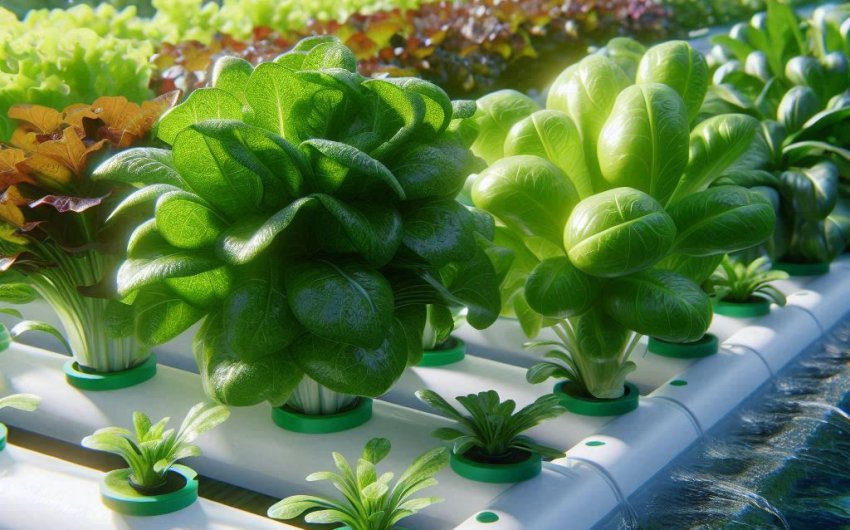
Cultivating fresh produce at home doesn't always require a sprawling backyard or even a patch of fertile soil. For those with limited space, a desire for faster growth, or an interest in sustainable gardening, hydroponics offers a revolutionary approach. This soil-less method of growing plants delivers nutrient-rich water directly to roots, resulting in impressive yields and often quicker harvests. Getting started with a hydroponic system at home can seem complex, but by understanding the basic principles and available systems, you can soon enjoy your own thriving indoor vegetable garden, providing fresh, healthy food year-round.
What is Hydroponics and Why Grow Vegetables This Way?
Hydroponics is a method of growing plants without soil. Instead, plants are supported in an inert growing medium (like rockwool or coco coir) and their roots are submerged in or exposed to a nutrient-rich water solution. This technique has been used for centuries in various forms, but modern hydroponics offers precise control over plant nutrition, leading to several compelling benefits for home gardeners.
How Does Hydroponics Work?
In a traditional garden, plants get water and nutrients from the soil. In hydroponics, the soil is replaced by a nutrient solution.
- Nutrient Solution: This is a carefully balanced mixture of water and essential mineral nutrients (like nitrogen, phosphorus, potassium, calcium, magnesium, and trace elements) that plants need for growth.
- Growing Medium: An inert material provides physical support for the plant and helps hold moisture, but it doesn't provide nutrients. Common mediums include rockwool, coco coir, perlite, hydroton (clay pebbles), or gravel.
- Direct Delivery: The roots of the plant are either directly immersed in the nutrient solution or the solution is delivered to them through various methods. This direct access means plants don't expend energy searching for nutrients, allowing them to grow faster and more efficiently.
What Are the Benefits of Hydroponic Gardening at Home?
Growing vegetables hydroponically offers several significant advantages, especially for home growers:
- Faster Growth: Plants typically grow 25-50% faster in hydroponic systems than in soil because nutrients are directly available to their roots.
- Higher Yields: The accelerated growth often translates to higher yields from fewer plants.
- Water Conservation: Hydroponic systems use up to 90% less water than traditional soil gardening because water is recirculated and not lost to runoff or evaporation.
- No Soil-Borne Pests/Diseases: Eliminating soil removes common pests and diseases that reside in the ground.
- Space Efficiency: Hydroponic systems can be stacked vertically or fit into small spaces, making them ideal for apartments, balconies, or indoor setups.
- Year-Round Growing: With an indoor hydroponic system and supplemental lighting, you can grow fresh produce regardless of the season or outdoor weather conditions.
- Cleaner Produce: No soil means less mess and cleaner roots/produce.
What Are the Basic Components of Any Hydroponic System?
Regardless of the specific type of hydroponic system you choose, all systems share a few fundamental components:
- Reservoir: A container to hold the nutrient solution.
- Submersible Pump (for active systems): Moves the nutrient solution through the system.
- Growing Tray/Channels: Where the plants are held and the nutrient solution flows or is delivered.
- Net Pots: Small plastic mesh pots that hold the growing medium and the plant, allowing roots to grow through to the nutrient solution.
- Growing Medium: Inert material to support the plant.
- Air Pump and Air Stone (for some systems): To oxygenate the nutrient solution, preventing root rot.
- Nutrient Solution: The water and mineral blend.
- Light Source: Natural sunlight or artificial grow lights.
- pH Meter and TDS/EC Meter: For monitoring the nutrient solution. Knowing these basic parts helps in understanding how each system works.
Which Hydroponic Systems are Best for Beginners at Home?
While many types of hydroponic systems exist, some are particularly well-suited for beginners due to their simplicity, affordability, and ease of maintenance.
What is the Deep Water Culture (DWC) System?
The Deep Water Culture (DWC) system, also known as the Raft System or Bubbleponics, is one of the simplest and most popular hydroponic methods for beginners.
- How it Works: Plants are suspended in net pots with their roots submerged directly into a reservoir of nutrient solution. An air pump and air stone constantly oxygenate the water, preventing root suffocation.
- Pros:
- Very simple to set up and operate.
- Relatively inexpensive.
- Minimal moving parts, so less can go wrong.
- Excellent for leafy greens and herbs.
- Cons:
- Not ideal for very large or long-lived plants.
- Nutrient solution temperature can be an issue.
- Requires consistent monitoring of water levels.
- Best for: Lettuce, spinach, kale, basil, mint, small herbs. You can often find a DWC hydroponic kit for easy setup.
Tell Me About Nutrient Film Technique (NFT)?
The Nutrient Film Technique (NFT) is another common and efficient system, often seen in commercial operations, but scalable for home use.
- How it Works: Plants sit in net pots in channels or tubes. A very thin film of nutrient solution flows continuously over the bare roots of the plants, providing water, nutrients, and oxygen. The channels are slightly sloped to allow gravity to return the solution to a central reservoir.
- Pros:
- Very efficient use of water and nutrients.
- Good oxygenation for roots.
- Scalable and versatile.
- Cons:
- Requires a pump that runs continuously.
- Vulnerable to power outages (roots dry out quickly).
- Can be prone to clogs if roots grow too large.
- Best for: Lettuce, spinach, herbs, strawberries. Not ideal for large root vegetables.
What is Wick System Hydroponics?
The Wick System is the simplest and most passive hydroponic method, perfect for those who want a low-maintenance approach.
- How it Works: Plants are grown in a medium (like coco coir or perlite) in a tray above a reservoir. Wicks (often made of nylon or felt) extend from the growing tray down into the nutrient solution, drawing the solution up to the plant roots by capillary action.
- Pros:
- Extremely simple, no pumps or electricity needed.
- Very low maintenance once set up.
- Affordable.
- Cons:
- Least efficient system for nutrient delivery.
- Not suitable for heavy feeders or large plants.
- Growing medium can sometimes become oversaturated.
- Best for: Herbs, small leafy greens, ornamental plants. This is a great system for a beginner hydroponics setup.
What About Drip System Hydroponics?
The Drip System is widely used and highly adaptable, suitable for a range of plant sizes and often easier for beginners than some advanced systems.
- How it Works: A pump pushes nutrient solution from a reservoir through a main line and then through smaller "drip emitters" or tubes directly to the base of each plant. The excess solution can either drain back into the reservoir (recirculating) or be discarded (non-recirculating/drain-to-waste).
- Pros:
- Very versatile, good for various plant sizes.
- Easy to automate with a timer.
- Can be very water-efficient in recirculating mode.
- Cons:
- Drip emitters can clog.
- Requires more components than DWC or Wick.
- Best for: Larger plants like tomatoes, peppers, cucumbers, melons, and leafy greens.
What Vegetables Are Best Suited for Home Hydroponic Systems?
While almost any plant can be grown hydroponically, some vegetables are particularly well-suited for home systems due to their growth habit, speed, and yield.
Which Leafy Greens Thrive in Hydroponics?
Leafy greens are the stars of home hydroponics. They grow quickly, are compact, and don't require complex flowering or fruiting cycles.
- Lettuce: All types of lettuce (butterhead, romaine, loose-leaf,
- Loose-leaf varieties are especially easy and fast growers, allowing for continuous harvesting.
- Spinach: Grows well and provides continuous harvests.
- Kale: Many varieties of kale thrive, offering nutrient-dense greens.
- Swiss Chard: Adds color and flavor, performing well.
- Arugula: Quick to mature and perfect for peppery greens. These are excellent choices for DWC or NFT systems.
What Herbs Grow Well Hydroponically?
Many culinary herbs are perfect for hydroponic systems, providing fresh flavor year-round.
- Basil: One of the most popular hydroponic herbs, growing vigorously and producing abundant leaves.
- Mint: As mentioned, mint is incredibly easy to grow from cuttings and thrives hydroponically.
- Cilantro: Can be a bit trickier as it prefers cooler temperatures, but possible with proper care.
- Parsley: Grows consistently and is a kitchen staple.
- Chives: Easy to grow and harvest.
- Oregano and Thyme: Bushy herbs that do well. These are great for any system, particularly DWC, Wick, or NFT.
Can I Grow Fruiting Vegetables in Hydroponics?
Yes, you can absolutely grow fruiting vegetables hydroponically, though they generally require more advanced setups, more light, and more attention than leafy greens.
- Tomatoes: A popular choice, especially indeterminate varieties (vining types). They require strong support (staking or trellising) and careful nutrient management. Drip systems are often preferred.
- Bell Peppers: Relatively easy once established, but also need support.
- Cucumbers: Vining cucumbers can produce heavily but need extensive trellising.
- Strawberries: Excellent for NFT or vertical tower systems, producing sweet fruit. Fruiting vegetables will likely need a significant light source (full-spectrum LED grow light) and potentially hand-pollination indoors. For large fruiting plants, consider a hydroponic drip system kit.
What Other Vegetables are Suitable?
- Bush Beans: Compact varieties can do well.
- Some Varieties of Zucchini/Squash: Dwarf or bush varieties might be manageable.
- Bok Choy/Pak Choi: Fast-growing Asian greens that thrive.
- Mustard Greens: Quick and peppery. Root vegetables like carrots or potatoes are generally not recommended for most standard hydroponic systems as they need a loose medium to expand into, which hydroponics doesn't typically provide as effectively as soil.
What Are the Key Elements for Hydroponic Success?
Regardless of the system you choose or the vegetables you grow, mastering a few critical elements is fundamental to hydroponic success. These ensure your plants receive precisely what they need to flourish.
How Important is the Nutrient Solution?
The nutrient solution is the lifeblood of your hydroponic system. It provides all the essential minerals your plants need, as there is no soil.
- Hydroponic-Specific Nutrients: Use hydroponic-specific nutrient solutions. These are formulated with all the macro and micronutrients in water-soluble forms that plants can readily absorb. General garden fertilizers are not suitable.
- Two-Part or Three-Part Systems: Many hydroponic nutrient solutions come in two or three separate bottles (e.g., "Grow," "Bloom," "Micro"). These must be mixed in the correct order and ratios, as indicated by the manufacturer, to avoid nutrient lockout.
- Mixing: Always mix nutrients in water, never concentrate-to-concentrate. Follow dosage instructions carefully.
- Regular Replacement: Replace the entire nutrient solution in your reservoir every 1-2 weeks. This prevents nutrient imbalances, depletion, and pathogen buildup. To help with the process, use a hydroponic nutrient kit.
Why is pH Critical for Nutrient Uptake?
The pH of your nutrient solution is arguably the most critical factor for hydroponic success. pH measures how acidic or alkaline the solution is.
- Optimal Range: Most vegetables prefer a slightly acidic pH range of 5.5 to 6.5.
- Nutrient Lockout: If the pH is too high or too low, plants cannot absorb certain essential nutrients, even if they are present in the solution. This is known as nutrient lockout. Symptoms mimic nutrient deficiencies.
- Monitoring: You must check the pH of your solution daily or every other day using a pH meter or liquid test kit.
- Adjusting: Use "pH Up" (potassium hydroxide) or "pH Down" (phosphoric acid) solutions to adjust the pH as needed. Add in small increments, mix, and re-test. A digital pH meter is an essential tool.
How Do I Monitor Nutrient Concentration (EC/TDS)?
Monitoring the nutrient concentration of your solution is also vital. This is measured in EC (Electrical Conductivity) or TDS (Total Dissolved Solids), which indicates the amount of dissolved salts (nutrients) in the water.
- EC/TDS Meter: Use an EC or TDS meter to measure the concentration.
- Optimal Range: The ideal EC/TDS range varies depending on the plant stage (seedling, vegetative, flowering/fruiting) and the type of plant. Consult nutrient charts specific to your plants.
- Adjusting: If the EC is too low, add more nutrient solution. If it's too high, add plain water to dilute it.
- Importance: Proper concentration ensures plants get enough food without burning their roots. As plants drink water and absorb nutrients, the concentration will change, so regular monitoring is key.
What is the Right Light for Hydroponic Plants?
Light is the energy source for photosynthesis, and in indoor hydroponics, you are responsible for providing it.
- Grow Lights: You'll need artificial grow lights that provide the full spectrum of light plants need.
- Types:
- LED Grow Lights: Highly energy-efficient, long-lasting, and produce less heat. Full-spectrum LEDs are excellent for all growth stages.
- Fluorescent Lights (T5 or CFL): Good for leafy greens and starting seedlings, but less intense for fruiting plants.
- Duration: Most vegetables require 12-16 hours of light per day, followed by a dark period. Use a timer to automate this.
- Distance: Adjust the light distance from your plants to prevent burning or legginess. Follow the light manufacturer's recommendations. A full-spectrum LED grow light is a great investment.
Why is Oxygenation for Roots Important?
In hydroponics, plant roots are constantly in water, so providing adequate oxygen to the roots is crucial to prevent suffocation and root rot.
- Air Pump and Air Stone: In DWC systems, an air pump pushes air through an air stone (like those used in aquariums) placed in the reservoir, creating bubbles that oxygenate the water.
- Flow/Draining: In systems like NFT or Drip, the continuous flow of the nutrient solution or periodic draining (ebb and flow) exposes roots to air, providing oxygen. Lack of oxygen leads to soft, brown, smelly roots (root rot) and eventually plant death.
How Do I Start Seeds and Maintain My Hydroponic System?
Getting your plants started and consistently maintaining your hydroponic system are key to long-term success.
How Do I Start Seeds for Hydroponics?
You typically start seeds in an inert medium and then transfer them to your hydroponic system.
- Growing Medium: Use rockwool cubes, jiffy pellets, or small coco coir plugs. These are sterile and provide a good starting environment.
- Germination: Sow seeds in your chosen medium according to package instructions. Keep them moist and warm, often under a humidity dome or plastic wrap.
- Light: Once germinated, provide gentle light (from your grow lights or a bright window) to prevent legginess.
- Nutrients: Start with very dilute nutrient solution (1/4 strength) once the first true leaves appear.
- Transplanting: Once seedlings have developed a few sets of true leaves and a small root system, they are ready to be placed into net pots and transferred to your main hydroponic system.
What is Regular Maintenance of the System?
Consistent maintenance is essential for a healthy hydroponic garden:
- Daily Checks: Check water level in the reservoir daily and top up with plain pH-adjusted water (not nutrient solution, as nutrients concentrate as plants drink water).
- pH Monitoring: Check and adjust pH daily or every other day.
- EC/TDS Monitoring: Check EC/TDS every few days and adjust as needed.
- Reservoir Changes: Completely empty, clean, and refill the reservoir with fresh nutrient solution every 1-2 weeks. This prevents nutrient imbalances and algae growth.
- System Cleaning: Periodically clean pumps, air stones, and growing channels to prevent clogs and algae.
- Pruning/Training: Prune your plants as needed to encourage bushiness or manage size. Provide support for vining plants.
How Do I Handle Algae and Pests?
Even in soil-less systems, you might encounter algae or pests.
- Algae: Green slime in your reservoir or on grow media. It competes with plants for nutrients and lowers oxygen levels.
- Prevention: Block all light from reaching the nutrient solution. Use opaque reservoirs and cover any openings.
- Treatment: Clean out the system thoroughly and block light.
- Pests: Fungus gnats (attracted to moist media), spider mites, or aphids can still appear.
- Prevention: Inspect plants regularly, use sticky traps.
- Treatment: Horticultural oils (like neem oil), insecticidal soaps, or beneficial insects can control outbreaks. Ensure the product is safe for hydroponic use. A sticky trap set can help monitor flying pests.
What About Plant Support and Pollination?
- Plant Support: For larger plants like tomatoes or cucumbers, provide staking, trellising, or cages early on. Hydroponic plants often grow very fast and tall and need physical support.
- Pollination (for fruiting plants): If growing fruiting plants indoors without natural pollinators (bees, wind), you will need to hand-pollinate them.
- Method: Use a small paintbrush or cotton swab to transfer pollen from one flower to another (or within the same flower if self-fertile). Gently shake the plant or tap flowers. Do this daily during the flowering period, ideally in the morning. Hand-pollination ensures fruit set in an indoor environment.