
How to Grow Edible Flowers in Your Garden?
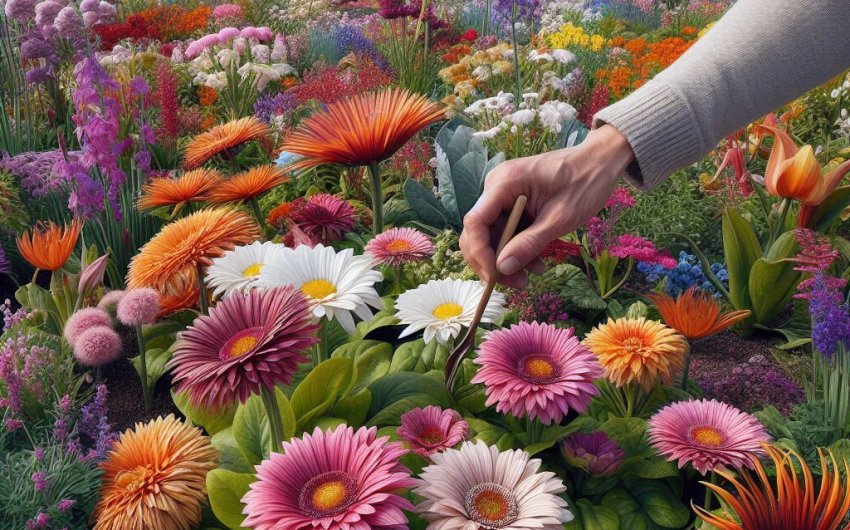
To grow edible flowers in your garden, select varieties known to be safe for consumption and choose a location with appropriate sunlight and well-draining soil. Ensure they are grown organically, free from pesticides, and harvested at their peak for optimal flavor and beauty in your culinary creations.
Why Grow Edible Flowers in Your Garden?
Growing edible flowers in your garden offers a delightful fusion of beauty and culinary utility, transforming your landscape into a truly multi-functional space. Beyond their aesthetic appeal, incorporating these vibrant blooms into your gardening routine brings a surprising array of benefits.
1. Culinary Versatility
- Elevate Dishes: Edible flowers add an instant gourmet touch to everyday meals. Imagine vibrant nasturtium petals tossed in a salad, delicate pansies garnishing a dessert, or borage flowers floating in a cool drink. They add color, texture, and often unique flavors.
- Flavor Profiles: Flowers aren't just for looks. Many offer distinct tastes: peppery (nasturtium), sweet (honeysuckle), minty (bergamot), citrusy (citrus blossoms), or even cucumber-like (borage). They can be sweet, savory, spicy, or herbaceous.
- Creative Freedom: They open up a world of culinary creativity, from infused oils and vinegars to vibrant jellies, flavored butters, and exquisite cake decorations.
2. Visual Appeal and Garden Design
- Integrated Beauty: Edible flowers seamlessly blend into existing vegetable beds, herb gardens, or even ornamental borders, blurring the line between food and decorative landscaping.
- Color and Texture: They introduce an unparalleled palette of colors and varied textures to your garden, enhancing its visual appeal throughout the growing season.
- Year-Round Interest: By selecting a variety of edible flowers with different bloom times, you can ensure continuous floral interest in your garden from spring to fall.
3. Health Benefits
- Vitamins and Antioxidants: Many edible flowers contain vitamins, minerals, and antioxidants. For example, calendula petals are rich in carotenoids, and nasturtiums provide vitamin C.
- Traditional Uses: Historically, many flowers were used for their medicinal properties. While this blog focuses on culinary use, it's a testament to their natural compounds.
4. Attracting Pollinators and Beneficial Insects
- Biodiversity Boost: Planting a diversity of flowering plants, including edible ones, is excellent for attracting a wide array of pollinators (bees, butterflies, hummingbirds) to your garden. This is crucial for fruit and vegetable production.
- Pest Control: Many edible flowers also attract beneficial insects that prey on common garden pests. For instance, dill and cilantro flowers attract lacewings and ladybugs.
- Integrated Pest Management: By fostering a healthy ecosystem, you reduce the reliance on chemical pesticides, which is essential if you intend to consume the flowers.
5. Sustainable and Organic Gardening
- Chemical-Free: When you grow your own edible flowers at home, you have complete control over their growing conditions, ensuring they are free from harmful pesticides, herbicides, and chemical fertilizers. This guarantees a safe and healthy harvest for your table.
- Local and Fresh: Enjoy the freshest possible ingredients directly from your garden, reducing your food miles and supporting sustainable practices.
In essence, growing edible flowers allows you to create a garden that is not only visually stunning and a haven for wildlife but also a productive source of unique and healthy ingredients for your kitchen, adding a touch of magic to both your landscape and your plate.
What are the Safest Edible Flowers to Grow?
When considering how to grow edible flowers in your garden, the absolute most crucial step is to correctly identify them and confirm their edibility. Many flowers are toxic, so never consume a flower unless you are 100% certain it is safe. Here's a list of some of the safest and most popular edible flowers for home gardens, along with their flavors and uses.
Always remember: If in doubt, do not eat it!
| Flower Name | Flavor Profile | Common Culinary Uses | Affiliate Link (Seeds) |
|---|---|---|---|
| Nasturtium | Peppery, slightly spicy, like watercress. | Salads, sandwiches, garnishes, infused vinegars. Flowers and leaves are edible. | Nasturtium Seeds |
| Pansy & Viola | Mild, slightly sweet, sometimes grassy; violas can be a bit minty. | Garnishes for desserts, salads, drinks; candied flowers for cakes. | Pansy Seeds |
| Calendula | Mildly tangy, slightly peppery or bitter; can taste like saffron (often called "poor man's saffron"). | Adds color to rice dishes, soups, stews, salads, scrambled eggs, bread. Used in infused oils. | Calendula Seeds |
| Borage | Fresh, cucumber-like, slightly salty. | Salads, sandwiches, refreshing drinks (lemonade, cocktails), garnishes for fish. | Borage Seeds |
| Dianthus (Pinks) | Clove-like, spicy, fragrant. | Garnishes for desserts, salads, drinks; infused sugars, syrups. Remove bitter white base. | Dianthus Seeds |
| Chamomile | Apple-like, sweet, herbaceous. | Herbal teas, infused desserts, baked goods. Only use German Chamomile (Matricaria recutita). | Chamomile Seeds |
| Daylily | Mildly sweet, slightly vegetal, like asparagus or sweet pea. | Stir-fries, salads, fritters. Only consume the petals of true daylilies (Hemerocallis). Avoid lilies (Lilium spp.) as they are toxic. | Daylily Bare Roots |
| Squash Blossoms | Mild, slightly sweet, subtle squash flavor. | Stuffed and fried/baked, added to quesadillas, soups, or pasta. | N/A (Grow squash plants!) |
| Bee Balm (Bergamot) | Minty, citrusy, oregano-like. | Teas, salads, garnishes, infused drinks, especially good with poultry or fish. | Bee Balm Seeds |
| Chive Blossoms | Mild onion/garlic flavor. | Salads, garnishes for savory dishes, infused vinegars or oils, cream cheese spreads. | N/A (Grow chives!) |
| Bachelor's Button | Slightly sweet, mild, faint clove-like. | Garnishes for salads, desserts, drinks; adds beautiful blue color. | Bachelor's Button Seeds |
| Roses | Highly fragrant, sweet, subtle fruit notes. | Jams, jellies, syrups, teas, candied petals, garnishes. Use unsprayed, highly fragrant varieties. Remove bitter white base. | N/A (Grow roses!) |
| Sunflowers (Petals & Seeds) | Mildly bitter, nutty (petals). | Petals: Salads, garnishes. Seeds: roasted snack, birdseed. Young flower buds can be steamed like artichokes. | Sunflower Seeds |
This list provides a fantastic starting point for growing edible flowers in your garden. Always cross-reference with reliable sources, especially if trying a flower not on this list, and err on the side of caution.
How Do You Choose the Right Location for Edible Flowers?
Choosing the right location is fundamental to successfully growing edible flowers in your garden. Just like any plant, flowers have specific needs for sunlight, soil, and space that must be met for them to thrive and produce their best blooms.
1. Sunlight Requirements
This is arguably the most critical factor for flowering plants. Different edible flowers have different light preferences.
- Full Sun (6+ hours of direct sun): Many popular edible flowers, like Nasturtiums, Calendula, Borage, and Sunflowers, thrive and bloom best in full sun. Place these in the brightest spots in your garden.
- Partial Sun (4-6 hours of direct sun, often morning sun): Some flowers, like Pansies, Violas, and Bee Balm, can tolerate or even prefer partial sun, especially in hot climates where afternoon sun can be too intense.
- Shade (less than 4 hours of direct sun): While fewer edible flowers prefer deep shade, some, like Sweet Woodruff, can tolerate it. Most edible flowers will produce fewer blooms or become leggy in too much shade.
Action: Observe your garden throughout the day and across seasons to map out your sunlight zones. This will help you place the right flowers in the right spots.
2. Soil Conditions
Good soil is the foundation for healthy plants and abundant blooms.
- Well-Draining Soil: Most edible flowers, like most garden plants, require well-draining soil. Waterlogged soil can lead to root rot and other issues. If you have heavy clay soil, amend it generously with organic matter like compost to improve drainage.
- Nutrient-Rich: While not all flowers are heavy feeders, good soil rich in organic matter provides a steady supply of nutrients. Incorporate 1-2 inches of good quality compost into your planting area annually. You can find excellent compost at your local garden center or online, such as Espoma Organic Compost.
- pH Level: Most edible flowers prefer a slightly acidic to neutral pH (6.0-7.0). Perform a soil pH test to determine if adjustments are needed.
Action: Test your soil's drainage and pH. Amend the soil as needed with compost before planting.
3. Protection from Contaminants
This is especially vital since you'll be consuming these flowers.
- Pesticide-Free Zone: Choose a location that has not been treated with synthetic pesticides, herbicides, or fungicides for at least several years. Avoid areas where runoff from chemically treated lawns or roadsides might occur.
- Traffic and Pet Control: Plant away from high-traffic areas or where pets might frequently relieve themselves.
- Clean Water: Ensure your irrigation water is safe for consumption.
Action: Dedicate a specific area of your garden that you can guarantee is free from chemical contaminants.
4. Integrated with Other Plants
- Vegetable Garden: Edible flowers integrate beautifully into vegetable beds. They can attract pollinators, deter pests (e.g., marigolds deter nematodes), and add beauty.
- Herb Garden: Many culinary herbs also have edible flowers (e.g., chives, dill, borage), making them a natural fit for an herb garden.
- Ornamental Beds: Mix edible flowers among your non-edible ornamentals, ensuring you can easily identify which flowers are safe to eat.
Action: Consider companion planting benefits when placing your edible flowers.
5. Accessibility
- Easy to Reach: Place your edible flowers in a spot that's easily accessible for daily harvesting. This encourages you to use them more often in your cooking.
- Visibility: A location where you can admire their beauty from a window or patio adds to their enjoyment.
By thoughtfully considering these factors, you can select the perfect spot to grow edible flowers in your garden, ensuring they thrive and provide a continuous supply of beautiful, flavorful, and safe blooms for your culinary adventures.
How Do You Plant Edible Flowers?
Once you've chosen your edible flower varieties and the perfect location, the actual planting process for growing edible flowers in your garden is straightforward. Whether starting from seed or transplanting seedlings, a few key steps ensure successful establishment.
1. Starting from Seed:
Many edible flowers are easily grown from seed, which is an economical way to get many plants.
- Timing: Check seed packets for recommended planting times. Some can be direct-sown outdoors after the last frost, while others (especially those with longer growing seasons) benefit from being started indoors 4-6 weeks before the last frost date.
- Seed Starting Mix: If starting indoors, use a sterile seed starting mix specifically designed for seedlings. This prevents damping-off disease. Espoma Organic Seed Starter Mix is a good option.
- Sowing Depth: Follow the instructions on the seed packet for sowing depth and spacing. Generally, small seeds are lightly covered or just pressed onto the surface.
- Moisture and Light: Keep the seed starting mix consistently moist (but not soggy) until germination. Most seeds need light to germinate; check individual requirements.
- Hardening Off: If starting indoors, gradually acclimate seedlings to outdoor conditions for 7-10 days before transplanting. This process is called "hardening off."
2. Transplanting Seedlings or Nursery Plants:
If you're using nursery-grown plants or your own hardened-off seedlings, follow these steps:
- Prepare the Planting Area: As discussed in the "Choosing the Right Location" section, ensure your soil is well-drained and enriched with compost.
- Dig the Hole: Dig a hole that is as deep as the plant's root ball and about twice as wide.
- Remove from Container: Gently remove the plant from its nursery pot. If the roots are circling the pot (root-bound), gently tease them apart to encourage outward growth.
- Place the Plant: Set the plant in the hole so that the top of its root ball is level with the surrounding soil. Avoid burying the stem too deeply, unless otherwise specified for that particular plant.
- Backfill: Carefully backfill the hole with your amended soil, gently firming it around the base of the plant to remove any large air pockets.
- Water Thoroughly: Immediately after planting, water the plant deeply and slowly. This helps settle the soil around the roots and reduces transplant shock. A watering can with a rose or a gentle stream from a hose works well.
- Mulch (Optional but Recommended): Apply a thin layer (1-2 inches) of organic mulch, such as shredded leaves or straw, around the base of the plants. Keep it a few inches away from the stems. Mulch helps retain soil moisture, suppress weeds, and moderate soil temperature.
3. Spacing and Companion Planting:
- Follow Recommendations: Pay attention to spacing recommendations on seed packets or plant tags. Proper spacing ensures good air circulation, which is vital for preventing fungal diseases, especially important for growing edible flowers in your garden organically.
- Companion Planting:
- Attract Pollinators: Plant flowers like borage, calendula, or sunflowers near vegetables that need pollination (e.g., squash, tomatoes).
- Pest Deterrence: Marigolds (Tagetes spp., especially French Marigolds) are often planted near vegetables to deter nematodes and other pests. Nasturtiums can act as a trap crop, drawing aphids away from other plants.
- Visual Appeal: Integrate edible flowers throughout your garden beds to add color and beauty.
By following these planting guidelines, you'll give your edible flowers a strong start, paving the way for a beautiful and bountiful harvest.
How Do You Care for Edible Flowers?
Proper care is essential for healthy, productive blooms when growing edible flowers in your garden. While specific needs vary by species, general principles of watering, fertilizing, deadheading, and pest management apply to most.
1. Watering:
- Consistency is Key: Most edible flowers prefer consistently moist soil, especially when establishing and during flowering. Avoid letting them dry out completely or sit in waterlogged conditions.
- Deep Watering: Water deeply and slowly to encourage roots to grow downwards.
- Morning Watering: Water in the morning to allow foliage to dry before evening. This reduces the risk of fungal diseases.
- Container Plants: Flowers grown in containers will dry out much faster than those in the ground and may need daily watering, particularly during hot, dry weather.
2. Fertilizing:
- Focus on Soil Health: The best way to feed edible flowers is by building healthy soil with organic matter. Amend your planting beds with 1-2 inches of compost annually in spring. This provides a slow, steady release of balanced nutrients.
- Avoid Excessive Nitrogen: Too much nitrogen fertilizer (the first number in N-P-K ratios) encourages lush leafy growth at the expense of flower production.
- Balanced Fertilizer (If Needed): If your plants seem to be struggling or your soil is poor, you can use a balanced organic fertilizer, or one slightly higher in phosphorus (P) for blooms (e.g., 5-10-5 or a bloom-boosting formula). Apply sparingly and according to package directions. Jobes Organics Flower & Rose Fertilizer can be used.
3. Deadheading:
- Promotes More Blooms: Deadheading (removing spent or faded flowers) is crucial for many edible annuals and perennials. It redirects the plant's energy from seed production back into producing more blooms.
- How to Deadhead: Snip off the spent flower just above a set of healthy leaves or a new side shoot.
- Frequency: Check your plants every few days during peak bloom and deadhead as needed.
4. Pest and Disease Management (Organic Only):
Since you'll be eating these flowers, organic pest and disease control is paramount.
- Prevention First:
- Disease-Resistant Varieties: Choose them upfront.
- Good Air Circulation: Proper spacing and pruning.
- Sanitation: Remove diseased leaves or stems promptly. Clean up garden debris in fall.
- Beneficial Insects: Attract pollinators and predators by planting a diverse range of flowers.
- Common Issues & Organic Solutions:
- Aphids: Blast with a strong stream of water from the hose. Apply insecticidal soap or Neem oil spray, ensuring good coverage, especially on undersides of leaves. Captain Jacks Neem Oil is a good option.
- Powdery Mildew: Ensure good air circulation. Spray with a diluted solution of baking soda (1 tsp per quart of water with a few drops of mild soap).
- Slugs & Snails: Hand-pick. Use beer traps or diatomaceous earth barriers.
- Avoid Chemical Pesticides: Absolutely do not use synthetic pesticides or fungicides on any plant you intend to consume. Even "organic" options should be used judiciously.
5. Pruning and Support:
- Pinching: For bushy growth and more flowers, pinch back young seedlings or leggy plants by removing the top set of leaves.
- Support: Taller edible flowers like sunflowers or delphiniums (if grown) may need staking to prevent them from flopping over, especially in windy areas.
By providing consistent care and focusing on organic practices, you'll ensure your efforts in growing edible flowers in your garden are rewarded with a continuous supply of beautiful, healthy, and delicious blooms ready for your table.
How Do You Harvest and Prepare Edible Flowers for Culinary Use?
The final, and most exciting, step of growing edible flowers in your garden is harvesting them and preparing them for your culinary adventures. Proper technique ensures both freshness and safety.
1. When to Harvest:
- Early Morning: The best time to harvest edible flowers is in the cool, early morning, just after the dew has dried. At this time, their colors are most vibrant, and their flavors and scents are most intense.
- Before Peak Sun: Avoid harvesting in the midday sun, as flowers can wilt quickly and lose flavor.
- Just Before Use: For best freshness and visual appeal, pick flowers as close to the time of use as possible.
- Open, But Not Fading: Harvest flowers that are fully open but not yet showing signs of fading or browning. Buds are generally not as flavorful or visually appealing.
2. How to Harvest:
- Use Clean Tools: Use clean scissors or small, sharp pruners for a clean cut. Avoid tearing the plant.
- Cut at the Stem: Cut the flower at its base, leaving a short stem if you need it for presentation (e.g., floating in a drink).
- Be Gentle: Handle flowers gently to avoid bruising delicate petals.
- Avoid Over-Harvesting: Don't strip the plant of all its blooms. Leave some for continued production, for pollinators, and for the plant's health. For annuals, consistent harvesting actually encourages more blooms.
3. How to Clean Edible Flowers:
Cleaning is crucial to remove dirt, small insects, and any residual pollen.
- Gentle Shake: First, gently shake each flower or cluster upside down to dislodge any lurking insects.
- Rinse Gently: If necessary, gently rinse the flowers under a very light stream of cool water. Avoid a strong spray that could damage them.
- Dry Thoroughly: This is critical to prevent spoilage and maintain texture.
- Lay them on a paper towel or clean kitchen towel to air dry.
- Gently pat them dry.
- For delicate flowers, you can carefully place them in a salad spinner lined with a paper towel and spin gently for a few seconds.
4. How to Store Edible Flowers:
Edible flowers are best used fresh, but if you need to store them:
- Short-Term (1-3 days): Place unwashed, dried flowers on a damp paper towel in a sealed plastic container or bag. Store in the refrigerator. Some flowers (like nasturtiums) may store better if their stems are placed in a small amount of water, like a miniature vase, then covered loosely with plastic and refrigerated.
- Longer-Term:
- Freezing in Ice Cubes: Freeze small flowers (like violas, borage) in water or juice in ice cube trays for beautiful drink garnishes.
- Candying: A classic way to preserve flowers like pansies or roses for dessert decoration. This involves coating them in egg white and sugar.
- Drying: Some flowers (calendula, chamomile, rose petals) can be dried for teas, potpourri, or sachets. Lay them flat on screens in a well-ventilated, dark place.
5. Preparing for Culinary Use:
- Remove Non-Edible Parts:
- Stamens/Pistils: For larger flowers (like daylilies, squash blossoms), remove the stamens and pistils, as they can sometimes have an unpleasant texture or flavor.
- White "Heel": For dianthus or roses, always snip off the bitter white base of the petals where they attach to the flower head.
- Calyx: For some flowers, the green calyx (the leafy part that encloses the bud) can be bitter and should be removed if the petals are to be separated.
- Petals vs. Whole Flower: Decide if you want to use whole small flowers (e.g., pansies, violas) or just the individual petals (e.g., roses, calendula, sunflower).
- Presentation: Consider how the flower's color, shape, and size will complement your dish.
By understanding these harvesting and preparation techniques, you can confidently integrate your homegrown edible flowers into a wide range of dishes, adding beauty, flavor, and a truly unique touch to your culinary creations straight from your garden.
What are Creative Culinary Uses for Edible Flowers?
Once you've mastered how to grow edible flowers in your garden and harvest them properly, the real fun begins in the kitchen! Edible flowers can transform ordinary dishes into extraordinary culinary experiences, adding color, flavor, and elegance.
1. Salads and Savory Dishes:
- Fresh Salads: Toss whole pansies, violas, borage flowers, nasturtium petals, or calendula petals into green salads. Their colors and subtle flavors make salads truly pop. Nasturtiums add a peppery kick.
- Garnishes: Sprinkle chive blossoms over baked potatoes, soups, or scrambled eggs. Use bachelor's button petals to garnish savory tarts or roasted vegetables.
- Sandwiches & Wraps: Tuck a few nasturtium leaves and flowers into sandwiches for a peppery zest.
- Stir-fries: Add daylily petals to stir-fries for a subtle sweetness and texture.
- Quesadillas/Tacos: Layer squash blossoms (often lightly sautéed) into quesadillas or as a topping for tacos.
- Infused Vinegars & Oils: Steep flowers like nasturtiums, dianthus, or chive blossoms in white wine vinegar or a light olive oil for a beautiful and flavored condiment.
2. Drinks and Beverages:
- Iced Drinks: Freeze small flowers (like violas, borage, chamomile) into ice cubes to add a beautiful touch to water, lemonade, iced tea, or cocktails.
- Infused Beverages: Steep chamomile or lavender flowers in hot water for a soothing herbal tea. Infuse gin or vodka with rose petals or bee balm for unique cocktails.
- Syrups: Make simple syrups infused with rose petals, lavender, or elderflower for cocktails, lemonades, or drizzling over desserts.
3. Desserts and Sweets:
- Candied Flowers: The classic way to preserve delicate flowers like pansies, violas, or rose petals. They become beautiful, sparkling decorations for cakes, cupcakes, and pastries.
- Cake Decorations: Arrange fresh, un-candied pansies, violas, or rose petals artistically on cakes, tarts, and cupcakes just before serving.
- Jellies and Jams: Rose petals, elderflower, and certain fruit blossoms can be made into unique jellies and jams.
- Infused Desserts: Incorporate edible flowers into custards, panna cotta, sorbets, or ice creams. Lavender or rose-infused panna cotta is a delightful treat.
- Baked Goods: Fold delicate petals like pansies or violas into cookie dough or scone batter for a subtle flavor and visual surprise. Use citrus blossoms in shortbread.
4. Compound Butters and Cheeses:
- Compound Butter: Mix finely chopped edible flowers (e.g., chive blossoms, calendula, nasturtium) into softened butter. Roll into a log and chill. Use on toast, vegetables, or grilled meats.
- Soft Cheese Spreads: Fold chopped chive blossoms or other savory edible petals into cream cheese, goat cheese, or ricotta for a gourmet spread.
5. Savory Spreads and Sauces:
- Pesto: Try making pesto with nasturtium leaves and flowers instead of basil for a peppery twist.
- Herbal Sauces: Finely chop edible flowers and herbs into light sauces for poultry or fish.
Tips for Culinary Success:
- Freshness is Key: Use flowers immediately after harvesting for the best flavor and appearance.
- Taste Before Using: Always taste a small bit of the flower first to understand its flavor profile and ensure it's not bitter or unpleasant.
- Less is More: Start with small quantities, especially with stronger-flavored flowers. You can always add more.
- Consider Color and Contrast: Use flowers to add vibrant pops of color that complement or contrast with your dish.
- Remove Stamens/Pistils/White Heels: For larger flowers like roses or daylilies, remove the internal reproductive parts and the bitter white base of petals.
By exploring these creative applications, your efforts in growing edible flowers in your garden will move beyond simple gardening to a whole new level of culinary artistry and enjoyment.