
How to Identify and Treat Root Rot in Plants?
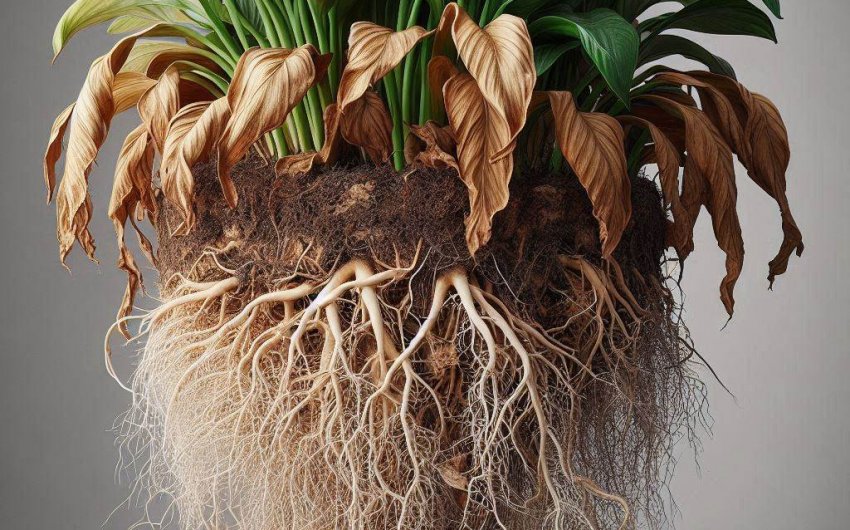
Root rot is a common and often fatal plant disease caused by overwatering or poorly draining soil, leading to the decay of a plant's root system. Identifying it involves checking for specific visual cues above and below ground, while effective treatment primarily focuses on immediate remediation of soil conditions and careful root pruning.
What Exactly Is Root Rot in Plants?
Root rot is one of the most common and devastating diseases that affects plants, both indoors and outdoors. It's not a single disease but rather a general term describing the decay of a plant's root system, primarily due to a lack of oxygen caused by overly wet or waterlogged soil. Understanding what it is and its causes is the first step in learning how to identify and treat root rot in plants.
The Role of Oxygen for Roots
Healthy plant roots need access to oxygen to perform vital functions, including:
- Respiration: Just like humans, plant roots "breathe" (respire) to convert sugars into energy for growth and nutrient uptake. This process requires oxygen.
- Water and Nutrient Uptake: Roots actively absorb water and dissolved nutrients from the soil. This absorption is an energy-dependent process, powered by respiration.
How Waterlogging Causes Root Rot
When soil becomes waterlogged (too much water, poor drainage), the air pockets normally present in the soil are filled with water.
- Oxygen Depletion: This saturation quickly deprives the roots of essential oxygen.
- Anaerobic Conditions: Without oxygen, the roots cannot respire or absorb water and nutrients efficiently. The cells begin to suffocate and die.
- Pathogen Proliferation: Waterlogged conditions create an ideal environment for harmful anaerobic bacteria and, more commonly, fungal pathogens (such as Pythium, Phytophthora, and Fusarium) to thrive. These "water molds" are the primary culprits behind root rot diseases. They attack the oxygen-starved, weakened root tissues, causing them to decay rapidly.
The Cycle of Decay:
- Initial Damage: Roots begin to soften, turn mushy, and often emit a foul odor.
- Spread: The decay spreads throughout the root system, inhibiting the plant's ability to absorb water and nutrients from the soil.
- Systemic Failure: As the roots die, the plant can no longer transport water and nutrients to its upper parts, leading to symptoms that mimic underwatering, such as wilting and yellowing leaves, even when the soil is wet. This is often the most confusing part for gardeners.
- Plant Death: If left untreated, root rot will eventually destroy enough of the root system to cause the entire plant to collapse and die.
Key Takeaway:
Root rot is primarily a symptom of an environmental problem (too much water, not enough oxygen), which then allows opportunistic pathogens to take over. Therefore, successfully learning how to identify and treat root rot in plants hinges on addressing the underlying cultural issues rather than just trying to kill the pathogens.
What are the Common Causes of Root Rot?
Understanding the underlying causes of root rot is crucial, as successful treatment and future prevention hinge on addressing these issues. Root rot almost always stems from a common culprit: an environment that's too wet for the plant's roots. Knowing how to identify and treat root rot in plants begins with recognizing these causes.
1. Overwatering
- The Number One Culprit: This is by far the most frequent cause of root rot, especially for houseplants. Watering too frequently, or giving too much water at once, fills all the air pockets in the soil with water, suffocating the roots.
- Lack of Drying: If the soil never gets a chance to dry out adequately between waterings, the roots are constantly deprived of oxygen.
- Confusing Symptoms: Overwatering often causes symptoms that look like underwatering (wilting leaves), which leads gardeners to water more, worsening the problem.
2. Poor Drainage
- Container Drainage Holes: A pot without adequate drainage holes, or with drainage holes that have become clogged, will trap water at the bottom, leading to soggy conditions.
- Heavy Soil: For both potted and in-ground plants, heavy, compacted clay soil that doesn't allow water to drain away quickly will stay saturated, depriving roots of oxygen.
- Drainage Layers: Adding gravel or broken pot pieces at the bottom of a pot often does not improve drainage; it can actually create a perched water table, making the problem worse. Good potting mix is key.
3. Inappropriate Potting Mix
- Too Dense: Potting mixes that are too dense, fine, or heavy (e.g., using garden soil in pots) retain too much moisture and don't allow for proper aeration around the roots.
- Old Potting Mix: Over time, potting mix can break down and compact, losing its aeration and drainage capabilities. This is why repotting is important.
4. Pot Size
- Too Large: Planting a small plant in a pot that is disproportionately large can lead to root rot. The large volume of soil holds too much moisture, which the small root system cannot absorb quickly enough, leaving the excess water to suffocate the roots.
- No "Breathing" Room: Roots need space to breathe. An overly large pot means the soil takes longer to dry out, increasing the risk of rot.
5. Low Temperatures
- Slowed Metabolism: When temperatures are too cold, a plant's metabolism slows down, meaning it absorbs water much less efficiently. If you continue to water on a regular schedule when temperatures drop (especially for houseplants in winter), the soil will remain wet for too long.
- Increased Vulnerability: Cold, wet roots are much more susceptible to fungal and bacterial pathogens that cause root rot.
6. Contaminated Soil or Tools
- Pathogen Presence: While the environmental conditions are the primary cause, the fungi and bacteria that actually cause the decay are often present in soil already. Overwatering simply creates the perfect conditions for them to proliferate and attack weakened roots.
- Spreading Pathogens: Reusing old, unsterilized pots or tools from an infected plant can spread pathogens, making new plants more vulnerable if proper watering conditions aren't met.
Understanding these common causes is essential for preventing root rot in the first place, and it directly informs the steps involved in how to identify and treat root rot in plants.
How to Identify Root Rot: Visual Symptoms
Identifying root rot early is crucial for successful treatment, but it can be tricky because many of its above-ground symptoms mimic those of underwatering or nutrient deficiencies. The key to learning how to identify and treat root rot in plants is knowing what specific signs to look for.
1. Above-Ground Symptoms (Often Misleading)
These are the first signs you might notice, but they can be deceptive:
- Wilting Leaves: The most common symptom. Leaves become limp, droopy, and appear thirsty, even when the soil is wet. This happens because the rotted roots can no longer absorb water efficiently, so the plant is effectively dehydrated.
- Yellowing Leaves: Leaves may turn yellow, often starting from the bottom of the plant. This can be uniform yellowing or sometimes appear between leaf veins. This indicates nutrient deficiency or stress.
- Stunted Growth: The plant stops growing, new leaves are smaller than usual, or overall vigor declines.
- Browning Leaf Tips or Edges: Similar to drought stress, the tips or edges of leaves may turn brown and crispy.
- Leaf Drop: Older leaves, or even seemingly healthy ones, may suddenly drop off.
- Foul Odor: A distinctive, unpleasant, often sulfuric, rotten-egg, or fishy smell coming from the soil or drainage holes. This is a strong indicator of anaerobic bacteria decaying the roots.
- Mushy Stem Base: In severe cases, the stem near the soil line may become soft, mushy, or discolored (dark brown/black). This indicates the rot has spread upwards.
2. Below-Ground Symptoms (Definitive Diagnosis)
The only way to confirm root rot is by inspecting the roots themselves. This usually involves carefully removing the plant from its pot or digging around the root ball for in-ground plants.
- Color of Roots:
- Healthy Roots: Will be firm, plump, and typically white or light tan (though some plants naturally have darker roots, like some orchids or tropicals, which are green when healthy).
- Rotten Roots: Will appear dark brown or black.
- Texture of Roots:
- Healthy Roots: Feel firm and snap easily when bent.
- Rotten Roots: Will feel soft, mushy, and slimy. They will often disintegrate or pull off easily when gently squeezed between your fingers, leaving behind a stringy core.
- Smell of Roots:
- Healthy Roots: Have a fresh, earthy smell.
- Rotten Roots: Emit a foul, decaying, often sulfuric odor, a strong sign of anaerobic decomposition.
Key Differences Between Root Rot and Underwatering:
| Symptom | Root Rot (Overwatering) | Underwatering (Drought) |
|---|---|---|
| Soil Feel | Wet or constantly damp | Dry, hard, pulling away from pot edges |
| Leaf Appearance | Wilting, yellowing, often soft/mushy leaves; brown tips/edges | Wilting, crispy/cracking leaves; brown tips/edges; leaves may curl inward |
| Root Appearance | Dark, mushy, smelly, disintegrates when touched | Dry, brittle, sometimes shriveled but firm; often light-colored |
| Odor from Soil | Foul, rotten, sulfuric | None, or a dry, earthy smell |
| Plant Response | Gets worse with more water | Improves after thorough watering |
By carefully observing both above-ground symptoms and, most importantly, inspecting the roots, you can definitively identify root rot and move on to the critical steps of how to identify and treat root rot in plants.
Step-by-Step Guide: How to Treat Root Rot in Potted Plants?
Treating root rot in potted plants requires swift and decisive action. The goal is to stop the decay, remove affected tissue, and create an environment where healthy roots can regrow. This detailed guide outlines how to identify and treat root rot in plants successfully.
Materials You'll Need:
- Clean, sharp pruning shears or scissors (sterilized with rubbing alcohol)
- New, sterile potting mix (well-draining, appropriate for your plant type)
- Clean pot (same size or slightly smaller than the original, with good drainage)
- Watering can
- Optional: Fungicide (organic or chemical, for severe cases or susceptible plants), hydrogen peroxide (3%), cinnamon powder.
Step 1: Immediately Remove the Plant from its Pot
- Gently tip the pot on its side and carefully slide the plant out. Be as gentle as possible to avoid further root damage.
- For larger plants, you may need to lay the pot down and slide the plant out horizontally.
Step 2: Assess the Damage and Clean the Roots
- Remove Old Soil: Gently shake or wash away as much of the old, soggy, contaminated potting mix from the roots as possible. A gentle stream of water from a hose can help.
- Inspect Roots: Carefully examine all roots.
- Healthy Roots: Will be firm, plump, and typically white or light tan (some plants have naturally darker roots, but they should still be firm).
- Rotten Roots: Will be dark brown or black, mushy, soft, slimy, or emit a foul odor. They will easily fall apart when touched.
- Prune Affected Roots: Using your clean, sterilized shears, carefully cut away all affected, mushy, or discolored roots. Cut back to firm, healthy white tissue.
- Be Ruthless: It's better to remove too much rot than not enough. If you leave any diseased tissue, the rot can continue to spread.
- Sterilize Between Cuts: If dealing with a severely diseased plant, wipe your pruning shears with rubbing alcohol between cuts to avoid spreading pathogens to healthy root sections.
- Rinse Roots: After pruning, give the remaining healthy roots a final gentle rinse.
Step 3: Treat the Remaining Roots (Optional but Recommended)
For an extra layer of protection, especially for valuable plants or those prone to rot:
- Hydrogen Peroxide Dip: Dilute 3% hydrogen peroxide (about 1 part hydrogen peroxide to 2 parts water). Dip the trimmed roots into this solution for a few minutes. This provides oxygen and can kill some anaerobic bacteria.
- Cinnamon Powder: Dust the cut ends of the roots with powdered cinnamon. Cinnamon is a natural antifungal agent and can help prevent new infections.
Step 4: Repot with Fresh, Well-Draining Potting Mix
- Choose the Right Pot:
- Same Size or Smaller: If you've removed a lot of roots, consider using a slightly smaller pot than the original. This ensures the remaining roots aren't overwhelmed by too much moist soil.
- Ensure Drainage: Double-check that the new pot has ample drainage holes. If using a decorative pot without holes, use it as a cachepot with a plastic nursery pot inside.
- Use Fresh Potting Mix: Fill the pot with a brand-new, sterile, and well-draining potting mix appropriate for your specific plant type. For most houseplants, a mix for "indoor plants" or one containing perlite and peat moss works well. For succulents or cacti, use a gritty, fast-draining mix. Espoma Organic Potting Mix is a great choice.
- Repot: Place a thin layer of potting mix at the bottom of the pot, center the plant, and backfill gently around the roots. Do not pack the soil down too tightly, as this can impede aeration.
- Avoid Over-Potting: Don't put a small, recovering plant into a giant pot.
Step 5: Adjust Watering and Care After Repotting
- No Immediate Watering: Resist the urge to water immediately after repotting. Give the newly trimmed roots a day or two to heal before their first watering. This helps prevent further rot.
- Light Watering (Initial): When you do water, water lightly. Do not drench the soil. The goal is just to moisten it.
- New Watering Schedule: Adjust your watering habits drastically. Allow the top 2-3 inches of soil to dry out completely before watering again. Use a moisture meter or the finger test. For more sensitive plants, wait until the pot feels significantly lighter.
- Provide Bright, Indirect Light: Place the recovering plant in a spot with good, bright, indirect light. Avoid direct, harsh sunlight, which can stress a weakened plant.
- Avoid Fertilizer: Do not fertilize a plant recovering from root rot. Wait until you see signs of new healthy growth (new leaves or roots) before resuming a very light fertilization schedule.
- Patience: Recovery from root rot takes time. It can be several weeks or even months before you see significant new growth. Some plants may lose more leaves before they recover.
By diligently following these steps, you give your beloved plant the best possible chance to recover from root rot, mastering the core of how to identify and treat root rot in plants.
Step-by-Step Guide: How to Treat Root Rot in In-Ground Plants?
Treating root rot in in-ground plants is more challenging than with potted plants, as you cannot easily remove and repot them. The focus shifts to improving soil conditions and potentially partial root remediation. Learning how to identify and treat root rot in plants in your garden beds requires a different approach.
When to Consider Treatment:
- Treatment is most feasible for valuable or relatively small shrubs, trees, or perennials that are just beginning to show signs of root rot.
- Large, established trees with severe root rot are often difficult to save without professional intervention.
Materials You'll Need:
- Shovel or spade
- Pitchfork or garden fork
- Clean, sharp pruning shears or loppers (sterilized)
- Wheelbarrow or tarp for removed soil
- Plenty of high-quality organic matter (compost, aged bark fines)
- Optional: Horticultural charcoal, gypsum, a fungicide if a specific pathogen is identified.
Step 1: Immediately Stop Overwatering and Improve Surface Drainage
- Cessation of Watering: Immediately stop all supplemental watering to the affected plant and the surrounding area. Allow the soil to dry out.
- Redirect Runoff: If the area receives excessive runoff from a roof, downspout, or higher ground, divert this water away from the plant. Create small trenches or berms to redirect flow.
- Remove Standing Water: If there's standing water, try to gently drain it away from the plant.
Step 2: Improve Soil Aeration and Drainage Around the Root Ball
This is the most critical step for in-ground plants.
- Gently Expose Root Crown: Carefully dig down around the base of the plant to expose the root crown (where the roots meet the stem). Remove any soil or mulch that is piled directly against the crown, as this can trap moisture.
- Aerate the Soil:
- For Smaller Plants: Use a garden fork or pitchfork to gently aerate the soil around the root zone, working outward from the plant's drip line. Push the fork into the soil and gently rock it back and forth to create air pockets. Be careful not to damage major roots.
- For Larger Plants/Trees: You might need to use an air spade or drill specialized holes around the root zone to introduce air. This is often a job for a professional arborist.
- Incorporate Organic Matter:
- Benefits: Incorporate generous amounts of well-rotted, coarse organic matter, such as coarse compost, aged bark fines, or perlite, into the top 6-12 inches of soil around the plant. This improves soil structure, creating more air space and enhancing drainage.
- How: Gently mix it into the aerated soil. Avoid digging deeply directly near the main roots, but focus on the surrounding soil. For dense clay, consider gypsum as well, which can help break up compaction, but it's not a quick fix.
Step 3: Prune Affected Roots (If Accessible and Practical)
This step is generally limited to smaller in-ground plants.
- Expose Roots: Carefully dig a trench around the perimeter of the plant's root ball to expose some of the outer roots.
- Inspect and Prune: Identify and carefully cut away any dark, mushy, or foul-smelling roots. Use sterilized shears and cut back to healthy, firm tissue.
- Limit Root Removal: For in-ground plants, avoid removing more than 25-30% of the root system, as this can severely shock the plant.
Step 4: Add Protective Amendments (Optional)
- Horticultural Charcoal: A thin layer of horticultural charcoal (not barbecue charcoal) can be mixed into the topsoil. It's known for its ability to absorb toxins and improve drainage.
- Organic Fungicide: If you have identified a specific fungal pathogen and wish to apply a treatment, consider using an organic fungicide labeled for the specific pathogen and safe for your plant. However, fixing the drainage is far more critical than fungicides for root rot. Garden Safe Fungicide Ready-To-Use
Step 5: Adjust Long-Term Care and Monitor
- Mulch Wisely: If you use mulch, ensure it's a thin layer (1-2 inches) and kept several inches away from the plant's stem or trunk. Overly thick mulch or mulch piled against the stem can trap moisture and exacerbate rot.
- Review Watering Schedule: If using an irrigation system, adjust it to water less frequently and more deeply, allowing the soil to dry out between waterings. If hand watering, check soil moisture before watering.
- Monitor for Recovery: Recovery will be slow. Watch for new, healthy growth (new leaves, new shoots). The plant may shed more stressed leaves before it begins to recover.
- Long-Term Drainage Solutions: For persistent problems in a specific area, consider long-term drainage solutions like French drains or creating a raised bed for future plantings.
Treating root rot in in-ground plants requires patience and a commitment to improving soil health and drainage. By focusing on creating an environment where roots can breathe, you greatly increase the chances of saving your affected plants and prevent future occurrences, truly mastering how to identify and treat root rot in plants.
How Can You Prevent Root Rot in the Future?
Prevention is always better than cure when it comes to root rot. By understanding its causes and implementing good gardening practices, you can largely avoid this common and devastating plant problem. Mastering prevention is the ultimate goal in learning how to identify and treat root rot in plants.
1. Master Proper Watering Techniques
This is the single most important preventative measure.
- Check Soil Moisture: Don't water on a schedule. Instead, always check the soil moisture before watering.
- Finger Test: Stick your finger 2-3 inches deep into the soil (or 1 inch for very small pots). If it feels dry, then water.
- Moisture Meter: Use a Soil Moisture Meter for more precise readings.
- Pot Weight: For potted plants, lift the pot. When it feels significantly lighter than after watering, it's time to water again.
- Water Deeply and Infrequently: When you do water, water thoroughly until water drains from the bottom of the pot (for containers) or until the soil is moist to a good depth (for in-ground plants). This encourages deep root growth. Then, allow the soil to dry out significantly before the next watering.
- Adjust for Seasons and Conditions:
- Winter: Plants need much less water in cooler, darker months.
- Summer: Plants need more water in hot, sunny, or windy conditions.
- Humidity: Plants in humid environments need less frequent watering.
- Avoid Saucers Full of Water: If using a saucer under a pot, empty any standing water after 30 minutes to an hour. Don't let the pot sit in water.
2. Ensure Excellent Drainage
- Pots with Drainage Holes: Always use pots that have ample drainage holes. If a decorative pot lacks holes, use it as a cachepot and keep your plant in a separate nursery pot with holes inside.
- Right Potting Mix: For potted plants, use a high-quality, well-draining potting mix appropriate for your specific plant type.
- For most houseplants, look for mixes containing peat moss, perlite, and/or coarse sand.
- For succulents, cacti, or orchids, use specialized, very gritty, fast-draining mixes.
- Avoid using garden soil in pots, as it compacts and drains poorly.
- No Drainage Layers (in Pots): Do not put gravel, broken pot pieces, or sand at the bottom of pots. This does not improve drainage; it can create a "perched water table" that makes the soil above it soggy.
- Improve In-Ground Soil Drainage: For garden beds with heavy clay or poor drainage, amend generously with coarse organic matter like compost, aged bark fines, or perlite. This physically alters the soil structure to create more air pockets. Consider building raised beds in persistently waterlogged areas.
3. Choose the Right Pot Size
- Don't Over-Pot: Avoid putting a small plant in a pot that is too large. A large volume of soil will retain too much moisture, overwhelming the small root system. Repot only when the plant is root-bound (roots circling the bottom or coming out drainage holes).
- Size Up Gradually: When repotting, only go up one pot size (e.g., from 6 inches to 8 inches).
4. Ensure Good Air Circulation
- Around Roots: This goes back to using well-draining soil and not compacting it.
- Around Foliage: Good airflow around the plant's leaves helps surface moisture evaporate, reducing humidity and preventing fungal issues that can lead to rot spreading to the crown. Space plants appropriately.
5. Practice Good Hygiene
- Sterilize Tools: Always clean and sterilize your pruning shears or other tools when pruning, especially if moving between plants or cutting away diseased tissue.
- Clean Pots: If reusing old pots, scrub them thoroughly with soap and water, then disinfect with a bleach solution (1 part bleach to 9 parts water) to kill any lingering pathogens.
By consistently applying these preventative measures, you significantly reduce the risk of root rot, keeping your plants healthy, vibrant, and thriving. Prevention truly is the best cure when it comes to learning how to identify and treat root rot in plants.