
How to Set Up an Aquaponic Garden at Home?
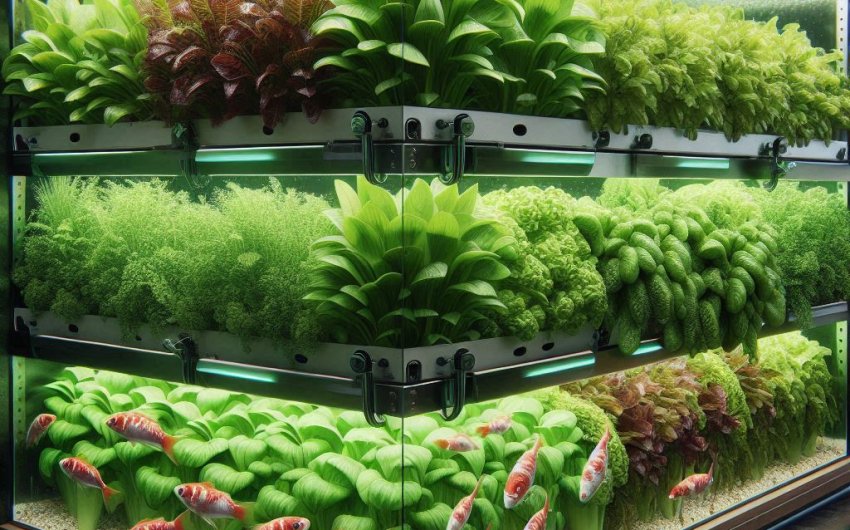
To set up an aquaponic garden at home, you integrate aquaculture (raising fish) with hydroponics (growing plants without soil) into a symbiotic system where fish waste provides nutrients for plants, and plants filter the water for the fish. This creates a sustainable, productive, and efficient food-growing method perfect for indoor or outdoor use.
What Exactly is Aquaponics?
Aquaponics is a sustainable food production system that combines two traditional methods: aquaculture (raising aquatic animals like fish) and hydroponics (growing plants in water without soil). In an aquaponic system, fish waste, which is toxic to fish in high concentrations, is converted by beneficial bacteria into nutrients that plants can readily absorb. This process naturally filters the water for the fish, creating a closed-loop, symbiotic relationship.
How the Cycle Works:
- Fish Waste Production: Fish excrete waste, primarily in the form of ammonia ((NH_3)), into the water.
- Bacterial Conversion (Nitrification):
- Step 1: Beneficial bacteria, specifically Nitrosomonas, convert the toxic ammonia into nitrites ((NO_2)).
- Step 2: Another group of beneficial bacteria, Nitrobacter, then convert the nitrites (which are still harmful to fish) into nitrates ((NO_3)).
- Plant Nutrient Uptake: Plants in the grow beds absorb these nitrates as a primary food source.
- Water Filtration: As plants consume the nitrates and other dissolved nutrients, they effectively clean and filter the water, which is then returned to the fish tank, ready for the cycle to repeat.
Key Characteristics of Aquaponics:
- Symbiotic Relationship: Fish provide nutrients for plants, and plants purify water for fish.
- No Soil Required: Plants grow in a soilless medium (like clay pebbles or rockwool) or directly in water.
- Water Conservation: Aquaponics uses significantly less water than traditional soil gardening because water is recirculated. Evaporation is the primary water loss.
- Reduced Waste: Fish waste is a resource, not a disposal problem.
- Chemical-Free: Synthetic fertilizers and pesticides are not used, as they would harm the fish or the beneficial bacteria. This makes aquaponically grown food naturally organic.
- Higher Yields: Plants often grow faster and produce more in aquaponics due to constant nutrient availability.
Setting up an aquaponic garden at home allows you to grow fresh produce and raise fish in an environmentally friendly and productive way, often with a smaller footprint than traditional gardening.
What are the Benefits of Setting Up an Aquaponic Garden at Home?
Setting up an aquaponic garden at home offers a compelling blend of environmental, economic, and practical advantages, making it an attractive option for modern homesteaders and eco-conscious individuals.
Environmental Benefits:
- Water Conservation: Aquaponics uses dramatically less water (up to 90-95% less) compared to traditional soil gardening because the water is continuously recirculated. This is a huge advantage in water-scarce regions.
- Sustainable Food Production: It's a closed-loop system, minimizing waste. Fish waste becomes plant food, eliminating the need for chemical fertilizers.
- Reduced Land Use: Vertical and stacked systems allow for high-density food production in a small footprint, ideal for urban environments or small yards.
- No Soil Degradation: Since no soil is used, there's no erosion, nutrient runoff, or soil-borne diseases to worry about.
- Pesticide-Free Food: The use of pesticides and herbicides would harm the fish and beneficial bacteria, so aquaponic food is naturally grown without these chemicals.
Economic Benefits:
- Cost Savings on Food: Growing your own fresh produce and protein (fish) can significantly reduce your grocery bill over time.
- Reduced Water Bill: The efficient use of water can lower your utility costs.
- Potential for Income: Larger systems can produce surplus food for sale, creating a small income stream.
- Less Fertilizer Cost: Fish provide the nutrients, eliminating the need to purchase synthetic fertilizers.
Practical Benefits:
- Year-Round Growing: Indoor aquaponic systems allow for year-round harvesting, regardless of climate or season.
- Faster Plant Growth & Higher Yields: Plants in aquaponics often grow faster due to constant access to dissolved nutrients and oxygen, leading to more frequent harvests.
- Less Weeding: With no soil, weeding becomes a non-issue.
- Less Pest Problems: While not entirely pest-free, soilless environments often reduce soil-borne pests and diseases.
- Educational Opportunity: It's a fantastic educational tool for families, teaching about ecosystems, biology, and sustainable agriculture.
- Fresh, Healthy Food: You have direct control over what goes into your food, ensuring fresh, nutrient-rich produce and fish.
- Therapeutic Hobby: Many find tending to an aquaponic system relaxing and rewarding.
By embracing aquaponics, you're not just growing food; you're cultivating a miniature ecosystem that embodies efficiency, sustainability, and personal well-being.
What are the Basic Components of an Aquaponic System?
Regardless of its size or complexity, every aquaponic garden at home relies on a few fundamental components that work together to create the symbiotic cycle. Understanding these parts is essential before you begin setting up an aquaponic garden.
1. Fish Tank (Aquaculture Component)
- Purpose: Houses the fish, which produce the nutrient-rich waste.
- Considerations:
- Material: Food-grade plastic, fiberglass, or glass. Avoid anything that might leach chemicals into the water.
- Size: The size determines the number of fish you can comfortably raise and impacts system stability. Bigger tanks are generally more stable.
- Shape: Rectangular tanks are often easier to clean and integrate into systems.
- Location: Needs to be on a sturdy, level surface, away from direct sunlight (to prevent algae bloom) and extreme temperature fluctuations.
2. Grow Bed(s) (Hydroponics Component)
- Purpose: Where the plants grow, absorbing nutrients from the fish water and filtering it.
- Types of Grow Beds/Methods:
- Media-Based (Flood & Drain / Ebb & Flow): A popular choice for beginners. The grow bed is filled with an inert media (like clay pebbles, gravel, or lava rock). Water from the fish tank floods the bed, then drains back, providing oxygen to the roots.
- Benefits: Excellent filtration, good for a wide variety of plants, provides natural bacterial colonization surface.
- Examples: Clay Pebbles Hydroponics.
- Deep Water Culture (DWC / Raft System): Plants are suspended in rafts (typically styrofoam) with their roots submerged directly in the nutrient-rich water. Air stones provide oxygen.
- Benefits: Excellent for leafy greens, faster growth, simple to operate.
- Examples: Hydroponic Raft Kit.
- Nutrient Film Technique (NFT): A thin film of nutrient water flows over the bare roots of plants in sloped channels or pipes.
- Benefits: Water-efficient, good for leafy greens and herbs, often used in commercial setups.
- Considerations: Can clog easily, not ideal for large-rooted plants.
- Media-Based (Flood & Drain / Ebb & Flow): A popular choice for beginners. The grow bed is filled with an inert media (like clay pebbles, gravel, or lava rock). Water from the fish tank floods the bed, then drains back, providing oxygen to the roots.
- Material: Food-grade plastic containers or troughs.
3. Water Pump
- Purpose: Moves water from the fish tank up to the grow bed(s).
- Considerations: Choose a pump with adequate flow rate (gallons per hour, GPH) and "head height" (how high it can pump water) for your system's design. Needs to be submersible and rated for continuous use.
- Examples: Submersible Water Pump Aquaponics.
4. Plumbing (Pipes and Fittings)
- Purpose: Connects the fish tank to the grow bed(s) and facilitates water flow. This includes supply lines, return lines, and drainage systems (like a bell siphon for media beds).
- Material: Food-grade PVC or flexible tubing.
5. Air Pump and Air Stone
- Purpose: Essential for oxygenating the water in the fish tank (and sometimes DWC grow beds). Fish need dissolved oxygen to survive, and beneficial bacteria also require oxygen to perform nitrification.
- Considerations: Choose an air pump appropriate for your tank size. Air stones create fine bubbles to increase oxygen saturation.
- Examples: Aquarium Air Pump Kit.
6. Grow Media (for Media Beds)
- Purpose: Provides a substrate for plant roots to anchor to and a large surface area for beneficial bacteria to colonize. Must be inert and pH neutral.
- Common Types:
- Hydroton (Clay Pebbles): Lightweight, porous, pH neutral, reusable.
- Lava Rock: Porous, good surface area, can be heavy.
- Gravel: Ensure it's inert and cleaned well. Avoid limestone which can raise pH.
These core components form the backbone of any aquaponic garden at home, allowing you to cycle nutrients effectively and grow food sustainably.
What are the Different Aquaponic System Designs for Home Use?
When setting up an aquaponic garden at home, you'll encounter several common system designs, each with its own advantages and ideal applications. The choice depends on your space, budget, and desired level of complexity.
1. Media-Based (Flood and Drain / Ebb and Flow) System
- Description: This is often recommended for beginners. The grow bed is filled with an inert growing medium (like clay pebbles or gravel). Water from the fish tank is pumped up to the grow bed, flooding it for a period, then it drains back down into the fish tank. This "flood and drain" cycle ensures roots get both water and oxygen.
- How it Works:
- Water is pumped from the fish tank to the grow bed.
- A bell siphon (or timer-controlled pump) allows the grow bed to slowly fill, then rapidly drain.
- The medium filters solids and provides a large surface area for beneficial bacteria.
- Pros:
- Excellent biological filtration: Media acts as a natural biofilter.
- Great for beginners: Relatively robust and forgiving.
- Supports a wide variety of plants: Including root vegetables.
- Natural solids filtration: Media helps break down solid waste.
- Cons:
- Can be heavy due to the media.
- Can be prone to algae if exposed to too much light.
- Ideal for: Growing almost anything, from leafy greens and herbs to fruiting plants like tomatoes and peppers.
2. Deep Water Culture (DWC / Raft System)
- Description: Plants are placed in holes in a floating raft (typically Styrofoam) with their roots continuously submerged in the nutrient-rich water from the fish tank. Air stones in the water provide oxygen.
- How it Works:
- Water flows from the fish tank into a separate DWC grow bed.
- Plants are suspended in holes on the raft, often with net pots supporting the base of the plant.
- The water is oxygenated via an air pump.
- Filtered water flows back to the fish tank.
- Pros:
- Very fast plant growth: Roots have constant access to water and nutrients.
- Simple to set up and operate.
- Water efficient.
- Cons:
- Less robust biological filtration than media beds; may require a separate biofilter.
- Not ideal for root vegetables or plants that prefer dry feet.
- Can be prone to algae growth in the grow bed if not light-proof.
- Ideal for: Leafy greens (lettuce, spinach, kale), herbs (basil, mint), and quick-growing, non-fruiting plants.
3. Nutrient Film Technique (NFT)
- Description: Plants are placed in small net pots in channels (pipes) that are slightly sloped. A very thin film of nutrient-rich water flows continuously over the bare roots.
- How it Works:
- Water is pumped from the fish tank to the highest end of the sloped channels.
- Gravity carries the thin film of water over the roots, providing nutrients and oxygen.
- Water collects at the lower end and returns to the fish tank.
- Pros:
- Water efficient.
- Easy access to roots for inspection.
- Modular and scalable.
- Cons:
- Requires a separate biological filter (biofilter) as the channels offer limited surface area for bacteria.
- Can clog if solid fish waste gets into the channels.
- Not suitable for large-rooted plants or those requiring more support.
- Roots can "drought out" if the pump fails.
- Ideal for: Leafy greens, herbs, and small, quick-growing plants.
4. Vertical Aquaponics
- Description: Integrates grow towers or stacked growing containers (often NFT or DWC elements) to grow plants vertically, maximizing space. The water cascades down from one level to the next.
- How it Works: Water is pumped to the top of the vertical structure and flows down through each plant level by gravity, returning to the fish tank at the bottom.
- Pros:
- Maximizes space: Excellent for urban or small-footprint gardening.
- Visually appealing.
- Cons:
- Can be more complex to set up.
- Some parts of the system might be harder to access for cleaning or maintenance.
- Ideal for: High-density production of leafy greens, herbs, and strawberries.
For beginners setting up an aquaponic garden at home, a media-based system is generally the most forgiving and versatile, allowing you to learn the basics before exploring more specialized designs.
What are the Best Fish Species for a Home Aquaponic System?
Choosing the right fish species is a critical decision when setting up an aquaponic garden at home. The best fish for aquaponics are generally hardy, fast-growing, tolerant of varying water conditions, and suitable for consumption (if you plan to eat them).
Here's a breakdown of popular and suitable fish for home aquaponics:
1. Tilapia
- Why they're great: Often considered the "workhorse" of aquaponics due to their hardiness and rapid growth. They tolerate a wide range of water conditions and temperature fluctuations.
- Growth Rate: Fast-growing, reaching plate size in 6-9 months.
- Diet: Omnivorous, eats commercial fish food, algae, and even some plant matter.
- Temperature Tolerance: Best in warmer water (24-30°C / 75-86°F). Cannot tolerate cold water, so they require heating in cooler climates.
- Considerations: Can reproduce quickly, potentially leading to overpopulation. Often illegal to keep in some states/countries due to invasiveness, so check local regulations.
- Ideal for: Those wanting a fast-growing, edible fish and who can maintain warm water temperatures.
2. Common Goldfish / Koi
- Why they're great: While not edible (typically), goldfish and koi are excellent for hobbyist systems or for those focused solely on plant production. They are extremely hardy, tolerate a wide range of temperatures, and produce sufficient waste for plants.
- Growth Rate: Moderate to fast.
- Diet: Omnivorous, eats commercial fish food.
- Temperature Tolerance: Very broad (10-30°C / 50-86°F), making them suitable for unheated outdoor systems in many climates.
- Considerations: Koi can get very large, requiring a substantial tank.
- Ideal for: Beginners, hobbyists, or those with outdoor systems in temperate climates not focused on edible fish.
3. Trout (Rainbow Trout, Brook Trout)
- Why they're great: Highly prized as an edible fish with excellent flavor.
- Growth Rate: Fast.
- Diet: Carnivorous, requires high-protein fish food.
- Temperature Tolerance: Prefer cooler water (10-20°C / 50-68°F), requiring chilling in warmer climates. They are sensitive to poor water quality.
- Considerations: Less forgiving of water quality fluctuations than Tilapia or Goldfish. Require higher dissolved oxygen levels.
- Ideal for: Experienced aquaponics enthusiasts in cooler climates or those with chilled systems seeking a premium edible fish.
4. Catfish (Channel Catfish)
- Why they're great: Hardy, tolerant of varying water quality, and a popular edible fish.
- Growth Rate: Moderate to fast.
- Diet: Omnivorous scavengers.
- Temperature Tolerance: Broad range (18-30°C / 65-86°F), making them versatile for many climates.
- Considerations: Can be territorial, especially as they grow larger.
- Ideal for: Those seeking an edible fish that is more robust than trout but tolerates a wider temperature range than tilapia.
5. Other Considerations:
- Ornamental Fish: If your primary goal is plant production and you prefer a visually appealing fish tank, ornamental fish like Guppies, Mollies, or Swordtails can work for smaller systems. They produce less waste, so you might need a higher fish-to-plant ratio.
- Local Regulations: Always check your local laws and regulations regarding the cultivation of specific fish species, especially Tilapia, which can be invasive.
- Fish Source: Purchase fish from reputable aquaculture suppliers or pet stores to ensure they are healthy and disease-free.
No matter which fish you choose, remember that healthy fish are the engine of your aquaponic garden at home, providing the essential nutrients for your plants.
What are the Best Plant Species for a Home Aquaponic System?
Just like fish, certain plant species thrive better in an aquaponic garden at home than others. The best plants for aquaponics are generally those with low to medium nutrient requirements, and many leafy greens and herbs are excellent choices for beginners.
1. Leafy Greens
- Why they're great: These are the superstars of aquaponics. They grow quickly, have low to moderate nutrient demands, and tolerate a wide range of water conditions.
- Examples:
- Lettuce (especially Butterhead, Romaine, and Loose Leaf varieties): Rapid growth, high yields.
- Spinach: Grows well, though some varieties can bolt (go to seed) in warm conditions.
- Kale: Very productive and nutrient-dense.
- Swiss Chard: Similar to spinach, grows well.
- Arugula: Quick-growing with a peppery flavor.
- Ideal for: Deep Water Culture (DWC) and Nutrient Film Technique (NFT) systems. Also work well in media beds.
2. Herbs
- Why they're great: Most herbs thrive in aquaponics, providing a constant supply of fresh flavor for your kitchen. They typically have low nutrient requirements.
- Examples:
- Basil: Extremely popular, grows very fast and fragrant.
- Mint: Very vigorous; best kept in a separate container or grow bed to prevent it from taking over.
- Cilantro: Grows well, though can bolt in high heat.
- Parsley: Robust and productive.
- Chives: Easy to grow.
- Oregano, Thyme, Rosemary: Slower growing but do well once established.
- Ideal for: All system types, especially DWC and media beds.
3. Fruiting Vegetables (Moderate to High Nutrient Demands)
- Why they're great: Offer a diverse harvest, but require more established systems, higher fish stocking densities, and more advanced management.
- Examples:
- Tomatoes: Can be very productive but need strong support and more nutrient-rich water.
- Bell Peppers: Similar to tomatoes, require higher nutrients.
- Cucumbers: Vigorous growers, need support.
- Strawberries: Excellent for vertical systems, produce sweet fruit.
- Chilies/Hot Peppers: Generally do well.
- Ideal for: Media-based systems provide the best support for their root systems and heavier plants.
4. Other Vegetables
- Bok Choy: Fast-growing and tasty.
- Watercress: Thrives in continuous water flow.
- Broccoli and Cauliflower: Can be grown, but take up a lot of space and have high nutrient demands.
- Beans (Bush and Pole): Pole beans benefit from vertical growth on trellises within the grow bed.
Plants to Avoid (Especially for Beginners):
- Root Vegetables (Carrots, Potatoes, Beets): While some advanced growers achieve success, media-based systems aren't ideal for large, perfectly formed root vegetables due to compaction and harvest difficulty.
- Large Trees/Shrubs: Too big for most home systems.
- Acid-Loving Plants (e.g., Blueberries, Rhododendrons): Aquaponics systems typically run at a more neutral to slightly alkaline pH, which isn't suitable for these plants.
When you're setting up an aquaponic garden at home, start with leafy greens and herbs to build confidence and establish a balanced system before moving on to more demanding fruiting plants.
What are the Key Considerations for Location and Lighting?
The success of your aquaponic garden at home hinges significantly on its location and the quality of light it receives. Both natural and artificial light sources play a crucial role in plant growth.
1. Choosing the Right Location:
- Indoor vs. Outdoor:
- Indoor: Offers year-round growing, protection from pests and harsh weather, and easier temperature control. Requires supplemental lighting.
- Outdoor: Utilizes natural sunlight, can be larger, and is less reliant on electricity for light. Subject to weather, pests, and seasonal temperature fluctuations.
- Temperature Stability:
- Fish: Fish are sensitive to rapid temperature swings. Choose a location where temperatures remain relatively stable and within the preferred range for your chosen fish species. Avoid drafty areas or direct vents.
- Plants: Most plants thrive in temperatures between 18-28°C (65-82°F).
- Sunlight Exposure (for Outdoor Systems):
- Full Sun: Most plants and the fish (indirectly) will benefit from at least 6 hours of direct sunlight.
- Shade Fish Tank: However, the fish tank itself should be shaded to prevent excessive algae growth and keep water temperatures stable. You can use shade cloth, a lid, or position it in a naturally shaded spot (e.g., under a patio cover).
- Sturdy Surface: Aquaponics systems, especially media beds, can be very heavy when filled with water and media. Ensure the surface is level and can support the weight.
- Accessibility: Choose a spot that allows easy access for feeding fish, harvesting plants, testing water, and general maintenance.
- Water and Electricity Access: You'll need access to a water source for topping off evaporation and a GFCI-protected electrical outlet for your pump(s) and lights.
2. Providing Adequate Lighting for Plants:
- Importance: Light is fuel for plants. Insufficient light is a common reason for slow plant growth or poor yields in aquaponics.
- Natural Light (for Indoor Systems):
- Windows: A south-facing window (in the Northern Hemisphere) provides the most natural light, but it's rarely enough for vigorous plant growth, especially in winter.
- Supplementation: Even with good window light, supplemental grow lights are almost always necessary for indoor systems.
- Artificial Grow Lights (for Indoor Systems):
- Types of Lights:
- Fluorescent (T5 HO): Energy-efficient and good for leafy greens and herbs. They should be positioned close to the plants. T5 Grow Lights are popular.
- LED Grow Lights: Highly energy-efficient, long-lasting, and can be tailored to specific light spectrums for different plant needs. Full-spectrum LEDs are good for general use. LED Grow Lights for Indoor Plants are a good investment.
- HID (High-Intensity Discharge - MH/HPS): Very powerful but produce a lot of heat and use more electricity. Generally for advanced growers or large fruiting plants.
- Light Duration: Most plants need 12-16 hours of light per day. Use a timer for consistency.
- Distance: Position grow lights at the correct distance from your plants to prevent scorching or leggy growth. Follow manufacturer recommendations.
- Types of Lights:
By carefully considering your system's location and ensuring optimal lighting, you set the stage for a thriving and productive aquaponic garden at home.
What are the Essential Water Parameters to Monitor?
Maintaining stable water parameters is the cornerstone of a healthy and productive aquaponic garden at home. The water quality directly impacts the health of your fish, the efficiency of your beneficial bacteria, and the growth of your plants. Regular testing is non-negotiable.
1. pH (Potential Hydrogen)
- Importance: pH measures the acidity or alkalinity of the water. It's the most critical parameter in aquaponics because different pH levels affect:
- Fish Health: Each fish species has a preferred pH range.
- Bacterial Health: Nitrifying bacteria thrive in a slightly alkaline environment (around pH 7.0-8.0).
- Nutrient Availability: Plants absorb nutrients best in a slightly acidic to neutral range (pH 6.0-6.5).
- Ideal Range for Aquaponics: A compromise is needed. Aim for a pH range of 6.0-7.0, with many successful systems operating around pH 6.4-6.8. This balances the needs of all three components.
- Monitoring: Test daily or every other day, especially in new systems.
- Adjusting pH:
- To Lower pH: Use food-grade acids like phosphoric acid, nitric acid, or hydroponic pH down solutions.
- To Raise pH: Use potassium bicarbonate, calcium carbonate (hydrated lime), or sodium bicarbonate (baking soda). Use sparingly and gradually.
2. Ammonia ((NH_3)/(NH_4)+)
- Importance: Ammonia is highly toxic to fish, even at low concentrations. It's the first step in the nitrogen cycle.
- Sources: Fish waste, uneaten food.
- Levels: Should ideally be 0 ppm (parts per million) in an established, cycled system. Trace amounts (0.25-0.5 ppm) might be seen during cycling or if the system is stressed.
- Monitoring: Test daily during cycling, then weekly or bi-weekly in established systems.
3. Nitrite ((NO_2)-)
- Importance: Nitrite is also toxic to fish. It's the intermediate product in the nitrogen cycle.
- Levels: Should ideally be 0 ppm in an established system. High levels indicate that Nitrobacter (the bacteria that convert nitrites to nitrates) are not fully established or are struggling.
- Monitoring: Test daily during cycling, then weekly or bi-weekly in established systems.
4. Nitrate ((NO_3)-)
- Importance: Nitrate is the final product of nitrification and is the primary nutrient source for your plants. It's relatively harmless to fish at moderate levels.
- Levels: Should be present and increasing as plants grow. An ideal range is typically 10-40 ppm (some systems run higher). If nitrates are consistently low, you might need more fish or more fish food. If they are very high and plants aren't growing, the pH might be off, or plants aren't absorbing effectively.
- Monitoring: Test weekly or bi-weekly.
5. Dissolved Oxygen (DO)
- Importance: Fish and beneficial bacteria require dissolved oxygen to survive and thrive.
- Levels: Aim for 5 ppm or higher. Lower levels can stress or kill fish.
- How to Maintain: Use an air pump and air stone in the fish tank (and sometimes in DWC grow beds). Ensure adequate water flow.
- Monitoring: Specialized DO test kits are available, but maintaining good aeration often suffices for home systems.
6. Temperature
- Importance: Fish health, bacterial activity, and plant growth are all temperature-dependent.
- Ideal Range: Varies by fish and plant species. Aim for a range that suits both (e.g., 20-26°C / 68-78°F for many common fish/plant combinations).
- Monitoring: Use an aquarium thermometer.
- Control: Use a submersible heater for cold temperatures or passive cooling/shade for hot temperatures.
Testing Tools:
- Liquid Test Kits: Most accurate and recommended for home aquaponics. Look for multi-parameter kits. Aquaponics Test Kit
- pH Meter: More precise for pH than litmus paper. Digital pH Meter
Consistent monitoring and maintenance of these water parameters are vital for the long-term success of your aquaponic garden at home.
What is the Cycling Process in Aquaponics?
The cycling process is the most critical initial step when setting up an aquaponic garden at home. It's the period during which beneficial bacteria (Nitrosomonas and Nitrobacter) colonize your system and establish the nitrogen cycle, converting fish waste into usable plant nutrients. Rushing this process will lead to sick fish and stunted plants.
Understanding the Nitrogen Cycle in Cycling:
- Ammonia ((NH_3)): Introduced by fish waste (or an ammonia source).
- Nitrite ((NO_2)-): Nitrosomonas bacteria convert ammonia to nitrite. Nitrite is highly toxic to fish.
- Nitrate ((NO_3)-): Nitrobacter bacteria convert nitrite to nitrate. Nitrate is much less toxic to fish and is the primary food for plants.
Two Main Cycling Methods:
Fishless Cycling (Recommended for Beginners):
- Concept: You establish the bacterial colony using an external ammonia source before adding fish. This is less stressful on fish.
- Steps:
- Set Up System: Assemble all components (fish tank, grow bed, pump, air pump) and fill with dechlorinated water. Turn on pumps and air pump.
- Add Ammonia Source:
- Pure Ammonia: Add pure household ammonia (without surfactants or perfumes) to reach about 2-4 ppm. Test daily.
- Fish Food: Add a pinch of fish food daily, allowing it to decompose and produce ammonia.
- Compost Tea/Worm Castings: Can introduce some bacteria, but still need an ammonia source.
- Monitor Ammonia and Nitrite: Continue adding ammonia daily. Ammonia levels will rise, then nitrites will rise.
- Introduce Bacteria (Optional but Recommended): You can "seed" your system with beneficial bacteria by adding some gravel/media from an established aquarium or pond filter, or by using a commercial Bacterial Starter for Aquaponics (e.g., FritzZyme 7).
- Watch for Nitrate Rise: As nitrites begin to fall, nitrates will appear and start to rise.
- Cycling Complete: The cycle is complete when both ammonia and nitrite levels consistently read 0 ppm within 24 hours of adding ammonia, and nitrates are present and rising.
- Water Change & Fish Introduction: Perform a partial water change (25-50%) to reduce high nitrate levels. Then, slowly introduce a few hardy fish. Gradually increase fish load over several weeks.
Fish-In Cycling (Not Recommended for Beginners):
- Concept: You add a few hardy fish from the start, and their waste initiates the cycle. This is very stressful for fish.
- Steps:
- Set Up System: As above, with dechlorinated water.
- Add Fish: Introduce a small number of very hardy fish (e.g., feeder goldfish) into the system. Do NOT overstock.
- Monitor All Parameters Diligently: Test ammonia, nitrite, and nitrate daily. Fish will be exposed to toxic levels of ammonia and nitrite.
- Water Changes: Perform small (10-20%) water changes frequently if ammonia or nitrite levels become dangerously high to protect the fish. This slows the cycling process but saves fish lives.
- Feed Sparingly: Feed fish very lightly during this phase to minimize ammonia production.
- Cycling Complete: When ammonia and nitrite consistently read 0 ppm, and nitrates are present.
- Gradual Stocking: Gradually add more fish and plants.
Cycling Duration:
- Cycling can take anywhere from 2 to 8 weeks (or even longer) depending on temperature, ammonia source, and whether you seeded the system with bacteria. Patience is crucial!
The cycling process is fundamental for establishing a balanced and productive aquaponic garden at home. It creates the biological filter necessary for the long-term health of both your fish and your plants.
What is the Step-by-Step Process for Setting Up a Home Aquaponic System?
Setting up an aquaponic garden at home can be broken down into several manageable steps. This guide provides a general outline, but always refer to specific instructions for any kits or specialized components you purchase.
Step 1: Planning Your System
- Determine Location: Indoor or outdoor? Consider sunlight, temperature stability, and access to water/electricity.
- Choose System Type: Media-based, DWC, NFT, or a combination? (Media-based is recommended for beginners).
- Size: How much space do you have? How much food/fish do you want to produce? (Start small if you're new).
- Materials: List all required components (fish tank, grow bed(s), pump, air pump, plumbing, media, etc.).
- Budget: Estimate costs for materials and initial supplies.
Step 2: Gathering and Assembling Components
- Purchase Materials: Source all your components. Ensure all plastic materials are food-grade (HDPE, LDPE, PP are generally safe).
- Clean All Parts: Thoroughly clean all new components (tanks, grow beds, media, plumbing) with water to remove manufacturing residues. Do NOT use soap or harsh chemicals.
- Assemble Fish Tank: Place the fish tank on a sturdy, level surface capable of holding its full weight when filled.
- Assemble Grow Bed(s): Position the grow bed above the fish tank (for gravity return) or at a level that your pump can handle the head height.
- For Media Beds: Install the bell siphon or drain standpipe.
- For DWC/NFT: Set up channels/rafts.
- Install Plumbing: Connect the water pump in the fish tank to the grow bed's water inlet. Install return lines from the grow bed back to the fish tank. Use appropriate fittings and sealants (if necessary) to prevent leaks.
- Install Air Pump and Air Stone: Place the air pump near the fish tank and run tubing from the pump to the air stone, placing the air stone at the bottom of the fish tank.
- Add Grow Media (if using media beds): Rinse your grow media thoroughly (e.g., clay pebbles) until the water runs clear. Add it to the grow bed.
Step 3: Initial Setup and Water Fill
- Fill with Water: Fill the entire system (fish tank and grow bed) with clean water.
- Dechlorinate Water: If using chlorinated tap water, add a water conditioner to remove chlorine and chloramines, which are toxic to fish and bacteria. AquaticLife Dechlorinator
- Test for Leaks: Turn on the water pump and air pump. Check all connections for leaks and address them immediately. Let the system run for 24-48 hours to ensure everything is working correctly and the water circulates properly.
Step 4: System Cycling (The Most Critical Step)
- Fishless Cycling (Recommended for Beginners):
- Add an ammonia source (pure ammonia or a pinch of fish food daily) to the fish tank to reach 2-4 ppm ammonia.
- Test water parameters (ammonia, nitrite, nitrate, pH) daily using a liquid test kit.
- Continue adding ammonia/fish food until ammonia and nitrite consistently read 0 ppm within 24 hours of adding ammonia, and nitrates are present and rising. This typically takes 2-8 weeks.
- Maintain pH between 6.0-7.0 during cycling.
Step 5: Introducing Fish
- Water Change: Once the system is fully cycled (ammonia and nitrite at 0 ppm, nitrates present), perform a partial water change (25-50%) to reduce high nitrate levels.
- Source Fish: Obtain healthy, small, hardy fish from a reputable supplier.
- Acclimatization: Acclimate fish slowly to your system's water temperature and chemistry. Float the bag in the tank for 15-20 minutes, then gradually add small amounts of tank water to the bag over another 15-20 minutes before releasing the fish.
- Start Small: Begin with a low fish stocking density (e.g., 1 fish per 10-20 gallons initially). Gradually increase the fish load over several weeks.
- Feed Sparingly: Feed fish very lightly for the first few days.
Step 6: Planting Your Garden
- Source Plants: Use seedlings started in inert media (rockwool, coco coir) or bare-root plants. Do NOT introduce soil into the system.
- Preparation: Gently rinse off any soil from bare-root plants.
- Planting Method:
- Media Beds: Dig a small hole in the media and plant the seedling. Ensure the crown of the plant is above the media surface.
- DWC/NFT: Place seedlings in net pots (with some media like hydroton) and insert into raft/channel holes. Ensure roots are submerged.
- Monitor Plant Health: Observe plants for signs of nutrient deficiencies (e.g., yellowing leaves), which may indicate pH imbalance or insufficient nutrients (need more fish/fish food).
Step 7: Ongoing Maintenance
- Daily: Feed fish, observe fish and plants for health.
- Weekly: Test water parameters (pH, ammonia, nitrite, nitrate). Top off evaporated water (with dechlorinated water). Check pumps/air stones.
- Monthly/Bi-monthly: Clean fish tank if necessary (siphon out solids, but don't over-clean and remove beneficial bacteria). Prune plants.
- As Needed: Adjust pH, replace fish/plants as desired.
By following these steps, you will successfully set up an aquaponic garden at home and embark on a rewarding journey of sustainable food production.
What are Common Challenges and Troubleshooting Tips in Aquaponics?
While setting up an aquaponic garden at home is incredibly rewarding, it comes with its own set of challenges. Knowing common problems and their solutions can save you frustration and ensure the long-term health of your system.
1. Water Quality Imbalances (pH, Ammonia, Nitrite, Nitrate)
- Challenge: The most frequent issue. High ammonia/nitrite kills fish, low nitrates starve plants, and incorrect pH affects everything.
- Troubleshooting:
- Regular Testing: Test water parameters (pH, ammonia, nitrite, nitrate) weekly, or daily if issues arise.
- Cycling Issues: If high ammonia/nitrite in an established system, it usually means the bacterial colony is stressed or not fully established. Reduce fish feeding, ensure good aeration, check water temperature, and avoid pH swings.
- Low pH: Common as nitrates accumulate. Use potassium bicarbonate or calcium carbonate to slowly raise pH.
- High pH: Less common, but can occur with some water sources or media. Use phosphoric or nitric acid to slowly lower pH.
- Low Nitrates: Often means you need more fish, feed more, or your plants are consuming them very rapidly.
2. Fish Health Issues
- Challenge: Fish showing signs of stress, disease, or death.
- Troubleshooting:
- Water Quality: Most fish problems stem from poor water quality (high ammonia/nitrite, incorrect pH, low dissolved oxygen). Test immediately.
- Overfeeding: Leads to excess waste and poor water quality. Feed only what fish can consume in 5 minutes, 1-2 times daily.
- Overcrowding: Too many fish for the tank size creates excess waste and competition.
- Temperature Stress: Ensure water temperature is within the ideal range for your fish species.
- Disease: Isolate sick fish if possible. Avoid harsh chemicals. Most aquaponic systems can't use conventional fish medicines as they harm bacteria or plants. Focus on prevention through good husbandry.
- Source: Always buy fish from reputable sources.
3. Plant Growth Problems
- Challenge: Slow growth, yellowing leaves, stunted development, or nutrient deficiencies.
- Troubleshooting:
- Nutrient Deficiency (Yellowing, Stunted Growth):
- Check Nitrates: Ensure nitrate levels are adequate (10-40 ppm is a good range). If low, increase fish load or feeding slightly.
- Check pH: Most nutrients are absorbed best at pH 6.0-6.5. If pH is too high, nutrients become "locked out." Adjust pH.
- Iron Deficiency (Chlorosis/Yellowing between veins): Common in aquaponics. Add a chelated iron supplement designed for aquaponics or hydroponics. Aquaponics Iron Supplement
- Insufficient Light: Leggy, pale plants. Add or upgrade grow lights for indoor systems, or move outdoors to a sunnier spot.
- Pests: Inspect plants for common pests like aphids or spider mites. Use organic pest control methods like hand-picking, neem oil (carefully, avoid getting in fish water), or introducing beneficial insects. Do NOT use chemical pesticides.
- Root Rot (in DWC/NFT): Often due to low dissolved oxygen or warm water. Ensure adequate aeration and temperature.
- Nutrient Deficiency (Yellowing, Stunted Growth):
4. System Malfunctions
- Challenge: Pumps not working, leaks, clogs.
- Troubleshooting:
- Pump Failure: Check if the pump is plugged in, if the outlet has power (GFCI tripped?), or if the pump is clogged. Clean the pump impeller. Have a backup pump if possible.
- Leaks: Visually inspect all plumbing connections, hoses, and seams. Tighten fittings or apply waterproof sealant/tape.
- Clogs (especially in NFT/Bell Siphons): Remove solid waste from the fish tank using a fine net. Regularly clean grow beds or channels to prevent buildup of solids. For bell siphons, ensure the top is clear and the media is not too fine.
5. Algae Growth
- Challenge: Green film on tank walls, grow beds, or in the water. Competes with plants for nutrients.
- Troubleshooting:
- Light Reduction: Algae needs light. Shade your fish tank walls with black paint, black plastic, or an opaque cover. Reduce light exposure to DWC rafts/channels.
- Nutrient Balance: If algae is rampant, it might indicate very high nutrient levels. More plants can help consume excess nutrients.
- Snails: A few snails can help control algae in the fish tank.
Patience, observation, and consistent monitoring are your best tools for successfully troubleshooting issues in your aquaponic garden at home.