
Benefits of Using Raised Beds for Vegetable Gardening
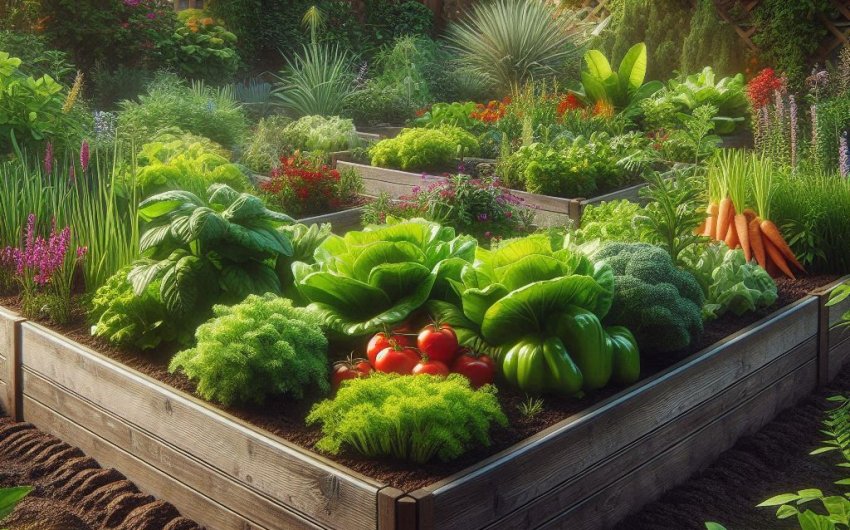
Using raised beds for vegetable gardening offers numerous benefits, including improved soil quality, better drainage, extended growing seasons, and easier accessibility. These advantages lead to healthier plants and often higher yields, making them an excellent choice for both beginner and experienced gardeners.
What Are the Primary Benefits of Using Raised Beds for Soil Quality?
One of the most significant benefits of using raised beds is the ability to create and maintain optimal soil quality, which is crucial for healthy vegetable growth.
Complete Control Over Soil Composition
- Custom Blends: Unlike in-ground gardens where you're often stuck with native soil, raised beds allow you to fill them with a custom blend of high-quality topsoil, compost, and other amendments. This means you can create the perfect environment tailored to your vegetables' needs from day one.
- Addressing Poor Native Soil: If your existing soil is heavy clay, rocky, sandy, or contaminated, raised beds bypass these problems entirely. You don't have to spend years amending problematic soil.
- Nutrient-Rich Environment: You can start with a rich, fertile mix that provides all the essential nutrients your plants need for vigorous growth. A common recommendation is a blend of 50% topsoil, 30% compost, and 20% perlite or vermiculite for drainage and aeration.
Improved Drainage and Aeration
- Prevents Waterlogging: Vegetables generally dislike "wet feet," meaning soggy, waterlogged soil. Raised beds naturally drain better because they are elevated above the surrounding ground, allowing excess water to flow away.
- Enhances Airflow: The elevated structure and often lighter, custom soil mix promote excellent aeration within the root zone. Plant roots need oxygen to thrive, and good aeration prevents compaction.
- Faster Warming: Well-drained soil warms up faster in spring. This is a huge advantage for extending the growing season.
Reduced Soil Compaction
- No Foot Traffic: In a raised bed, you never walk on the growing area. This eliminates soil compaction caused by foot traffic, which can choke roots and hinder drainage.
- Loose, Friable Soil: The soil in raised beds remains loose and easy to work with throughout the season, making planting, weeding, and harvesting much simpler. This also encourages healthier root development.
Better Pest and Weed Management
- Weed Suppression: While not entirely weed-proof, raised beds significantly reduce weed pressure. You start with a weed-free soil mix, and weed seeds from surrounding areas are less likely to blow in. Any weeds that do appear are usually easier to spot and pull from the loose soil.
- Pest Barriers: The raised sides of the bed can act as a partial barrier against certain crawling pests like slugs and snails, especially if combined with slug tape or copper barriers.
- Rodent Protection: For persistent burrowing pests like voles or gophers, you can line the bottom of your raised bed with hardware cloth before filling it with soil. This creates an impenetrable barrier. A Galvanized Hardware Cloth Roll is effective.
Table: Soil Quality Benefits of Raised Beds
| Benefit | Description | Impact on Gardening |
|---|---|---|
| Custom Soil Control | Fill with tailored, nutrient-rich blend | Bypasses poor native soil, ideal plant growth |
| Improved Drainage | Elevated structure prevents waterlogging | Prevents root rot, promotes healthy roots |
| Enhanced Aeration | Lighter soil mix and elevation allows airflow | Boosts root oxygen, reduces compaction |
| Reduced Compaction | No walking on soil | Loose soil, easy weeding, healthier roots |
| Weed/Pest Mgmt. | Fewer weeds, partial pest barrier | Less weeding, easier pest control |
How Do Raised Beds Extend the Growing Season?
One of the often-overlooked but significant benefits of using raised beds is their ability to lengthen your vegetable gardening season.
Faster Soil Warming in Spring
- Early Planting: Because raised beds are elevated, their soil drains and warms up faster in the spring sun than in-ground beds. This means you can plant cold-tolerant crops (like peas, spinach, radishes) earlier in the season.
- Reduced Frost Risk: The slight elevation can also offer a bit of protection from late spring frosts, as cold air tends to settle in lower areas.
Better Drainage in Wet Periods
- Prevents Waterlogging: In periods of heavy rain, the excellent drainage of raised beds prevents soil from becoming waterlogged. This protects roots from rot and allows you to plant sooner after a downpour, unlike in-ground beds that might remain saturated for days.
- Maintains Soil Structure: Avoiding excessive wetness helps maintain the loose, aerated structure of the soil, keeping it healthy for continuous plant growth.
Easier Adaptation for Season Extension Techniques
Raised beds are perfectly suited for integrating various season-extension tools.
- Cold Frames: The framed sides of a raised bed provide a natural base for attaching simple cold frames or mini-hoop houses. These structures create a warmer microclimate, protecting plants from frost in early spring and late fall. A Raised Bed Cold Frame Kit can fit right on top.
- Row Covers: Easily drape row covers over your raised beds to protect against frost, extend the growing season, and even deter some pests. The sides of the bed can help secure the covers.
- Plastic Tunnels: Small hoops can be easily installed over the bed, covered with clear plastic, to create mini-tunnels for significant season extension.
- Earlier Harvest: The combination of faster warming and easy season extension means you can often harvest earlier in spring and continue harvesting later into the fall or even winter, depending on your climate and plant choices.
Table: Season Extension Advantages
| Aspect | How Raised Beds Help | Outcome for Gardeners |
|---|---|---|
| Spring Warming | Elevated soil warms faster from sun and air | Earlier planting of cool-season crops |
| Wet Weather | Excellent drainage prevents waterlogging after rain | Plant sooner, healthier roots |
| Cold Frame/Hoop House | Natural base for easy attachment, seals better | Protection from frost, extended harvest |
| Row Covers | Easy to drape and secure | Pest protection, thermal insulation |
How Do Raised Beds Improve Accessibility and Ease of Gardening?
Raised beds for vegetable gardening are a boon for gardeners seeking comfort, convenience, and a more enjoyable experience, especially for those with physical limitations.
Ergonomic Comfort: Easier on Your Body
- Reduced Bending and Kneeling: The elevated height of raised beds means less bending, stooping, and kneeling during planting, weeding, and harvesting. This significantly reduces strain on your back, knees, and hips.
- Comfortable Working Height: You can build raised beds to a height that is comfortable for you, whether you prefer to work while standing, sitting on the edge of the bed, or even from a wheelchair.
- Less Reaching: The ideal width for a raised bed is typically 3-4 feet (90-120 cm), allowing you to reach the center of the bed easily from either side without stepping on the soil.
Defined, Organized Growing Space
- Neat Appearance: Raised beds create a tidy, organized look in the garden. They provide clear boundaries between planting areas and pathways, giving your garden a professional and appealing aesthetic.
- Easier Management: The defined edges make it simple to manage different plant varieties, rotate crops, and apply specific soil amendments or fertilizers to individual beds.
- Weeding: While not eliminating weeds entirely, the loose, contained soil in raised beds makes any weeding you need to do much easier and faster. Weeds pull out with minimal effort.
Better Pest and Critter Control (Accessibility)
- Physical Barriers: The sides of raised beds naturally deter some crawling pests.
- Attachment Points: The structure of a raised bed makes it easy to attach pest netting, bird netting, or rabbit fencing. You can easily staple or clip barriers to the sides, creating a secure enclosure. A Garden Netting for Vegetables can be effortlessly attached.
- Visual Inspection: Pests and diseases are often easier to spot and address in the contained, defined space of a raised bed.
Ideal for Square Foot Gardening
- Structured Planting: Raised beds are perfectly suited for square foot gardening, a popular method that maximizes yield in small spaces by dividing the bed into a grid of 1-foot (30 cm) squares. This encourages intensive planting and makes planning and harvesting very efficient.
- High Yields: The combination of excellent soil, reduced compaction, and efficient spacing leads to higher yields per square foot compared to traditional row gardening.
Table: Accessibility & Ease of Use Benefits
| Benefit | Description | Gardener Experience Impact |
|---|---|---|
| Ergonomic Comfort | Less bending, stooping, kneeling | Reduces physical strain, more enjoyable |
| Organized Appearance | Defined boundaries, neat, tidy garden | Visually appealing, easy to manage |
| Easier Weeding | Loose soil, fewer weeds | Saves time and effort |
| Pest/Critter Control | Easy attachment of barriers, clearer visibility | Better protection, less crop loss |
| Square Foot Ready | Perfect for intensive, high-yield methods | Maximizes yield in smaller areas |
What Materials Are Best for Building Raised Beds?
Choosing the right material for your raised beds impacts durability, cost, and overall aesthetic. Each option has its own benefits and considerations.
Wood: Natural and Versatile
Wood raised garden beds are a popular choice due to their natural look and ease of construction.
- Untreated Lumber:
- Cedar: Highly rot-resistant, durable, and naturally beautiful. It's often considered the best choice but can be expensive.
- Redwood: Also highly rot-resistant, but typically only available in Western regions.
- Cypress: Good rot resistance, more affordable than cedar.
- Pine/Fir: Least expensive, but will rot relatively quickly (3-7 years) unless treated with a food-safe sealant.
- Avoid: Pressure-treated lumber should generally be avoided for vegetable gardens unless specifically certified as safe for organic gardening. The older forms of pressure-treated wood contained arsenic, though newer ones use less toxic chemicals. If in doubt, choose untreated wood or other materials.
- Dimensions: Use 2x6, 2x8, or 2x10 lumber.
- Assembly: Easy to cut and screw together.
- A Cedar Raised Garden Bed Kit simplifies construction.
Metal: Durable and Modern
Galvanized steel or Corrugated metal raised beds are becoming increasingly popular.
- Durability: Very long-lasting, often 20+ years. Resists rot, pests, and won't warp.
- Aesthetics: Offers a sleek, modern, or rustic industrial look depending on the finish.
- Temperature: Can heat up in direct sun, potentially warming the soil more. Consider a lighter color or use mulch to regulate soil temperature.
- Cost: Generally more expensive upfront than basic wood but cheaper than cedar over time due to longevity.
- Safety: Ensure the metal is food-safe galvanized steel (often designated for agricultural use).
- A Corrugated Metal Raised Garden Bed offers a contemporary option.
Stone, Brick, or Concrete Blocks: Permanent and Sturdy
These materials offer a very permanent and aesthetically pleasing option.
- Durability: Extremely long-lasting, virtually permanent.
- Aesthetics: Can be beautiful and blend well with existing hardscaping.
- Cost: Often the most expensive option due to material and labor (if hiring).
- Installation: Requires more skill for proper mortar work, though dry-stacked blocks are an option.
- Heat Retention: Can absorb and radiate heat, which is a benefit in cooler climates but a potential issue in very hot areas.
Composite Lumber/Recycled Plastic: Low Maintenance
- Durability: Very long-lasting (20+ years), as they are impervious to rot, insects, and cracking.
- Low Maintenance: No need for sealing or painting.
- Aesthetics: Comes in various colors and textures, often mimicking wood.
- Cost: Comparable to cedar, often higher than basic pine.
- Sustainability: Made from recycled materials.
- A Recycled Plastic Raised Garden Bed Kit is an eco-friendly option.
Table: Raised Bed Material Comparison
| Material | Pros | Cons | Durability (Avg.) | Cost (Avg.) |
|---|---|---|---|---|
| Untreated Cedar | Natural, rot-resistant, easy to work | Expensive, can weather to gray | 10-15+ years | High |
| Galvanized Metal | Very durable, modern aesthetic, no rot | Can get hot, higher upfront cost | 20+ years | Medium-High |
| Concrete Blocks | Extremely durable, customizable | Heavy, expensive, labor-intensive | 50+ years | Very High |
| Recycled Plastic | Rot/pest proof, low maintenance, sustainable | Higher initial cost, can look artificial | 20+ years | High |
How Do You Maintain Raised Beds for Long-Term Success?
Maintaining raised beds is generally easier than in-ground gardens, but a few practices ensure their long-term health and productivity.
Replenishing Soil Nutrients
- Annual Top-Dressing: Over time, nutrients in the soil get used up by plants or leach out. Each spring, add 2-4 inches (5-10 cm) of fresh compost to the top of your raised beds. This replenishes nutrients, improves soil structure, and feeds beneficial microbes.
- Crop Rotation: Practice crop rotation within your raised beds. Don't plant the same crop in the same spot year after year. This helps prevent nutrient depletion, soil-borne diseases, and pest buildup specific to certain plant families.
- Cover Cropping (Optional): In the off-season, consider planting a cover crop (like clover, vetch, or oats). These plants protect the soil from erosion, suppress weeds, and add organic matter when tilled under.
Watering Effectively
- Monitor Moisture: While raised beds drain well, they also tend to dry out faster than in-ground beds, especially in hot, sunny weather. Check soil moisture daily by sticking your finger 2 inches (5 cm) deep.
- Deep and Infrequent: Water deeply and thoroughly when needed to encourage deep root growth. Avoid light, frequent sprinkles.
- Drip Irrigation: Installing a drip irrigation system is highly efficient for raised beds. It delivers water directly to the plant roots, minimizing evaporation and keeping foliage dry (reducing disease risk). A Raised Bed Drip Irrigation Kit is a great investment.
- Mulch: Maintain a consistent 2-4 inch (5-10 cm) layer of mulch to conserve soil moisture.
Pest and Disease Management
- Sanitation: Remove any diseased plant material immediately. Do not compost it. Clean tools after use.
- Integrated Pest Management (IPM): Practice IPM:
- Monitor: Regularly inspect plants for pests.
- Hand-Pick: Remove larger pests by hand.
- Beneficial Insects: Encourage natural predators (ladybugs, lacewings).
- Organic Sprays: Use insecticidal soap or neem oil for stubborn infestations, if necessary.
- Resistant Varieties: Choose disease-resistant plant varieties when possible.
General Maintenance
- Weeding: Continue to pull any weeds that appear. They're easier to manage in loose soil.
- Structural Check: Annually inspect the structural integrity of your raised beds. Tighten screws on wooden beds, check for cracks in concrete, or adjust metal panels.
- Soil Level: Over time, soil levels may drop due to decomposition or settling. Top up with new compost and potting mix as needed.
By incorporating these maintenance practices, your raised beds for vegetable gardening will remain productive and a joy to tend for many seasons. The cumulative benefits of using raised beds truly make them a worthwhile investment for any gardener.