
Container Gardening: Growing Sweet Potatoes Made Easy
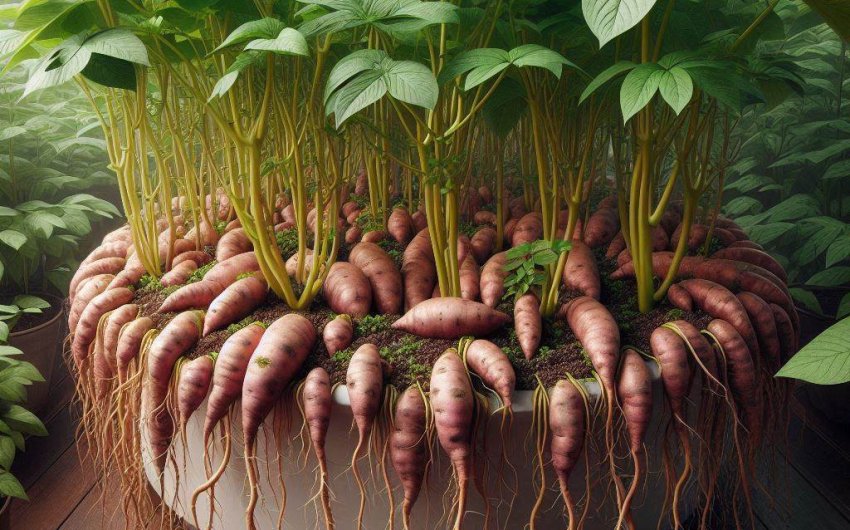
Growing sweet potatoes in containers is an incredibly rewarding and straightforward process, perfect for gardeners with limited space or those looking to extend their growing season. The key to success lies in choosing the right large container, providing well-draining soil, and ensuring consistent warmth and sunlight.
Why Choose Container Gardening for Sweet Potatoes?
Container gardening for sweet potatoes offers numerous advantages, making it an ideal choice for many gardeners, regardless of experience level.
- Space Saving: Sweet potato vines can sprawl, but the tuber (the edible part) needs deep, loose soil to form. Containers allow you to grow sweet potatoes even in small spaces like balconies, patios, or urban rooftops where traditional in-ground gardening isn't possible. This makes growing sweet potatoes made easy for urban dwellers.
- Soil Control: You have complete control over the soil mix, which is crucial for sweet potatoes that prefer loose, well-draining, and nutrient-rich soil. This allows you to avoid issues with heavy clay or rocky soil often found in garden beds.
- Pest and Disease Management: Growing in containers can help isolate plants from soil-borne pests and diseases common in garden beds, potentially reducing issues like nematodes or sweet potato weevils.
- Mobility: Containers allow you to move your plants to ideal locations throughout the day or season to maximize sun exposure or protect them from harsh weather. You can easily bring them indoors if an early frost threatens.
- Weed Control: Weeding is significantly reduced in containers, saving you time and effort.
- Easier Harvesting: Harvesting sweet potatoes from containers is much simpler and less messy than digging them out of the ground. You simply tip the container over and sift through the loose soil. This feature truly makes growing sweet potatoes made easy.
- Extends Growing Season: In cooler climates, containers can be moved indoors or to protected areas, potentially extending the growing season for these heat-loving plants.
- Ornamental Value: Many sweet potato varieties have beautiful foliage, from chartreuse to deep purple. Growing them in containers allows you to incorporate their attractive vines into your decorative patio or balcony setup.
These benefits make container gardening for sweet potatoes an accessible and efficient way to enjoy homegrown root vegetables, simplifying the process of growing sweet potatoes made easy.
What Type of Containers Are Best for Sweet Potatoes?
Choosing the right container is paramount for successful container gardening for sweet potatoes. The tubers grow downwards, so depth is more important than width.
Key Container Requirements:
- Depth: Sweet potato roots need plenty of room to grow downwards and expand into tubers. A minimum depth of 15-18 inches (38-45 cm) is essential. Deeper is always better, allowing for larger yields.
- Width: While depth is primary, a wider container will allow for more lateral tuber growth and can support more slips (plants). Aim for a minimum width of 12-15 inches (30-38 cm) per plant.
- Drainage Holes: Non-negotiable. Sweet potatoes hate soggy feet, which can lead to root rot. Ensure your container has ample drainage holes at the bottom. If using a container without holes, you must drill them yourself.
- Material: Various materials work, each with pros and cons:
- Fabric Grow Bags: Highly recommended for sweet potatoes.
- Pros: Excellent drainage and aeration (air pruning of roots prevents circling), lightweight, affordable, available in large sizes like 20 Gallon Grow Bag. Their porous nature helps regulate temperature.
- Cons: Can dry out faster than plastic, may degrade over multiple seasons.
- Plastic Pots:
- Pros: Inexpensive, retain moisture well, lightweight when empty.
- Cons: Can overheat in direct sun, may lack sufficient drainage if holes aren't numerous enough, roots can get pot-bound easily. Choose light-colored pots to reflect heat.
- Half Wine Barrels/Large Wooden Planters:
- Pros: Deep, aesthetically pleasing, good insulation.
- Cons: Heavy, can be expensive, may rot over time (ensure treated wood or liner). Need good drainage holes.
- Metal Tubs (Galvanized):
- Pros: Durable, attractive rustic look.
- Cons: Can get very hot in direct sun, potentially cooking the roots. Need to drill drainage holes. Consider insulating the sides if used in hot climates.
- Terra Cotta/Ceramic Pots:
- Pros: Breathable, attractive.
- Cons: Very heavy, fragile, dry out quickly (requires more frequent watering), can be expensive.
- Fabric Grow Bags: Highly recommended for sweet potatoes.
Recommended Sizes for One Plant:
- Minimum: A 15-gallon container (approx. 18" deep x 18" wide) is the absolute minimum for one plant, but a 20-gallon or 25-gallon grow bag is ideal for robust production.
- Larger for Multiple Plants: For two plants, aim for a 30-gallon or larger container, ensuring each has sufficient personal space.
By selecting the right container, you provide the optimal environment for sweet potato tubers to form and swell, making growing sweet potatoes made easy and productive.
What is the Best Soil Mix for Container-Grown Sweet Potatoes?
The right soil mix is fundamental for successful container gardening for sweet potatoes. Since they need loose, well-draining soil for their tubers to expand, you can't just use garden soil.
Key Qualities of Ideal Soil Mix:
- Loose and Friable: Tubers need soft soil to push through. Compacted soil will lead to stunted or misshapen sweet potatoes.
- Well-Draining: Crucial to prevent root rot. Water should flow through readily, but the mix should still retain some moisture.
- Nutrient-Rich: Sweet potatoes are heavy feeders, especially for potassium and phosphorus to produce large tubers.
- Good Aeration: Roots need oxygen.
Recommended Soil Mix Components:
Aim for a blend that offers a balance of drainage, moisture retention, and nutrients. A good basic recipe for growing sweet potatoes made easy in containers is:
- 1/3 High-Quality Potting Mix: This provides a base of organic matter and some initial nutrients. Look for brands designed for vegetables or containers. You can use a general Organic Potting Mix.
- 1/3 Compost or Well-Rotted Manure: This is essential for providing continuous nutrients, improving soil structure, and boosting microbial activity. Use Organic Compost or your own homemade compost.
- 1/3 Perlite or Coarse Sand: These amendments ensure excellent drainage and aeration. Perlite is lighter and generally preferred for containers. Use Horticultural Perlite. Avoid play sand or fine builder's sand, as they can compact.
Optional Additions:
- Slow-Release Granular Fertilizer: Incorporate a slow-release, balanced organic fertilizer or one slightly higher in phosphorus (P) and potassium (K) at planting time. Check for Organic All Purpose Fertilizer.
- Mycorrhizal Fungi: These beneficial fungi can form a symbiotic relationship with plant roots, improving nutrient and water uptake. Some potting mixes come inoculated, or you can add a product like Mycorrhizal Fungi Inoculant.
Mixing Instructions:
- In a large wheelbarrow or on a tarp, combine all your chosen components.
- Mix thoroughly until the blend is uniform.
- Fill your chosen containers with this mix, leaving 2-3 inches of space from the rim.
This custom blend ensures your sweet potatoes have the perfect environment to develop large, healthy tubers, making growing sweet potatoes made easy and productive in containers.
How Do You Get Started with Sweet Potato Slips?
Growing sweet potatoes made easy starts with obtaining or creating "slips," which are the leafy sprouts that grow from a mature sweet potato. You can buy them or grow your own.
Option 1: Buy Sweet Potato Slips
- Where to Buy: Many garden centers, nurseries, and online seed companies sell sweet potato slips, especially in spring.
- Advantages: Convenient, often come from certified disease-free stock, and you can choose specific varieties.
- Disadvantages: Can be more expensive, selection might be limited locally.
- Upon Arrival: Unpack immediately. If they look a bit wilted, place their lower stems in a glass of water for a few hours to rehydrate before planting.
Option 2: Grow Your Own Sweet Potato Slips
This is a fun and economical way to start.
- Choose a Healthy Sweet Potato: Select an organic, unblemished sweet potato from a grocery store or farmer's market. Avoid ones that have been treated with growth inhibitors (common in non-organic).
- Preparation (Two Methods):
- Water Method:
- Wash the sweet potato.
- Insert 3-4 toothpicks evenly around the middle of the potato.
- Suspend the potato over a glass or jar filled with water, ensuring the bottom 1/3 to 1/2 of the potato is submerged.
- Place in a warm, bright location (e.g., a sunny windowsill).
- Change the water every few days to prevent mold.
- Soil Method:
- Bury the sweet potato horizontally halfway into a shallow tray filled with moist potting mix or sand.
- Keep the soil consistently moist and warm (70-80°F / 21-27°C).
- Water Method:
- Wait for Slips to Form: In 2-6 weeks, sprouts (slips) will begin to emerge from the potato. Roots will also form in the water or soil.
- Harvest the Slips: When the slips are 6-8 inches long and have several leaves:
- Carefully twist them off the parent potato at their base, or cut them with clean scissors.
- Ensure each slip has a few leaves.
- Root the Slips (if necessary):
- If your slips have roots (from the soil method), they are ready to plant.
- If they are just sprouts (from the water method, or if you cut them without roots), place the bottom 2-3 inches of the slips in a glass of clean water. Place in a bright location.
- Change the water every 2-3 days. In about 1-2 weeks, roots will develop.
- Slips are ready for planting when they have a good network of white roots about 1 inch long.
Once your slips have healthy roots, they are ready for planting into your prepared containers, paving the way for successful container gardening for sweet potatoes.
What are the Key Planting Steps for Sweet Potatoes in Containers?
Once you have your rooted sweet potato slips and prepared containers with the ideal soil mix, planting is a straightforward process for growing sweet potatoes made easy.
Step-by-Step Planting:
- Timing is Crucial: Sweet potatoes are heat-loving plants. Wait until all danger of frost has passed and the soil temperature has consistently warmed to at least 60°F (15.5°C), ideally 65-70°F (18-21°C). Night temperatures should also remain above 55°F (13°C).
- Fill Containers: Fill your chosen containers with your prepared well-draining, nutrient-rich soil mix, leaving about 2-3 inches (5-7.5 cm) of space from the rim.
- Make Planting Holes: Use your finger or a trowel to create a planting hole for each slip. The hole should be deep enough to bury most of the slip's stem.
- Plant the Slips:
- Gently remove a rooted slip from its water glass or rooting medium.
- Carefully place the slip into the hole, burying about 2/3 to 3/4 of the stem. All the root nodes (where the roots started) and any developing roots should be covered by soil. Leave 2-3 sets of leaves exposed above the soil line.
- For example, if a slip is 6 inches long, bury 4-5 inches of it.
- If planting multiple slips in a larger container, space them at least 12-15 inches (30-38 cm) apart.
- Gently Firm Soil: Lightly firm the soil around the base of each slip to ensure good contact between the roots and the soil. Avoid compacting the soil too much.
- Water Thoroughly: Immediately after planting, water the containers thoroughly. This helps settle the soil around the roots and eliminates any air pockets. Water until excess drains from the bottom of the container.
- Initial Location: Place the newly planted containers in a sunny location where they will receive at least 6-8 hours of direct sunlight daily.
Initial Care After Planting:
- Keep Moist: For the first week or two after planting, keep the soil consistently moist (but not waterlogged) to help the slips establish.
- Monitor for Wilting: It's common for slips to wilt slightly after transplanting. As long as the soil is moist, they should perk up within a few days. If wilting persists or worsens, check soil moisture and light conditions.
With these careful planting steps, your container gardening for sweet potatoes journey is off to a great start, making growing sweet potatoes made easy and setting the stage for a bountiful harvest.
How to Water Container-Grown Sweet Potatoes for Optimal Yield?
Proper watering is critical for growing sweet potatoes made easy in containers and for ensuring a good yield. Container plants dry out much faster than in-ground plants, but sweet potatoes also hate soggy conditions.
Key Principles for Watering:
- Consistency is Key: Sweet potatoes need consistent moisture, especially during tuber formation and swelling. Avoid extreme fluctuations between very wet and bone dry.
- Avoid Overwatering: While they need moisture, they are highly susceptible to root rot if the soil remains waterlogged. Ensure your containers have excellent drainage holes and your soil mix is free-draining.
- Water Deeply: When you water, do so thoroughly until water drains from the bottom of the container. This encourages roots to grow deeper, seeking moisture, and ensures the entire root ball is hydrated.
- Check Soil Moisture: The best indicator is the soil itself. Stick your finger 2-3 inches (5-7.5 cm) deep into the soil. If it feels dry, it's time to water. Don't just rely on the surface appearing dry.
- Adjust to Conditions:
- Hot, Sunny, Windy Weather: Containers will dry out much faster. You may need to water daily or even twice a day.
- Cool, Cloudy Weather: Containers will retain moisture longer. Water less frequently.
- Grow Bag Advantage: Fabric grow bags (highly recommended) allow for excellent airflow around the roots and prevent waterlogging, but they also dry out faster, requiring more frequent watering.
Watering Schedule Guidelines:
- Establishment (First 2-3 Weeks): Keep the soil consistently moist to help the slips root and establish. You might need to water daily.
- Active Growth & Tuber Formation: Once established, allow the top 1-2 inches of soil to dry out between waterings. This could mean watering every 1-3 days, depending on container size, weather, and soil mix.
- Approaching Harvest: As harvest time nears (typically when vines start to yellow or die back), you can slightly reduce watering. Some gardeners even stop watering completely a week or two before harvest to help cure the sweet potatoes and prevent splitting.
Tips for Water Efficiency:
- Mulch: Apply a 2-3 inch layer of organic mulch (like straw or shredded leaves) on top of the soil in the container. This helps suppress weeds, moderate soil temperature, and significantly reduce moisture evaporation, leading to less frequent watering and better water conservation.
- Self-Watering Containers: Consider using Self Watering Planters if you struggle with consistent watering or live in a very hot climate.
By being mindful and consistent with your watering, you provide the perfect hydration for plump, healthy sweet potato tubers, truly making growing sweet potatoes made easy in containers.
How to Fertilize Container Sweet Potatoes for Maximum Yield?
Fertilization is crucial for maximizing the yield of your container-grown sweet potatoes. Being root crops, they are heavy feeders, especially during the period of tuber development. Proper feeding ensures large, healthy sweet potatoes, making growing sweet potatoes made easy and rewarding.
Key Nutrients for Sweet Potatoes:
- Nitrogen (N): Essential for lush green leafy growth. Too much nitrogen, however, can lead to excessive vine growth at the expense of tuber development.
- Phosphorus (P): Critical for root development and tuber formation.
- Potassium (K): Very important for tuber sizing, overall plant health, and disease resistance. Often considered the "rooting and fruiting" nutrient.
Fertilization Schedule and Types:
- At Planting Time:
- Incorporate a slow-release, balanced organic granular fertilizer into your soil mix before planting. Look for a blend like 5-10-10 or 3-4-6, which is lower in nitrogen and higher in phosphorus and potassium.
- Add a generous amount of well-rotted compost or manure, which provides a slow, steady release of nutrients.
- Mid-Season (4-6 Weeks After Planting):
- Once the slips are established and actively growing, they will benefit from a boost.
- Liquid Feed: Apply a balanced liquid organic fertilizer or one slightly higher in P and K. Dilute according to label directions. Organic Liquid Vegetable Fertilizer is a good choice.
- Side Dressing (Granular): Lightly sprinkle a granular fertilizer (e.g., 5-10-10 or bone meal for P, greensand for K) around the base of the plant, being careful not to let it touch the stems, then water it in.
- Compost Tea: You can also use Compost Tea Concentrate for a gentle nutrient boost and to enhance microbial activity.
- About 2 Months Before Harvest:
- Give one final application of a fertilizer higher in potassium (K) to encourage tuber swelling. You could use a liquid seaweed extract or a granular fertilizer like kelp meal or a specific "bloom & root" fertilizer.
Important Fertilization Tips:
- Don't Over-Fertilize Nitrogen: Too much nitrogen will promote lush foliage at the expense of tubers. If your vines are incredibly vigorous but you're not seeing tuber development, ease up on nitrogen.
- Organic is Best for Containers: Organic fertilizers break down slowly and feed the soil microbes, leading to healthier soil long-term.
- Water After Granular: Always water thoroughly after applying granular fertilizers to prevent nutrient burn and help them dissolve.
- Observe Your Plants: Healthy sweet potato vines will be a vibrant green. Pale or yellowing leaves can indicate a nutrient deficiency, while dark green, excessively vigorous vines might suggest too much nitrogen.
By providing consistent and balanced nutrition, especially focusing on phosphorus and potassium during tuber development, you'll be well on your way to a bountiful harvest, making growing sweet potatoes made easy in containers.
How Long Until Harvest and How Do You Harvest Container Sweet Potatoes?
Knowing when and how to harvest is the exciting culmination of growing sweet potatoes made easy in containers. Patience is key, as tubers need time to size up.
When to Harvest:
- Days to Maturity: Most sweet potato varieties mature in 90-120 days (3-4 months) from the time slips are planted. Check your specific variety's recommendations.
- Signs of Maturity:
- Yellowing Leaves: The most common indicator. The sweet potato vines will naturally start to yellow, wither, and die back as the tubers mature and the plant's energy shifts. This is usually the strongest sign.
- Cooler Temperatures: In many climates, sweet potatoes are harvested before the first hard frost. A light frost that nips the foliage usually won't harm the tubers, but a hard freeze can damage them. Aim to harvest before sustained cold.
- Trial Dig: If unsure, you can carefully dig around the base of one plant to check the size of the tubers. If they are too small, gently re-cover them and let them continue growing.
- Don't Rush: Allowing the tubers to mature fully will result in larger, sweeter, and better-storing sweet potatoes. Rushing the harvest means smaller yields.
How to Harvest Container Sweet Potatoes:
This is where container gardening truly shines for sweet potatoes – it's incredibly easy!
- Preparation: Stop watering about 1-2 weeks before your planned harvest date. This helps the tubers "cure" slightly in the soil and can improve their storage quality.
- Clear the Vines: Cut back the sweet potato vines close to the soil line in the container. You can compost these or feed them to livestock if safe.
- Tip and Collect:
- Lay a large tarp or old sheet on the ground next to your container.
- Carefully tip the entire container over onto the tarp.
- Gently break apart the soil mix and sift through it with your hands. The sweet potatoes will be relatively easy to find in the loose container soil.
- Be very gentle when handling the tubers. Their skin is very delicate when first harvested and can bruise easily.
Post-Harvest Care (Curing):
Curing is a crucial step that significantly improves the sweetness, flavor, and storage life of sweet potatoes. Don't skip it!
- Clean, Don't Wash: Brush off excess soil, but do NOT wash the sweet potatoes right after harvest, as this can introduce moisture and encourage rot.
- Cure: Place the freshly harvested sweet potatoes in a warm, humid environment for about 7-14 days.
- Ideal Conditions: Temperatures around 80-85°F (27-29°C) with high humidity (80-90%).
- Methods: You can place them in a shed, garage (if warm enough), or even indoors in a warm room. Some people use a fan for gentle air circulation. For humidity, a large plastic tub with a damp towel can work if placed in a warm spot, but ensure some airflow.
- Purpose: Curing allows starches to convert to sugars (increasing sweetness) and the skin to toughen (improving storage).
- Storage: After curing, store sweet potatoes in a cool, dark, and well-ventilated place, ideally at 55-60°F (13-15.5°C). Do NOT refrigerate, as this can damage them and alter their flavor.
By understanding the signs of ripeness and following these simple harvest steps, you'll successfully conclude your container gardening for sweet potatoes project, enjoying a rewarding yield.
What are Common Problems and Solutions for Container-Grown Sweet Potatoes?
While growing sweet potatoes made easy in containers simplifies many aspects, some common problems can still arise. Knowing how to identify and address them quickly helps maintain a healthy plant and good yield.
1. Poor Tuber Development / Small Tubers:
- Problem: Vines are lush, but harvest yields tiny or no sweet potatoes.
- Causes:
- Too Much Nitrogen: Excess nitrogen promotes vine growth at the expense of tubers.
- Not Enough Phosphorus/Potassium: These are crucial for tuber formation.
- Insufficient Sunlight: Lack of energy for tuber development.
- Container Too Small/Shallow: Not enough room for tubers to swell.
- Harvested Too Early: Tubers weren't given enough time to mature.
- Overwatering/Poor Drainage: Causes root rot, stressing the plant.
- Solutions:
- Fertilize with lower N, higher P/K.
- Ensure 6-8 hours of direct sun.
- Use adequate container size.
- Be patient and wait for vines to yellow before harvest.
- Improve drainage and adjust watering habits.
2. Yellowing Leaves:
- Problem: Leaves turn yellow.
- Causes:
- Overwatering/Root Rot: The most common cause in containers. Soil is soggy, roots are drowning.
- Underwatering: Plant is stressed from lack of moisture.
- Nutrient Deficiency: Especially nitrogen deficiency (overall pale yellowing).
- Normal Senescence: As harvest approaches, lower leaves naturally yellow and die back.
- Solutions:
- Check soil moisture: If wet, allow to dry out. Improve drainage.
- If dry, water thoroughly.
- Fertilize with a balanced liquid feed.
- If late season, it's likely normal.
3. Wilting Vines:
- Problem: Vines look droopy.
- Causes:
- Underwatering: Plant is thirsty.
- Overwatering/Root Rot: Paradoxically, wilting can also mean roots are rotting and cannot take up water.
- Transplant Shock: Common for a few days after planting slips.
- Extreme Heat: Temporary wilting during the hottest part of the day is normal; they should perk up by evening.
- Solutions:
- Check soil moisture: If dry, water immediately.
- If soggy, stop watering, improve drainage, and hope for recovery.
- Give new slips time and consistent moisture.
- Provide afternoon shade if consistently wilting from heat.
4. Pests:
- Common Pests (less common in containers but can occur): Aphids, spider mites, sweet potato weevils (rare in northern climates).
- Signs: Distorted leaves, sticky residue (honeydew), tiny webs, visible insects.
- Solutions:
- Regular Inspection: Catch problems early.
- Strong Water Spray: To dislodge aphids/mites.
- Insecticidal Soap or Neem Oil: For targeted organic control. Insecticidal Soap Spray or Neem Oil for Plants.
- Beneficial Insects: Encourage ladybugs, lacewings.
- Sweet Potato Weevil: For this persistent pest, prevention (clean slips, rotation if in-ground) is key. Container growing naturally helps avoid them.
5. Diseases:
- Common Diseases (less common in containers, except root rot): Fungal root rots are the most common. Other diseases like scurf or black rot are usually introduced via infected slips or soil.
- Signs: Overall plant decline, wilting, yellowing, dark lesions on tubers (after harvest).
- Solutions:
- Prevention: Use clean, disease-free slips. Use fresh, sterile potting mix. Ensure excellent drainage.
- Remove Affected Plants: If root rot is severe, remove the plant and dispose of it. Do not reuse the soil.
- Proper Curing & Storage: Prevents post-harvest rots.
By staying vigilant and implementing these solutions, you can overcome common challenges and keep your container gardening for sweet potatoes project on track for a successful and abundant harvest.