
Top Plants That Thrive in Sandy Soil
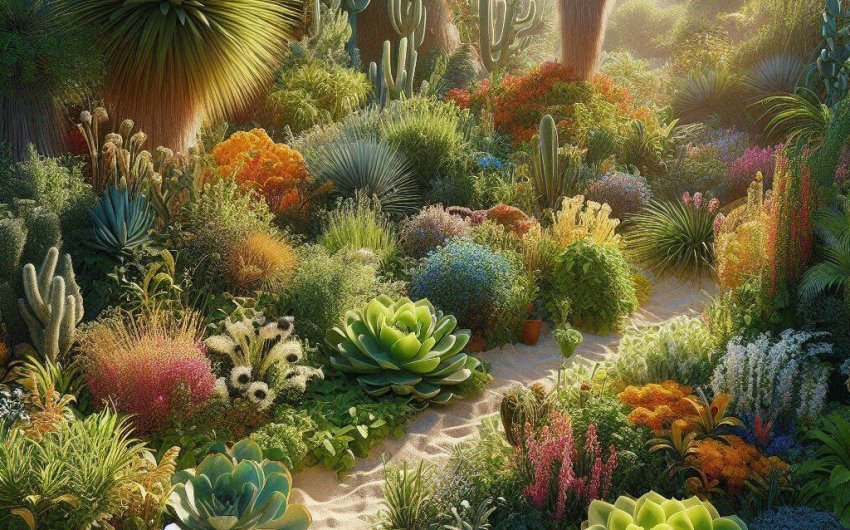
Sandy soil, characterized by its large, gritty particles, drains exceptionally quickly and warms up fast, making it ideal for a specific range of plants that prefer sharp drainage and don't mind lower nutrient levels. To successfully garden in these conditions, focus on selecting top plants that thrive in sandy soil by embracing its unique properties rather than fighting them.
What Are the Characteristics of Sandy Soil?
Before diving into the top plants that thrive in sandy soil, it's crucial to understand what sandy soil is and its unique characteristics. Recognizing these properties is the first step in successful gardening in this type of earth, allowing you to choose plants that are naturally suited to its strengths and weaknesses.
1. Large Particle Size
- Feel: Sandy soil is primarily composed of relatively large, coarse mineral particles (sand grains). When you rub it between your fingers, it feels gritty and loose.
- Definition: Sand particles are typically between 0.05 mm and 2.0 mm in diameter, much larger than silt (0.002-0.05 mm) or clay (less than 0.002 mm).
2. Excellent Drainage
- Rapid Water Flow: Due to the large spaces between individual sand particles, water moves through sandy soil very quickly. It drains exceptionally well, often too well for many plants.
- Advantages: This rapid drainage prevents waterlogging, which can cause root rot in susceptible plants. It's also ideal for plants that prefer "dry feet" or are prone to fungal diseases in wet conditions.
- Disadvantages: Water, along with dissolved nutrients, quickly leaches out of the root zone, meaning sandy soil tends to dry out fast and lose nutrients.
3. Low Water Retention
- Poor Moisture Holding: The large pore spaces mean sandy soil holds very little moisture. Water flows through it quickly, leaving little behind for plant roots to absorb.
- Implications: Plants in sandy soil often require more frequent watering than those in heavier soils.
4. Low Nutrient Retention
- Nutrient Leaching: Just as water drains quickly, so do dissolved nutrients. Sandy soil has very little ability to hold onto nutrients, making it inherently less fertile than loamy or clay soils.
- Low Cation Exchange Capacity (CEC): This is a technical term for the soil's ability to hold onto positively charged nutrient ions. Sandy soil has a very low CEC because sand particles have little surface area and few charged sites compared to clay or organic matter.
- Implications: Plants in sandy soil often show signs of nutrient deficiency and require more frequent, lighter applications of fertilizer or significant organic matter amendments.
5. Quick to Warm Up
- Early Planting: Sandy soil warms up faster in the spring than heavier soils. This is beneficial for gardeners who want to get an early start on planting, as warm soil encourages root growth.
- Heat Retention: It can also retain heat well, which can be an advantage in cooler climates or for heat-loving plants.
6. Easy to Work With (Low Compaction)
- Loose Texture: Sandy soil is generally very loose and easy to dig, even when dry. It doesn't compact easily.
- Root Penetration: Plant roots can easily spread and penetrate sandy soil, which is a plus for robust root systems.
7. Often Acidic (But Can Vary)
- Common Tendency: Many naturally sandy soils are slightly to moderately acidic, although this can vary significantly depending on the underlying geology.
- Implications: Always test your soil pH, as this will influence your plant choices and any necessary amendments.
Understanding these characteristics allows you to select top plants that thrive in sandy soil by choosing species naturally adapted to fast drainage, quick drying, and lower nutrient levels, turning a perceived challenge into a gardening strength.
How Can You Improve Sandy Soil?
While this article focuses on the top plants that thrive in sandy soil, it's important to know that you can also significantly improve its structure and fertility. Amending sandy soil will allow you to grow a wider range of plants and reduce the need for constant watering and fertilizing.
The Magic Ingredient: Organic Matter
- Why Organic Matter? Organic matter (decomposed plant and animal material) is the single best amendment for sandy soil. It acts like a sponge, filling the large pore spaces between sand particles and increasing the soil's ability to hold onto water and nutrients. It also improves cation exchange capacity (CEC).
- Types of Organic Matter:
- Compost: Well-rotted compost is ideal. It adds a broad range of nutrients and beneficial microbes. You can make your own or buy it. Espoma Organic Compost
- Aged Manure: Well-rotted cow, horse, or chicken manure adds nutrients and organic matter. Ensure it's fully aged to avoid burning plants.
- Leaf Mold: Decomposed leaves are excellent for improving soil structure and water retention.
- Composted Bark Fines: Finely shredded, composted bark can also be incorporated.
- Peat Moss (Use with Caution): While peat moss holds water and is acidic, its use is debated due to environmental concerns regarding peat bog destruction. If used, ensure it's from a sustainable source.
How to Incorporate Organic Matter:
- Preparation: For new beds, spread a 2-4 inch layer of organic matter over the entire area. For existing beds, you can top-dress annually or gently incorporate it.
- Digging In: Work the organic matter into the top 6-12 inches of existing sandy soil using a shovel, rototiller, or broadfork. Mix it thoroughly.
- Frequency: For significant improvement, this may need to be done annually for the first few years. Over time, regular top-dressing with compost will maintain improved conditions.
Other Amendments (Less Critical for Sandy Soil, but Good to Know):
- Cover Crops: Planting cover crops (e.g., clover, vetch, rye) in the off-season and then tilling them into the soil before they flower adds organic matter and protects the soil from erosion.
- Green Manure: Similar to cover crops, these are plants grown specifically to be tilled into the soil while still green, enriching it.
The Benefits of Amending:
- Improved Water Retention: Soil will hold onto water longer, reducing the frequency of watering.
- Increased Nutrient Retention: Soil will better hold onto fertilizers and natural nutrients, reducing leaching.
- Enhanced Fertility: A richer, more active soil environment for plants.
- Better Microbial Activity: Organic matter supports beneficial soil microorganisms.
- Wider Plant Selection: You'll be able to grow a broader range of plants beyond just the top plants that thrive in sandy soil.
While amending sandy soil can certainly expand your gardening horizons, it's also perfectly acceptable to work with your sandy soil by selecting top plants that thrive in sandy soil naturally, without extensive modifications. The choice depends on your gardening goals and patience.
What are the Best Annuals for Sandy Soil?
Annuals are fantastic for adding seasonal color and vibrancy to beds, containers, and borders, even in challenging conditions like sandy soil. Many annuals, especially those native to drier or coastal regions, are among the top plants that thrive in sandy soil due to their low water and nutrient demands.
| Annual Plant Name | Light Needs | Key Features & Sandy Soil Suitability | Seeds |
|---|---|---|---|
| Cosmos | Full Sun | Airy, feathery foliage with cheerful, daisy-like flowers in pink, white, orange, and yellow. They prefer lean, well-draining soil and will actually become leggy and produce fewer flowers in overly rich conditions. Very drought-tolerant once established. | Cosmos Sensation Mix Seeds |
| Lantana | Full Sun | Vibrant, multi-colored flower clusters on tough, slightly woody stems. Very drought-tolerant and heat-loving. Prefers well-draining soil and can even thrive in poor, sandy conditions. Attracts butterflies. | Lantana Seeds |
| Zinnia | Full Sun | Bright, cheerful, daisy-like flowers in almost every color imaginable. Excellent cut flowers. They thrive in heat and well-draining soil and aren't fussy about fertility once established. Many varieties from dwarf to tall. | Zinnia California Giants Seeds |
| Portulaca (Moss Rose) | Full Sun | Low-growing succulent annuals with bright, often neon-colored flowers that open in sun. Extremely drought-tolerant and love sandy, gritty soil. Perfect for hot, dry spots, rock gardens, or borders. | Portulaca Seeds |
| Marigold | Full Sun | Classic garden annuals in shades of orange and yellow. Very tough, tolerant of dry spells, and not demanding about soil fertility. Good for companion planting too. | Marigold African Seeds |
| Verbena | Full Sun | Sprawling or mounding plants with clusters of small flowers, often purple, pink, or red. Many varieties are extremely drought-tolerant and prefer well-draining, even lean, soil. Attracts butterflies. | Verbena Bonariensis Seeds |
| Gomphrena (Globe Amaranth) | Full Sun | Unique clover-like, papery flower heads in shades of pink, purple, and white. Very heat and drought tolerant. Needs well-draining soil and does not mind sandy conditions. Excellent for cut flowers (fresh or dried). | Gomphrena Seeds |
| Cleome (Spider Flower) | Full Sun | Tall, airy plants with striking, spidery flowers. Self-seeds readily. Tolerant of poor, sandy soil and drought conditions once established. Adds vertical interest to beds. | Cleome Seeds |
| Nicotiana (Flowering Tobacco) | Full Sun to Part Shade | Fragrant, trumpet-shaped flowers, often white, pink, or lime green. Some varieties are very tall. Tolerant of sandy soil and drought. Often fragrant, especially in the evening. | Nicotiana Seeds |
| Gazania (Treasure Flower) | Full Sun | Bright, daisy-like flowers with bold patterns, often in shades of orange, yellow, and red. They close at night or on cloudy days. Very drought-tolerant succulents that thrive in hot, sandy, dry conditions. | Gazania Seeds |
When planting annuals in sandy soil, ensure you incorporate a small amount of compost into the planting hole to provide some initial nutrients and moisture retention for establishment. Once established, these top plants that thrive in sandy soil will generally perform beautifully with minimal fuss.
What are the Best Perennials for Sandy Soil?
Perennials are the backbone of any garden, offering reliable beauty year after year. For gardeners dealing with sandy soil, choosing the right perennials is key to creating a low-maintenance and long-lasting landscape. Many tough, drought-tolerant perennials are among the top plants that thrive in sandy soil, often preferring its sharp drainage.
| Perennial Plant Name | Light Needs | Key Features & Sandy Soil Suitability | Plants |
|---|---|---|---|
| Lavender | Full Sun | Fragrant, silvery-green foliage with spikes of purple flowers. Excellent for dry, sunny, sandy spots. Requires sharp drainage and can rot in wet conditions. Very deer resistant. | English Lavender Plant |
| Sedum (Stonecrop) | Full Sun | Succulent foliage with clusters of flowers (often pink or red) in late summer/fall. Very drought-tolerant and thrives in lean, well-draining, sandy soil. 'Autumn Joy' is a classic. | Sedum Autumn Joy Plant |
| Coneflower (Echinacea) | Full Sun | Iconic daisy-like flowers with prominent central cones, in purple, pink, white, and other colors. Very tough, drought-tolerant, and adaptable to poor, sandy soil. Attracts pollinators. | Purple Coneflower Plant |
| Daylily | Full Sun to Part Sun | Extremely hardy and adaptable, with a wide range of flower colors and sizes. While they appreciate moisture, they are surprisingly tolerant of dry, sandy conditions once established, thriving where many other plants fail. | Stella de Oro Daylily Plant |
| Yarrow (Achillea) | Full Sun | Flat-topped flower clusters (often yellow, white, pink, red) and fern-like, aromatic foliage. Very tough, drought-tolerant, and thrives in poor, sandy, well-draining soil. Attracts beneficial insects. | Yarrow Plant |
| Dianthus (Pinks) | Full Sun | Low-growing, mat-forming perennials with grassy foliage and fragrant, often frilly, flowers. Require excellent drainage and thrive in sandy or gritty soil. Many varieties bloom repeatedly. | Dianthus Plant |
| Baptisia (False Indigo) | Full Sun | Tall, bushy native perennial with indigo-blue (or white, yellow) pea-like flowers. Very long-lived, deep-rooted, and highly tolerant of dry, sandy soil. Nitrogen fixer. | Baptisia Plant |
| Gaillardia (Blanket Flower) | Full Sun | Cheerful, daisy-like flowers in shades of red and yellow, resembling Native American blankets. Extremely drought-tolerant and loves hot, dry, sandy conditions. Blooms for a long season. | Gaillardia Plant |
| Artemisia | Full Sun | Silvery, finely textured foliage, often aromatic. Primarily grown for its striking foliage. Requires excellent drainage and thrives in lean, sandy soil. Many varieties exist. | Artemisia Plant |
| Lamb's Ear (Stachys byzantina) | Full Sun to Part Sun | Soft, woolly, silvery-grey foliage creates a lovely groundcover. Produces pink/purple flower spikes. Very drought-tolerant and thrives in well-draining, sandy soil. | Lamb's Ear Plant |
When planting perennials in sandy soil, ensure good establishment by watering regularly during their first growing season. Once their root systems are developed, these top plants that thrive in sandy soil will prove to be remarkably resilient and low-maintenance.
What are the Best Shrubs and Trees for Sandy Soil?
For long-term structure and year-round interest in a landscape with sandy soil, selecting the right shrubs and trees is crucial. Many tough, adaptable woody plants are among the top plants that thrive in sandy soil, often originating from dry or coastal environments where such conditions are common.
| Plant Name & Type | Light Needs | Key Features & Sandy Soil Suitability | Starter Plants |
|---|---|---|---|
| Juniper (Shrub/Groundcover/Tree) | Full Sun | Extremely tough and adaptable evergreen conifers. Wide range of forms from low-spreading groundcovers to upright shrubs and small trees. Require excellent drainage and thrive in sandy, poor soils. Very drought-tolerant once established. Many varieties with different colors. | Juniper Live Plants |
| Pine (various species) (Tree) | Full Sun | Many pine species, especially native ones like Pitch Pine (Pinus rigida) or Scots Pine (Pinus sylvestris), are well-adapted to sandy, well-draining, and even rocky soils. They are drought-tolerant and provide evergreen structure. Research species native to your region for best success. | Pine Seedlings |
| Bayberry (Myrica pensylvanica) (Shrub) | Full Sun to Part Sun | A fantastic native deciduous or semi-evergreen shrub, especially valuable for coastal sandy areas. Tolerant of salt spray and poor, sandy soil. Produces aromatic foliage and waxy grey berries (on female plants) that provide winter interest and food for birds. | Bayberry Shrub |
| Sumac (Rhus spp.) (Shrub/Small Tree) | Full Sun | Very hardy, adaptable, and drought-tolerant deciduous shrubs or small trees. Known for their striking fall foliage colors and distinctive fuzzy, upright red fruit clusters that persist through winter. Thrives in poor, sandy soil and often colonizes disturbed areas. Varieties like 'Tiger Eyes' (cutleaf) are popular. | Tiger Eyes Sumac |
| Rose of Sharon (Hibiscus syriacus) (Shrub) | Full Sun | A tough, adaptable deciduous shrub with showy, trumpet-shaped flowers in summer (often pink, purple, white). Tolerates a wide range of soil conditions, including sandy and dry spots, once established. Very low maintenance. | Rose of Sharon Shrub |
| Russian Sage (Perovskia atriplicifolia) (Shrub/Perennial) | Full Sun | Technically a sub-shrub, it acts like a woody perennial. Silvery, aromatic foliage with airy spikes of lavender-blue flowers. Thrives in hot, dry, sandy, and lean soils. Requires excellent drainage. Attracts pollinators. | Russian Sage Plant |
| Yucca (various species) (Shrub/Perennial) | Full Sun | Architectural plants with stiff, sword-like evergreen foliage and tall spikes of creamy white flowers. Extremely drought-tolerant and thrives in dry, sandy, infertile soils. Adds a desert or modern aesthetic. | Yucca Live Plant |
| Beach Plum (Prunus maritima) (Shrub) | Full Sun | A native deciduous shrub, particularly suited for coastal and sandy environments. Produces edible purple plums that make excellent jams and jellies. Tolerant of poor, sandy soils and salt spray. | Beach Plum Plant |
| Lilac (Syringa vulgaris) (Shrub) | Full Sun | Classic, fragrant deciduous shrub known for its beautiful spring flowers. While they appreciate good soil, many varieties are surprisingly adaptable to well-draining, sandy conditions once established, particularly if given consistent water during their first few years. | Common Lilac Shrub |
| Serviceberry (Amelanchier spp.) (Small Tree/Shrub) | Full Sun to Part Sun | A wonderful native deciduous tree or large shrub with white spring flowers, edible berries (attracts birds), and lovely fall color. Adaptable to a range of soils, including sandy, as long as drainage is good. Provides year-round interest. | Serviceberry Tree |
When planting shrubs and trees in sandy soil, focus on thorough watering during their first 1-2 growing seasons to help them establish deep root systems. Once established, these top plants that thrive in sandy soil will become incredibly resilient components of your landscape, requiring minimal intervention.
What are the Best Vegetables and Herbs for Sandy Soil?
Growing edibles in sandy soil presents a unique challenge due to its fast drainage and low nutrient retention. However, by selecting specific types of vegetables and herbs that are naturally adapted to these conditions, you can still achieve a productive harvest. Many of the top plants that thrive in sandy soil for edibles are root vegetables or herbs that prefer excellent drainage.
I. Vegetables for Sandy Soil:
| Vegetable Name | Light Needs | Key Features & Sandy Soil Suitability | Seeds |
|---|---|---|---|
| Carrots | Full Sun | Thrive in sandy soil! The loose texture allows their roots to grow straight and long without encountering resistance, preventing forking or distortion. Requires consistent moisture for germination but tolerant of sandy conditions once established. | Danvers 126 Carrot Seeds |
| Radishes | Full Sun to Part Sun | Similar to carrots, radishes need loose, well-draining soil for proper root development. They are fast-growing and don't require high fertility. | French Breakfast Radish Seeds |
| Potatoes | Full Sun | Prefer loose, well-draining soil that doesn't get waterlogged, as this can lead to rot. Sandy soil allows for good tuber formation and easy harvesting. Requires regular watering and some fertilization. | Seed Potatoes |
| Asparagus | Full Sun | A long-lived perennial vegetable that demands excellent drainage, making sandy soil ideal to prevent crown rot. Tolerates a range of soil types but thrives in well-drained conditions. Requires rich organic matter for initial planting and ongoing feeding. | Mary Washington Asparagus Roots |
| Peanuts | Full Sun | A unique crop that needs loose, sandy soil for its pegs (which form the peanuts) to penetrate the ground. They thrive in warm, well-drained conditions. | Virginia Peanut Seeds |
| Beans (Bush & Pole) | Full Sun | While they prefer consistent moisture, beans are remarkably adaptable and can perform well in sandy loam if given adequate water. They are nitrogen fixers, which helps in less fertile sandy soils. | Bush Bean Seeds |
| Sweet Potatoes | Full Sun | Thrive in light, well-drained soil, especially sandy loam. Heavy clay soils can impede tuber expansion. They prefer warm soil temperatures. | Sweet Potato Slips |
II. Herbs for Sandy Soil:
Many Mediterranean herbs are perfectly suited for sandy soil due to their native arid, rocky habitats.
| Herb Name | Light Needs | Key Features & Sandy Soil Suitability | Seeds/Plants |
|---|---|---|---|
| Rosemary | Full Sun | Demands excellent drainage and thrives in lean, sandy, even rocky soil. Too much moisture or rich soil can cause root rot. Very drought-tolerant once established. | Rosemary Plant |
| Thyme | Full Sun | Similar to rosemary, thyme requires sharp drainage. It will often rot in heavy, wet soils. Loves sandy conditions and hot sun. Many varieties offer different scents and growth habits. | Thyme Seeds |
| Oregano | Full Sun | A tough, spreading herb that prefers well-drained, sandy soil and full sun. It's very drought-tolerant once established and thrives in conditions that would challenge many other plants. | Oregano Plant |
| Sage | Full Sun | Needs well-draining soil and can tolerate sandy conditions. It's relatively drought-tolerant once established and performs best in lean soil. | Sage Plant |
| Lavender | Full Sun | As mentioned in perennials, lavender is also a fantastic herb (for culinary and aromatic uses) that absolutely requires excellent drainage and thrives in sandy, lean soil. | Lavender Seeds |
| Chives | Full Sun to Part Sun | While they appreciate moisture, chives are quite adaptable and can tolerate sandy soil. They are relatively low maintenance and add a delicate onion flavor. | Chive Seeds |
Tips for Growing Edibles in Sandy Soil:
- Amend with Organic Matter (Lightly): While these plants tolerate sandy soil, adding some compost to the planting area will significantly help with moisture and nutrient retention, especially for vegetables. Don't overdo it, as some herbs still prefer very lean conditions.
- More Frequent Watering: You will likely need to water vegetables and herbs in sandy soil more frequently than those in heavier soils, especially during dry spells.
- Fertilize Regularly (Lightly): Due to nutrient leaching, more frequent, lighter applications of a balanced organic fertilizer or side-dressing with compost may be necessary for vegetables.
By selecting these top plants that thrive in sandy soil and adjusting your care practices, you can create a highly productive and enjoyable edible garden, even in seemingly challenging conditions.
What are the Best Groundcovers and Grasses for Sandy Soil?
Groundcovers and ornamental grasses are excellent choices for landscaping areas with sandy soil. They provide texture, movement, and erosion control, all while being remarkably drought-tolerant and low-maintenance once established. Many of these are among the top plants that thrive in sandy soil.
I. Groundcovers for Sandy Soil:
Groundcovers are invaluable for suppressing weeds, retaining some moisture, and covering bare ground.
| Groundcover Name | Light Needs | Key Features & Sandy Soil Suitability | Live Plants/Seeds |
|---|---|---|---|
| Creeping Thyme (Thymus serpyllum) | Full Sun | Low-growing, mat-forming, fragrant evergreen foliage with small purple, pink, or white flowers. Thrives in dry, sandy, rocky soils and tolerates foot traffic. Excellent for filling in pathways or between stepping stones. | Creeping Thyme Seeds |
| Sedum (Creeping Stonecrop) (Sedum album, Sedum spurium) | Full Sun | Various low-growing, spreading succulent sedums are perfect for sandy soil. They store water in their leaves, making them extremely drought-tolerant. Come in many leaf colors and flower shades. Excellent for rock gardens, slopes, or hot, dry banks. | Creeping Sedum Variety Pack |
| Lamb's Ear (Stachys byzantina) | Full Sun to Part Sun | Silvery, fuzzy leaves form a dense, soft carpet. Very drought-tolerant once established and thrives in well-draining, sandy soil. Provides wonderful textural contrast. | Lamb's Ear Plant |
| Periwinkle (Vinca minor) | Full Sun to Full Shade | A versatile evergreen groundcover with glossy leaves and blue or white flowers in spring. While adaptable, it tolerates sandy soil as long as it gets some moisture during establishment. Can be quite aggressive in ideal conditions. | Vinca Minor Plant |
| Snow-in-Summer (Cerastium tomentosum) | Full Sun | A mat-forming perennial with silvery-grey foliage covered in a blanket of white flowers in late spring/early summer. Prefers lean, well-draining, sandy or rocky soil. Can be vigorous, so site appropriately. | Snow-in-Summer Seeds |
| Ice Plant (Delosperma cooperi) | Full Sun | Succulent groundcover with brilliant, often iridescent, daisy-like flowers. Extremely drought and heat tolerant, thriving in dry, sandy, or gravelly soils. Requires excellent drainage. | Delosperma Plant |
II. Ornamental Grasses for Sandy Soil:
Ornamental grasses are perfectly suited for sandy soils, offering texture, movement, and architectural interest.
| Grass Name | Light Needs | Key Features & Sandy Soil Suitability | Seeds/Plants |
|---|---|---|---|
| Little Bluestem (Schizachyrium scoparium) | Full Sun | A beautiful native grass with blue-green foliage that turns stunning shades of orange, red, and purple in fall. Extremely drought-tolerant and thrives in dry, lean, sandy, or rocky soils. Provides excellent vertical interest and habitat. | Little Bluestem Seeds |
| Switchgrass (Panicum virgatum) | Full Sun | Another robust native grass with upright form and airy seed heads. Very adaptable to a wide range of soils, including sandy, and highly drought-tolerant once established. Cultivars offer various foliage colors. | Switchgrass Seeds |
| Fescue (Festuca spp.) (Blue Fescue, Sheep Fescue) | Full Sun to Part Sun | Many fescue varieties, particularly the clumping blue fescue, are well-suited to dry, sandy, and lean soils. They form attractive mounds of fine-textured foliage, often blue-grey in color. They are low-maintenance and drought-tolerant. | Blue Fescue Plant |
| Prairie Dropseed (Sporobolus heterolepis) | Full Sun | A fine-textured native grass that forms graceful, arching mounds. Tolerates dry, sandy, and rocky soils exceptionally well. Known for its distinctive, slightly sweet fragrance released by its delicate seed heads in fall. | Prairie Dropseed Seeds |
| Feather Reed Grass (Calamagrostis x acutiflora 'Karl Foerster') | Full Sun to Part Sun | A popular, upright, clump-forming ornamental grass with vertical plumes. While adaptable to various soils, it performs well in sandy loam and tolerates drier conditions once established. Adds strong vertical accent. | Karl Foerster Feather Reed Grass |
These top plants that thrive in sandy soil offer low-maintenance solutions for challenging areas, providing beautiful and functional groundcovers and grasses that contribute to a resilient and attractive landscape. Remember to water consistently during establishment to help them develop strong root systems.