
Building a DIY Greenhouse from Recycled Materials: A Complete Guide
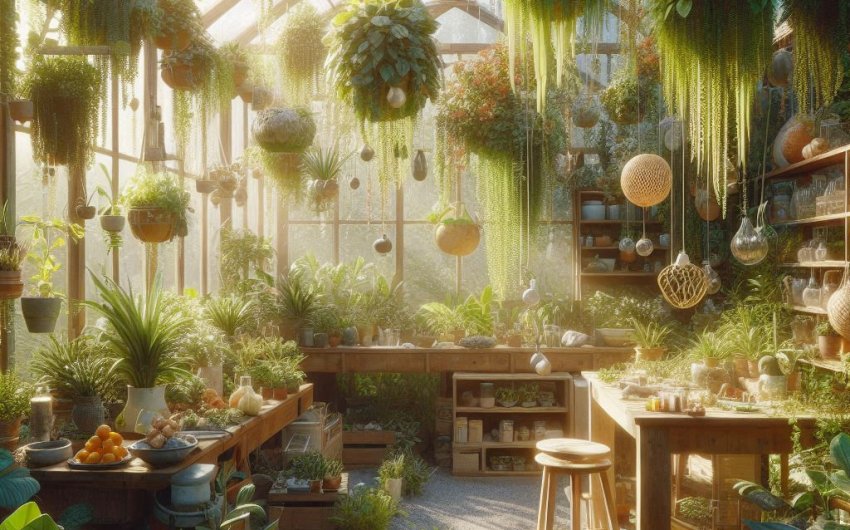
Building a DIY greenhouse from recycled materials is a fantastic way to extend your gardening season, protect plants, and save money while being environmentally friendly. This complete guide will walk you through the process, from planning and gathering materials to construction and maintenance.
Why Build a DIY Greenhouse from Recycled Materials?
Building a DIY greenhouse from recycled materials offers numerous benefits, making it an attractive project for gardeners of all levels. It's an economical, sustainable, and customizable approach to creating a controlled environment for your plants.
Advantages of a Recycled Greenhouse:
- Cost-Effective: This is often the primary motivation. Salvaging materials significantly reduces expenses compared to buying new greenhouse kits or construction supplies. You can build a functional greenhouse for a fraction of the cost.
- Environmentally Friendly: Repurposing materials diverts waste from landfills, giving items a new life and reducing your ecological footprint. It's a truly sustainable gardening practice.
- Customization: You're not limited by standard kit sizes or designs. You can tailor your greenhouse to fit your specific space, desired size, and the types of plants you want to grow.
- Unique Aesthetic: A recycled greenhouse often has a charming, rustic, or unique look that can add character to your garden.
- Learning Opportunity: The process of sourcing materials and constructing the greenhouse provides valuable DIY skills and a deeper understanding of how greenhouses function.
- Season Extension: Regardless of the materials, a greenhouse allows you to start seeds earlier in spring, grow tender plants longer into fall, and even cultivate some crops through winter in many climates. This increases your growing potential and yield.
- Plant Protection: Shields plants from harsh weather conditions like frost, strong winds, heavy rain, and even some pests.
By choosing to build a DIY greenhouse from recycled materials, you embark on a rewarding project that benefits your plants, your wallet, and the planet.
What Recycled Materials Can I Use for My Greenhouse?
The beauty of building a DIY greenhouse from recycled materials lies in the wide array of items you can repurpose. Creativity is key, and often, what might be trash to one person is treasure for your greenhouse project.
Common Materials for the Frame:
- Old Wooden Pallets: Abundant and often free. They can be dismantled for lumber or used whole as modular walls. Great for the base or lower sections.
- Salvaged Lumber: From old fences, decks, barns, or construction sites. Always check for rot, nails, or chemical treatments.
- PVC Pipes: Leftover from plumbing projects. Flexible and easy to bend into hoops for a tunnel-style greenhouse. PVC Pipe can be bought new for hoops if you can't find recycled.
- Metal Pipes/Conduit: Sturdier than PVC but harder to work with. Can be salvaged from old electrical or plumbing work.
- Old Window Frames: Excellent for creating rigid wall sections. Look for intact glass panes.
- Old Doors: Can be used for the entrance or as part of a wall if they have glass panels.
- Branches/Sticks/Bamboo: For rustic, temporary, or very simple structures like small hoop houses.
Common Materials for the Glazing (Transparent Covering):
- Old Window Panes: One of the most popular and aesthetically pleasing options. Requires careful handling.
- Sliding Glass Doors: Large panes of glass, often salvaged from renovations.
- Plastic Bottles (PET bottles): Cut the tops and bottoms, then thread them onto strings or rods to create translucent walls. Time-consuming but very unique.
- CD Jewel Cases: Can be repurposed similarly to plastic bottles.
- Polycarbonate Sheets: While often bought new, sometimes you can find salvaged pieces from old patios, skylights, or construction sites. More durable than film.
- Used Greenhouse Film/Polyethylene Sheeting: If you're lucky, you might find scraps or rolls from larger commercial operations. Make sure it's UV-stabilized.
- Shower Curtains: A temporary, less durable option for very small, simple structures.
Other Useful Recycled Items:
- Bricks/Concrete Blocks: For a sturdy foundation or base wall.
- Old Tarps: For shade cloth or extra insulation (on top of glazing).
- Empty Water Bottles/Milk Jugs: Can be filled with water and placed inside to act as thermal mass, absorbing heat during the day and releasing it at night.
- Old Furniture: Drawers can be repurposed as shelving.
- Scrap Metal (e.g., old fence posts, rebar): For anchoring the frame or creating structural supports.
Sourcing Tips for Recycled Materials:
- Local Construction Sites: Always ask permission before taking anything. They often have scrap wood, old windows, or metal.
- Demolition Sites: Similar to construction, but be extra cautious and ask permission.
- Salvage Yards: Dedicated businesses that sell reclaimed building materials.
- Craigslist/Facebook Marketplace: Look for "free" sections, often people are getting rid of old windows, doors, or lumber.
- Neighbors/Friends/Family: Let them know about your project! They might be clearing out old materials.
- Curbside Pickups: Check for bulk trash days in your area.
- Your Own Shed/Garage: You might already have what you need!
Remember to inspect all salvaged materials for safety (nails, sharp edges, rot, chemical treatments) before incorporating them into your DIY greenhouse from recycled materials.
How Do I Plan and Design My Recycled Greenhouse?
Careful planning and design are crucial steps before you start building your DIY greenhouse from recycled materials. This ensures your greenhouse is functional, sturdy, and suits your gardening needs.
Key Considerations for Planning:
- Site Selection:
- Sunlight: The most important factor. Choose a spot that gets 6+ hours of direct sunlight daily, ideally facing south for maximum winter sun exposure.
- Drainage: Avoid low spots where water collects. Good drainage is essential to prevent foundation issues.
- Shelter: Consider protection from strong winds. A nearby wall or fence can provide a windbreak.
- Accessibility: Easy access to water and electricity (if needed).
- Proximity to House/Garden: Consider convenience for tending plants.
- Size and Shape:
- What will you grow? How many plants? Seedlings, mature plants, or overwintering?
- Available Space: Measure your chosen area accurately.
- Common Shapes:
- Lean-to: Attached to an existing building, saves materials, benefits from building's thermal mass.
- Freestanding (e.g., A-frame, traditional gable, hoop house): More flexible in placement, better air circulation.
- Mini/Cold Frame: Small, simple boxes for specific beds or hardening off.
- Frame Material: Based on what you can source. Will it be wood, PVC, metal, or a combination? Your frame dictates the strength and shape.
- Glazing Material: This choice impacts insulation and light transmission. Are you using old windows, plastic bottles, or greenhouse film?
- Ventilation: Essential to prevent overheating and fungal issues. Will you have:
- Vents: Manual or automatic roof/side vents.
- Roll-up sides: Common for hoop houses.
- A door: Can also serve as a vent.
- Foundation (Optional but Recommended): A simple gravel or concrete block foundation can keep wood off the ground, preventing rot and improving stability.
- Budget: Even with recycled materials, you might need to buy some new items (fasteners, specialized film, foundation materials). Define your budget beforehand.
- Local Regulations: Check with your local municipality or homeowner's association for any zoning laws, building codes, or permits required for detached structures.
Basic Design Principles:
- Height: Ensure enough headroom for you to work comfortably and for your tallest plants to grow.
- Slope: The roof should have a slope to shed rain and snow. Aim for at least a 20-30 degree angle.
- Door: Large enough for you and your tools. Consider a standard salvaged door or build one.
- Stability: Your greenhouse must be able to withstand local winds and potential snow loads. Anchor it securely.
Sketching Your Design:
Before you cut any material, sketch out your design.
- Rough Sketch: Start with basic shapes and dimensions.
- Detailed Drawing: Add precise measurements for each component (walls, roof, door, vents).
- Material List: List all the materials you'll need, separating salvaged items from new purchases (screws, hinges, specialized film, weatherstripping).
- Cut List: If using salvaged lumber, plan out how you'll cut it to minimize waste.
By dedicating time to meticulous planning and design, you lay a solid groundwork for a successful and long-lasting DIY greenhouse from recycled materials.
How Do I Construct the Base and Frame of My Recycled Greenhouse?
Constructing the base and frame is the foundational stage for your DIY greenhouse from recycled materials. This structure provides stability and dictates the overall shape and size of your finished project.
Step 1: Prepare the Site and Foundation
- Clear and Level: Remove all debris, grass, and weeds from your chosen site. Use a shovel and a level to ensure the ground is as flat as possible. A perfectly level base is crucial for structural integrity.
- Mark the Footprint: Use stakes and string to mark out the exact dimensions of your greenhouse. Double-check squareness by measuring diagonals; they should be equal.
- Lay the Foundation (Recommended for Stability & Longevity):
- Gravel Base: Dig down a few inches, lay landscape fabric, and fill with gravel. This provides good drainage and a level surface.
- Concrete Blocks/Pavers: Lay a perimeter of concrete blocks or pavers on a level gravel base. This elevates the wooden frame from direct soil contact, preventing rot. Ensure these are level.
- Pressure-Treated Lumber: If you're using wood for the base directly on the ground, use pressure-treated lumber (or naturally rot-resistant wood like cedar or redwood) to prevent rot.
- Anchoring: Bury rebar or secure your foundation to the ground using concrete or stakes, especially in windy areas.
Step 2: Build the Base Frame
This is the bottom perimeter of your greenhouse.
- Cut Materials: Cut your chosen base material (salvaged lumber, treated wood, or even concrete blocks) to the exact dimensions of your greenhouse footprint.
- Assemble the Rectangle/Square: Use sturdy corner brackets, wood screws, or specialized connectors to assemble the base frame. Ensure it is perfectly square and level. Use a large carpenter's square and a spirit level.
Step 3: Construct the Wall Frames (for rigid structures like windowpane greenhouses)
If you're using salvaged windows or lumber for walls, this involves building vertical supports.
- Cut Vertical Studs: Cut vertical lumber pieces (e.g., 2x4s from salvaged wood) for the corners and along the wall lengths. Their height will determine the wall height of your greenhouse.
- Assemble Wall Panels: For each wall, lay out your base plate and top plate (horizontal pieces) and connect them with vertical studs. Use strong fasteners like structural screws or framing nails.
- Incorporate Window Frames: If using old window frames, build your wall sections to fit these windows precisely. You might need to add cross-braces or sills to support the windows securely.
- Attach Walls to Base: Stand up your wall panels and secure them to the base frame using angle brackets, hurricane ties, or strong screws. Ensure plumb (perfectly vertical) using a level.
Step 4: Create the Roof Structure
The roof design depends on your chosen glazing.
- Gable Roof (for windowpane/rigid structures):
- Ridge Beam: Install a central, horizontal ridge beam supported by vertical posts at the gable ends.
- Rafters: Cut rafters to the desired pitch and attach them from the top plate of the walls up to the ridge beam. Use metal connectors or strong screws. This creates the slope for your roof glazing.
- Hoop/Arch Roof (for hoop houses/poly film):
- Install Hoops: Bend flexible PVC or metal conduit into arches. Bury the ends directly into the ground (deeply for stability) or anchor them to the base frame using rebar driven into the ground, over which the hoops slide.
- Ridge Pole (Optional but Recommended): Run a central pipe or wood beam along the top of the arches, connecting them all together, to add rigidity and provide a smooth curve for the film.
Safety Tips During Construction:
- Wear Safety Gear: Always use safety glasses, gloves, and sturdy footwear.
- Use Proper Tools: Ensure your saw blades are sharp, and your power tools are in good condition.
- Measure Twice, Cut Once: Saves material and frustration.
- Get Help: Don't lift heavy timbers or large panels alone.
By meticulously building a sturdy base and frame, you create a robust structure for your DIY greenhouse from recycled materials that will withstand the elements and provide a stable home for your plants.
How Do I Install the Glazing (Covering) on My Recycled Greenhouse?
Installing the glazing is the exciting part of building your DIY greenhouse from recycled materials as it finally brings the structure to life and lets the light in. The method depends heavily on the type of recycled material you're using for the covering.
General Principles for Glazing:
- Cleanliness: Ensure your frame is clean and free of debris. Clean your recycled glazing materials thoroughly before installation.
- Seal Gaps: Aim to minimize gaps where air can escape or enter, which impacts temperature control. Use weatherstripping, caulk, or sealing tape as needed.
- Safety First: Especially when working with glass. Wear heavy gloves and eye protection.
Method 1: Installing Salvaged Window Panes/Glass Doors
This method results in a rigid, often aesthetically pleasing greenhouse.
- Prepare Openings: Ensure the openings in your frame are perfectly sized for your glass panes.
- Secure the Glass:
- Wood Batten Method: Place the pane into the opening. Secure it by screwing thin strips of wood (battens) over the edges of the glass, into the frame. This creates a secure "sandwich."
- Glazing Tape/Caulk: Apply a bead of clear silicone caulk or specialized greenhouse glazing tape around the edges of the opening before placing the glass. This provides a seal and helps cushion the glass.
- Glazing Clips: If your salvaged windows come with clips or your frame is designed for them, use them as intended.
- Overlap for Water Runoff: For roof panes, ensure upper panes slightly overlap lower ones, like shingles, to shed water effectively.
- Seal All Gaps: After all panes are in, go back and seal any remaining gaps with caulk or weatherstripping to maximize heat retention and prevent drafts.
Method 2: Installing Recycled Plastic Bottles
This is a very creative, labor-intensive but rewarding method.
- Prepare Bottles: Collect clear PET plastic bottles (soda bottles, water bottles). Remove labels. Cut off the top and bottom of each bottle to create a cylinder.
- Create "Sheets":
- Threading Method: Thread multiple plastic cylinders onto thin rods, wires, or bamboo sticks. Create several of these "strings" of bottles.
- Stapling/Taping Method: You can flatten the cylinders and overlap/staple them onto a backing, or use heavy-duty clear tape to create larger sheets.
- Attach to Frame:
- For Threaded Rods: Attach the rods horizontally or vertically to your frame. Space them closely to prevent large gaps.
- For Sheets: Staple or screw the created plastic bottle sheets directly to your wooden frame, similar to how you would attach plywood.
- Seal Gaps: This method often has more small gaps. Use clear plastic sheeting, greenhouse tape, or caulk to seal as many small gaps as possible.
Method 3: Installing Polyethylene Film (for hoop houses)
This is common for larger, more flexible structures.
- Choose the Right Film: Use UV-stabilized greenhouse film if possible, even if it's salvaged. Regular plastic sheeting (like painter's drop cloths) will degrade quickly in sunlight.
- Prepare the Frame: Ensure all sharp edges on your hoops or frame are covered (e.g., with old carpet strips, foam, or duct tape) to prevent the film from tearing.
- Drape the Film: Drape the film over your hoop house frame, ensuring there's enough overlap to secure it. Aim for a taut, smooth surface.
- Secure the Film:
- Wiggle Wire (and channel): This is the most professional and secure method. Wiggle wire (or spring lock) is inserted into a metal channel, holding the film tightly. You might be able to salvage channels and wires from old greenhouses.
- Batten Tape/Strips: Sandwich the film between your frame and thin strips of wood (battens) or plastic, then screw or staple the battens to the frame.
- Rope/Straps: For very basic hoop houses, you can tie ropes or straps over the film and around the frame, tightening them.
- Burying the Edges: Dig a trench around the base of the greenhouse and bury the excess film, then backfill with soil. This anchors the film and creates a good seal.
- Seal Ends and Seams: Use specialized greenhouse repair tape for any tears or to seal seams where film overlaps.
Installing the glazing requires patience and attention to detail. A well-sealed greenhouse, regardless of material, is essential for maintaining a stable internal climate in your DIY greenhouse from recycled materials.
How Do I Install a Door and Ventilation in My Recycled Greenhouse?
A functional door and adequate ventilation are crucial for the long-term success of your DIY greenhouse from recycled materials. They control temperature, humidity, and airflow, all vital for healthy plants.
Installing the Door:
- Source a Door: The easiest approach is to find a salvaged door that fits your planned opening. An old storm door, screen door, or even an interior door (which might need some sealing for weather) can work.
- Frame the Opening: Ensure your greenhouse frame has a sturdy, square opening for the door, with a top header and side jambs.
- Install Hinges: Attach hinges to the door and the door frame. Ensure the door swings freely and closes properly.
- Add a Latch/Handle: Install a simple latch or handle to keep the door securely closed.
- Weatherstrip (Optional but Recommended): To improve insulation and prevent drafts, apply weatherstripping around the perimeter of the door frame where it meets the door when closed. This helps maintain a more consistent internal temperature in your DIY greenhouse from recycled materials.
Essential Ventilation:
Ventilation prevents your greenhouse from overheating on sunny days and reduces humidity, which helps prevent fungal diseases. Even in winter, a sunny day can cause temperatures to soar inside.
- Roof Vents (Heat Rises): This is the most effective form of ventilation, as hot air naturally rises and escapes through the top.
- Recycled Windows: You can hinge smaller salvaged window panes or sections of your glazing at the top of the roof. Use a prop or simple rope system to open them manually.
- Automatic Vent Openers: For more convenience and consistent temperature control, consider investing in new, automatic vent openers. These are piston-driven and open/close based on temperature, requiring no electricity. They are a worthwhile investment for a DIY greenhouse.
- DIY Flap Vents: Cut a section of your film or plastic glazing on the roof and hinge it to open like a flap.
- Side Vents/Lower Vents (Cool Air Intake): These allow cooler air to enter the greenhouse.
- Lower Hinging Windows: If you have salvaged windows on the lower walls, hinge them to open outward.
- Roll-up Sides (for Hoop Houses): This is the primary ventilation method for hoop houses. You roll up the side film manually (using a pipe and clips) to allow air to flow through.
- Vented Walls/Screens: Design sections of your lower walls that can be opened or have screens installed to allow airflow.
- Cross-Ventilation: Ideally, you want to create a flow of air through the greenhouse. This means having vents on opposite sides, or a combination of high and low vents.
Tips for Ventilation:
- Monitor Temperatures: Use a thermometer inside your greenhouse to monitor temperatures. Open vents when it gets too hot (e.g., above 80°F / 27°C for most plants) and close them as temperatures drop, especially before sunset.
- Balance Humidity: Ventilation helps reduce excessive humidity. You want humidity high enough for your plants but not so high that it encourages mildew.
- Prevent Pests: If using open vents or roll-up sides, consider adding insect netting or screens to prevent pests from entering.
Proper door and ventilation installation are non-negotiable for a truly functional and successful DIY greenhouse from recycled materials, ensuring a healthy growing environment for your plants year-round.
How Do I Manage Heat and Moisture in My Recycled Greenhouse?
Managing heat and moisture is fundamental to operating your DIY greenhouse from recycled materials effectively. These two factors directly influence plant growth, health, and the success of your extended growing season.
Managing Heat:
- Ventilation is Key: As discussed, your ventilation system (manual or automatic vents, roll-up sides) is the primary tool for heat management. On sunny days, even in winter, temperatures can soar rapidly. Open vents when temperatures inside rise to prevent overheating. Close them before sunset to trap warmth.
- Shading (Summer/Hot Climates): In hotter months or climates, your greenhouse can quickly become too hot, even with full ventilation.
- Shade Cloth: Install temporary shade cloth over your glazing. This can be salvaged tarps or even old bed sheets. Aim for 30-50% shade for most vegetables.
- Whitewashing: You can apply a temporary whitewash solution (diluted latex paint or specialized shade paint) to the outside of your glazing to reflect sun. It washes off with rain over time.
- Thermal Mass (Winter/Cool Climates): To retain heat overnight, incorporate thermal mass.
- Water Barrels: Fill dark-colored barrels or jugs with water and place them inside the greenhouse. They absorb heat during the day and slowly release it at night.
- Rocks/Bricks: A stone pathway or stacked bricks can also act as thermal mass.
- Insulation (Winter):
- Bubble Wrap: You can temporarily line the inside of your glazing with large bubble wrap for an extra layer of insulation.
- Cover at Night: For extra cold nights, throw an old blanket or tarp over the outside of your greenhouse.
Managing Moisture (Humidity and Watering):
- Humidity Control:
- Ventilation: Again, good airflow prevents stagnant, overly humid conditions that can lead to fungal diseases like powdery mildew.
- Avoid Overwatering: Water only when plants need it.
- Misting (Use with Caution): While Calatheas love it, generally avoid misting a full greenhouse unless specific plants need it and you have excellent air circulation, as it can encourage fungal issues.
- Watering Techniques:
- Water the Soil, Not the Leaves: Aim water at the base of the plants to reduce moisture on foliage.
- Water in the Morning: Allows plants to absorb water and excess moisture to evaporate before nightfall.
- Drip Irrigation/Soaker Hoses: Efficiently deliver water directly to the roots, reducing overall humidity compared to overhead watering. You can repurpose old hoses or get a basic Drip Irrigation Kit.
- Soil Drainage: Ensure your greenhouse beds or containers have well-draining soil to prevent waterlogging and root rot.
- Monitor: Use a hygrometer (to measure humidity) and a thermometer inside your greenhouse to keep track of conditions.
| Challenge | Solution/Method | Material/Tool |
|---|---|---|
| Overheating | Ventilation, Shade cloth, Whitewash | Vents, salvaged fabric |
| Cold Nights | Thermal mass, Insulation, Night covers | Water barrels, bubble wrap |
| High Humidity | Ventilation, Proper watering | Vents, drip lines |
By actively managing heat and moisture, you create a stable and productive environment within your DIY greenhouse from recycled materials, allowing your plants to thrive through different seasons.
How Do I Maintain and Care for My Recycled Greenhouse?
Regular maintenance and care are crucial for the longevity and effectiveness of your DIY greenhouse from recycled materials. A little attention goes a long way in ensuring your structure continues to provide an optimal growing environment.
Regular Cleaning:
- Clean Glazing: Over time, dust, dirt, and even algae can build up on your glazing (windows, plastic, film), reducing light transmission.
- Frequency: Clean every few months, or as needed.
- Method: Use a soft brush, mild soap (like dish soap), and water (or a diluted vinegar solution for mineral spots). Rinse thoroughly. Avoid harsh chemicals or abrasive scrubbers, especially on plastic films, as they can scratch or degrade the material.
- Clear Gutters/Drains (if applicable): If your greenhouse has gutters, keep them free of leaves and debris to ensure proper water runoff.
- Sweep/Clean Interior: Remove fallen leaves, spent plant material, and any soil spills to maintain cleanliness and deter pests and diseases.
Structural Integrity Checks:
- Inspect Frame: Regularly check your frame (wood, PVC, metal) for any signs of:
- Wood: Rot, cracks, loose joints, insect damage. Tighten screws or replace damaged sections. Treat wood if needed.
- PVC/Metal: Cracks, bends, rust (for metal), loose connections.
- Check Anchoring: Ensure your greenhouse is still securely anchored to the ground, especially after strong winds. Re-tighten stakes or add more support if necessary.
- Glazing Security: Check that all window panes, plastic sheets, or film are still securely fastened. Repair any loose battens or reseal gaps with caulk/tape as needed.
- Door and Vents: Ensure they open and close smoothly. Lubricate hinges if necessary. Check weatherstripping for damage.
Pest and Disease Management:
- Monitor Plants: Continue to regularly inspect your plants for any signs of pests (aphids, spider mites, whiteflies, mealybugs) or diseases (powdery mildew, botrytis).
- Early Intervention: Address any issues immediately using organic pest control methods (neem oil, insecticidal soap, hand-picking) or appropriate fungicides.
- Good Air Circulation: Reinforce the importance of proper ventilation to prevent fungal issues.
- Quarantine New Plants: Before bringing any new plants into your greenhouse, isolate them for a week or two to ensure they are pest and disease-free.
Seasonal Preparations:
- Winterizing (in cold climates):
- Insulation: Add extra insulation (bubble wrap, straw bales around the base).
- Heating: Ensure any heating system (if used) is in working order.
- Snow Removal: Be prepared to brush heavy snow off the roof to prevent structural damage.
- Summerizing (in hot climates):
- Shading: Install shade cloth to prevent overheating and scorching.
- Maximize Ventilation: Ensure all vents are functional and consider adding a fan.
By dedicating time to routine maintenance, you extend the lifespan of your DIY greenhouse from recycled materials and ensure it remains a productive and healthy environment for your beloved plants.