
Step-by-Step Guide to Growing Asparagus in Your Backyard
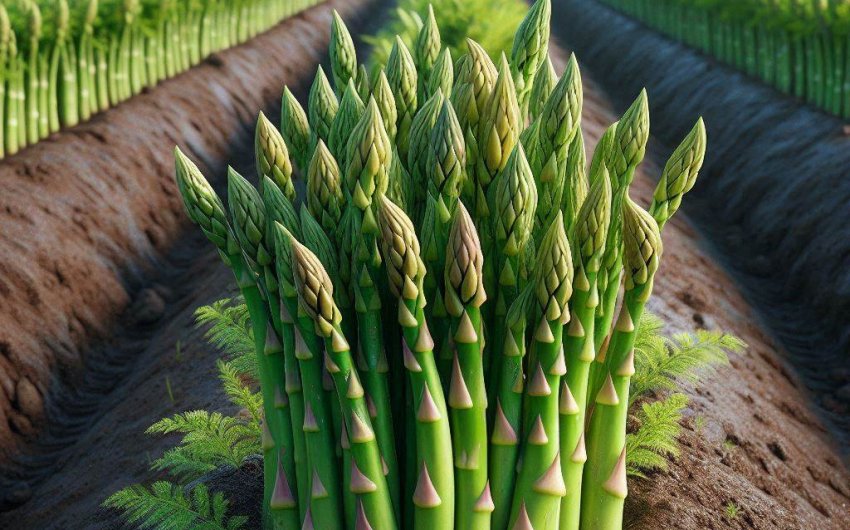
Growing asparagus in your backyard is a long-term investment that yields delicious, perennial harvests for decades. The process begins with selecting the right location and crowns, preparing the soil meticulously, and committing to patience for the first few years as the plants establish.
Why Should You Grow Asparagus in Your Backyard?
Asparagus is a gourmet vegetable, prized for its tender spears and distinct flavor. While it requires patience in its initial establishment, its perennial nature makes it an incredibly rewarding crop for the home gardener. Once an asparagus bed is properly set up, it can produce for 15-20 years or even longer, providing fresh, delicious spears every spring with minimal ongoing effort.
Benefits of Growing Your Own Asparagus
- Perennial Harvest: Unlike most vegetables that require annual replanting, asparagus emerges year after year from the same root system, giving you a continuous spring harvest for decades. This makes it a highly efficient long-term investment of garden space.
- Early Spring Crop: Asparagus is one of the first vegetables to emerge in spring, often before other garden produce is ready. This provides a welcome fresh green treat after a long winter.
- Superior Flavor: Homegrown asparagus often tastes significantly better than store-bought varieties. It can be harvested at peak freshness and cooked immediately, retaining its crispness and sweet, earthy flavor.
- Economic Savings: While the initial cost of crowns and bed preparation might seem like an investment, over 15-20 years, the savings on purchasing asparagus will be substantial.
- Ornamental Value: The fern-like foliage that develops after the harvesting season is quite attractive, adding a feathery texture to your garden.
- Low Maintenance (Once Established): After the initial establishment period, asparagus beds require relatively little ongoing care compared to annual vegetable crops.
Key Considerations Before You Start
- Patience is a Virtue: This is perhaps the most important consideration. Asparagus takes time to establish. You typically cannot harvest any spears in the first year, and only lightly in the second. Full harvests begin in the third year. This long-term commitment is essential.
- Space Requirement: Asparagus plants need space. Each plant requires about 1 to 2 feet of space, and a typical family of four might want 25-50 plants for a good harvest.
- Full Sun: Asparagus needs at least 6-8 hours of direct sunlight per day to thrive and produce well.
- Well-Drained Soil: They absolutely despise soggy feet and will rot in poorly drained soil.
- Weed Control: Asparagus cannot compete well with weeds, especially in its early years. Dedicated weed management is crucial.
What's the Best Location and Soil Preparation for Asparagus?
Choosing the right site and meticulously preparing the soil are the most critical steps for establishing a long-lived and productive asparagus patch. These initial efforts will pay off for decades.
Choosing the Ideal Location
- Full Sun: Select a spot in your garden that receives at least 6-8 hours of direct sunlight daily. Asparagus needs abundant sun for photosynthesis to build up energy in its root system.
- Permanent Location: Asparagus is a perennial, meaning it will live in the same spot for many years. Choose a location where it won't be disturbed by other gardening activities, future construction, or perennial weeds that are hard to remove.
- Good Air Circulation: Avoid areas that are prone to stagnant air, as good air circulation helps prevent fungal diseases.
- Avoid Competition: Keep it away from trees or large shrubs that will compete for water and nutrients, and whose shade might eventually hinder growth.
Soil Preparation - The Most Crucial Step
Asparagus plants are heavy feeders and require deep, fertile, and exceptionally well-drained soil. Since they will be there for decades, invest time in thorough soil preparation.
- Clear the Area: Remove all existing weeds, grass, and debris from the chosen site. Digging out perennial weeds and their roots thoroughly is vital, as they will be very difficult to remove once asparagus is planted.
- Dig Deep: Asparagus roots grow deep. Dig out a trench or an entire bed to a depth of at least 12-18 inches (30-45 cm), and at least 12 inches (30 cm) wide for each row.
- Improve Drainage:
- Raised Beds: If your soil is heavy clay or prone to waterlogging, building a raised bed is highly recommended. Fill it with an ideal asparagus soil mix.
- In-Ground: If planting in the ground, add a 2-4 inch layer of coarse sand or small gravel at the very bottom of your trench before adding your soil mix. This creates a drainage layer.
- Amend the Soil Heavily: This is where you build the foundation for decades of harvest. The soil needs to be rich in organic matter.
- Compost: Incorporate a very generous amount of well-rotted compost (at least 6-8 inches or more) into the excavated soil. This improves structure, drainage, and fertility.
- Aged Manure: Well-rotted aged manure is also an excellent addition.
- Bone Meal/Rock Phosphate: Consider adding bone meal or rock phosphate for phosphorus, which is essential for root development.
- Test Soil pH: Asparagus prefers a slightly acidic to neutral soil pH, ideally between 6.5 and 7.0.
- Soil Test: Get a soil test from your local extension office. This will tell you your current pH and nutrient levels.
- Adjust pH: If pH is too low (acidic), add dolomitic lime. If too high (alkaline), add elemental sulfur. Follow soil test recommendations precisely.
What Are the Best Asparagus Varieties and How Do I Plant Crowns?
Selecting the right asparagus variety and planting method (crowns vs. seeds) is crucial for a successful and productive asparagus patch. For beginners, planting crowns is the most common and recommended approach.
Choosing Asparagus Varieties
There are two main types of asparagus to consider:
- All-Male Varieties: These are typically recommended for home gardeners. Male plants put all their energy into producing spears because they don't expend energy on developing seeds (which female plants do, resulting in smaller, fewer spears).
- 'Jersey Knight', 'Jersey Giant', 'Jersey Supreme': These are popular, high-yielding, all-male hybrids known for their vigor, disease resistance, and excellent spear quality. They are cold-hardy and widely available.
- 'Millennium': Another excellent all-male hybrid, noted for its high yield and adaptability to various soil types.
- Open-Pollinated Varieties: These varieties produce both male and female plants. Female plants will produce red berries (seeds) after the harvest season.
- 'Mary Washington': A classic, reliable heirloom variety. It's less productive than the all-male hybrids but is known for its good flavor.
- Consideration: If you choose an open-pollinated variety, you might want to remove the berry-producing female plants as they will self-seed, leading to overcrowding and smaller spears over time.
Crowns vs. Seeds
- Growing from Seed:
- Pros: Much cheaper, wider variety selection, less risk of introducing diseases.
- Cons: Extremely slow. It takes 3 years to get a harvest. You need to start seeds indoors, harden them off, and then plant them out. Not recommended for beginners seeking quicker harvests.
- Growing from Crowns (1-year-old bare-root plants):
- Pros: This is the recommended method for beginners. Crowns are mature root systems that give you a head start, potentially allowing for a light harvest in the second year. They are more reliable than seeds.
- Cons: More expensive than seeds, selection might be limited. Purchase from a reputable nursery or seed company to ensure disease-free stock.
Step-by-Step Planting Crowns
The best time to plant asparagus crowns is in early spring, as soon as the soil can be worked.
- Prepare the Trench: Dig a trench about 6-8 inches deep and 12 inches wide. If planting multiple rows, space them 3-5 feet apart.
- Create a Mound: Down the center of the trench, create a small mound or ridge of your prepared soil mix (compost-rich and well-draining). The top of the mound should be 2-3 inches high.
- Spread Crowns: Carefully place your asparagus crowns on top of the mound, spreading the roots out evenly over the mound.
- Spacing: Space crowns about 12-18 inches apart along the mound. For smaller spears, you can go a bit closer; for thicker spears, give them more room.
- Initial Backfill: Gently backfill the trench with only about 2-3 inches of your prepared soil mix, just enough to cover the crown's roots. Don't fill the trench completely yet.
- Water Thoroughly: Water the newly covered crowns deeply to settle the soil.
- Gradual Backfilling: As the asparagus spears begin to grow and reach about 6-8 inches tall, gradually add more soil to the trench until it's completely filled to the original ground level. This process forces the roots to grow deeper, strengthening the plant for future production.
- Mark the Bed: Clearly mark the asparagus bed so you don't accidentally disturb it.
How Do I Care for Asparagus in the First Years (Establishment Period)?
The first 1-2 years after planting are crucial for establishing a strong, healthy asparagus bed. During this period, your focus is on building a robust root system, not on harvesting. Patience here will be greatly rewarded.
Year 1: Focus on Root Development
- No Harvesting: Do not harvest any spears in the first year. This is absolutely critical. All the energy from the spears and ferns needs to go back into developing a strong, extensive root system. Any harvesting will weaken the plant and delay future production.
- Weed Control: This is the most important ongoing task. Weeds compete vigorously with young asparagus for water, nutrients, and sunlight.
- Hand Weeding: Gently hand weed around the asparagus plants regularly. Be careful not to disturb the delicate root systems.
- Mulch: Once the spears have emerged and the trench is fully filled, apply a 2-4 inch layer of organic mulch (straw, shredded leaves, aged wood chips, or weed-free grass clippings) over the entire bed. This suppresses weeds, conserves moisture, and moderates soil temperature. Straw Bale Mulch works well.
- Watering: Keep the bed consistently moist, especially during dry spells. Asparagus needs about 1 inch of water per week, either from rain or irrigation. Consistent moisture is vital for root development.
- Fertilization: In mid-summer, after the ferns have fully developed, you can apply a balanced granular fertilizer (e.g., 5-10-10 or 10-10-10) or topdress with another layer of compost. Water well after fertilizing.
- Allow Ferns to Grow: Let the fern-like foliage grow throughout the summer and fall. These ferns photosynthesize and capture energy from the sun, which is then stored in the crown for next year's spears.
Year 2: Light Harvest (Optional)
- Light Harvesting (Optional): In the second spring, you might be able to take a very light harvest. Harvest spears for only 1-2 weeks, and then let the rest of the spears develop into ferns.
- Continue Maintenance: Continue with diligent weed control, consistent watering, and fall fertilization as in year 1. Allow the ferns to grow fully and mature.
Fall Care for All Years (1+)
- Let Ferns Die Back: In late fall or early winter, after a few hard frosts, the asparagus ferns will turn yellow or brown and die back.
- Cut Back Ferns: Once they are completely brown and dormant, cut the ferns back to about 2 inches above the ground.
- Remove Debris: Rake away all the old fern material. This helps to prevent overwintering pests and diseases.
- Mulch (Optional but Recommended): Apply a fresh layer of mulch (straw, aged compost) over the bed. This provides insulation, suppresses early spring weeds, and adds nutrients.
How Do I Harvest and Maintain a Mature Asparagus Bed?
After 2-3 years of patient waiting and diligent care, your asparagus bed will be mature enough for its first significant harvest. Ongoing maintenance in the following years will ensure continued productivity.
Harvesting a Mature Asparagus Bed (Year 3 Onward)
- When to Start: Begin harvesting in early spring when spears emerge and are 6-10 inches tall and about 1/2 inch in diameter.
- Harvesting Technique:
- Snapping: The best way to harvest is to snap the spear off by hand. Bend the spear near the soil line, and it should break cleanly at its natural breaking point.
- Cutting (Alternative): You can also use a sharp knife or asparagus harvesting tool to cut the spear about 1 inch below the soil surface. Be careful not to damage nearby emerging spears or the crown.
- Frequency: Check the bed daily during the peak season. Asparagus spears grow very quickly, especially in warm weather. Frequent harvesting encourages the plant to produce more.
- Harvesting Duration:
- First Full Harvest (Year 3): Harvest for 4-6 weeks.
- Subsequent Years: Harvest for 6-8 weeks, or until the spears become thin (pencil-sized or smaller). This signals that the plant needs to store energy for the next year.
- Stop Harvesting: Once the spears start coming up very thin (less than 1/4 inch in diameter), stop harvesting. Let these thin spears grow into ferns.
- Allow Ferns to Grow: Allow the remaining spears to grow into tall, feathery ferns. These ferns are crucial for photosynthesis and building up energy in the crown for next year's crop. Do not cut them back prematurely.
Ongoing Maintenance for Mature Beds
- Weed Control: Continue vigilant weed control throughout the growing season. Weeds compete for resources and can reduce your harvest. Mulch is your best friend here.
- Watering: Water consistently throughout the spring and summer, especially during dry spells. Asparagus needs about 1 inch of water per week. Deep watering encourages deep root growth.
- Fertilization:
- Early Spring: Apply a balanced granular fertilizer (e.g., 5-10-10 or 10-10-10) as new spears emerge.
- After Harvest: Immediately after the harvest season ends (when you stop cutting spears and let ferns grow), apply another application of a balanced fertilizer or topdress with a generous layer of compost. This replenishes nutrients used during spear production and supports fern growth.
- Fall Clean-Up: As in the establishment years, cut back the dead, brown ferns to 2 inches above the ground in late fall after a hard frost. Remove all debris to prevent overwintering pests and diseases.
- Mulch: Reapply a fresh layer of organic mulch in fall after cutting back the ferns.
Troubleshooting Common Asparagus Issues
- Yellowing Ferns (Early Season): Could be overwatering, nutrient deficiency (especially nitrogen), or disease. Check drainage and adjust fertilization.
- Thin Spears: Usually a sign that the bed is stressed, overcrowded, or past its prime. Could also be due to not enough nutrients or harvesting too long.
- Asparagus Beetles: Small, metallic blue-black beetles that chew holes in spears and ferns. Hand-pick them, or use insecticidal soap or neem oil if infestations are severe. Bonide Neem Oil Spray is a good option.
- Asparagus Rust: Fungal disease causing reddish-brown pustules on ferns. Good air circulation, resistant varieties, and fall clean-up help prevent it.
- Fusarium Wilt: Soil-borne disease causing yellowing, wilting, and stunted growth. Best prevention is using resistant varieties and ensuring good drainage.
Growing asparagus in your backyard truly is a long-term investment, but with the right preparation and consistent care, you will be rewarded with years of fresh, delicious spears right from your garden. The patience in the early years transforms into abundant, easy harvests for decades to come.