
Top Organic Fertilizers for Vegetable Gardens
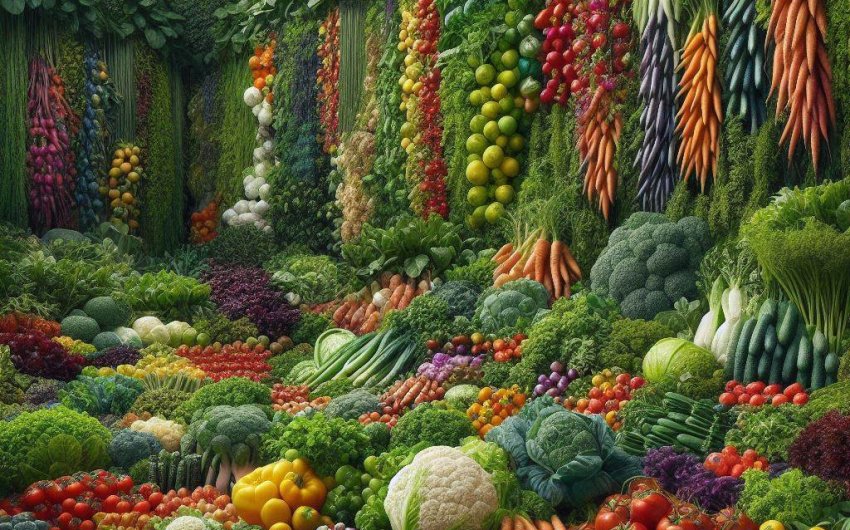
The top organic fertilizers for vegetable gardens are derived from natural sources, enriching soil health and providing nutrients gradually for sustained plant growth. Key choices include compost, aged manures, bone meal, blood meal, and kelp meal, each offering a unique blend of essential elements and fostering a thriving soil microbiome. Selecting the right organic fertilizer helps ensure a bountiful and healthy harvest.
Why Choose Organic Fertilizers for Your Vegetable Garden?
Choosing organic fertilizers for your vegetable garden is a fundamental decision that impacts not only the health of your plants but also the long-term vitality of your soil, the safety of your food, and the overall ecological balance of your garden. While synthetic fertilizers offer quick fixes, the benefits of going organic are far-reaching and sustainable.
1. Nurturing Soil Health (Feeding the Soil, Not Just the Plant):
This is arguably the most significant advantage of organic fertilizers.
- Microbial Life: Organic fertilizers are derived from natural sources (plant or animal matter) and act as food for the myriad of beneficial microorganisms, fungi, and earthworms that inhabit healthy soil. These microbes break down the organic matter, making nutrients available to plants in a slow, steady release.
- Improved Soil Structure: As organic matter decomposes, it improves soil structure. It binds sandy soils to retain more moisture and nutrients, and it loosens clay soils to enhance drainage and aeration. This creates a more hospitable environment for plant roots to grow.
- Enhanced Water Retention: Soils rich in organic matter (built up by using organic fertilizers like compost) act like a sponge, holding more water and making your vegetable garden more resilient to drought.
- Reduced Compaction: Better soil structure means less compaction, which is crucial for healthy root development and overall plant vigor.
2. Slow, Steady Nutrient Release (Reduced Risk of Over-Fertilization):
- Natural Breakdown: Unlike synthetic fertilizers that deliver a sudden burst of readily available nutrients (which can lead to "burning" plants), organic fertilizers release their nutrients gradually as microbes break them down.
- No Burning: This slow-release mechanism significantly reduces the risk of over-fertilization, nutrient leaching (washing away), or chemical burn to plant roots.
- Sustained Growth: Plants receive a consistent supply of nutrients over time, leading to healthier, more robust growth and sustained yields.
3. Safer for Your Family and the Environment:
- Non-Toxic: Organic fertilizers are made from natural, non-synthetic materials, meaning there are no harsh chemicals or petroleum byproducts. This makes them safer for your children, pets, and the beneficial insects (like bees and ladybugs) in your vegetable garden.
- Reduced Runoff Pollution: Because nutrients are released slowly and bound within organic matter, there's less risk of nitrogen and phosphorus runoff polluting groundwater, rivers, and lakes, which is a major environmental concern with synthetic fertilizers.
- Healthier Produce: While both organic and conventionally grown produce are nutritious, many gardeners prefer the peace of mind that comes from knowing their food was grown without synthetic chemical inputs.
4. Comprehensive Nutrient Profile (Beyond NPK):
- Trace Minerals: While synthetic fertilizers often focus solely on NPK (Nitrogen, Phosphorus, Potassium), organic fertilizers often contain a wider array of trace minerals and micronutrients that are vital for overall plant health but may not be included in synthetic blends. These can lead to more flavorful and nutritious vegetables.
- Synergy: The complex interactions between organic matter, microbes, and these trace elements create a holistic feeding system for plants.
5. Supports Sustainable Gardening Practices:
- Circular Economy: Many organic fertilizers (like compost) are recycled waste products, contributing to a circular economy and reducing landfill burden.
- Long-Term Investment: Building healthy soil with organic fertilizers is a long-term investment. Over time, your vegetable garden soil becomes more self-sufficient, requiring fewer inputs and less effort.
Choosing organic fertilizers for your vegetable garden is a commitment to fostering a vibrant ecosystem beneath the soil, leading to healthier, more resilient plants, more nutritious food, and a more sustainable and enjoyable gardening experience.
Understanding NPK and Micronutrients in Organic Fertilizers
To effectively use the top organic fertilizers for vegetable gardens, it's essential to understand what NPK means and why micronutrients are so important. This knowledge allows you to select and apply the right organic fertilizer to meet the specific needs of your plants and soil, fostering a truly thriving vegetable garden.
What is NPK? (Macronutrients)
NPK refers to the three primary macronutrients that plants need in large quantities for healthy growth. These are the numbers you see on every fertilizer package, representing the percentage by weight of each nutrient.
- N - Nitrogen:
- Role: Promotes strong, vigorous leafy growth and lush green color. Essential for photosynthesis.
- Signs of Deficiency: Yellowing (chlorosis) of older leaves, stunted growth.
- Organic Sources High in Nitrogen: Blood meal, fish emulsion, feather meal, alfalfa meal, fresh manures, coffee grounds.
- P - Phosphorus:
- Role: Crucial for root development, flowering, fruiting, and seed formation. Essential for energy transfer within the plant.
- Signs of Deficiency: Purplish tint on leaves (especially undersides), stunted growth, poor flowering/fruiting.
- Organic Sources High in Phosphorus: Bone meal, rock phosphate, guano.
- K - Potassium (Potash):
- Role: Promotes overall plant health, disease resistance, strong stems, and fruit quality. Helps with water regulation and enzyme activation.
- Signs of Deficiency: Yellowing or browning of leaf edges (scorching), weak stems, poor fruit development.
- Organic Sources High in Potassium: Kelp meal, greensand, wood ash (use sparingly and only if soil pH is acidic), granite dust.
Why Micronutrients Matter (Secondary and Trace Elements)
While NPK are macronutrients, plants also need secondary macronutrients (Calcium, Magnesium, Sulfur) and trace micronutrients (Iron, Manganese, Boron, Zinc, Copper, Molybdenum, Chlorine) in smaller quantities. Organic fertilizers often excel at providing a broader spectrum of these essential elements, leading to more robust and nutritious plants.
- Calcium (Ca): Essential for cell wall formation, strong stems, and preventing blossom end rot in tomatoes and squash.
- Organic Sources: Eggshells, gypsum, bone meal, calcitic lime.
- Magnesium (Mg): Crucial component of chlorophyll (for photosynthesis) and enzyme activation.
- Signs of Deficiency: Yellowing between veins of older leaves.
- Organic Sources: Epsom salts (magnesium sulfate), dolomite lime, greensand.
- Sulfur (S): Important for protein and enzyme formation, and gives many vegetables their characteristic flavor (onions, garlic).
- Organic Sources: Gypsum, elemental sulfur (can lower pH).
- Iron (Fe): Essential for chlorophyll production.
- Signs of Deficiency: Yellowing between veins of new leaves (chlorosis).
- Organic Sources: Blood meal, iron chelates (organic forms), compost.
- Boron (B): Important for cell wall formation, fruit development, and pollination.
- Zinc (Zn): Essential for enzyme activity and growth regulation.
- Manganese (Mn): Involved in photosynthesis and nitrogen metabolism.
- Other Trace Elements: Copper, Molybdenum, Chlorine are also needed in tiny amounts.
The Role of Soil Microbes:
Unlike synthetic fertilizers that provide nutrients in a form directly available to plants, organic fertilizers rely on the vital activity of soil microbes. These tiny organisms break down the complex organic compounds in the fertilizer into simpler, plant-available forms.
- Slow Release: This microbial activity ensures a slow, steady release of nutrients, preventing "burning" and providing sustained feeding.
- Improved Availability: Microbes also help unlock existing nutrients in the soil and improve their uptake by plant roots.
- Healthy Soil Ecosystem: Using organic fertilizers feeds the soil food web, leading to a healthier, more resilient soil ecosystem overall.
By understanding the roles of NPK and micronutrients, and recognizing that organic fertilizers work by nourishing the soil's living system, you can make informed choices to keep your vegetable garden thriving and productive. A soil test is often the best way to pinpoint specific nutrient deficiencies in your garden.
Top Organic Fertilizers for General Garden Use
For vegetable gardeners, building rich, healthy soil is paramount, and these top organic fertilizers are foundational for improving soil structure, feeding beneficial microbes, and providing a balanced supply of nutrients for overall plant vigor. They are the workhorses of an organic vegetable garden.
1. Compost (The Ultimate Organic Fertilizer)
- NPK: Highly variable, but generally low (e.g., 1-1-1 to 3-1-2).
- Benefits:
- Soil Amendment: Primarily a soil builder, adding a rich array of organic matter.
- Complete Nutrient Profile: Contains a wide range of macro and micronutrients in slow-release form.
- Boosts Microbial Life: Feeds earthworms and beneficial microorganisms, improving soil structure, aeration, and water retention.
- pH Buffering: Helps stabilize soil pH, making nutrients more available.
- Weed Suppression: Good quality compost can also suppress some weeds.
- How to Use:
- Amend Beds: Incorporate 1-3 inches into new or established beds annually, especially in spring before planting.
- Top-dressing: Apply a thin layer (1/2 to 1 inch) around existing plants throughout the growing season.
- Recommendation: Make your own compost for free, or buy high-quality bagged compost. Black Kow Composted Cow Manure is a popular option.
2. Aged Manures (Cow, Chicken, Horse, Sheep, Worm Castings)
- NPK: Varies by animal and age, generally low to moderate. (e.g., Composted Cow: 0.6-0.4-0.5; Worm Castings: 0.8-0.4-0.2)
- Benefits: Excellent source of organic matter, improving soil structure and water retention. Provides a gentle, slow release of nutrients. Worm castings are particularly rich in microbes and beneficial compounds.
- How to Use:
- Aged is Crucial: Always use aged or composted manure. Fresh manure is too high in nitrogen and salts and can burn plants and introduce pathogens. Age for at least 6 months to a year.
- Amend Beds: Incorporate into soil before planting.
- Top-dressing: Apply a thin layer around plants.
- Recommendation: Black Kow Composted Cow Manure or Worm Castings Organic Fertilizer.
3. Alfalfa Meal
- NPK: Approximately 2-1-2.
- Benefits: Good source of slow-release nitrogen, as well as some phosphorus and potassium. Also contains triacontanol, a natural growth stimulant. Improves soil tilth.
- How to Use: Incorporate into soil before planting or sprinkle around established plants and scratch into the soil. Often used for roses but excellent for vegetables too.
4. Kelp Meal (Seaweed Meal)
- NPK: Approximately 1-0.1-2.
- Benefits: While low in primary macronutrients, it's an excellent source of trace minerals (over 60!), amino acids, and plant growth hormones (cytokinins, auxins, gibberellins). Enhances stress resistance, root growth, and overall plant vigor.
- How to Use: Incorporate into potting mixes or garden beds, or use as a top-dressing. Available in granular or liquid forms.
- Recommendation: Down to Earth Organic Kelp Meal.
5. Fish Emulsion / Hydrolyzed Fish
- NPK: Varies, commonly 2-4-1 to 5-1-1.
- Benefits: A fast-acting liquid organic fertilizer that provides nitrogen and some phosphorus. Also contains trace elements. Less likely to burn than synthetic liquids.
- How to Use: Dilute with water (usually 1 tbsp per gallon) and apply as a foliar spray or soil drench every 2-4 weeks during the growing season, especially for heavy feeders.
- Caution: Can have a strong, fishy odor, which dissipates. Attracts some animals initially.
- Recommendation: Alaska Fish Emulsion Fertilizer.
6. Worm Castings (covered under Aged Manures but worth reiterating)
- NPK: Approx. 0.8-0.4-0.2, but the benefits go far beyond NPK.
- Benefits: Exceptionally rich in beneficial microbes, humic acids, and plant growth regulators. Improves nutrient availability and disease suppression. Does not burn plants.
- How to Use: Mix into potting soil, sprinkle around plant bases, or make "worm tea" (steep in water and use as a liquid feed).
These organic fertilizers form the backbone of a healthy vegetable garden. By focusing on general soil improvement and a balanced approach, you create a foundation for consistently high yields and thriving plants.
Top Organic Fertilizers for Specific Nutrient Needs
While general-purpose organic fertilizers are great for overall soil health, sometimes your vegetable garden needs a targeted boost of a specific nutrient. These specialized organic fertilizers allow gardeners to address particular deficiencies or promote specific types of growth for their plants.
1. For Nitrogen (N) Boost (Leafy Growth)
Nitrogen promotes lush, green, leafy growth. Essential for greens, corn, and initial growth of most plants.
- Blood Meal:
- NPK: High Nitrogen, typically 12-0-0 to 13-0-0.
- Benefits: Fast-acting (for an organic fertilizer) source of nitrogen. Also contains iron.
- How to Use: Sprinkle lightly around plants and scratch into soil, then water well. Use sparingly to avoid burning. Best for leafy greens, corn, and plants needing a quick green-up.
- Caution: Can attract animals. Do not use near edible root crops too close to harvest, or in excessive amounts.
- Recommendation: Down to Earth Blood Meal.
- Feather Meal:
- NPK: Very High Nitrogen, typically 12-0-0 to 15-0-0.
- Benefits: Slower-release nitrogen source than blood meal.
- How to Use: Incorporate into soil prior to planting. Good for longer-term nitrogen feeding.
- Fish Emulsion: (See General Use, but it's a good liquid N boost)
2. For Phosphorus (P) Boost (Roots, Flowers, Fruit)
Phosphorus is crucial for root development, flowering, fruiting, and overall plant energy transfer.
- Bone Meal:
- NPK: Low N, High P, Low K (e.g., 3-15-0 or 4-12-0).
- Benefits: Excellent slow-release source of phosphorus and calcium. Promotes strong root systems and better fruit/flower set.
- How to Use: Incorporate into the soil when planting bulbs, root vegetables, or at the base of fruiting plants (tomatoes, peppers) at transplanting.
- Caution: Can attract animals.
- Recommendation: Espoma Bone Meal.
- Rock Phosphate:
- NPK: 0-3-0 to 0-5-0.
- Benefits: Very slow-release, long-term source of phosphorus and trace minerals. Becomes available over many years.
- How to Use: Best applied in fall or early spring and incorporated into the soil. Good for building up long-term soil reserves.
3. For Potassium (K) Boost (Overall Plant Health, Fruit Quality, Disease Resistance)
Potassium aids in overall plant vigor, disease resistance, and fruit ripening/flavor.
- Kelp Meal: (See General Use, but its high K makes it a good specific source).
- Greensand:
- NPK: 0-0-1 to 0-0-3.
- Benefits: Slow-release source of potassium and iron, along with many trace minerals. Also improves soil structure.
- How to Use: Incorporate into soil or use as a top-dressing.
- Wood Ash:
- NPK: Highly variable, approx. 0-1-3 to 0-2-8.
- Benefits: Provides potassium and raises soil pH.
- Caution: Use sparingly (a light dusting) and only if your soil pH is acidic (below 6.5). Never use ash from treated wood. Can significantly raise pH, making nutrients unavailable.
- How to Use: Sprinkle thinly on soil and incorporate. Best for plants that like alkaline soil, but use cautiously in vegetable gardens.
4. For Calcium (Ca) Boost (Preventing Blossom End Rot)
Calcium is essential for cell wall strength and preventing specific disorders like blossom end rot.
- Bone Meal: (See above - good source of Calcium)
- Eggshells:
- Benefits: Excellent long-term source of calcium.
- How to Use: Wash, dry, and finely crush eggshells. Incorporate into soil before planting tomatoes, peppers, squash, or as a top-dressing. They break down slowly, so it's a preventative rather than an immediate fix.
- Gypsum (Calcium Sulfate):
- Benefits: Provides calcium (and sulfur) without significantly altering soil pH. Can help improve drainage in sodic (salty) clay soils.
- How to Use: Incorporate into soil.
5. For Micronutrients and Overall Vitality
- Compost Tea:
- Benefits: Not a true fertilizer, but a liquid full of beneficial microbes and dissolved nutrients from compost. Acts as a soil enhancer and foliar feed.
- How to Use: Steep mature compost in unchlorinated water for 1-3 days, then strain and use the liquid as a soil drench or foliar spray.
- Liquid Seaweed (Kelp Extract):
- Benefits: Concentrated source of trace minerals and plant hormones. Enhances stress resistance, root growth, and overall vigor.
- How to Use: Dilute and use as a foliar spray or soil drench every few weeks.
- Recommendation: Maxicrop Liquid Seaweed.
Before adding specific organic fertilizers, a soil test is the best way to pinpoint exactly what your vegetable garden needs. This ensures targeted and effective application, leading to a truly thriving garden.
How to Apply Organic Fertilizers Effectively
Applying organic fertilizers effectively is crucial for maximizing their benefits in your vegetable garden. Unlike synthetic fertilizers that are often "dump and run," organic methods require understanding the plant's needs, soil health, and the slow, microbial processes involved.
1. Conduct a Soil Test:
- Why: This is the absolute first and most important step. A soil test tells you your soil's current nutrient levels (NPK, secondary, and micronutrients) and its pH. Guessing can lead to over-application of some nutrients and continued deficiency in others.
- How: Contact your local Cooperative Extension office for a soil testing kit and instructions. It's usually inexpensive.
- Action: Apply organic fertilizers based on the specific recommendations from your soil test results.
2. Prepare the Soil (Pre-Planting Application):
- Timing: The best time for most granular organic fertilizers (bone meal, rock phosphate, aged manures, compost, alfalfa meal) is before planting, typically in late fall or early spring.
- Method:
- Spread: Broadcast the recommended amount evenly over the garden bed.
- Incorporate: Use a garden fork or tiller to gently incorporate the fertilizer into the top 6-12 inches of soil. This places the nutrients within the root zone and helps them begin breaking down.
- Water In: Lightly water the bed after application to help settle the soil and start the decomposition process.
- Compost: Always add a generous layer (1-3 inches) of finished compost annually, incorporating it into the top few inches of soil. This builds long-term soil health.
3. Top-Dressing (During Growing Season):
- Timing: For established plants during the growing season.
- Method:
- Sprinkle: Sprinkle a small amount of granular organic fertilizer (e.g., blood meal for a nitrogen boost, or balanced organic granular fertilizer) evenly around the base of the plant. Keep it a few inches away from the stem to avoid concentrating nutrients too heavily.
- Scratch In: Lightly scratch the fertilizer into the top inch or two of soil with a hand rake or trowel.
- Water In: Immediately water thoroughly after top-dressing. This dissolves the nutrients, moves them into the root zone, and prevents burning.
- Best for: Tomatoes, peppers, corn, leafy greens, and other heavy feeders that need a continuous supply of nutrients.
4. Liquid Feeding (Quick Boost):
- Timing: For a quick, immediate nutrient boost or for young seedlings and transplants. Apply every 2-4 weeks during active growth.
- Method:
- Dilute: Always dilute liquid organic fertilizers (fish emulsion, liquid seaweed, compost tea) according to package directions. It's often recommended to use at half-strength for container plants or young seedlings.
- Apply: Use a watering can or sprayer to apply the diluted solution directly to the soil around the base of the plants, ensuring it reaches the roots. Some can also be applied as a foliar spray (sprayed directly onto leaves), but check product label.
- Benefits: Nutrients are immediately available to plants. Good for container vegetable gardens where nutrients leach out faster.
- Recommendation: Alaska Fish Emulsion Fertilizer.
5. Side-Dressing (For Row Crops):
- Timing: For row crops (like corn, beans, potatoes) that are actively growing and need a boost.
- Method: Create a shallow trench (1-2 inches deep) about 4-6 inches from the base of the plants along the row. Apply granular organic fertilizer into the trench, then cover with soil and water thoroughly.
General Application Tips:
- Follow Label Directions: These are guidelines. Always read and follow the specific instructions on your chosen organic fertilizer package regarding application rates and frequency.
- Don't Over-Apply: More is not better with organic fertilizers. Over-application can still lead to nutrient imbalances or salt buildup.
- Consider Soil Temperature: Remember that organic fertilizers rely on microbial activity. In very cold soil (below 50°F / 10°C), microbial activity slows down, and nutrient release will be minimal. They are most effective in warmer soil.
- Water Consistency: Regular and appropriate watering ensures nutrients are dissolved and available to plant roots.
- Observation: Pay attention to your plants. Yellowing leaves, stunted growth, or poor flowering/fruiting are signs that your plants might need a nutrient boost (or that your soil conditions need addressing).
By understanding these effective application methods, you can ensure the top organic fertilizers for your vegetable garden deliver maximum benefit, fostering healthy growth and abundant harvests season after season.
Seasonal Organic Fertilizing Schedule for Your Vegetable Garden
A seasonal organic fertilizing schedule is crucial for vegetable gardeners to provide the right nutrients at the right time, maximizing growth and yields throughout the year. Remember, these are general guidelines; always adjust based on your specific climate, soil test results, and the needs of your particular crops.
1. Early Spring (Before Planting / At Soil Warming)
This is the most important time for building soil health and providing foundational nutrients for the upcoming growing season.
- Primary Goal: Replenish major nutrients, improve soil structure, and activate microbial life.
- Fertilizers to Use:
- Compost: Incorporate a generous 1-3 inch layer of finished compost into the top 6-12 inches of all your vegetable garden beds. This is the single most important step for long-term soil health.
- Aged Manure: If using, incorporate a 1-2 inch layer of well-rotted aged manure (e.g., cow, horse, chicken) into your beds.
- Balanced Organic Granular Fertilizer: Apply a general-purpose, balanced organic fertilizer (e.g., 5-5-5 or 4-4-4 NPK ratio) according to package directions and incorporate into the soil. Consider blends like Espoma Garden-Tone Organic Plant Food.
- Specific Needs (from Soil Test): If your soil test showed deficiencies in phosphorus (P) or potassium (K), now is the time to incorporate bone meal (for P) or greensand/kelp meal (for K).
- Timing: As soon as the soil is workable and has started to warm up (usually after the last hard frost).
2. Late Spring / Early Summer (During Active Growth)
As plants start to establish and heavy feeders begin their vigorous growth, they'll need additional support.
- Primary Goal: Provide ongoing nutrients to support lush growth, flowering, and initial fruit set.
- Fertilizers to Use:
- Nitrogen Boost (for leafy greens, corn, initial growth): Top-dress with a nitrogen-rich organic fertilizer like blood meal or alfalfa meal around plants. Water in thoroughly.
- Balanced Liquid Feed: For most vegetables, begin regular applications (every 2-4 weeks) of a diluted liquid organic fertilizer like fish emulsion or liquid seaweed. This provides readily available nutrients for actively growing plants and is great for container gardens.
- Side-dressing for Heavy Feeders: For crops like corn, tomatoes, or peppers, side-dress with a balanced granular organic fertilizer when they reach about half their mature size.
- Timing: Roughly 4-6 weeks after initial planting or when plants show vigorous vegetative growth.
3. Mid-to-Late Summer (Fruiting and Peak Production)
This is when most vegetables are putting significant energy into fruit development.
- Primary Goal: Support fruit and seed production, enhance flavor and quality.
- Fertilizers to Use:
- Phosphorus & Potassium Boost: Shift towards organic fertilizers that are higher in phosphorus and potassium. This supports fruit ripening and overall plant resilience. Bone meal (for P) or kelp meal/greensand (for K) can be incorporated as a side-dress.
- Balanced Liquid Feed: Continue liquid feeding with a slightly lower nitrogen formulation if possible, or continue with a balanced one. Tomatoes, peppers, squash, and melons are particularly heavy feeders during this time.
- Timing: When plants begin to flower and set fruit.
4. Fall (Post-Harvest / Winter Preparation)
This is a crucial time for rebuilding soil health and preparing for the next season.
- Primary Goal: Replenish nutrients, improve soil structure, and protect the soil over winter.
- Fertilizers to Use:
- Compost: Top-dress all empty beds with a thick layer (2-4 inches) of finished compost. You can lightly incorporate it or leave it on the surface for worms to pull down.
- Aged Manure: Similar to compost, apply to empty beds.
- Rock Phosphate / Greensand: If your soil test indicates a long-term need for phosphorus or potassium, fall is an excellent time to apply these very slow-release organic fertilizers. They will break down over winter.
- Cover Crops: Plant cover crops (e.g., crimson clover, winter rye, hairy vetch) in empty beds. These "green manures" fix nitrogen, add organic matter, suppress weeds, and protect the soil. They are an organic fertilizer in themselves! Organic Crimson Clover Seeds.
- Timing: As crops finish harvesting and beds become empty, before the ground freezes solid.
5. Winter (Dormant Season)
- Primary Goal: Maintain soil health (if covered with mulch/cover crops) and plan for next year.
- Fertilizers to Use: Generally no active fertilization, unless you're in a very mild climate growing cool-season crops with protection (like a cold frame), in which case very light applications of diluted liquid feed might be used.
- Timing: When temperatures are consistently cold and plants are dormant.
By adhering to this seasonal organic fertilizing guide, vegetable gardeners can ensure their plants receive the ideal nutrition at every stage of growth, leading to consistently productive, healthy, and thriving vegetable gardens fueled by the top organic fertilizers.