
How Do I Grow Citrus Fruits Indoors?
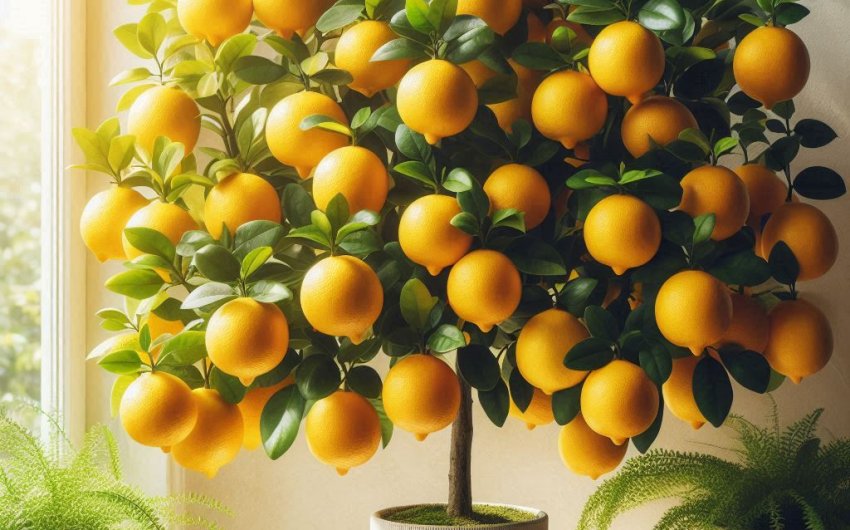
To grow citrus fruits indoors, you need to replicate their native subtropical conditions by providing ample sunlight (at least 6-8 hours daily), consistent warmth, high humidity, well-draining soil, and proper nutrition. Selecting dwarf or compact varieties and using appropriate pots are also crucial for success.
Why Grow Citrus Fruits Indoors?
Growing citrus indoors offers a delightful way to enjoy fresh fruit, beautiful foliage, and fragrant blossoms, even in climates where outdoor cultivation isn't possible. It transforms your home into a vibrant, aromatic oasis.
Fresh Fruit at Your Fingertips
- Year-Round Harvest: Many indoor citrus varieties can produce fruit throughout the year, especially with proper care and lighting.
- Unique Varieties: Access to citrus types not readily available in local grocery stores.
- Organic Control: You control what goes into your plant's soil and onto its leaves, ensuring organic, pesticide-free fruit.
Beautiful and Fragrant Decor
- Lush Greenery: Citrus trees offer attractive, evergreen foliage that brightens any indoor space.
- Sweet Blooms: The fragrant white blossoms are intensely aromatic, filling your home with a delightful perfume.
- Ornamental Value: A potted citrus tree can be a stunning focal point in a living room, sunroom, or kitchen.
Educational and Rewarding Hobby
- Gardening Indoors: A fulfilling way to garden, even if you lack outdoor space.
- Learning Opportunity: Teaches patience and the specific needs of tropical plants.
- Sense of Accomplishment: Harvesting your own lemons or limes is incredibly satisfying.
What Are the Best Citrus Varieties for Indoor Growing?
Not all citrus trees are equally suited for indoor life. Dwarf varieties or those naturally smaller are ideal, as they manage better in pots and confined spaces.
Meyer Lemon
The Meyer Lemon is often considered the best choice for beginners and the most popular indoor citrus.
- Characteristics: Smaller, sweeter, and less acidic than common lemons, with thinner skin.
- Growth Habit: Naturally a smaller, more compact tree.
- Fruiting: Prolific fruiter, often producing multiple crops throughout the year.
- Tolerance: More tolerant of indoor conditions than many other citrus types.
- Look for a Meyer Lemon Tree for Sale from reputable nurseries.
Kumquat
Kumquats are small, ornamental trees that produce edible fruit, rind and all.
- Characteristics: Small, oval or round fruit with a sweet rind and tart pulp.
- Growth Habit: Very compact and slow-growing, ideal for small spaces.
- Fruiting: Prolific producers.
- Tolerance: Very hardy and adaptable to indoor conditions.
Calamondin Orange
The Calamondin Orange is a hybrid resembling a small mandarin, used like a lime or lemon.
- Characteristics: Small, highly acidic fruit.
- Growth Habit: A vigorous, upright grower that responds well to pruning to stay compact.
- Fruiting: Very prolific, often blooming and fruiting simultaneously.
- Tolerance: Among the most cold-tolerant and forgiving citrus for indoor environments.
Dwarf Lime Varieties (e.g., Kaffir Lime, Persian Lime)
While common limes can be challenging, dwarf versions are more manageable.
- Kaffir Lime: Prized more for its aromatic double leaves (used in Thai cooking) than its bumpy fruit. Very ornamental.
- Persian Lime (Bearss Lime): A popular seedless lime, dwarf varieties produce good fruit.
- Growth Habit: Dwarf cultivars stay compact.
- Fruiting: Good producers once established.
Dwarf Navel Orange / Mandarin Orange
If you crave sweet oranges, look for dwarf cultivars.
- Characteristics: Dwarf varieties produce standard-sized fruit on a smaller tree.
- Growth Habit: Can be trained to stay compact with pruning.
- Fruiting: Generally reliable producers.
- Light Needs: May require slightly more intense light than lemons or kumquats to produce sweet fruit.
| Citrus Variety | Size (Indoor) | Fruit Characteristics | Key Advantage for Indoors |
|---|---|---|---|
| Meyer Lemon | Compact to Medium | Sweet, less acidic, thin skin | Most popular, easy, prolific |
| Kumquat | Small to Compact | Edible rind, tart pulp | Very compact, highly ornamental |
| Calamondin Orange | Compact to Medium | Small, acidic, like lime/lemon | Extremely prolific, resilient |
| Dwarf Lime (Persian) | Compact to Medium | Standard lime flavor | Good for lime lovers, responds to pruning |
| Dwarf Mandarin Orange | Compact to Medium | Sweet, easy to peel | Sweet fruit on a manageable size |
What Are the Essential Growing Conditions for Indoor Citrus?
Replicating a subtropical environment indoors requires careful attention to light, temperature, humidity, and soil.
1. Light Requirements
Citrus trees are sun-lovers and require a significant amount of light to thrive and produce fruit indoors.
- Minimum 6-8 Hours Direct Sunlight: Place your citrus tree in the brightest south-facing window possible. East or west-facing windows can work, but may require supplemental light.
- Supplemental Lighting: In most homes, especially during winter months or in northern climates, grow lights are essential.
- Types: Full-spectrum LED grow lights are energy-efficient and effective.
- Duration: Provide 12-16 hours of supplemental light daily.
- Placement: Position lights 6-12 inches above the plant canopy, adjusting as the plant grows.
- A full-spectrum LED grow light is a crucial investment.
2. Temperature
Citrus prefers consistent, warm temperatures, but also benefits from a slight drop at night.
- Daytime: 65-80°F (18-27°C).
- Nighttime: 55-65°F (13-18°C). A 10°F drop at night can encourage blooming.
- Avoid Drafts: Keep away from cold drafts from windows or doors, and hot air from vents.
- Summer Outdoors: If temperatures consistently stay above 50°F (10°C) at night, you can move your citrus outdoors for the summer, gradually acclimating it to brighter sun.
3. Humidity
Citrus trees love humidity, much more than most homes typically provide, especially in winter.
- Humidifier: The most effective way to increase humidity around your plant.
- Pebble Tray: Place the pot on a tray filled with pebbles and water, ensuring the pot doesn't sit directly in the water. As the water evaporates, it increases humidity.
- Misting: While temporary, misting leaves daily can help, but it's less effective than humidifiers or pebble trays.
- A small room humidifier can make a big difference.
4. Soil and Potting
Well-draining soil and appropriate pots are vital to prevent root rot.
- Potting Mix: Use a specialized citrus potting mix or a fast-draining, slightly acidic soil mix. A good mix often includes pine bark fines, peat moss, perlite, and sand. Avoid heavy garden soil.
- Drainage: The pot must have drainage holes.
- Pot Material: Terracotta pots allow for better airflow and evaporation, which helps prevent overwatering. Plastic pots retain moisture longer.
- Pot Size: Start with a pot that is only slightly larger than the root ball (e.g., 8-10 inches for a young tree). Repot to a slightly larger size every 2-3 years, or when roots fill the pot.
- Look for citrus potting mix formulated for good drainage.
5. Watering
Consistent, proper watering is key. Overwatering is the biggest killer of indoor citrus.
- Frequency: Water thoroughly when the top 2-3 inches of soil feel dry to the touch. Stick your finger in the soil to check.
- Drainage: Water until it drains out the bottom of the pot. Discard any excess water in the saucer after 30 minutes.
- Seasonality: Reduce watering slightly in winter when growth slows.
- Water Quality: Use filtered water or let tap water sit out overnight to allow chlorine to dissipate.
How to Fertilize and Prune Indoor Citrus Trees?
Proper nutrition and shaping are crucial for healthy growth and fruit production.
Fertilizing
Citrus trees are heavy feeders, especially when actively growing and fruiting.
- Specialized Citrus Fertilizer: Use a fertilizer specifically formulated for citrus, typically with a higher nitrogen content and essential micronutrients like iron, zinc, and manganese.
- Application: Follow package directions. Generally, fertilize every 2-4 weeks during spring and summer (active growing season). Reduce or stop fertilizing in fall and winter.
- Foliar Feeding: Occasionally misting leaves with a diluted liquid fertilizer can provide quick nutrient boosts.
- A citrus tree fertilizer ensures your plant gets the right nutrients.
Pruning
Pruning helps maintain shape, size, and encourages fruit production.
- Purpose:
- Shape: Keep the tree compact and attractive.
- Air Circulation: Open up the canopy to improve airflow and light penetration, reducing pest and disease issues.
- Fruiting: Remove dead, diseased, or crossing branches. Prune back long, leggy "water sprouts" (vertical shoots).
- Balance: Prune to maintain a balance between foliage and fruit.
- When to Prune: Best done in late winter or early spring before new growth begins, or after a fruit harvest.
- Tools: Use clean, sharp pruning shears.
- "Suckers": Remove any growth that appears below the graft union (the swollen point on the lower trunk where the desired citrus variety is joined to the rootstock). These are from the rootstock and will not produce desirable fruit.
How to Pollinate Indoor Citrus for Fruit Production?
While some citrus varieties are self-fertile, indoor conditions lack natural pollinators like bees. You'll need to hand-pollinate to ensure fruit set.
Hand Pollination Steps:
- Timing: Pollinate when flowers are fully open and the pollen (yellow dust) is visible.
- Tools: Use a small, soft paintbrush, a cotton swab, or even your finger.
- Process:
- Gently swirl the brush or swab inside one flower to pick up pollen from the anthers (the parts with pollen).
- Transfer that pollen to the pistil (the central stalk of the flower) of the same flower or a different flower on the same tree.
- Repeat this process for all open flowers, ensuring pollen transfer.
- Frequency: Repeat daily while flowers are open, ideally in the morning.
- Patience: Not every flower will set fruit, which is normal.
What Are Common Pests and Diseases of Indoor Citrus?
Indoor citrus trees can be susceptible to common houseplant pests. Regular inspection is key to early detection and control.
Common Pests
- Spider Mites: Tiny, almost invisible pests that cause stippling (tiny dots) on leaves and fine webbing. Thrive in dry conditions.
- Control: Increase humidity, mist foliage, wipe leaves with a damp cloth, or use insecticidal soap or neem oil.
- Scale Insects: Look like small, raised bumps (brown, black, or white) on stems and leaves. They secrete sticky honeydew.
- Control: Scrape off manually with a fingernail or credit card. Use a cotton swab dipped in rubbing alcohol, or apply insecticidal soap/neem oil.
- Mealybugs: White, cottony pests often found in leaf axils or on stems. Also secrete honeydew.
- Control: Dab directly with a cotton swab dipped in rubbing alcohol. Use insecticidal soap or neem oil.
- Aphids: Small, soft-bodied insects, often green, black, or brown, clustered on new growth.
- Control: Blast off with a strong stream of water (if feasible), or use insecticidal soap or neem oil.
General Pest Management Tips:
- Inspect Regularly: Check leaves (especially undersides) and stems daily or weekly.
- Isolate New Plants: Keep new plants separate for a few weeks to ensure they are pest-free.
- Horticultural Oils: Neem oil and insecticidal soaps are excellent, safer options for pest control. Always follow label directions.
- A neem oil spray is a go-to for organic pest control.
Common Diseases
- Root Rot: Caused by overwatering or poorly draining soil. Leaves yellow and drop, and the plant wilts.
- Prevention: Ensure excellent drainage, water only when the top few inches of soil are dry.
- Treatment: Repot into fresh, well-draining soil, trimming any black, mushy roots.
- Nutrient Deficiencies: Yellowing leaves (chlorosis) can indicate a lack of specific nutrients (e.g., iron, magnesium, zinc).
- Prevention/Treatment: Use a balanced citrus fertilizer that includes micronutrients. Adjust soil pH if necessary (citrus prefer slightly acidic soil, pH 6.0-7.0).
What About Acclimatization and Seasonal Care for Indoor Citrus?
Moving your citrus tree between indoor and outdoor environments, and adjusting care seasonally, is crucial for its health.
Moving Outdoors for Summer (Optional but Beneficial)
If your climate allows, moving citrus outdoors for summer can significantly boost its health and fruit production.
- Timing: When night temperatures consistently stay above 50°F (10°C) and all danger of frost has passed.
- Gradual Acclimatization (Hardening Off): This is critical to prevent sun scorch.
- Day 1-3: Place in a shady, sheltered spot outdoors for a few hours.
- Day 4-7: Gradually increase exposure to morning sun and partial shade.
- After 7 days: Move to its desired full sun location.
- Pest Check: Before moving outdoors, check thoroughly for pests. Before moving back indoors, thoroughly inspect and treat for any outdoor pests that may have hitched a ride.
Winter Care Indoors
Winter is often the most challenging season for indoor citrus.
- Light: Provide maximum light. This is when supplemental grow lights are most crucial.
- Temperature: Aim for slightly cooler temperatures (55-65°F at night) to encourage a resting period, but avoid cold drafts.
- Watering: Reduce watering frequency as growth slows. Check soil moisture carefully.
- Humidity: Maintain high humidity levels, as indoor heating can make the air very dry.
- Fertilizing: Reduce or stop fertilizing during dormancy.
Signs of Stress and How to Respond:
- Leaf Drop: Often due to sudden changes in temperature, light, or over/underwatering. Assess conditions and adjust slowly.
- Yellowing Leaves: Can indicate nutrient deficiency (especially nitrogen or iron) or overwatering. Check soil moisture and fertilizer regimen.
- Lack of Flowering/Fruiting: Usually a sign of insufficient light, inconsistent watering, or lack of pollination.
Growing citrus fruits indoors can be a rewarding experience, providing fresh, fragrant produce and a touch of the tropics in your home. By understanding and consistently providing the essential needs for light, temperature, humidity, and proper care, you can enjoy your own homegrown lemons, limes, or oranges for years to come.