
What Is the Best Way to Grow Strawberries Vertically?
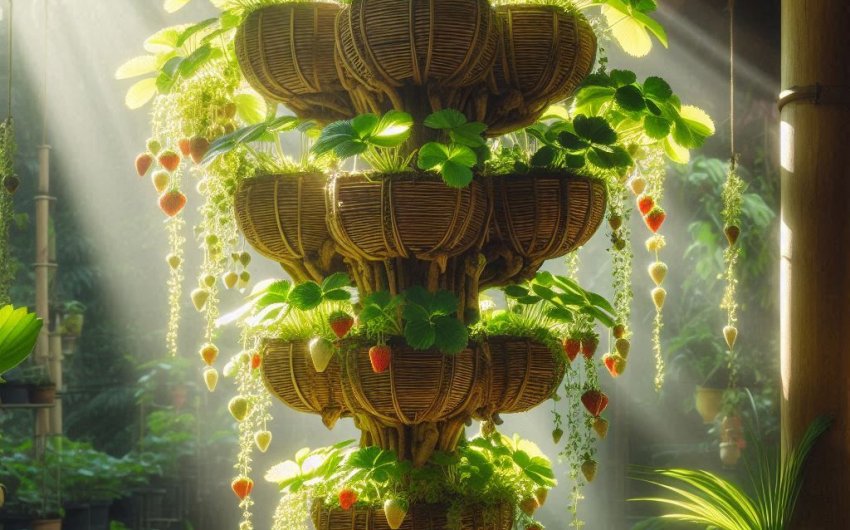
Few culinary delights signal the arrival of warmer weather quite like the sweet, juicy burst of a freshly picked strawberry. For many home gardeners, cultivating these beloved berries is a cherished seasonal ritual. However, traditional strawberry patches can quickly consume valuable garden space, leading some to believe a bountiful harvest is out of reach in smaller yards or urban settings. This is where the innovative approach of vertical gardening comes into play, offering a creative and efficient solution to growing more with less.
Imagine rows of plump, red berries cascading down a tower, reaching for the sun, all within arm's reach on your patio or balcony. Growing strawberries vertically isn't just a space-saving hack; it's a method that can enhance plant health, simplify harvesting, and even reduce common pest issues. It transforms strawberry cultivation from a sprawling ground cover to an elegant, productive centerpiece. Whether you're dealing with limited acreage or simply seeking a novel way to maximize your yield, exploring vertical strategies for these delightful fruits promises a deliciously abundant reward. Let's delve into the best ways to elevate your strawberry-growing game.
Why Grow Strawberries Vertically? The Advantages Unpacked
Growing strawberries vertically offers a compelling set of advantages over traditional ground planting, making it an increasingly popular choice for gardeners of all experience levels, especially those with limited space. It's not just about saving room; it's about optimizing growing conditions for a healthier, more productive harvest.
How Does Vertical Growing Save Space?
The most obvious and significant advantage of vertical strawberry gardening is its incredible ability to save space. Traditional strawberry plants send out runners and spread horizontally, quickly consuming significant ground area.
- Footprint Reduction: Vertical systems stack plants upwards, allowing you to grow many more plants in a fraction of the footprint. For example, a single strawberry tower can hold dozens of plants in a space equivalent to what just a few plants would occupy on the ground.
- Urban Gardening: This makes vertical growing ideal for urban gardening, small patios, balconies, rooftops, or even indoors under grow lights. It transforms unused vertical space into a productive garden.
- Small Yards: Even in larger yards, vertical systems can free up valuable ground space for other crops, or simply allow for a neater, more organized garden layout.
By maximizing cubic rather than linear feet, vertical growing revolutionizes how much you can harvest from a limited area.
What are the Benefits for Plant Health and Harvest?
Beyond space-saving, vertical growing offers several key benefits for plant health and harvest that can lead to more successful strawberry yields.
- Improved Air Circulation: Plants in vertical systems are often spaced out better, allowing for increased airflow around the foliage. This helps to dry leaves more quickly after rain or watering, significantly reducing the risk of fungal diseases like powdery mildew and gray mold (Botrytis), which thrive in humid, stagnant conditions.
- Reduced Pests: Lifting strawberries off the ground makes them less accessible to ground-dwelling pests like slugs, snails, and earwigs. It also helps deter some soil-borne diseases. A copper slug tape can further protect lower plants.
- Cleaner Fruit: Since the berries are suspended in the air rather than resting on the soil, they stay much cleaner. This means less washing is required before consumption.
- Easier Harvesting: No more bending, kneeling, or crawling through thorny patches! Berries are at eye level or easily accessible, making harvesting a breeze and more enjoyable, especially for those with mobility issues.
- Better Sun Exposure: In some vertical designs, plants are exposed to more uniform sunlight as they cascade or are arranged around a central column, leading to more even ripening.
These health and harvest benefits make vertical growing a compelling choice for maximizing your strawberry output.
Can Vertical Systems Enhance Aesthetics?
Absolutely. Vertical strawberry systems are not just functional; they can significantly enhance the aesthetics of your outdoor or even indoor space, turning a simple patch of berries into a decorative feature.
- Visual Interest: The cascading habit of strawberry plants, especially when laden with bright red fruits, creates a beautiful, dynamic display.
- Decorative Structures: Many vertical planters themselves are designed to be visually appealing, made from attractive materials like terracotta, wood, or stylish plastics. A decorative vertical garden tower can be a focal point.
- Architectural Element: A well-designed vertical system can act as a living sculpture, adding an architectural element and a burst of natural color to patios, balconies, or small entryways.
- Neatness: Compared to sprawling ground patches, vertical systems keep strawberry plants contained and tidy, contributing to a more organized and attractive garden space.
From a rustic pallet wall to a sleek tower planter, vertical strawberry setups add both beauty and bounty to your home environment.
1. Stacked Planters/Towers: The Classic Vertical Solution
When considering vertical strawberry growing, stacked planters or towers are often the first and most popular image that comes to mind. This classic solution is widely used for its efficiency, ease of setup, and attractive appearance.
How Do Stacked Planters Work for Strawberries?
Stacked planters, often referred to as strawberry towers, work by utilizing a series of tiered containers that sit one on top of the other, creating vertical pockets for plants.
- Design: These systems usually consist of multiple levels or sections, with planting pockets or openings built into the sides of each tier. As you stack them, each tier provides planting space around its circumference.
- Central Column (Optional): Some designs include a central watering tube or column to ensure even moisture distribution to all levels.
- Watering: Water poured into the top tier filters down through the soil to the lower levels, requiring a single point of watering. This prevents uneven watering and dry pockets, which can be an issue in stacked systems without a central tube.
- Material: They are commonly made from plastic, terracotta, or sometimes wood. Stackable plastic planters are lightweight and affordable.
This design maximizes planting density in a small footprint while keeping plants relatively contained.
What are the Best Practices for Planting in Towers?
To ensure your strawberries thrive in a tower planter, following certain best practices for planting is essential.
- Choose the Right Type of Strawberry: Ever-bearing or day-neutral strawberry varieties are generally best for towers, as they produce fruit throughout the season rather than in one big flush. This provides a continuous harvest from your vertical system.
- Quality Potting Mix: Use a high-quality, well-draining potting mix that is light and fluffy. A mix specifically designed for containers or a blend of potting soil, perlite, and compost works well. This ensures good aeration and drainage, preventing waterlogging in the stacked tiers. A bag of organic potting mix is a good start.
- Prepare the Tower: If your tower has a central watering tube, install it before adding soil. Fill each tier with potting mix as you stack it, leaving enough space for the plants.
- Planting: Gently plant one strawberry plant into each pocket or opening. Ensure the crown (where the leaves emerge from the roots) is at soil level, not buried too deep or exposed too high.
- Watering After Planting: Water thoroughly after planting to settle the soil around the roots.
Proper planting sets the stage for a productive and healthy strawberry tower.
How to Water and Fertilize Stacked Planters?
Watering and fertilizing stacked planters requires a slightly different approach than ground-level beds to ensure all plants receive adequate care.
- Watering Frequency: Stacked systems, especially plastic ones, can dry out faster than in-ground beds. Check the soil moisture daily, especially during hot, sunny weather. Water when the top inch or two of soil feels dry.
- Watering Method:
- Central Tube: If your tower has a central watering tube, water slowly into the tube until water begins to drip from the bottom drainage holes. This ensures even distribution to all tiers.
- Top-Down (No Tube): If there's no central tube, water each planting pocket individually or pour slowly into the top tier, allowing water to percolate down. Be thorough to ensure the lowest tiers receive moisture.
- Drainage: Ensure the entire system has good drainage holes at the very bottom to prevent waterlogging.
- Fertilizing: Strawberries are moderately heavy feeders. Use a balanced, slow-release granular fertilizer mixed into the potting mix before planting, or use a liquid organic fertilizer every 2-4 weeks during the growing season. Dilute liquid fertilizers to half strength to avoid burning the sensitive roots. A strawberry-specific liquid fertilizer provides balanced nutrition.
Consistent and careful watering and fertilization are key to maximizing your strawberry tower's yield.
2. Pallet Walls: Rustic and Resourceful Vertical Gardens
Pallet walls offer a wonderfully rustic and resourceful approach to vertical strawberry gardening. Repurposing discarded wooden pallets into a planting structure is a creative way to save space and add a charming, eco-friendly touch to your garden.
What are the Steps to Building a Pallet Wall Planter?
Building a pallet wall planter for strawberries is a popular DIY project that repurposes readily available materials.
- Source Safe Pallets: The most crucial step is to find heat-treated (HT) pallets, which are safe for gardening. Avoid chemically treated (MB for methyl bromide) pallets. You can often find free HT pallets behind hardware stores or industrial sites.
- Preparation: Clean the pallets thoroughly. Decide if you want to use the pallet horizontally (creating open pockets) or vertically (creating narrow shelves).
- Horizontal Method (Pockets):
- Flip the pallet so the wider openings face upwards.
- Staple or secure landscape fabric or heavy-duty weed barrier fabric to the inside of the bottom and sides of each "pocket" (the space between the slats) to create a container for soil. Ensure drainage holes.
- Fill each pocket with potting mix.
- Vertical Method (Shelves):
- Stand the pallet upright.
- Attach additional planks of wood to the front of the bottom slats to create small, shallow shelves.
- Line these shelves with landscape fabric or plastic to hold soil, ensuring drainage.
- Securing: Lean the pallet against a sturdy wall or fence, or attach it securely with heavy-duty screws or brackets to prevent it from tipping over, especially once filled with soil and plants. A box of outdoor wood screws is essential.
This DIY project transforms humble pallets into productive strawberry havens.
How to Plant and Maintain Strawberries in Pallet Walls?
Once your pallet wall planter is built, planting and maintaining strawberries in it follows similar principles to other container gardening.
- Planting: Use healthy strawberry starts, preferably ever-bearing or day-neutral varieties. Gently plant them into the prepared pockets or shelves, ensuring the crown is at soil level. Water thoroughly after planting.
- Watering: Pallet walls can dry out quickly, especially the upper pockets. Check the soil moisture daily, particularly in warm, sunny weather. Water slowly and thoroughly, ensuring water reaches all levels. You may need to water the top pockets more frequently than the lower ones.
- Fertilizing: Regular feeding with a liquid organic fertilizer every 2-3 weeks during the growing season is recommended, as nutrients can leach out quickly in contained systems.
- Runner Management: Strawberry plants produce runners (stolons) with new plantlets. In a vertical system, you generally want to remove most runners to encourage the parent plant to put energy into fruit production. You can root a few runners in separate pots to expand your collection.
- Winter Care: In colder climates, pallet walls offer little insulation. You may need to move the entire pallet to a sheltered location (like a garage) or cover it with heavy row cover fabric for winter protection.
With diligent watering and feeding, your pallet wall can provide a charming and productive strawberry harvest.
What are the Aesthetic and Practical Considerations of Pallet Walls?
Pallet walls for strawberries offer a unique blend of aesthetic and practical considerations that appeal to different gardening styles.
Aesthetic Considerations:
- Rustic Charm: Pallets provide a distinct, rustic, and reclaimed look that can fit well with farmhouse, cottage, or industrial garden aesthetics.
- Customization: Pallets can be painted, stained, or adorned to match your garden decor, offering a high degree of customization.
- Living Wall: A pallet wall filled with lush strawberry plants, especially when laden with fruit, creates a beautiful living wall feature.
Practical Considerations:
- Weight: Once filled with wet soil, pallet walls can be very heavy. Ensure they are securely supported or anchored to prevent tipping.
- Durability: Pallets are not typically treated for ground contact or long-term outdoor exposure. Untreated pallets may rot over time, especially in contact with moist soil. Consider lining with thicker plastic or replacing them every few years.
- Pest and Disease: While generally good, ensure good airflow to prevent fungal issues. Monitor for slugs and snails on lower tiers.
- Watering Challenges: Ensuring even watering across all pockets can sometimes be tricky without an integrated drip system.
Balancing the appealing aesthetics with the practical demands of the system will ensure a successful pallet wall strawberry garden.
3. PVC Pipe/Gutter Systems: Modern and Efficient Vertical Growing
For those seeking a more modern, streamlined, and highly efficient approach to vertical strawberry gardening, PVC pipe or gutter systems offer an excellent solution. These designs are great for maximizing yield in small spaces and can be highly customizable.
How Do PVC Pipe Systems Work for Strawberries?
PVC pipe systems for vertical strawberry growing involve using large-diameter PVC pipes with holes cut into them, arranged either vertically or horizontally.
- Vertical Orientation: A long PVC pipe is stood upright, with planting holes cut along its sides. A smaller, perforated PVC pipe is often placed down the center for even watering. Plants are inserted into the holes.
- Horizontal Orientation (Stacked): Shorter sections of PVC pipe are mounted horizontally, one above the other, forming tiered rows of planters.
- Watering: In vertical systems, water is poured into the central pipe, which has small holes to slowly release water to the roots of all plants. In horizontal systems, each pipe section is watered individually, often with drip emitters.
- Drainage: Proper drainage holes must be drilled at the bottom of each pipe section to prevent waterlogging.
- Material: Food-grade PVC pipe is recommended to avoid any leaching of chemicals into your edible plants. A length of food-grade PVC pipe can be purchased from plumbing suppliers.
These systems are known for their efficiency and often clean, modern look.
What are the Advantages of Using Gutter Systems?
Gutter systems are another innovative way to create vertical strawberry gardens, often using repurposed or new rain gutters. They offer unique advantages, especially for long, narrow spaces.
- Linear Space Efficiency: Gutters are perfect for mounting along fences, walls, or railings, utilizing linear vertical space very effectively.
- Drainage Control: It's easy to drill drainage holes along the bottom of the gutters. You can even set them up in a slight cascade to direct water from one gutter to the next, simplifying watering.
- Accessibility: All plants are easily accessible along the length of the gutter for planting, watering, and harvesting.
- Material: Standard vinyl or metal rain gutters work well. White vinyl rain gutters are common and durable.
- Watering: Each gutter can be watered individually, or you can set up a simple drip irrigation system for automated watering.
Gutter systems provide a neat, efficient, and visually appealing way to grow strawberries vertically.
How to Set Up and Maintain These Modern Systems?
Setting up and maintaining PVC pipe or gutter systems involves similar considerations to other vertical methods, with emphasis on secure mounting and precise watering.
- Construction and Mounting:
- PVC: Cut pipes to desired lengths, drill planting holes (2-4 inches diameter, spaced 6-8 inches apart), and drill drainage holes at the bottom. For vertical pipes, create a sturdy base. For horizontal, mount securely to a wall or frame using pipe hangers or brackets.
- Gutters: Cut gutters to length, add end caps, and drill drainage holes (1/4 inch every 6-8 inches). Mount to a wall or fence using gutter brackets, ensuring they are level or slightly sloped for cascaded watering.
- Potting Mix: Use a light, well-draining potting mix.
- Planting: Plant strawberries in the holes/gutters, ensuring crowns are at soil level.
- Watering: These systems dry out very quickly, especially PVC pipes which offer little insulation. Automated drip irrigation is highly recommended for consistent moisture. A drip irrigation kit for containers can be adapted for these systems.
- Fertilizing: Use a liquid fertilizer regularly, as nutrients will leach out rapidly.
- Winter Care: These systems offer minimal root insulation. In colder climates, consider bringing them indoors or providing substantial insulation/covering for winter.
With proper setup and maintenance, PVC pipe and gutter systems can be highly productive and efficient vertical strawberry gardens.
4. Hanging Planters/Pouches: Flexible and Decorative Solutions
Hanging planters and pouches offer some of the most flexible and decorative solutions for vertical strawberry growing. They are ideal for small spaces, adding bursts of color and fruit to patios, balconies, or even trellises.
What are the Best Types of Hanging Planters for Strawberries?
When choosing hanging planters for strawberries, several types work well, each with its own advantages. The key is to select ones that allow good drainage and provide enough space for root development.
- Traditional Hanging Baskets: Classic hanging baskets (often coir-lined wire baskets or solid plastic) are popular. They offer good aeration. Ensure they are large enough (at least 10-12 inches diameter) to hold enough soil and moisture for a few plants.
- Strawberry Planters (Tiered/Side Pockets): These are designed specifically for strawberries, often with multiple planting pockets around the sides, similar to vertical towers but in a hanging format. These maximize planting density in a single basket.
- Fabric Grow Bags/Pouches: These flexible, breathable fabric containers are excellent. They promote air pruning of roots (preventing circling) and allow for good drainage. Many come with multiple planting pockets down the sides. A hanging fabric grow bag with pockets is perfect for strawberries.
- Vertical Wall Planters: Some are designed to hang flat against a wall, offering multiple pockets.
No matter the type, always ensure the chosen planter has adequate drainage holes.
How to Plant and Water Strawberries in Hanging Systems?
Planting and watering strawberries in hanging systems needs careful attention, as these containers can dry out very quickly due to their exposure to air on all sides.
- Potting Mix: Use a lightweight, moisture-retaining, well-draining potting mix. Consider adding some water-retaining crystals or a bit more compost to help hold moisture without becoming soggy.
- Planting: Plant ever-bearing or day-neutral strawberry varieties into the pockets or top of the basket, ensuring the crown is at soil level. For side pockets, gently push the plant's roots into the soil from the outside.
- Watering Frequency: This is crucial. Hanging baskets dry out fastest. During hot, sunny weather, you might need to water daily, sometimes even twice a day. Feel the soil; it should be consistently moist but not waterlogged.
- Watering Method: Water thoroughly until water drips from the bottom. For baskets, you might need to water in stages or immerse the basket in a tub of water for 15-20 minutes to rehydrate completely if it becomes very dry.
- Fertilizing: Regular feeding with a diluted liquid organic fertilizer every 1-2 weeks is highly recommended due to frequent watering and nutrient leaching.
Diligence with watering and feeding is the key to success for hanging strawberry planters.
What are the Advantages of Flexibility and Aesthetics?
Hanging planters and pouches offer significant advantages in terms of flexibility and aesthetics, making them a popular choice for gardeners wanting to add charm and productivity to diverse spaces.
- Flexible Placement: They can be hung from pergolas, porch ceilings, balcony railings, trellises, or shepherd's hooks, allowing you to utilize almost any available vertical space, even in tight corners. They are easy to move if light conditions change or for protection.
- Enhanced Aesthetics: A cluster of hanging strawberry plants, especially when covered with bright red berries, is incredibly decorative. They add a whimsical, abundant look to any outdoor living area. A decorative plant hanger can further enhance the display.
- Space-Saving: While not as high-density as a tower, they are perfect for maximizing production in very small spaces where a larger structure wouldn't fit.
- Pest and Disease Reduction: Being suspended in the air naturally reduces exposure to soil-borne diseases and ground pests like slugs.
- Easy Harvesting: Berries hang freely, making them easy to spot, pick, and keep clean.
These systems offer a beautiful and practical way to enjoy fresh strawberries in a variety of settings.
5. General Tips for Vertical Strawberry Success
Regardless of the specific vertical system you choose, several universal tips and practices apply to ensure the overall success of your strawberry plants. These considerations range from basic plant care to seasonal management.
Why is Choosing the Right Strawberry Variety Important?
Choosing the right strawberry variety is paramount for vertical gardening success. Not all strawberry types are equally suited to the unique conditions of vertical systems.
- Ever-Bearing and Day-Neutral Varieties: These are by far the best choice for vertical setups.
- Ever-bearing varieties produce two or three harvests throughout the growing season (spring, mid-summer, fall).
- Day-neutral varieties produce fruit continuously from spring until the first hard frost, as long as temperatures are moderate. These types put more energy into producing fruit rather than lots of runners, which is ideal for contained vertical spaces.
- Avoid June-Bearing Varieties: June-bearing strawberries produce one large crop in early summer and then focus heavily on runner production. While great for traditional matted rows, their abundant runners can quickly overcrowd and overwhelm a vertical system, reducing fruit yield.
- Compact Growth Habit: Look for varieties that naturally have a more compact or contained growth habit, rather than sprawling.
- Disease Resistance: Choose varieties known for good disease resistance, as plants in contained systems can sometimes be more susceptible if conditions are not optimal.
Selecting the appropriate strawberry variety sets the foundation for a prolific vertical harvest. You can often buy everbearing strawberry bare roots in bulk.
How to Manage Runners in Vertical Systems?
Managing runners is a crucial part of vertical strawberry care. Strawberry plants naturally produce runners (stolons) – long shoots that trail away from the parent plant and form new plantlets at their tips.
- Energy Diversion: In a vertical system, you generally want to remove most runners. This is because runner production drains the parent plant's energy away from fruit production. By removing them, you encourage the plant to put more energy into creating more berries on the existing plants.
- Pinching/Clipping: Simply pinch or clip off runners as they appear. Use clean gardening snips for a clean cut.
- Propagation (Optional): If you want to expand your collection, you can allow a few runners to root into a separate small pot of soil. Once rooted and established, you can snip the runner from the parent plant.
- Overcrowding: Unmanaged runners will quickly overcrowd a vertical planter, leading to reduced air circulation, increased disease risk, and smaller, less flavorful fruit.
Diligent runner management ensures your vertical strawberry plants remain focused on producing delicious fruit.
What are the Best Practices for Winterizing Vertical Strawberries?
Winterizing vertical strawberries is essential for perennial varieties (which most common strawberries are) to ensure their survival and productivity in subsequent years, especially in colder climates. Containerized plants are more vulnerable to winter cold than those in the ground.
- Protect from Freezing:
- Bring Indoors: For small or movable systems (like hanging baskets or some towers), bring them into an unheated garage, shed, or cool basement. They need a period of cold dormancy. Avoid bringing them into a warm living space, which can disrupt dormancy.
- Insulate: For larger, immovable systems, you can insulate the containers. Wrap them in burlap, bubble wrap, or frost protection blankets. You can also pile leaves or straw around the base of the system for insulation.
- Burying: For ultimate protection, you can temporarily bury the entire vertical planter (or individual pots removed from the system) in the ground, covering them with soil and mulch for the winter.
- Watering: Reduce watering in winter. Keep the soil slightly moist but avoid overwatering, especially if plants are dormant or indoors in a cool location.
- Pruning: Remove any dead or diseased foliage before winterizing.
Proper winterization ensures your vertical strawberry plants survive the cold and emerge ready for a new season of fruit production.
How to Protect Vertical Strawberries from Birds and Pests?
While vertical growing already helps with some ground pests, protecting vertical strawberries from birds and other flying pests is still an important step to ensure you get to enjoy your harvest.
- Bird Netting: This is the most effective method for bird control. Drape fine mesh bird netting over your vertical system once the fruits begin to ripen. Secure the netting at the base so birds cannot get underneath.
- Visual Deterrents: While less effective than netting, shiny objects (old CDs, reflective tape) or scarecrows can sometimes deter birds temporarily.
- Slug/Snail Control: Although elevated, lower tiers might still be vulnerable to slugs and snails. Consider copper tape around the base of the system or organic slug bait if needed.
- Regular Inspection: Regularly inspect your plants for signs of common strawberry pests like aphids or spider mites. Strong water sprays, insecticidal soap, or neem oil are usually effective organic control methods.
Proactive pest protection ensures your bountiful vertical strawberry harvest remains yours to enjoy.
What is the Importance of Pollination for Fruit Production?
Pollination is absolutely crucial for fruit production in strawberries, whether grown horizontally or vertically. Without successful pollination, flowers will not develop into berries, or the berries will be small and malformed.
- Natural Pollinators: In outdoor vertical systems, bees and other natural pollinators will typically find your strawberry flowers. Ensure your garden is attractive to these beneficial insects by planting a variety of pollen-rich flowers nearby and avoiding harmful pesticides.
- Wind Pollination: While less efficient than insect pollination for strawberries, wind can also play a role, especially if plants are exposed to good air circulation.
- Indoor Pollination: If you are growing strawberries vertically indoors, you will need to manually pollinate the flowers. Use a small, soft brush (like a fine artist's paintbrush) or a cotton swab to gently transfer pollen from the stamens (male parts) to the pistil (female parts) of each flower. Do this daily when flowers are open.
- Vibrating Tool: A small electric toothbrush can also be used to gently vibrate the flowers, releasing pollen.
Ensuring adequate pollination is the final, vital step to converting those beautiful blossoms into juicy, ripe strawberries from your vertical garden.