
How to Graft Fruit Trees for Higher Yields?
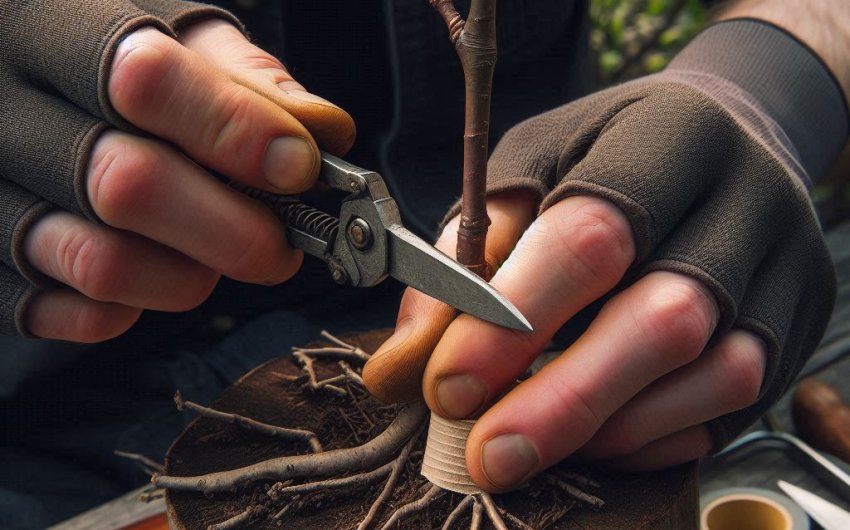
For orchardists and home growers seeking to optimize their harvests, understanding "how to graft fruit trees for higher yields" is a fundamental skill. Grafting, a propagation technique where parts of two plants are joined to grow as one, offers unparalleled control over fruit tree characteristics. By selecting compatible rootstocks and scions, growers can enhance disease resistance, control tree size, accelerate fruiting, and even cultivate multiple fruit varieties on a single tree, all contributing to more productive and robust harvests. This horticultural art significantly boosts orchard efficiency and fruit quality.
What exactly is grafting and why is it beneficial for fruit trees?
Grafting is a horticultural technique where tissues of plants are joined so as to continue their growth together as one plant. Essentially, you are taking a desirable part of one plant (the scion) and attaching it to the root system and sometimes lower stem of another plant (the rootstock). The goal is for the vascular tissues of the two parts to align and fuse, creating a living union that allows water and nutrients to flow seamlessly.
For fruit trees, grafting is not just a method of propagation; it's a powerful tool for horticultural control and improvement. Most commercially grown fruit trees, from apples and pears to cherries and peaches, are not grown from seed because seeds often do not produce trees true to the parent variety. Instead, they are grafted. The rootstock influences the scion in profound ways, offering a host of benefits that directly translate to healthier trees and, crucially, higher yields.
What are the key components in grafting?
Understanding the two main components of a graft union is crucial for success.
- Scion: The scion is the upper part of the combined plant, consisting of a shoot or bud of the desired fruit variety. It will determine the type of fruit the tree produces, its fruit characteristics (size, color, flavor), and its above-ground growth habit. For example, if you want 'Honeycrisp' apples, your scion must come from a 'Honeycrisp' tree. The scion typically has 2-4 buds that will develop into branches.
- Rootstock: The rootstock is the lower part of the combined plant, comprising the root system and sometimes a portion of the lower stem. The rootstock influences many critical characteristics of the grafted tree, including its size, precocity (how soon it fruits), disease resistance, soil adaptability, and cold hardiness. Rootstocks are often specifically bred for these desirable traits.
How does grafting benefit fruit tree yields?
Grafting offers several distinct advantages that directly lead to higher yields and improved tree health.
- Controlling Tree Size: One of the most significant benefits is the ability to control the mature size of the fruit tree. Different rootstocks are classified as dwarf, semi-dwarf, or standard (full-size).
- Dwarf rootstocks (dwarf apple rootstock), for instance, produce smaller trees that are perfect for backyard gardens, small orchards, or container growing. Smaller trees are easier to prune, spray, and harvest, making maintenance more manageable and often leading to higher yields per square foot. They also reach fruiting age much faster.
- Semi-dwarf rootstocks provide a good compromise, yielding medium-sized trees that are productive but still manageable without ladders.
- Full-size rootstocks produce large, long-lived trees, but they take longer to fruit and are harder to manage. By choosing the appropriate rootstock, you can ensure your tree fits your space and is productive.
- Accelerating Fruiting (Precocity): Many rootstocks, especially dwarf and semi-dwarf types, induce precocity in the scion. This means the grafted tree will begin producing fruit much earlier than a tree grown from seed or grafted onto a standard rootstock. Instead of waiting 5-10 years, you might get fruit in 2-3 years, allowing for quicker returns on your investment of time and effort and overall higher cumulative yields.
- Disease and Pest Resistance: Rootstocks can be selected for their inherent resistance to specific soil-borne diseases (like Phytophthora root rot) or pests (like woolly apple aphid) prevalent in your region. By grafting a susceptible scion onto a resistant rootstock, you give the entire tree a strong defense against these common problems, leading to a healthier tree that can put more energy into fruit production rather than fighting disease.
- Adaptation to Soil Conditions: Some rootstocks are tolerant of challenging soil conditions, such as heavy clay, sandy soil, or specific pH levels. If your native soil is less than ideal, selecting a compatible, adaptable rootstock can enable your chosen fruit variety to thrive where it otherwise might not, leading to more consistent yields.
- Creating Multi-Variety Trees ("Fruit Cocktail Trees"): Grafting allows you to put multiple different scion varieties (of the same fruit species, e.g., different apple varieties) onto a single rootstock. This is often called a "fruit cocktail tree" or a "family tree." This is incredibly beneficial for small spaces, as you can harvest several types of fruit from one tree. It also ensures cross-pollination for varieties that require it, leading to better fruit set and higher yields for all grafted varieties. For example, a multi-grafted apple tree can have Gala, Fuji, and Honeycrisp apples on one trunk.
- Repairing Damaged Trees: Grafting can also be used to repair damaged trees (e.g., bridge grafting over rodent damage or crown rot), saving an otherwise doomed tree and preserving its future yield potential.
In essence, grafting gives the grower immense control over the characteristics of their fruit trees, allowing for tailored solutions that optimize tree health, manageability, and ultimately, fruit production for higher yields.
What types of grafts are most common for fruit trees?
While there are many grafting methods, a few are particularly common and effective for fruit trees, especially for amateur and commercial growers aiming for higher yields. The choice of graft type often depends on the size of the scion and rootstock, the time of year, and the specific fruit tree species. Each method aims to create maximum contact between the cambium layers (the thin, green layer just under the bark) of the scion and rootstock, which is crucial for a successful union.
What is whip-and-tongue grafting?
The whip-and-tongue graft is one of the most popular and strongest grafts for small-diameter dormant scions and rootstocks (usually 1/4 to 1/2 inch in diameter). It creates a very strong union because the "tongue" provides a large contact area and mechanical stability.
- When to Use: Best performed in late winter to early spring when both scion and rootstock are dormant. Ideal for bench grafting (grafting bare-root rootstocks indoors).
- Process:
- Prepare Rootstock: Make a long, sloping cut (about 1-1.5 inches long) at the top of the rootstock, angling it downwards.
- Prepare Scion: Make a similar long, sloping cut at the bottom of the scion, angling it upwards, so the cuts match perfectly.
- Create "Tongues": Cut a small "tongue" into the face of each long cut, about halfway down its length. This means making a secondary cut that goes into the wood.
- Join: Interlock the tongues of the scion and rootstock, pushing them firmly together so the cambium layers align on at least one side. The goal is a snug fit.
- Secure: Wrap the union tightly with grafting tape or Parafilm to hold the pieces together and exclude air and moisture.
- Seal: Apply a layer of grafting wax or paint over the wrapped area and the exposed tip of the scion to prevent desiccation.
- Benefit for Yields: Its strong union ensures excellent nutrient flow, and because it's often used for dormant bench grafting, it allows for early establishment of the tree in spring, leading to quicker growth and earlier fruiting.
What is bark grafting?
Bark grafting (also known as "rind grafting") is used when the rootstock is significantly larger in diameter than the scion (usually 1 inch or more). It's typically done in spring when the rootstock is actively growing and its bark "slips" easily (separates from the wood).
- When to Use: Early to mid-spring, when sap is flowing in the rootstock, making the bark easy to peel. The scion should still be dormant.
- Process:
- Prepare Rootstock: Cut the rootstock cleanly across at the desired height. Make one or two vertical cuts through the bark, about 1-2 inches long, at the top edge of the rootstock, being careful not to cut into the wood underneath.
- Prepare Scion: Prepare a dormant scion by making a long, sloping cut (1.5-2 inches) on one side, and a shorter, sharper cut on the opposite side to form a wedge or a "shoulder."
- Insert Scion: Gently peel back the bark on the rootstock where you made the vertical cut(s). Slide the prepared scion down between the bark and the wood of the rootstock, ensuring the long cut faces inwards. If using two scions, place them on opposite sides.
- Secure: Nail or tack the scion(s) firmly into place (small headless nails or grafting tacks are used). Wrap the entire union tightly with grafting tape.
- Seal: Generously apply grafting wax or paint over all cut surfaces, including the top of the rootstock and the tips of the scions, to prevent moisture loss.
- Benefit for Yields: Excellent for top-working (changing the variety of) an established fruit tree or turning a wild seedling into a productive fruit tree, allowing you to quickly capitalize on an existing root system for earlier, larger harvests.
What is chip budding?
Chip budding is a form of grafting that uses only a single bud (a "chip") from the scion variety. It's done when the cambium is active, usually in late summer or early fall.
- When to Use: Late summer (July-August) or early fall, when rootstock is actively growing.
- Process:
- Prepare Rootstock: Select a smooth area on the rootstock. Make a small, downward-angled cut into the rootstock, then make a second cut about 1 inch above it, coming down to meet the first cut, forming a rectangular notch in the bark.
- Prepare Scion Bud ("Chip"): From a dormant bud stick of the desired variety, make a matching cut: an upward-angled cut below a bud, then a downward cut about 1 inch above it, coming down to meet the first cut. The goal is to remove a "chip" of bark and wood with a single bud in the center.
- Insert Chip: Insert the scion chip neatly into the notch on the rootstock, ensuring the cambium layers align, especially on one side.
- Secure and Seal: Wrap the entire chip and surrounding bark tightly with Parafilm or grafting tape, leaving only the bud itself exposed (or very thinly covered). This keeps it moist and secure.
- Benefit for Yields: Very efficient for propagating many trees with limited scion material. It's often used for nursery propagation and is excellent for adding new varieties to an established tree. Success leads to rapid growth the following spring.
All grafting methods require practice, sharp tools (grafting knife), and careful alignment of cambium layers for a successful union and subsequent higher yields.
What essential tools and materials do I need for grafting?
Successful grafting relies heavily on precision, cleanliness, and the right equipment. Having the essential tools and materials readily available and in good condition before you begin the process is crucial. Poor tools can lead to ragged cuts, insufficient cambium contact, and ultimately, a failed graft union. Investing in quality tools will significantly increase your success rate and ensure your fruit trees grow strong and productive.
What cutting tools are required?
Sharp, clean cutting tools are paramount for making the precise incisions needed for a successful graft union.
- Grafting Knife: A dedicated grafting knife is the most important tool. It has a single bevel (chisel-like) blade, designed to make extremely clean, flat cuts with minimal effort. Look for a high-quality carbon steel blade that holds a sharp edge. Keep it razor sharp with a whetstone or sharpening stone, and wipe it clean and dry after each use to prevent rust.
- Pruning Shears/Secateurs: For making clean cuts to remove unwanted branches or to cut scion wood to length, a pair of sharp bypass pruning shears is essential. Choose bypass type as they make clean cuts like scissors, which is better for live plant tissue than anvil type pruners.
- Budding Knife (for budding techniques): If you plan to perform chip budding or T-budding, a budding knife is useful. It typically has a smaller, often curved blade and sometimes a "bark lifter" on the back of the blade for easy bark separation.
- Sterilizing Solution: Before and between each graft, it is critical to sterilize your cutting tools to prevent the spread of diseases. Use rubbing alcohol, a 10% bleach solution, or a commercial sterilizing agent. Keep a small container of solution and paper towels handy.
What binding and sealing materials are needed?
Once the scion and rootstock are joined, they need to be held firmly in place and protected from drying out.
- Grafting Tape: This specialized tape is flexible, elastic, and often degradable (breaking down in sunlight over time). It provides firm, even pressure to hold the graft union tightly together, ensuring good cambium contact. Parafilm is a popular choice; it stretches, clings to itself, and can be used to wrap the entire scion to prevent desiccation. Other options include plastic electrical tape (remove after union), or specific grafting rubber bands.
- Grafting Wax/Compound: This waxy or tar-like substance is used to seal all exposed cut surfaces, including the top of the scion and any open cuts on the rootstock. Its purpose is to prevent moisture loss (desiccation) and to exclude air, which can cause the graft to fail. Tree wound sealant is a similar product. Some grafting tapes are self-sealing (like Parafilm), reducing the need for additional wax.
- Labels: Essential for keeping track of the rootstock type, scion variety, and grafting date. Use durable, weatherproof plant labels that won't fade or fall off.
Are there any other helpful tools?
While not strictly essential for every graft, these items can make the process easier or more successful.
- Wedge/Spreader: For some graft types (like cleft graft), a small grafting wedge can help hold the rootstock split open while inserting the scion.
- Hand Saw (for larger rootstocks): If you're top-working a larger established tree (for bark grafting, for example), a sharp hand saw will be needed to make the main cut on the rootstock.
- Gloves: Protect your hands from sap, sharp tools, and the sticky grafting wax. Comfortable gardening gloves are recommended.
- Bucket of Water: Keep scion wood in a bucket of water before grafting to keep it hydrated.
- Cooler with Ice: If working outdoors in warmer temperatures, keep your prepared scion wood in a cooler with ice to maintain its dormancy and freshness.
Gathering all these tools and materials before you begin will streamline the grafting process and set you up for the best possible chance of creating strong, productive fruit trees with higher yields.
When is the best time to graft fruit trees?
The timing of grafting is one of the most critical factors influencing its success. Different grafting methods have optimal windows, primarily determined by the physiological state of the scion and rootstock, specifically whether they are dormant or actively growing, and the flow of sap. Performing a graft at the wrong time of year is a common reason for failure.
Generally, grafting is best done when the tree is either completely dormant or just beginning to emerge from dormancy, and when the weather conditions are mild and consistent. The goal is to encourage the rapid formation of a callus – the undifferentiated tissue that forms between the scion and rootstock, eventually bridging their vascular systems. Callus formation requires warmth and moisture, but too much heat or extreme cold can inhibit it.
Why is dormancy important for scion wood?
For most common grafting techniques (like whip-and-tongue, cleft, or bark grafting), the scion wood must be dormant.
- Scion Collection: Scions are typically collected in late winter or very early spring (December to February in temperate climates), after the leaves have fallen but before bud swell. The wood should be from the previous season's growth (one-year-old wood) and healthy, free of disease, and approximately pencil-sized in diameter.
- Storage: After collection, scions must be kept dormant and hydrated until grafting. Wrap them in slightly damp newspaper or paper towels, place them in a plastic bag, and store them in the coolest part of your refrigerator (not freezing) for several weeks or months. Proper storage prevents the scion buds from breaking prematurely.
- Why Dormancy? A dormant scion has low metabolic activity, allowing it to conserve energy and moisture. When joined to an active rootstock, the rootstock's sap flow encourages the scion to "wake up" and begin forming a callus, leading to successful union. If the scion is already actively growing, it will expend too much energy on leaf and shoot development rather than healing the graft union, leading to failure.
When should the rootstock be active or dormant?
The state of the rootstock depends on the specific grafting method chosen.
- Dormant Rootstock (e.g., Whip-and-Tongue, Cleft Graft): Many methods require both the scion and rootstock to be dormant. These are often performed in late winter to early spring (February-April), just before bud break. The rising temperatures stimulate both parts to form a callus simultaneously once joined. This is ideal for bench grafting (grafting bare-root rootstocks indoors before planting).
- Actively Growing Rootstock with Slipping Bark (e.g., Bark Grafting, Budding): Some methods, particularly bark grafting and budding, require the rootstock to be actively growing so its bark "slips" easily.
- Bark Grafting: This is usually done in early to mid-spring (April-May) after the rootstock has fully leafed out and sap is flowing vigorously. The scions used for bark grafting are still dormant (collected and stored from winter).
- Budding (Chip or T-budding): This is typically performed in late summer or early fall (July-September). At this time, the bark on the rootstock still slips easily, and the bud from the scion is mature but not yet actively growing. The bud will typically remain dormant over winter and grow out the following spring.
What are ideal weather conditions for grafting?
Beyond the physiological state of the plants, the external environment plays a significant role in graft success.
- Temperature: Callus formation, the healing process, is highly temperature-dependent. Ideal temperatures are typically between 55°F to 80°F (13°C to 27°C). Extreme cold (freezing) or extreme heat (above 90°F) can prevent callus formation and lead to graft failure. Avoid grafting on days with predicted late frosts or heatwaves.
- Humidity: While grafting wax and tape protect the graft from drying out, very low humidity can still be a challenge. High humidity is generally beneficial for healing, as it reduces water loss from the scion.
- Rain/Moisture: Avoid grafting during rain or when the plant surfaces are wet. Moisture can lead to fungal infections and can interfere with the sealing compounds.
- Wind: Excessive wind can dry out the graft union quickly, so choose calm days or provide wind protection.
By carefully observing the timing window for your chosen graft type and ensuring the scion and rootstock are in the correct physiological state, you significantly increase your chances of successful graft unions, leading to strong, productive fruit trees and ultimately higher yields.
How do rootstocks influence fruit tree yields?
The rootstock is the unsung hero of the fruit tree, playing a monumental role in determining its performance and ultimately its yield. While the scion dictates the type of fruit, it's the rootstock that controls fundamental aspects like tree size, how quickly it fruits, its resistance to environmental stresses, and even its lifespan. Understanding these influences allows growers to select the ideal rootstock to maximize productivity in their specific orchard or garden conditions.
The rootstock acts as the tree's engine and foundation, regulating everything from water and nutrient uptake to hormone production. Its genetic makeup influences how the scion grows, fruits, and responds to its environment, directly impacting both the quantity and quality of the harvest.
What is the impact of rootstock on tree size?
This is one of the most significant and well-understood influences of rootstocks. Rootstocks are specifically bred and categorized based on the mature size they induce in the grafted scion.
- Standard (Full-Size) Rootstocks: These produce very large trees, often reaching heights of 20-30 feet or more. They take many years to begin bearing fruit (often 7-10 years) but can produce very high total yields over a long lifespan. However, their size makes them difficult to manage, prune, spray, and harvest, especially for backyard growers. They require significant space.
- Semi-Dwarf Rootstocks: These produce medium-sized trees, typically 12-20 feet tall, which are much more manageable for most home orchards. They begin bearing fruit earlier than standards (3-5 years) and offer a good balance of productivity and ease of maintenance. This size often provides the highest yield per tree that is still practical to manage without heavy equipment. Popular choices for apples include MM.106 and MM.111.
- Dwarf Rootstocks: These are increasingly popular, producing small trees, typically 6-12 feet tall, that are ideal for small gardens, containers, or high-density planting. They bear fruit very early (1-3 years after grafting), often producing a surprisingly high yield relative to their size. While the total yield per tree is lower than standard or semi-dwarf, the ease of management (no ladders needed for pruning or harvesting), quicker fruiting, and ability to plant more trees per area often lead to higher yields per acre/square foot. Examples for apples include M.9, M.26, and B.9.
- Super-Dwarf Rootstocks: Some newer rootstocks produce even smaller trees, sometimes only 4-6 feet tall, ideal for pot culture or very tight spaces.
The choice of size depends on your space, how much effort you want to put into management, and how quickly you want fruit. Smaller trees mean easier care, which often translates to better tree health and consistent yields.
How does rootstock affect precocity (early fruiting)?
Precocity refers to how quickly a tree begins to bear fruit after planting or grafting. Rootstocks have a strong influence on this trait.
- Dwarf and Semi-Dwarf Rootstocks: These rootstocks are generally very precocious, meaning trees grafted onto them will start producing fruit much earlier than those on standard rootstocks. For example, a dwarf apple tree might fruit in 1-2 years, while a standard apple tree could take 5-7 years or more.
- Benefit for Yields: Earlier fruiting means you get a return on your gardening effort much sooner. While the initial yield might be small, the cumulative yield over the early years is significantly higher compared to slower-to-fruit trees. This is a huge advantage for home growers wanting quicker harvests and commercial growers aiming for faster profitability.
What about disease and pest resistance?
Many rootstocks have been specifically bred or selected for their inherent resistance or tolerance to common soil-borne diseases and pests.
- Disease Resistance: Rootstocks can offer resistance to diseases like Phytophthora root rot (which thrives in wet soils), crown rot, fire blight (in apples and pears), and Verticillium wilt. If your soil has a history of a particular disease, selecting a resistant rootstock is crucial for the long-term health and productivity of your tree.
- Pest Resistance: Some rootstocks offer resistance to specific soil-dwelling pests, such as woolly apple aphid or various nematodes.
- Benefit for Yields: A disease- and pest-resistant rootstock provides a strong, healthy foundation for the entire tree. This means the tree can dedicate more energy to vegetative growth and fruit production rather than fighting off pathogens or pests, leading to consistently higher yields and reduced need for chemical interventions.
How does rootstock influence adaptability to soil and climate?
Rootstocks also play a role in helping the tree adapt to challenging environmental conditions.
- Soil Type: Some rootstocks tolerate heavy clay soils better, while others perform well in sandy or drier conditions. Some are more efficient at extracting nutrients from less fertile soils.
- pH Tolerance: Certain rootstocks can perform better in soils with slightly acidic or alkaline pH ranges.
- Cold Hardiness: While the scion determines the fruit variety's cold hardiness, some rootstocks also contribute to the overall cold tolerance of the root system, which is vital for survival in very cold climates.
- Benefit for Yields: By selecting a rootstock suited to your specific soil type and climate, you ensure the tree has the best possible foundation to absorb water and nutrients, grow vigorously, and produce reliably, maximizing its yield potential.
The rootstock is far more than just a root system; it's a carefully chosen genetic partner that profoundly influences nearly every aspect of a fruit tree's growth and productivity. Strategic selection of the right rootstock, tailored to your specific goals and growing conditions, is a powerful technique for achieving higher yields and cultivating thriving fruit trees.