
Can I Grow Tropical Fruits in Cold Climates?
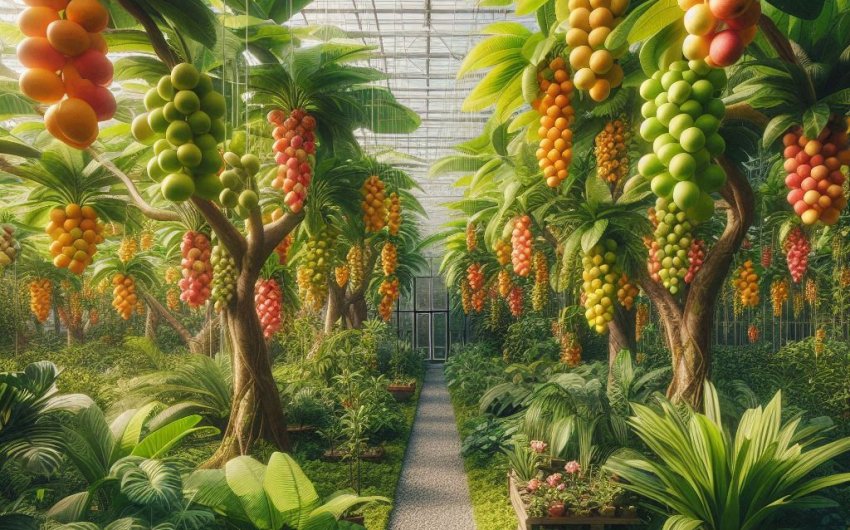
Cultivating tropical fruits in chilly environments presents a fascinating challenge, but it's often achievable with the right knowledge and dedication. Many enthusiasts dream of harvesting their own ripe mangoes or sweet papayas, even when living far from equatorial regions. This comprehensive guide will explore the possibilities and practical steps involved in growing these warm-weather delights in cooler climates.
Can Tropical Fruits Really Thrive Outside the Tropics?
Indeed, with ingenuity and protective measures, numerous tropical fruit varieties can not only survive but also produce fruit in unexpected locations. The key lies in understanding the specific needs of each plant and replicating its ideal growing conditions as closely as possible. It’s about creating a microclimate, a small area where temperature, humidity, and light are controlled to mimic a tropical paradise.
While it might seem counterintuitive to plant a banana tree in a northern garden, many resilient varieties exist that can tolerate cooler temperatures or adapt well to indoor cultivation. The success depends heavily on factors like frost protection, consistent warmth, and adequate sunlight. Innovative gardening techniques and a bit of a green thumb can transform a cool-climate home into a haven for exotic produce.
What Are the Hardiest Tropical Fruits for Cold Climates?
When considering which tropical fruits to grow in cooler temperatures, cold hardiness is paramount. Some varieties are naturally more tolerant of lower temperatures, while others require extensive protection. Focusing on these more resilient options significantly increases the chances of success for home growers.
Certain citrus trees, for instance, are surprisingly robust. While a common lime might struggle, varieties like the Meyer lemon or some mandarins can withstand occasional dips below freezing if protected. These citrus types often produce abundant fruit and are popular choices for indoor or greenhouse growing. For outdoor planting in marginally cool areas, selecting dwarf varieties or those grafted onto cold-tolerant rootstock can enhance their survival rate.
Beyond citrus, the feijoa, also known as the pineapple guava, is an excellent choice. This shrub or small tree produces tasty, aromatic fruits and is remarkably cold-hardy, tolerating temperatures down to about 15 degrees Fahrenheit once established. Its attractive foliage and unique flowers also make it a desirable ornamental plant. You can often find Feijoa seeds online.
Another surprisingly tough contender is the passion fruit. While many varieties are truly tropical, certain types, particularly those from cooler high-altitude regions, can endure light frosts. The 'Maypop' passion flower (Passiflora incarnata), native to the southeastern United States, is a prime example. It’s a vigorous vine that can die back to the ground in winter but regrow from its roots in spring, producing delicious fruit.
For those seeking something truly unique, the hardy kiwi (Actinidia arguta) is a fantastic option. Despite its name, it’s not truly tropical but offers a similar exotic appeal with small, smooth-skinned fruits that don't need peeling. These vines are incredibly cold-tolerant, surviving temperatures well below zero degrees Fahrenheit, making them a superb choice for even very cold regions. Consider getting some Hardy kiwi plants for your garden.
Even some banana varieties, such as the 'Basjoo' banana (Musa basjoo), are surprisingly cold-tolerant. While their fruits are typically inedible or seedy, they offer a dramatic tropical aesthetic and can survive harsh winters by dying back to the ground and resprouting from their rhizomes in spring. For edible bananas, certain dwarf varieties can be grown in containers and moved indoors during cold months.
How Can I Provide Adequate Warmth for Tropical Plants?
Ensuring a consistently warm environment is crucial for tropical fruit production in cooler climates. This often involves more than just planting them in a sunny spot; it requires active management of temperature, especially during colder months or unexpected frost events.
What Role Do Greenhouses Play?
A greenhouse is arguably the most effective solution for cultivating tropical fruits in cold regions. It provides a controlled environment where temperature, humidity, and light can be meticulously managed. For year-round warmth, a heated greenhouse is ideal, using electric heaters, propane, or even solar heating systems. The structure traps solar energy, raising the internal temperature significantly above outdoor ambient levels.
When selecting a greenhouse, consider its size, material, and insulation properties. Polycarbonate panels offer good insulation and diffuse light, while glass provides excellent clarity but can be less insulating. Automated ventilation systems, thermostats, and fans help regulate temperature and humidity, preventing overheating in summer and promoting air circulation. For optimal growth, supplementary lighting, such as LED grow lights, can compensate for shorter daylight hours in winter.
Can Row Covers and Cold Frames Help?
For less cold-hardy plants or in regions with milder winters, row covers and cold frames offer practical, less expensive alternatives to a full greenhouse. A cold frame is essentially a bottomless box with a transparent lid, placed over plants to trap solar heat and provide protection from wind and light frost. They are excellent for extending the growing season or hardening off seedlings.
Row covers, made from spun-bond polyester or similar materials, are lightweight fabrics draped over plants or supported by hoops. They create a microclimate underneath, raising temperatures by a few degrees and protecting against frost, wind, and pests. Heavier frost blankets offer more significant temperature protection. These methods are particularly useful for protecting young plants or extending the life of perennial tropicals in early autumn or late spring.
How Does Container Growing Aid Warmth?
Container growing is an invaluable strategy for tropical fruits in cold climates because it allows for mobility. Plants grown in pots can be moved indoors when temperatures drop, protecting them from frost and ensuring a consistent warm environment. This method is particularly popular for dwarf citrus trees, avocado trees, and certain banana varieties.
When choosing containers, opt for large pots that provide ample room for root growth and stability. Materials like terracotta can dry out quickly, while plastic or glazed ceramic retains moisture better. Using potting mix specifically formulated for containers, with good drainage, is essential. During winter, plants can be moved into a sunny window, a heated garage, or a brightly lit basement. Supplemental grow lights are often necessary to provide sufficient light indoors, especially during short winter days. Regular monitoring of soil moisture and humidity is also important, as indoor air can be very dry.
What Are the Sunlight Requirements for Tropical Fruits?
Sunlight is a critical factor for the successful growth and fruiting of tropical plants. Most tropical fruits originate from regions with abundant, intense sunshine, and replicating these conditions is vital, especially when growing in northern latitudes where winter sun can be weak and daylight hours short.
Most tropical fruit trees require at least 6-8 hours of direct sunlight per day to thrive and produce fruit. In their native habitats, they often bask in full sun for much of the day. When grown in cooler climates, especially indoors or in greenhouses, maximizing light exposure is paramount.
For outdoor cultivation in areas with limited winter sun, positioning plants on the south-facing side of a house or near a reflective wall can help maximize available light. In greenhouses, using reflective surfaces or white paint on walls can also bounce light back to the plants. However, the most significant challenge often comes during the short, dim days of winter.
This is where supplemental lighting becomes indispensable. High-intensity discharge (HID) lamps, fluorescent lights, or LED grow lights can provide the necessary spectrum and intensity for healthy growth. Full-spectrum LED grow lights are particularly popular due to their energy efficiency and ability to mimic natural sunlight. When using artificial lights, ensure they are positioned at the correct distance from the plants to avoid burning foliage and to ensure even light distribution. A timer can automate the lighting cycle, ensuring plants receive a consistent "daylight" period, typically 12-16 hours, depending on the fruit type.
How Do Humidity and Watering Needs Differ?
Tropical fruits typically thrive in environments with high humidity and consistent moisture. Replicating these conditions in cooler, often drier climates, especially indoors, is crucial for their well-being and productivity.
In their natural habitats, tropical plants experience frequent rainfall and high atmospheric moisture. When grown outside the tropics, especially in heated indoor spaces during winter, the air can become exceptionally dry. This dry air can lead to stress, leaf browning, and reduced fruit set.
To increase humidity, several methods can be employed. Misting plants regularly with water can provide a temporary boost, though it often isn't enough for long-term health. Placing plants on pebble trays filled with water (ensuring the pot isn't sitting directly in the water) allows for slow evaporation, raising humidity around the foliage. Using a room humidifier near plants is a highly effective way to maintain consistent humidity levels, particularly in a greenhouse or enclosed growing space. Grouping plants together can also create a more humid microclimate as they transpire.
Regarding watering, tropical plants generally prefer consistently moist, but not waterlogged, soil. The frequency depends on factors like the type of plant, pot size, temperature, and humidity. It's often better to check the soil moisture before watering rather than adhering to a strict schedule. A good rule of thumb is to water thoroughly when the top inch or two of soil feels dry to the touch. Ensure excellent drainage to prevent root rot, a common issue with overwatering. Using pots with drainage holes and a well-draining potting mix is essential.
During the growing season, tropical fruits may require more frequent watering due to higher temperatures and active growth. In winter, when light levels are lower and growth slows, watering frequency should be reduced. Always use room-temperature water, as cold water can shock the roots.
What Are the Best Soil and Nutrient Requirements?
The right soil composition and a consistent supply of essential nutrients are foundational for healthy growth and prolific fruiting of tropical plants, even in non-tropical environments. These plants often have specific preferences regarding pH, drainage, and nutrient availability.
Most tropical fruits prefer well-draining soil that is rich in organic matter. They generally don't thrive in heavy, compacted clay soils that retain too much water, leading to root rot. A good quality potting mix for container-grown plants typically contains a blend of peat moss, perlite or vermiculite, and compost or coco coir to ensure both drainage and moisture retention. For in-ground planting, amending heavy clay soils with plenty of compost, sand, or grit can improve drainage and aeration.
The ideal pH level varies slightly among different tropical fruits, but most prefer a slightly acidic to neutral range, typically between 6.0 and 7.0. Soil testing kits can help determine the current pH and nutrient levels, guiding any necessary amendments. For example, some citrus varieties prefer slightly more acidic conditions.
As for nutrients, tropical fruits are often heavy feeders, especially when actively growing and producing fruit. They require a balanced supply of macro and micronutrients.
- Nitrogen (N) promotes leafy growth.
- Phosphorus (P) is crucial for flower and fruit development, as well as root growth.
- Potassium (K) supports overall plant health, disease resistance, and fruit quality.
In addition to these macronutrients, micronutrients like iron, magnesium, zinc, and manganese are also vital, though needed in smaller quantities. These are often included in complete slow-release fertilizers or liquid feeds.
During the active growing season (spring and summer), fertilize tropical fruit plants regularly according to the product's instructions. A balanced fertilizer designed for fruiting plants or tropicals is often recommended. For citrus, a specialized citrus fertilizer that provides specific ratios of nutrients, including important micronutrients like iron and magnesium, is beneficial. Reduce or cease fertilization during the dormant winter months when growth slows. Over-fertilization can lead to nutrient burn or excessive leafy growth at the expense of fruit production. Organic options like compost, worm castings, and fish emulsion can also provide a slow, steady release of nutrients and improve soil structure.
How Can I Protect Tropical Plants from Pests and Diseases Indoors?
When tropical plants are grown indoors or in controlled environments like greenhouses, they can become more susceptible to certain pests and diseases due to the lack of natural predators and specific environmental conditions. Vigilant monitoring and proactive measures are essential for maintaining plant health.
Common indoor pests for tropical fruits include spider mites, aphids, mealybugs, and scale insects. These tiny invaders can multiply rapidly in warm, dry indoor conditions, weakening plants by sucking sap, causing distorted growth, and sometimes spreading diseases. Regular inspection of leaves, especially the undersides, is the first line of defense.
If an infestation is detected, several steps can be taken:
- Manual Removal: For small infestations, physically wiping off pests with a damp cloth or blasting them off with a strong stream of water can be effective.
- Insecticidal Soap: Insecticidal soap sprays are a relatively safe and effective way to control many soft-bodied insects. Ensure thorough coverage, as the soap works by suffocating the pests.
- Neem Oil: Neem oil, a natural botanical insecticide, can disrupt insect feeding and reproduction cycles. It's effective against a wide range of pests and can also have some fungicidal properties.
- Beneficial Insects: In a controlled greenhouse environment, introducing beneficial insects like ladybugs for aphids or predatory mites for spider mites can be an effective biological control method.
- Quarantine New Plants: Always isolate new plants for a few weeks before introducing them to your main collection to ensure they aren't bringing in any pests or diseases.
Diseases in indoor tropical fruits are often related to environmental factors.
- Fungal issues like powdery mildew or root rot can arise from high humidity combined with poor air circulation or overwatering. Ensure good airflow, prune dense foliage to improve circulation, and always allow the topsoil to dry between waterings.
- Nutrient deficiencies can also manifest as disease-like symptoms, such as yellowing leaves. Regular fertilization and monitoring soil pH help prevent these issues.
Good cultural practices are the best defense. This includes proper watering, adequate light, appropriate humidity, consistent temperatures, and regular fertilization. Keeping the plant strong and healthy makes it naturally more resistant to pests and diseases. Regular cleaning of leaves helps remove dust and allows for better photosynthesis, contributing to overall plant vigor. If a disease is suspected, promptly identify it and treat accordingly, sometimes by removing affected plant parts or applying appropriate fungicides.
What Are the Best Practices for Pruning Tropical Fruit Trees?
Pruning tropical fruit trees is an essential practice that promotes healthier growth, improves fruit production, and helps manage the plant's size and shape, especially when grown in confined spaces like indoors or in greenhouses. While specific techniques vary by fruit type, general principles apply.
The primary goals of pruning include:
- Enhancing Air Circulation: Removing crowded branches reduces humidity within the canopy, which helps prevent fungal diseases. Good airflow also allows for better light penetration.
- Improving Light Penetration: Removing inner branches and crossing limbs allows more sunlight to reach the entire plant, crucial for fruit ripening and overall vigor.
- Shaping the Plant: Pruning helps maintain a manageable size, especially important for container-grown plants or those in greenhouses. It also creates a strong scaffolding for future fruit production.
- Stimulating Fruit Production: For many tropical fruits, pruning encourages the development of new fruiting wood. Removing dead, diseased, or damaged branches directs the plant's energy towards healthy growth.
When to Prune?
The best time to prune most tropical fruit trees is generally after they have finished fruiting or just before their active growth period in late winter or early spring. Avoid heavy pruning during the peak flowering or fruiting cycles, as this can reduce yields. Light maintenance pruning, such as removing dead or diseased branches, can be done anytime.
Key Pruning Techniques
- Dead, Damaged, or Diseased Wood: Always remove any branches that are dead, broken, or show signs of disease. Make clean cuts back to healthy wood. Sterilize your pruning shears between cuts, especially if dealing with diseased branches, to prevent spreading pathogens.
- Crossing Branches: Remove branches that rub against each other, as this can create wounds that are entry points for pests and diseases.
- Suckers and Water Sprouts: These are vigorous, unproductive shoots that emerge from the base of the plant or from main branches. They divert energy away from fruit production and should be removed.
- Thinning: For dense plants, thinning out some of the inner branches can improve light penetration and air circulation. Aim for an open, goblet-like shape for many fruit trees.
- Heading Back vs. Thinning Cuts:
- Heading back involves cutting back a branch to a bud or side branch. This stimulates bushy growth and can be used to control size.
- Thinning cuts remove an entire branch back to its point of origin. This opens up the canopy and encourages fruit production on remaining branches.
- Dwarf Varieties and Container Plants: For plants grown in pots, regular pruning is crucial to keep them compact and manageable. Pinching back new growth can encourage bushiness and fruit set.
Always use sharp, clean pruning tools to make precise cuts that heal quickly. Avoid leaving stubs, which can invite pests and diseases. Understanding the specific growth habits of each tropical fruit tree will help you tailor your pruning approach for optimal results.
What Are the Specific Needs of Popular Tropical Fruits in Cold Climates?
Successfully growing tropical fruits in chilly regions requires understanding their unique requirements and adapting cultivation practices accordingly. While general care principles apply, each fruit has specific needs regarding temperature, light, and humidity that must be met for optimal growth and fruiting.
Citrus Trees
Citrus trees, including lemons, limes, oranges, and mandarins, are among the most popular tropical fruits for cold-climate growers. Most citrus prefers consistent warmth, but certain varieties like the Meyer lemon (a lemon-mandarin hybrid) or 'Satsuma' mandarin exhibit remarkable cold tolerance, surviving brief dips into the low 20s Fahrenheit once mature.
- Temperature: Ideally, citrus thrives between 55-85°F (13-29°C). Indoors, they need bright light, preferably a south-facing window or supplemental grow lights. Move them outdoors in summer once temperatures are consistently above 50°F (10°C).
- Light: Full sun (at least 6-8 hours daily) is crucial for flowering and fruiting.
- Humidity: They appreciate moderate to high humidity. Misting or pebble trays can help indoors.
- Watering: Water thoroughly when the top few inches of soil are dry. Do not let them sit in soggy soil. Reduce watering in winter.
- Soil: Well-draining, slightly acidic soil (pH 6.0-7.0) is preferred. Use a specialized citrus potting mix.
- Fertilization: Use a balanced citrus fertilizer regularly during the growing season.
Bananas
While large commercial banana varieties are very sensitive to cold, some ornamental and even edible varieties can be grown in cool climates with protection. The 'Basjoo' banana (Musa basjoo) is incredibly cold-hardy, with rhizomes surviving temperatures as low as -10°F (-23°C) when mulched, though the top growth dies back. For edible fruit, dwarf varieties like 'Dwarf Cavendish' or 'Truly Tiny' are suitable for large containers.
- Temperature: Prefer warm temperatures, ideally 65-85°F (18-29°C). Protect from frost.
- Light: Full sun.
- Humidity: High humidity is essential.
- Watering: Very thirsty plants. Keep soil consistently moist, especially during warm weather.
- Soil: Rich, well-draining soil with plenty of organic matter.
- Fertilization: Heavy feeders; fertilize regularly with a balanced, high-potassium fertilizer during the growing season.
Passion Fruit
Certain passion fruit varieties (Passiflora spp.) are surprisingly adaptable. 'Maypop' (Passiflora incarnata) is native to temperate regions and can die back to the ground in winter, regrowing from roots in spring. Tropical varieties require winter protection.
- Temperature: Varies by variety. Tropical types need above 50°F (10°C). 'Maypop' can tolerate light freezes.
- Light: Full sun for at least 6 hours a day.
- Humidity: Prefers moderate to high humidity.
- Watering: Keep soil consistently moist, especially during flowering and fruiting.
- Soil: Well-draining, fertile soil.
- Fertilization: Regular feeding with a balanced fertilizer.
Avocado
Growing an avocado tree from seed is a popular hobby, but fruiting in cold climates is challenging. 'Mexicola' and 'Brazos' varieties offer some cold tolerance, but generally, they are very sensitive to frost. They are best grown in large containers and moved indoors.
- Temperature: Needs temperatures above 40°F (4°C). Protect from frost.
- Light: Full sun.
- Humidity: Moderate humidity.
- Watering: Water deeply when the topsoil is dry, but avoid waterlogging.
- Soil: Well-draining, slightly acidic soil.
- Fertilization: Use a balanced fertilizer, especially one formulated for avocado or citrus.
Figs
While not strictly tropical, figs (Ficus carica) are warm-weather fruit that can thrive in surprisingly cold climates. Many varieties are cold-hardy, able to die back to the ground and resprout, or be protected through winter. 'Brown Turkey' and 'Chicago Hardy' are popular cold-tolerant choices.
- Temperature: Can tolerate winter dormancy and sub-freezing temperatures down to 10-20°F (-12 to -7°C) depending on variety and protection.
- Light: Full sun.
- Humidity: Adaptable.
- Watering: Consistent moisture during the growing season. Reduce significantly in dormancy.
- Soil: Adaptable to various well-draining soils.
- Fertilization: Moderate feeder. Fertilize during active growth.
Cultivating tropical fruits in cooler climates demands patience, protective measures, and a commitment to providing suitable growing conditions. However, the reward of harvesting your own exotic produce makes the effort truly worthwhile.