
How to Grow Blueberries in Acidic Soil?
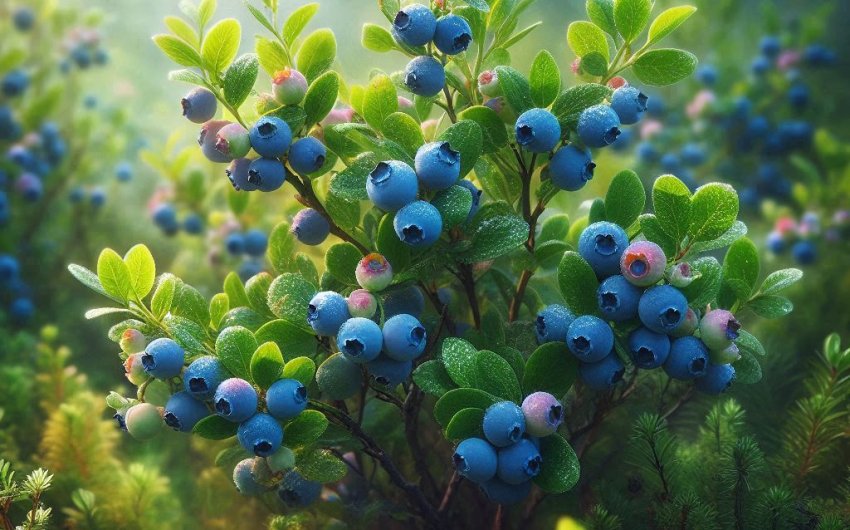
Growing flavorful, plump blueberries successfully hinges on one critical factor: acidic soil. These beloved berries are unique in their soil pH requirements, thriving only in very specific conditions that most garden soils don't naturally provide. This guide will walk you through every step, ensuring you understand how to cultivate a thriving blueberry patch that yields abundant harvests, even if your existing soil isn't naturally acidic.
Why Do Blueberries Need Acidic Soil?
Blueberries are part of the Vaccinium genus, and unlike most garden plants, they are acid-loving plants. Their root systems are specially adapted to absorb nutrients efficiently only when the soil pH is low, typically between 4.5 and 5.5.
What Happens if Soil Isn't Acidic Enough?
When the soil pH is too high (above 5.5), even if the necessary nutrients are present, blueberry plants struggle to take them up. This leads to:
- Nutrient Deficiencies: Particularly iron and nitrogen, causing leaves to turn yellow (chlorosis).
- Stunted Growth: Plants won't grow vigorously or produce many berries.
- Poor Berry Production: Smaller yields and less flavorful fruit.
- Increased Susceptibility to Disease: Weakened plants are more vulnerable.
Understanding this fundamental need is the first step to successful blueberry cultivation.
How Can You Test Your Soil's pH?
Before you plant anything, it's vital to know your starting point. Testing your soil's pH level will tell you exactly how acidic or alkaline it is, guiding your efforts to amend it correctly.
What are the Best Soil Testing Methods?
There are a few reliable ways to test your soil, ranging from simple at-home kits to professional lab analysis.
- Home Soil Test Kits: These kits are widely available and relatively inexpensive. They typically involve mixing a soil sample with a chemical solution and comparing the resulting color to a chart.
- Pros: Convenient, quick results.
- Cons: Less precise than lab tests, can sometimes be inaccurate if instructions aren't followed carefully. A good option is the Luster Leaf Rapitest Soil Test Kit.
- Digital pH Meters: These electronic devices provide a numerical reading of your soil's pH. You insert the probe directly into moistened soil.
- Pros: Easy to use, instant digital readout, reusable.
- Cons: Can be sensitive and require calibration for accuracy. Ensure you get one designed for soil, like the Sonkir Soil pH Meter.
- University Extension Services or Private Labs: This is the most accurate method. You send a soil sample to a professional lab, and they provide a detailed report, often including nutrient levels and recommendations for amendments.
- Pros: Highly accurate, comprehensive results, tailored advice.
- Cons: Takes longer to get results, typically costs more than home kits.
How to Collect a Soil Sample for Testing?
No matter which testing method you choose, proper sample collection is crucial for accurate results.
- Tools: Use a clean shovel or trowel. Avoid tools that have been used with fertilizers or lime.
- Depth: For blueberries, sample the top 6-8 inches of soil where most roots will grow.
- Multiple Samples: Collect samples from several spots within the area where you plan to plant. Mix these individual samples thoroughly in a clean bucket to create one composite sample that represents the entire area.
- Preparation: Remove any debris like rocks, grass, or roots from your sample. Allow the soil to air dry if sending to a lab, but ensure it's moist if using a home kit or digital meter.
What are the Best Ways to Acidify Your Soil?
Once you know your soil's pH, you can begin the process of lowering it to the ideal range for blueberry plants. This isn't a one-time fix but an ongoing adjustment.
How Can You Use Elemental Sulfur?
Elemental sulfur is the most common and effective way to lower soil pH over time. It's a slow-acting amendment that converts to sulfuric acid in the soil through bacterial action.
- Application Rate: The amount of sulfur needed depends on your current pH and soil type. Sandy soils require less sulfur than clay soils to achieve the same pH drop. Always follow the product's instructions. A general guideline:
- To lower pH by 1 point in loam soil: around 1.5-2 pounds of elemental sulfur per 100 square feet.
- To lower pH by 1 point in sandy soil: around 0.5-1 pound of elemental sulfur per 100 square feet.
- To lower pH by 1 point in clay soil: around 2.5-3 pounds of elemental sulfur per 100 square feet.
- Application Method: Spread the elemental sulfur evenly over the soil surface and mix it into the top 6-8 inches.
- Timeframe: Sulfur takes time to work, often several months to a year, as it relies on microbial activity. Apply it well in advance of planting. Retest the soil after a few months to see the progress. You can find elemental sulfur at most garden centers.
Can You Use Sphagnum Peat Moss?
Sphagnum peat moss is another popular organic amendment for increasing soil acidity. It has a naturally low pH (typically 3.0-4.0).
- Application: Incorporate a significant amount of sphagnum peat moss into your planting area, mixing it thoroughly into the top 12-18 inches of soil. A common recommendation is to mix peat moss at a ratio of 1:1 or 1:2 with your existing soil.
- Benefits: Improves soil structure, water retention, and aeration in addition to lowering pH.
- Limitations: Its effect on pH is less dramatic and often shorter-lived than elemental sulfur. It's best used in conjunction with sulfur for long-term pH adjustment, or for initial planting.
What About Other Acidifying Amendments?
Other materials can contribute to lowering soil pH, though often to a lesser extent or with specific considerations.
- Aluminum Sulfate: Acts much faster than elemental sulfur, but can cause aluminum toxicity in plants if overused. Generally, elemental sulfur is preferred for long-term health.
- Ammonium Sulfate: Provides nitrogen in an acidic form. Use as a fertilizer, not primarily as a pH adjuster, and in moderation to avoid nitrogen burn.
- Pine Needles and Pine Bark: These organic materials are naturally acidic and break down slowly, releasing acids into the soil over time. They make excellent mulches for blueberry plants. Incorporate shredded pine bark mulch or aged pine needles into the soil or use as a top dressing.
- Coffee Grounds: While slightly acidic, the effect of coffee grounds on soil pH is usually minimal unless applied in very large quantities over a long period. They are better used as a light organic matter amendment.
What are the Best Blueberry Varieties for Your Region?
Selecting the right blueberry variety for your climate is just as important as soil preparation. Different types of blueberries thrive in different temperature zones.
What are Northern Highbush Blueberries?
Northern Highbush blueberries are the most common type, known for their large, flavorful berries and good yields. They require a significant number of "chill hours" (hours below 45°F or 7°C) during winter to produce fruit.
- Ideal Climate: Regions with cold winters (Zones 4-7).
- Chill Hour Needs: Typically 800-1000+ hours.
- Popular Varieties:
- 'Bluecrop': Very reliable, high yields, adaptable.
- 'Duke': Early season, firm berries, good for freezing.
- 'Patriot': Cold hardy, good production, large berries.
- 'Chandler': Exceptionally large berries, long harvest season.
What are Southern Highbush Blueberries?
Southern Highbush blueberries are hybrids developed for warmer climates, requiring fewer chill hours. They are more tolerant of heat and can perform well in regions where Northern Highbush varieties struggle.
- Ideal Climate: Warmer regions with mild winters (Zones 7-10).
- Chill Hour Needs: Typically 150-800 hours.
- Popular Varieties:
- 'Sunshine Blue': Low chill, tolerant of higher pH than other varieties, attractive evergreen foliage.
- 'Misty': Early season, low chill, excellent flavor.
- 'Sharpblue': Reliable producer, heat tolerant.
- 'Legacy': High yield, good flavor, adaptable to various conditions.
What are Rabbiteye Blueberries?
Rabbiteye blueberries are native to the southeastern United States and are known for their exceptional heat tolerance, drought resistance, and adaptability to a wider range of soil types (though they still prefer acidic conditions). They get their name from the pinkish, rabbit-eye-like color of the unripe fruit.
- Ideal Climate: Hot, humid climates (Zones 7-9).
- Chill Hour Needs: Typically 100-600 hours.
- Pollination: Most Rabbiteye varieties require cross-pollination from another Rabbiteye variety for optimal fruit set and yield. Plant at least two different varieties.
- Popular Varieties:
- 'Climax': Early season, very productive, good pollinator for 'Premier'.
- 'Premier': Early to mid-season, large berries, excellent flavor.
- 'Tifblue': Mid-season, widely planted, very productive, reliable.
- 'Powderblue': Late season, attractive powder-blue fruit, good pollinator for 'Tifblue'.
Why is Cross-Pollination Important?
While many blueberry varieties are self-fertile, planting at least two different varieties of the same type (e.g., two Northern Highbush varieties or two Rabbiteye varieties) will significantly improve fruit set, increase berry size, and lead to higher yields. The different varieties will cross-pollinate each other.
How Do You Plant Blueberries for Success?
Proper planting techniques are paramount for establishing healthy blueberry bushes that will produce fruit for years to come. Remember their need for acidic soil throughout the entire process.
Where Should You Plant Blueberries?
Choosing the right site is crucial for a thriving blueberry patch.
- Sunlight: Blueberries need full sun for at least 6-8 hours a day for best fruit production. While they can tolerate some afternoon shade in very hot climates, full sun is ideal.
- Drainage: They absolutely require well-drained soil. Waterlogged conditions will quickly lead to root rot. If your soil has poor drainage, consider planting in raised beds.
- Air Circulation: Good air circulation helps prevent fungal diseases. Avoid planting in low-lying areas where air can become stagnant.
- Protection: In colder climates, some protection from harsh winter winds can be beneficial.
What is the Planting Process?
Follow these steps for successful blueberry planting:
- Prepare the Soil: This is the most important step. At least 6-12 months before planting, test your soil and amend it with elemental sulfur to reach the target pH of 4.5-5.5. Continue to monitor and adjust as needed. If you're planting in a raised bed, fill it with an acidic soil mix, such as a blend of sphagnum peat moss, compost, and an acidic garden soil.
- Dig the Hole: Dig a hole that is twice as wide as the root ball and just as deep. Blueberries have shallow, fibrous root systems, so width is more important than depth.
- Amend the Hole: Mix the excavated soil with amendments to further acidify it. A good mix would be:
- 1 part existing soil (if moderately suitable)
- 1 part sphagnum peat moss
- 1/2 part aged pine bark fines or acidic compost
- Plant the Bush: Gently remove the blueberry plant from its container. If the roots are circling the pot, gently tease them apart to encourage outward growth. Place the plant in the center of the hole so the top of the root ball is level with or slightly above the surrounding soil.
- Backfill: Carefully backfill the hole with your amended soil mix, gently tamping it down to remove large air pockets. Do not compact the soil too much.
- Water Thoroughly: Water the newly planted bush deeply to settle the soil around the roots.
- Mulch: Apply a 2-4 inch layer of acidic mulch, such as pine bark mulch, pine needles, or wood chips. Keep the mulch a few inches away from the main stem of the plant to prevent rot. Mulching helps retain moisture, suppress weeds, and slowly contributes to soil acidity.
- Spacing: Space blueberry bushes according to the mature size of the variety. Generally, highbush varieties are spaced 4-6 feet apart, and rabbiteye varieties 5-8 feet apart.
Can You Plant Blueberries in Raised Beds or Containers?
Yes, raised beds and containers are excellent options, especially if your native soil is highly alkaline or has poor drainage. They allow you to create the perfectly acidic soil environment from scratch.
Raised Beds for Blueberries
- Advantages:
- Complete control over soil pH and composition.
- Improved drainage.
- Warmer soil in spring.
- Easier access for care and harvesting.
- Construction: Build raised beds at least 12-18 inches deep. Fill them with a custom blend designed for blueberries, such as:
- 50% sphagnum peat moss
- 30% aged pine bark fines or acidic compost
- 20% acidic garden soil or high-quality potting mix
- Mix in a small amount of elemental sulfur if needed, and retest the pH.
Container Growing Blueberries
- Advantages:
- Ultimate control over soil.
- Portability (can move plants to protect from frost or extreme heat).
- Ideal for small spaces like patios or balconies.
- Container Size: Start with at least a 15-20 gallon pot for a young bush, gradually moving up to 25-30 gallons or larger as the plant matures. A Smart Pot fabric planter can provide excellent aeration.
- Potting Mix: Use a specialized acid-loving plant potting mix, or create your own similar to the raised bed mix:
- 60% sphagnum peat moss
- 30% aged pine bark fines or acidic compost
- 10% perlite or vermiculite for drainage and aeration
- Watering: Container plants dry out faster, so monitor moisture levels closely.
How Do You Care for Blueberries in Acidic Soil?
Even with the correct soil pH, ongoing care is essential for healthy, productive blueberry bushes. This includes watering, fertilizing, pruning, and protecting your harvest.
What are the Watering Needs of Blueberries?
Blueberries are sensitive to both drought and overly wet conditions. They need consistent moisture, especially during fruit development.
- Consistency is Key: Aim for about 1 inch of water per week, either from rain or irrigation.
- Deep Watering: Water deeply and slowly to encourage roots to grow down, using a soaker hose or drip irrigation.
- Avoid Overhead Watering: This can encourage fungal diseases, especially on the fruit.
- Monitor Soil Moisture: Stick your finger 2-3 inches into the soil. If it feels dry, it's time to water.
How Should You Fertilize Blueberries?
Blueberries are light feeders and are easily damaged by over-fertilization, especially with fertilizers not designed for acid-loving plants.
- Choose the Right Fertilizer: Use fertilizers specifically formulated for acid-loving plants like azaleas, rhododendrons, and blueberries. These will contain ammonium sulfate or urea, which contribute to acidity. Do not use fertilizers containing nitrates, chlorides, or calcium.
- Application Timing: Fertilize in early spring, just as new growth begins, and again about 6 weeks later. Do not fertilize after mid-summer, as it can encourage late growth that is susceptible to frost damage.
- Organic Options:
- Cottonseed meal: Slowly releases nutrients and acidifies soil.
- Blood meal: Good nitrogen source.
- Fish emulsion: Liquid fertilizer, quick-acting.
- Acidic compost: Regularly top-dress with a layer of acidic compost or aged pine bark fines.
- Symptoms of Nutrient Deficiency (and pH Issues):
- Yellowing Leaves (Chlorosis): Often a sign of iron deficiency caused by high pH.
- Reddish Leaves in Summer: Can indicate phosphorus deficiency, or sometimes high pH.
When and How Should You Prune Blueberries?
Pruning is essential for maintaining bush health, vigor, and consistent fruit production. It encourages new growth, which produces the best berries.
- Timing: Prune in late winter or early spring when the plants are dormant.
- First 2-3 Years: Remove any blossoms in the first two years to encourage the plant to put energy into root and bush development instead of fruit. This leads to a stronger, more productive plant in the long run. Focus on removing weak, twiggy growth.
- Mature Bushes (Year 4+):
- Remove Dead/Diseased/Damaged Branches: Cut these back to the ground.
- Remove Low-Lying Branches: Those that might touch the ground and pick up diseases.
- Thin Out Weak, Twiggy Growth: This wood produces small berries.
- Remove Oldest Canes: Identify 1-3 of the oldest, least productive canes (thick, grayish, with few strong side shoots) and cut them back to the ground. This rejuvenates the bush by encouraging new, strong growth from the base. Aim to have a mix of 1-4 year old canes.
- Open Up the Center: Remove any crossing or inward-growing branches to improve air circulation and light penetration.
- Tools: Use sharp, clean pruning shears and loppers.
How to Protect Your Blueberries from Pests and Diseases?
While blueberries are generally robust, they can encounter common garden issues.
- Birds: The biggest threat to your ripe blueberries! Cover your bushes with bird netting well before the berries ripen. Secure it tightly to the ground to prevent birds from sneaking underneath.
- Spotted Wing Drosophila (SWD): A tiny fruit fly that lays eggs in ripening fruit. Good sanitation (picking all ripe fruit, removing fallen fruit) and sometimes traps can help.
- Fungal Diseases (e.g., Mummy Berry, Anthracnose): Primarily prevented by good air circulation, proper spacing, and avoiding overhead watering. Remove any infected plant parts promptly.
- Weeds: Compete for nutrients and water. Mulching is the best weed control. Hand pull any weeds that emerge. Avoid deep cultivation around the plants, as blueberries have shallow root systems.
When is Harvesting Time for Blueberries?
Timing your harvest ensures you get the sweetest, most flavorful berries.
- Color Change: Blueberries turn blue before they are fully ripe. Wait a few days after they turn blue for optimal sweetness.
- Easy Detachment: A truly ripe blueberry will detach easily from the stem with a gentle roll between your fingers. If you have to pull hard, it's not ready.
- Successive Ripening: Blueberries ripen over several weeks, so you'll be able to pick multiple times from each bush.
- Storage: Store unwashed blueberries in the refrigerator for up to 10 days. For longer storage, freeze them in a single layer on a baking sheet before transferring to freezer bags.
Troubleshooting Common Blueberry Problems
Even with the best intentions, you might encounter issues. Most blueberry problems trace back to incorrect soil pH or improper watering.
Why are My Blueberry Leaves Yellow (Chlorosis)?
This is the most common sign that your soil pH is too high and the plant cannot absorb iron.
- Solution:
- Retest your soil pH immediately.
- Apply elemental sulfur as recommended to slowly lower the pH.
- For a quicker, temporary fix, you can apply a liquid chelated iron supplement formulated for acid-loving plants, but this doesn't address the underlying pH problem.
- Ensure good drainage, as waterlogged soil can also cause similar symptoms.
Why are My Blueberries Not Producing Fruit?
Several factors can lead to poor fruit production.
- Lack of Chill Hours: If your variety requires more chill hours than your climate provides, it won't set fruit well. Ensure you've selected a variety suited for your zone.
- No Cross-Pollination: Especially for Rabbiteye varieties, planting only one variety can significantly reduce yields. Plant at least two different varieties.
- Too Young: Young plants (especially in their first 1-2 years) are establishing their root systems and may not produce much, if any, fruit. Be patient.
- Improper Pruning: Over-pruning or under-pruning can affect fruit production. Review pruning guidelines.
- Nutrient Deficiency/Incorrect pH: An unbalanced soil or incorrect pH will lead to weak plants that can't support fruit production. Retest and amend your soil.
- Lack of Sunlight: Not enough direct sun will result in poor flowering and fruiting.
Why are My Blueberry Leaves Turning Red or Purple?
While attractive in fall, reddish or purplish leaves in spring or summer can indicate a problem.
- Phosphorus Deficiency: Often linked to high soil pH, which makes phosphorus unavailable, or very cold soil temperatures in spring.
- Nutrient Imbalance: Could be related to improper fertilization.
- Cold Stress: Young leaves can turn red/purple in response to cold snaps in spring.
- Solution: Retest your soil pH. Ensure proper drainage and appropriate fertilization for acid-loving plants.
Why are My Blueberries Dying?
This is a serious symptom that requires immediate investigation.
- Root Rot: The most common cause of blueberry death, almost always due to poor drainage and waterlogged soil. Check soil moisture and drainage. If planted in heavy clay, you may need to replant in a raised bed.
- Extreme pH: Soil that is wildly outside the ideal range (too high or too low) can kill plants. Retest your soil.
- Drought: While they dislike wet feet, prolonged drought can also be fatal. Ensure consistent watering.
- Diseases/Pests: While less common to kill an established bush quickly, severe infestations or diseases can weaken and eventually kill a plant.
By meticulously preparing and maintaining their preferred acidic soil, selecting appropriate varieties, and providing consistent care, you are setting yourself up for years of delicious homegrown blueberries.