
What Are the Best Heirloom Fruit Varieties to Grow?
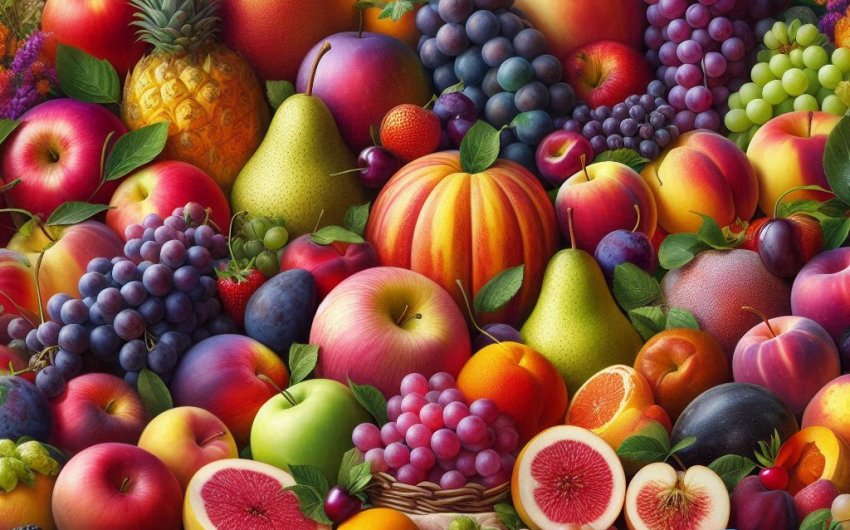
Exploring the world of heirloom fruit varieties offers a delightful journey back to the flavors of yesteryear, providing a richness and diversity often missing in modern commercial produce. If you're seeking to discover what are the best heirloom fruit varieties to grow for exceptional taste, unique characteristics, and a touch of horticultural history, you'll find a treasure trove of options that can thrive in your home garden. These cherished varieties bring unparalleled culinary experiences and contribute to the preservation of agricultural heritage.
What Defines an Heirloom Fruit Variety?
The term "heirloom" often conjures images of antique beauty and forgotten flavors. In the world of fruit, it refers to varieties that have been passed down through generations, primarily valued for their distinctive characteristics, whether it's exceptional taste, unique appearance, or regional adaptability. Understanding these defining traits helps differentiate heirlooms from their modern counterparts.
How Does an Heirloom Differ from a Hybrid?
The fundamental difference lies in their genetic stability and breeding.
- Heirloom Varieties: These are open-pollinated varieties that have been grown and maintained for a significant period, typically 50 years or more, often tracing their lineage back to pre-World War II. Their seeds produce offspring that are true to the parent plant, meaning if you save seeds from an heirloom apple or peach, you can expect to grow the same variety next season. They evolve through natural selection and often carry unique adaptations to specific regions or climates. Their focus is on flavor, resilience, and unique traits.
- Hybrid Varieties: These are created by cross-pollinating two different parent plants to combine desirable traits from both, such as disease resistance, uniform size, or higher yields. Hybrid seeds (F1 hybrids) do not produce offspring true to the parent if saved; instead, the next generation will revert to characteristics of one of the parent plants or produce variable results. Hybrids are often developed for commercial purposes, prioritizing uniformity, shelf life, and shipping durability over complex flavor profiles.
Why Choose Heirloom Fruits?
Growing heirloom fruit varieties offers several compelling advantages for the home gardener and food enthusiast.
- Superior Flavor: This is arguably the biggest draw. Heirlooms are renowned for their complex, nuanced, and intense flavors, a stark contrast to the often bland taste of commercially grown, mass-produced fruits. They were selected for taste, not just shelf life.
- Unique Characteristics: Heirlooms come in an incredible array of colors, shapes, and sizes that are rarely seen in supermarkets. Imagine apples with stripes, pears with unusual russeting, or peaches with white flesh. This diversity adds visual appeal to your garden and culinary creations.
- Adaptability and Resilience: Many heirloom varieties have been grown for so long in specific regions that they've developed natural resistance to local pests and diseases, or they've adapted to particular climates and soil conditions. This can make them surprisingly robust in the right environment.
- Genetic Diversity: By growing heirlooms, you contribute to the preservation of genetic diversity in our food system. This genetic reservoir is crucial for developing new resilient varieties and adapting to changing environmental conditions.
- Historical Connection: Growing heirlooms connects you to agricultural history and the traditions of previous generations of gardeners and farmers. Each variety often carries a fascinating backstory.
What are the Best Heirloom Apple Varieties to Grow?
Heirloom apples are a highlight for many fruit enthusiasts, offering a spectrum of flavors, textures, and aromas rarely found in modern grocery stores. From crisp and tart to sweet and aromatic, there's an heirloom apple for every palate and purpose. When selecting heirloom apple varieties, consider your climate, desired use (eating, baking, cider), and chill hour requirements.
For Eating Fresh (Dessert Apples)
- Honeycrisp (While often considered a modern hybrid, its exceptional taste has led many to consider it "heirloom-worthy" in spirit for home gardens): Known for its explosive crispness and sweet, juicy flavor with hints of honey. A relatively newer variety, but its popularity and unique texture make it a favorite. Requires about 800-1000 chill hours. You can often find Honeycrisp apple trees from nurseries.
- Granny Smith: A classic tart, crisp green apple, excellent for eating fresh or baking. Known for its bright acidity and long storage life. Requires 400-600 chill hours. Granny Smith apple trees are widely available.
- Fuji: A sweet, very crisp, and juicy apple with a balanced flavor. Good for fresh eating and stores exceptionally well. Requires 300-400 chill hours. Fuji apple trees are a popular choice.
- Golden Delicious: A sweet, mild, and juicy yellow apple with a thin skin. Versatile for eating, baking, and sauces. Requires 600-700 chill hours. Golden Delicious apple trees are a garden staple.
- Pink Lady (Cripps Pink): A highly popular modern variety known for its crispness, effervescent sweetness, and slightly tart finish. It stores extremely well. Requires 300-400 chill hours. Pink Lady apple trees are excellent for warmer climates.
- Gala: A sweet, crisp, and aromatic apple with a distinct flavor. Excellent for fresh eating. Requires 500-600 chill hours. Gala apple trees are reliable producers.
For Baking and Cooking
- Cortland: Known for its ability to resist browning when cut, making it excellent for salads and fruit platters. It's also a great baking apple with a sweet-tart flavor. Requires 800-1000 chill hours.
- Rome Beauty: A classic baking apple. It holds its shape well and has a mild, slightly sweet flavor that intensifies when cooked. Requires 600-800 chill hours.
- Arkansas Black: A very firm, tart apple with dark red to almost black skin. Excellent for baking and keeping apples, and its flavor develops beautifully in storage. Requires 700-800 chill hours.
- Northern Spy: A highly esteemed dessert and baking apple from New York. It has a distinctive aroma and a crisp, juicy, somewhat tart flesh that holds its shape in pies. Requires 800-1000 chill hours.
For Cider and Sauce
- Harrison: A historic American cider apple, once thought extinct. It produces a rich, highly flavorful cider. Very high sugar content. Requires 800-1000 chill hours.
- Kingston Black: A famous English bittersweet cider apple, prized for its complex tannins and strong flavor that makes excellent single-varietal cider. Requires 600-800 chill hours.
- Stayman Winesap: An old American variety with a complex, sprightly flavor that's great for eating, baking, and especially cider. Stores very well. Requires 800-1000 chill hours.
- Gravenstein: A highly aromatic, versatile apple from Denmark, excellent for cooking, sauce, and cider. It has a rich, crisp, somewhat tart flavor. Requires 600-800 chill hours.
What are the Best Heirloom Pear Varieties to Grow?
Heirloom pears offer a delightful contrast to the few varieties commonly found in stores. They boast a wide range of shapes, sizes, colors, and an incredible spectrum of flavors, from buttery sweet to crisp and aromatic. When selecting heirloom pear varieties, consider your climate, pollination needs (most pears need a cross-pollinator), and desired ripening time.
For Eating Fresh (Dessert Pears)
- Bartlett: The most common commercial pear, but it is an heirloom variety. Sweet, juicy, and aromatic with classic "pear" flavor. Ripens in late summer. Requires 600-800 chill hours. Bartlett pear trees are widely planted.
- Comice: Often considered the "King of Pears" for its exceptional buttery, sweet, and juicy flesh. Great for fresh eating. Ripens in late fall. Requires 600-800 chill hours.
- Bosc: A beautiful, russeted pear with crisp, dense flesh and a spicy-sweet flavor. Excellent for eating fresh or baking as it holds its shape well. Ripens in mid-fall. Requires 800 chill hours. Bosc pear trees are known for their distinctive look.
- Anjou (Green or Red): A mild, sweet, juicy pear that holds well in storage. It has a refreshing taste and can be eaten fresh or used in cooking. Ripens in mid-fall. Requires 800 chill hours.
- Seckel: A small, sweet, and very flavorful pear, often called a "sugar pear." Great for fresh eating, canning, or pickling. Ripens in early fall. Requires 600-800 chill hours.
For Canning and Preserving
- Kieffer: A very hardy, blight-resistant pear with crisp, somewhat grainy flesh and a juicy, tangy flavor. Excellent for canning, preserves, and baking, as it holds its shape. Ripens in late fall. Requires 350-450 chill hours, making it suitable for warmer climates.
- Moonglow: A large, sweet, juicy pear with creamy white flesh. Good for fresh eating but especially well-suited for canning and preserving. Ripens mid-summer. Requires 600-700 chill hours.
- Duchess D'Angouleme: A large, greenish-yellow pear with sweet, melting flesh. Considered an excellent dessert pear but also good for baking and canning due to its size and texture. Ripens late fall. Requires 600-800 chill hours.
Unique and Regional Varieties
- Warren: Often called the "best-tasting pear in the world." Known for its supremely sweet, juicy, melting flesh with a distinct aroma. Highly prized but can be prone to scab. Ripens late summer. Requires 800 chill hours.
- Harrow Sweet: A more modern heirloom-style pear, known for its disease resistance and sweet, juicy fruit similar to Bosc but earlier. Good for colder climates. Ripens late summer. Requires 800 chill hours.
- Orient: A very large, roundish pear known for its exceptional fire blight resistance and good canning qualities. Flesh is firm but juicy and sweet. Suitable for warmer, humid regions. Requires 300-400 chill hours.
What are the Best Heirloom Peach and Nectarine Varieties to Grow?
Heirloom peaches and nectarines are a testament to the pursuit of intense, complex fruit flavors. Moving beyond the typical supermarket varieties, these heirlooms offer exceptional juiciness, aroma, and often unique flesh colors (white, yellow, or even red-tinged). When choosing, consider your chill hour requirements and disease resistance, especially for peach leaf curl.
For Yellow-Fleshed Peaches
- Elberta: A classic, large, freestone yellow-fleshed peach with excellent flavor, perfect for eating fresh, canning, and baking. Very popular in the early 20th century. Ripens mid-to-late summer. Requires 800 chill hours. Elberta peach trees are a time-honored choice.
- Reliance: Known for its exceptional cold hardiness, making it a reliable choice for northern climates. Produces medium-sized, freestone yellow peaches with good flavor. Ripens mid-summer. Requires 800-1000 chill hours. Reliance peach trees are hardy.
- Belle of Georgia: A large, freestone, yellow-fleshed peach with good flavor, known for being a reliable producer. Ripens late summer. Requires 800 chill hours.
For White-Fleshed Peaches
- Indian Free: A striking, unique peach with beautiful red-streaked white flesh, a slightly fuzzy skin, and an intense, tart-sweet flavor. Great for fresh eating, baking, and preserves. Known for some disease resistance. Ripens late summer. Requires 700-800 chill hours.
- White Lady: A highly regarded freestone white-fleshed peach with exceptional sweetness and low acid. Very juicy and aromatic. Ripens mid-summer. Requires 400-500 chill hours.
- Babcock: A very sweet, juicy, freestone white-fleshed peach with low acid, making it very popular for fresh eating. Good for warmer climates. Ripens early-mid summer. Requires 250-300 chill hours. Babcock peach trees are excellent for low chill zones.
For Nectarines (Smooth-Skinned Peaches)
- Fantasia: A large, freestone yellow-fleshed nectarine with superb flavor – sweet, tangy, and juicy. A commercial favorite that also excels in the home garden. Ripens mid-to-late summer. Requires 600 chill hours.
- Arctic Rose: A delicious, very sweet, low-acid white-fleshed nectarine, known for its beautiful rosy blush skin. A modern heirloom-quality choice. Ripens early-mid summer. Requires 400-500 chill hours.
- Red Gold: A popular large, freestone yellow nectarine with good flavor and firm flesh, making it suitable for fresh eating and canning. Ripens mid-summer. Requires 700-800 chill hours.
What are the Best Heirloom Cherry and Plum Varieties to Grow?
Heirloom cherries and plums offer a delightful array of tastes, textures, and colors beyond what's typically available. From intensely tart pie cherries to supremely sweet eating plums, these varieties bring unique culinary experiences to your home orchard. When selecting, consider chill hours, pollination requirements, and disease resistance.
For Cherries (Sweet and Tart)
- Bing (Sweet Cherry): The quintessential large, dark red, firm, and exceptionally sweet cherry for fresh eating. Requires a pollinator. Ripens mid-summer. Requires 700-800 chill hours. Bing cherry trees are widely available.
- Montmorency (Tart Cherry): The most popular tart cherry, ideal for pies, preserves, and juices. Bright red fruit with clear juice. Self-pollinating. Ripens early-mid summer. Requires 700-800 chill hours. Montmorency cherry trees are a must for bakers.
- Rainier (Sweet Cherry): A beautiful yellow-red blush cherry with incredibly sweet, delicate, and juicy flesh. Great for fresh eating. Requires a pollinator. Ripens mid-summer. Requires 700-800 chill hours. Rainier cherry trees are a gourmet choice.
- Stella (Self-Pollinating Sweet Cherry): One of the first self-fertile sweet cherries, making it ideal for home gardeners with limited space. Produces good quality, dark red, sweet fruit. Ripens mid-summer. Requires 400-500 chill hours. Stella cherry trees simplify pollination.
For Plums (European and Japanese Types)
- Stanley (European Plum): A popular, medium-sized, dark blue, freestone prune plum with sweet, firm, golden-yellow flesh. Excellent for fresh eating, drying (prunes), and preserves. Self-pollinating. Ripens late summer. Requires 800 chill hours. Stanley plum trees are versatile.
- Green Gage (European Plum): Renowned for its exceptionally sweet, rich, and juicy green-yellow flesh. Considered one of the best dessert plums. Needs a pollinator. Ripens mid-summer. Requires 800 chill hours.
- Santa Rosa (Japanese Plum): A large, reddish-purple plum with juicy, sweet-tart red flesh. Popular for fresh eating and processing. Partially self-fertile but benefits from a pollinator. Ripens early-mid summer. Requires 300-400 chill hours, good for warmer climates. Santa Rosa plum trees are widely grown.
- Damson (European Plum): A small, intensely tart blue-purple plum, primarily used for jams, jellies, and sauces. Its high pectin content makes it ideal for preserves. Self-pollinating. Ripens late summer. Requires 800 chill hours.
What are the Best Heirloom Berries and Small Fruits to Grow?
Beyond orchard fruits, the world of heirloom berries and small fruits offers a burst of diverse flavors, colors, and textures perfect for the home garden. These varieties are often more robust and flavorful than their commercial counterparts, making them incredibly rewarding to grow for fresh eating, baking, and preserving.
For Strawberries
- Ozark Beauty (Everbearing): A popular, reliable everbearing strawberry producing large, sweet, red berries from spring to fall. Great for fresh eating and preserves. Ozark Beauty strawberry plants are a garden favorite.
- Surecrop (Jumbo Everbearing): Another excellent everbearing variety known for its large, firm, and flavorful berries, good for fresh eating and freezing.
- Sequoia (June-bearing): Produces large, very sweet, aromatic berries over an extended June-bearing season. Highly praised for its outstanding flavor. Sequoia strawberry plants are a flavorful choice.
- Pineapple Crush (White Strawberry): A unique, small, white-fleshed strawberry with a distinct pineapple-like flavor and aroma. Adds a gourmet touch.
For Raspberries
- Heritage (Everbearing/Fall-Bearing): A classic red raspberry that produces a summer crop and a heavier fall crop. Berries are large, firm, and very flavorful. Excellent for fresh eating and freezing. Heritage raspberry plants are highly reliable.
- Bristol (Black Raspberry): A very productive black raspberry with large, firm, glossy black berries and excellent sweet-tart flavor. Good for fresh eating, pies, and jams.
- Fallgold (Yellow Raspberry): An everbearing yellow raspberry with very sweet, mild-flavored fruit. Unique color and delicious taste.
For Blueberries
- Jersey (Highbush): A very old and reliable highbush blueberry variety known for its heavy yields of medium-sized, sweet berries. Good for fresh eating and baking. Ripens mid-to-late season. Requires 800-1000 chill hours. Jersey blueberry bushes are a classic.
- Duke (Highbush): An early-ripening highbush blueberry that produces consistent yields of large, firm, light-blue berries with a mild, sweet flavor. Requires 800-1000 chill hours.
- Pink Lemonade (Pink Blueberry): A unique, ornamental highbush blueberry with attractive pink berries that have a pleasant, sweet flavor. Ripens late season. Requires 200-500 chill hours. Pink Lemonade blueberry plants add visual interest.
For Blackberries
- Illini Hardy (Thorny): A very cold-hardy thorny blackberry producing good yields of large, firm, sweet-tart berries. Excellent for fresh eating, pies, and jams. Illini Hardy blackberry plants are known for resilience.
- Triple Crown (Thornless): A popular thornless blackberry that produces very large, flavorful berries in abundance. Good for fresh eating and processing. Triple Crown blackberry plants are a great choice for ease of harvest.
Other Unique Small Fruits
- Gooseberry (Pixwell): A vigorous, productive gooseberry with medium-sized, pinkish-red berries that are excellent for pies, jams, and tarts. Known for its upright growth habit and being relatively easy to pick. Pixwell gooseberry bushes are a tart treat.
- Currant (Red Lake): A very hardy red currant variety producing long clusters of large, bright red, tart berries. Ideal for jellies, sauces, and fresh eating (if you like tartness). Red Lake currant bushes are a beautiful and productive addition.
- Elderberry (Adams): A vigorous American elderberry variety producing large clusters of dark purple berries, excellent for pies, jams, jellies, and wine. High in antioxidants. Adams elderberry plants are a valuable native fruit.
How Do You Care for Heirloom Fruit Varieties?
Caring for heirloom fruit varieties is similar to caring for modern fruit, but with a few nuances. Their genetic diversity often means they are resilient, but providing optimal conditions for their specific needs ensures bountiful harvests and flavorful fruit. Attention to site selection, soil health, pruning, and integrated pest management are crucial.
Site Selection and Planting
- Sunlight: Most fruit trees and berry bushes require at least 6-8 hours of full sunlight daily for best fruit production.
- Soil: Well-draining soil is essential. Amend heavy clay soils with organic compost to improve drainage, and sandy soils to improve water retention. A soil test is highly recommended to determine nutrient levels and pH.
- Drainage: Avoid planting in low spots where water collects. If drainage is poor, consider raised garden beds for smaller fruit plants.
- Air Circulation: Choose a site with good air circulation to reduce disease pressure. Avoid planting in "frost pockets."
- Pollination: Research the pollination requirements for your chosen varieties. Many heirloom fruit trees (especially apples, pears, and some plums/cherries) require a compatible cross-pollinator nearby to produce fruit. Some are self-pollinating. Check with your nursery.
- Planting: Follow standard planting guidelines for bare-root or potted fruit trees/bushes. Dig a hole wide enough to accommodate the root system comfortably. Ensure the graft union (for trees) is above the soil line. Water thoroughly after planting.
Watering and Fertilizing
- Watering: Consistent watering is crucial, especially during establishment and fruit development.
- Young Plants: Water deeply and regularly (1-2 times per week, depending on weather) for the first 1-2 years.
- Established Plants: Established fruit trees and bushes typically need about 1 inch of water per week, either from rain or irrigation. Deep, infrequent watering is better than shallow, frequent watering, as it encourages deeper root growth.
- Mulch: Apply a 2-4 inch layer of organic mulch (like wood chips or straw) around the base of plants. Keep it a few inches away from the trunk. Mulch conserves moisture, suppresses weeds, and moderates soil temperature.
- Fertilizing: Fertilize based on your soil test results.
- Young Plants: Use a balanced organic fertilizer.
- Bearing Plants: Often benefit from fertilizers higher in phosphorus and potassium for fruit development, along with adequate nitrogen for vegetative growth.
- Timing: Fertilize in early spring before new growth begins. Avoid late-season nitrogen fertilization, which can encourage new growth susceptible to winter damage.
Pruning and Training
- Purpose: Pruning is essential for fruit trees and bushes to maintain health, promote air circulation, encourage fruit production, and manage size.
- Timing: The best time for dormant pruning (removing dead, diseased, or crossing branches) is in late winter/early spring, before new growth begins. Light summer pruning can be done to remove water sprouts or manage growth.
- Tools: Use sharp, clean pruning shears, loppers, and a pruning saw.
- Training: For trees, establish a strong framework (e.g., central leader or open vase system) early on. This helps support fruit load and ensures good light penetration.
Pest and Disease Management
While some heirlooms have natural resistance, general integrated pest management (IPM) practices are important.
- Monitoring: Regularly inspect your plants for signs of pests or diseases. Early detection is key.
- Cultural Practices: Promote healthy plants through proper watering, fertilizing, and air circulation. Stressed plants are more susceptible to problems.
- Organic Solutions:
- Hand-picking: Remove larger pests like Japanese beetles or caterpillars manually.
- Beneficial Insects: Encourage natural predators like ladybugs and lacewings by planting flowers that attract them.
- Horticultural Oils/Soaps: Use horticultural oil sprays or insecticidal soap for soft-bodied insects.
- Fungicides (Organic): For fungal issues, consider organic options like copper fungicide or neem oil.
- Netting: Use bird netting to protect ripening fruit from birds and other animals.
- Cleanliness: Remove fallen fruit and diseased plant material to prevent the spread of pests and diseases.
By embracing the diversity and rich history of heirloom fruit varieties, you embark on a rewarding gardening adventure that yields exceptional flavors and helps preserve our precious agricultural heritage.