
How to Grow Dwarf Fruit Trees on Patios?
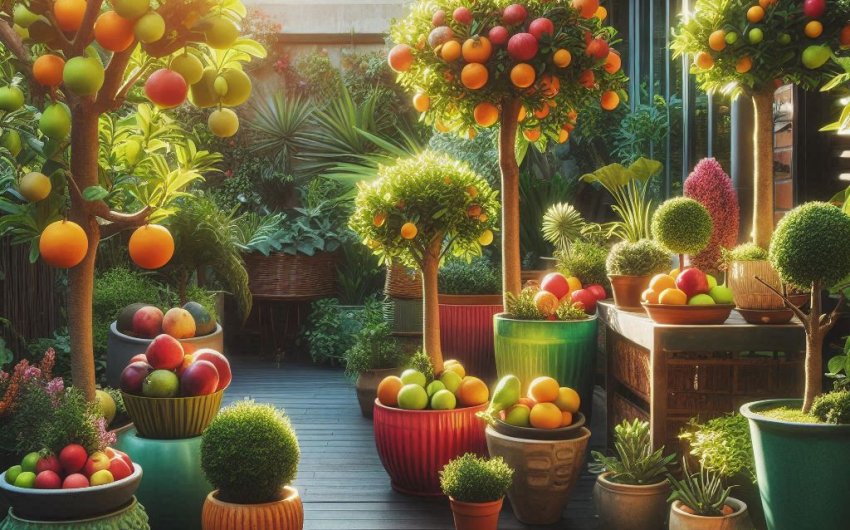
Discovering how to grow dwarf fruit trees on patios is a delightful revelation for urban gardeners and those with limited space, transforming a simple outdoor area into a productive orchard. These miniature versions of traditional fruit trees offer the immense satisfaction of harvesting fresh, homegrown fruit without the need for a sprawling backyard. With careful selection, proper container care, and a few tailored techniques, anyone can enjoy sweet, juicy yields right on their balcony, deck, or patio garden.
Why are dwarf fruit trees ideal for patios and small spaces?
Dwarf fruit trees offer a fantastic opportunity for anyone with limited outdoor space, like a patio, balcony, or small urban yard, to enjoy the bounty of a fruit orchard. Their compact size makes them perfectly suited for container growing, bringing fresh, homegrown fruit within reach of nearly every gardener.
What makes a fruit tree "dwarf"?
The term "dwarf fruit tree" typically refers to a tree that has been grafted onto a dwarfing rootstock. The rootstock is the lower part of the tree, including the roots and a short section of the trunk, chosen specifically for its ability to control the scion's (the fruiting variety grafted onto it) overall size and growth habit.
- Dwarfing Rootstock: This specialized rootstock restricts the top growth of the tree, keeping it much smaller than it would naturally grow. Different rootstocks exist, offering various levels of dwarfing (e.g., dwarf, semi-dwarf, mini-dwarf).
- Genetic Dwarf: Less common, but some fruit tree varieties are naturally compact due to their genetics, without the need for grafting onto a dwarfing rootstock. These are true "mini" trees.
- Naturally Small Trees: Some fruit trees, like certain citrus varieties or figs, are naturally smaller and more amenable to container growing, even without strong dwarfing.
The result is a tree that produces full-sized fruit but remains much smaller, typically 6-10 feet tall, making it manageable in a container.
What are the benefits of growing dwarf fruit trees on patios?
- Space-Saving: This is the most obvious benefit. Even a tiny patio can accommodate several dwarf fruit trees, turning unused space into a productive mini-orchard.
- Fresh, Homegrown Fruit: Enjoy the superior taste and quality of fruit picked fresh from your own tree, free from pesticides (if you choose organic care).
- Portability: Growing in containers allows you to move the trees.
- Optimal Sunlight: You can chase the sun throughout the day or season, ensuring your trees get the ideal amount of light.
- Winter Protection: In colder climates, sensitive dwarf fruit trees can be easily moved indoors to a garage, basement, or sunroom to protect them from freezing temperatures.
- Pest/Disease Management: Moving trees can help isolate or manage pest and disease outbreaks.
- Aesthetic Appeal: Dwarf fruit trees are beautiful ornamental plants, offering attractive blossoms in spring, lush foliage in summer, and colorful fruit. They can greatly enhance the beauty of your patio.
- Easier Management:
- Harvesting: Fruit is within easy reach, no ladders required.
- Pruning: Simpler to prune and maintain their compact size.
- Pest/Disease Inspection: Easier to spot and address issues on smaller trees.
- Accessibility: For gardeners with mobility limitations, patio fruit trees in containers reduce the need for bending and kneeling.
- Quicker Fruiting: Dwarf trees often begin producing fruit at a younger age than their standard counterparts, so you don't have to wait as long for your first harvest.
These advantages make dwarf fruit trees an incredibly appealing and practical solution for anyone looking to cultivate delicious, fresh fruit in an urban or small-space environment.
Which dwarf fruit trees are best for container growing?
While many dwarf fruit trees can be grown in containers, some varieties are particularly well-suited for patio living due to their growth habit, self-pollination capabilities, and aesthetic appeal.
What are excellent choices for beginners?
These trees are generally more forgiving and readily available as dwarf varieties.
- Citrus Trees:
- Why they're great: Many citrus varieties are naturally small and thrive in containers. They are also self-fertile and can be brought indoors in colder climates. Their fragrant blossoms and bright fruit add beauty.
- Popular Dwarf Varieties: Dwarf Meyer Lemon, Dwarf Key Lime, Dwarf Kumquat, Dwarf Calamondin Orange.
- Hardiness: Generally hardy only in USDA Zones 9-11 outdoors; must be brought indoors when temperatures drop below freezing.
- Figs:
- Why they're great: Figs naturally produce fruit on new wood, so they respond well to pruning for size control. Many are self-fertile. They are very tolerant of container life.
- Popular Dwarf Varieties: Ficus carica 'Brown Turkey', 'Chicago Hardy' (more cold-tolerant), 'Little Miss Figgy'.
- Hardiness: Some varieties can survive winters in Zones 6-7 with protection (mulching or wrapping the pot), but ideal for container growing to bring indoors in colder zones.
- Dwarf Blueberries:
- Why they're great: Very ornamental with spring blossoms, summer fruit, and fall color. Many are self-fertile, but yield improves with cross-pollination. They require acidic soil.
- Popular Dwarf Varieties: Bushel and Berry 'Blueberry Glaze', 'Top Hat', 'Powderblue'.
- Hardiness: Varies by variety, typically Zones 3-8. Can be left outdoors in containers in many zones, but winter protection helps.
- Dwarf Peach/Nectarine:
- Why they're great: Many new genetic dwarf varieties stay small (6 feet tall) without dwarfing rootstock. Most are self-fertile.
- Popular Dwarf Varieties: Prunus persica 'Bonanza', 'Garden Sun', 'Nectarine Necta Zee'.
- Hardiness: Typically Zones 5-8, often needing protection in colder zones.
- Dwarf Apple/Pear:
- Why they're great: Traditional favorites. Most apple and pear varieties are NOT self-fertile and require a different variety for cross-pollination. Choose mini-dwarf rootstocks (like M27 for apples) for true patio trees.
- Popular Dwarf Varieties: Look for varieties on specific dwarfing rootstocks like Apple on M27 (ultra-dwarf).
- Hardiness: Varies by variety, typically Zones 3-9. Winter protection is essential in colder zones for containerized plants.
What are important considerations when choosing?
- Self-Fertility vs. Cross-Pollination: Check if the tree needs a second tree (of a different variety) nearby for pollination to produce fruit. Many dwarf varieties are self-fertile, but some, especially apples and pears, require a pollinator. If space is tight, choose a self-fertile variety or a "family tree" with multiple varieties grafted onto one trunk.
- Chill Hours: Fruit trees need a certain number of chill hours (hours below 45°F / 7°C) during winter dormancy to set fruit. Ensure the variety you choose is suitable for your climate's chill hour requirements.
- Sunlight Needs: Most fruit trees require full sun (at least 6-8 hours of direct sunlight per day) to produce fruit. Ensure your patio provides this.
- Pest and Disease Resistance: Choose varieties known for good disease resistance to minimize maintenance.
- Availability: Check local nurseries or online retailers for dwarf varieties suited for container growing.
By carefully selecting the right dwarf fruit trees, you can create a productive and beautiful patio orchard that yields fresh fruit for years to come.
What is the right pot size and soil for patio fruit trees?
Choosing the correct pot size and providing the ideal potting mix are fundamental to the success of dwarf fruit trees on patios. These factors directly impact root health, water retention, and nutrient availability.
How big should the pot be?
Container size is critical. Dwarf fruit trees, even with their compact size, still need ample root space to thrive and produce fruit.
- Starting Size: For a newly purchased dwarf fruit tree, start with a pot that is at least 15-20 gallons (60-75 liters) in volume. This typically translates to a pot that is at least 18-24 inches in diameter and similarly deep.
- Gradual Upsizing: As the tree grows, it will need to be repotted into progressively larger containers. Every 2-3 years, or when you notice signs of the tree becoming root-bound (roots growing out of drainage holes, water running straight through, stunted growth), move it to a pot that is 2-4 inches wider in diameter than the current one.
- Ultimate Size: The ultimate pot size for most dwarf fruit trees will range from 25-50 gallons (95-190 liters), often 24-30 inches in diameter. Larger citrus and fig trees may eventually benefit from even larger pots if you want them to reach their full potential.
- Material:
- Terra Cotta: Attractive and breathable, but porous, meaning soil dries out faster. Can crack in freezing temperatures.
- Glazed Ceramic: Less breathable than terra cotta but retains moisture better. Can be very heavy.
- Plastic/Resin: Lightweight, retains moisture well, durable, often more affordable. Can be found in many styles.
- Wood (Whiskey Barrels): Provide good insulation, rustic look. Ensure they are untreated or food-safe if you modify them.
- Drainage: Regardless of material, the pot must have drainage holes. Fruit trees hate wet feet, and standing water leads to root rot. Consider using pot feet to elevate the pot slightly, ensuring good airflow beneath.
What is the ideal potting mix for fruit trees?
Do NOT use regular garden soil for container-grown fruit trees. Garden soil compacts too easily in pots, leading to poor drainage and aeration. You need a specialized potting mix.
- Well-Draining: This is the most important characteristic. The mix must allow water to flow through freely while still retaining enough moisture for the roots.
- Aerated: It should remain loose and fluffy, providing plenty of oxygen to the roots.
- Nutrient-Rich: While you'll fertilize, a good base mix provides initial nutrients.
- Slightly Acidic: Many fruit trees, especially citrus and blueberries, prefer slightly acidic conditions (pH 5.5-6.5).
Recommended Potting Mix Components:
- High-Quality Potting Mix: Start with a base of a good, all-purpose potting mix designed for containers, not garden soil.
- Perlite or Pumice: Add 20-30% perlite or pumice to dramatically improve drainage and aeration. These lightweight, porous materials prevent compaction.
- Composted Bark Fines: Incorporate 10-20% composted pine bark fines (orchid bark for fine grade). These also improve drainage, aeration, and contribute organic matter.
- Compost: A small amount of well-rotted compost (5-10%) can add beneficial microbes and slow-release nutrients.
- For Blueberries/Acid-Lovers: Specifically for blueberries, use an acid-loving plant potting mix or amend your mix with more peat moss or elemental sulfur to lower the pH.
Layering at the bottom of the pot: Do NOT add gravel or rocks to the bottom of the pot. This actually hinders drainage by creating a "perched water table" and reduces the amount of usable soil volume for roots. Instead, simply place a piece of landscape fabric over the drainage hole to prevent soil from washing out.
By selecting an appropriately sized pot and filling it with a custom-blended, well-draining, and aerated potting mix, you are giving your dwarf fruit tree the optimal root environment it needs to thrive and produce delicious fruit on your patio.
How do I water and fertilize dwarf fruit trees in containers?
Watering and fertilizing are perhaps the most critical aspects of caring for dwarf fruit trees in containers. Unlike in-ground trees, containerized trees have limited access to water and nutrients, making your consistent attention vital for their health and fruit production.
How should I water my patio fruit trees?
Frequent and thorough watering is essential for container-grown fruit trees. They dry out much faster than trees planted in the ground.
- Check Daily: Develop a habit of checking the moisture level of the potting mix every day, especially during warm, sunny, or windy weather. Stick your finger 2-3 inches deep into the soil. If it feels dry at that depth, it's time to water. You can also use a soil moisture meter for more accuracy.
- Water Until it Drains: When you water, do so thoroughly. Apply water slowly and evenly until you see it draining from the bottom of the pot. This ensures that the entire root ball is saturated.
- Drainage is Key: Never let the pot sit in standing water in a saucer for extended periods, as this can lead to root rot. Empty saucers after watering.
- Increased Needs in Heat/Fruit Production: Trees will need significantly more water during hot summer months and especially when they are setting and developing fruit.
- Reduce in Winter/Dormancy: In fall and winter (for deciduous trees in dormancy or citrus brought indoors), reduce watering frequency. The soil should be kept barely moist, but not bone dry or soggy.
- Rainfall isn't always enough: Don't rely solely on rain, as it often doesn't penetrate deeply into container soil. Always check moisture levels.
- Mulch: A 1-2 inch layer of organic mulch (like shredded bark or compost) on the surface of the potting mix can help conserve moisture, regulate soil temperature, and suppress weeds.
How should I fertilize my patio fruit trees?
Containerized fruit trees need regular fertilization because nutrients leach out with each watering.
- Fertilizer Type:
- Slow-Release Granular: A slow-release granular fertilizer designed for fruit trees or general all-purpose use is a good option. These provide a steady supply of nutrients over several months.
- Liquid Fertilizer: Liquid fruit tree fertilizer (e.g., a balanced NPK like 5-1-3 or 7-4-10, or organic options like fish emulsion or kelp meal) allows for more precise control and quick nutrient availability.
- For Citrus: Use a citrus-specific fertilizer, as they have specific micronutrient needs (like iron, zinc, manganese).
- For Blueberries: Use an acid-loving plant fertilizer or a blueberry-specific fertilizer, as they need consistent acidity and specific nutrients.
- Frequency:
- Growing Season: Fertilize during the active growing season (spring and summer).
- Slow-release granular: Apply every 3-6 months, following product instructions.
- Liquid: Apply every 2-4 weeks, diluted to half-strength.
- Reduce/Stop in Fall/Winter: Stop fertilizing deciduous trees once they go dormant. For citrus brought indoors, reduce fertilization significantly or stop entirely during winter dormancy. New growth stimulated in fall can be damaged by cold.
- Growing Season: Fertilize during the active growing season (spring and summer).
- Signs of Nutrient Deficiency:
- Yellowing Leaves: Can indicate nitrogen (overall yellowing), iron (yellowing between veins, green veins), or other micronutrient deficiencies.
- Poor Flowering/Fruiting: Could indicate phosphorus or potassium deficiency.
- Stunted Growth: General nutrient lack.
Important Note: Always water your tree thoroughly before applying liquid fertilizer to avoid root burn. Over-fertilizing can be more damaging than under-fertilizing.
Consistent and thoughtful watering and fertilization are paramount for ensuring your dwarf fruit trees thrive in their confined spaces, leading to healthy growth and bountiful harvests on your patio.
How do I prune and protect my patio fruit trees?
Pruning and winter protection are crucial care aspects for dwarf fruit trees on patios, ensuring they remain compact, productive, and survive colder temperatures.
How do I prune for size and fruit production?
Pruning is essential for maintaining the compact size of dwarf fruit trees and encouraging fruit production.
- Purpose of Pruning:
- Size Control: Keeps the tree small and manageable for containers.
- Shape: Creates an open structure for good air circulation and light penetration, reducing disease risk.
- Fruit Production: Removes unproductive wood and encourages new growth that will bear fruit.
- Health: Removes dead, diseased, or crossing branches.
- Tools: Use sharp, clean pruning shears for small branches and loppers for thicker ones. Sterilize them with rubbing alcohol between cuts to prevent disease spread.
- Pruning Principles:
- Heading Cuts: Shorten branches by cutting just above a bud or side branch. This encourages bushier growth.
- Thinning Cuts: Remove entire branches back to the main trunk or a larger branch. This opens up the canopy.
- Overall Goal: Aim for an open, goblet-like shape that allows light into the center of the tree.
- When to Prune:
- Deciduous Fruit Trees (Apples, Pears, Peaches): Primarily prune in late winter or early spring while the tree is dormant. This is called dormant pruning and encourages vigorous new growth and fruit production. Light summer pruning (after harvest) can be done to remove suckers or lightly shape.
- Citrus & Figs: These are often pruned in late winter or early spring before new growth begins, or lightly throughout the year as needed to maintain shape and remove leggy growth.
- First Year Pruning: For young trees, establish a good branch structure. Often involves "heading back" the main leader (central stem) to encourage side branching.
- Thinning Fruit: For many fruit trees (especially apples, peaches, plums), you'll need to thin the fruit once they are marble-sized. Remove excess fruit, leaving only one or two fruits every 6-8 inches. This prevents branches from breaking under weight, results in larger, better-tasting fruit, and promotes overall tree health.
How do I protect fruit trees in winter?
Container-grown fruit trees are much more vulnerable to cold than in-ground trees because their root systems are exposed to freezing temperatures from all sides. Winter protection is essential in zones colder than the tree's recommended hardiness.
- Determine Your Zone: Know your USDA Plant Hardiness Zone and the minimum temperature your specific dwarf fruit tree can tolerate.
- Bring Indoors (Most Effective): For less hardy trees (like citrus in most zones, or figs in zones colder than 7), the best method is to bring them indoors to a protected, unheated or cool location.
- Ideal Spots: An unheated garage, cool basement, sunroom, or enclosed porch that stays above freezing but below 50°F (10°C).
- Light: Provide some light if possible, especially for evergreens like citrus. If light is minimal, expect some leaf drop.
- Watering: Water sparingly, just enough to prevent the potting mix from completely drying out. Do not fertilize.
- Insulate Outdoors (for borderline hardy trees): For trees that are borderline hardy in your zone and too large to bring indoors, you can try to insulate them.
- Bundle Pots: Group pots together in a sheltered location (against a warm house wall).
- Wrap Pots: Wrap the pots with layers of burlap, bubble wrap, or blankets.
- Mulch: Heap a thick layer of straw mulch or leaves around the base of the tree and over the top of the pot.
- Cover Tree: For very cold snaps, you can cover the entire tree with burlap or a specialized frost blanket, removing it on warmer days.
- Repotting After Winter: In spring, after danger of frost, gradually move trees back outdoors. This is often a good time to repot into a slightly larger container or prune roots if the tree is remaining in the same pot.
By consistently pruning for shape and production, and providing diligent winter protection, your dwarf fruit trees will remain healthy, happy, and fruitful, ensuring you can continue to grow dwarf fruit trees on patios for many seasons to come.