
How to Grow Figs in Containers for Small Spaces?
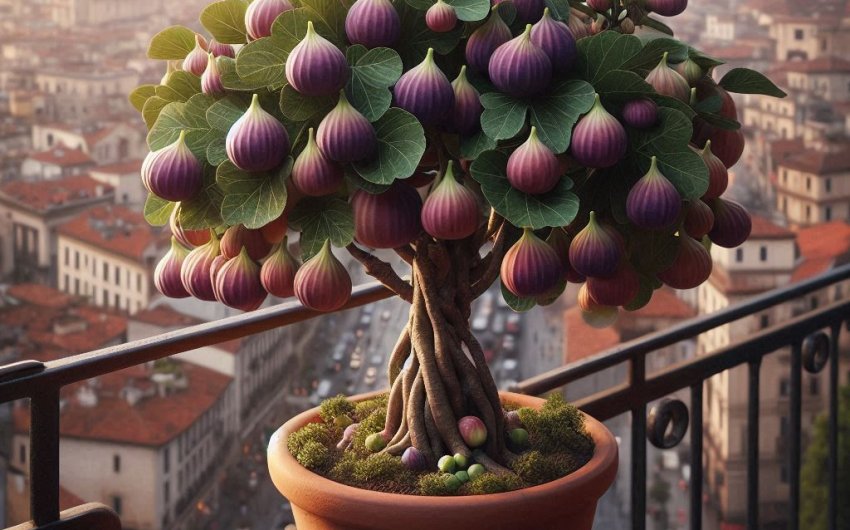
The allure of fresh, sun-ripened fruit picked directly from your own garden is a dream for many, but limited space often seems to put such aspirations out of reach. Yet, even if your "garden" consists of nothing more than a sunny patio, a balcony, or a small backyard, you can still indulge in the sweet, luscious bounty of figs. Forget sprawling orchards; the secret lies in the surprising adaptability of fig trees to container growing. These remarkable plants are not only beautiful with their lobed leaves and unique form, but they are also incredibly productive when confined to a pot, making them an ideal choice for urban gardeners and those with compact outdoor areas.
Growing figs in containers offers a multitude of benefits, extending their reach far beyond warm, Mediterranean climates. It allows you to control their size, manage their environment, and, crucially, protect them from harsh winter weather by simply moving them indoors. This means that even gardeners in colder regions can enjoy the pleasure of harvesting their own fresh figs, something that would be impossible with in-ground planting. The process is simpler than you might imagine, transforming a constrained space into a mini-orchard bursting with flavorful possibilities.
This guide will unveil the secrets to successfully cultivating fig trees in containers for small spaces. We'll delve into selecting the best varieties suited for pots, understanding their specific needs for light, soil, and water, and mastering the art of pruning and overwintering. Get ready to bring a taste of the Mediterranean to your patio or balcony, proving that even with limited room, a bountiful and delicious harvest of homegrown figs is entirely within your grasp. Let's make your small space go big on flavor.
Why Grow Figs in Containers?
Growing figs in containers offers numerous advantages, especially for gardeners with limited space or those in colder climates. It unlocks the potential for a delicious harvest where it might otherwise seem impossible.
How Does Container Growing Limit Size?
One of the biggest benefits of growing figs in containers is the ability to limit their size. In the ground, fig trees can grow into large shrubs or small trees, reaching heights of 10-30 feet.
- Root restriction: When a fig tree is planted in a pot, its roots are confined. This restriction naturally limits the plant's overall growth, keeping it to a manageable size, typically 3-10 feet tall depending on the variety and pot size.
- Perfect for small spaces: This makes them ideal for patios, balconies, small backyards, or even as decorative elements near entryways. This size control is crucial for urban gardeners.
How Can You Protect Figs from Winter Cold?
This is perhaps the most significant advantage for gardeners in colder climates (USDA Zones 7 and below). Container-grown figs can be moved indoors or to a protected location during the winter.
- Overwintering: When temperatures drop below freezing, you can easily bring the potted fig tree into a garage, shed, basement, or unheated sunroom. This protects the plant from lethal winter cold.
- Expand growing zones: This means gardeners in regions where figs wouldn't survive in the ground can still enjoy fresh figs. Without this portability, growing figs in many climates would be impossible.
How Do You Control Their Environment?
Growing figs in containers gives you incredible control over their environment.
- Sunlight: You can move the pot to ensure the fig gets its ideal amount of sun throughout the day or as seasons change.
- Watering: It's easier to manage watering and ensure good drainage when the plant is in a container.
- Soil: You can ensure the plant has the perfect well-draining, nutrient-rich soil mix it prefers.
- Pest/Disease Management: Isolation in a pot can sometimes make it easier to spot and treat pests or diseases.
Do Container Figs Produce Fruit?
Yes! And often, they produce abundant fruit. In fact, the stress of being root-bound in a container can sometimes encourage fig trees to produce fruit at a younger age and more profusely than in-ground trees. The tree's energy is concentrated on reproduction (fruit) rather than expansive vegetative growth. Many varieties will produce two crops: a small "breba" crop in early summer (on old wood) and a main crop in late summer/fall (on new wood).
What Are the Best Fig Varieties for Containers?
Not all fig varieties are equally suited for container growing. Choosing the right variety can significantly impact your success and fruit production. Look for varieties known for compact growth, good fruit production, and cold hardiness.
What is 'Brown Turkey' Fig?
The 'Brown Turkey' fig is one of the most popular and reliable fig varieties for container growing.
- Characteristics: It's a very productive fig that produces medium-sized fruit with reddish-brown skin and sweet, amber flesh.
- Vigor: It's a vigorous grower but responds well to pruning and confinement.
- Cold Hardiness: It's relatively cold hardy for an edible fig, making it a good choice for colder climates where it will be overwintered.
- Versatility: 'Brown Turkey' can produce both a breba crop and a main crop in ideal conditions. A Brown Turkey fig tree is a great starter fig for many.
What is 'Celeste' Fig?
The 'Celeste' fig, also known as "Sugar Fig," is another excellent choice, especially for its cold hardiness and delicious fruit.
- Characteristics: Produces small to medium-sized fruit with purplish-brown skin and very sweet, delicate amber flesh.
- Cold Hardiness: One of the most cold-hardy common fig varieties, making it highly adaptable for container culture in colder zones.
- Productivity: Usually produces a reliable single main crop.
- Growth habit: More compact and upright than 'Brown Turkey', making it slightly easier to manage in a pot.
What is 'Chicago Hardy' Fig?
As its name suggests, the 'Chicago Hardy' fig is prized for its exceptional cold tolerance.
- Characteristics: Produces small to medium-sized, purple-brown figs with rich, sweet red flesh.
- Cold Hardiness: Known to be one of the most cold-hardy figs, often able to survive even in Zone 5 or 6 if heavily mulched and protected, even in the ground. In containers, this hardiness translates to greater resilience during overwintering.
- Production: Primarily produces a main crop.
- Growth Habit: Relatively vigorous, but still manageable in a large container. A Chicago Hardy fig plant is perfect for gardeners in colder regions.
What is 'Little Miss Figgy' Fig?
'Little Miss Figgy' is a newer, true dwarf fig variety specifically bred for container growing and smaller spaces.
- Characteristics: It stays very compact, typically 4-8 feet tall, and produces dark burgundy, sweet, medium-sized figs.
- Productivity: Known for being very productive even at a small size, often producing both breba and main crops.
- Aesthetics: Has an attractive, bushy habit.
- Ideal for small spaces: Its naturally smaller stature means less pruning is needed to keep it manageable.
What are Other Good Container Fig Varieties?
- 'Negronne': A very compact variety with excellent flavor, producing small, dark purple-black figs with deep red flesh. Great for pots.
- 'Improved Celeste': A selection of 'Celeste' with similar cold hardiness and productivity.
- 'LSU Purple': A strong grower with good pest resistance, producing medium-sized, reddish-purple figs. Good for warmer climates but still adaptable to containers.
How Do You Select and Prepare Containers for Figs?
Choosing the right container and preparing it properly are foundational steps for success when growing figs in pots.
What Size Container Should You Start With?
Start with a container that is appropriate for the size of your young fig tree.
- Initial size: For a young plant (1-2 years old), a 10-15 gallon pot (around 16-18 inches in diameter) is a good starting point.
- Gradual increase: As the fig tree grows, you will gradually repot it into larger containers, eventually reaching a final size.
- Final size: Most mature container-grown fig trees will thrive in a 20-30 gallon pot (around 20-24 inches in diameter). The larger the pot, the larger the tree can get, and the less frequently you'll need to water.
What Materials are Best for Fig Pots?
The material of the pot impacts moisture retention and weight.
- Terracotta/Clay: Porous, allowing for good aeration and evaporation, which can help prevent overwatering. However, they dry out quickly and are heavy. A large terracotta planter is a classic choice.
- Plastic: Lightweight, affordable, and retains moisture well. Can be less aesthetically pleasing but practical.
- Fabric Grow Bags: Excellent for aeration and preventing root circling ("air pruning"). They are lightweight and foldable for storage. However, they dry out very quickly and need frequent watering. A large fabric grow bag is great for figs.
- Wood: Attractive, insulates roots, but can rot over time. Needs to be rot-resistant wood (e.g., cedar) or lined.
- Whiskey Barrels: Large and decorative, good for larger trees.
Do Fig Pots Need Drainage Holes?
Absolutely. Drainage holes are non-negotiable for fig trees in containers. Figs hate "wet feet" (soggy roots), which quickly leads to root rot. Ensure your chosen container has ample drainage holes at the bottom. Never add a layer of gravel or broken pot pieces at the bottom of the pot; this actually hinders drainage.
What Kind of Potting Mix is Best for Figs?
Fig trees need a well-draining, nutrient-rich potting mix in containers.
- Good drainage: Use a high-quality potting mix formulated for containers. You can enhance drainage by mixing in amendments like perlite, pumice, or coarse sand.
- Nutrient content: Figs are heavy feeders. Look for potting mixes that contain some compost or slow-release fertilizer, or plan to supplement.
- No garden soil: Never use garden soil in pots, as it compacts easily, drains poorly, and can introduce pests and diseases. A blend of organic potting mix with perlite will provide a good start.
How Do You Plant and Care for Container Figs?
Once you have your fig tree and container, proper planting and ongoing care are vital for a healthy, fruitful plant.
When is the Best Time to Plant or Repot?
The best time to plant or repot a container fig tree is in spring, just as new growth begins to emerge, or in early summer after all danger of frost has passed. This allows the tree to establish its roots in its new home during its active growing season.
How Do You Plant a Fig Tree in a Container?
- Prepare the pot: Ensure the pot is clean and has drainage holes.
- Add potting mix: Fill the bottom of the pot with a few inches of your prepared potting mix.
- Remove tree: Gently remove the fig tree from its nursery container. If the roots are circling the root ball, gently loosen them with your fingers.
- Place in pot: Center the fig tree in the new pot. The top of the root ball should be about 1-2 inches below the rim of the new pot to allow for watering.
- Backfill: Fill around the root ball with potting mix, gently tamping down to remove large air pockets. Don't compact the soil too tightly.
- Water thoroughly: Water immediately and deeply after planting until water drains freely from the bottom.
How Much Sun Does a Container Fig Need?
Container figs need as much full sun as possible to produce good fruit.
- Minimum 6-8 hours: Aim for at least 6-8 hours of direct sunlight per day.
- More is better: In most climates, more sun equals more fruit and better ripening.
- Move the pot: The beauty of a container fig is you can move it to the sunniest spot on your patio or even follow the sun throughout the day if needed. A plant caddy with wheels can make this easier.
How Often Should You Water Container Figs?
Container figs need consistent and often frequent watering, especially during the hot summer months when they are actively growing and fruiting.
- Check daily: You might need to check daily, particularly for smaller pots or during heat waves.
- Water deeply: When you water, soak the entire root ball until water flows freely from the drainage holes.
- Allow surface to dry: Let the top inch or two of soil dry out before watering again. Don't let it dry out completely for extended periods, but avoid soggy conditions.
- Reduce in fall/winter: Drastically reduce watering during fall and winter dormancy.
How Do You Fertilize Container Figs?
Container figs are heavy feeders and need regular fertilization during their active growing season.
- When: Start fertilizing in early spring as new growth emerges and continue every 2-4 weeks through late summer.
- What: Use a balanced liquid fertilizer (e.g., 10-10-10 or 20-20-20) diluted to half strength. You can also use a slow-release granular fertilizer mixed into the soil in spring.
- Stop in fall: Discontinue fertilizing in late summer/early fall to allow the plant to prepare for dormancy. A good fruit tree fertilizer will often work well.
How Do You Prune and Train Container Figs?
Pruning and training are essential for managing the size, shape, and fruit production of container-grown figs. This is where you really take control.
Why is Pruning Important for Container Figs?
Pruning is vital for container figs for several reasons:
- Size control: It keeps the tree to a manageable size for its pot and your space.
- Shape and structure: Helps create an attractive, open shape that allows for good air circulation and light penetration.
- Fruit production: Proper pruning encourages the development of new wood, which is where the main crop of figs develops. It can also encourage more fruiting on a smaller plant.
- Health: Removes dead, diseased, or crossing branches.
When is the Best Time to Prune Figs?
The best time to prune container figs is in late winter or early spring, just before new growth begins to emerge. This is when the tree is dormant and easier to work with, and pruning stimulates new growth that will produce fruit in the upcoming season. You can also do light summer pruning to remove water sprouts or manage shape.
What are the Main Pruning Cuts for Container Figs?
- Tip pruning/Pinching: For young trees or to encourage bushiness, you can pinch off the tips of new growth (the top 2-3 leaves) when a branch has 5-6 leaves. This encourages branching lower down.
- Dormant pruning:
- Remove dead, damaged, or diseased branches: Cut these back to healthy wood.
- Remove crossing or rubbing branches: To prevent future damage and open the canopy.
- Thin out crowded branches: Remove some branches from the center to improve air circulation and light penetration.
- Head back: Reduce the overall height by cutting back main branches to an outward-facing bud or a strong side branch. Aim to leave at least 2-3 nodes (bumps where leaves emerge) on each branch for new growth.
- Shape: Aim for an open, vase-like shape with good air circulation.
What is Fig "Breba" and "Main" Crop Pruning?
- Breba crop: Forms on old wood (branches that grew the previous season) and ripens in early summer. If you want a breba crop, don't prune off all your one-year-old wood during winter pruning.
- Main crop: Forms on new wood (branches that grow in the current season) and ripens in late summer/fall. Most container growers focus on the main crop for heavier yields. Heavy winter pruning encourages new wood for the main crop. Decide which crop is more important to you. Many gardeners prioritize the main crop as it is usually more substantial. A good pair of hand pruners is essential.
How Do You Repot and Root Prune Container Figs?
Every 2-3 years, or when your fig tree becomes root-bound, you will need to repot it.
- Refresh soil: Even if you're not going up a pot size, lift the tree, gently remove some of the old, depleted soil from the root ball, and replenish with fresh potting mix.
- Root prune: If the tree has reached its maximum desired pot size, you can root prune it. This involves carefully trimming off about 1/3 of the outer roots and any circling roots, then replanting in the same pot with fresh potting mix. This rejuvenates the plant and keeps it healthy in its confined space. Use sharp pruning shears.
How Do You Overwinter Container Figs in Cold Climates?
For gardeners in USDA Zones 7 or colder, overwintering container fig trees is the most critical step to ensure they survive and produce fruit year after year.
When is the Right Time to Bring Figs Indoors?
Bring your container fig tree indoors when temperatures consistently drop below 40°F (4°C), and before the first hard frost. A light frost won't necessarily kill them, but a hard freeze will.
- Gradual transition (optional): Some growers gradually acclimate their figs to indoor conditions by moving them to a sheltered spot for a week or two before bringing them fully indoors.
- Prep for dormancy: Stop fertilizing in late summer, and reduce watering in early fall to encourage dormancy.
What is the Ideal Location for Overwintering?
The ideal overwintering location is cool, dark, and frost-free.
- Temperature: Aim for temperatures between 35-50°F (2-10°C). Cooler temperatures encourage deeper dormancy.
- Darkness: A dark garage, basement, or unheated shed is perfect. Figs are deciduous and will drop their leaves, so light is not needed.
- Humidity: Moderate humidity is fine, but avoid very damp conditions that can encourage mold. Good air circulation is beneficial.
- Avoid warmth: Do not bring dormant figs into a warm, brightly lit living space, as this can confuse the plant, causing it to break dormancy prematurely and potentially die back from lack of light.
How Do You Prepare the Fig for Winter Storage?
- Defoliation (optional): Many people remove all remaining leaves before storage. This helps prevent pest issues indoors and prepares the tree for full dormancy.
- Pruning (optional): Do your main structural pruning (as discussed above) before moving it indoors, making it easier to handle and store.
- Pest check: Thoroughly inspect the plant for any signs of pests before bringing it inside. Treat any infestations to avoid bringing bugs into your home or overwintering space. A good insecticidal soap can be used.
How Do You Water a Dormant Fig?
Watering a dormant fig in winter is minimal but important.
- Barely moist: The goal is to keep the root ball from completely drying out. Water very sparingly, perhaps once a month or every 4-6 weeks, checking the soil moisture before watering.
- Avoid sogginess: Ensure the soil is never soggy, as this is when root rot is most likely to occur in cool, dark conditions.
- Monitor dryness: If leaves start to shrivel excessively, give it a small drink.
When Can You Bring Figs Back Outdoors in Spring?
Bring your container fig tree back outdoors in spring when all danger of frost has passed and night temperatures are consistently above 40°F (4°C).
- Gradual acclimation (hardening off): Slowly acclimate the fig tree to outdoor conditions. Start in a sheltered, shady spot for a few days, then gradually move it into brighter light over a week or two. This prevents leaf scorch.
- Resume care: Once outdoors and new growth is visible, resume regular watering and begin fertilizing. The plant will quickly leaf out and begin its new growing season.
How Do You Harvest and Enjoy Homegrown Container Figs?
The ultimate reward for your efforts in growing figs in containers is the sweet, succulent harvest. Knowing when and how to pick them ensures the best flavor.
When are Figs Ripe for Harvesting?
Figs are ripe when they are soft to the touch and slightly droopy on the branch.
- Color change: They will typically change color from green to purple, brown, yellow, or a specific color for the variety.
- Texture: The most important indicator is their softness. Gently squeeze the fig; it should yield to slight pressure.
- Drooping: A perfectly ripe fig will often hang down, heavy on its stem, sometimes even showing a small crack at the bottom (the "eye").
- Flavor: A fully ripe fig will be sweet, juicy, and flavorful. Unripe figs are chalky and unpleasant. Figs do not ripen much after being picked, so it's crucial to harvest them at their peak ripeness.
How Do You Harvest Figs?
Harvesting figs is simple:
- Gentle twist: Gently twist the fig off the branch. It should detach easily if ripe.
- Stem: Try to leave a small piece of the stem attached to the fig; this helps them last longer.
- Handle with care: Figs are delicate when ripe and can bruise easily.
- Daily checks: During the main fruiting season, check your fig tree daily, as figs ripen quickly.
How Do You Enjoy Fresh Homegrown Figs?
The joy of homegrown figs is their incredible versatility.
- Eat fresh: The simplest and best way! Straight from the tree, warm from the sun.
- Salads: Add sliced figs to salads with goat cheese, arugula, and balsamic glaze.
- Desserts: Serve with ice cream, yogurt, or bake into tarts or cakes.
- Jams/Preserves: For larger harvests, make fig jam or preserves.
- Dried: Figs can be dried for long-term storage and a concentrated sweet treat.
- Savory dishes: Pair with prosciutto, cheese, or grill them with meats.
How Do You Store Fresh Figs?
Fresh figs are highly perishable and don't last long once picked.
- Countertop: Eat immediately or store at room temperature for 1-2 days if very ripe.
- Refrigerator: Store ripe figs in a shallow bowl or container in the refrigerator for 2-3 days. Avoid piling them up to prevent bruising.
- Freezing: For longer storage, wash and dry whole figs, then freeze them in a single layer on a baking sheet before transferring to a freezer bag or container. Enjoy the fleeting sweetness of your homegrown figs!